Customizing Your Banner
Creating an impactful banner begins with understanding the array of customization options available to tailor the design to specific needs and branding objectives. Whether for promotional campaigns, event signage, or storefront displays, personalization ensures that each banner effectively attracts attention and communicates your message clearly.
Size and Shape Options
One of the first considerations in customizing a banner is selecting the appropriate size. Common dimensions vary depending on the intended use and placement, from compact outdoor signs to expansive event backdrops. Shapes can also be customized beyond traditional rectangles, including circular, triangular, or custom-cut forms, enabling unique visual effects and better alignment with branding themes.
Mounting and Display Features
- Grommets: Metal eyelets strategically placed for easy hanging and durability.
- Pole pockets: Reinforced edges that facilitate insertion of poles for freestanding displays.
- Wind slits: Cuts incorporated into outdoor banners to reduce wind resistance and prevent tearing.
- Reinforced edges: Additional stitching around borders to enhance longevity and withstand environmental stress.
Special Features for Enhanced Longevity
To maximize the lifespan of your banners, consider features like lamination and weather-resistant coatings. Lamination adds a protective layer that guards against UV damage, moisture, and surface abrasions, maintaining color vibrancy and structural integrity over time. Wind resistance features, such as wind slits and reinforced mounting points, are essential for outdoor displays subject to varying weather conditions.
Design Personalization
Personalization extends to the visual elements of the banner. This includes selecting a color scheme that aligns with your brand identity, incorporating high-resolution logos and images, and choosing fonts that are readable from a distance. Advanced customization may involve integrating special finishes like gloss or matte coatings to enhance visual appeal and tactile quality.
When customizing your banner, it is crucial to work with experienced printing professionals who can advise on the best materials and features suited for your specific applications. Through detailed customization options, you can ensure that your banner not only captures attention but also endures the environmental challenges of its display location.
Choosing the Right Materials for Your Banner
Optimal material selection is crucial for achieving the desired durability, visual appeal, and functionality of your banner. The most common choice for outdoor banners is vinyl, renowned for its resilience against weather elements such as rain, sunlight, and wind. High-quality vinyl is often compatible with various printing technologies, ensuring sharp, vibrant imagery and text that maintain their appearance over prolonged exposure.

For indoor applications, fabrics like polyester or satin offer an elegant finish and are suitable for trade shows, exhibitions, and retail displays. These materials allow for detailed designs and can be finished with textures that enhance visual appeal. Additionally, select materials with coating options—such as matte or gloss finishes—to influence how light interacts with the banner, thereby affecting visibility and aesthetic quality.
Environmental Resistance and Design Longevity
When planning for outdoor use, enhanced weather-resistant features become vital. Incorporating UV coatings protects against ultraviolet rays that could cause fading, while weatherproof coatings prevent moisture damage. Reinforced hems and grommets facilitate secure mounting, minimizing damage caused by wind or physical stress.
For banners with extended outdoor deployment, lamination adds a sturdy protective layer, safeguarding printed graphics against surface abrasions and environmental wear. Choosing banners with reinforced edges and wind slits can significantly reduce tearing risks and improve stability in gusty environments.
Color Fidelity and Printing Techniques
Color accuracy and vibrancy are pivotal for impactful advertising banners. Substrate choices compatible with high-resolution printing technologies like UV, solvent, or eco-solvent printing ensure eye-catching visuals that match your branding standards. These printing methods also promote color longevity, resisting fading even under intense sunlight.
- UV printing offers superb color vibrancy and fast-drying benefits.
- Solvent and eco-solvent technologies provide excellent durability for outdoor displays.
- Latex printing allows for flexible, environmentally friendly options with vibrant results.
It's essential to collaborate with experienced printing professionals who understand the nuances of material compatibility and the environmental demands of your banner. Their expertise ensures the selection of materials and printing methods that align seamlessly with your campaign goals and display conditions.
Choosing the Right Materials to Optimize Banner Longevity
For businesses aiming to maximize the durability and visual impact of their banners, selecting the appropriate materials is crucial. Vinyl remains the most popular choice due to its resistance to weather elements and flexibility, making it suitable for both indoor and outdoor displays. High-quality vinyl banners often feature additional coatings or lamination to enhance their lifespan, providing resistance against UV rays, moisture, and surface abrasions.
Polyester fabrics and mesh materials are also employed for specific applications, especially where lightweight and breathability are desired, such as in large-format backdrops or sports banners. Mesh banners are designed with small holes that allow wind to pass through, reducing tension and preventing tearing in high-wind environments.
Environmental Factors Influencing Material Selection
The environmental conditions where the banner will be displayed play a significant role in material choice. In regions with intense sunlight or frequent rainfall, thicker, coated vinyl or laminated banners offer enhanced protection against fading and water seepage. Conversely, indoor installations may allow for lighter, more cost-effective materials without compromising visual quality.
Enhancing Banner Durability through Special Finishing Techniques
Beyond material selection, certain finishing methods can further improve a banner’s resilience. Reinforced hems and double-stitched edges prevent fraying, while wind slits incorporated into the design allow the banner to be secured in gusty conditions without tearing. Grommets placed at regular intervals enable secure mounting and reduce stress points. UV protective coatings help maintain color vibrancy over extended periods, especially in outdoor settings.
Strategies for Preserving Banners Post-Installation
Proper maintenance ensures your banners retain their visual appeal over time. Regular cleaning with mild soap and water prevents the buildup of dirt and pollutants. When not in use, storing banners in a cool, dry place, rolled rather than folded to prevent creases, can significantly extend their lifespan. For outdoor banners, periodically inspecting grommets and hems for signs of wear allows for timely repairs, preventing larger damages.
Consultation with Printing Specialists
Engaging with experienced printing professionals provides insight into the best material and finishing options tailored to specific campaign needs. These specialists can recommend bespoke solutions that combine durability, visual impact, and cost-efficiency, ensuring that your banner remains an effective communication tool over its intended lifespan.
Choosing the Right Materials for Banner Printing
Selecting appropriate materials is fundamental to achieving high-quality, durable banners suitable for various environments. Vinyl remains the most popular choice due to its robustness and weather resistance. Specifically, PVC-based vinyl banners offer excellent flexibility and longevity, making them ideal for outdoor displays exposed to sun, rain, and wind. Polyester fabrics are also utilized for indoor settings or applications requiring a softer texture, with dye-sublimation printing enhancing the vibrancy of colors on fabric surfaces. Additionally, mesh vinyl is advantageous for large-scale banners in windy areas, as its perforations allow wind to pass through, reducing stress on mounting points.
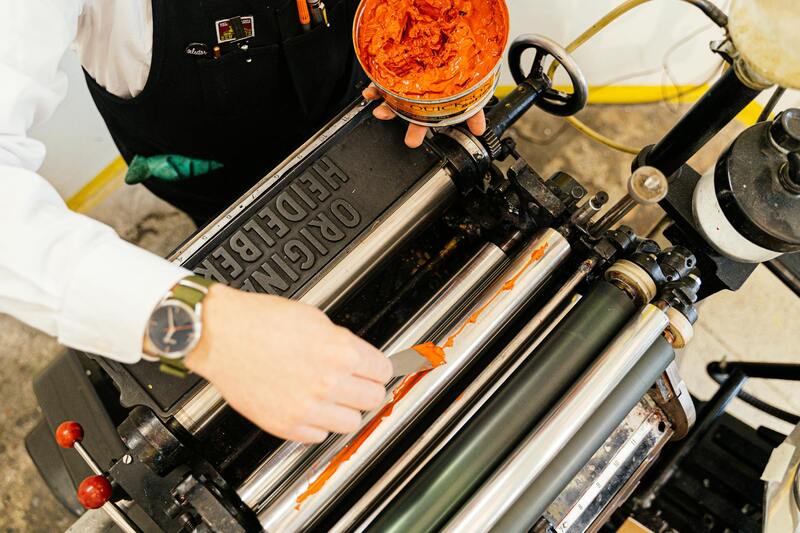
Understanding the environmental demands and intended display duration is essential when selecting banner material. For long-term outdoor banners, UV-resistant coatings can prolong color vibrancy and protect against fading caused by sunlight exposure. Conversely, indoor banners might prioritize materials with vibrant color reproduction and ease of installation without the need for weatherproof features. Ultimately, choosing the right material aligns with your campaign goals, spatial constraints, and budget considerations.
Techniques to Optimize Banner Printing Quality
Achieving precise and visually striking banners involves advanced printing techniques and meticulous quality control. Digital printing methods, especially UV and solvent printing, dominate the industry due to their ability to produce high-resolution images with sharp details and vibrant colors. UV printing employs ultraviolet light to instantly cure inks on various surfaces, ensuring durability and resistance to scratching or peeling. Solvent-based inks penetrate the substrate, providing excellent adhesion and weatherproofing capabilities.
Print resolution plays a pivotal role in banner clarity. High DPI (dots per inch) settings ensure crisp images free from pixelation, particularly important for banners with intricate graphics or small text. Color calibration and profile management are vital for consistent color reproduction across batches and different materials. Incorporating finishing touches like laminate overlays can further enhance durability by protecting against UV rays, moisture, and physical abrasion, making banners more resilient over extended periods of outdoor or high-traffic use.
Cost-effectiveness and Quality Balance
Maintaining an optimal balance between cost and quality is essential for successful banner campaigns. While premium materials and advanced printing techniques often incur higher expenses, they translate into superior visual impact and longer lifespan. Economies of scale can reduce per-unit costs when producing large quantities, but initial setup fees and material investments should be considered within your budget planning. For short-term promotions or events, cost-effective options such as standard vinyl or fabric banners may suffice, while long-term branding efforts benefit from investing in high-durability materials and professional printing standards.
Effective cost management also involves selecting appropriate finishing options and mounting accessories that do not compromise overall presentation. Working closely with experienced printing providers enables tailored solutions that meet both budget constraints and quality expectations, ensuring your banner campaign delivers maximum value and engagement.
Customizing Your Banner
When designing a banner for optimal impact, attention to its customization details is crucial. This includes selecting the right dimensions, color schemes, and graphical elements that align with your branding and campaign objectives. Incorporate high-resolution images and vector graphics to ensure clarity, especially when scaling for large formats. Typography should be clear and legible from various distances, with font choices complementing the overall message. Additionally, considering the type of material and finishes can enhance the appearance and durability of your banner.
Prior to printing, collaborating with professional designers or utilizing advanced design software can streamline the process of creating a visually compelling banner. It’s important to review proofs thoroughly, ensuring that colors are accurately represented and that all elements adhere to brand guidelines. Incorporating bleed margins and safe zones prevents critical graphics or texts from being cut off during trimming, maintaining a clean and professional presentation.
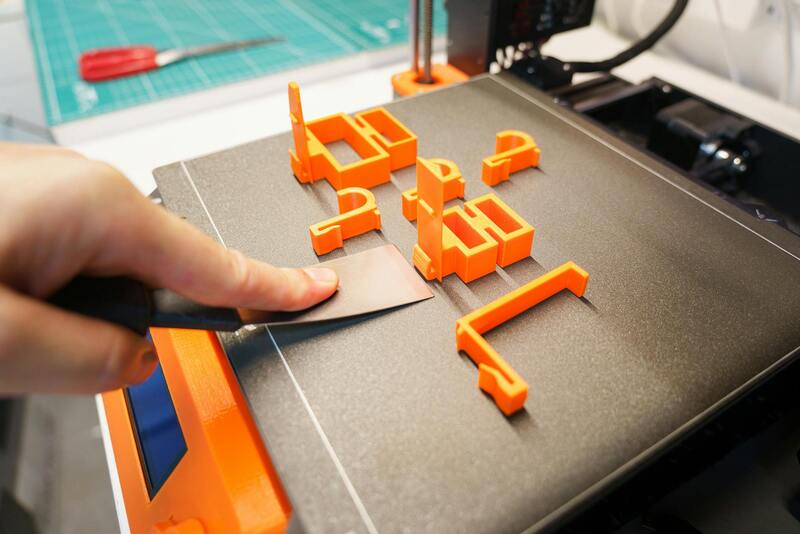
Considering the placement and viewing distance can influence your customization choices. For outdoor banners, weather-resistant finishes and glare-reducing coatings may be necessary, while indoor banners might prioritize aesthetics with premium fabric or vinyl options. Custom shapes or mounting grommets can also add uniqueness and ease installation. By focusing on these customization aspects, you ensure that your banner effectively communicates your message and enhances brand visibility.
Essential Elements for Effective Banner Customization
- Size and Layout: Tailor dimensions to your intended space and visibility requirements.
- Color Scheme: Use contrasting colors to make your message stand out, considering brand colors for consistency.
- Graphics and Text: High-quality images with minimal text for quick comprehension.
- Material Choice: Select appropriate materials based on indoor or outdoor use.
- Finishing Details: Reinforced edges, grommets, or pole pockets for durability and installation ease.
Designing a custom banner involves balancing aesthetic appeal with practical considerations for mounting and durability. Working with experienced print providers can help refine your ideas into a finished product that captures attention and withstands environmental challenges.
Official Methods for Banner Printing in Singapore
Securing high-quality banners in Singapore involves relying on established printing channels that prioritize professionalism and durability. Recognized printing companies and certified print providers offer a range of solutions that adhere to industry standards, ensuring that your banners meet both aesthetic and functional expectations. These methods typically include digital printing for detailed designs, large-format printing for wide banners, and specialty techniques for unique finishes.
Leveraging professional printing services provides access to advanced technology such as UV and solvent inks, which deliver vibrant colors and long-lasting results. Certified providers also maintain strict quality control processes, ensuring color accuracy, sharp graphics, and consistent ink application. This commitment to quality guarantees that your banner will maintain its visual appeal even when exposed to varying environmental conditions, crucial for outdoor advertising campaigns.
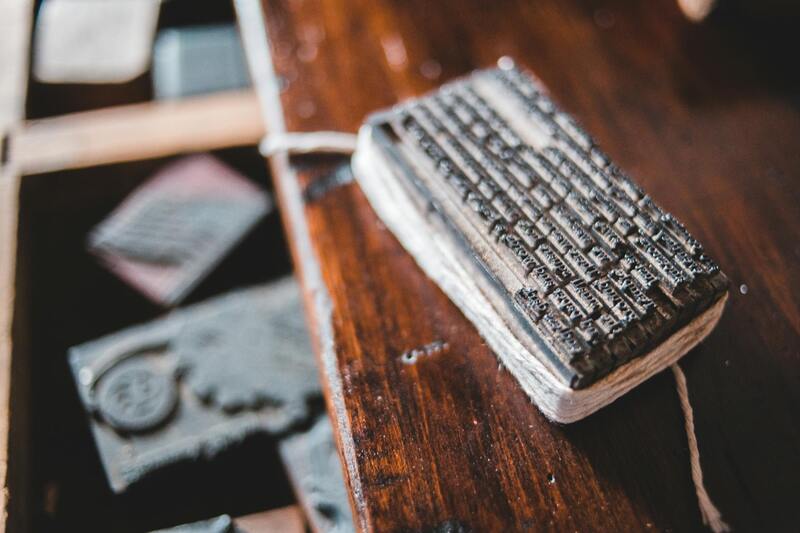
Another official method involves using environmentally friendly materials and finishes that comply with local regulations, promoting sustainability without compromising quality. Certified banner printing firms often provide consultation services to help you select the appropriate materials—such as weather-resistant vinyl for outdoor banners or premium fabric for indoor displays—based on your specific needs and site conditions.
Ensuring Quality and Authenticity in Your Banner Projects
- Certified Printing Partners: Working with authorized providers guarantees access to genuine materials and up-to-date technology, reducing risks associated with substandard products.
- Standardized Printing Processes: These include proven techniques like solvent, eco-solvent, and UV printing, which are recognized for their durability and color richness.
- Material Certification: Genuine banners utilize certified materials that meet safety and environmental standards, often specified by reputable material suppliers.
- Compliance with Local Regulations: Respecting regulations around material safety, environmental impact, and public display ensures your banners are responsibly produced and safely installed.
Additional Aspects of Legitimate Banner Printing
Official banner printing involves thorough planning and consultation to align your design with the intended display environment. This includes selecting suitable sizes, finishes, and mounting options that enhance visibility and ease of installation. Engaging with reputable providers also means your project benefits from expert guidance on best practices for durability, weather resistance, and aesthetic appeal, ensuring your banners effectively communicate your message to the target audience.
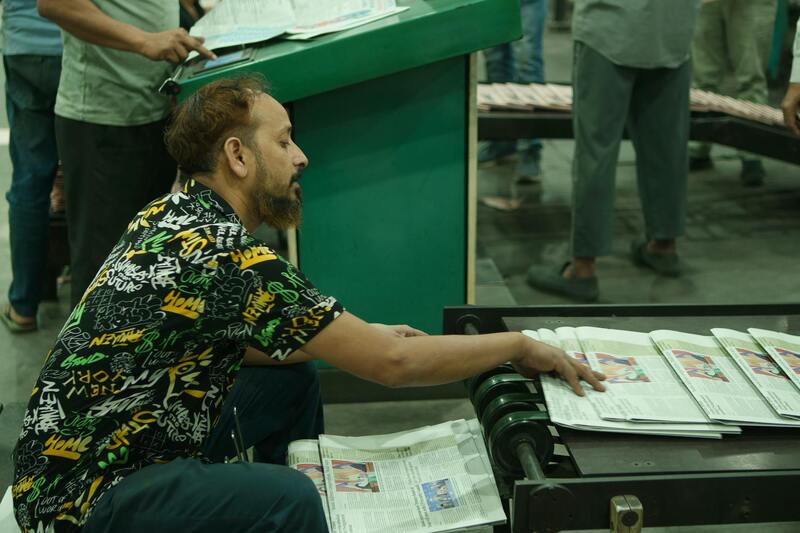
Materials and Durability of Banner Printing
Choosing the right materials for banner printing in Singapore is essential to achieve optimal durability and effectiveness. The selection process should be based on the intended display environment, whether outdoor or indoor, as well as exposure to weather elements such as rain, sun, or wind.
Genuine banner materials typically include vinyl, mesh, fabric, and polyester substrates, each offering specific benefits in terms of strength and resilience. Vinyl banners, especially those made with premium 13-oz or 15-oz thickness, are highly resistant to tearing, water, and UV rays, making them ideal for outdoor advertising campaigns that require long-lasting performance. Mesh banners, with their small perforations, enable wind passage, reducing the risk of tearing and providing stability in windy conditions. Fabric banners, often crafted from polyester or related materials, provide a premium look suitable for indoor displays or temporary outdoor use. These fabrics are usually coated or laminated to resist moisture, fading, and scratching, ensuring the visual quality remains intact over time.
Material certification and adherence to environmental standards serve as indicators of quality and durability. Reputable producers utilize certified substrates and inks that are resistant to fading, cracking, and peeling, thereby extending the longevity of your banner display. Furthermore, the integration of UV-resistant inks enhances color retention, especially under Singapore’s intense sunlight, ensuring your banners remain vibrant and eye-catching over extended periods.
Proper lamination and finishing techniques also contribute to a banner’s lifespan. Laminates such as gloss, matte, or protective overcoats shield the printed surface from scratches, dirt, and moisture. Finishing options like hemmed edges and grommets facilitate secure installation and reduce wear caused by handling and environmental exposure.
Maintenance practices are crucial to prolonging the value of your banners. Regular cleaning with mild, non-abrasive solutions helps remove dirt and pollutants that can degrade the material’s appearance. When installed outdoors, frequent inspection for signs of wear, such as tearing or fading, allows for timely repairs or replacements, maintaining the integrity and professionalism of your branding efforts.
In summary, selecting high-quality, certified materials and employing proper finishing and maintenance techniques significantly impact the durability of your banners. Investing in premium substrates not only ensures your visuals remain impactful for the duration of your campaign but also reflects positively on your brand’s professionalism and commitment to quality.
Materials and Durability of Banner Printing
When selecting materials for banner printing, the emphasis should be on durability and environmental resistance, especially for outdoor displays common in Singapore's vibrant commercial landscape. The most prevalent option is vinyl, known for its robustness, flexibility, and excellent weather resistance. Vinyl banners can withstand rain, UV exposure, and wind, making them suitable for prolonged outdoor use. For indoor applications, lighter materials like fabric or mesh can provide a premium look while maintaining ease of handling.
Advanced printing inks used on these materials contribute significantly to their longevity. Eco-solvent inks are widely favored in Singapore due to their resistance to fading, cracking, and peeling. These inks contain solvents that penetrate deeply into the substrate, bonding firmly and providing vibrant, long-lasting color. UV-curable inks are another option that cure instantly when exposed to ultraviolet light, producing highly durable prints resistant to environmental factors.
Finishing and Maintenance for Long-Lasting Banners
Proper finishing techniques further enhance a banner’s lifespan. Hemmed edges and reinforced grommets ensure secure installation and minimize wear from handling and wind stress. Lamination layers, whether gloss, matte, or protective overcoats, act as shields against scratches, dirt, and moisture, preserving visual quality over extended periods.
Maintenance routines also play a crucial role in prolonging your banners’ appearance and integrity. Regular cleaning with non-abrasive, mild solutions removes accumulated dirt, pollutants, and salt deposits that can degrade materials, especially in Singapore’s humid climate. Periodic inspections help identify early signs of damage such as tears, fading, or peeling, allowing for timely repairs or replacement.
Investing in high-grade substrates and employing meticulous finishing and maintenance practices ensures your banners maintain their visual impact and structural integrity. The choice of materials and proper care reflect your brand’s professionalism and commitment to quality, making your signage more effective and durable over time.
Materials and Durability of Banner Printing
Choosing the right materials is essential to ensure your banner withstands Singapore's humid and variable weather conditions. Commonly used substrates include vinyl, mesh fabric, and fabric textiles, each offering unique benefits tailored to specific environments.
- Vinyl Banners: Known for their robustness and flexibility, vinyl banners are highly resistant to moisture, tearing, and UV exposure. They are ideal for outdoor advertising, featuring a smooth surface that produces vibrant colors and sharp images.
- Mesh Banners: With perforations allowing wind passage, mesh banners provide excellent durability against wind stress. They are particularly suitable for large banners placed in exposed outdoor locations.
- Fabric Banners: Often crafted with polyester or polyester blends, fabric banners offer a sophisticated appearance and are less prone to crease marks. They are suitable for indoor displays or environments where presentation quality is paramount.
The selection of inks further influences the lifespan of printed banners. Eco-solvent, solvent-based, and UV-curable inks are widely adopted for outdoor banners due to their resistance to fading and environmental elements. UV-curable inks, for instance, cure instantly under ultraviolet light, resulting in vivid, durable graphics that maintain their visual appeal over time.
Proper finishing techniques significantly extend a banner’s durability. Reinforced grommets prevent tearing during installation, while hemming offers additional strength along the edges. Applying lamination overlays, such as gloss or matte finishes, enhances resistance to scratches, moisture, and UV rays, which is especially valuable in Singapore’s tropical climate.
Maintenance practices also play a crucial role. Regular cleaning with gentle, non-abrasive solutions removes dirt, salt deposits, and pollutants that can degrade the material over time. Routine inspections help identify early signs of damage, allowing for prompt repairs or replacement, thereby preserving the banner’s visual clarity and structural integrity.

Materials and Durability of Banner Printing
Choosing the right material is fundamental to ensuring that banners maintain their visual impact and structural integrity over the intended display period. In Singapore’s tropical climate, where high humidity, frequent rain, and intense sunlight are prevalent, selecting weather-resistant and UV-stable materials is essential. Vinyl remains the most prevalent choice due to its robustness and adaptability, but specific types of vinyl, such as mesh or block-out banners, offer different advantages suited for particular applications.
For outdoor displays, premium vinyl with weather-resistant coatings provides excellent resistance to environmental elements. These coatings serve as a barrier against moisture, salt, and pollutants, which can accelerate wear and tear. Additional features, such as anti-fade inks and UV inhibitors, further prolong the vibrancy of printed graphics, maintaining clarity and color accuracy over extended periods.
In indoor settings, lighter materials like fabric banners or paper-backed vinyl can be preferred, especially when flexibility and ease of handling are prioritized. Fabric banners, typically made from polyester, offer a sophisticated appearance with rich color reproduction and minimal glare. They are suitable for event backdrops and indoor signage where durability is less of a concern but visual appeal remains important.
Enhanced Durability Techniques
- Edge Reinforcements: Reinforced hemmed edges and grommets mitigate tearing during installation and exposure to wind.
- Lamination Overlays: Applying gloss or matte lamination layers shields against scratches, moisture, and UV damage. This additional layer helps preserve print quality, especially in outdoor environments where exposure to pollutants and harsh sunlight is inevitable.
- Proper Finishing: Complementary finishing techniques like welding, hemming, and eyeleting ensure the structural stability and resilience of the banner.
- Maintenance Practices: Regular cleaning with gentle, non-abrasive solutions removes dirt, salt deposits, and airborne pollutants. Such maintenance prevents material degradation and sustains visual clarity over time. Routine inspections allow early detection of damage, enabling timely repairs or replacements which extend the banner's lifespan.
Impact of Design on Durability
The inclusion of reinforced zones in the design—particularly around grommet placements—reduces stress concentration points that can trigger tears. Furthermore, minimal use of intrusive adhesives or excessive overlapping enhances the overall resilience of the banner. The choice of high-quality inks and precise printing methods guarantees that graphics do not fade or peel prematurely, preserving brand consistency and campaign visual appeal.
Optimizing Banner Longevity
Beyond material selection, environmental considerations and strategic placement also influence the lifespan of banners. Positioning banners away from direct sunlight during peak hours, ensuring proper mounting to prevent undue strain, and limiting exposure to high-wind areas can significantly extend their usability. For banners that require temporary installation, removability without damage is a key feature to maintain their integrity during multiple setups and takedowns.
Advanced Techniques for Banner Customization and Enhancement
To maximize the visual impact and longevity of your banners, utilizing advanced customization techniques is essential. These methods not only enhance aesthetic appeal but also improve functional resilience against environmental factors commonly encountered in outdoor settings.
Incorporating Unique Finishing Details
Finishing touches such as reinforced edges and specialized hemming contribute significantly to a banner’s durability. Double-stitched hems prevent fraying and unraveling, especially in areas prone to tension. Applying welded seams can create a seamless edge that resists tearing, while reinforced grommet zones diminish stress concentrations around mounting points. These enhancements are particularly beneficial for large-scale banners exposed to wind and other elements.
Utilizing Visual Enhancements for Greater Engagement
Employing various visual enhancements like vibrant color schemes, high-resolution graphics, and strategic placement of call-to-action elements can lead to more effective campaigns. Techniques such as overlamination with matte or gloss finishes protect printed graphics from UV damage, scratches, and chemical exposure. This not only preserves visual clarity but also allows for easier cleaning and maintenance.
Strategic Banner Placement and Mounting
Proper positioning of banners plays a crucial role in their visibility and lifespan. Position banners in areas with minimal direct sunlight exposure and away from high-wind zones. Use appropriate mounting hardware such as sturdy eyelets, hooks, or tension systems to evenly distribute weight and reduce strain points. For temporary displays, consider using removable mounting solutions that won't damage the material upon removal, facilitating multiple reuse cycles.
Maintenance Practices to Extend Banner Usage
Regular cleaning with non-abrasive, gentle solutions can prevent build-up of dirt, salt, and pollutants that accelerate degradation. Implement routine inspections to identify early signs of wear or damage, allowing timely repairs. If banners are coated with protective lamination or films, reapplying or replacing these layers during maintenance can sustain their appearance over extended periods. When banners are no longer in use, proper storage—rolled rather than folded—helps prevent creases and cracks, ensuring their readiness for future campaigns.
Innovative Materials for Customization
Exploring newer materials such as blockout vinyl or mesh fabrics opens additional customization avenues. Blockout vinyl offers opacity for vibrant print clarity and prevents light bleed-through, ideal for window displays or indoor advertising. Mesh fabrics provide breathability and wind resistance, making them suitable for outdoor environments where airflow is a concern. Together with advanced printing techniques like solvent or UV printing, these materials allow for highly personalized and durable banner options.
Technology-Driven Customization Tools
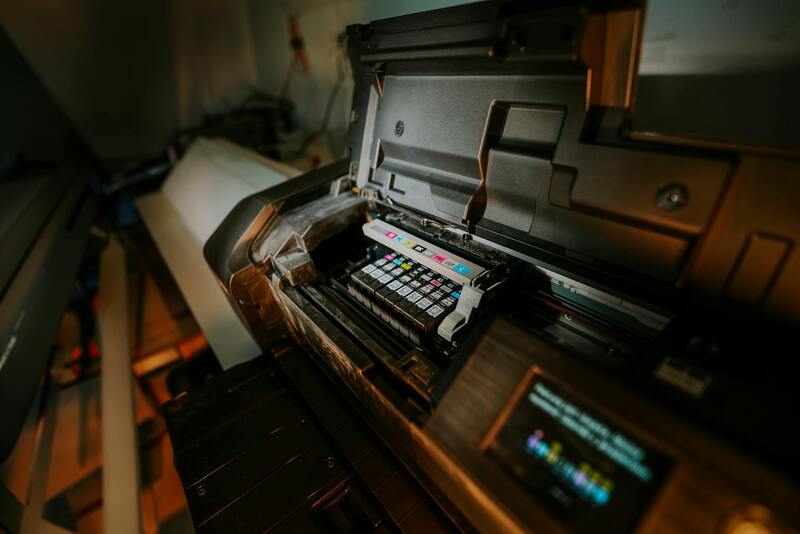
Modern digital printing devices equipped with multi-color capabilities and precise alignment controls enable detailed personalization. Utilizing software that supports high-resolution image rendering ensures sharp, vibrant graphics. Furthermore, integrating design templates with adjustable parameters allows for consistency across multiple banners, streamlining the customization process while maintaining branding standards.
Personalization for Campaign Effectiveness
Personalized banners tailored to specific events, locations, or target demographics tend to resonate more profoundly. Custom elements such as dynamic text, localized images, or QR codes linked to digital content enhance engagement levels. Advanced printing solutions facilitate these customizations efficiently, ensuring that each banner is optimized for maximum impact.