Comprehensive Guide to Order Custom Banner from disc-print.com
In the realm of effective advertising and event branding, custom banners are indispensable for communicating messages clearly and attractively to target audiences. When opting to order a custom banner, it is vital to understand the various options available, the materials used, and the process involved to ensure that the final product meets specific needs and expectations. This guide delves into the essential considerations and official methodologies for ordering high-quality, custom banners tailored for diverse environments, from outdoor promotions to indoor displays.
Types of Custom Banners
The diversity of banner types allows businesses and individuals to select options that best fit their promotional strategies. Recognized types include vinyl banners, fabric banners, mesh banners, and retractable banners. Each category offers unique advantages suited to specific environments and purposes.
- Vinyl Banners: Known for durability and vibrant print capability, vinyl banners are ideal for outdoor use, resistant to weather elements and capable of lasting through extended exposure.
- Fabric Banners: Manufactured from high-quality fabrics, these banners offer a premium look with excellent color vibrancy, suitable for indoor exhibitions and event displays.
- Mesh Banners: Designed with perforations, mesh banners are perfect for breezy outdoor settings, allowing wind to pass through without causing damage or excessive flapping.
- Retractable Banners: Compact and portable, retractable banners are commonly used for trade shows and temporary displays, featuring easy setup and removal.
Materials Used in Banner Printing
The choice of materials impacts the durability, appearance, and suitability of the banner. Commonly used materials include:
- Vinyl: A synthetic plastic material that is weather-resistant and suitable for outdoor advertising.
- Fabric: Typically polyester or polyester blends, offering a professional look and capable of extensive reusability.
- Mesh: Made from woven nylon or polyester, featuring small perforations for wind passage while maintaining print quality.
- Aluminum or PVC backing: Used to reinforce banners for increased rigidity and longevity in outdoor environments.
Designing Your Custom Banner
Design plays a pivotal role in the effectiveness of a banner. When ordering a custom banner, it is essential to prepare your artwork with high resolution and clear messaging. Many printing platforms provide online design tools, or you can collaborate with graphic designers to develop compelling visuals. Key considerations include:
- Maintaining brand consistency with logos, colors, and fonts.
- Using bold, legible fonts that are visible from a distance.
- Incorporating eye-catching images and minimal text for quick comprehension.
- Ensuring bleed areas are considered to prevent unwanted cropping.
Size and Dimensions for Custom Banners
Selecting the appropriate dimensions depends on the intended viewing distance and installation location. Standard sizes range from small (2 feet by 4 feet) to large skyscraper banners exceeding 20 feet in length. Custom sizes are also available, allowing precise measurements tailored to specific spaces. When choosing dimensions, consider:
- Available installation space.
- The visibility range to maximize impact.
- Proportional balance between height and width to avoid distortion.
Printing Techniques and Quality
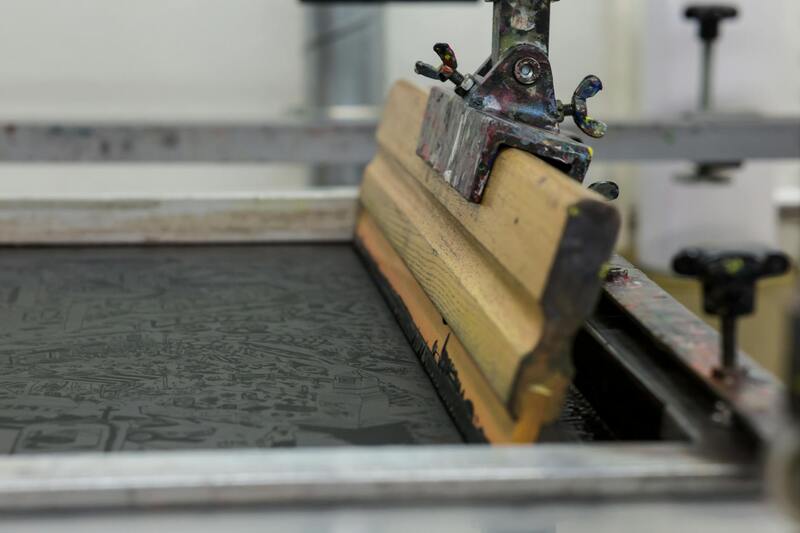
High-quality printing techniques guarantee vibrant colors, sharp images, and long-lasting results. Common methods include solvent, eco-solvent, UV, and latex printing, each suitable for different materials and environmental conditions. These techniques provide:
- Wide color gamut for vivid visuals.
- Resistance to fading and weathering.
- Precise detail reproduction for intricate designs.
Outdoor vs Indoor Banner Options
Choosing between outdoor and indoor banners depends primarily on environmental exposure. Outdoor banners require weather-resistant materials like vinyl and mesh with UV protection, while indoor banners can focus on aesthetics, utilizing fabrics and lightweight materials. Considerations include:
- Weather resistance and durability for outdoor banners.
- Ease of installation and portability for indoor displays.
- Design clarification to avoid glare or improper lighting effects indoors.
Ordering Process and Turnaround Time
Ordering a custom banner is streamlined through official channels, typically involving submission of artwork, material selection, size specifications, and quantity. Established platforms like disc-print.com adhere to professional standards, ensuring accurate printing and timely delivery. The process typically involves:
- Creating or uploading high-resolution artwork.
- Selecting preferred materials and banner type.
- Providing detailed size specifications.
- Final review and approval.
- Production and expedited shipping options available for urgent needs.
Turnaround times can vary but generally range from 24 to 72 hours post-final approval, depending on order complexity and shipping logistics.
Pricing, Customization, and Additional Features
Pricing for custom banners depends on several factors, including size, material, printing technique, and additional features such as grommets, hems, or double-sided printing. Basic banners tend to offer competitive rates for bulk orders, while premium options incorporate extra customization to enhance longevity and presentation. Optional features you might consider include:
- Grommets for easy hanging.
- Reinforced hems for durability.
- Double-sided printing for maximal visibility from multiple angles.
- Special finishes like gloss or matte coatings.
Types of Custom Banners
When selecting a custom banner, it’s essential to consider the specific application, environmental factors, and desired aesthetic. Each type of banner offers unique benefits tailored to different needs. The most common types include vinyl banners, fabric banners, mesh banners, and retractable banners, each designed with particular features to enhance performance and visual appeal.
Vinyl Banners
Vinyl banners are the most popular choice for outdoor advertising due to their weather resistance, durability, and vibrant print quality. They are made from high-quality pvc material that stands up to sun, rain, and wind, making them ideal for long-term outdoor displays. Vinyl banners are customizable in size, thickness, and finishes, offering flexibility for various marketing campaigns.
Fabric Banners
Fabric banners offer a softer, more elegant look suitable for indoor environments. Made from high-quality polyester or canvas materials, they provide excellent print quality with rich colors and sharp details. Fabric banners are lightweight, easy to transport, and create a premium appearance, making them suitable for trade shows, event backdrops, and retail displays. They can be tensioned for a seamless presentation or sewn with reinforced edges for added durability.
Mesh Banners
Designed with a perforated surface, mesh banners are optimized for outdoor use where wind resistance is a concern. The tiny holes in the material allow wind to pass through, reducing strain and potential damage. These banners are especially effective for large-scale installations such as stadium advertising or building wraps, providing visibility while minimizing wind-related issues.
Retractable Banners
Retractable banners, also known as roll-up banners, are portable, easy-to-assemble displays perfect for indoor events, trade shows, and promotional activities. Their telescoping mechanism allows for quick setup and compact storage. The print is usually mounted on a flexible roller system that retracts into a base, making them highly convenient for temporary advertising needs.
Additional Banner Types
- Step and Repeat Banners: Commonly used for photo backdrops at events, featuring repetitive logo patterns.
- Pop-Up Displays: Modular options combining fabric or vinyl panels for versatile event setups.
- Backlit Banners: Designed with special materials for illumination, ideal for window displays or indoor signage.
Choosing the right banner type involves evaluating factors such as location, duration of display, desired visual impact, and budget. Official channels like disc-print.com provide detailed guidance and customization options to ensure your banner effectively meets your marketing objectives.
Types of Custom Banners
Choosing the appropriate type of custom banner is essential for achieving your marketing objectives and ensuring that your message reaches your target audience effectively. There is a diverse array of banner styles suited for different environments, display durations, and visual impacts. Recognizing these options enables you to select a banner that aligns seamlessly with your promotional strategy.
Vinyl Banners
Vinyl banners are among the most popular choices for both indoor and outdoor advertising. Known for their durability and weather resistance, these banners are suitable for long-term outdoor campaigns. They offer a high-quality surface that reproduces graphics sharply and vividly. Vinyl banners can be customized in various sizes and finishes, including matte or gloss, to match specific branding needs.
Mesh Banners

Designed with perforations, mesh banners excel in outdoor settings where wind can be a concern. The tiny holes allow air to pass through, reducing wind load and minimizing stress on the material. This feature ensures longevity and visual clarity even in adverse weather conditions. Mesh banners are often used for stadium advertising, building wraps, or large-format outdoor signage to maintain high visibility.
Retractable Banners
Also known as roll-up banners, retractable banners bring portability and convenience to promotional events. Their compact design features a flexible graphic mounted on a roller mechanism that retracts into a sturdy base. These banners are ideal for trade shows, presentations, or storefront displays where quick setup and takedown are required.
Additional Banner Formats
- Step and Repeat Banners: Often used as backdrops at press conferences or product launches, these banners feature repetitive logos or patterns.
- Pop-Up Displays: Modular and portable, these displays combine fabric or vinyl panels, facilitating versatile setups for various event types.
- Backlit Banners: Incorporating illuminating materials, backlit banners create striking visual effects, perfect for window displays or indoor signage that demands attention.
Each banner type has distinct features tailored to specific marketing contexts. Assessing factors like installation environment, expected lifespan, and visual intent will help determine the most appropriate format. When selecting official printing services such as disc-print.com, clients benefit from expert guidance and a comprehensive range of customization options to maximize their banner’s effectiveness.
Types of Custom Banners
Choosing the right type of custom banner is essential for effectively communicating your message and ensuring visibility in various environments. There are several distinguished formats, each tailored for specific applications and strategic purposes. The classic vinyl banner remains the most popular choice for outdoor advertising due to its durability and weather resistance. Mesh banners, with their breathable material, are optimal for large-format outdoor signage where wind resistance and high visibility are priorities. For indoor environments, fabric banners offer a refined appearance with vibrant color reproduction, suitable for trade shows or corporate events. Retractable banners, also known as roll-up banners, offer portability and quick setup, making them ideal for presentations, quick promotions, local store displays, and trade shows. They come with a sturdy base and a retractable graphic panel that allows for convenient transportation and storage.
Additional Banner Formats
- Step and Repeat Banners: Commonly used as backdrops at press conferences or product launches, these banners feature repetitive logos or pattern designs to maximize branding.'
- Pop-Up Displays: Modular and portable, these systems use fabric or vinyl panels that facilitate versatile and easy setups for exhibitions or promotional events.
- Backlit Banners: Incorporating illumination, backlit banners are perfect for indoor signage and window displays where eye-catching visual effects are necessary to attract attention.
Each of these banner types is compatible with specific marketing contexts. The choice hinges on factors like installation environment, visual impact, expected lifespan, and the nature of the messaging. Working with reputable printing services such as disc-print.com guarantees access to a broad custom selection, high-quality materials, and expert guidance to enhance the effectiveness of your signage campaigns.
Materials Used in Banner Printing
Material selection plays a pivotal role in determining a banner’s performance, durability, and overall appearance. Standard banner materials include vinyl, mesh, fabric, and specialty textiles, each offering unique advantages tailored to different needs.
- Vinyl: The most prevalent material for both indoor and outdoor banners, vinyl is tough, weather-resistant, and capable of producing high-resolution images. Its resistance to water, UV rays, and tearing makes it ideal for prolonged outdoor use. Matte or gloss finishes can be applied depending on the desired aesthetic and lighting conditions.
- Mesh: Constructed with small perforations, mesh banners provide excellent wind resistance, reducing the risk of tearing or damage in exposed outdoor settings. The semi-transparent nature allows wind passage while maintaining high visibility of the printed message.
- Fabric: Made from polyester or other textiles, fabric banners exude sophistication and color vibrancy, especially suited for indoor use. They are crease-resistant, easy to handle, and lend a premium look to promotional displays or event backdrops.
- Specialty Textiles: For applications requiring backlit effects or textured finishes, specialty textiles such as vinyl with a matte finish or fabric with a satin sheen are available. These materials enhance visual appeal, especially under specific lighting conditions.
Additional Considerations
When selecting banner materials, consider the environmental conditions, expected lifespan, and installation location. For instance, outdoor banners should favor weatherproof and UV-resistant options, while indoor banners can utilize lighter, more elaborate fabrics. Reputable printers utilize only high-grade materials from trusted suppliers, ensuring your banners maintain quality and visual impact regardless of external factors.
Types of Custom Banners
Choosing the right type of custom banner is essential for achieving your promotional goals. The most common options include vinyl banners, fabric banners, mesh banners, and specialty textiles. Each type offers unique advantages tailored to specific environments and applications.
- Vinyl Banners: Durable, weather-resistant, and suitable for both indoor and outdoor use. Vinyl banners are versatile and can be printed with high-resolution graphics, making them ideal for various events, storefronts, and advertising campaigns.
- Fabric Banners: Made from polyester or textiles, these banners provide a sophisticated appearance with vibrant colors. Fabric banners are particularly popular for indoor displays, trade shows, and ceremonies where aesthetics matter.
- Mesh Banners: Constructed with perforated material, mesh banners are designed to withstand outdoor conditions, especially in windy environments. Their semi-transparent nature allows wind to pass through, reducing stress on the material while maintaining message visibility.
- Specialty Textiles: For advanced visual effects and lighting integration, specialty textiles such as vinyl with matte finishes or satin sheen fabrics are available. These materials enhance visual impact under specific lighting conditions, perfect for elaborate displays and backdrops.
Each banner type can be customized further with various finishes, pole pockets, Grommets, and reinforced edges, ensuring structural stability and ease of installation. When selecting a banner type, consider factors like installation location, expected exposure to weather elements, and the visual aesthetic desired.
Materials Used in Banner Printing
The quality and durability of your custom banner heavily depend on the materials used during printing. Reputable print providers utilize high-grade materials sourced from trusted suppliers, ensuring your banners retain their visual impact over time.
- Vinyl: Heavy-duty, weatherproof, and UV-resistant, vinyl is the most widely used material for outdoor banners. Its robustness guards against tearing, fading, and environmental damage.
- Polyester Fabric: Known for its elegance and vibrant color reproduction, polyester fabric is preferred for indoor displays, backdrops, and event banners where appearance is a priority.
- Mesh Fabric: Combining visibility with durability, mesh fabric is ideal for outdoor use in windy conditions, maintaining a balance between airflow and message visibility.
- Specialty Textiles: These include textured fabrics and backlit-compatible materials that provide unique visual effects, enhancing the overall presentation of your message.
In addition to material choice, the finishes applied—such as gloss, matte, or satin—can influence the banner's aesthetic and glare reduction, tailor-made to suit lighting environments and visual preferences.
Types of Custom Banners
In the realm of custom banner solutions, understanding the variety of options available is essential for selecting the most suitable type for your specific needs. Different banner types serve distinct purposes, environments, and aesthetic preferences, ensuring that your message is conveyed effectively and attractively.
Vinyl Banners
Vinyl banners are the most common choice for outdoor advertising due to their robustness and weatherproof properties. They are made from durable, heavy-duty PVC material that resists tearing, UV damage, and prolonged exposure to the elements. Their versatility allows for large-format printing with vibrant colors, making them ideal for events, promotions, and signage that require longevity and high visibility.
Mesh Banners
Designed to withstand windy conditions, mesh banners incorporate tiny holes that promote airflow, reducing wind resistance. This material maintains message clarity even under turbulent weather, making it suitable for outdoor projects on fences, scaffolding, or building exteriors where durability and airflow are paramount.
Fabric Banners
Fabric banners, often produced from polyester or similar textiles, deliver a sophisticated aesthetic with rich color reproduction and a smooth finish. These are primarily used for indoor applications, such as trade shows, exhibitions, and indoor retail displays, where visual appeal and a refined look are vital. They are lightweight and easy to transport, adding to their convenience in various settings.
Retractable and Roll-up Banners
For versatile and portable advertising, retractable banners are an excellent choice. They feature a compact base that houses the rolled-up banner, facilitating quick setup and removal. Ideal for trade shows and presentations, these banners allow for easy transportation and storage while maintaining high-quality visuals.
Step and Repeat Banners
Designed for photo opportunities and media events, step and repeat banners display repetitive logos or motifs on a large backdrop. They are commonly used for brand promotion during premieres, award ceremonies, and press conferences, emphasizing brand visibility and professionalism.
Tabletop and Mini Banners
Compact and lightweight, tabletop banners are perfect for conferences, trade shows, or retail counters. They provide a focused communication point and can be customized to match larger banner styles, enhancing overall branding efforts without occupying significant space.
Backdrop and Event Banners
These large-format banners serve as focal points for events, photo booths, and promotional spaces. Crafted for maximum visual impact, they often feature detailed graphics and bold designs, setting the scene for memorable interactions and brand recognition.
Types of Custom Banners
Customized banners are versatile tools tailored to meet a variety of promotional and decorative needs. The main types include vinyl banners, fabric banners, mesh banners, and step and repeat banners, each suited for specific environments and purposes.
- Vinyl Banners: Known for their durability and weather resistance, vinyl banners are ideal for outdoor advertising. They are waterproof, tear-resistant, and capable of showcasing vibrant graphics, making them a popular choice for long-term outdoor promotions.
- Fabric Banners: These banners offer a sophisticated appearance with high-quality printing options. Typically made from polyester or polyester blends, fabric banners are lightweight, wrinkle-resistant, and suitable for indoor use, trade shows, and events that require a sleek presentation.
- Mesh Banners: Composed of a perforated material, mesh banners allow wind to pass through, reducing stress on the banner in outdoor environments. They are perfect for large-scale displays like building wraps or fences where airflow is necessary.
- Step and Repeat Banners: Designed with repeating logos or graphics, these banners serve as backdrops for events, photo opportunities, and media walls. They are customized to prominently feature branding and are commonly used in entertainment and media sectors.
Materials Used in Banner Printing
The choice of material is crucial for the durability, appearance, and function of a custom banner. The primary materials include vinyl, fabric, mesh, and paper-based substrates, each selected based on environmental conditions and design requirements.
Vinyl: Polyvinyl chloride (PVC) offers excellent weather resistance and is available in both matte and gloss finishes. It holds ink well, producing vibrant, sharp images that retain their visual impact over time.
Fabric: Typically made from polyester or nylon, fabric materials are preferred for their high-end look and feel. They are also eco-friendly and easy to store without creases, making them ideal for indoor displays and premium events.
Mesh: The perforated nature of mesh fabric provides wind resistance and is often used in large, outdoor banners where airflow reduces strain and extends lifespan.
Paper and Vinyl Films: For temporary or indoor use, paper-based substrates or adhesive vinyl films are cost-effective options that allow quick installations and easy updates.
Designing Your Custom Banner
The design process for custom banners involves selecting compelling visuals, strategic messaging, and appropriate layout to maximize visibility and impact. Utilizing high-resolution images, bold fonts, and contrasting colors helps ensure the banner stands out from a distance.
- Brand Consistency: Incorporate logos, color schemes, and fonts aligned with your branding guidelines to reinforce recognition.
- Clear Messaging: Keep text concise and impactful, focusing on key points or call-to-actions for instant comprehension.
- Visual Hierarchy: Arrange elements to guide the viewer's eye logically, emphasizing the most important information first.
- Design Software: Use professional design tools or work with graphic experts to craft high-quality, print-ready files that meet printing specifications.
Size and Dimensions for Custom Banners
Choosing the right size is critical to ensuring your banner effectively communicates your message. Common dimensions range from small tabletop banners measuring approximately 24" x 48" to large-format displays exceeding 10 feet in width for outdoor signage.
- Standard Sizes: 24" x 36", 36" x 72", 48" x 96" are popular options for indoor and event displays.
- Custom Sizes: Larger or uniquely shaped banners can be designed based on specific venue requirements or promotional goals.
- Consider Viewing Distance: For visibility from afar, larger banners with bold graphics and clear text are recommended, whereas smaller sizes suit closer viewing environments.
Printing Techniques and Quality
The quality of a custom banner hinges on advanced printing techniques such as UV printing, eco-solvent printing, and latex printing. These methods ensure vivid colors, sharp details, and durability against environmental elements.
- UV Printing: Provides high-definition results with a glossy finish, suitable for both indoor and outdoor banners that require a premium appearance.
- Eco-solvent Printing: A widely used technique for outdoor banners, offering weather-resistant prints with excellent color accuracy and longevity.
- Latex Printing: Emphasizes environmental sustainability while delivering flexible, vibrant outputs that are resistant to cracking and UV damage.
Outdoor vs Indoor Banner Options
Design considerations differ based on the intended setting. Outdoor banners demand tougher materials and weather-resistant printing methods to withstand elements like wind, rain, and sunlight. Conversely, indoor banners can prioritize aesthetics, fine details, and softer materials without weather constraints.
- Outdoor Banners: Typically made from thick vinyl or mesh, equipped with reinforced hems and grommets for secure installation. UV and eco-solvent inks prolong print life in exterior conditions.
- Indoor Banners: Lighter fabrics or smooth vinyl are favored for wall-mounted displays, trade show booths, and retail promotion, with an emphasis on print clarity and visual appeal.
Types of Custom Banners
When considering order custom banners, understanding the variety of options available ensures that your choice aligns with your specific needs. Common types include vinyl banners, mesh banners, fabric banners, and retractable banners. Each type offers distinct advantages depending on placement and purpose.
- Vinyl Banners: Versatile and durable, ideal for both indoor and outdoor use. They resist weather elements and can be printed with vibrant, long-lasting colors.
- Mesh Banners: Designed with tiny holes to allow wind passage, perfect for large outdoor advertising where wind resistance is a priority.
- Fabric Banners: Offer a softer aesthetic with high-resolution prints, suitable for indoor settings such as trade shows or retail displays.
- Retractable Banners: Portable and easy to set up, ideal for temporary events and presentations.
Materials Used in Banner Printing
The durability and appearance of your custom banner largely depend on the materials used. High-quality substrates are essential to ensure the banner withstands environmental conditions and maintains visual appeal over time.
- Vinyl: The most common material, available in matte or gloss finishes, offering excellent weather resistance and color vibrancy.
- Mesh Fabric: Lightweight and permeable, reducing wind loads while providing vivid printing capabilities.
- Polyester Fabric: Used for indoor banners, this material provides a premium look with smooth surface finishes, ideal for detailed graphics.
- Eco-Friendly Options: Some banners utilize recycled materials or environmentally sustainable inks to reduce ecological impact.
Designing Your Custom Banner
Effective banner design combines compelling visuals with strategic messaging. When ordering custom banners, it's crucial to work with designers or use design tools to create layouts that are both eye-catching and clear from a distance.
- Clarity: Use bold fonts and minimal text to communicate your message quickly.
- Visual Hierarchy: Prioritize key information through size and placement.
- Color Scheme: Choose colors that align with your brand and grab attention.
- Images and Graphics: Incorporate high-resolution images to enhance visual appeal.
- Consistency: Maintain brand consistency with logos, fonts, and color palettes.
Size and Dimensions for Custom Banners
Selecting the appropriate size is vital for maximum visibility and impact. Standard banner sizes include 2x4 ft, 3x6 ft, and 4x8 ft, but custom sizes are also available depending on the application.
- Small Banners: Suitable for indoor displays or trade show booths, typically up to 2x4 ft.
- Medium Banners: Popular for storefronts and smaller outdoor setups, around 3x6 ft.
- Large Banners: Ideal for highway or large-scale outdoor advertising, up to 4x10 ft or larger, depending on printing capabilities.
Printing Techniques and Quality
The level of detail, color vibrancy, and durability are influenced by the printing technology employed. Advanced printing methods ensure that your custom banner meets professional standards and withstands environmental stresses.
- UV Printing: Produces high-definition images with a glossy finish, suitable for high-end indoor displays and outdoor banners requiring a sleek appearance.
- Eco-solvent Printing: Offers weather resistance and excellent color retention, making it ideal for outdoor banners exposed to the elements.
- Latex Printing: Emphasizes environmental sustainability while providing flexible, UV-resistant colors perfect for various applications.
Outdoor vs Indoor Banner Options
Choosing the right banner type depends heavily on its intended environment. Outdoor banners require materials and printing methods that resist wind, rain, and UV damage, while indoor banners can focus on visual detail and aesthetic appeal.
- Outdoor Banners: Typically made from thicker vinyl or mesh, equipped with reinforced hem and grommets for secure mounting. UV and eco-solvent inks are preferred for longevity.
- Indoor Banners: Fabric or smooth vinyl options are favored for wall installations, trade shows, and promotional events where visual finesse is prioritized without exposure to weather.