Design and Customization Options for Photo Print Banners
Creating a compelling photo print banner begins with thoughtful design and a variety of customization options that allow brands, photographers, and event organizers to bring their visions to life. Modern online platforms provide a comprehensive suite of tools that simplify the design process, even for those without graphic design experience. These tools typically include intuitive online design interfaces where users can select templates, upload their artwork, or collaborate directly with designers. Such flexibility ensures that every banner is tailored to specific themes, color schemes, and visual preferences, resulting in high-impact visuals that command attention.
When uploading artwork, venues and marketers often prefer high-resolution images to maintain clarity and detail in large-format printing. Most online design tools support direct uploads of various file formats, including JPEG, PNG, and TIFF, ensuring compatibility and ease of use. For enhanced collaboration, many platforms also enable real-time editing, feedback exchange, and version control. This collaborative approach facilitates precise customization, allowing stakeholders to refine visuals until the desired aesthetic is achieved.
Artwork Specifications and Professional Collaboration
To optimize print quality, specific artwork specifications, such as resolution, bleed margins, and color profiles, are critical. Professional printing services often provide detailed guidelines to ensure artwork preparation meets technical standards. For complex projects, clients can also work directly with experienced graphic designers who understand large-format printing nuances, ensuring that color accuracy and image sharpness are preserved. This professional collaboration guarantees that the final product aligns perfectly with branding requirements and visual expectations.
Overall, the design and customization stage is fundamental to producing a photo print banner that effectively communicates a message, enhances brand visibility, and captivates audiences. By leveraging advanced online tools, high-resolution artwork uploads, and collaborative features, users can craft unique, high-impact visuals that stand out in any setting, whether indoors or outdoors. The integration of these modern design methods ensures not only aesthetic excellence but also production efficiency, leading to timely delivery of stunning banners that meet precise specifications.
Design and Customization Options for Photo Print Banners
Effective customization of a photo print banner hinges on meticulous selection of design elements, materials, and finishing options tailored to your specific branding and messaging needs. The foundation of a compelling banner begins with high-resolution imagery, which must be optimized with appropriate resolution settings—typically 150-300 DPI—to ensure clarity when enlarged. Utilization of professional design software allows for precise control over layout, typography, and color schemes, ensuring alignment with brand guidelines and visual standards.
Modern online design platforms enable users to upload their own artwork directly, granting the ability to preview updates in real time. These platforms often feature collaborative tools where clients, designers, and print specialists can exchange feedback seamlessly. By iterating through multiple versions, stakeholders can achieve a refined final design that accurately communicates the intended message and visual impact.
Additional Customization Features and Finishing Touches
In addition to the digital design phase, there are numerous customization options to enhance the visual appeal and durability of photo print banners:
- Grommets and Hemming: Reinforced edges and metal eyelets facilitate easy installation and help maintain the banner's shape over time.
- PVC and Mesh Materials: Choice of materials influences the banner's stability and transparency. Mesh options are suitable for outdoor environments where wind resistance is necessary.
- Special Finishes: Matte, gloss, or satin finishes can be applied to alter the visual texture and reduce glare, making images pop more vividly.
- Additional Effects: Spot UV coating or lamination adds a tactile element, enhancing specific areas such as logos or key messaging.
- Edge Reinforcements: Stronger seams and reinforced corners prolong the lifespan, especially in outdoor settings where exposure to the elements is frequent.
How Customization Enhances Banner Effectiveness
Tailoring the visual and structural aspects of photo print banners ensures they not only attract attention but also withstand environmental factors, making them suitable for diverse display scenarios. Consistent color profiles, accurate cropping, and high-quality printing techniques collectively ensure the final product matches the digital vision with precision and vibrancy. When professionals manage these customization facets, the resulting banner becomes a powerful tool to communicate your message effectively, whether used for marketing campaigns, event promotions, or branding initiatives.
Variety of Design Templates and Creative Options
Choosing the right design template is essential for conveying your message effectively and capturing attention. Discipline in design ensures that visuals are aligned with your branding goals, whether you're aiming for a bold impact or subtle elegance. Many providers offer a diverse selection of customizable templates tailored for various industries, events, or promotional needs.
Advanced customization options enable you to integrate personal or company logos seamlessly. High-resolution images, vector graphics, and precise cropping options ensure that every element appears crisp and clear. Moreover, designers can incorporate your preferred color schemes, fonts, and layout arrangements to match your branding identity.
Innovative finishing touches elevate the visual appeal of photo print banners. Matte, gloss, or satin finishes can dramatically alter the texture and visual experience, making images more vivid and reducing unwanted glare. Spot UV coatings or lamination serve not only aesthetic purposes but also add tactile elements that highlight specific areas such as logos or key messages, making them stand out more prominently.
Edge reinforcements and reinforced corners are strategic additions to prolong a banner’s lifespan, especially in outdoor deployments. Grommets and hemmed edges facilitate easier installation and provide added durability against environmental stressors. Special effects like metallic or textured finishes can also be applied to create a unique visual impression aligning with your branding or promotional theme.
Effective design and customization are more than just aesthetic choices—they are strategic tools for maximizing visibility and longevity. Strategic use of high-quality materials, precise color matching, and expert finishing techniques results in banners that are not only eye-catching but also resilient in diverse display environments. Whether for trade shows, outdoor advertisements, or internal branding, leveraging professional customization options guarantees a polished and impactful presentation.
This attention to detail in the design process translates into a final product that truly reflects your vision, offers durability against elements like wind and rain, and commands attention from your target audience effectively.
Advanced Customization Techniques for Photo Print Banners
To achieve maximum visual impact and ensure your banner aligns perfectly with your branding objectives, employing advanced customization techniques is essential. High-resolution image files, preferably in formats such as TIFF or PSD, provide the clarity needed for large-format printing, ensuring that every detail of your photo print banner remains sharp and vibrant. Color mode selection plays a critical role; utilizing CMYK color profiles ensures color consistency and accuracy from screen to print, preventing unexpected color shifts.
It’s equally important to consider the safe zone and bleed areas during design. Keeping critical elements such as text and logos within the safe zones prevents them from being trimmed during production. Incorporating bleed margins ensures that the colors extend seamlessly to the edges, avoiding unsightly borders or blank spaces. Furthermore, selecting appropriate finishing options—such as matte, gloss, or satin coatings—can influence the final appearance, adding texture or reducing glare according to your specific environment and aesthetic preferences.
Graphics enhancement techniques, like adding metallic or textured finishes, can create a unique tactile experience that captivates viewers. Incorporating effects such as spot UV coating on key elements increases their prominence through sheen, drawing attention to logos or calls to action. When combined with strategic placement of visual elements, these techniques bolster the banner’s ability to attract and retain audience interest in various display settings.
Implementing Effective Finishing Touches
Beyond visual enhancements, practical finishing touches significantly improve the durability and ease of installation of your photo print banner. Reinforced edges and corners help withstand environmental stresses like wind and handling, extending the lifespan of outdoor banners. Grommets positioned at regular intervals facilitate secure mounting and are compatible with various hardware components, ensuring your banner remains taut and properly displayed. Hemmed edges not only enhance structural integrity but also conceal raw cuts, offering a polished appearance.
- Metallic or textured finishes for enhanced visual appeal
- Spot UV coatings selectively applied for emphasis
- Reinforced corners and edges for durability
- Grommets for easy installation
- Matte, gloss, or satin surface coatings based on display environment
By carefully selecting custom finishes and practical enhancements, your photo print banner can endure diverse display conditions while maintaining a professional look and compelling presence. These strategies serve not just to beautify but also to safeguard your investment, ensuring your promotional message remains effective for an extended period.
Design and Customization Options
Creating a compelling photo print banner involves leveraging a broad array of design features and customization options. High-resolution imagery forms the core of visual impact, ensuring sharpness and clarity from a distance. Including vibrant color schemes enhances visibility, while strategic placement of text and logos maximizes branding effectiveness.
Design flexibility extends to size variations, allowing banners to fit specific display spaces and promotional needs. Grommets are often incorporated for easy mounting, placed at the corners or along the edges to facilitate secure installation across different environments. Pole pockets accommodate supporting poles for indoor or outdoor displays, providing a clean finish and stability. Lamination options protect the printed content against scratches, UV damage, and the elements, ultimately extending the lifespan of the banner.
- Multiple size options to suit various display requirements
- Grommets for straightforward installation and removal
- Pole pockets for supporting displays in indoor venues
- Lamination for weather resistance and added durability
- Finishing touches like hemming to improve appearance and longevity
Materials and Printing Technologies
The quality of a photo print banner heavily depends on the materials used and the printing technology employed. Popular materials include vinyl, mesh, and fabric, each suited for specific environmental conditions and aesthetic goals. Vinyl offers durability and water resistance, making it ideal for outdoor applications, while fabric banners provide a more refined appearance suitable for indoor settings.
Advanced printing technologies such as UV, latex, and solvent printing enable vibrant color reproduction and high-resolution imagery. UV printing, in particular, excels in producing detailed images with a glossy or matte finish, while latex offers eco-friendly options with excellent color vibrancy. Solvent printing provides weather-resistant results, ensuring banners withstand outdoor elements over extended periods.
- Vinyl for outdoor resilience and weatherproofing
- Mesh fabric for wind-permeable banners, suitable for large-scale outdoor displays
- Polyester or satin fabrics for indoor, high-end presentation
- UV printing for vibrant, detailed imagery with protective coating
- Latex printing for flexibility and eco-friendly attributes
- Solvent printing for outdoor durability against weather conditions
Design Considerations for Photo Print Banners
Effective banner design requires attention to both visual impact and practicality. Choosing the right imagery with high resolution ensures clarity across various viewing distances. Color contrasts should be optimized to make key elements stand out, whether it’s a logo, tagline, or call-to-action. The composition should guide the viewer’s eye naturally, emphasizing the most critical messages.
Typography must be legible from afar, with bold fonts and clear spacing to prevent clutter. The overall layout should balance visual elements with negative space, avoiding overcrowding that can diminish readability. Incorporating branding elements consistently, such as logos and color schemes, reinforces recognition and message retention.
It is equally important to consider the installation environment. For outdoor banners, weather resistance and wind resistance are paramount, while indoor banners should focus on aesthetic compatibility with the surroundings. Strategic positioning, lighting, and size adaptation contribute to maximizing the banner’s effectiveness.
Design and Customization Options
Crafting an eye-catching photo print banner requires a strategic approach to design and an array of customization possibilities. High-resolution imagery forms the foundation, ensuring crisp details and vibrant colors even from a distance. Custom sizes allow stakeholders to tailor dimensions perfectly to their display environment, whether for indoor exhibitions or large outdoor events. Incorporating branding elements such as logos, specific color schemes, and slogans enhances brand recognition, making the banner a powerful marketing tool.
Design flexibility extends to layout options, enabling the integration of multiple images, text overlays, and graphical elements to achieve the desired visual hierarchy. Vector-based designs are recommended for scalability without loss of quality, especially when enlarging banner dimensions. For personalized touches, users can select from a variety of font styles, sizes, and placements to ensure readability and aesthetic coherence. Color contrast plays a vital role, especially in outdoor banners, where sunlight or artificial lighting can affect visibility. Establishing a balance between imagery and textual components prevents visual clutter, guiding viewers through the message seamlessly.
Types of Photo Print Banners
There are several types of banners suited to different applications, each with distinct features tailored to specific environments and purposes. Vinyl banners are the most common, offering durability and weather resistance for outdoor advertising. Mesh banners, constructed with perforated material, provide wind permeability and are ideal for large-scale outdoor displays where airflow is essential. Fabric banners, such as polyester or satin, deliver a high-end appearance suitable for indoor events and trade shows. These materials can be printed with UV or latex technologies to produce vibrant imagery that maintains color integrity over time, even under intense lighting conditions.
Retractable and step-and-repeat banners serve specialized functions, providing easy setup and repeated use for events and promotional campaigns. Backdrop banners are widely employed in photography and media events, offering a clean and professional appearance. To achieve maximum impact, selecting the appropriate banner type depends on the intended location, exposure conditions, and duration of display.
Design Considerations for Photo Print Banners
Creating an effective photo print banner involves meticulous planning, focusing on visual impact and message clarity. Selecting high-resolution images ensures that the banner remains sharp and detailed, regardless of size. When designing, consider the viewing distance; larger banners intended for outdoor and distant viewing should feature bold, easily readable text and prominent imagery to catch attention from afar. Conversely, indoor banners can incorporate finer details, as viewers are typically closer. Color schemes play a pivotal role in capturing attention and conveying brand identity. Opt for a palette that aligns with your branding while maintaining sufficient contrast for readability. Incorporate complementary colors to enhance visual harmony, and avoid excessive textual content to prevent clutter. Simplicity ensures that viewers grasp the intended message quickly. Typography choices should enhance legibility, especially when incorporating textual elements alongside photographs. Sans-serif fonts are generally preferred for banners due to their clear readability at various distances. Font size must be proportional to the banner dimensions, ensuring that text is visible without overpowering the imagery. Layout balance is crucial. Position focal images strategically to guide the viewer’s eye naturally towards textual information or calls-to-action. Use negative space effectively to prevent overcrowding, enabling each element to breathe and stand out. Understanding the environment where the banner will be displayed informs material selection and design tweaks. Outdoor banners exposed to weather conditions require robust materials and UV-resistant inks to ensure longevity, while indoor banners can accommodate lighter materials and vibrant colors without concern for environmental exposure. Before finalizing, test print sections of the design to assess color accuracy and resolution. This step helps prevent costly mistakes and guarantees a professional appearance upon production. Collaborating with experienced printing specialists can provide valuable insights into optimizing design elements for the best print output.
Size, Dimensions, and Finishing Options
Choosing the right size and finishing touches for a photo print banner plays a vital role in achieving the desired visual impact and functionality. Banners are available in a comprehensive range of dimensions, from compact 2x4-foot displays suitable for indoor use to massive 10x20-foot outdoor banners designed for high visibility. The selection depends on the intended environment and viewing distance, ensuring that your imagery and message are clear and compelling, regardless of size.
Beyond dimensions, customization extends to various finishing options that enhance durability, ease of installation, and aesthetic appeal:
- Grommets: Reinforced metal rings placed at strategic points, primarily for hanging or securing banners with ropes or hooks. They provide added strength and prevent tearing at stress points, especially in outdoor conditions.
- Hemmed Edges: Sewn borders that reinforce the banner's perimeter. This finish prevents fraying over time and adds a clean, professional look. li> Pole Pockets: Fabric or vinyl pockets sewn into the top and/or bottom edges, allowing for easy insertion of poles or dowels for display purposes. Ideal for tensioning and creating a smooth, taut appearance.
- Custom Shapes: Besides standard rectangular banners, shapes such as circles, triangles, or custom-cut silhouettes can be manufactured to match specific design themes or branding concepts. This versatility ensures that the banner aligns seamlessly with your promotional or decorative needs.
Advanced finishing options, such as reinforced corners or double-sided printing, can further tailor the banner to specialized use cases. For instance, double-sided banners are perfect for open-space layouts where visibility from multiple angles is essential.
Design Considerations for Photo Print Banners
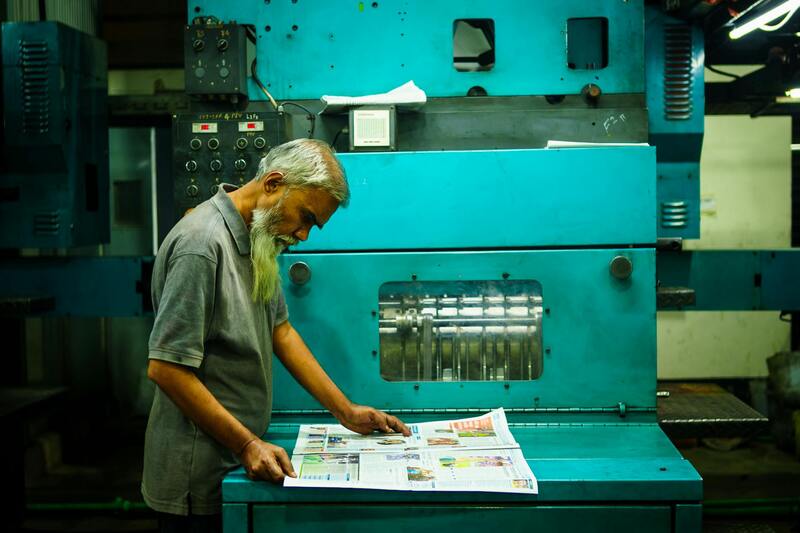
Creating an effective and visually appealing photo print banner involves careful attention to design elements that enhance the message and attract viewers. High-resolution imagery is fundamental; selecting images with a minimum of 150dpi at the final banner size ensures sharpness and clarity, avoiding pixelation when enlarged. Contrasting colors and bold typography help the key messages stand out against the background, enabling quick comprehension even from a distance.
Composition plays a vital role in guiding the viewer’s eye across the banner. Strategically placing focal points—such as your logo, slogan, or a compelling image—creates a balanced visual pathway. Use ample negative space to prevent clutter, allowing the main elements to breathe and increasing overall readability. Incorporating visual hierarchy through size variation and color emphasis directs attention to the most critical information first.
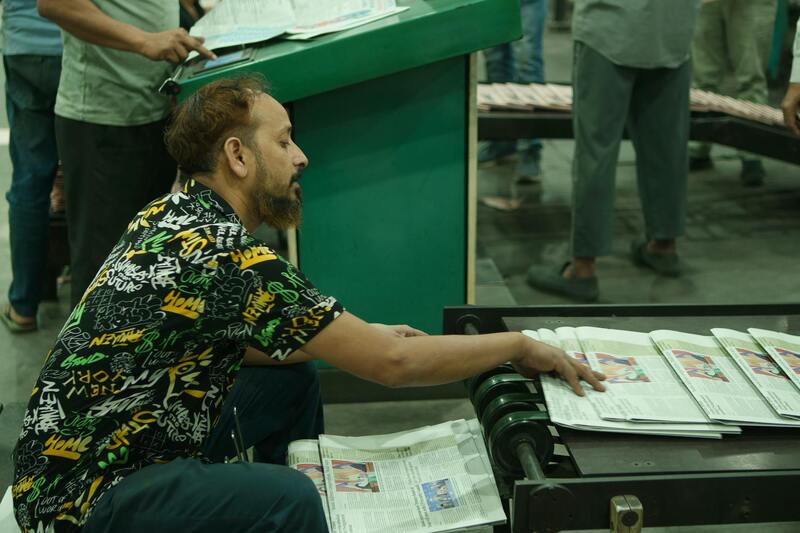
When designing banners, consider the viewing environment. Outdoor banners need weather-resistant visuals and color schemes that remain visible under varying light conditions. Indoor banners might call for detailed graphics and more intricate designs since they are viewed at closer distances. Integrating branding elements such as logos, consistent color palettes, and fonts reinforce brand identity and make the banner memorable.
Typography should be legible from a distance. Sans-serif fonts tend to offer better readability on large banners, especially when used for headlines. Keep text concise—aim for no more than 10 words for main messages—and augment with supplementary details in smaller type if necessary. The visual flow should naturally lead viewers from the primary message to the call-to-action, whether it’s visiting a website, attending an event, or making a purchase.
Images selected for banners should be high quality and relevant to the message. A compelling photograph can convey emotions and attract attention more effectively than generic graphics. When incorporating photography, ensure the image aligns with the branding tone and the intended audience’s preferences. Custom editing, such as adjusting contrast, saturation, or cropping, can further enhance the visual impact of your banner design.
Lastly, the choice of color schemes should be deliberate—using brand colors not only maintains consistency but also enhances brand recognition. Vibrant colors are impactful for outdoor banners, while subtler tones may be suitable for elegant, indoor displays. Combining complementary colors can produce a striking visual contrast, drawing viewers’ eyes to important elements while maintaining overall harmony in the design.
Design and Customization Options
Creating an eye-catching photo print banner involves a careful selection of design elements that align with your promotional goals. You can choose from a myriad of customization options to ensure your banner stands out and effectively communicates your message. This includes selecting high-resolution images that are vibrant and relevant, using professional typography for clarity, and incorporating your brand’s color palette for consistency. Advanced design tools provided by top printing services allow for precise adjustments such as cropping, filters, and overlay effects that enhance the visual appeal of your banner.
Material selection is critical in customizing your banner. Options include durable vinyl, fabric, or mesh materials, each offering distinct visual qualities and environmental suitability. When designing, consider the viewing distance; for close-range displays, intricate details and smaller fonts are effective, while large, bold visuals dominate at a distance. Designers often use grid systems to balance elements, ensuring that focal points draw the viewer’s eye naturally across the composition.
Types of Photo Print Banners
Photo print banners come in various formats to suit different display needs. Standard sizes range from compact 2x4-foot banners to expansive 10x20-foot backdrops, accommodating both indoor events and outdoor advertisements. Some popular types include retractable banners, which are portable and easy to set up, and tension fabric banners that offer a sleek, wrinkle-free appearance. The choice depends on the intended environment, installation method, and the level of visual detail required.
For more impactful outdoor advertising, mesh banners providing wind resistance are recommended, while indoor settings benefit from lightweight fabric options that offer vibrant color reproduction without glare. The versatility of banner types allows for seamless integration into various marketing strategies, from trade shows and storefront displays to event backdrops and promotional campaigns.
Materials and Printing Technologies
High-quality materials combined with advanced printing technologies ensure that your photo print banners retain their visual integrity over time. Solvent, UV, and latex printing are among the most prominent technologies, each providing different benefits. Solvent printing offers exceptional durability and resistance against weather elements, making it ideal for outdoor banners. UV printing allows for vibrant, long-lasting colors with a high-gloss finish suitable for indoor displays. Latex printing delivers flexibility, quick turnaround times, and environmentally friendly options with water-based inks.
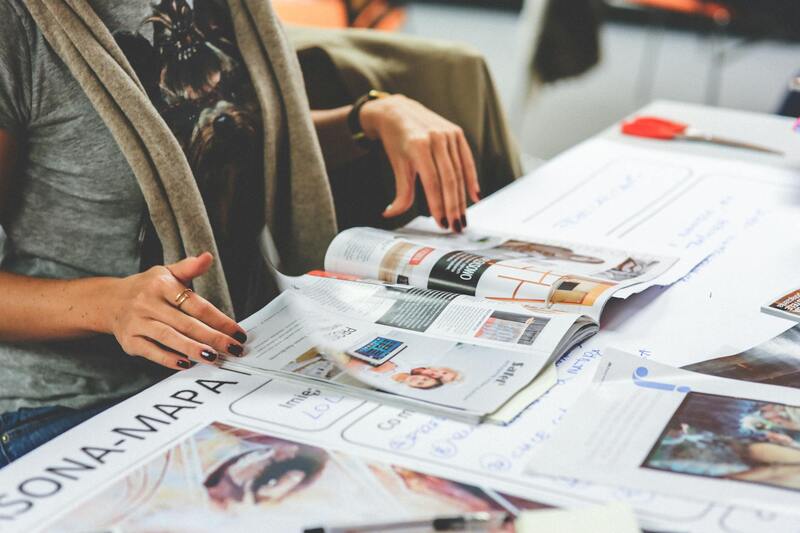
The choice of material also influences the overall quality and cost-efficiency of your banner. For instance, 13-ounce vinyl offers excellent durability and weather resistance, while polyester fabrics provide a softer finish with high color vibrancy. Moreover, specialized coatings such as anti-UV or waterproof layers can extend the lifespan of your banners, especially in challenging outdoor environments.
Design Considerations for Photo Print Banners
Effective design of photo print banners hinges on clear, compelling visuals and balanced composition. High-resolution images should be optimized for large-scale printing, ensuring no pixelation or blurriness. Contrast and color intensity play crucial roles in making the banner stand out from a distance. Keeping text minimal and using legible fonts enhances readability, particularly for outdoor banners exposed to varying lighting conditions.
Incorporate branding elements such as logos, slogans, or taglines subtly into the design without overshadowing the primary image. When preparing files for printing, adhere to the specifications provided by your printing partner, including bleed areas, safe zones, and color profiles. Properly formatted files minimize the risk of errors, ensuring the final product aligns with your expectations and retains professional quality.
Customization Options and Finishing Touches
Beyond the visual design, customization extends to finishing options that optimize the banner’s appearance and functionality. Hemming and grommets facilitate easy installation and improved durability. Pole pockets create a clean edge for mounting on poles or frames, while adhesive tabs enable quick placement on smooth surfaces. Edge reinforcements or wind slits can be added for outdoor banners subjected to weather stress, preventing tearing and ensuring longevity.
For a sleek, professional finish, consider.options like matte or gloss lamination, which protect the visual surface from scratches and UV damage. Custom shape-cutting offers unique framing, and double-sided printing maximizes exposure in high-traffic environments. Each finishing touch complements the overall design while increasing the practical lifespan of your banner, allowing it to withstand the demands of various display settings.
Design Considerations for Photo Print Banners
Creating a captivating photo print banner requires attention to multiple design elements that ensure visual impact and clarity. High-resolution imagery is fundamental; images should be at least 300 DPI at the final print size to avoid pixelation and preserve sharp details. Subtle gradients, well-defined focal points, and vibrant colors enhance aesthetic appeal and draw viewers’ attention effectively. Incorporating branding elements, such as logos or slogans, should be done thoughtfully, ensuring they complement the primary imagery without overpowering the overall design.

Color profiles play a crucial role; utilizing CMYK color mode ensures the printed banner reflects the designed hues accurately. Consider the viewing distance—larger banners meant for distant viewing benefit from bold, simple visuals, while close-up banners can display intricate details. Text readability is paramount; choose fonts that are legible from a distance, maintaining a balance between aesthetic elegance and clarity. Shadows, overlays, or borders can help subtle text stand out against complex backgrounds.
File Preparation and Design Optimization
Proper file formatting minimizes printing errors and guarantees the final output aligns with expectations. Files should be prepared with proper bleed margins—generally 0.25 inches—to ensure that no unprinted edges appear after trimming. Safe zones should be maintained around critical text or images to prevent cropping issues. Use vector graphics where possible for logos or iconography to preserve clarity regardless of size. Non-compressed, print-ready formats such as PDF or TIFF are preferred for detailed, high-quality output.
Color calibration is another essential factor. Designers should work with calibrated monitors to accurately preview how colors will appear once printed. When in doubt, requesting a color proof from the printing provider helps confirm that vibrant visuals and tonal balances will translate well onto the physical banner. Incorporate layering and smart object elements to keep individual design components editable, facilitating future adjustments or modifications.
Optimization for Different Banner Sizes
Design layouts must be tailored to the specific dimensions of the banner. For large-format photo banners, stark contrasts and minimal textual elements usually yield the best results, preventing visual clutter. Smaller banners, however, can include finer details and secondary information without compromising clarity. It is advisable to create templates for common sizes—such as 2x4 feet, 3x6 feet, or custom dimensions—to streamline the design process and maintain consistency.
Using a grid system or alignment guides helps maintain cohesion in layout elements. Consistent margin spacing, balanced composition, and strategic placement of visual or textual focal points contribute to an overall professional appearance. For outdoor banners, additional considerations such as wind slits or reinforced edges should be kept in mind during the design phase to facilitate proper installation and durability.
Design Considerations for Photo Print Banners
Effective design plays a crucial role in maximizing the visual impact of photo print banners. When creating a banner, it is essential to consider the overall layout, ensuring that the focal point or main image is prominently placed so that it captures attention from a distance. High-resolution images are vital in this respect; pixelated or low-quality photos can diminish the professional appearance and reduce viewer engagement. A balanced composition involves strategic placement of visual elements and supplementary text to avoid clutter. Utilizing clear negative space allows the main photograph to stand out while guiding the viewer’s eye naturally across the banner. Color schemes must also harmonize with the imagery, with attention paid to contrast and brightness levels to enhance vibrancy without overwhelming the viewer. Typography should complement the visual content, maintaining readability across varying distances. Simple, bold fonts tend to work best for banners, especially when conveying essential information at a glance. Avoid intricate script or overly decorative typefaces that might be difficult to read from afar. Furthermore, incorporating branding elements such as logos or taglines enriches the banner’s message and ensures brand consistency. When designing, keep in mind the environment where the banner will be displayed; outdoor banners require consideration of sunlight and weather conditions, which may influence color choices and material selections. Designers should also leverage design templates tailored to specific banner sizes, ensuring proportions are maintained without sacrificing image quality. It is advisable to work with professional graphic software that supports layered editing, allowing future adjustments or updates with ease. Overall, thoughtful design combined with high-resolution imagery ensures the banner’s message is communicated effectively, creating a compelling visual experience that resonates with viewers and fulfills promotional objectives.
Size, Dimensions, and Finishing Options
Choosing the right size for a photo print banner is essential to maximize visibility and impact. Standard dimensions often include widths ranging from 3 feet to 10 feet, with heights proportional to maintain aspect ratio and visual balance. Custom sizes are also available to suit specific spatial constraints or design requirements, providing flexibility for different display contexts.

When selecting dimensions, consider the viewing distance and the environment where the banner will be displayed. Larger banners are ideal for outdoor events or expansive venues, ensuring the imagery remains crisp and legible from afar. For indoor use, smaller sizes may suffice, allowing for a more detailed presentation.
Finishing options play a significant role in the durability and aesthetic of a photo print banner. Common finishes include:
- Grommets: Reinforced metal eyelets facilitate easy hanging and add to the banner's structural stability, especially in outdoor settings.
- Hemmed Edges: Reinforced borders prevent fraying and enhance longevity, providing a clean, professional appearance.
- Pole Pockets: Integrated sleeves at the top and bottom allow for easy installation on poles or custom display stands, ideal for outdoor or temporary setups.
- Lamination: Applying a protective film shields the printed surface from scratches, moisture, and UV damage, extending the banner’s lifespan.
Additional finishing touches, such as matte or gloss coatings, can enhance visual effects. Gloss finishes accentuate colors and imagery, creating vibrant and eye-catching displays, while matte finishes reduce glare, ensuring clarity and readability under bright lighting conditions.
It is advisable to select finishing features based on the intended display environment and the expected exposure conditions, optimizing both appearance and durability of the photo print banner. Proper finishing ensures that the banner maintains its visual appeal over time, withstanding environmental challenges while delivering a professional presentation.
Size, Dimensions, and Finishing Options
Careful consideration of the size and finishing details is essential to maximize the visual impact and durability of your photo print banner. Selecting the appropriate dimensions depends on the display environment and viewing distance; larger banners are more suitable for outdoor events or expansive spaces, where they can be seen from afar, while smaller sizes may be ideal for indoor environments and close-up viewing.
Common sizes vary from 2 feet by 4 feet for smaller indoor displays to large-scale banners measuring 10 feet by 20 feet or more for outdoor advertising. It's important to match the banner size with the intended viewing distance and space constraints to ensure clarity and effectiveness.
Finishing Options for Enhanced Durability and Aesthetic Appeal
Finishing techniques play a vital role in extending the lifespan and improving the appearance of a photo print banner. By choosing appropriate finishing options, you can ensure that your banner withstands environmental challenges while maintaining a professional look.
- Grommets: Reinforced metal eyelets placed at intervals along the edges facilitate easy hanging and increase structural stability, especially in outdoor settings subjected to wind and weather.
- Hemmed Edges: Reinforced borders prevent fraying and contribute to a clean, polished appearance, enhancing the longevity of indoor or outdoor banners.
- Pole Pockets: Integrated sleeves at the top and bottom edges enable quick installation on poles or display stands, ideal for temporary or promotional displays.
- Lamination: Applying a protective film shields the printed surface from scratches, moisture, UV damage, and general wear, significantly prolonging the lifespan of the banner.
Additional finishes like matte or gloss coatings further elevate the visual impact. Gloss coatings boost color vibrancy, making imagery pop and attracting attention, while matte finishes reduce glare, ensuring clarity under bright lighting conditions. When selecting these options, consider the display environment and exposure to elements to optimize both aesthetic and durability outcomes.
Design and Customization Options for Photo Print Banners
When it comes to creating impactful photo print banners, customization options are essential to match your specific marketing or decorative needs. Selection begins with choosing high-resolution images that convey your message clearly and vividly. Advanced design tools allow for the integration of overlays, text, logos, and graphics, ensuring your banner communicates effectively. Many printing services offer templates or custom design services to facilitate this process, allowing clients to collaborate with professional designers or upload their own artwork easily.
Color management is critical in banner design. Ensuring that colors are accurately represented and vibrant involves the use of color calibration and high-quality printing inks. This accuracy enhances brand consistency and ensures that the printed images match digital previews. Additionally, you can select various finishing touches, such as matte or gloss coatings, to influence the final look and durability of your banner. Matte finishes reduce glare, perfect for indoor or brightly lit environments, while gloss coatings enhance color vibrancy, making images pop and grabbing attention from afar.
For added flexibility, some providers offer custom shapes and cutouts, enabling banners to stand out further or fit unique display spaces. Rounded corners or die-cut edges can also be incorporated to improve aesthetics and safety during handling. The ability to personalize banners with specific branding elements or messages ensures that every display is tailored precisely to your purpose, whether for promotional campaigns, event signage, or decorative displays.
Types of Photo Print Banners
Photo print banners come in several types, each suited for different environments and purposes. Vinyl banners are the most common, renowned for their durability and weather resistance, making them ideal for outdoor use. Canvas banners, meanwhile, offer a premium, textured appearance suitable for indoor displays or gallery-quality presentations. Mesh banners feature a porous material that allows wind to pass through, reducing stress in outdoor installations subjected to high winds.
Retractable banners present a portable solution for temporary displays, featuring a roll-up mechanism that simplifies transportation and setup. Step-and-repeat banners are popular at events for backdrops, especially for photo opportunities and media coverage, often showcasing repetitive brand logos or images for maximum exposure. Fabric banners utilize a polyester or similar material for high-resolution printing with a luxurious appearance, frequently used in trade shows and corporate events to convey professionalism.
Materials and Printing Technologies
The choice of material significantly influences the longevity and appearance of your photo print banner. Vinyl remains the most versatile option, with options like calendared and cast vinyl, which vary in thickness and durability. Calendared vinyl is more economical and suited for short-term applications, while cast vinyl offers enhanced durability and conformability for complex installations.
Printing technologies underpin the quality and resolution of your banner. Latex printing provides vibrant colors, flexibility, and environmentally friendly inks, making it a popular choice for large-format banners. UV printing uses ultraviolet light to instantly cure inks on rigid or flexible substrates, delivering sharp details and durability. Solvent and eco-solvent printing methods produce weather-resistant banners with excellent color retention, especially suitable for outdoor environments where exposure to the elements is anticipated.
Utilizing the latest printing technologies ensures sharp imagery, accurate color reproduction, and long-lasting results. When combined with weather-resistant materials and protective finishes, these advances provide an optimal solution for high-impact, durable photo banners that maintain their aesthetic appeal over time.