Understanding Custom Booklet Printing
Custom booklet printing is a versatile and effective method for creating professionally tailored printed materials that serve a wide range of purposes, from marketing and promotional campaigns to informational resources and personal projects. This process involves designing and producing booklets with specific formats, sizes, and features aligned with the unique needs of each client. The primary advantage of opting for custom booklet printing lies in its ability to enhance brand identity, communicate complex information clearly, and engage target audiences with aesthetically appealing content.
When undertaking custom booklet printing, individuals and businesses can choose from a variety of specifications, including page numbers, binding styles, paper qualities, and finishing options. This flexibility allows for the creation of distinctive products that stand out in competitive environments. For example, a corporate brochure might require a sleek, professional appearance with high gloss finishes, while an art portfolio might prioritize heavy-weight paper and unique binding techniques to showcase creativity effectively.

One significant benefit of custom booklet printing is its application across various sectors. Businesses utilize booklets for product catalogs, company profiles, training manuals, and event programs, all designed to reinforce their brand image and convey detailed information engagingly. Educational institutions and non-profit organizations also leverage customized booklets for programs, fundraising materials, and informational guides, making complex topics accessible and visually appealing.
From a practical perspective, custom booklet printing supports branding consistency by allowing organizations to incorporate logos, color schemes, and specific design elements seamlessly throughout the publication. This cohesiveness not only elevates the professional appearance but also helps in building recognition and trust among recipients.
Moreover, the benefits extend to personalization features such as custom covers, die-cut designs, and textured finishes, which can significantly impact the perceived value of the final product. High-quality printing techniques enable fine detail reproduction, vibrant color application, and durable finishes, ensuring the booklet remains attractive and intact over time.
Choosing the right custom booklet printing service is crucial for achieving desired quality and efficiency. Reputable providers typically offer comprehensive consultations to help clients select appropriate materials and formats tailored to their objectives. They also provide options for proofing, ensuring the final product matches specifications before full production, thereby minimizing errors and waste.
In summary, custom booklet printing combines flexibility, functionality, and aesthetic appeal to produce impactful printed materials. Whether for corporate branding, educational purposes, or personal projects, leveraging professional services equipped with advanced printing technologies guarantees a product that meets precise requirements and elevates the communication of information.
Official Techniques for Custom Booklet Printing
When it comes to producing high-quality custom booklets, adhering to established printing methods ensures durability, consistency, and precision in the final product. The selection of appropriate techniques depends on the desired finish, volume, and type of booklet being produced, with professional standards guiding each step of the process.
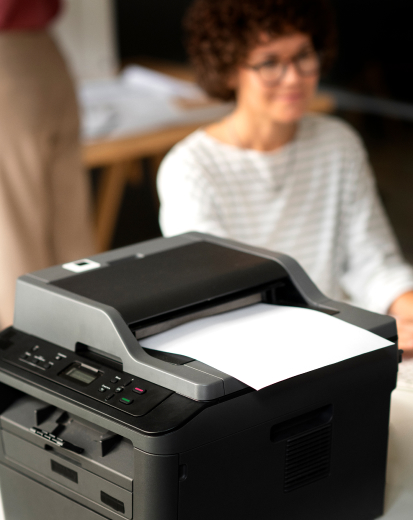
One fundamental method is digital printing, which offers outstanding flexibility for short runs and customization. Its rapid setup and ability to incorporate variable data make it ideal for personalized booklets, such as promotional materials or event programs tailored to individual recipients. Digital printing delivers crisp images and vibrant colors, maintaining high resolution for detailed artwork and text.
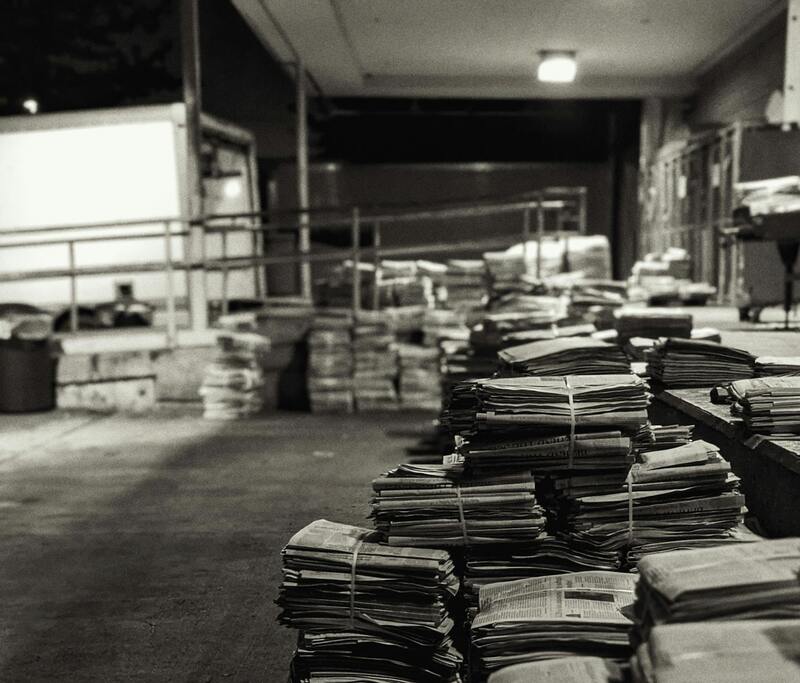
For larger quantities, offset printing remains a preferred choice due to its cost efficiency and superior color fidelity. This technique involves creating plates for each color in the design, allowing for consistent reproduction across hundreds or thousands of copies. Offset printing is especially suitable when exact color matching and high-quality finishes are desired, such as matte or gloss coatings that enhance the booklet's appearance and durability.
When considering finishing options, various binding and coating techniques are available to improve aesthetics and lifespan:
- Saddle stitch binding: Suitable for booklets with a lower page count, typically up to 48 pages, providing a neat, compact presentation.
- Perfect binding: Used for thicker booklets, offering a clean, professional look akin to hardcover books.
- Wire-o binding: Ideal when the booklet needs to lay flat for ease of reading or annotation.
In addition to binding, surface treatments such as matte, gloss, spot UV coating, and textured finishes can be applied. These finishes influence tactile perception and visual impact, making the booklet more engaging and aligned with branding goals.
Advanced printing methods like screen printing and lithography are sometimes utilized for specialty applications, especially when unique textures, metallic inks, or specific color effects are required. These techniques, though more complex, expand creative possibilities and enable the production of standout marketing materials.
Quality control processes involve detailed proofing stages where digital or hard proofs are reviewed and approved before full-scale production begins. This step minimizes errors, ensures color accuracy, and confirms that critical design elements are correctly aligned, thereby safeguarding the overall quality of the final product.
Choosing the right printing technique and finishing options is a pivotal decision in custom booklet production. It ensures that the end result not only meets aesthetic standards but also withstands handling and environmental factors, maintaining its integrity over time. Professional printers employ these tested, standard methods to guarantee that each booklet produced aligns with the strictest quality benchmarks and client expectations.
Official Methods for Custom Booklet Printing
When producing custom booklets, adherence to recognized printing standards and procedures is essential to guarantee a high-quality, durable product that meets client expectations. These methods are grounded in established industry practices developed through extensive research and testing, ensuring consistency, precision, and safety throughout the printing process.

Pre-Press Preparation
All designs should follow strict file preparation guidelines. This involves preparing print-ready files with accurate color profiles, appropriate bleed margins, and safe zones to prevent content loss during trimming. Using high-resolution images (minimum 300 dpi) and embedded fonts can avoid common pitfalls such as pixelation and font substitution. A detailed proofing process, including digital soft proofs and hard proofs when necessary, confirms that the layout, color, and content are aligned with your expectations before mass production begins.
Standard Printing Techniques
- Offset Printing: Recognized for its high volume capability and superior color accuracy, offset printing produces crisp images with consistent quality. It is ideal for larger runs of custom booklets, ensuring cost-efficiency without compromising detail.
- Digital Printing: Suitable for shorter runs, digital printing offers shorter turnaround times and flexibility in design changes. It maintains high image quality and allows for variable data printing, perfect for personalized booklet projects.
Post-Press and Finishing Processes
Once printed, the booklets undergo various finishing procedures, which are integral to the process. These include cutting to final size with precision guillotine cutters, folding, binding, and applying surface treatments like gloss, matte, or UV coating. For professional-level presentation and tactile enhancement, finishing touches such as embossing, spot UV, and textured finishes are often incorporated.
Quality Control Protocols
Stringent quality assurance measures encompass multiple inspections throughout the printing cycle. The evaluation process includes checking color fidelity against original proofs, verifying alignment and folding accuracy, and inspecting binding integrity. Implementing these procedures ensures each booklet adheres to the defined standards and minimizes errors before mass distribution.
Utilized Technologies and Color Management
Employing advanced printing technologies like lithography and screen printing for specialty effects, along with color management systems, guarantees consistent reproduction of shades and branding elements. Calibration of printing presses and regular maintenance uphold the integrity of the color output, providing clients with predictable and vibrant visual results.
Environmental and Safety Compliance
Following official guidelines involves using environmentally friendly inks and sustainable materials where available, reducing waste, and adhering to safety standards during handling and operation. These practices not only promote responsible production but also align with corporate social responsibility initiatives.
Summary of Legitimacy in Booklet Production
Adherence to proven, official printing methods ensures that each custom booklet produced by professional facilities complies with industry standards and best practices. This approach fosters confidence in the structural integrity, aesthetic quality, and overall durability of the final product, essential for effective branding, marketing, or informational purposes.
Understanding Custom Booklet Printing
Custom booklet printing encompasses a range of techniques and materials designed to produce professionally finished booklets tailored to specific needs. This process involves selecting appropriate printing formats, binding options, and finishing details that best suit the content, branding, and intended audience of each project. It is an essential component for businesses, educators, and organizations aiming for high-quality presentation and durability.
One of the key benefits of custom booklet printing is the flexibility it offers in personalization. Clients can choose various sizes, page counts, and paper qualities to align with their objectives. From marketing brochures and instruction manuals to event programs and portfolios, high-caliber printing ensures that each booklet maintains its visual integrity and functionality over time.
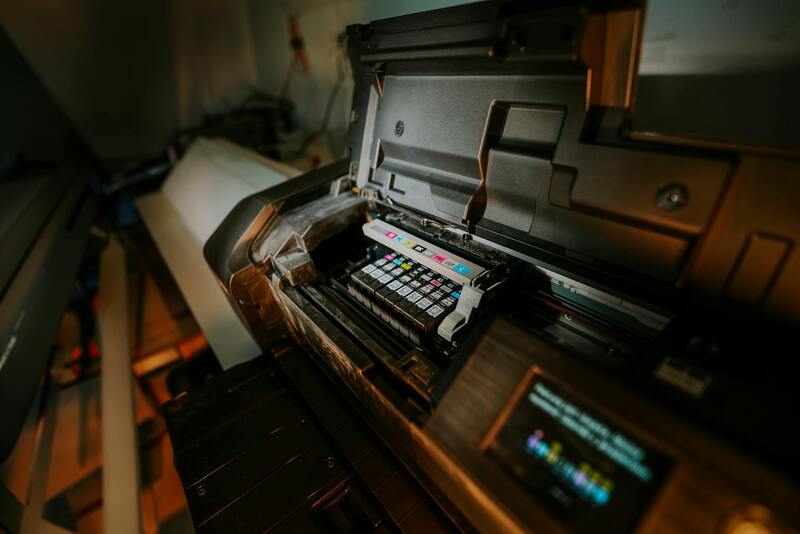
In practice, the selection process begins with understanding the specific purpose of the booklet, followed by close collaboration with the printing service provider to determine the optimal print techniques and materials. This comprehensive approach includes evaluating paper types, cover materials, binding methods, and finishing options, such as laminations, embossing, or foil stamping.
Types of Booklet Bindings
Choosing the right binding method is crucial for both aesthetic appeal and functional durability. The most common binding options include:
- Saddle Stitching: Suitable for smaller booklets, this method involves folding sheets and stapling them along the spine, providing a clean and cost-effective finish.
- Perfect Binding: Ideal for larger publications, perfect binding glues the pages together at the spine, creating a polished look often used in catalogs and manuals.
- Wire-O Binding: Features double-loop wire bindings that allow the booklet to lay flat, excellent for presentation materials and workbooks.
- Spiral Binding: Similar to Wire-O but with spiral coil bindings, offering flexibility and ease of use, suitable for complex designs or interactive content.

Choosing the Right Paper and Cover Materials
The quality of paper and cover materials significantly impacts the tactile experience and visual appeal of printed booklets. Options include:
- Inner Pages: Paper weight varies from lightweight (70-100gsm) for handouts to heavier stock (130-170gsm) for more substantial feel. Matte finishes provide a subtle, non-reflective surface suitable for readability, while gloss coatings enhance image vibrancy and sharpness.
- Cover Materials: Thicker materials such as cardstock, laminated covers, or textured finishes like linen or embossed patterns contribute to a premium look and increased protection.
Specialty finishes like soft-touch coatings or matte lamination can add additional aesthetic value and resistance to handling or environmental factors.
Specialty and Custom Features
To further elevate the quality and appeal of custom booklets, various specialty features can be incorporated:
- Spot UV coatings to highlight specific areas with a glossy finish.
- Foil stamping to add metallic accents and text.
- Embossing or debossing for tactile branding elements.
- Rounded or custom-shaped corners for a distinctive look.
- Additional inserts or pockets to hold supplementary materials.
These elements not only enhance the visual impact but also contribute to the overall perception of professionalism and care in presentation.
Understanding Custom Booklet Printing
Custom booklet printing involves creating tailored booklets that align precisely with your intended purpose, whether for marketing, educational, or informational use. This process allows for a sophisticated presentation of content, offering clients a firsthand experience of your brand's professionalism and attention to detail. When opting for custom solutions, it is essential to consider various aspects that influence the overall quality, durability, and aesthetic appeal of the finished product.
Key Factors in Custom Booklet Printing
- Design Consistency and Branding: Maintaining consistent branding elements, such as colors, fonts, and logos, ensures the booklet reflects your organization's identity seamlessly.
- Print Specifications: Choosing the right paper, binding style, and finish according to your content and distribution method enhances readability and engagement.
- Content Layout: Well-organized content with appropriate headings, subheadings, and visual elements improves information retention and visual appeal.
- Quality Assurance: Ensuring each element of the printing process adheres to high standards minimizes errors and guarantees a professional outcome.
Advantages of Custom Booklet Printing
Custom booklet printing offers numerous advantages over standard or generic options. The ability to select specific dimensions, materials, and finishes allows for a product that truly embodies your vision. Customized booklets can be used for:
- Marketing collateral, such as product catalogs or company profiles
- Educational material, including training manuals and guides
- Event programs and schedules
- Annual reports and shareholder communications
Furthermore, tailored printing options enable differentiation in competitive markets, providing a unique tactile experience that can make a lasting impression on recipients. High-quality binding techniques and premium materials contribute to an enhanced perception of your brand, communicating credibility and attention to detail.
Understanding Custom Booklet Printing
Custom booklet printing is an area of professional printing that allows clients to tailor every aspect of their printed materials to match specific branding, content, and functional requirements. This process involves selecting appropriate sizes, paper stocks, binding methods, finishes, and design elements to produce a cohesive and impactful printed piece. Unlike off-the-shelf or template-based options, custom booklet printing offers a high level of personalization that reflects a brand’s unique identity and purpose.

The primary advantage of custom booklet printing lies in its flexibility. Whether you are producing a product catalog, an educational manual, or a detailed event program, every detail can be fine-tuned to enhance aesthetic appeal, usability, and durability. This tailored approach not only elevates the visual presentation but also ensures that the printed material achieves its intended communication goals effectively.
Types of Booklet Bindings
Choosing the right binding is crucial to the functionality and overall look of your custom booklet. Different binding styles come with distinct benefits and are suited for various applications:
- Saddle Stitching: The most common binding for smaller booklets, involving staples along the fold line. Ideal for brochures, programs, or manuals with fewer pages.
- Perfect Binding: Features a clean spine with glued pages, providing a polished and professional appearance. Suitable for thicker booklets, reports, and catalogs.
- Spiral Binding: Comprises a coil of wire or plastic, allowing the booklet to lay flat. Perfect for manuals, workbooks, and interactive materials.
- Hardcover Binding: Offers durability and a premium look, suitable for corporate portfolios, gift booklets, or high-end catalogs.
- Wire-O Binding: Combines durability with the ability to open flat, often used in academic or reference materials.
Choosing the Right Paper and Cover Materials
Material selection plays a significant role in the tactile experience and visual appeal of your booklet. High-quality paper and cover materials demonstrate attention to detail and reinforce your branding message. Some considerations include:
- Paper Weight and Finish: Options range from lightweight, matte finishes suitable for drafts to heavyweight, gloss or satin finishes for premium looks.
- Cover Materials: Use of thicker cardstock, textured papers, or laminated covers can significantly impact durability and aesthetics.
- Specialty Papers: Consider eco-friendly options or textured materials like linen or suede for a distinctive feel.
Design Considerations and Formatting
Effective design and formatting are essential for creating a visually compelling booklet. Strategies include:
- Consistent Branding: Maintaining uniform color schemes, fonts, and logo placement ensures brand recognition.
- Content Hierarchy: Using headings, subheadings, and visual cues guides reader flow and improves readability.
- Visual Elements: Incorporating high-resolution images, infographics, and icons enhances engagement and information retention.
- Whitespace and Margin Management: Adequate spacing prevents clutter and facilitates easier reading.
Printing Technologies and Color Options
Modern printing methods provide versatility in achieving desired color fidelity and finishes:
- Digital Printing: Offers quick turnaround times and precise color matching, ideal for short runs and prototypes.
- Offset Printing: Suitable for larger quantities, ensuring consistent high-quality results with vibrant colors and sharp details.
- Color Options: Choices include full-color CMYK process, Pantone spot colors for exact matching, and special finishes like metallic or matte coatings.
The choice of printing technology and color options ultimately depends on your project’s specifications, budget, and timeline. Properly employed, these methods guarantee a professional and visually striking final product that aligns with your organization's objectives.
Understanding Custom Booklet Printing
Custom booklet printing involves producing tailored booklets that serve various promotional, informational, or organizational purposes. This process allows for a high level of personalization, including size, binding type, paper quality, and finishing options, making it an effective tool for businesses, educators, and event organizers. High-quality custom booklets are designed to enhance brand visibility, deliver complex information engagingly, and create a polished impression for recipients.
Key advantages of opting for custom booklet printing include control over layout and content presentation, flexibility in design elements, and the ability to incorporate unique branding cues such as logos, color schemes, and specific imagery. By choosing the right specifications, organizations can ensure that their message resonates effectively with the target audience, whether for marketing campaigns, detailed product catalogs, training manuals, or academic portfolios.

Types of Booklet Bindings
The binding method significantly influences the durability, appearance, and overall usability of a booklet. Selecting the appropriate binding depends on the intended use, page count, and desired aesthetic appeal. Common binding styles include:
- Saddle Stitching: Ideal for smaller booklets with fewer pages, saddle stitching uses staples along the spine for a clean and simple finish.
- Perfect Binding: Often seen in catalogs and thicker booklets, perfect binding involves gluing the pages to a flexible cover, providing a professional look and easy page turning.
- Spiral Binding: Using plastic or metal coil, spiral binding allows a booklet to lay flat when open, suitable for instructional manuals or workbooks.
- Wire-O Binding: A durable option for technical manuals, offering a sleek appearance with the capability to open 360 degrees.
- Japanese Binding: A decorative technique often used for art books, utilizing visible stitching along the spine for aesthetic appeal.
Choosing the Right Paper and Cover Materials
The tactile quality of a booklet is largely determined by the paper and cover materials used. High-quality paper enhances readability and visual impact, while the cover materials provide durability and a premium feel. Options to consider include:
- Interior Pages: Coated glossy or matte papers are popular choices. Glossy finishes excel in vibrant images and sharp visuals, whereas matte options provide a softer, elegant look with reduced glare.
- Cover Materials: Options include cardstock, laminated finishes, linen, or suede textures. These materials protect the content and contribute to the overall presentation.
- Special Finishes: Foil stamping, embossing, or spot UV coating can add distinctive visual effects and tactile elements that make the booklet stand out.
Design Considerations and Formatting
Effective design and precise formatting are critical to producing an aesthetically pleasing and functional booklet. Design strategies should focus on:
- Content Hierarchy: Clear headings, subheadings, and consistent font usage guide the reader and improve navigation.
- Visual Balance: Adequate whitespace, alignment, and the strategic placement of images create a professional and easy-to-read layout.
- Brand Consistency: Use of brand colors, logos, and typography ensures coherence with overall messaging and brand identity.
- Image Quality: High-resolution images prevent pixelation and enhance visual appeal.
- Accessibility: Readable font sizes and contrasting colors improve inclusiveness for all readers.
Printing Technologies and Color Options
Modern printing methods offer versatile solutions to meet diverse project requirements. The main technologies include:
- Digital Printing: Suitable for short runs or proofs, providing quick turnaround and precise color matching. It is ideal for personalized or variable data printing.
- Offset Printing: A cost-effective choice for large quantities, offering high-quality results with vibrant colors and sharp details.
Color options encompass:
- Full-Color CMYK: Standard for most printing needs, capable of reproducing a wide spectrum of colors.
- Pantone Spot Colors: For exact color matching, often used in branding applications requiring consistency.
- Special Finishes: Metallic, matte, or gloss coatings enhance visual richness and tactile feel.
Quantity, Turnaround Time, and Cost Factors
Deciding on the quantity impacts not only the overall cost but also the type of printing technology employed. Short runs invariably favor digital printing for faster turnaround, while offset printing benefits bulk orders with economies of scale. Turnaround times are influenced by the complexity of design, order volume, and the chosen finishing options. To optimize costs:
- Plan well in advance to accommodate production schedules.
- Request detailed quotes from multiple service providers for comparison.
- Consider bulk ordering to reduce per-unit costs while maintaining quality standards.
Understanding Custom Booklet Printing
Custom booklet printing involves producing tailored booklets that serve various purposes, from promotional materials to informational handouts. This process allows organizations and individuals to create unique, high-quality publications that reflect their branding and messaging. By working with professional printing services, clients gain access to advanced printing techniques, a wide range of materials, and flexible design options. Custom booklets are distinguished by their ability to be personalized in size, content, binding, and finish, making them ideal for marketing campaigns, event programs, educational resources, and corporate presentations.

Advantages of Professional Custom Booklet Printing
- High-Quality Materials: Access to premium paper stocks and finishes that enhance visual appeal and durability.
- Expertise in Design and Production: Seamless integration of design, layout, and printing processes ensures polished results.
- Customization Options: Wide array of sizes, bindings, and finishes to match specific requirements.
- Efficient Turnaround: Streamlined production schedules allow for timely delivery of large or small orders.
- Cost-Effectiveness for Large Runs: Economies of scale reduce per-unit costs when ordering in bulk.
Considerations for Effective Custom Booklet Printing
To maximize the impact and quality of your custom booklets, it's essential to collaborate with a reputable printing provider who adheres to industry standards and offers comprehensive service. Clear communication regarding timeline expectations, material specifications, and design preferences is paramount. Additionally, selecting appropriate binding styles and finishes can significantly influence the booklet's functionality and aesthetic appeal. Ensuring your artwork is optimized for printing, with proper color profiles and bleed settings, prevents common issues such as misalignment or color discrepancies.
Design Best Practices
- Concise Content: Keep text clear and engaging, supported by high-quality images and graphics.
- Readable Typography: Use legible fonts and appropriate sizes to accommodate all readers.
- Consistent Branding: Incorporate brand colors, logos, and style to maintain brand identity throughout.
- Balanced Layout: Use white space effectively to avoid clutter and improve readability.
- High-Resolution Images: Ensure all visuals are at least 300dpi to maintain clarity in print.
The Role of Binding and Finishing in Booklet Quality
Binding methods directly affect the usability and longevity of the booklet. Common options include saddle stitching for smaller booklets, perfect binding for professional presentation, and spiral or coil binding for ease of use. Finishing touches like matte or gloss coatings, embossed elements, or foil stamping add visual interest and tactile appeal. These enhancements can elevate the perceived value of the printed piece, making it more memorable and engaging for recipients.
Maximizing Effectiveness with Customization
Personalization features such as variable data printing enable the creation of targeted content for different audiences, increasing engagement and response rates. Incorporating QR codes or augmented reality markers can bridge traditional print with digital interactivity, providing additional information or multimedia content. Incorporating these elements thoughtfully enhances the overall impact of your custom booklet, making it a versatile tool for communication and branding efforts.