
Overview of Custom Printed Booklets
Custom printed booklets serve as versatile tools for communication, marketing, and informational dissemination across a broad spectrum of industries. Designed to reflect brand identity and tailored to specific messaging needs, these booklets are an effective way to engage audiences through visually appealing layouts and high-quality content presentation. From product catalogs and corporate brochures to event programs and educational materials, custom booklets elevate the perceived professionalism of any organization.
Manufacturers and service providers utilize custom printed booklets to showcase intricate product details, provide step-by-step instructions, or share compelling stories that resonate with their target audience. Their physical format allows for an immersive experience, encouraging readers to spend more time absorbing key messages. Moreover, the tactile nature of printed booklets fosters trust, credibility, and brand recognition, making them invaluable assets in both marketing campaigns and informational initiatives.

With the evolution of digital marketing, printed booklets complement online content by offering tangible, durable materials that stand out in trade shows, corporate receptions, and client meetings. Their reusable and customizable design options ensure that each booklet aligns precisely with the branding requirements of the organization, creating a consistent and memorable customer experience.
Key Industry Applications
- Marketing and Promotional Campaigns
- Product and Service Catalogs
- Educational and Training Materials
- Event Programs and Invitations
- Corporate Reports and Annual Reviews
- Non-profit and Community Outreach Materials
As an essential component of visual communication, custom printed booklets combine informative content with artistic design and premium printing techniques. This synergy produces a refined product that not only meets functional needs but also elevates brand image across multiple channels.
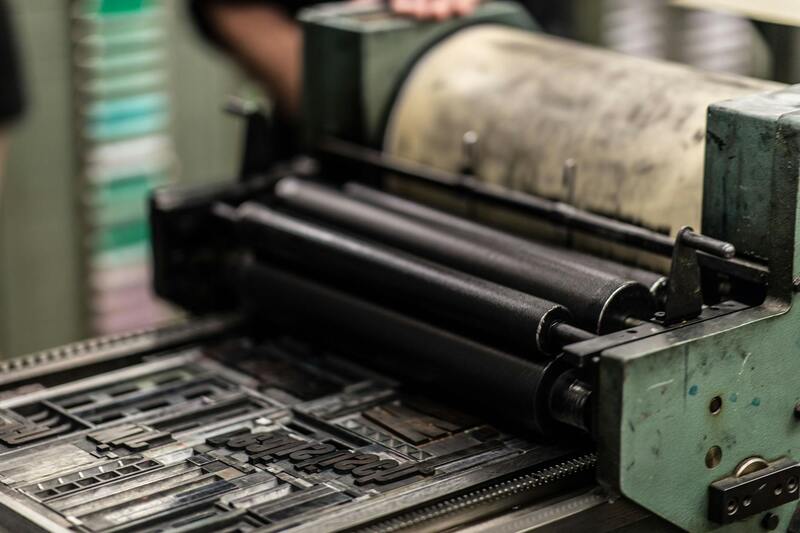
Official Methods for Producing Custom Printed Booklets
Creating high-quality custom printed booklets involves a series of well-established, legitimate procedures that ensure each product meets professional standards. These methods provide precision, consistency, and durability, serving as the foundation for producing booklets that effectively communicate a brand’s message or essential information.
Design Validation and File Preparation
The process begins with meticulous design validation. Ensuring that digital files conform to industry standards is critical. Customers are advised to utilize high-resolution images and vector graphics to avoid pixelation or blurriness. Files should be prepared with adequate bleed margins and trim lines, which are essential for accurate cutting and finishing. This step minimizes errors during printing, guaranteeing the final product aligns perfectly with the intended design.
Pre-Press Inspection and Proofing
Pre-press procedures involve comprehensive inspection of digital files to identify potential issues like color inconsistencies or font problems. Proofing processes—either digital or printed—allow clients to review and approve the booklet's visual design before full production. This phase provides an official, controlled method of verifying that the printed output will match expectations, avoiding costly mistakes and delays.
Color Management and Calibration
Accurate color reproduction depends on rigorous color management practices and calibrated printing equipment. Employing standardized color profiles ensures that colors seen on the screen will be faithfully reproduced in print. This adherence not only maintains brand consistency but also enhances the visual appeal and professional appearance of the finished booklet.
High-Quality Printing Techniques
Legitimate printing methods encompass several technology-driven approaches that deliver sharp images and vibrant colors:
- Offset Printing: Suitable for large volume runs, offset printing provides precise color fidelity and high resolution, making it ideal for professional-grade booklets.
- Digital Printing: Offers quick turnaround times and cost-effective options for smaller quantities, with excellent quality for most design applications.
- Screen Printing and Specialty Techniques: For specific finishes like embossing, foiling, or varnishing, these methods add tactile and visual enhancements that elevate the booklet’s appeal.
Legitimate Binding and Finishing Processes
Ensuring durability and a refined aesthetic involves employing reputable binding techniques, such as saddle stitching, perfect binding, or wire-O binding. Each method is selected based on the booklet's purpose, size, and expected usage. Finishing touches, including lamination, UV coating, or matte finishes, are applied through authorized equipment that guarantees a professional look and feel.
Quality Assurance and Final Inspection
Authentic production workflows include comprehensive quality checks that verify colors, binding integrity, and overall assembly. Trained inspectors assess each booklet against predefined standards, ensuring consistency across batches and adherence to specifications. This rigorous QA process minimizes defects and guarantees that the final product aligns with the original design and quality benchmarks.
Secure and Traceable Handling
During the entire production cycle, reputable vendors utilize secure handling and traceability measures. This approach involves barcode tracking and batch management, which facilitate prompt identification and resolution of any issues, maintaining the integrity and authenticity of the final printed booklets.
Employing these official methods and procedures guarantees that custom printed booklets are produced in a professional manner, meeting high standards of quality, consistency, and durability. When selecting a printing partner, verifying their adherence to these legitimate production practices is essential for achieving a result that effectively communicates and leaves a lasting impression on your audience.
Ensuring Authenticity Through Official Production Channels
When investing in custom printed booklets, partnering with reputable printing providers is fundamental to achieving a high-quality finished product. Authorized production workflows encompass a series of verified steps designed to maintain the integrity and authenticity of the printed materials.
- Use of Certified Equipment: Authorized printers utilize industrial-grade presses and finishing machines calibrated to deliver consistent color reproduction and precise finishing. This advanced equipment guarantees that every booklet meets specified standards of appearance and durability.
- Strict Quality Control Protocols: Proper production includes comprehensive quality audits at each stage. Quality control inspectors assess color accuracy, binding strength, page alignment, and overall presentation, ensuring each batch consistently meets predefined criteria.
- Application of Professional Finishing Techniques: Finishing processes such as lamination, UV coating, matte finishes, and embossing are performed using approved machinery. These techniques enhance durability and aesthetic appeal, providing a polished look suited for professional presentations.
- Traceability and Secure Handling: Reliable vendors implement barcode tracking and batch management systems. This traceability ensures transparency throughout the production cycle, facilitating prompt resolutions if any discrepancies are identified.
- Quality Assurance and Final Inspection: Before dispatch, all booklets undergo final inspections to verify color fidelity, binding integrity, and overall quality. This meticulous process minimizes defects, ensuring every order aligns with clients' expectations and design intentions.

Choosing a vendor that adheres to these established procedures guarantees that your custom printed booklets maintain a high standard of professionalism and durability. Only through verified workflows can the final product faithfully reflect the design, message, and quality your brand demands, resulting in an impactful communication tool that endures over time.
Understanding the Official Methods for Custom Printed Booklets
When producing high-quality custom printed booklets, it is essential to utilize legitimate and reliable production methods that guarantee a professional appearance and durability. These methods involve well-established printing techniques, precise color management, and durable finishing processes, all performed within verified facilities equipped with advanced machinery. Opting for vendors that adhere strictly to recognized industry standards ensures your booklet's visual fidelity and structural integrity are maintained throughout the production cycle.
Comprehensive Printing Processes
Security and consistency in printing hinge on using certified printing presses, often digital or offset based on the order size. Offset printing, for example, is favored for large runs due to its consistency and quality, while digital printing offers quick turnaround times suitable for smaller batches. Each printing method involves a detailed pre-press setup, where digital files are meticulously prepared for press, ensuring color accuracy, proper bleed, and correct layout alignment. Advanced color management systems, such as Pantone color matching or ICC profiles, are employed to achieve exact color reproduction, reflecting the original design intentions precisely.
Precision in Color Management
Color fidelity is maintained through strict calibration of printing equipment and the use of approved color profiles. Proofing processes, including digital or physical proofs, are standard practices to verify color accuracy before mass production. This step ensures that the final product faithfully reproduces the envisioned design, enhancing brand consistency and visual impact in every booklet produced.
Durable Finishing Techniques
Beyond printing, legitimate production incorporates professional finishing techniques to elevate the booklet's appearance and longevity. These include lamination—glossy or matte—to protect against wear, UV coatings to enhance vibrancy and shield against environmental damage, and specialty finishes like embossing or foil stamping to add tactile and visual accents. Binding methods are also chosen based on the desired durability and aesthetic, such as saddle-stitching, perfect binding, or wire binding, each requiring precise application by verified technicians to ensure structural integrity.
Secure and Traceable Workflow
Quality assurance is continually emphasized throughout the production process. Verified vendors implement detailed inspection protocols, assessing color accuracy, binding stability, and page alignment. Additionally, traceability systems—such as barcode tracking—are employed to monitor each batch, ensuring consistent quality across production cycles. These systems facilitate swift responses in case adjustments or reprints are necessary, maintaining strict adherence to predetermined standards.
Industry-Recognized Certification and Standards
Vendors committed to legitimate production methods often possess relevant certifications and accreditations from reputable industry bodies. These certifications demonstrate adherence to strict quality management systems, environmental standards, and safety protocols. Working with such vendors guarantees that every custom printed booklet aligns with best practices, reflecting professionalism and ensuring that the finished product meets the highest industry expectations for print quality and durability.
Secure and Traceable Workflow
Implementing a reliable workflow is essential to maintain high standards in the production of custom printed booklets. Leading vendors employ detailed inspection protocols at every stage, verifying aspects such as color accuracy, binding durability, and page alignment. These measures ensure each booklet meets the expected quality criteria, from initial printing to final finish. Additionally, sophisticated traceability systems—such as barcode tracking—monitor each batch throughout production, allowing for precise identification and management of the materials used. This systematic approach facilitates swift responses if adjustments or reprints are required, and guarantees consistency across large quantities of printed booklets.

Industry-Recognized Certification and Standards
Vendors dedicated to legitimate production techniques often hold various certifications from reputable industry organizations. These credentials reflect compliance with established standards for quality management, environmental sustainability, and safety. By collaborating with certified providers, clients can be assured that their custom printed booklets are produced under strict quality controls, adhere to environmental best practices, and uphold safety protocols. These certifications serve as a testament to the professionalism and reliability of the printing partner, ultimately ensuring that the designed material is executed flawlessly and that the finished product aligns with high industry standards.
Additional Quality Safeguards
- Environmental Standards: Use of eco-friendly inks and sustainable paper sources to minimize environmental impact.
- Personnel Training: Skilled technicians trained in the latest printing and binding techniques to optimize output quality.
- Equipment Maintenance: Routine calibration and maintenance of printing and finishing machinery to prevent defects.
- Sample Verification: Pre-production samples reviewed for color accuracy, binding quality, and overall appearance before full run.

Understanding Official Methods for Custom Printed Booklets
Implementing official and established methods in the production of custom printed booklets ensures the creation of high-quality, durable, and visually appealing materials. The process begins with selecting reputable printing providers who follow recognized production standards and employ industry-certified techniques. These providers typically utilize advanced equipment that undergoes routine maintenance and calibration, guaranteeing consistent output across large batches and precise color matching. Adhering to strict quality control protocols, such as pre-production sample approvals and ongoing inspection during printing, minimizes defects and ensures that each booklet meets or exceeds client expectations.

Suppliers committed to quality use environmentally responsible practices, including eco-friendly inks and sustainable paper sourcing, aligning with modern standards for environmental stewardship. Certifications from reputable industry organizations serve as credible indicators of legitimate production practices. Such credentials reflect adherence to quality management systems, environmental policies, and safety protocols, providing trust in the production process. This level of professionalism ensures that the finished product not only looks excellent but also maintains consistency and longevity over time.
Quality Assurance Measures
- Traceability Systems: Assigning batch numbers and tracking production stages to monitor quality at every step.
- Inspection Protocols: Routine checks for color accuracy, binding integrity, and finishing details.
- Environmental Standards: Usage of non-toxic inks, paper from sustainable sources, and waste minimization practices.
- Personnel Training: Skilled technicians trained in the latest printing, binding, and finishing techniques to uphold quality standards.
- Equipment Maintenance: Regular calibration and servicing of machinery to prevent defects or inconsistencies.
- Sample Verification: Review and approval of pre-production samples to verify color fidelity, binding quality, and overall appearance before mass production.
This comprehensive approach to quality control underpins the integrity and durability of custom printed booklets, ensuring they meet professional standards and serve their intended purpose effectively. Partnering with providers who prioritize these official methods guarantees a product that is both visually compelling and built to last, supporting brand image and communication efforts with confidence.

Strategies for Authenticity in Custom Printed Booklets
When producing custom printed booklets, maintaining authenticity is paramount to ensure the integrity and trustworthiness of your finished product. Official channels and recognized methods form the backbone of a reliable production process, safeguarding the quality and legitimacy of each booklet. These methods encompass precise quality control, adherence to established industry standards, and transparent procedures that uphold the reputation of the printing service provider. Opting for certified facilities like disc-print.com, which adhere to reputable production protocols, guarantees that your custom booklets are manufactured through verified and trustworthy techniques.
Utilizing Established Printing Protocols
Official printing methods involve strict adherence to documented procedures, including the use of high-caliber inks, sustainable paper supplies, and precise color matching standards. These protocols are designed to uphold consistency across every batch, ensuring that each booklet accurately reflects your specifications. Employing ISO-compliant equipment and routine calibration processes further secures the fidelity of prints, colors, and finishes. Partnering with providers who prioritize these structured methodologies ensures each booklet is crafted with precision and consistency, reinforcing their legitimacy and quality.
Ensuring Document Integrity and Traceability
Part of authentic production involves establishing traceability throughout the printing cycle. Assigning batch numbers and maintaining detailed records of each production stage allows for comprehensive oversight. This process includes initial proofing, color calibration, material sourcing, printing, binding, and finishing. Traceability not only helps verify the origin of the materials and the processes involved but also supports quality accountability, essential for delivering credible products. This level of transparency underscores the legitimacy of the manufacturing process and provides clients with confidence in the final product.
Implementing Rigorous Quality Assurance Measures
Quality assurance (QA) is integral to sustaining authenticity. Routine inspection protocols—such as checking for color fidelity, binding durability, and finishing accuracy—prevent defects and ensure the product aligns with expectations. Prior to mass production, pre-production samples undergo meticulous review, confirming that colors, paper textures, and binding meet the set standards. Real-time monitoring during production stages identifies potential inconsistencies early, allowing for immediate corrective actions. This disciplined QA approach ensures each booklet’s integrity, establishing a verifiable, reputable process rooted in proven standards.
Use of Certified Materials and Sustainable Practices
Choosing certified, responsibly sourced materials enhances product authenticity while supporting environmental sustainability. Certified papers, non-toxic inks, and eco-friendly finishing processes contribute to a trustworthy supply chain and end product. These measures demonstrate a commitment to quality and ethical practices, reassuring clients that their booklets are produced responsibly. Official methods also include waste reduction and energy-efficient processes, aligning production with global sustainability standards.

In conclusion, authentic custom printed booklets are realized through a combination of certified techniques, transparent processes, and stringent quality controls. When selecting a production partner, it remains essential to verify their adherence to established industry standards and official methodologies. This diligence guarantees a credible, high-quality product that effectively communicates your message and upholds your brand's integrity in every copy produced. Leveraging proven official methods affirms your commitment to quality and authenticity, establishing trust with your audience and stakeholders alike.
Final Steps in Authentic Custom Printed Booklet Production
Ensuring the authenticity of your custom printed booklets involves a thorough verification process that guarantees every copy adheres to the strictest standards of quality and compliance. The final step in production often encompasses detailed inspection procedures, which include both visual and structural assessments to verify that each booklet meets predefined specifications. This meticulous review process is pivotal in identifying and rectifying discrepancies before the booklets are dispatched, thereby safeguarding the integrity of the end product.

Robust Quality Control Measures
Implementing comprehensive quality control (QC) measures is an integral part of the official production pathway. QC procedures typically involve a combination of automated checks and manual inspections. Automated systems can detect color accuracy, registration, and print defects with high precision, while manual examinations focus on structural integrity, binding quality, and overall presentation. This dual-layer approach guarantees that any deviations from the expected quality are promptly identified and addressed, before the product reaches the client.
Part of this quality assurance involves verifying the finishing details, such as corner rounding, edge uniformity, and sealing integrity, especially for booklets with special finishes or folds. Confirming the correctness of each element aligns with the detailed specifications provided during the order process, reinforcing the authenticity of the production methodology.
Documented Certification and Traceability
Official methods emphasize meticulous documentation at every stage of production, creating a transparent traceability trail. This includes keeping detailed records of material batches, printing parameters, and QC results. Such documentation serves as a testament to compliance with established standards and provides accountability, enabling easy verification of the booklet's production origin and quality claims.
Additionally, the use of certified materials, such as FSC® or PEFC™ certified papers, further substantiates the trustworthiness and environmental responsibility of the entire process. Certifications and audit reports from recognized oversight bodies add an extra layer of legitimacy and confirm that best practices are being followed consistently.
Custom Authentication Features
To enhance the credibility and uniqueness of your printed booklets, official methods support the integration of custom authentication features. These features include QR codes, holograms, watermarks, or microtext, which are embedded into the design during production. Such features serve as safeguards against counterfeit and reinforce the exclusiveness of the product, thereby adding an additional layer of authenticity and security.
Equipping Clients with Verification Tools
Post-production, providers often offer clients tools and guidance for verifying the authenticity of received booklets. This may involve digital verification platforms, authenticity tags, or instructions on how to distinguish genuine copies from imitations. Providing these resources ensures that clients can confidently authenticate their print materials at any time, fostering trust and reinforcing the integrity of the entire process.
Integration of Sustainable and Responsible Practices
Adherence to sustainable practices in production not only boosts authenticity but also aligns with global standards for environmental responsibility. This includes using energy-efficient machinery, waste reduction techniques, and sourcing renewable or responsibly managed materials. Such practices are rigorously documented and validated through third-party certifications, underscoring the legitimacy of the production process.
Every element, from raw material procurement to final finishing, is meticulously aligned with recognized standards to support the production of credible, authentic custom printed booklets.
Final Delivery and Client Verification
When the finished booklets are prepared for delivery, employing official packaging standards ensures the integrity of the product during transit. Additionally, clients are encouraged to perform final inspections upon receipt, utilizing any embedded authentication features or accompanying documentation to verify each booklet's legitimacy. Maintaining detailed records of the delivery process ensures transparency and accountability, completing the cycle of authentic and legitimate production.