Introduction to Colour Printing
Colour printing has revolutionized the way businesses, artists, and publishers communicate visually. Its capacity to produce vibrant, detailed images and crisp text transforms standard printed media into compelling visual experiences. The significance of colour printing extends across numerous industries, including marketing, advertising, education, and packaging, where the impact of vivid colours can enhance brand recognition, improve readability, and attract attention. High-quality colour printing ensures that every hue and shade is rendered accurately, demonstrating professionalism and attention to detail.

Utilizing vibrant colours in printed materials offers several benefits. Firstly, it maximizes the visual interest, making materials more engaging and memorable. Bright and vivid colours can evoke emotional responses, influence perceptions, and convey messages more powerfully than monochrome prints. This ability to communicate emotions and ideas effectively through colour is essential in branding and promotional campaigns.
Moreover, advancements in printing technology have made it easier to achieve precise colour reproduction, which is vital for maintaining brand consistency across various print media. Quality colour printing can reproduce complex images with a range of subtle shades, gradations, and details, ensuring that the final product meets high standards.
In addition, colour printing plays a pivotal role in sectors like fashion, interior design, and packaging, where visual aesthetics directly impact consumer choices. For instance, packaging with accurate colour reproduction can influence purchasing decisions by aligning with a brand’s identity and appeal.
From small-scale local businesses to large multinational corporations, the ability to produce colourful, eye-catching printed materials provides a competitive edge. The integration of digital and offset printing methods allows for flexible production runs, from short to large quantities, without sacrificing colour fidelity. This flexibility ensures that businesses can adapt their marketing strategies rapidly and cost-effectively.
Overall, colour printing is not merely about adding hues to printed media but about enhancing clarity, impact, and emotional connection with the audience. An investment in high-quality colour printing services ensures that visual communication is consistent, professional, and compelling, which is essential for establishing and maintaining a strong brand presence.
Methods and Techniques to Achieve Authentic Colour Printing
Employing the proper methods and techniques is essential to producing vibrant, accurate colour reproduction in print media. Before engaging with any printing process, understanding colour calibration, colour profiles, and proofing ensures that the final output aligns with the original design intent.
One of the most reliable approaches is utilizing high-quality color management systems that synchronize the colour output between the digital design and the printing hardware. This system involves utilizing specific color profiles such as ICC profiles, which serve as a standard to faithfully translate colour data across devices and media types. Implementing these profiles minimizes inconsistencies and maintains colour integrity throughout the production workflow.
Furthermore, pre-press checks like soft proofing and hard proofing allow designers and printers to review and adjust colour accuracy before mass production begins. Soft proofing leverages computer displays calibrated to match the printing device, providing a preview of colour output. Hard proofing involves printing a sample run on the final media to verify colours and make necessary adjustments.

Techniques such as ICC profile embedding into the design files guarantees that all components involved in the printing process comprehend the intended colour spectrum. This is especially critical in high-end printing projects that require superior colour fidelity.
Usage of colour separation techniques, particularly in offset printing, further refines colour reproduction by dividing the image into individual chromatographic layers. This process ensures precise ink application and reduces colour shifts, especially with complex or multicolored images.
Another method involves the application of spectral imaging technology that captures the true essence of colours within digital images, facilitating accurate translation into printed media. When paired with colour management systems, spectral imaging ensures that even subtle gradations and tones are faithfully reproduced.
It also remains crucial to select the appropriate printing method for specific project needs. Digital printing is well-suited for short runs or variable data, offering quick turnaround times and the ability to modify colours with ease. Offset printing, on the other hand, provides high-volume production capacity with exceptional colour consistency, making it the method of choice for large-scale projects requiring precise colour matching.
In all these methods, regular maintenance and calibration of printing equipment are pivotal. This includes cleaning print heads, replacing worn-out components, and recalibrating devices to negate drifts in colour output over time. This ongoing process ensures sustained accuracy and quality for every print.
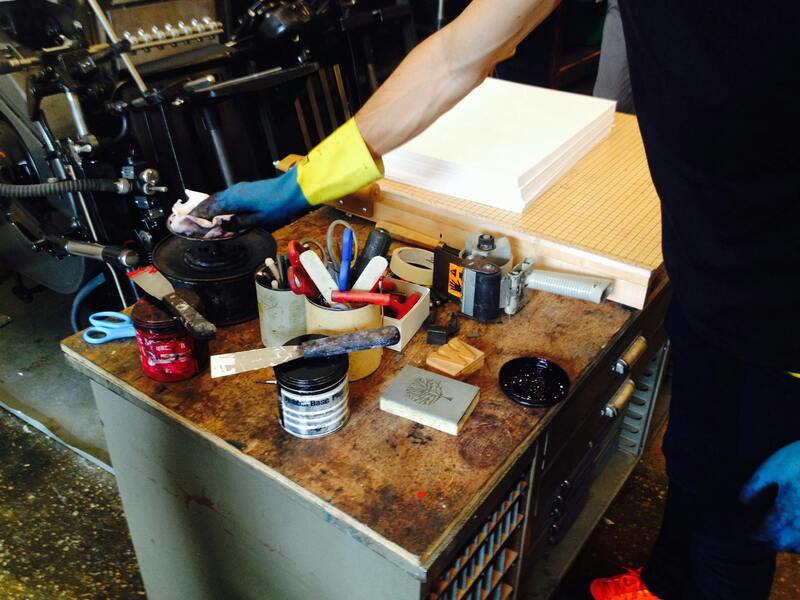
Overall, applying a combination of robust colour management strategies, thorough proofing procedures, and selecting the right technology are integral to delivering authentic, vibrant colour printing results. These approaches not only enhance aesthetic appeal but also uphold the precision needed for establishing brand consistency and visual impact across various print media.
Understanding the Impact of Colour Printing Materials and Paper Types
The choice of materials and paper types plays a crucial role in achieving vibrant, accurate colour reproduction in printing projects. The selection begins with understanding the different textures and finishes available, each imparting a distinctive aesthetic and functional quality. Glossy papers are known for their smooth surface and high reflectivity, which amplifies the intensity of colours and sharpness of images, making them ideal for visual-centric applications like marketing posters and photographic prints. Matte papers, with their non-reflective surface, offer a subdued, sophisticated appearance that minimizes glare, suitable for professional documents and art reproductions where clarity and subtlety are valued.

Textured papers add a tactile dimension to printed pieces, providing a unique sensory experience that can elevate the perceived quality of printed materials such as business cards, invitation cards, or premium brochures. Heavier weights, such as 200gsm or more, lend durability and a substantial feel, which is especially important for corporate branding and high-end marketing collateral. Lighter weights, around 90-135gsm, are suitable for everyday printing needs and bulk document production.
Specialty Papers and Their Relevance
Beyond standard options, specialty papers like canvas textures or metallic finishes introduce exceptional depth and shine, capturing the nuances of colour and enhancing imagery at a visual level. These materials are often used in artistic applications or limited-edition prints where visual impact is paramount.
Environmental Considerations in Material Selection
Sustainable printing practices include opting for recycled paper or FSC-certified materials, which help reduce the ecological footprint of printing activities. These environmentally friendly options retain excellent colour quality while supporting responsible resource usage.
Processing and Compatibility
Material compatibility with chosen printing technology is vital. For high-resolution digital and inkjet printers, coated papers with smooth surfaces promote better ink adhesion and colour vibrancy. Offset printing often benefits from uncoated, textured papers for a different aesthetic feel. Proper material selection aligned with the printing method ensures the longevity and visual integrity of the final product.
Practical Considerations for Material Selection
- Project Purpose: Determine whether the print is for promotional, professional, or artistic use.
- Visual Requirements: Consider desired brightness, contrast, and tactile quality.
- Durability Needs: Choose thicker or coated papers for outdoor or long-term displays.
- Budget Constraints: Balance quality preferences with cost-effectiveness.
- Environmental Impact: Incorporate eco-friendly options where possible.
By carefully selecting appropriate materials and paper types, businesses and individuals can significantly enhance the vibrancy and impact of their colour printing projects, ensuring that each piece communicates its intended message with clarity and visual appeal.
Understanding the Impact of Colour Printing and How to Optimize Results
In today’s competitive marketplace, the visual appeal of printed materials can significantly influence consumer perception and engagement. The choice of colour printing methods and the quality of materials used are crucial factors that determine the vibrancy, accuracy, and overall impact of the final product. When selecting a colour printing service, it’s essential to consider how the technology employed aligns with the desired outcome, whether for marketing campaigns, artistic projects, or corporate communications.
Advancing Colour Accuracy and Vibrancy
Precision in colour reproduction hinges on the utilization of advanced printing technologies and rigorous colour management protocols. High-quality digital, inkjet, and offset printers implement sophisticated calibration techniques to ensure consistent and true-to-original colours across multiple print runs. Employing colour spaces like CMYK and RGB allows for effective translation of digital designs into printed formats, maintaining colour fidelity and consistency.

Implementing colour management workflows involves using specialized software and calibration tools to profiles devices and materials accurately. This process mitigates inconsistencies caused by differences in inks, papers, and environmental conditions, thereby guaranteeing that the printed colours match the intended design specifications. Such meticulous control elevates the professionalism of printed pieces, making them more compelling and trustworthy.
Utilizing Suitable Printing Technologies for Different Needs
Not all colour printing methods serve the same purpose; each technology offers specific advantages aligned with different project requirements.
- Digital Printing: Ideal for short-run projects and quick turnaround times, digital printing provides high-quality, vibrant colours with minimal setup. It allows for personalized prints and flexible design modifications.
- Inkjet Printing: Renowned for its ability to produce high-resolution images with rich colours, inkjet technology excels in producing photo-quality prints and fine detail work, making it a preferred choice for artistic reproductions and promotional materials.
- Offset Printing: Suitable for high-volume production, offset printing delivers consistent colour quality across large batches, offering cost efficiency for extensive print runs. It supports a broad spectrum of paper types and finishes, adding versatility to colour print projects.
Optimizing Colour Printing Quality
Ensuring optimal outcomes involves a combination of selecting appropriate materials, employing precise colour management practices, and understanding the unique capabilities of each printing technology. The choice of paper or substrate plays a vital role, influencing colour vibrancy and longevity. For instance, coated papers tend to produce sharper images with more vivid colours, while uncoated options can impart a softer, textured aesthetic.

Implementing proofing procedures prior to the full print run helps identify potential mismatches or colour discrepancies. Digital proofs or swatch samples can be inspected to confirm colour accuracy, ensuring that the final product aligns with expectations. Such attention to detail minimizes waste, reduces costs, and results in a polished, professional appearance of printed promotional materials, art reproductions, or business collateral.
Addressing Practical Considerations for Colour Printing
When planning colour printing projects, it’s important to evaluate factors such as project purpose, visual requirement, durability, and budget. Thicker, coated papers offer enhanced colour vibrancy and resistance to wear, making them suitable for outdoor displays or long-term use. Conversely, more economical options like uncoated papers might be appropriate for internal documents or short-term materials.
By aligning material choices with the intended application, businesses can maximize visual impact while maintaining cost-efficiency. Incorporating eco-friendly options—such as recycled or FSC-certified papers—further supports sustainable practices without compromising colour quality. This balanced approach ensures that printed pieces not only meet aesthetic standards but also align with responsible resource management.
Advanced Techniques and Best Practices for Colour Printing
Achieving consistent, vibrant colours in printed materials depends heavily on employing state-of-the-art techniques and adhering to industry best practices. Professionals utilize advanced colour management workflows that incorporate calibrated hardware and precise colour profiles to ensure output fidelity across different devices and media. The process begins with calibrating monitors and printers to standard colour spaces, such as Adobe RGB or sRGB, which serve as references for accurate colour reproduction. This calibration minimizes discrepancies between the digital design and the final printed piece, resulting in a faithful representation of the desired colours.
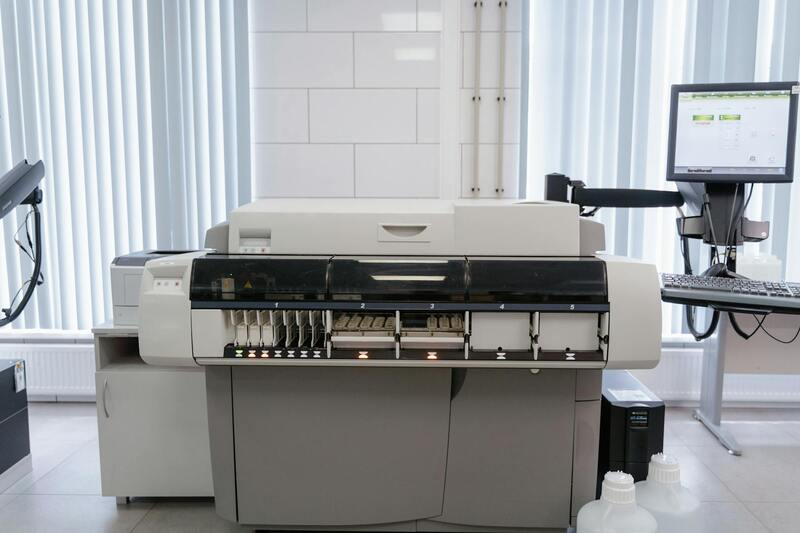
Utilizing ICC profiles allows for meticulous colour matching by assigning specific characteristics to each device involved in the workflow. When preparing files for printing, designers should embed appropriate ICC profiles and soft-proof their work to simulate how colours will appear post-print. These measures reduce surprises and rework, ultimately saving time and costs while maintaining high-quality standards.
Layered Color Approaches and Gradients
In intricate colour printing projects, layered colour application and gradients can be employed to create depth, smooth transitions, and special visual effects. Techniques such as trapping—where slight overlaps are created between colours—prevent gaps or mismatches due to misregistration during printing. Proper use of gradients requires careful consideration of colour models, avoiding abrupt shifts that may produce banding. Instead, designers should opt for subtle transitions and appropriate dithering to ensure seamless blending.
Utilization of Spot Colours and Custom Colour Matching
For branding or projects requiring exact colour matching, spot colours—pre-mixed inks tailored to specific hues—are invaluable. Pantone colour matching systems facilitate the selection of precise colours that remain consistent across print runs and substrates. When planning colour printing, selecting spot colours can significantly enhance brand consistency and visual impact, particularly in corporate materials such as logos, packaging, and signage. Achieving perfect matches involves collaboration with the printing service, which can mix inks accordingly to match Pantone or custom colour specifications.
Proofing and Quality Control in Colour Printing
Implementing iterative proofing processes ensures that the final output aligns with the design intent. Digital proofs offer a quick preview that can be reviewed on-screen, while physical proofs—samples printed on the actual substrate—provide the most accurate representation of finished colours. These proofs should be examined under controlled lighting conditions and compared meticulously to the digital expectations. Revisions are often necessary to tweak colour profiles, ink density, or substrate choices, leading to optimal results in the final print run. Consistent quality control measures include inspecting print samples at multiple stages, verifying colour consistency, and reviewing registration, density, and gloss levels to achieve professional outcomes.
Innovations in Colour Printing Technologies
Emerging technologies, such as UV-curable inks, UV printing, and dye sublimation, are expanding the possibilities for colour printing on various substrates. These innovations enhance colour vibrancy, durability, and the ability to print on unconventional surfaces like fabrics, plastics, or metals. Digital printing advancements continue to improve resolution and colour fidelity, making complex colour gradients and photographic reproductions more accurate and stunning. As these technologies evolve, professionals can offer increasingly sophisticated and flexible solutions that meet the diverse needs of commercial, artistic, and promotional projects.
Incorporating high-end equipment, robust colour management workflows, and staying informed about technological developments ensures that colour printing remains an effective and compelling choice for delivering impactful visual communications. Properly executed colour printing not only elevates a brand's aesthetic but also reinforces its message through vivid, true-to-life imagery that captures attention and engages audiences effectively.
Advanced Techniques for Enhancing Colour Printing Quality
Achieving superior colour print results requires the integration of sophisticated methods that go beyond standard printing processes. Implementing advanced techniques ensures that the vibrancy, accuracy, and durability of colours are maintained consistently across various projects. This section explores some of the most effective approaches to enhance colour printing quality using legitimate and officially recognized procedures.
Calibration and Profiling of Printing Equipment
Precise calibration of printers and colour management systems forms the foundation of high-quality colour reproduction. Regular calibration involves adjusting print device settings to align output with recognised standards, ensuring that colour fidelity remains consistent. Profiling entails creating specific ICC profiles tailored to each printer and substrate combination, facilitating accurate colour matching across different devices and media. Employing professional calibration tools and software allows operators to systematically fine-tune parameters like ink density, gamma, and tonal response.

Utilization of High-Quality Colour Management Software
Implementing reliable colour management software enables precise control over colour workflows. Digital tools facilitate the translation of digital colour data into print-ready profiles, optimizing colour consistency regardless of variations in media or equipment. Such software often includes functionalities for previewing colour output, simulating how colours will appear after printing, and adjusting profiles to achieve desired effects. Proper software selection aligns with professional standards, supporting complex projects like photographic reproductions, branding materials, and fine art prints.
Employment of Standardized Colour Spaces and Profiles
Adhering to standardized colour spaces, such as sRGB, Adobe RGB, or ProPhoto RGB, guarantees that colour information remains consistent across different stages of production. Using industry-recognized ICC profiles tailored to specific printers and media can greatly improve colour accuracy. When preparing digital files, embedding the correct colour profile ensures that the colours are interpreted uniformly during printing, reducing the potential for discrepancies and mismatches.

Use of Quality Inks and Media
The selection of premium inks and appropriate substrates significantly influences colour vibrancy and longevity. Legitimate printing services utilize inks that are formulated for specific applications, delivering consistent colour output and resistance to fading. Meanwhile, choosing compatible, high-grade paper or other media types ensures optimal colour absorption and surface smoothness, which contribute to overall print clarity and depth. Surface finishes like gloss or matte coatings can further enhance colour appearance and protect printed materials from environmental damage.
Implementation of Colour Verification and Proofing Processes
Before finalising large-scale prints, conducting colour verification through controlled proofing stages minimizes errors and ensures accuracy. Digital proofs, either on-screen or printed, provide a visual reference for clients and operators to approve colour reproduction. Physical proofing, like custom colour swatches or test prints, allows for real-world assessment of colour fidelity. Appropriately calibrated monitors and controlled lighting conditions during proofing sessions support precise colour evaluation, leading to consistent results in the final output.
Continuous Staff Training and Quality Control Measures
Maintaining high standards in colour printing involves ongoing training of personnel in the latest colour management techniques and industry best practices. Regular quality control checks at different phases of the printing process—such as inspecting print samples for colour saturation, contrast, and registration—are essential for identifying and correcting issues promptly. Documented procedures and strict adherence to quality metrics foster a culture of excellence, ensuring each print job meets or exceeds client expectations.
By incorporating these official techniques within a professional colour printing workflow, businesses and individuals can significantly elevate the quality, consistency, and visual impact of their printed materials. Such practices, grounded in recognised standards and proven methodologies, ensure that every print project reflects true-to-life colours with vibrancy and precision, satisfying both aesthetic and functional requirements.
Advanced Techniques and Official Methods in Colour Printing
To achieve high-quality, colour-accurate results, professional colour printing employs several advanced techniques rooted in established standards and validated workflows. These methods not only enhance the visual vibrancy and consistency of printed materials but also uphold the integrity of colour reproduction across various media and formats. Here, we delve into key official approaches that underpin effective colour management in professional printing environments.
Colour Calibration and Profiling
Central to accurate colour reproduction is the regular calibration of printers, monitors, and other digital devices involved in the workflow. Calibration ensures that devices operate within manufacturer specifications, reducing discrepancies between preview images and the final output. Profiling involves creating device-specific colour profiles that describe how colours are rendered. These profiles serve as mathematical models, bridging the colour spaces of input devices (cameras or scanners), monitors, and output devices, thus facilitating predictable colour conversions.

By adhering to internationally recognized standards such as ICC profiles, print providers can ensure a seamless colour workflow. This standardized approach minimizes colour shifts and guarantees that the printed output aligns closely with original digital designs or physical swatches, regardless of the printing method used.
Colour Space Management and Conversion
A fundamental aspect of professional colour printing is managing colour spaces, which represent the gamut of reproducible colours within a device or medium. The most common colour spaces include sRGB, Adobe RGB, and CMYK. Proper conversion between these spaces ensures that colours maintain their intended appearance throughout the printing process. For example, converting from a broad-gamut RGB colour space to a CMYK profile used by most printers involves careful manipulation to prevent colour clipping or dullness.
Employing accurate colour conversion algorithms is vital. These algorithms are embedded within professional RIP (Raster Image Processor) software, which translates digital files into printer-readable instructions while preserving colour fidelity. Implementation of soft-proofing techniques allows operators to anticipate how colours will appear once printed, enabling adjustments before the actual print run.
Use of Official Testing and Validation Procedures
Implementing standardized testing protocols is fundamental in verifying colour accuracy. This includes printing colour patches, test charts, or proof sheets that serve as references for comparing colour fidelity. These test prints are examined under controlled lighting conditions, and their colours are measured using spectrophotometers or colourimeters, providing objective data for calibration corrections.
Furthermore, accuracy checks should be carried out regularly, especially when transitioning between different print jobs or media types. Maintaining detailed records of calibration and profiling activities ensures traceability and consistent quality over time.
Physical Proofing and Colour Verification
Before proceeding with large volumes, physical proofing remains an official and crucial step. Techniques such as contract proofs, colour swatches, or digital proofs are employed for client approval. These proofs are produced using calibrated equipment and verified against colour standards, offering a tangible reference for decision-makers to assess tone, contrast, and overall colour accuracy.
Real-world evaluation conditions, including standard lighting environments and observer viewing angles, are used to test proofs. This process helps identify any necessary adjustments in the digital files or calibration settings, ensuring the final print aligns with client expectations.
Documentation and Continuous Quality Monitoring
Maintaining detailed records of calibration procedures, device profiles, and test results supports quality assurance initiatives. Regular audits and updates of equipment and workflows are recommended to adapt to technological advancements and changing requirements. Staff training on industry standards and quality procedures also plays a critical role in sustaining consistent, colour-accurate printing outcomes.
By integrating these official, methodical techniques into the colour printing process, professionals can reliably produce materials that reflect true colours, meet high aesthetic standards, and fulfill specific branding or artistic objectives.
Advanced Techniques and Official Methods for Colour Printing
To ensure the highest quality and accuracy in colour printing, adhering to established official techniques is essential. These methods involve standardized procedures, controlled environments, and calibrated equipment that collectively contribute to consistent, reliable colour reproduction across various print jobs. Such practices are particularly important for professional, commercial, and artistic projects where colour fidelity is non-negotiable.
Color Calibration and Profiling
One of the foundational elements in official colour printing is rigorous calibration of all equipment involved in the process, including monitors, scanners, printers, and proofing devices. This calibration aligns the device outputs with recognised colour standards, preventing discrepancies between digital files and print outputs. The creation of device profiles—such as ICC (International Color Consortium) profiles—is integral to this calibration, providing a custom, accurate translation of colour data from digital sources to physical prints.
Regular calibration sessions are conducted to account for environmental factors like lighting conditions and device ageing. This ongoing process ensures colour consistency over time, which is vital for branding and artistic continuity. Utilizing high-quality spectrophotometers and colorimeters during calibration helps achieve precise measurements and adherence to industry standards.
Colour Proofing and Verification
Before proceeding with large-scale printing, producing physical proofs is a standard step. These proofs—such as contract proofs, digital mock-ups, or colour swatches—are produced on calibrated printers using approved settings. They serve as tangible references that enable clients and operators to review and approve the final colours, contrast, and tone accuracy. The proofs are evaluated under standard lighting conditions that mimic typical viewing environments to ensure reliability. Based on this evaluation, necessary adjustments to digital files or device calibration are made to optimize colour fidelity in the final production run.
Color Quality Control and Standard Operating Procedures
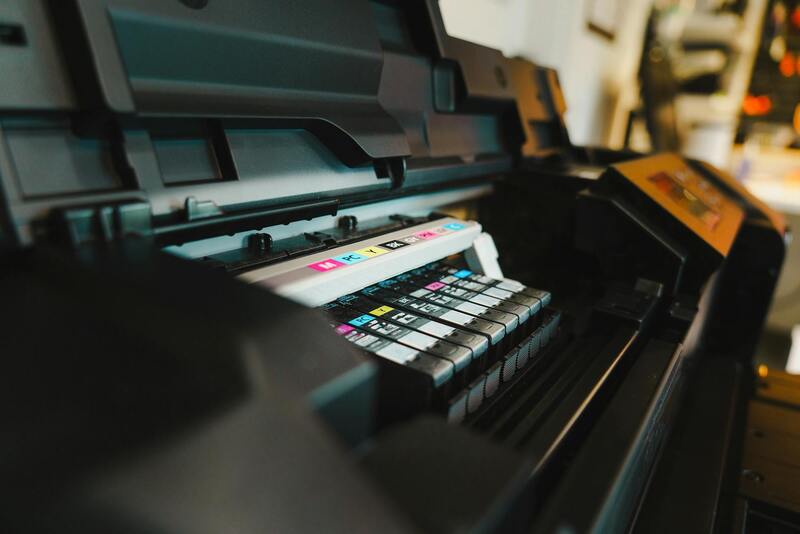
Establishing detailed standard operating procedures (SOPs) for colour management is fundamental. These SOPs encompass every step from file preparation, calibration routines, proofing, to final printing. Consistent documentation helps maintain quality standards, facilitates troubleshooting, and supports continuous improvement. Offline and online quality control checks, including spot checks during production, are conducted to verify colour accuracy. Any deviations from predefined standards must be documented, investigated, and rectified immediately. This disciplined approach guarantees that each batch of colour prints aligns with specified colour profiles and standards, reducing wastage and ensuring client satisfaction.
Environmental Control in Printing Facilities
Maintaining a stable environment in the printing workspace is critical to achieving consistent colours. Factors such as ambient temperature, humidity, and lighting must be monitored and controlled to prevent variations that could affect ink absorption and colour appearance. Advanced facilities often implement climate control systems and use color-neutral lighting to provide optimal conditions for colour management. These measures help preserve calibration settings and ensure that each print reflects the intended visual outcome.
Professional Training and Industry Standards
Operators trained in industry-recognized standards, such as ISO 12647 for colour printing, are better equipped to implement official methods properly. Continuous professional development ensures that staff stay current with technological advancements, best practices, and emerging standards. Participating in industry workshops, certifications, and testing programs further reinforces a commitment to quality and official compliance, fostering trust with clients and upholding the reputation of the printing service provider.