Understanding Multi-Colour Printing
Multi-colour printing stands as a pivotal advancement in the realm of print technology, dramatically enhancing the precision, vibrancy, and detail of printed images and materials. This technique moves beyond the limitations of traditional single or dual-colour printing methods, allowing the reproduction of rich, multi-hued visuals that closely resemble their original designs. Over the decades, innovations in printing machinery, materials, and digital design have significantly contributed to the evolution of multi-colour printing, making it a vital process for diverse industries such as advertising, packaging, textiles, and fine art reproduction.

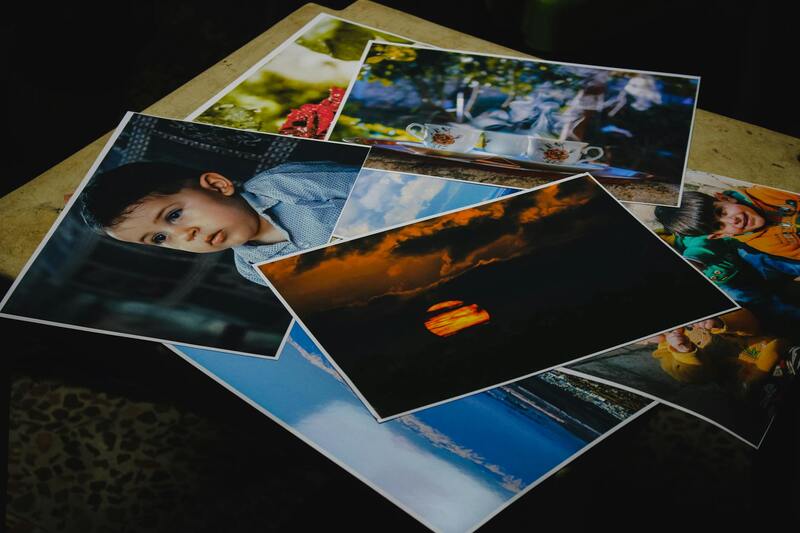
The importance of multi-colour printing is rooted in its capacity to produce outputs that are not only visually striking but also detailed and precise. In contrast to earlier mono-colour or limited palette methods, multi-colour printing can accurately render complex images, nuanced gradients, and subtle tonal variations. This capability ensures that the final print maintains fidelity to original artwork or branding visuals, enabling designers and marketers to communicate messages more effectively and appealingly.
Technological strides have allowed multi-colour printing to incorporate a broader spectrum of colours, including those that are difficult to reproduce with standard four-colour (CMYK) processes. Such comprehensive colour reproduction is achieved through specialized printing techniques and advanced digital profiles, ensuring that the printed output meets high standards of quality and consistency. Consequently, multi-colour printing has become an essential tool for producing eye-catching marketing materials, detailed packaging, and artistic prints that demand sharpness, accuracy, and vibrant richness.
From a workflow perspective, multi-colour printing involves sophisticated software and precise calibration of printing equipment to manage colour separations and registration. This ensures that each colour layer aligns perfectly, avoiding smudges or misregistration, which could compromise the quality of the final product. Furthermore, advancements in colour management technology have streamlined this process, allowing for greater control and reproducibility across large production runs.
Material selection also plays a crucial role in multi-colour printing. Different substrates, such as coated papers, textiles, or plastics, respond uniquely to various inks and printing techniques. Understanding these interactions helps in optimizing print quality and durability while maintaining colour vibrancy. Often, a combination of intricate pre-press preparations and meticulous printing processes is necessary to achieve the desired outcome, especially when working with complex or highly detailed images.
In summary, multi-colour printing exemplifies the integration of technological innovation and creative expression, serving as a cornerstone of modern printing applications. Its evolution continues to push the boundaries of what can be achieved visually, providing unprecedented flexibility for designers and print businesses aiming to produce visually impactful and precise outputs. As digital capabilities expand, the potential for even more vibrant, detailed, and cost-effective multi-colour printing solutions is poised for further growth, offering new opportunities across a diverse array of visual communication projects.
Technologies Enabling Multi-Colour Printing
Recent advancements in printing technology have significantly expanded the possibilities of multi-colour printing across various industries. Innovation in hardware and software solutions has allowed for precise control over colour layering, registration, and material compatibility. Among these, electrophotographic and inkjet printing technologies stand out for their ability to produce vibrant and detailed multi-colour outputs efficiently.
High-end digital presses utilize sophisticated colour management systems that integrate with design software, ensuring accurate colour reproduction and seamless registration. These systems enable the layering of multiple inks or toners, which explains why multi-colour printing can achieve complex gradients, photorealistic images, and intricate graphics with high fidelity.
Furthermore, technologies like Multi-Material 3D Printing extend the realm of multi-colour applications beyond traditional flat media. By using multiple extruders or material feeders, 3D printers can produce objects with varied colours and textures in a single build, opening opportunities for customized, multi-tone prototypes or artistic designs.

On the software side, colour separation software plays a crucial role in preparing digital files for multi-colour printing. These programs handle complex tasks such as spot colour matching, custom colour mapping, and layer registration, ensuring that each colour layer aligns perfectly during the printing process. Automated calibration procedures are also employed to maintain colour consistency throughout large production runs, reducing waste and ensuring replicability.
Another significant technological development involves the use of stochastic screening and halftoning techniques, which help in rendering smooth colour transitions and realistic textures. These methods are particularly effective in managing subtle colour gradations and minimizing visual banding, thereby enhancing the overall image quality.
In high-volume production environments, inline quality control systems equipped with sensors and cameras automatically monitor colour accuracy and registration as printing progresses. Such systems help in early detection of misalignments or colour deviations, allowing operators to make real-time adjustments and uphold strict quality standards.
Integration of Multi-Colour Printing into Production Workflows
The integration of these technologies into existing production workflows is seamless, enabling a wide range of customisation options and efficient batch processing. This integration involves designing colour-rich artwork, preparing colour separations, and optimizing press settings to accommodate multiple inks or toners. The process often benefits from the use of digital proofing systems, which simulate the final print output, allowing designers and clients to review and approve colours before actual production begins.
Finally, the ongoing development of environmentally friendly inks and sustainable printing practices complements technological innovations, making multi-colour printing not only more precise but also more sustainable. Water-based, soy-based, and UV-curable inks are increasingly being adopted to reduce environmental impact while maintaining high print quality.
Materials Used in Multi-Colour Printing
Choosing the right materials is pivotal for achieving accurate and vibrant multi-colour prints. The primary materials include various inks, toners, or filaments specifically formulated for multi-colour processes. In traditional offset or digital printing, specialised inks such as UV-curable, solvent-based, or aqueous-based inks are used to produce a broad spectrum of colours. These inks are designed to resist fading and ensure colour consistency across multiple print runs.
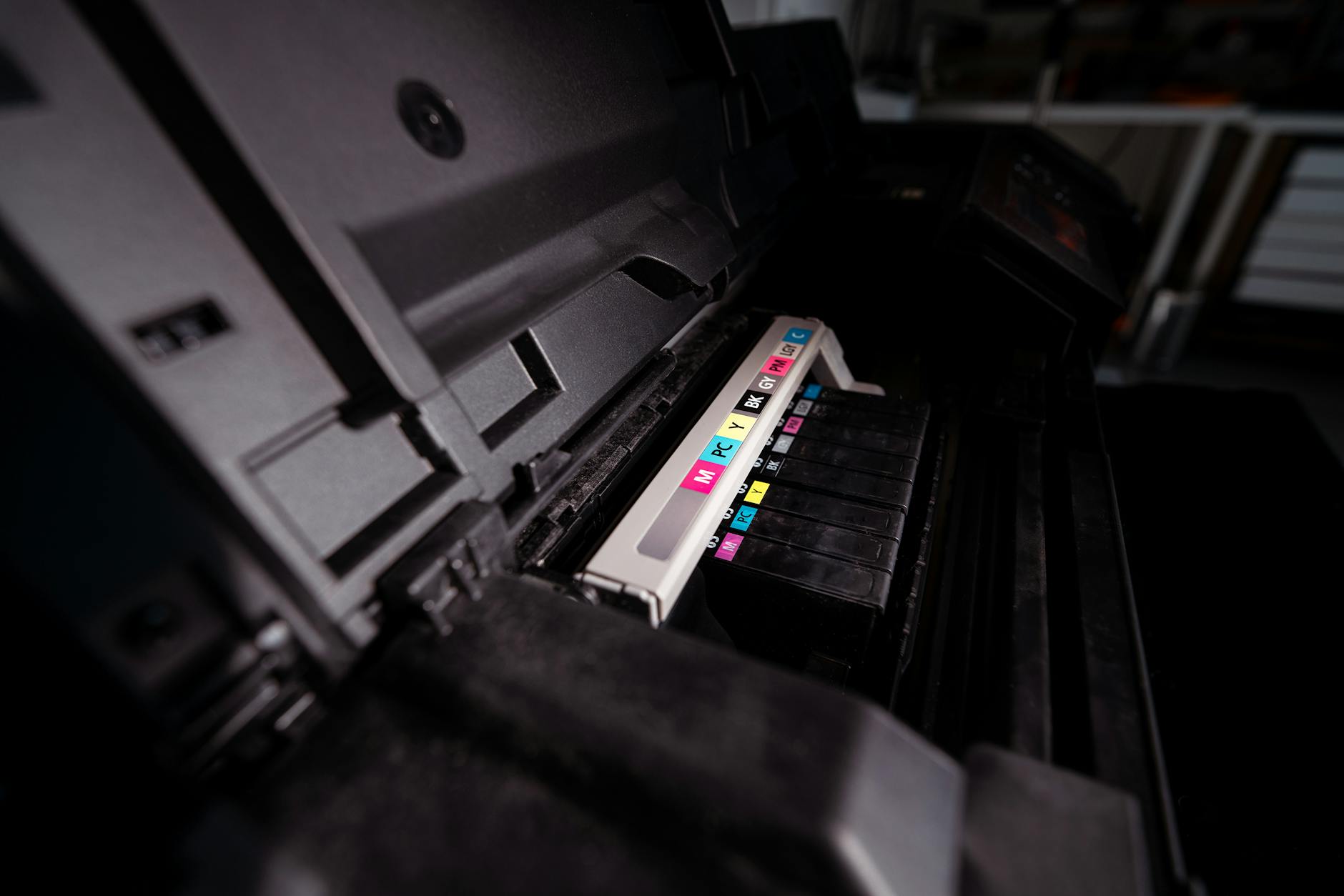
In more advanced digital methods like inkjet or UV printing, a wide array of colour cartridges or ink channels provide flexibility and precision. These systems often incorporate CMYK along with additional colour channels like light magenta, light cyan, or spot colours to enhance colour accuracy and vibrancy.
For textile and fabric applications, colourfast dyes and pigment-based inks are common, engineered for durability and resistance to washing or UV exposure. Similarly, in packaging or label printing where colours need to stand out, specialty inks with high opacity or metallic finishes elevate the visual appeal.
In the domain of 3D printing, filaments infused with colourants or multi-material systems allow for the creation of intricately coloured objects. These materials must maintain stability during the extrusion process to prevent colour bleed and ensure sharp, consistent colour boundaries.
It is crucial to select materials compatible with the chosen printing method, as this influences not only the colour quality but also the durability and processing speed of the print. Manufacturers increasingly offer eco-friendly options, such as water-based or soy-based inks, aligning with sustainable practices without compromising on finished quality.
Design Considerations for Multi-Colour Printing
Effective multi-colour printing begins at the design stage. Accurate colour management and artwork preparation are vital for achieving desired outcomes. Designers should utilize colour profiles compatible with the specific printing process, whether CMYK, RGB, or expanded colour spaces.
The creation of separate colour separations or layers allows precise control over each ink or toner channel, facilitating complex images with smooth gradations and colour transitions. Employing digital proofing systems is recommended to preview the final output, enabling adjustments before actual printing begins.
Simplicity in colour palette selection can sometimes enhance visual impact, especially when working with limited colour sets for branding consistency. Conversely, high-resolution artwork with detailed colour gradations benefits from advanced digital workflows that support stochastic screening and high-quality colour modulation.

Designers must also account for colour overlaps and registration accuracy, often utilizing colour management software to mitigate issues such as misregistration or colour bleed, which are critical for achieving sharp, professional results in multi-colour printing projects.
Understanding Multi-Colour Printing
Multi-colour printing involves the precise application of multiple inks or toners to produce images or designs with a broad spectrum of colours. This technique enhances visual impact and allows for detailed and vibrant artwork, making it ideal for branding, promotional materials, and high-quality visual reproductions. The fundamental aim is to accurately reproduce the original design's colours and details, which requires advanced technology, meticulous workflow management, and high-quality materials. The process also involves controlling the registration of each colour layer to prevent overlaps and misalignments, ensuring that every element aligns perfectly for a professional finish. When executed correctly, multi-colour printing offers deep, lively hues, crisp detail, and a finish that captures the original artwork's essence with exceptional fidelity.

Different Methods of Multi-Colour Printing
Several established methods enable multi-colour printing, each suited to different applications, materials, and budget considerations:
- Offset Printing: This traditional technique involves transferring ink from a plate to a rubber blanket, then onto the printing surface. Offset is economical for large runs and offers consistent, high-quality results with accurate colour reproduction. Multiple passes or colour plates are used to layer each hue precisely.
- Digital Printing: Suitable for short runs or custom jobs, digital multi-colour printing employs laser or inkjet printers. It allows for quick turnaround and easy colour adjustments, making it ideal for personalized prints or small batches.
- Screen Printing: This method uses stencils and mesh screens. Each colour is applied through a separate screen, making it excellent for bold designs with limited colours, such as logo decals or textile prints.
- Flexography: Often used in packaging, flexography employs flexible relief plates to print on various substrates. Its speed makes it advantageous for high-volume production with vibrant colours and sharp details.
- Specialized Multi-Colour Inkjet Technologies: Utilized in high-end digital presses, these systems use advanced printheads capable of laying down multiple inks simultaneously, achieving complex colour gradients and photorealistic images.
Technologies Enabling Multi-Colour Printing
Modern multi-colour printing is driven by innovative technologies designed to extend colour ranges and improve efficiency:
- Expanded Colour Gamut Systems: These systems incorporate additional inks beyond standard CMYK, such as orange, green, or violet, to widen the colour spectrum and enhance vibrancy.
- RGB Simulation Techniques: Using advanced software and calibration, some printers simulate RGB profiles within print outputs to reproduce a broader array of colours, particularly useful for high-definition artwork and photography.
- Stochastic Screening: This digital process employs fine dot patterns to create smooth colour gradations and detailed tones, reducing banding and enhancing image sharpness.
- Multi-ink Printing Systems: Printing units that can handle multiple inks enable complex, multilevel colour blending, resulting in images with depth and high fidelity.

By leveraging these technologies, printers can achieve highly detailed, vibrant, and accurate multi-colour outputs, meeting the increasing demand for quality and complexity in printed materials. Careful selection of the appropriate process and technology ensures that each project maximizes visual impact and maintains a professional finish.
Materials Used in Multi-Colour Printing
Choosing the right materials is fundamental to achieving high-quality multi-colour printing results. The selection process involves understanding the unique properties of various inks and substrates to ensure optimal adhesion, layer stability, and vibrancy of the resultant print. Standard printing inks used in multi-colour processes include a broad spectrum of pigments and dyes formulated to provide durability and colour fidelity. These inks are often sourced from specialized manufacturers who supply products designed explicitly for multi-colour applications, guaranteeing consistency across production runs.
In addition to conventional inks, there are specialized coatings and primers formulated for specific substrates. These materials enhance ink adhesion and prevent smudging or fading over time, which is vital for long-term preservation of the printed materials. For more demanding applications, metallic inks are utilized to add reflective qualities, while fluorescent inks are used to produce vivid, eye-catching designs that glow under UV light. The careful pairing of inks with compatible substrates ensures that colours remain vibrant and true to the design intent, even after extended use or exposure to environmental factors.
The role of substrates cannot be understated in multi-colour printing. Common materials include coated and uncoated papers, synthetics, textiles, and various plastics. Each material type interacts differently with inks, influencing colour absorption, drying times, and overall visual output. For example, coated papers tend to produce sharper images with more vivid colours due to their smooth surface, whereas textiles require inks that can penetrate the fibers thoroughly for durability. Selecting appropriate materials is critical when aiming for specific visual effects or functional requirements, such as waterproofing or scratch resistance.
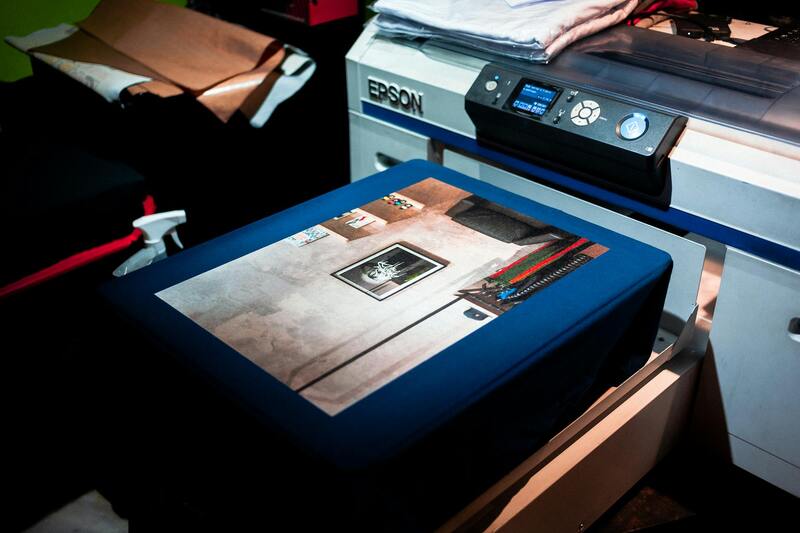
Achieving consistent multi-colour output hinges on meticulous material selection, precise calibration, and understanding the properties of inks and substrates in use. By leveraging high-performance inks and compatible materials, printers can realize intricate designs with smooth colour gradations, exceptional vibrancy, and sustained longevity. This careful approach ensures that the final product not only captures the desired aesthetic but also maintains its quality throughout its lifespan, delivering professional results for a wide range of applications.
Materials Used in Multi-Colour Printing
Choosing the right materials forms the foundation for successful multi-colour printing. The primary consideration is the compatibility of inks or toners with the substrate, which directly impacts colour vibrancy, adhesion, and longevity. Commonly used materials include coated papers, uncoated papers, synthetic substrates, textiles, and various plastics, each requiring specific ink types to optimize visual outcome.
For paper-based printing, coated papers are preferred due to their smooth surface that enhances colour sharpness and brightness. These substrates facilitate the application of aqueous, UV, or solvent-based inks and toners, which adhere well and produce crisp details. In contrast, uncoated papers absorb inks more deeply, resulting in softer colour edges but potentially richer hues depending on the ink formulation.
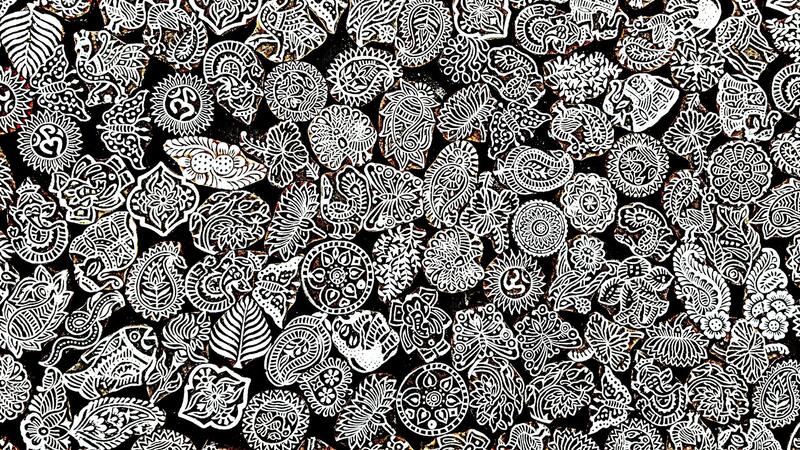
Polymer-based materials such as plastics or synthetic papers are often used in packaging and promotional materials. These substrates require specific inks designed for durability and resistance to environmental factors. Textile printing involves dyes or pigments formulated to penetrate fiber structures, ensuring colours do not fade after washing or exposure.
Understanding Ink and Material Interactions
High-quality multi-colour printing demands a thorough understanding of how inks interact with various substrates. Precise calibration of printing equipment—such as colour density, ink viscosity, and drying times—is essential to achieve consistent results. For example, UV inks cure instantly and are suitable for non-porous surfaces, whereas aqueous inks are ideal for paper and textiles.
Adapting ink formulations for specific materials affects not only colour accuracy but also durability. Pigments used in inks should be selected for resistance to UV exposure, chemical solvents, and physical wear, especially for items like outdoor signage or reusable products. Proper pre-treatment of substrates, such as applying primers or coatings, can improve ink adhesion and prevent issues like bleeding or smudging.
Design Considerations for Multi-Colour Printing
Effective multi-colour designs hinge on strategic colour placement and image segmentation. Designers should adopt colour separation techniques that prioritize harmony and contrast, avoiding overly complex colour blends that may complicate registration or increase production costs.
- Colour Matching: Use Pantone or other standardized colour systems to ensure colour consistency across different substrates and print runs.
- Layer Management: Break down complex images into separate colour layers that align precisely during printing.
- Resolution Optimization: Maintain high-resolution imagery (at least 300 dpi) to preserve detail in multi-colour compositions.
- Color Gradients: Use carefully calibrated tone transitions to achieve smooth colour gradations, especially in highly detailed or photographic prints.
Attention to these considerations enables the production of vibrant, sharp, and durable multi-colour prints that meet professional standards, catering to diverse applications from branding to fine art. The selection of materials and the design process are intertwined, each reinforcing the other’s impact on the final product’s visual appeal and functional performance.
Understanding Multi-Colour Printing
Multi-colour printing is an advanced technique that enhances the visual richness and depth of printed materials by incorporating multiple hues into a single production process. This approach is integral to projects requiring vibrant branding, detailed imagery, and intricate designs, ensuring that the final output accurately reflects the intended colour palette. Unlike traditional single-colour or dual-colour methods, multi-colour printing employs a combination of several inks or dyes, which are strategically layered or combined to produce the desired spectrum. This method allows for precise colour matching, sharp details, and seamless transitions between hues, making it essential for high-quality commercial and artistic applications.
Different Methods of Multi-Colour Printing
- Offset Printing: This widely used method applies multiple ink layers through separate passes, enabling consistent reproduction of complex colour schemes. It is ideal for high-volume runs with consistent quality.
- Digital Multi-Colour Printing: Leveraging advanced digital presses, this method allows for quick setup and customization, suitable for short runs and variable data printing. It offers excellent colour rendition with minimal setup time.
- Screen Printing: Best suited for bulk production of items like textiles and promotional products, screen printing uses multiple stencils to layer colours. Precise registration techniques are vital to prevent colour misalignment.
- Flexographic Printing: Used mainly for packaging, flexography employs flexible relief plates to transfer inks directly onto substrates, supporting vibrant multi-colour designs on a variety of materials.
- Gravure Printing: A high-quality method often used for magazines and publications, providing deep, consistent colours through engraved cylinders for detailed imagery.
Technologies Enabling Multi-Colour Printing
Recent technological advancements have significantly broadened the capabilities of multi-colour printing. Modern presses incorporate sophisticated calibration systems that ensure colour fidelity across different substrates and print runs. Digital presses equipped with colour management software facilitate simultaneous printing of multiple colours, reducing registration errors and waste. Additionally, innovations like UV curing inks enhance adhesion and durability, making multi-colour prints suitable for outdoor applications. Multi-lane printing machines and multibed technology enable the simultaneous application of different colours, accelerating production times without compromising quality.

Materials Used in Multi-Colour Printing
The choice of substrates plays a critical role in multi-colour printing outcomes. Materials such as coated papers are preferred for their smooth surface, which allows fine detail and colour vibrancy. Uncoated papers, fabrics, plastics, and even metals can be used depending on the application, with each requiring specific inks and pre-treatment processes. Special inks—such as UV, solvent-based, and water-based inks—are selected based on factors like durability, environmental resistance, and surface compatibility. Layers are meticulously applied to prevent bleeding and ensure stability, especially on porous or textured surfaces. For digital and screen printing, precision in ink formulation and application is crucial for achieving consistent multi-colour results.
Design Considerations for Multi-Colour Printing
Designing for multi-colour printing demands a strategic approach to optimise the visual impact while maintaining production efficiency. Key considerations include:
- Colour Harmony and Contrast: Selecting a balanced colour palette that complements the overall design enhances aesthetic appeal and message clarity.
- Colour Separation and Layering: Breaking down complex images into distinct colour layers simplifies registration and reduces potential misalignments during printing.
- Standardized Colour Matching: Using systems like Pantone ensures colour consistency across different substrates and batches, vital for branding integrity.
- Resolution and Detail: High-resolution images (minimum 300 dpi) with calibrated colour gradients prevent pixelation and ensure smooth tonal transitions.
- Material Compatibility: Designing with substrate properties in mind helps optimise ink adhesion and durability of the final product.
Careful planning during the design phase significantly impacts the vibrancy, sharpness, and longevity of multi-colour prints, whether for signage, packaging, or high-quality artistic reproductions.
Advanced Techniques for Multi-Colour Printing
To achieve high-quality multi-colour prints that meet rigorous standards for precision, colour fidelity, and surface detail, employing advanced techniques can significantly enhance production capabilities. These methodologies utilize specifically developed procedures and equipment designed for professional environments, ensuring consistent results that align with design intentions. They include structured colour layer management, meticulous registration processes, and specialized ink application procedures that uphold the integrity of complex multi-colour designs.
Layer Registration and Alignment
Accurate layer registration is fundamental to successful multi-colour printing. High-precision registration systems utilize mechanical guides, visual alignment marks, and automated feedback mechanisms to align each colour layer precisely. Registration errors can lead to misalignments resulting in blurred or ghosted images, which compromise visual quality. To mitigate these issues, printers often adopt multi-point registration systems, which recalibrate alignment parameters continuously during the print run, maintaining registration within tight tolerances and ensuring impeccable overlay of multi-layered colours.

Color Management and Calibration
Effective colour management systems are critical for reproducibility and consistency, especially across multiple projects or batches. This involves using colour profiles calibrated specifically for the printing system, substrate, and inks. Standardized colour matching protocols, such as the use of Pantone or custom colour libraries, facilitate precise colour reproduction. Regular calibration of printers and colour measurement devices ensures that colours are maintained accurately over time, supporting brand consistency and high-quality outputs.
Ink and Substrate Compatibility
Choosing the right inks and substrates is paramount for successful multi-colour printing. Inks must be formulated for compatibility with the substrate material to prevent issues like smudging, bleeding, or poor adhesion. Pigments should have high stability and minimal colour migration. For example, UV-curable inks are often preferred for their durability and vibrant colour output, especially on non-porous surfaces. Substrate selection also influences ink absorption and gloss, which directly impacts the final visual appearance. Proper surface preparation, such as cleaning and priming, enhances ink adhesion and colour vibrancy.
Design Optimization for Multi-Colour Outputs
Design workflows should incorporate strategies for optimal multi-colour printing. This includes creating separate colour layers that are easy to align, limiting colour overlaps that could cause misregistration, and leveraging colour palettes that maximize contrast and visual impact. Designers are advised to work with vector graphics or high-resolution images, ensuring sharp, detailed output. Using standardized colour systems during design development helps maintain consistency throughout the manufacturing process, particularly when dealing with complex, multi-layered images or branding materials.
Post-Processing and Quality Control
Post-printing processes such as curing, lamination, and surface finishing are crucial for preserving multi-colour integrity. Curing methods should fully set inks without distorting colours or damaging details. Quality control measures involve visual inspections, colour consistency assessments, and measurement of registration accuracy. Digital colour sensors or spectrophotometers can be employed for precise evaluation, reducing variability and ensuring that each print adheres to specified standards. Well-executed quality control guarantees that finished products meet both aesthetic and functional requirements.
Implementing Industry-Standard Protocols
Adoption of internationally recognized protocols and standards supports sustainable, consistent, and high-quality multi-colour printing. This includes adherence to ISO standards related to colour measurement, material handling, and environmental considerations. Establishing detailed operational procedures and training staff accordingly optimizes workflow efficiency. Maintaining meticulous records of calibration, ink batches, and substrate batches enables traceability, which is vital for large-scale or sensitive projects. Furthermore, continuous staff education in emerging techniques and technologies fosters ongoing improvement in multi-colour printing outcomes.