Types of Posters and Printing Methods
Understanding the various types of posters and the printing techniques used in Singapore is essential for selecting the right solution to meet your needs. Posters come in different formats designed for specific environments and purposes, including indoor, outdoor, and large-format displays. Each type demands particular materials and printing approaches to ensure durability, visual clarity, and overall effectiveness.
Indoor posters are crafted primarily for aesthetics and detailed visual presentation. They are ideal for exhibitions, advertisements within retail spaces, or corporate communications. Typically, these posters are printed on lightweight paper or vinyl, enabling easy mounting and quick replacement. Outdoor posters, by contrast, require materials that withstand weather conditions like rain, wind, and sunlight. Therefore, they often utilize weather-resistant substrates and thicker, more durable inks.
Large-format posters, commonly known as banners or backdrops, are used for events, trade shows, and external advertisements where high visibility is critical. These need expansive printing technology capable of producing high-resolution images without loss of quality over large surfaces. The choice of the printing method affects the overall cost and visual outcome of the poster. Digital printing, especially UV and eco-solvent techniques, are prevalent for their ability to produce sharp images and vibrant colors quickly and efficiently.

Digital printing, which employs direct-to-substrate technology, offers versatile options suitable for custom, short to medium runs. It’s praised for its precision and quick turnaround, making it a favored choice for personalized posters. Solvent printing, often used for outdoor applications, uses solvent-based inks that provide excellent weather resistance and color longevity. This method is particularly suitable for large outdoor banners and signage where exposure to the elements is inevitable.
When choosing a printing method, factors like environmental durability, color vibrancy, and production speed come into play. Digital and solvent printing cover a broad spectrum of applications and help ensure that posters serve their purpose effectively while maintaining high visual standards. In Singapore’s competitive market, understanding these distinctions allows consumers to select the appropriate poster type and printing approach that aligns with their objectives and budgetary considerations.
Understanding Poster Printing Price Components
When evaluating the cost of poster printing, numerous factors contribute to the final pricing structure. These elements encompass the choice of materials, printing technique, size, and additional customization options, each influencing the overall expenditure. Recognizing these components enables customers to make informed decisions while aligning their specifications with budgetary expectations.
Key Determinants of Poster Printing Costs
- Size and Dimensions: Larger posters typically require more material and longer printing time, resulting in increased costs. Standard sizes like A0, A1, and A2 often have set price brackets, but custom dimensions can influence pricing based on area coverage.
- Material Selection: The choice between paper types and finishes impacts the expense. Options such as glossy, matte, or textured surfaces each carry different price points, with premium materials usually commanding higher rates.
- Printing Technology: Digital printing methods like UV and eco-solvent printing utilize advanced technology that affects the price. UV printing tends to offer sharp, durable images suitable for both indoor and outdoor use, often at a premium compared to standard digital techniques.
- Color Complexity and Ink Coverage: Amount of color in the design, from black and white to full-color graphics, influences ink consumption and thus cost. High-resolution, vibrant images with extensive color use tend to elevate the price.
- Quantity of Prints: Typically, bulk orders benefit from tiered pricing, reducing the cost per unit. Conversely, single or small runs may incur higher charges due to setup costs.
- Finish and Coating: Additional finishes such as lamination or lamination with matte or gloss effects add to the total cost but also enhance durability and visual appeal.
- Delivery and Turnaround Time: Urgent requirements or delivery to remote locations can add extra fees, which should be factored into the overall budget.
Pricing Trends and Market Expectations
In Singapore, the typical price range for standard posters can vary significantly based on the aforementioned factors. For instance, a standard A2 poster printed on gloss paper with basic digital technology might start at a few dozen dollars, whereas large-format UV-printed posters on premium materials could reach hundreds of dollars for intricate designs and finishes. This range ensures that clients can select options that best suit their needs without exceeding their budgets.
Additionally, some service providers offer package deals for multiple posters, providing a cost-effective solution for event promotions, advertising campaigns, or decorative purposes. It is common to see price variations based on the quantity ordered, with discounts applied for larger volumes.
How Material Choices Affect Cost
Material selection is pivotal in determining poster printing costs. Standard paper stocks such as 180gsm gloss or matte finishes provide an economical option suitable for indoor display or temporary use. However, outdoor applications demand more resilient materials like PVC vinyl or weatherproof fabrics, which inherently carry higher prices due to their durability and specialized manufacturing processes.
Finishing touches like mounting variants—such as foam board, gator board, or magnetic backing—add to the expense but significantly enhance the stability and presentation quality of the posters. High-gloss or matte lamination provides extra protection against environmental elements and handling, further influencing the overall cost.
Impact of Printing Method on Pricing
The choice of printing technology influences costs profoundly. Eco-solvent printing, favored for its environmental benefits and vibrant output, typically incurs higher charges than traditional solvent or aqueous digital printing. UV printing, on the other hand, offers high precision and surface adhesion for diverse substrates, making it pricier but ideal for resilient outdoor posters. Understanding these distinctions helps clients select the most suitable and cost-effective method that aligns with their longevity and visual standards.
Types of Posters and Printing Methods
Choosing the right poster type and printing method is essential for optimal visual impact and cost efficiency. Standard posters are typically printed on paper or digital substrates, suitable for indoor advertising, event promotion, or informational displays. These are commonly produced using digital printing technologies like eco-solvent or aqueous printers, which offer vibrant color reproduction and fast turnaround times.
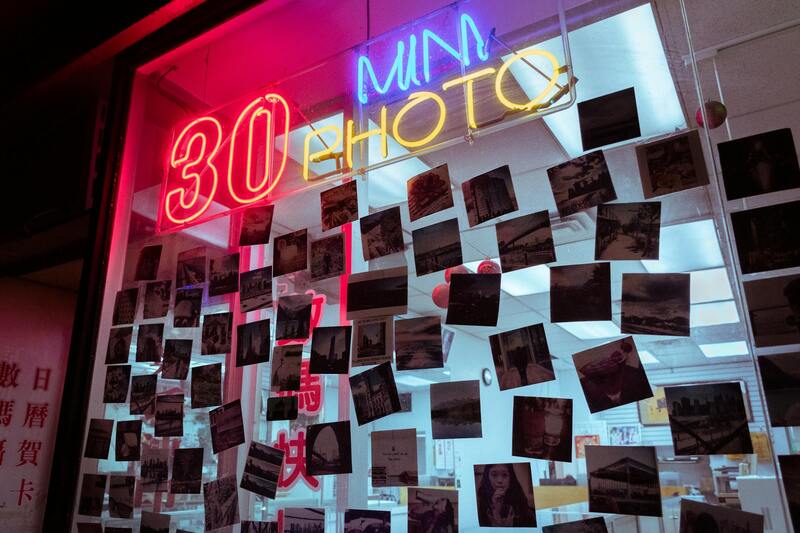
For high durability and outdoor use, banners and posters are printed on weather-resistant materials such as PVC vinyl or weatherproof fabrics. These are produced via UV or eco-solvent printing, which provide robust resistance to environmental factors while maintaining sharp imagery. Fine art posters and gallery prints often utilize high-resolution inkjet printers with specialized inks on fine art papers or canvas to achieve premium quality at a higher cost.
Screen printing remains an option for large runs of posters that require bold, flat color coverage, especially for promotional merchandise and limited edition art prints. The method involves creating stencils and applying ink manually or mechanized, making it viable for bulk production with cost advantages at scale. Each printing method offers different benefits and cost implications depending on the desired durability, color fidelity, and volume.
Common Sizes and Dimensions
Poster sizes broadly vary to suit different display needs, from small promotional prints to large-scale advertising installations. Standard dimensions include:
- 18x24 inches (45.7x61 cm) – Compact, suitable for indoor use and handouts
- 24x36 inches (61x91.4 cm) – Popular for gallery displays and event signage
- 36x48 inches (91.4x122 cm) – Larger formats for impactful outdoor advertising
- 48x72 inches (122x183 cm) – Extra-large to maximize visibility from a distance
Custom dimensions are also available to meet unique design specifications, with pricing adjustments based on size and material selection. Larger posters may require special handling and mounting, which can influence overall costs.
Considerations when selecting poster sizes include:
- Intended display environment – indoor or outdoor
- Viewing distance and visibility requirements
- Design complexity and graphical details
- Material compatibility and mounting options
Ensuring dimensions align with the intended marketing or display strategy helps optimize the investment in poster printing.
Material and Finish Options
Choosing the right material and finish for poster printing plays a significant role in determining the overall cost, quality, and durability of the final product. Various materials are available to suit different display environments and design preferences, each with distinct pricing considerations. For indoor applications, synthetic papers and opacity vinyl are popular choices due to their smooth surface and vibrant color reproduction, often at moderate price points. To enhance visual appeal and create a premium look, finishes such as matte, gloss, or metallic coatings are applied.
Vinyl is often selected for outdoor posters because of its weather resistance, but the cost varies based on thickness and adhesive quality. Foam board provides a lightweight yet sturdy option, especially for short-term displays, with aesthetic finishes that can be matte or gloss, influencing price tiers. Synthetic paper combines flexibility with water resistance, ideal for transportable displays or environments prone to moisture. Each material not only influences the visual impact but also affects handling and installation costs.
Finish options further customize the appearance and longevity of posters. Matte finishes reduce glare, making text easier to read under bright lighting conditions, and are often more economical. Gloss finishes enhance color vibrancy and sharpness, suitable for eye-catching promotional posters, typically at a slightly higher price. Metallic finishes lend a distinctive look for special campaigns but incur additional costs due to their specialty inks and coatings. When selecting materials and finishes, it’s essential to consider the display environment, desired lifespan, and target audience to optimize your investment.
Another important consideration is surface texture. Textured finishes can add a tactile dimension to posters, making them stand out visually and physically. These options tend to be priced higher due to the specialized application processes involved. Moreover, finishing techniques such as lamination or coating provide added protection against scratches, weather, and fading, extending the poster’s visibility period but also contributing to overall printing expenses.

Ultimately, selecting the appropriate material and finish depends on the intended display setting, budget constraints, and aesthetic goals. Consulting with professional printing service providers ensures that the options chosen align with your marketing objectives while maintaining cost efficiency.
Key Material and Finish Types:
- Vinyl — Weather-resistant, suitable for outdoor use
- Foam board — Lightweight, ideal for short-term indoor displays
- Synthetic paper — Flexible, water-resistant, for portable displays
- Matte finish — Reduces glare, economical
- Gloss finish — Enhances color vibrancy, premium option
- Metallic finish — Unique visual effect, higher cost
- Laminated coatings — Additional protection against environmental factors
Types of Posters and Printing Methods
In the realm of poster printing, selecting the appropriate type and printing technique is vital to ensure optimal visual impact and durability. Traditional posters usually utilize digital or large-format printing methods, which offer high-resolution images suitable for promotional displays, event advertising, or artistic purposes. Among the techniques employed, inkjet printing remains the most prevalent due to its affordability and ability to produce vibrant colors on various substrates.
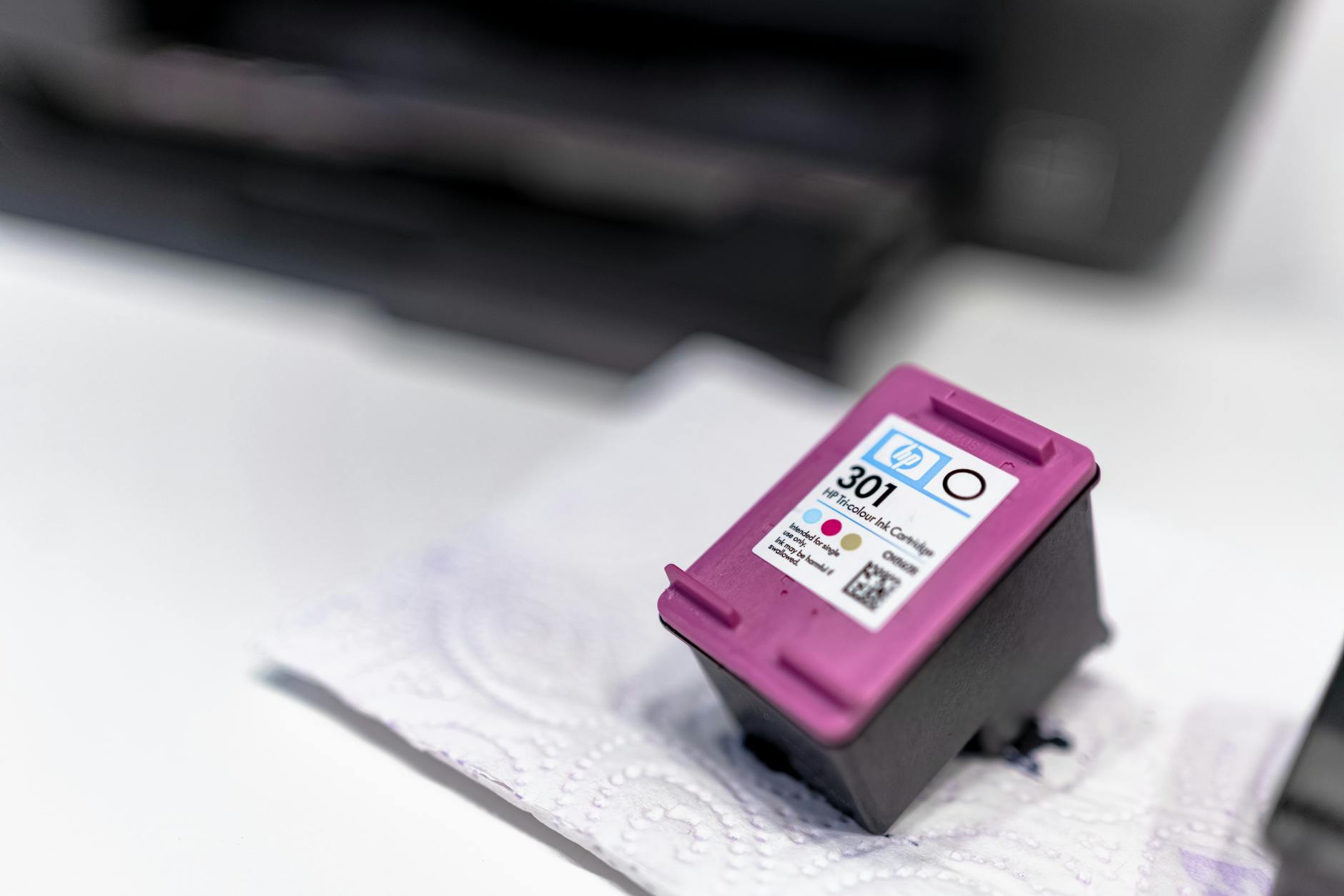
Screen printing is another method often used for limited quantities with specific material requirements, especially when consistency in colors and textures is paramount. This process involves creating a stencil and applying ink through meshes, making it suitable for posters that require thick ink layers or special effects.
For premium applications, dye-sublimation and solvent-based printing methods are favored. Dye-sublimation is ideal for fabric posters, providing excellent color depth and washability, while solvent printing excels at outdoor signage due to its weather resistance and longevity.
Common Sizes and Dimensions
Poster sizes are standardized to accommodate different display settings and visual goals. The most common dimensions include:
- 24 x 36 inches (61 x 91.4 cm): Popular for promotional posters and art displays.
- 18 x 24 inches (45.7 x 61 cm): Suitable for indoor advertisements and event posters.
- 11 x 17 inches (27.9 x 43.2 cm): Often used for flyers, notices, or smaller promotional materials.
- A2 (42 x 59.4 cm) and A3 (29.7 x 42 cm): Standard paper sizes adopted globally for marketing purposes.
Custom dimensions are also available to meet specific project requirements, offering flexibility for unique display needs. When planning your poster size, consider the viewing distance, placement environment, and the amount of content to ensure clarity and visual impact.
Pricing Factors Affecting Poster Printing
The cost of poster printing depends on several critical factors that influence the final price. Understanding these can help optimize your budget:
- Size: Larger posters require more material and ink, often resulting in higher costs.
- Material: Premium substrates like vinyl or synthetic paper tend to be more expensive than standard paper options.
- Finish and coating: Special finishes such as gloss, matte, or metallic coatings add to the overall expense but enhance durability and visual appeal.
- Quantity: Bulk orders usually benefit from volume discounts, reducing the unit price.
- Printing technology: Advanced and high-resolution printing methods often incur higher costs compared to basic digital printing.
- Delivery and turnaround: Expedited services and shipping options influence the total price, especially for urgent or large-volume orders.
Material and Finish Options
To enhance both aesthetics and longevity, poster printing providers offer a variety of materials and finishing touches:
- Vinyl: Durable, weather-resistant material suited for outdoor advertising and long-term displays.
- Foam Board: Lightweight and rigid, ideal for indoor exhibitions and short-term displays.
- Synthetic Paper: Water-resistant and flexible, perfect for portable or outdoor use where moisture is a concern.
- Matte Finish: Reduces glare, making it suitable for environments with bright lighting or for artwork requiring minimal reflection.
- Gloss Finish: Boosts color vibrancy and provides a shiny surface that enhances visual impact.
- Metallic Finish: Offers a unique, eye-catching aesthetic at a higher price point.
- Laminated Coatings: Protects the poster’s surface from scratches, UV rays, and environmental damage, extending its lifespan and ensuring sustained visual quality.

Types of Posters and Printing Methods
Choosing the appropriate poster type and printing method is crucial for achieving the desired visual impact and durability. The most common poster types include digital posters, which are suitable for quick, cost-effective printing, and large-format posters designed for high-resolution visuals. Printing methods vary from standard digital printing to more advanced techniques such as lithography and screen printing. Digital printing, especially UV and latex printing, allows for vibrant colors and detailed images, making it a popular choice for promotional events, corporate branding, and artistic displays. Screen printing provides textured finishes and is effective for large runs of posters with simple color schemes, while lithography offers high-quality output suitable for fine details and mass production. When selecting a poster printing method, consider factors like image resolution, color accuracy, material compatibility, and budget constraints. Investing in high-quality printing techniques ensures posters maintain visual appeal over time and withstand environmental conditions, which is essential for outdoor advertising or long-term indoor displays.

Common Sizes and Dimensions
Standard poster sizes typically follow popular industry dimensions, making it easier to select and customize the right fit for different display needs. Common sizes include:
- 24 x 36 inches (61 x 91.4 cm): Suitable for large storefronts, events, and promotional displays.
- 18 x 24 inches (45.7 x 61 cm): Ideal for indoor advertising and wall-mounted signage.
- 11 x 17 inches (A3): Perfect for smaller promotional posters, flyers, and point-of-sale displays.
- A0 (33.1 x 46.8 inches): Used for exhibition banners and large-format advertising.
Custom sizes are also available to meet specific design requirements or spatial constraints. When choosing dimensions, consider the viewing distance, placement location, and context of use to optimize effectiveness and visual clarity.

Pricing Factors Affecting Poster Printing
Understanding what influences poster printing costs helps in planning and budgeting for your project. Key factors include:
- Quantity: Bulk orders typically reduce the unit price due to economies of scale. Printing in larger batches maximizes savings, particularly for promotional campaigns or events.
- Material Choice: Premium materials like vinyl, synthetic paper, or laminated finishes are priced higher but offer enhanced durability and visual appeal. Conversely, standard paper options are more economical but less resistant to environmental factors.
- Size and Dimensions: Larger posters require more material and higher-resolution printing, which increases costs. Custom sizes may incur additional setup fees.
- Printing Technology: Advanced printing methods, such as UV or latex inkjet, provide high color fidelity and longevity, but often come at a higher price compared to basic digital printing.
- Finish and Material Add-ons: Matte, gloss, or metallic finishes as well as lamination and protective coatings elevate the price but significantly extend the lifespan and aesthetic quality of the poster.
- Design Complexity: Intricate graphics, high-resolution images, and multiple color layers can increase printing time and costs.
- Delivery and Turnaround Time: Urgent or expedited services, including express shipping, generally carry higher charges due to faster processing and logistics.

Types of Posters and Printing Methods
Posters serve diverse functions, ranging from advertisements and promotional displays to artistic and decorative pieces. The choice of printing method and poster type significantly influences the final appearance and cost. Common types include digital posters, vinyl banners, foam board prints, and semi-rigid signage. The prevalent printing techniques encompass digital inkjet, UV printing, and solvent-based printing, each offering unique benefits.
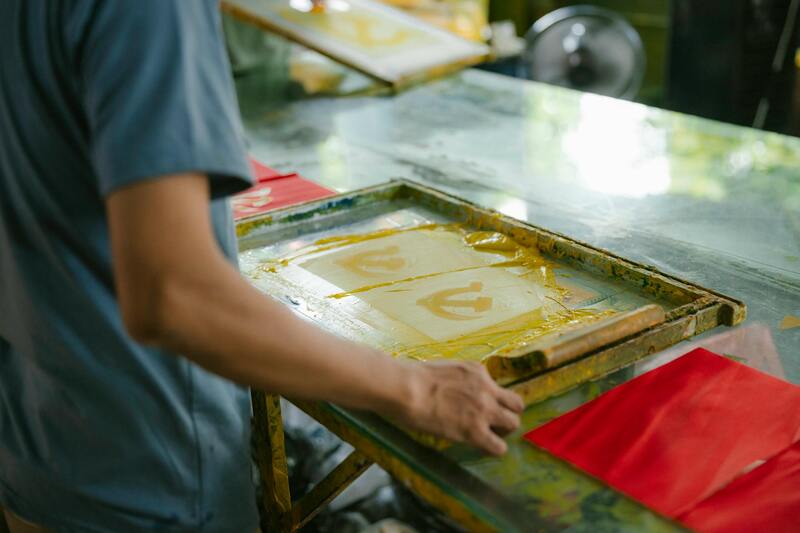
- Digital Inkjet Printing: Widely used for small to medium-sized posters, delivering high-resolution images with vibrant color accuracy. This method is flexible, allowing for quick turnaround times and customization.
- UV Printing: Utilized for rigid substrates like foam board and acrylic, providing durable, weather-resistant results suitable for outdoor displays.
- Solvent and Latex Printing: Offer enhanced longevity and resistance to environmental factors, ideal for large-format signage exposed to outdoor conditions.
Choosing the Optimal Printing Method
Factors such as intended placement, lifespan, and visual impact guide the selection process. For indoor displays that require detailed, vibrant imagery, digital inkjet printing on standard or synthetic paper is preferred. For outdoor signage with prolonged exposure, UV or solvent-based prints on weatherproof materials ensure durability and color retention. Additionally, certain printing methods lend themselves better to special finishes like matte, gloss, or metallic coatings, which enhance aesthetic appeal.
Specialty Poster Formats
Beyond standard sizes, specialty formats such as roll-up banners, life-sized standees, or custom-cut shapes provide additional engagement and visibility. These formats often involve specialized print setups and mounting techniques, affecting overall costs but offering impactful promotional opportunities.
Compatibility of Materials with Printing Methods
The material selected for poster printing must align with the chosen printing technology. For example, vinyl and polyester fabrics are compatible with UV and solvent inks, offering waterproof and tear-resistant properties. Paper-based options like gloss or matte finish photo papers are suitable for indoor use, providing sharp details and color fidelity. The material's thickness and surface texture also influence the printing process and cost, with thicker, textured substrates generally requiring more advanced equipment and higher investment.
Maintaining Quality and Consistency
To achieve optimal results, professionals utilize color calibration and high-resolution files, ensuring the printed poster matches the digital design. Consistent color reproduction and sharp image quality are crucial for upholding branding standards and visual impact, especially in competitive marketing environments.
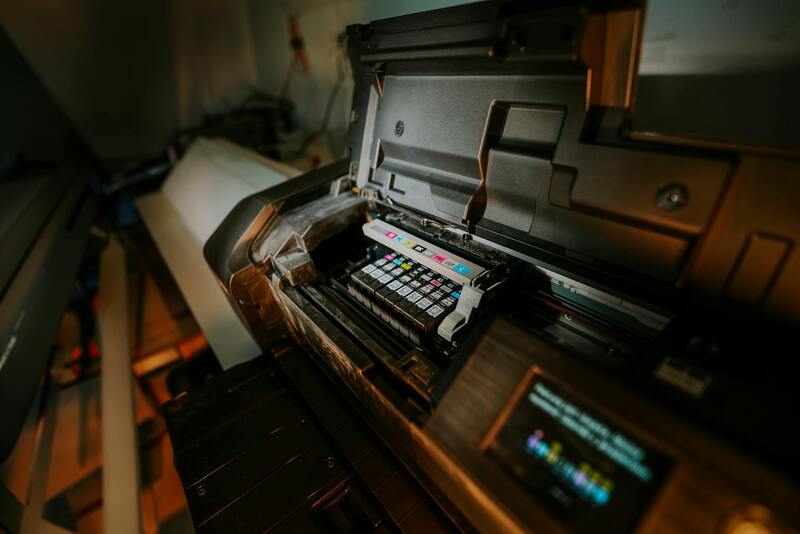
By carefully selecting print methods and materials aligned with the poster’s purpose, clients can ensure durability, visual appeal, and overall cost-effectiveness, making the investment in poster printing a strategic component of their marketing or artistic objectives.
Comprehensive Guide to Poster Printing Price Components
Official Methods for Procuring Poster Printing Services
When sourcing poster printing services, it is essential to utilize verified channels that adhere to established industry standards. Professional printing companies like disc-print.com offer transparent pricing models and guarantee quality outputs. They employ advanced printing technologies such as large-format digital printers, UV printing, and solvent ink processes, which ensure vibrant, durable results suitable for various applications, from marketing campaigns to artistic displays. Customers should always request detailed quotes based on their specific requirements, including size, material, and finish options. This transparency facilitates accurate cost assessment and comparison among providers.

Calculating Costs via Established Pricing Structures
Reliable poster printing companies structure their pricing according to clear parameters. These are primarily influenced by poster dimensions, the complexity of the design, selected materials, and finishing options. Standard pricing components include:
- Size and Dimensions: Larger posters require more ink, material, and time, impacting costs proportionally.
- Material Selection: Premium materials such as weather-resistant vinyl or textured fabrics command higher prices compared to basic paper or matte finish options.
- Print Resolution and Color Fidelity: Higher resolution prints with complex color profiles may increase printing expenses due to the need for advanced calibration and ink usage.
- Finish and Mounting: Custom finishes like lamination, gloss or matte coating, and mounting techniques (such as adhesive backing or framing) contribute to overall costs.
Influence of Material Choices and Finishing
The material and finish selected for a poster significantly influence the price. For outdoor signage requiring UV-resistant vinyl, expect higher costs relative to indoor paper posters. Textured or thicker substrates, while offering enhanced durability and tactile appeal, involve more complex printing processes and material costs. Finishing techniques such as matte lamination, gloss UV coating, or custom edge cutting provide aesthetic benefits but may add to the final expense. For instance, a weatherproof outdoor poster with lamination and mounting might cost substantially more than a standard indoor poster on glossy paper.
Turnaround Time and Delivery Expense Considerations
Fast turnaround times are available through reputable poster printing services, but expedited production typically incurs additional fees. Standard printing schedules, ranging from 24 to 48 hours, often come with lower costs, making them suitable for most typical promotional needs. For urgent orders or large volumes, express services might be necessary, which could raise the overall price. Furthermore, delivery charges depend on the destination and courier selected. In some cases, local pickup options can reduce transportation expenses, offering a cost-effective solution for clients seeking quick and affordable service.
Incorporating Customization and Mounting into Cost Calculations
Additional services such as custom mounting, framing, or graphic enhancements can significantly impact expenses. Professional mounting techniques, including foam boards, acrylic backing, or magnetic mounting, add value through increased presentation quality. Custom-cut shapes and specialized finishes require more intricate setup and labor, which are reflected in the pricing. When estimating costs, clients should consider these supplementary features to ensure comprehensive budget planning, especially for display applications requiring high durability and visual impact.
Typical Price Range for Poster Printing in Singapore
For standard posters measuring around A2 (420mm x 594mm), prices at established printing providers like disc-print.com often start from SGD 20 to SGD 50 for a single unit on basic paper with a matte finish. Larger formats, such as A1 or custom sizes, typically range from SGD 50 to SGD 120, depending on material and finishing choices. For outdoor-grade materials like vinyl banners or weatherproof posters, costs can escalate to SGD 150 or more per piece, especially if additional mounting or lamination services are included. Bulk orders tend to offer volume discounts, decreasing the unit cost and enhancing overall affordability. It is vital to request personalized quotes tailored to specific project requirements to obtain the most accurate pricing estimates and ensure alignment with budget constraints.