Understanding Poster Printing
Poster printing is a fundamental component of visual communication, widely utilized across various industries including marketing, education, entertainment, and corporate branding. The process involves transforming digital designs into large-format prints that can effectively convey messages, promote products, or serve as impactful visual displays. The versatility of poster printing spans from small promotional posters to large, attention-grabbing billboards, making it an essential tool for reaching audiences in both indoor and outdoor settings.
One of the primary advantages of poster printing is its ability to deliver vivid, high-impact visuals that capture viewer attention quickly. This effectiveness is achieved through the use of high-resolution images and precise color reproduction. Posters serve several purposes: they can advertise upcoming events, promote brand awareness, inform the public about products and services, or contribute art and decor to various environments.
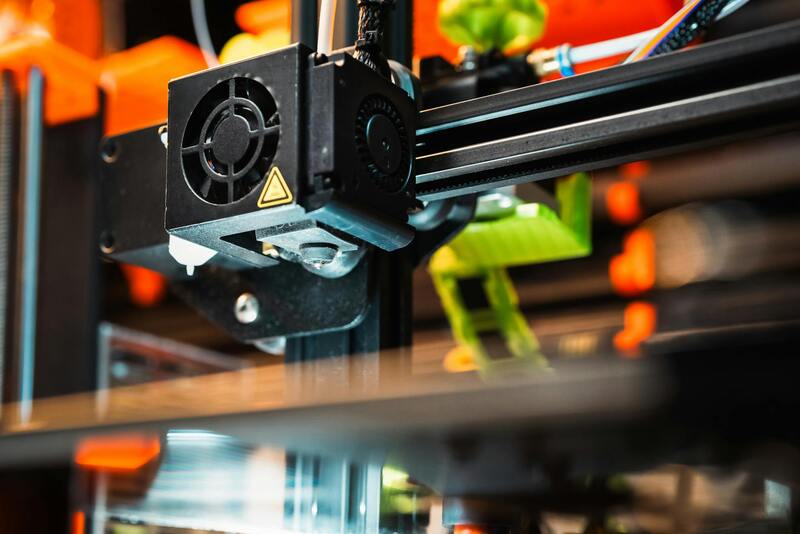
Different types of poster prints are available, each suited for specific applications and environmental conditions. For example, gloss posters are favored for their vibrant color reproduction and eye-catching shine, ideal for indoor displays. Matte posters offer a non-reflective surface, reducing glare and making them preferable for reading in brightly lit environments. Additionally, weather-resistant or waterproof materials are suitable for outdoor use, ensuring longevity despite exposure to elements. Foam-backed posters and fabric prints provide lightweight and durable alternatives, expanding creative possibilities for various display needs.
In recent years, advancements in digital printing technology have significantly improved the quality and affordability of poster printing. High-definition printers now enable the production of detailed images with a wide color gamut, ensuring that every poster is visually compelling and accurately represents the intended design. This progression has democratized poster creation, allowing businesses, artists, and individuals to produce professional-grade posters without requiring extensive resources or technical expertise.

In terms of size, poster printing offers flexibility, with standard dimensions ranging from small formats suitable for personal or retail displays to large formats used for billboards and murals. This scalability ensures that every organization or individual can find an appropriate solution tailored to their specific visual communication goals. Furthermore, the sustainability aspect has become increasingly important, with many printing providers adopting eco-friendly inks and recyclable materials to reduce environmental impact while maintaining high-quality output.
- Visual impact: Designed to attract immediate attention and communicate messages effectively.
- Customizability: Wide range of materials, sizes, and finishes to suit diverse needs.
- Cost-efficiency: Digital printing techniques provide affordable options for both small batches and large runs.
- Durability: Options for weatherproofing and weather-resistant materials extend the lifespan of outdoor posters.
Overall, understanding the essentials of poster printing—including its uses, available materials, and technological advancements—is crucial for creating effective visual displays that resonate with target audiences. Recognizing the various options and best practices ensures that every poster produced achieves its intended purpose, whether for marketing campaigns, educational initiatives, or artistic expression.
Understanding Poster Printing
Poster printing is a versatile process that serves a wide array of purposes, from marketing and advertising to educational and artistic displays. Selecting the most appropriate method involves understanding the core aspects of the printing process, including material choices, print quality, and technological options available. Print quality, in particular, hinges on the use of advanced digital printing techniques that produce sharp, vibrant images suitable for large-scale displays. These methods ensure that colors are accurately reproduced and details are crisp, which is critical when creating posters meant to capture attention and convey key messages. In the realm of poster printing, scalability and flexibility are essential. Whether the project calls for a compact poster for retail point-of-sale displays or an expansive billboard for outdoor advertising, the printing processes can be adjusted to meet specific size requirements. This adaptability is achieved through high-resolution large-format printers capable of handling various materials and dimensions, allowing for the production of posters that maintain clarity and impact regardless of size. Economic efficiency also plays a significant role. Digital printing techniques enable short runs and custom orders without the need for costly setups, making poster production accessible for small businesses, artists, and individuals. These digital solutions offer rapid turnaround times, ensuring that clients can meet tight deadlines without sacrificing quality. Meanwhile, the capability to print on eco-friendly inks and recyclable substrates enhances a company’s sustainability profile, aligning high-quality production with environmental responsibility.

Selecting the Ideal Materials for Your Poster
Choosing the right material for poster printing can significantly influence the final outcome, especially considering the environment in which the poster will be displayed. Common options include glossy and matte papers, each offering distinct visual effects and durability profiles. Glossy paper enhances color vibrancy and detail clarity, making it an excellent choice for indoor displays and event posters. Conversely, matte paper reduces glare and reflections, providing a more subdued and professional appearance, suited for academic and corporate environments. When outdoor durability is required, materials like vinyl and weather-resistant fabric provide necessary resilience. Vinyl posters are known for their robustness and flexibility, making them ideal for banners and signage exposed to the elements. Foam boards are another popular alternative, offering a lightweight and rigid surface for high-resolution prints, perfect for both indoor exhibitions and short-term outdoor events. Further considerations involve eco-friendly options such as recyclable substrates and non-toxic inks, which help reduce environmental impact while maintaining high-quality results. These materials are engineered to withstand various environmental stresses, including moisture, UV exposure, and physical handling, all without compromising visual clarity.
Optimal File Preparation for Poster Printing
Achieving a high-quality poster print hinges on submitting files that meet specific standards. Ensuring your digital files are correctly prepared minimizes the risk of issues during printing and guarantees vibrant, sharp results. The first step involves selecting the appropriate resolution; typically, a minimum of 300 DPI (dots per inch) is recommended for posters to maintain clarity, especially when enlarging images. Lower resolutions can result in pixelation and diminish visual impact. Color modes play a critical role in the printing process. Using the CMYK color profile aligns your digital file with the printing subtractive color process, enabling more accurate color reproduction. It's advisable to convert or work within the CMYK spectrum during the design phase to visualize how colors will appear once printed. Embedding or flattening fonts is also essential to preserve typography integrity; unsupported fonts may default to standard replacements, altering the intended design. In terms of file formats, PDF remains the most reliable choice due to its compatibility and ability to embed fonts, images, and layers cohesively. Alternatively, high-resolution TIFF or JPEG files can suffice if properly prepared. When submitting your design, double-check for any unintended margins or crop marks that could interfere with the final appearance. Keeping a copy of the original layered file used for design can facilitate adjustments or reprints if necessary.
Proper file preparation directly influences the poster's overall aesthetic and durability. When files are optimized for print, they reflect the intended colors, sharp images, and professional finish that truly captures the message or branding. Consulting with your printing provider on specific file requirements can further streamline the process, minimizing delays and ensuring your poster arrives exactly as envisioned.
Careful Selection of Printing Techniques and Options
When making a poster print, understanding the various printing techniques available ensures that you choose the most suitable process for your design, budget, and desired quality. Common methods include digital printing, offset printing, and large-format inkjet printing. Each technique has its strengths:
- Digital Printing: Ideal for short runs and personalized posters, digital printing offers quick turnaround times and high-quality images, making it popular for custom or limited editions.
- Offset Printing: Best suited for larger quantities, offset printing provides superior color consistency and cost efficiency on bulk orders. It also offers high resolution and smooth finishes.
- Large-Format Inkjet Printing: Perfect for making vibrant, eye-catching posters in various sizes. This method allows for printing on different materials and supports high-resolution, detailed images.
Choosing the right printing technique depends on your specific needs. For example, if you require a poster for a single event with vibrant visuals, large-format inkjet printing might be preferable. Conversely, for mass distribution, offset or digital printing could be more cost-effective.

Considering Customization and Finishing Options
Enhancing your poster with professional finishing options can significantly improve its durability, appearance, and overall impact. Popular finishing choices include:
- Laminations: Applying gloss, matte, or satin lamination adds a protective layer, resisting scratches, water, and UV damage, which is especially beneficial for posters displayed outdoors.
- Mounting: Mounting on foam board or rigid materials offers rigidity and ease of display, transforming a poster into a display-ready piece suitable for exhibitions or promotional events.
- Cutting and Shaping: Custom die-cutting allows your poster to take on unique shapes, making it stand out and enhancing visual appeal.
- Special Coatings: UV coatings or anti-glare finishes improve visibility in bright environments, ensuring your message remains clear.
Integrating these finishing touches during the printing process ensures your poster is not only visually striking but also long-lasting and versatile across different display settings.
Designing for Optimal Print Results
The design phase is critical when making a poster print. To maximize visual impact and ensure the final product aligns with your vision, adhere to these principles:
- Resolution: Use a minimum of 300 DPI (dots per inch) for high-quality printing, especially for large posters where pixelation can be more noticeable.
- Color Profiles: Work within the CMYK color spectrum from the beginning, as this is the standard for print production, ensuring your colors translate accurately.
- Typography: Use embedded or converted fonts to prevent shifts or substitutions during printing. Opt for legible, bold fonts that remain clear from a distance.
- Design Elements: Keep key visuals and text within safe margins to prevent cropping. Use high-resolution images and vectors for crisp, detailed graphics.
- File Formats: Submit your files in PDF, TIFF, or high-resolution JPEG formats as recommended by your print provider, ensuring all elements are preserved.
Properly preparing your design files minimizes errors and streamlines the printing process, resulting in a professional-quality poster that accurately conveys your message.
Utilizing Proper File Submission for Make a Poster Print
To achieve the best quality output when making a poster print, the method of submitting your design files plays a vital role. Ensuring your files are provided in the right format and with correct specifications minimizes the risk of errors and ensures the final print is faithful to your vision.
Always opt for formats that preserve image quality and layer integrity, such as PDF, TIFF, or high-resolution JPEGs. These formats retain color fidelity, resolution, and details, which are critical for large-format printing. PDFs are particularly versatile because they can embed fonts and all necessary images, reducing the likelihood of discrepancies during the printing process.
When preparing your file, double-check that your artwork adheres to the recommended resolution of 300 DPI or higher. This high resolution ensures that your poster remains crisp and clear, even when viewed up close. Additionally, use the CMYK color profile from the outset to ensure the colors in your print match your digital design as closely as possible. This step prevents color shifts that can occur when converting between color spaces.
Embedding or converting fonts within your files is essential to prevent font substitutions or changes that could distort your typography. Use bold, legible fonts for key details, especially for large posters designed to be viewed from a distance. Keep your critical visual elements and important text within safe margins to prevent cropping issues during trimming or finishing.
Communicate with your print provider about any specific instructions or file requirements. Proper naming conventions and organized layers can streamline the processing and reduce potential errors, enabling a more efficient printing workflow.
Confirming and Finalizing Your Files for Make a Poster Print
Prior to submitting your files, conduct a thorough review to ensure all elements are correctly positioned, high-resolution, and properly color-managed. Many professional printing services offer proofing options, where you can review a digital or physical proof to verify color accuracy and layout before the final run.
By meticulously preparing your files with these offical methods, you guarantee the best possible results for your poster print. This attention to detail not only enhances the visual impact of your poster but also ensures that your message is communicated with clarity and professionalism, suitable for any display environment.
Understanding Poster Printing
Poster printing is a specialized process that transforms digital designs into large-format physical displays, suitable for various environments such as promotional events, exhibitions, or interior decor. This process involves selecting appropriate materials, designing with clarity and impact, and executing with precision to ensure the final product meets your expectations. The range of poster print options available today enables customization tailored to specific needs, whether for vibrant advertising banners or aesthetic art displays.
From the initial concept to the final output, it's crucial to understand the various stages involved in making a poster print, including design adjustments, color management, and printing techniques. The process requires careful preparation and coordination with professional print providers to ensure the integrity of your visual message is maintained throughout.
Choosing the Right Material for Poster Prints
The material used for poster printing significantly influences the durability, appearance, and suitability of the final product. Common options include:
- Glossy Paper: Ideal for vibrant colors and high-detail images, providing a shiny finish that enhances visual appeal.
- Matte Paper: Offers a non-reflective surface suitable for text-heavy posters, reducing glare and fingerprints.
- Vinyl: A durable, weather-resistant material perfect for outdoor or long-term displays.
- Backlit Films: Used for illuminated posters, allowing light to pass through and create a luminous effect.
For indoor displays, paper-based options are typically sufficient, whereas outdoor or high-traffic environments benefit from weatherproof vinyl or banner materials. Selecting the appropriate substrate ensures your poster withstands exposure while maintaining visual quality over time.
Designing Your Poster
Effective poster design hinges on clarity, impactful visuals, and concise messaging. Incorporate high-resolution images and bold headlines to draw attention from a distance. Use a balanced layout that guides the viewer's eye naturally across the poster, emphasizing key details.
When creating your design, consider safe margins to prevent important elements from cropping during trimming. Employ legible fonts, especially for posters intended to be viewed from a distance. Consistency in color schemes and branding elements reinforces recognition and professionalism.
Optimizing Image and File Formats
High-quality imagery and proper file formats are fundamental for achieving crisp, vibrant poster prints. Use vector-based formats like AI, EPS, or SVG for graphics and logos to preserve scalability without loss of quality. For photographic content, ensure images are at least 300 DPI to prevent pixelation.
Color profiles should be embedded within your files to match the printer's color management system, reducing discrepancies between digital and printed colors. Preferred file formats often include PDF, TIFF, or high-resolution JPEGs, which are widely accepted by professional printing services.
Printing Techniques and Options
Various printing techniques can influence the finish and durability of your poster. Digital printing is the most common method due to its speed, affordability, and versatility, accommodating short runs and customization.
For larger quantities or premium quality, offset printing may be used, delivering consistent results with excellent color accuracy. Additionally, specialty finishing options like matte or gloss lamination, UV coating, or UV varnish can enhance the visual impact and provide extra protection against scratches and weathering.
The choice of printing technology and finishing options should align with your poster’s purpose, viewing environment, and longevity requirements. Consulting with experienced professionals ensures you select the combination that best fits your project demands.
Techniques and Materials for Professional Poster Printing
Choosing the appropriate printing technique and material for your poster is crucial in achieving a stunning, durable, and visually impactful product. The two primary methods used by professional services are digital printing and offset printing, each suited for different project scales and quality expectations.
Digital Printing
Digital printing is widely favored for its quick turnaround time, cost-effectiveness, and flexibility in handling small to medium print runs. This method employs high-resolution inkjet or laser printers that directly reproduce your digital file onto various substrates. It is ideal for personalized posters, short campaigns, or urgent projects, allowing for rapid modifications and minimal setup costs.
Offset Printing
For larger quantities or when a premium finish is desired, offset printing is preferable. This traditional technique uses metal plates to transfer ink onto the substrate, offering superior color consistency, sharpness, and detail replication. Offset printing is more cost-effective for bulk orders, providing uniform results across multiple copies and allowing for extensive customization with specialty inks and finishes.
Material Options for Posters
The choice of material significantly influences the final appearance and durability of your poster. Standard paper stocks include gloss, matte, and satin finishes, each suited for different visual effects and environmental conditions.
- Glossy Paper: Provides a vibrant and shiny surface that accentuates colors and details, perfect for promotional posters.
- Matte Paper: Offers a non-reflective surface, reducing glare and enhancing readability, suitable for artistic or informational posters that require a subdued aesthetic.
- Satin or Semi-Gloss: Combines aspects of both gloss and matte, providing a soft sheen with reduced reflections.
For outdoor or high-traffic environments, consider materials with added protection such as laminated finishes or weather-resistant substrates:
- PVC Vinyl: Durable and weatherproof, ideal for signage or outdoor advertising.
- Foam Board: Lightweight and rigid, perfect for displays or indoor exhibitions.
- Canvas: For a textured, artistic effect, suitable for gallery or decorative purposes.
Enhancing Durability and Visual Impact
In addition to selecting the right printing method and material, consider finishing options that elevate durability and aesthetics:
- Lamination: Applying matte or gloss lamination increases resistance to scratches, moisture, and UV rays.
- UV Coating: A special varnish that enhances color vibrancy and provides UV protection.
- Mounting and Framing: For larger or high-value posters, framing or mounting on rigid substrates can prevent warping and facilitate display.
These choices ensure your poster maintains its visual integrity over time, making them suitable for both indoor display and outdoor use, depending on your needs.
Official Methods for Making a Poster Print
Creating a high-quality poster print involves utilizing reputable printing processes that ensure vibrant visuals and durability. Professional poster printing typically employs advanced large-format printing technologies, such as inkjet or dye sublimation printers, which use specialized inks to produce rich, detailed images with accurate color reproduction. These methods allow for precise control over color gradients and sharpness, resulting in visually compelling posters suitable for commercial, artistic, or promotional purposes.

Once the design files are prepared, official printing services follow a series of carefully calibrated steps—from color calibration to quality inspections—to guarantee consistency across print runs. These methods often involve batch printing processes monitored under strict standards, ensuring that each poster meets the expected color fidelity, resolution, and finishing quality. Such procedures minimize errors, reduce waste, and deliver reliable results aligned with industry best practices.
Selection of Certified Printing Equipment
Authentic poster printing relies on certified, high-end equipment that complies with industry standards. These printers feature multiple ink channels—such as CMYK, light cyan, light magenta, and additional color cartridges—enhancing color accuracy and smooth gradations. Manufacturers of legitimate printers also provide routine maintenance and calibration, ensuring consistent output over time. Access to such equipment is typically restricted to authorized print providers, underscoring the importance of choosing reputable services when making a poster print.
Use of Premium Inks and Substrates
To achieve durable, vivid results, official poster printing employs high-quality inks that offer exceptional color vibrancy and resistance to fading. Pigment-based inks are commonly used due to their longevity and resistance to environmental factors. The choice of substrate—whether glossy, matte, satin, or weather-resistant materials—is also critical. Suppliers of certified poster printing prioritize using tested, legitimate materials that adhere to safety and environmental standards, thus ensuring that the final product is both attractive and long-lasting.
Adherence to Industry Standards for Color Management
Ensuring color consistency requires strict adherence to color management protocols, including the use of standardized color profiles and calibration tools. Professional print providers implement ICC profiles tailored to their printers and substrates, which help translate digital colors accurately onto physical media. Such meticulous calibration ensures that the printed poster closely matches the intended design, making studio-quality results accessible through legitimate printing channels.
Quality Control and Inspection Procedures
Throughout the printing process, official methods incorporate rigorous quality control checks. These include visual inspections, color density measurements, and print fidelity assessments. By spotting potential issues early—such as misalignment, color deviations, or surface defects—providers can rectify problems before delivery. These procedures uphold the integrity of the final product and confirm that each poster print meets the highest standards designated by industry regulations.
Legitimate Finishing and Protective Treatments
Finalizing a poster with professional finishing options enhances both its aesthetic appeal and resilience. Certified services utilize legitimate lamination films—matte, gloss, or semi-gloss—and UV coatings that safeguard against scratches, moisture, and UV damage. Mounting on rigid substrates or framing with proper materials not only elevates display quality but also prolongs the poster’s lifespan, especially in environments with varying light or climate conditions.
These official and established techniques for making a poster print ensure that every output is a premium product capable of withstanding the demands of indoor or outdoor display. By relying on certified methods and high-grade materials, customers secure a final poster that maintains its vibrancy, clarity, and structural integrity over time, representing the ideal choice for any serious visual presentation or promotional campaign.