Understanding Large Photo Prints
Large photo prints have become a popular medium for transforming personal memories, artwork, and promotional images into stunning visual displays. These prints are characterized by their substantial dimensions, often exceeding standard print sizes to create a more impactful and immersive viewing experience. They are utilized across various contexts, including home decoration, commercial advertising, and artistic exhibitions.
In the personal domain, large prints serve as focal points in living spaces, offering an opportunity to showcase cherished moments such as family gatherings, travel adventures, or special achievements. They bring a sense of intimacy and personalization to interior design, making walls truly unique and emotionally resonant.
Commercially, large photo prints are instrumental in branding and marketing strategies. Businesses leverage oversized images in storefronts, trade shows, and event spaces to attract attention and convey messages powerfully. Artistic professionals, photographers, and galleries often use large prints to display their work with remarkable clarity and detail, enabling viewers to appreciate nuances that might otherwise be overlooked in smaller formats.
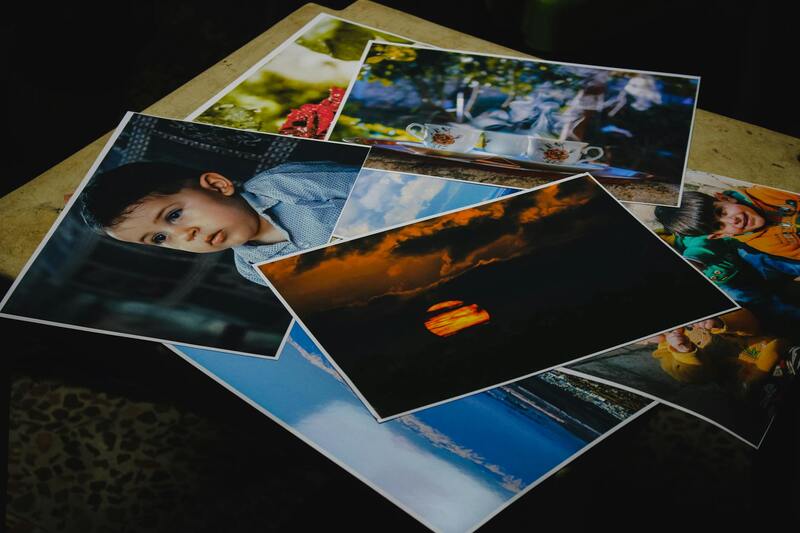
The process of creating large photo prints involves specialized printing techniques that ensure high-quality output, durability, and fidelity to the original image. Understanding these aspects is essential for anyone seeking to produce a large print that meets their expectations in terms of clarity, color accuracy, and longevity. Whether for decorating a home or commissioning a gallery display, selecting the appropriate method and materials is crucial for optimal results.
From the wide array of options available, learning about the benefits and limitations of different printing methods enables informed decision-making, ensuring that the final product aligns with specific needs and intended use. The next sections will delve into how to select the right photo, materials, and technology for achieving impressive large print results.
Materials and Finishes for Large Photo Prints
When planning to produce a large print of a photo, the choice of materials and finishes plays a pivotal role in the overall appearance, durability, and presentation of the final piece. High-quality materials not only enhance the visual impact but also ensure that the image retains its vividness over time, resisting factors such as fading, moisture, and physical wear.
One of the most widely used substrates for large prints is glossy photographic paper. This finish amplifies color vibrancy and contrast, making it ideal for images requiring a dynamic and attention-grabbing look. However, the glossy surface can be prone to fingerprints and glare, which might limit its suitability for certain display environments.
Matte finishes are an excellent alternative, especially for images that benefit from subtlety and a soft, non-reflective surface. Matte materials help reduce glare in brightly-lit spaces and hide fingerprints, making them suitable for artworks in high-traffic areas or homes with various lighting conditions.

For a more textured and artistic appearance, canvas is a popular choice. Canvas prints lend a painted effect and are known for their robustness and visual depth. They are often mounted on wooden frames, providing a gallery-quality presentation that is both stylish and durable.
Other specialty options include metallic prints, which impart a sleek, reflective quality that enhances metallic tones in images, and acrylic prints, which offer a modern, glossy finish with exceptional clarity and light refraction properties. Each material has unique characteristics that influence the final aesthetic and should be selected based on the intended display setting and personal preference.
Regarding finishes, options such as UV coating or lamination are available to protect the surface from scratches, UV rays, and environmental damage. These protective layers contribute significantly to the longevity of the print, especially in areas exposed to sunlight or high humidity.
Choosing the right materials and finishes requires a careful assessment of the display environment, the nature of the image, and personal taste. By selecting appropriate options, individuals can ensure their large photo print remains visually striking and maintains its quality over time.
Understanding Large Photo Prints
Creating a large print of a photo involves more than simply enlarging an image; it requires a strategic approach to ensure visual clarity, color accuracy, and durability. Larger prints demand high-resolution images with sufficient pixel density to avoid pixelation or blurriness when viewed up close. The process starts with selecting an optimal image that possesses sharp focus, vibrant colors, and proper exposure, which are essential for maintaining detail in a big format.
High-quality digital files, preferably in formats such as TIFF or RAW, preserve the integrity of the original image during the printing process. These formats retain extensive color data and detail, providing a solid foundation for exceptional large-format prints. When preparing files, consider the aspect ratio, and crop or resize accordingly, to match the desired final print dimensions without compromising composition.
Color calibration is vital; printers require color profiles that match the paper and ink used. Ensuring consistent color reproduction involves adjusting images for brightness, contrast, and saturation before printing. This attention to detail guarantees that the finished large photo print accurately represents the original scene or artwork, whether for personal display or professional exhibitions.
Additionally, understanding the limitations of printing technology and material properties ensures the final piece meets expectations. Overly compressed or low-resolution images will not yield quality results when scaled up. Therefore, selecting images designed or optimized for large-scale reproduction is fundamental to achieving a stunning visual impact.
Finally, it’s essential to work with experienced professional printers who utilize modern large-format printing equipment. These experts not only possess the technical skill to produce detailed and color-accurate prints but also advise on suitable material and finish options to enhance longevity and aesthetic appeal. Due to the intricacies involved, collaborating with a reputable printing service minimizes errors and results in a large print of photo that is both impressive and durable.
Understanding Large Photo Prints
Creating a large print of a photo involves much more than simply enlarging an image. It requires careful consideration of resolution, color accuracy, and material choices to ensure the final piece retains clarity and vibrancy. Large-format prints are often used for wall displays, exhibitions, or commercial decor, making their quality paramount. When preparing for a large print, ensure your source image has a high resolution, ideally 300 dpi at the final print size, to prevent pixelation and loss of detail. Proper file preparation also includes cropping or resizing the image to fit the intended dimensions without cropping out vital elements or disrupting the composition.
Working with professional printing services can greatly enhance the quality of your large photo print. These specialists employ advanced printers and color management techniques to achieve accurate color reproduction and sharp details. They also guide clients on selecting the best materials and finishes, which contribute significantly to the longevity and aesthetic of the final product. Professional large-format printing combines modern digital technology with skilled craftsmanship, ensuring that every detail from your digital file is faithfully translated into a stunning physical display.
Choosing the Right Photo for Large Prints
An essential step in producing a captivating large photo print is selecting the appropriate image. Not all photographs are suitable for enlargement; images with low resolution or excessive compression tend to lose their clarity when scaled up. Opt for photos with high pixel counts, sharp focus, and good contrast to ensure they retain their visual impact at larger sizes.
Moreover, images with complex details and rich colors generally translate better into large prints. If the original shot appears slightly soft or lacks contrast, consider editing it to enhance sharpness and color vibrancy before printing. This can include adjusting brightness, contrast, saturation, and applying sharpening filters. Consulting with your printer can help determine whether an image is suitable for large-scale reproduction or whether it requires retouching to meet quality standards.
Materials and Finishes for Large Photo Prints
The choice of material and finish significantly impacts the presentation and durability of your large print. Common printing substrates include:
- Glossy Paper: Offers vibrant colors and a shiny finish that enhances details and depth, ideal for modern decor.
- Matte Paper: Provides a non-reflective surface with subdued colors, perfect for reducing glare in well-lit environments.
- Canvas: Delivers a textured, art-like appearance that adds depth and character, suitable for gallery displays.
- Metal or Acrylic: Provides a sleek, contemporary look with added durability, often used for high-end or modern aesthetics.
Finish options, such as matte, gloss, or satin, influence how light interacts with the print and can contribute to its overall aesthetic appeal. Additionally, protective coatings or laminates may be applied to increase resistance to scratches, UV damage, and moisture, especially for pieces intended for long-term display or outdoor use.
Understanding Large Photo Prints
Large photo prints serve as impactful visual statements within any space, transforming personal memories or artistic creations into striking displays. When producing a large print, several key factors come into play that influence the final outcome. Printed images at significant sizes demand meticulous attention to details such as resolution, color fidelity, and material selection. The goal is to ensure that the image maintains clarity, vividness, and sharpness, even when viewed from close distances. High-resolution files are paramount; images with low pixel counts can appear pixelated or blurry once enlarged, undermining the intended visual impact. Additionally, the composition of the photo should be carefully evaluated, as cropping or resizing could affect the overall aesthetic and balance of the image at larger scales. Color accuracy remains essential, especially when reproducing artwork or photographs with subtle tonal variations, ensuring consistency between the digital image and the physical print.
Choosing the Right Photo for Large Prints
Selecting an appropriate photograph is fundamental to achieving excellent results in large-format printing. Opt for images with high resolution and sufficient detail to withstand enlargement without loss of clarity. Focus on photographs captured with professional or high-end cameras that typically produce files of 20 megapixels or higher, ensuring enough data to support sizeable enlargements. Composition plays a vital role; images with strong focal points, balanced framing, and engaging subjects tend to flourish in larger formats. Consider the lighting and contrast within the photo — images with good dynamic range help in producing vibrant, punchy prints. If the photograph includes complex details and rich colors, these elements will translate effectively at a larger scale, creating a captivating visual. Conversely, photographs that are soft, overexposed, or lack contrast may require editing or retouching to optimize their appearance before printing.
Materials and Finishes for Large Photo Prints
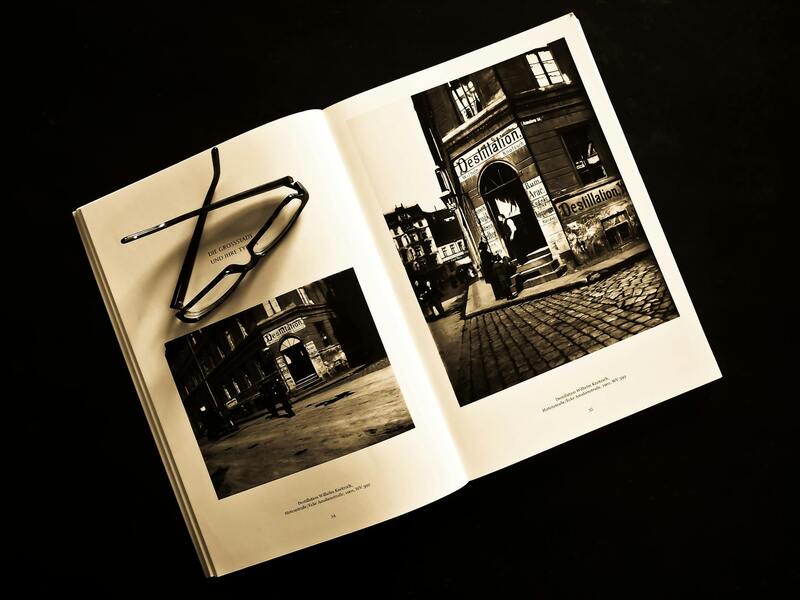
The selection of materials and finishes plays a significant role in the aesthetic quality and longevity of large prints. Different substrates can enhance the visual appeal based on the intended display environment. Glossy paper, for instance, produces images with vibrant colors and a shiny surface that enhances details and depth, making it ideal for modern or contemporary decor settings. Matte paper offers a non-reflective finish, reducing glare and ensuring that the print remains viewable from different angles without unwanted reflections, which is perfect for well-lit areas or spaces where glare might be problematic. Canvas provides a textured, artistic look that adds depth and tactile appeal, often chosen for gallery displays or to give an artistic impression. Metal and acrylic surfaces lend a sleek, modern aesthetic with high durability and vivid color reproduction. These materials are often selected for their ability to withstand outdoor conditions or to create a contemporary statement piece.
Finish options such as matte, gloss, or satin also influence light interaction, affecting how the image is perceived under different lighting conditions. Protective coatings or laminates can be added to shield the print from scratches, UV damage, moisture, and other environmental factors, extending its lifespan and maintaining its visual quality over time.
Factors to Consider Before Printing
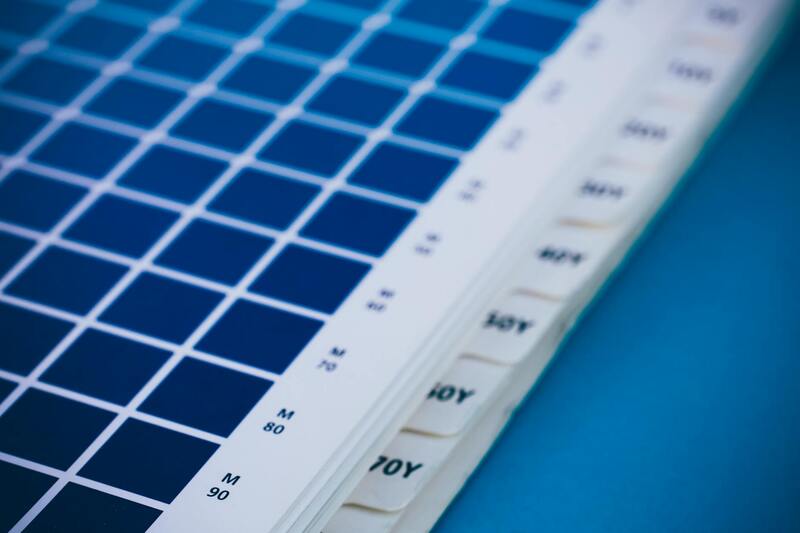
When preparing to create a large print of a photo, several critical factors influence the final result's quality, durability, and visual impact. Understanding these elements ensures that the print not only meets aesthetic expectations but also withstands environmental conditions and use duration.
Resolution and Image Quality
The resolution of the original image is paramount when producing large prints. High-resolution images with a minimum of 300 DPI at the desired print dimensions are ideal for maintaining sharpness and detail, especially in large formats where pixelation can become prominently noticeable. Lower-resolution images, though tempting due to ease of sharing or storage, often result in blurry or pixelated prints, detracting from their visual appeal.
Aspect Ratio and Composition
Ensuring that the aspect ratio of the photo aligns with the intended print size prevents unwanted cropping or distortion. A well-composed image with strategic framing can enhance the overall impact when scaled to large dimensions. It's also beneficial to consider the natural framing elements within the photo to complement the size and display environment.
Lighting and Color Accuracy
Images captured with balanced lighting and accurate color profiles translate better into large prints. Color calibration during editing ensures consistent hues and brightness levels across different display devices and printed copies. Proper color correction enhances vibrancy and depth, making the large print more striking.
File Formats and Preparation
Preparing the image in suitable formats, such as TIFF or high-quality JPEGs, preserves detail during printing. It’s advisable to work with uncompressed or minimally compressed files to avoid loss of image quality. Additionally, resizing images should be done carefully, maintaining aspect ratio and resolution to prevent degradation.
Environmental Conditions and Placement
Assessing where the large print will be displayed helps determine the appropriate material, finish, and protective coatings. Indoor environments with controlled light exposure demand different considerations compared to outdoor placements, which require weather-resistant materials and UV-protective coatings. Proper mounting and framing techniques also contribute to the longevity and aesthetic appeal of the print.
Additional Tips for a Successful Large Photo Print
- Always review color profiles and calibrate your monitor before preparing the file for printing.
- Utilize professional editing software to enhance details, correct color issues, and optimize sharpness.
- Consult with your printing provider regarding recommended file formats, resolution, and material options.
- Ask for printed proofs or samples when available, to verify color accuracy and quality before final production.
- Carefully consider the mounting technique—stretcher frames, acrylic mounts, or traditional frames—to suit the environment and aesthetic intent.
- Plan for transportation and handling procedures to prevent damage to the large print during delivery or installation.
Size and Frame Options for Large Photo Prints
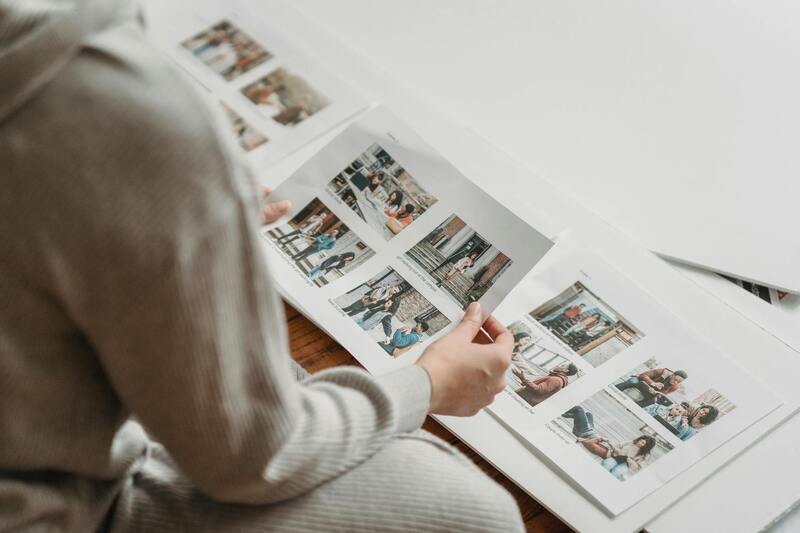
When selecting the size of your large print of a photo, it’s essential to consider the available display space and the viewing distance. Larger prints are ideal for expansive walls in public or spacious indoor areas, creating a striking visual impact. Common large formats include 24x36 inches, 36x48 inches, or even larger dimensions for gallery-quality presentations. Ensuring the aspect ratio of your image aligns with the chosen size prevents unwanted cropping or distortion.
Frame options further enhance the appearance and protection of your large photo print. Traditional framing with matting can add a classic touch, while sleek, modern frames emphasize minimalism. For a contemporary aesthetic, frameless options such as acrylic mounts or float frames provide a clean, sophisticated look. Consider the environment where the print will be displayed: high-traffic or humid areas may benefit from protective finishes or weather-resistant framing to maintain the integrity of the display over time.
Additionally, mounting methods play a crucial role in both presentation and longevity. Stretcher frames are popular for canvas prints, offering a three-dimensional look that emphasizes the artwork. Acrylic or glass coverings can add a sleek, glossy finish while protecting against dust and UV light. Custom-sized frames ensure that your large print fits perfectly within your existing decor, harmonizing with the color palette and style of the space.

Optimizing size and framing choices ensures that your large print becomes a focal point, adding both artistic value and durability. It’s advisable to consult with a professional print provider to explore the best options tailored to your particular image, environment, and aesthetic preferences. Properly selected size and framing not only enhance visual appeal but also prolong the lifespan of your photo print, making it a lasting centerpiece in any setting.
Understanding Large Photo Prints
Creating a large print of a photo involves a careful process that ensures the final piece maintains its clarity, color accuracy, and visual impact. When planning to produce a large-scale reproduction, it is essential to understand the importance of high-resolution images. Pixels should be sufficiently dense to prevent pixelation or blurriness when enlarged. This often means starting with a high-quality original file, ideally captured with a professional-grade camera, or ensuring your digital image has a high dot-per-inch (DPI) setting suitable for large-format printing.
Proper image preparation plays a vital role. This includes adjusting contrast, brightness, and color balance before sending the file to print. Professionals often utilize color calibration tools and software to match on-screen images with physical prints as closely as possible. Recognizing the impact of viewing distance is also important; larger prints are typically viewed from a greater distance, which allows for some flexibility in resolution without loss of visual quality.
Choosing the Right Photo for Large Prints
Selecting an appropriate image is crucial for producing an impactful large print. High-resolution images with distinct focal points work best, especially those with minimal noise or grain. Consider photos that have strong composition and vibrant colors. Additionally, imagery that conveys emotion or tells a story tends to resonate more when displayed on a large scale, making it a captivating centerpiece in any room.
Materials and Finishes for Large Photo Prints
Various materials and finishes can enhance the appearance and durability of large photo prints. Common options include:
- Photographic Paper: Offers rich color reproduction and sharp details, suitable for indoor displays.
- Canvas: Provides a textured, artistic feel, ideal for gallery-style presentations.
- Acrylic: Delivers a glossy, modern look with excellent light diffusion and scratch resistance.
- Metal (Aluminum): Adds a sleek, contemporary aesthetic with vibrant colors and weather resistance for outdoor use.
Finishes may include matte, semi-gloss, or gloss options, each impacting the visual presentation and functionality. Matte finishes help minimize glare and fingerprints, whereas gloss finishes enhance color vibrancy and details. Protective coatings can also be applied to increase longevity and resist environmental factors like UV rays, moisture, and dust.
Printing Techniques and Technologies
The choice of printing technology influences the final appearance and durability of large photo prints. Inkjet printing remains the most prevalent method, especially with high-end printers that feature multiple color cartridges for precise color blending. Pigment-based inks are often preferred for their stability and resistance to fading over time, ensuring the image remains vibrant for years.
Advanced methods such as dye-sublimation are typically used for metal or fabric surfaces, offering seamless color integration and enhanced durability. Furthermore, UV-curable printing technology enables the creation of outdoor-ready prints that withstand harsh weather conditions without degradation.

Factors to Consider Before Printing
Prior to initiating a large print project, it is essential to evaluate several key factors:
- Image Quality: Confirm the resolution and overall clarity of your digital file.
- Intended Display Location: Consider lighting, wall color, and environmental conditions that may affect the viewing experience and preservation.
- Color Accuracy: Ensure colors are calibrated and matched to your expectations, particularly for professional or gallery-quality displays.
- Budget: Balance printing quality with projected costs, exploring options that meet your aesthetic and durability needs.
- Material Durability: Think about the lifespan and environmental resistance required, especially for outdoor or high-traffic areas.
Size and Frame Options for Large Photo Prints
Choosing the right size is fundamental to the visual impact of your print. Sizes range from modest enlargements to monumental wall sculptures. The dimensions should complement the space without overwhelming it, and consideration should be given to the aspect ratio of the original image to prevent distortion.
Frames and mounting techniques further elevate the presentation. Options include traditional wood or metal frames, floating frames for a modern look, or frameless mounts such as acrylic panels. For canvas prints, stretching on wooden bars offers a clean presentation; for photographs on paper, custom framing ensures a seamless fit that integrates with your decor.
Cost and Turnaround Time for Large Photo Prints
The investment in large photo printing varies depending on factors like size, material, finish, and complexity. High-quality prints with premium materials tend to command higher prices but offer greater longevity and visual appeal. Turnaround time can range from a few days for standard sizes and materials to several weeks for custom, complex projects. It is advisable to plan well in advance, especially for special events or exhibitions, and communicate clearly with your selected printing service to align expectations.