
Overview of Big Format Printing
Big format printing, also known as large-scale printing, is a specialized segment of the printing industry focused on creating oversized visuals that serve various commercial, promotional, and decorative purposes. This technique involves producing prints that exceed standard dimensions, typically ranging from several feet to dozens of feet in width. Its primary objective is to deliver impactful visual communication that can captivate audiences across a variety of settings.
In numerous industries, big format printing plays a vital role. Retailers utilize large banners and point-of-sale displays to attract customers effectively. Event organizers rely on expansive backdrops and signage to enhance brand visibility and audience engagement during exhibitions, concerts, or festivals. The architectural and interior design sectors leverage large prints for murals, decorative panels, or visual aids that transform spaces and convey messages vividly. Moreover, advertising campaigns often incorporate giant posters and billboards to extend their message across high-traffic areas, maximizing reach and visual impact.
The purpose of big format printing extends beyond mere size. It emphasizes durability, clarity, and color accuracy to ensure that visuals maintain their intended vibrancy and detail from a distance. This makes it an indispensable tool for branding and advertising. Its versatility allows it to accommodate diverse substrates and creative concepts, thus enabling brands and organizations to communicate their messages effectively across multiple platforms and environments.
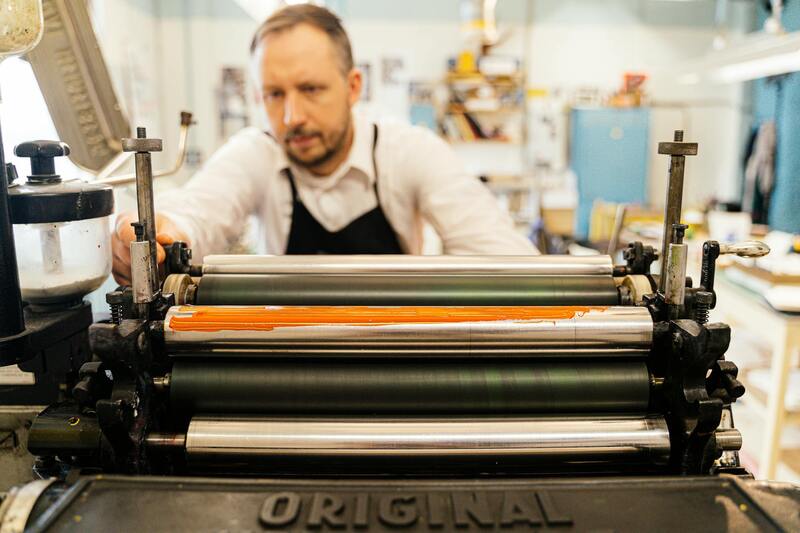
Common types of large-scale printing include banner printing, wall coverings, floor graphics, vehicle wraps, and trade show displays. Each application is tailored to specific environmental conditions and visual objectives, necessitating different printing techniques and materials. Consequently, big format printing is recognized for its capacity to produce custom, high-quality visuals that serve strategic purposes in advertising, branding, decoration, and communication.
Types of Big Format Printing Technologies
Understanding the different printing technologies available for large-scale projects is crucial for achieving optimal results in big format printing. The choice of technology influences the print quality, durability, cost efficiency, and suitability for specific substrates and environments. Here, we delve into the primary methods utilized in the industry, emphasizing their distinct advantages and ideal applications.
Inkjet Printing
Inkjet printing is the most common method used in big format printing due to its versatility, high resolution, and wide color gamut. It operates by propelling tiny droplets of ink directly onto the substrate surface through nozzles, allowing for detailed images and smooth color transitions. Inkjet technology supports a range of inks, including aqueous, solvent, UV, and latex, each tailored to different needs.
Advantages of inkjet printing include exceptional image quality, flexibility in print sizes, and the ability to print on various materials such as vinyl, fabric, and paper. It is especially suitable for applications requiring fine detail, like promotional banners, art reproductions, and detailed signage. The technology also allows for quick setup and turnaround times, making it a preferred choice for customized jobs and short runs.
Solvent and Eco-Solvent Printing
Solvent printing relies on solvent-based inks that contain volatile organic compounds, which enable vibrant colors and water resistance. Eco-solvent printers are a more environmentally conscious variation that uses milder solvents, reducing emissions while maintaining high-quality prints. These printers are highly durable and ideal for outdoor signage, vehicle wraps, and murals exposed to weather elements.
One of the key strengths of solvent and eco-solvent printing is their ability to print on a variety of substrates, including rigid and flexible media, without the need for additional coatings. They offer excellent adhesion and resistance to environmental factors such as UV exposure, moisture, and abrasion, making them a reliable solution for long-term outdoor displays.
UV Printing
UV printing employs ultraviolet light to instantly cure the inks as they are applied to the substrate. This method produces vibrant, highly detailed images with excellent adhesion to non-porous surfaces such as acrylic, glass, and metal. UV printing is particularly effective for promotional displays, customized panels, and decorative architectural elements.
The benefits of UV technology include immediate curing, making it possible to work on thick, rigid, or complex surfaces. The inks used are resistant to scratches, chemicals, and UV degradation, ensuring longevity. Additionally, UV printing allows for the incorporation of special effects such as textures and raised inks, expanding creative possibilities.
Latex Printing
Latex printing technology utilizes water-based latex inks that offer a balance between the quick-drying properties of solvent-based inks and the eco-friendliness of aqueous inks. It provides vibrant colors, flexibility, and excellent durability, suitable for both indoor and outdoor applications. Latex printers are praised for their ability to produce repositionable, stretchable, and environmentally safe prints.
This printing method is highly compatible with a range of substrates, including fabric, vinyl, and canvas. It is often chosen for projects requiring high quality but also sustainability, such as retail displays, event graphics, and vehicle branding. The fast drying times and low odor make latex printing an attractive option for various commercial environments.
Overview of Big Format Printing
Big format printing, also known as large-scale or wide-format printing, is a specialized segment within the printing industry dedicated to producing high-impact visuals in various sizes and formats. This technology caters to businesses, advertisers, and designers seeking to create visually striking displays that command attention, whether for indoor or outdoor use. The process involves printing on expansive substrates such as vinyl, fabric, paper, and acrylic, providing versatile solutions for diverse project needs. Precision, color accuracy, and durability are fundamental aspects that define the quality of big format prints, making it an essential tool in branding, advertising, and environmental design.

In recent years, advancements in printing technologies and materials have expanded the creative possibilities and application scope of big format printing. From eye-catching storefront displays and festival banners to detailed art reproductions and outdoor signage, this method offers an effective means to communicate messages at a macro scale. Additionally, the capability to produce high-resolution images ensures that even large prints maintain sharpness and vibrancy, making them suitable for various marketing and decorative purposes.
Types of Big Format Printing Technologies
Understanding the different printing technologies is essential for selecting the appropriate method tailored to specific project requirements. Below are the primary types employed in large-scale printing:
- UV Printing: This technique uses ultraviolet light to instantly cure inks, allowing printing on rigid and complex surfaces such as acrylic, glass, and metal. UV printing offers exceptional adhesion, scratch resistance, and vibrant color output, ideal for promotional signage, decorative panels, and architectural elements.
- Latex Printing: Utilizing water-based latex inks, this process balances environmental considerations with high-quality output. Latex printers produce flexible, detailed, and durable images suitable for banners, decals, and vehicle wraps, especially in outdoor settings due to their weather resistance.
- Solvent and Eco-Solvent Printing: These older yet still prevalent technologies are known for their ability to produce vivid colors on vinyl and other non-porous substrates. They are appreciated for longevity and outdoor durability but are gradually being complemented or replaced by more environmentally friendly options like latex and UV printing.
- Aqueous and Eco-Solvent Hybrid Printing: Combining aspects of aqueous and solvent-based systems, these methods are often used for indoor applications requiring high detail and color fidelity.

Each technology offers specific advantages depending on the substrate, environmental conditions, and desired visual effects. Selecting the right printing process ensures optimal results, durability, and cost-efficiency for large-scale projects.
Materials Used in Big Format Printing
Choosing the appropriate materials is critical in large-scale printing to achieve the desired visual appeal, durability, and functionality. Common materials include vinyl, textiles, acrylic, metal, and paper-based substrates, each suited for specific applications and environments. Vinyl remains the most versatile due to its flexibility and weather resistance, making it ideal for outdoor signage, vehicle wraps, and banners. It can be finished with lamination to enhance durability and UV resistance, extending the lifespan of the print.
Textile materials are preferred for indoor displays, backdrops, and trade show graphics where a softer, more upscale look is needed. These fabrics can be tensioned on frames or hung as banners, providing a high-quality aesthetic with excellent color vibrancy.
Acrylic and metal substrates are used for decorative panels and architectural elements, offering a sleek, professional finish. These rigid materials benefit from UV printing techniques that produce sharp images with high adhesion, suitable for both decorative and functional purposes.

Specialty materials such as textured papers, translucent films, and reflective surfaces expand creative possibilities, especially for custom signage and decorative displays. When selecting materials, factors like environmental exposure, required lifespan, and budget considerations should guide decisions to optimize print quality and longevity.
In addition to the base materials, finishing options such as lamination, mounting, and framing are essential to enhance the appearance and durability of large format prints. Proper treatment protects against abrasions, UV fading, and other environmental stresses, ensuring the final product maintains its visual impact over time.
Design Considerations for Large-Scale Print Projects
When embarking on large format printing projects, meticulous design planning is integral to achieving visually striking and functional results. Since these prints are intended for prominent display, their designs must be crafted with clarity and impact in mind. Elements such as resolution, color schemes, and visual hierarchy should be optimized to ensure that the final output commands attention and communicates the intended message effectively.
High-resolution imagery is essential for large prints to avoid pixelation and maintain sharpness. Typically, a resolution of at least 150 dpi is recommended at the final viewing distance for most large-scale graphics, with some projects benefiting from even higher resolutions to enhance detail and clarity. Color accuracy is another critical factor, especially when brand consistency and precise visual representation are paramount. Utilizing color profiles like CMYK ensures that the printed colors match digital designs as closely as possible.
In terms of layout, simplifying complex visuals and avoiding clutter enhances the viewer’s comprehension. Use bold typography and contrasting colors to improve readability from a distance. For projects such as banners and billboards, elements should be scaled accordingly to ensure legibility regardless of viewing angles or distances.
Environmental and Placement Considerations
The location and environmental conditions where the large format print will be displayed significantly influence design choices. For outdoor applications, such as storefront signs or billboards, designs must consider factors like sunlight exposure, wind, and weather. Incorporating reflective or translucent materials can increase visibility and aesthetic appeal under varying light conditions. Additionally, high-contrast designs and UV-resistant inks extend the visual lifespan of outdoor displays.
Indoor environments offer a different setting where softer color palettes and more intricate detailing can be employed. Factoring in ambient lighting and the surrounding decor helps enhance the integration and overall impact of large interior displays, backdrops, or decorative panels.
Considerations for Durability and Maintenance
Durability is a key aspect of large format printing, especially for projects exposed to harsh elements or frequent handling. Selecting appropriate materials and finishes ensures that prints withstand environmental stresses. Laminations, whether matte, gloss, or satin, serve as protective layers that guard against scratches, fading, and moisture. Proper mounting and framing techniques also contribute to a polished appearance and structural stability.

Consistent maintenance practices, such as regular cleaning with gentle solutions and inspecting for damage, prolong the lifespan of large format prints. When handling or installing these artworks, care should be taken to avoid abrasions or tears that could compromise their integrity over time.
Equally important is selecting the right type of ink and printing technology suited for the specific project requirements. UV-curable inks, for instance, provide excellent adhesion and resistance to UV fading, making them ideal for outdoor signage. Eco-solvent inks offer flexibility and environmental benefits while maintaining vibrant colors, suitable for a variety of substrates.

Choosing the Right Big Format Printer and Provider
Selecting an appropriate big format printing service involves careful evaluation of multiple factors to ensure the final output aligns with project specifications and quality expectations. The first aspect to consider is the technological capability of the printer. Advanced printers with high resolution and diverse ink options provide sharp, vibrant images suitable for various applications. A provider’s portfolio showcasing diverse projects can serve as an indicator of their expertise and versatility.
Experience and reputation play crucial roles in the decision-making process. Providers committed to maintaining high standards often demonstrate adherence to industry best practices, which in turn guarantees reliable results and consistency. Client testimonials and case studies offer insight into their service quality, reliability, and ability to meet deadlines.

Cost considerations are important but should not compromise quality. Transparent pricing, detailed quotes, and a clear understanding of what is included—such as finishing, mounting, and delivery—are vital. It is also advisable to inquire about lead times, as timely delivery is essential for seamless project execution.
Evaluating Quality Standards and Certifications
High-quality big format printing demands adherence to stringent standards. Certifications related to environmental management, safety, and color management demonstrate a provider’s commitment to excellence. Facilities equipped with modern technology, well-trained personnel, and rigorous quality control processes contribute to achieving superior results.
Understanding Customization and Technical Support
Every large-scale project has specific demands, necessitating tailored solutions. An ideal provider offers expert consultation on materials, finishes, and mounting techniques, ensuring optimal outcomes. Additionally, responsive technical support during the production phase helps address potential challenges swiftly, minimizing delays and rework.
Partnering with a reputable provider known for transparency, expertise, and consistent quality ensures that big format printing projects meet their visual and functional objectives effectively, providing long-lasting and impactful displays.
Maintenance and Best Practices for Large-Scale Prints
Preserving the visual impact and structural integrity of large-format prints requires diligent maintenance and proper handling. Large-scale displays are substantial investments in both time and resources, making their longevity a priority for any organization or individual involved in visual advertising or exhibition displays.
Effective maintenance begins with careful installation. Ensuring that prints are mounted securely using appropriate mounting techniques minimizes risks of warping, peeling, or detachment over time. For outdoor installations, this might involve weather-resistant framing, UV-protective coatings, and secure anchoring to withstand environmental stresses such as wind and rain.
Regular cleaning is essential to keep large-format prints vibrant and visually appealing. Use soft, non-abrasive cloths and mild cleaning solutions suitable for the material type. Avoid harsh chemicals or abrasive tools that could damage the surface or cause colors to fade. When cleaning outdoor signage, it may be necessary to incorporate more frequent maintenance to remove dust, dirt, and bird droppings that can obscure visibility and accelerate deterioration.

Additionally, consider environmental factors when maintaining large displays. For outdoor environments, UV protection, anti-graffiti coatings, and weatherproof materials are critical for durability. Indoor displays, while protected from the elements, still benefit from controlled environments that prevent excessive humidity, dust, and temperature fluctuations which can cause warping or color changes.
Storage practices also influence the longevity of large-format prints. When not displayed, rolls or panels should be stored in clean, dry, and temperature-controlled environments, preferably rolled loosely on cores or flat in protective coverings. Proper storage reduces the risk of creases, scratches, or other physical damage that can occur during handling or transportation.
For ongoing maintenance, consider periodic inspections to detect early signs of degradation such as bubbling, cracking, fading, or detachment. Promptly addressing issues through professional restoration or reprinting ensures the display maintains its intended visual impact over time.
Finally, working with experienced installation and maintenance providers can add value by providing tailored advice, handling delicate materials with care, and implementing best practices specific to each project’s scope and location.
Maintaining and Preserving Large-Scale Prints for Longevity
Maintaining the quality and appearance of big format prints over time requires adherence to recommended practices that focus on cleaning, environmental management, and proper storage. Regular inspection and gentle cleaning methods are essential to prevent the accumulation of dirt, dust, and environmental pollutants that can obscure the print's visibility and diminish its vibrancy.
Cleaning should be performed using soft, lint-free cloths or sponges with mild, non-abrasive solutions compatible with the chosen materials. Avoid harsh chemicals or abrasive scrubbers that could scratch or damage the print surface. When cleaning outdoor displays, pay particular attention to removing bird droppings, pollen, or sap, which can cause staining or surface degradation if left unmanaged.
Environmental conditions significantly influence the durability of large-format prints. Outdoor displays must be protected with UV-resistant coatings and weatherproof materials that withstand rain, sunlight, and temperature fluctuations. Indoor displays benefit from controlled humidity and temperature, preventing warping, curling, or fading over time.
Storage practices also play a critical role in preserving oversized prints when they are not on display. Rolls should be stored loosely on cores in a cool, dry, and dust-free environment. Flat storage within protective coverings is recommended for large panels or mounted prints, reducing the risk of creases, scratches, or physical damage that can impair visual quality.
Beyond cleaning and storage, routine inspections are vital to identify early signs of deterioration, such as bubbling, cracking, or fading. Addressing issues promptly through professional reconditioning can prolong the lifespan of the display. This might include reapplication of protective coatings, cleaning, or reprinting sections that are severely damaged.
Collaborating with experienced installation and maintenance providers ensures that best practices are followed throughout the lifespan of the print. These professionals can provide tailored advice for specific environments and materials, as well as handle delicate or fragile sections to prevent unintended damage during routine maintenance.
Adopting Sustainable and Future-Proof Approaches
The industry is increasingly focusing on sustainable practices, which include using eco-friendly inks, recyclable materials, and energy-efficient production methods. Incorporating these strategies not only reduces environmental impact but can also enhance the lifespan of prints by employing durable, weather-resistant substrates and environmentally safe coatings.

The evolution of digital printing technology continues to influence maintenance and longevity strategies. Advances in UV-curable and solvent-free inks offer enhanced color fidelity and resistance to environmental factors, leading to longer-lasting displays that maintain their visual impact over time.
Proper planning, regular upkeep, and the integration of sustainable materials are critical components of a comprehensive approach to big format printing. These practices ensure large-scale prints remain effective tools for branding, advertising, and informational displays, serving their purpose efficiently and attractively for years to come.