Overview of Large Format Photography Printing
Large format photography printing refers to the process of producing high-quality, expansive images that go beyond standard print sizes, often reaching widths of 60 inches or more. This specialized printing method plays a vital role in the visual arts, commercial displays, and personal projects, allowing photographers and artists to translate their digital or analog images into striking physical representations. The scope of large format printing is broad, encompassing various industries such as fine art, advertising, interior decoration, and event photography, where the impact of a visually imposing image can enhance space, evoke emotions, or deliver messages with clarity and vibrancy.
The importance of large format photography printing lies in its ability to preserve intricate details and vibrant colors at a scale that creates a profound visual experience. Artists and professionals utilize these prints to showcase their work in galleries, exhibitions, specialized retail settings, and personal collections. Commercial entities leverage large prints for impactful branding, visual merchandising, and promotional displays, ensuring their messages captivate audiences and stand out in competitive environments. Whether it entails reproducing limited editions of artwork or installing grand-scale corporate visuals, large format printing has become an essential service for those seeking to make a bold artistic or commercial statement.
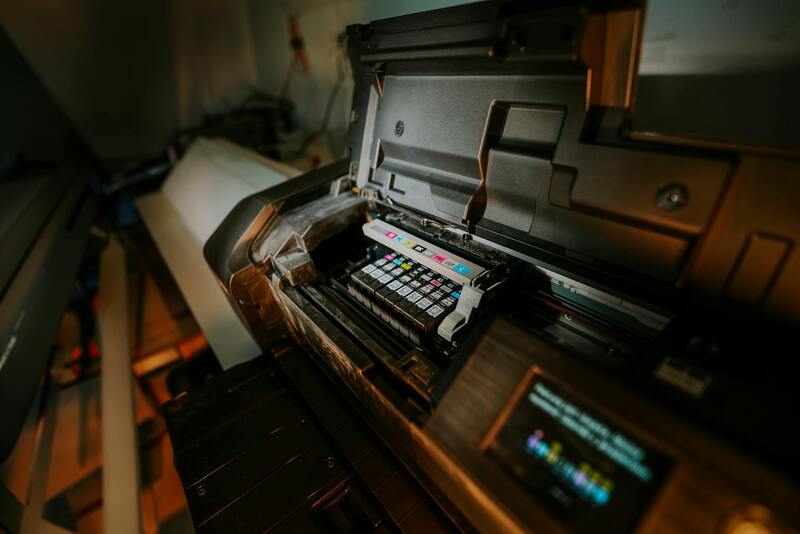
Because of its capability to produce detailed and color-rich images, large format photography printing demands sophisticated techniques and quality materials. It involves meticulous file preparation to ensure that images maintain their sharpness and color accuracy when scaled up. Advances in printing technologies, such as inkjet and eco-solvent printers, have significantly enhanced the durability, vibrancy, and resolution of large format prints. This progressive evolution underpins the growing demand for large-scale photographic works that maintain integrity from digital capture to final display.
Moreover, the process requires proficiency in color management and print calibration to achieve consistent, high-quality outputs. The choice of printing materials—ranging from photographic papers to canvas, vinyl, or acrylic—affects the aesthetic and longevity of the print. As the industry advances, providers are increasingly able to offer customizable options tailored to specific project needs, whether for a fine art print destined for esteemed galleries or a commercial billboard designed for maximum impact.

Understanding the Material Choices in Large Format Photography Printing
One of the most critical aspects of large format photography printing is selecting the appropriate substrate material, as it significantly influences both the aesthetic outcome and the longevity of the print. The variety of materials available allows for tailored solutions based on the intended display environment, artistic intentions, and durability requirements. Each substrate brings distinctive visual qualities, handling characteristics, and preservation considerations, making it essential for practitioners to comprehend these differences to achieve optimal results.
Photographic Papers
Photographic papers, especially those with an archival quality, remain a popular choice for large-scale prints that demand fine detail and color fidelity. Lustre or matte finishes are often preferred for their balance of vibrant color rendition and glare reduction, suitable for gallery displays or public installations. The weight and thickness, typically ranging from 260 gsm to 330 gsm, contribute to the durability and robustness of the final piece. These papers often utilize inkjet-compatible, fade-resistant inks that support long-term preservation.
Canvas
Canvas substrates are favored for their textured surface that adds a tactile dimension to photographic images. Semi-gloss coatings provide excellent color saturation while minimizing reflections, making canvases highly adaptable for both indoor gallery settings and commercial displays. The flexible nature of canvas allows for stretching and framing, facilitating various mounting options. Heavy-duty canvases, typically around 22 mil thick, ensure the print maintains its structural integrity during handling and installation.
Acrylic and Metal
For a modern, high-impact presentation, acrylic and metal substrates are increasingly utilized. Acrylic face mounts produce sleek displays with exceptional clarity, depth, and vibrancy, making them ideal for striking visual statements. The metallic surfaces, such as metallic photographic paper, impart a unique luminosity and depth to images, showcasing rich colors and sharp detail. These materials are resistant to environmental factors, lending themselves well to both indoor and outdoor applications where durability is paramount.
Specialty Materials
- Fine Art Papers: Crafted from cotton or other high-quality fibers, these papers offer a textured, matte finish that enhances fine art reproductions. They provide a long archival life, making them suitable for limited editions or museum-quality displays.
- Vinyl and Adhesive Films: Often used for outdoor advertising or banners, these materials are highly resistant to weather conditions and UV exposure, ensuring the longevity of large-scale commercial visuals.
Evaluating Material Suitability
Choosing the right material hinges on several factors, including the intended viewing environment, the desired aesthetic, and budget considerations. For instance, a vibrant acrylic print may be preferred for an eye-catching installation in a well-lit space, whereas a matte fine art paper on an archival display would be suitable for a gallery setting emphasizing subtle nuances and understated elegance. Additionally, the handling and mounting methods compatible with each substrate should be considered to prevent damage and facilitate proper presentation.
File Preparation and Design Considerations
Achieving exceptional results in large format photography printing begins long before the printing process itself. Proper file preparation is crucial to ensure that the final image retains its sharpness, color accuracy, and detail when scaled to a large format. It is essential to work with high-resolution files, typically at least 300 DPI at the intended print size, to prevent pixelation or blurriness. Use image editing software capable of handling high-resolution images and ensuring accurate color profiles.
When preparing files, selecting the appropriate color space is vital. Adobe RGB or ProPhoto RGB are commonly recommended for digital files destined for high-quality printing because they contain a wider range of colors compared to sRGB. Embedding the correct color profile ensures that printers interpret the colors accurately and consistently, aligning digital colors with the physical print.
In terms of design considerations, it's prudent to account for the final viewing distance and the environment where the print will be displayed. For instance, images with intricate details or subtle tonal variations might benefit from slight enhancements in contrast or sharpness to maintain visual impact at a large scale. Additionally, applying soft proofing techniques helps visualize how the image will appear when printed, enabling adjustments that optimize output quality.

Color Management and Quality Control
Implementing a rigorous color management workflow is essential for consistent, high-quality large format prints. This involves calibrating monitors regularly to maintain accurate color representation during editing. Utilizing standardized ICC profiles for printers and substrates guarantees that colors are reproduced faithfully across devices.
During the printing process, quality control measures such as checking color accuracy with colorimeters or spectrophotometers ensure that the printed output aligns with the original digital file. Color consistency can also be maintained by profiling the entire printing environment, including the printer, ink, and substrate, to minimize deviations.
Printer calibration and maintenance are equally important. Regular cleaning and calibration of the printer heads and ink delivery systems prevent color shifts and ensure uniform ink distribution. Additionally, utilizing high-quality, archival-grade inks and substrates significantly enhances the longevity and vibrancy of the prints.

Understanding Different Substrates for Large Format Photography Printing
Choosing the appropriate substrate is a fundamental step in large format photography printing, as it greatly influences the final appearance, durability, and suitability for display or installation. Different materials offer unique textures, finishes, and performance characteristics, providing options tailored to specific artistic and commercial needs.
Common substrates include:
- Photo Paper: This is one of the most traditional choices, available in satin, gloss, and matte finishes. It provides excellent image reproduction, vibrant colors, and sharp details. High-quality photographic papers are often 260 gsm or thicker, ensuring durability and a premium feel.
- Canvas: Semi-gloss or matte coated canvas offers a textured surface that mimics fine art paintings. Its flexibility makes it suitable for framing without glass, adding depth and a tactile quality to images.
- Archival Fine Art Papers: Made from cotton or alpha-cellulose, these papers are designed for long-term preservation. They feature textured surfaces and high color retention, making them ideal for fine art reproductions and gallery-quality prints.
- Metal Substrates: Aluminum or aluminum-backed composites provide a sleek, modern look with high durability. Metallic prints offer an exceptional depth, vibrant metallic sheen, and excellent resistance to environmental factors.
- Acrylic Prints: Printing directly onto or behind clear acrylic panels creates a glossy, luminous effect that enhances contrast and color vibrancy. Acrylic is often used for sleek, contemporary displays.
- Wallpaper and Fabric: For large installations or murals, fabric or specialized wallpaper materials can be printed in massive formats. These materials are chosen for their flexibility, ease of installation, and ability to cover large areas seamlessly.
When selecting a substrate, consider factors such as the environment where the print will be displayed, the desired aesthetic, and the longevity requirements. For instance, gallery pieces benefit from archival fine art papers, while outdoor murals may require weather-resistant materials like aluminum or laminated fabrics.
High-resolution digital files paired with the appropriate substrate ensure that the intricate details and vibrant colors of the original artwork are preserved during the large format printing process. Proper selection and handling of materials also facilitate easier framing, mounting, and long-term maintenance of the finished piece.
Understanding the Correct Methods for Large Format Photography Printing
Producing high-quality large format photographs requires meticulous attention to the printing process, ensuring that every detail and color nuance is preserved. When selecting the appropriate method, it is essential to rely on professional-grade technology and verified techniques that guarantee consistency, color accuracy, and durability. Commercial large format printers utilizing advanced inkjet technology serve as the backbone for creating stunning, gallery-ready images on various substrates, enabling photographers and artists to realize their vision with precision.
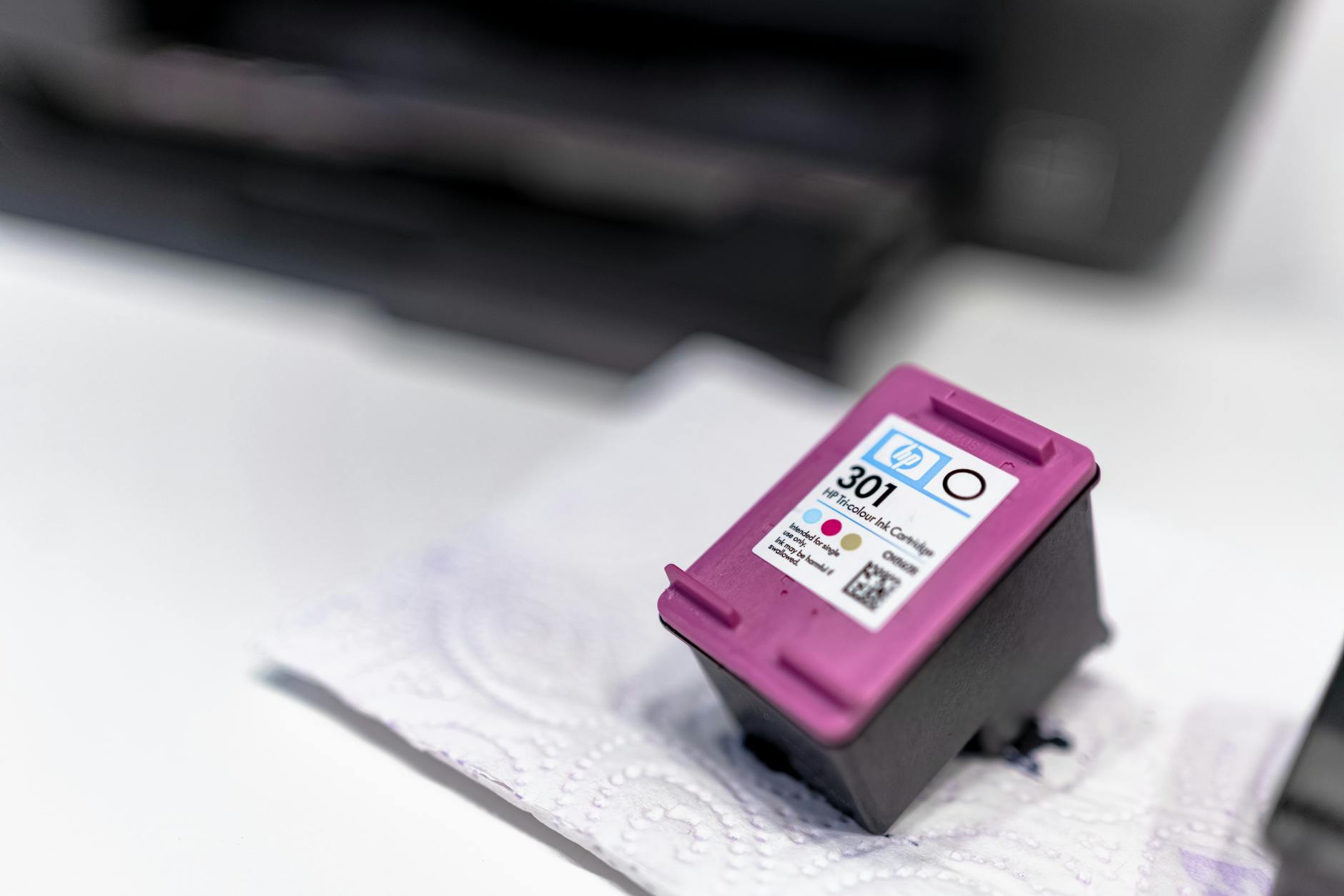
These printers are designed to handle wide media widths—often up to 12 feet or more—without compromising resolution or color fidelity. Fabricated with multiple print heads, they deposit tiny droplets of ink directly onto carefully chosen substrates, allowing for fine gradations and vibrant color portrayal. Using pigment-based inks enhances the longevity and ensures resistance to environmental factors such as UV exposure, humidity, and physical abrasion.
Professional Equipment and Proper Calibration
Investing in professional-grade equipment, combined with rigorous calibration protocols, is critical for achieving reproducible results. Calibration involves aligning printer colors, ink density, and color profiles with the digital files before printing. This process minimizes color shifts and ensures the final output closely matches the original digital image. Regular maintenance and quality checks of printing hardware further prevent discrepancies and uphold high standards of image fidelity.
Employing color management systems, including ICC profiles tailored to specific printer models and substrates, guarantees consistency across multiple prints. These color profiles adjust the output to match the color gamut of the medium while compensating for ink behavior and paper texture, resulting in a print that reflects the photographer's artistic intent accurately.
Legitimate Substrates and Materials for Large Format Prints
Authentic large format photography printing employs a variety of substrates that are engineered for quality and longevity. Popular options include:
- Archival Fine Art Papers: Acid-free, cotton-based papers designed for museum-quality preservation, ideal for gallery displays and fine art reproductions.
- PVC and Polypropylene Films: Durable plastics suited for outdoor signage and banners, resistant to weather and UV rays.
- Metallic and Aluminum Materials: Aluminum panels or composites provide a sleek, modern aesthetic with high durability, suitable for both indoor and outdoor environments.
- Acrylic Sheets: Clear or printed directly onto acrylic for a glossy, luminous effect, enhancing contrast and vibrancy.
- Textile Fabrics: Canvas or specialized fabrics for murals and large installations, offering flexibility and ease of installation.
Each substrate is selected based on the intended display environment, aesthetic goals, and longevity requirements. Proper handling and storage of these materials during and after printing bolster the preservation of the image's quality over time.
File Preparation and Resolution Optimization
To maximize the effectiveness of the printing process, preparing high-resolution digital files is paramount. Files should be optimized for large format printing by ensuring they have adequate pixel dimensions—typically, a minimum of 300 pixels per inch (PPI) at the final print size—to prevent pixelation and loss of detail. Embedded color profiles compatible with the chosen print system allow for precise color management, reducing discrepancies during output.
Design considerations such as bleed areas, safe margins, and crop marks should be incorporated into the file to facilitate seamless printing and mounting. Ensuring consistent color spaces across devices simplifies the workflow and minimizes color mismatches, resulting in inks accurately representing the original image.
Ensuring Compliance with Best Practices
Adhering to best practices during file preparation and printing involves calibration of display monitors, use of ICC profiles, and proofing. Test prints on smaller sections or swatches can identify potential issues before committing to large format production. Regularly updating softproofs and validating color accuracy against calibrated monitors help in maintaining quality standards throughout the production process.
In-Depth Methods for Authentic Large Format Photography Printing
When pursuing high-quality large format photography prints, it is essential to utilize reputable methods that guarantee durability, color accuracy, and crisp detail. The process fundamentally hinges on selecting official printing techniques that leverage advanced equipment and high-grade materials, all managed by experienced professionals with a keen eye for detail and quality control.
Utilizing Offset and Inkjet Printing Technologies
While traditional offset printing is revered for mass production, it is less suitable for limited runs or bespoke large-scale photographic displays. Instead, inkjet printing emerges as the predominant choice in the realm of professional large format photography. This method employs large-format inkjet printers equipped with high-precision printheads capable of depositing micron-sized ink droplets onto various substrates with exceptional accuracy.
High-end inkjet printers, such as those from Epson or Canon, utilize multiple color cartridges—including cyan, magenta, yellow, black, and sometimes light versions of these inks—to produce a broad color gamut, capturing subtle gradations and nuances inherent in photographs. These printers are calibrated meticulously using ICC profiles to ensure consistent color fidelity from digital file to printed output.
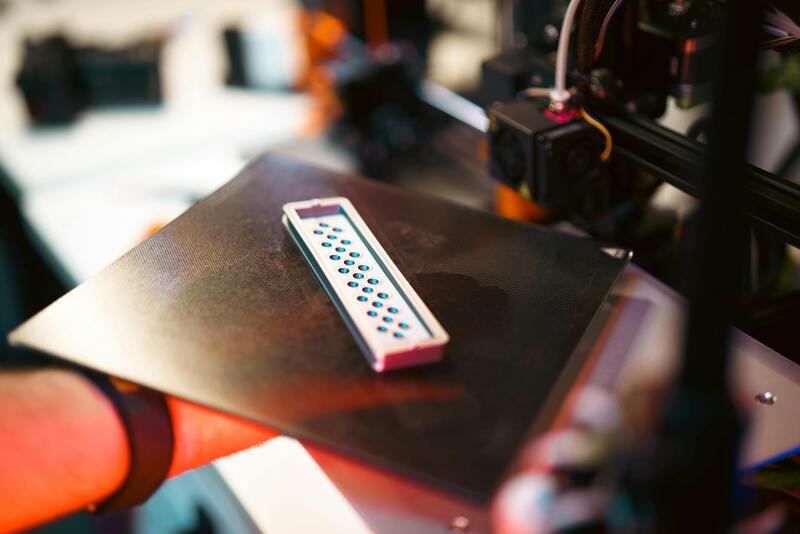
Beyond inkjet printing, some providers incorporate dye sublimation or aqueous archival inks, which are recognized for their longevity and vibrant reproduction. The selection of official printing equipment involves adhering strictly to manufacturer standards and routinely performing calibration routines to maintain the highest quality output.
Selection of Suitable Substrates and Inks
Ensuring the legitimacy of your print involves partnering with providers that utilize certified, high-quality papers and substrates. Popular options include glossy, semi-gloss, matte, and metallic photographic papers, each offering distinct aesthetic qualities aligned with specific photographic intentions. Durable materials like canvas or acrylic surfaces are also used when a more textured or modern presentation is desired.
- Archival Inks: Use of pigment-based inks with proven resistance to fading and environmental damage.
- Premium Substrates: Acid-free, lignin-free papers designed for long-term display and preservation.
- Specialty Materials: Metallic, fine art, or textured surfaces that enhance the visual impact of large photographs.
Certification and Authentication
Legitimate large format photography printing services often provide certificates of authenticity, confirming the use of certified inks and materials, alongside detailed documentation of the printing process. These certifications serve as attestations of quality and enhance the provenance of the artwork.
Ensuring Proper Handling and Storage
Post-print, engaging trusted handling and storage protocols preserves the integrity of your large photographs. This includes protective framing with UV-resistant glass, acid-free backing materials, and controlled environmental conditions to mitigate factors like light, humidity, and temperature fluctuations that can accelerate deterioration.
Choosing official and proven methods for large format photography printing into your workflow ensures exceptional visual fidelity, color stability, and longevity of your images, making your photographs suitable for a range of professional, gallery, or commercial applications.
Effective and Official Methods for Large Format Photography Printing
When it comes to producing high-quality large format photographs, adhering to official and reputable printing methods is essential. These methods not only ensure superior visual fidelity but also provide long-term durability and consistency, which are vital for professional, gallery, or commercial display. Selecting the right approach involves understanding the preferred printing workflows, certified materials, and specialized equipment that meet industry standards for media handling and color accuracy.
Utilizing Certified Printing Materials
Official large format photography printing relies heavily on the use of certified inks and substrates. Pigment-based inks, recognized for their exceptional fade resistance and environmental stability, are commonly employed in professional settings. These inks are often validated for archival longevity, guaranteeing that the printed images retain their vibrancy over extended periods without degradation.
The choice of substrates is equally critical. Fabrics such as acid-free, lignin-free papers tailored for photographic art are standard options. They offer enhanced longevity and prevent deterioration caused by acidity or lignin content. Additionally, premium materials like metallic, canvas, or textured surfaces provide artistic variations that can elevate the visual narrative of a large photograph, all while maintaining compliance with established quality parameters.
Advanced Printing Technologies and Certified Equipment
Investing in state-of-the-art large format printers that are calibrated and maintained according to manufacturer specifications is fundamental to producing high-caliber prints. These printers utilize sophisticated ink delivery systems and color management software to achieve excellent color accuracy and fine detail reproduction. UV-curable, solvent-based, and aqueous inkjet printers are among the official technologies used, each suitable for different types of materials and finish requirements.

Calibration tools such as spectrophotometers and color profiling software further reinforce quality control, ensuring consistent color matching between digital files and printed outputs. When paired with high-grade media, these systems guarantee that the final product reflects the intended artistic vision with precision and clarity.
Meticulous File Preparation and Design Optimization
Proper file preparation is a cornerstone of successful large format printing. It involves understanding the correct resolution—typically at least 150–300 DPI at the print size—and ensuring color profiles are embedded properly. Utilizing professional design software, such as Adobe Photoshop or Illustrator, allows the adjustment of color profiles, contrast, and sharpness tailored to the specific printing process and material used.
- Correctly convert RGB images to CMYK or other suitable color spaces for consistent color reproduction.
- Embed ICC profiles that match the printer and media profile, ensuring color accuracy across devices.
- Trim and bleed areas must be precisely defined to prevent unintended white borders or cropping issues upon final production.
Adherence to Color Management and Quality Assurance Protocols
Color management is a critical step that aligns digital colors with printed hues, preventing discrepancies and ensuring fidelity to the original image. Using industry-grade color management workflows enables operators to simulate the final appearance during editing and proofing stages. Regular calibration of display monitors, printers, and media ensures consistency over different printing sessions.
Quality assurance involves reviewing test prints and color proofs before proceeding with large batches. It is essential to verify color fidelity, detail resolution, and material integrity, especially for print runs intended for galleries or commercial clients. This proactive approach minimizes errors and reduces wastage, optimizing overall project efficiency.

Maintaining comprehensive documentation of processes, ink types, media specifications, and calibration logs further bolsters confidence in the legitimacy and reliability of the printing service. Such records serve as evidence of adherence to best practices and quality standards, fostering trust with clients and stakeholders.
Approaches to Ensuring Authenticity and Quality in Large Format Photography Printing
To maintain the integrity of large format photographic prints, it is essential to employ industry-standard, legitimate methods that uphold quality and authenticity. Leading printers invest in advanced workflows that encompass precise file validation, comprehensive color management, and rigorous quality assurance procedures. Such practices not only guarantee a high-quality final product but also assure clients of the reliability and professionalism of the service.
Professional File Handling and Verification
Before printing, files undergo meticulous validation to ensure they meet technical specifications. This process includes verifying resolution—typically aiming for at least 300 DPI at the final print size—to preserve detail and clarity. Files should be in suitable color spaces such as Adobe RGB or ProPhoto RGB, which support broader color gamuts vital for vibrant large format prints. Employing tools that read and validate embedded metadata and color profiles safeguards against discrepancies that could affect the final output.
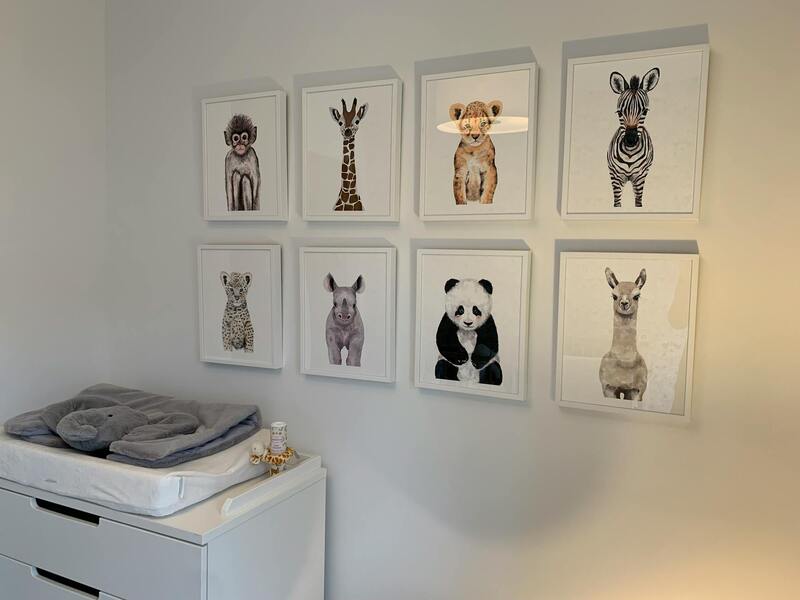
Use of Certified Color Management Workflows
Color fidelity is paramount in large format photography printing. Certified color management workflows involve the use of calibrated monitors, printers, and media. Incorporating ICC profiles tailored to specific ink and media combinations ensures consistent and accurate color reproduction. By embedding these profiles into digital files, print providers preserve the artist’s original intent and prevent color shifts across different devices or print runs. Regular calibration schedules are maintained to sustain color accuracy over time.
Rigorous Quality Assurance Protocols
Quality control encompasses performing test prints and color proofs on the chosen media. These proofs allow for real-world evaluation of color accuracy, contrast, and detail resolution. Color assessments are conducted under controlled lighting conditions, comparing proofs to digital files. Any deviations are corrected before the main print batch, preventing costly errors and wastage. Documenting every step, from calibration logs to proof approvals, fosters procedural transparency and accountability.
Use of Accredited Materials and Equipment
Legitimate large format printing employs materials sourced from reputable manufacturers, complete with certification and detailed specifications. This includes archival inks that resist fading, top-tier media such as fine art papers or photographic glossy substrates, and high-end printers capable of producing consistent color and precise outputs. Equipment maintenance, including regular cleaning and calibration, ensures optimal performance and longevity.
Verification and Authentication of Artistic Prints
Authentic large format photographic prints often come with certificates of authenticity, detailed provenance records, or serial numbers for limited editions. These elements serve to verify the origin and ownership history of the artwork, providing confidence for collectors, galleries, or clients seeking investment-grade pieces. Such measures are integral to maintaining the value and credibility of fine art photographic prints.
Ensuring Security and Respect for Copyright
Legitimate print providers uphold copyright laws and respect artist rights. They implement secure handling procedures for digital files, often including encrypted transfer methods and access controls. Clear agreements regarding reproduction rights and licensing further establish ethical standards. Clients should seek providers committed to transparency and ethical practices, as this sustains the trust integral to legitimate art reproduction efforts.
Illustrations of Authentic Printing Practices
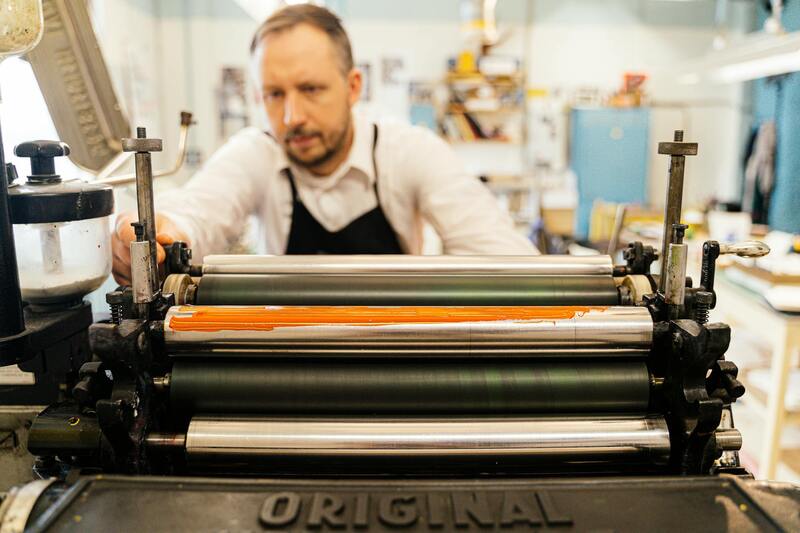
Employing these validated, professional techniques creates a reliable pathway for producing large format photographic prints that are both visually stunning and technically impeccable. Relying on certified equipment, verified processes, and transparent documentation demonstrates a commitment to quality, ensuring the final product faithfully represents the original image while standing the test of time.