Overview of Large Scale Picture Printing
Large scale picture printing has become an essential component in various visual display applications, ranging from commercial advertising to personal home décor. Its primary purpose is to transform digital images into impactful physical representations that can command attention and evoke emotional responses. High-resolution output is the foundation of any successful large format print, ensuring that images retain clarity and detail, even at substantial sizes. When printed properly, these large visuals serve as focal points in public spaces, galleries, offices, and private residences, delivering vivid color, sharp details, and professional quality.
The demand for large scale picture printing continues to grow, driven by advancements in printing technology and a resurgence of interest in bespoke visual art installations. From billboards and trade show backdrops to murals and expansive photo walls, the versatility of large format prints makes them suitable for diverse environments and purposes. It is particularly crucial for artists, marketers, and interior designers to have access to high-quality printing methods that can faithfully reproduce their digital creations into striking physical formats.

Achieving a compelling large print involves more than simply enlarging a digital image; it requires careful consideration of technical specifications, material options, and printing processes. High-resolution images, typically with a pixel count exceeding 300 DPI at the final print size, are vital. This ensures that the enlarged image maintains sharpness without pixelation or blurriness. Furthermore, selecting the appropriate substrate and printing technology can significantly affect the durability, appearance, and finish of the final product.
Professional large scale printing services employ advanced machinery such as wide-format inkjet printers capable of producing detailed, vibrant, and durable images on various materials. These services often provide consultation to optimize image quality and material choices based on intended use, viewing distance, and environmental factors. Whether for commercial or personal use, high-quality large prints require meticulous planning and execution, ensuring that the final output meets visual and structural expectations.

Methods of Large Scale Picture Printing
When selecting an appropriate technique for large scale picture printing, it's crucial to understand the characteristics and applications of each professional method. These methods are tailored to meet the demands of high-resolution, durable, and visually stunning prints suitable for various environments, from commercial displays to personal art pieces.
High-Resolution Wide-Format Inkjet Printing
This is among the most prevalent techniques used for large format images. Wide-format inkjet printers utilize specialized inks and substrates to produce sharp, vibrant images with excellent color reproduction. These printers are capable of handling endless dimensions, often surpassing several meters in width, making them ideal for murals, banners, and fine art reproductions. The technology employs multiple ink cartridges to achieve a broad color spectrum, ensuring that subtle gradations and details are preserved even in oversized prints.
Moreover, high-resolution inkjet printing offers versatility in substrate selection, including vinyl, canvas, photo paper, and various textiles. The ability to print directly onto these materials or onto transfer papers facilitates a wide spectrum of applications, from durable outdoor signage to gallery-quality art pieces. The longevity and environmental resistance of the print are primarily dependent on the type of ink and material used, emphasizing the importance of choosing high-quality supplies for lasting results.
Dye-Sublimation Printing
Dye-sublimation technology is particularly suited for producing vivid, durable images on specially coated substrates such as aluminum, ceramic, or fabric. This method involves transferring dye-based inks onto a substrate via heat and pressure, creating seamless, high-resolution images with rich color saturation. The process is renowned for its ability to produce continuous-tone images that are integrated into the material, resulting in a smooth, blemish-free surface.
One of the key advantages of dye-sublimation printing in large-scale applications is its capacity to produce vibrant, photo-quality images on flexible materials like fabric or rigid surfaces such as metal panels. Its durability makes it ideal for both indoor displays and outdoor signage that must withstand weather elements while maintaining visual integrity over time.
UV Printing
Ultraviolet (UV) printing is an innovative method that employs UV light to instantly cure inks as they are laid down onto various surfaces. This technology enables direct printing onto three-dimensional objects, including glass, acrylic, wood, and metal, without the need for a secondary coating or lamination. UV printing offers high precision, sharpness, and the ability to produce detailed images across different materials, making it suitable for custom large-scale pieces.
The environmental benefits of UV printing stem from the use of quick-curing, low-volatile organic compound (VOC) inks, aligning with sustainable production practices. These printed items exhibit excellent scratch resistance and color durability, suitable for both display and functional purposes like signage, decorative panels, and artistic installations.
Considerations for Choosing a Printing Method
- Material Compatibility: Not all substrates are compatible with each printing technology. Wide-format inkjet offers broad versatility while dye-sublimation excels with specific coated materials. UV printing suits diverse, rigid surfaces.
- Durability: The intended environment (indoor vs outdoor) influences the choice. UV and dye-sublimation generally provide higher resistance against UV light, moisture, and scratches.
- Color and Detail: For photorealistic quality, techniques such as inkjet and dye-sublimation are preferred due to their superior color blending and gradation capabilities.
- Production Speed and Volume: Large projects might require faster methods, with UV printing offering rapid turnaround for custom, high-detail pieces.
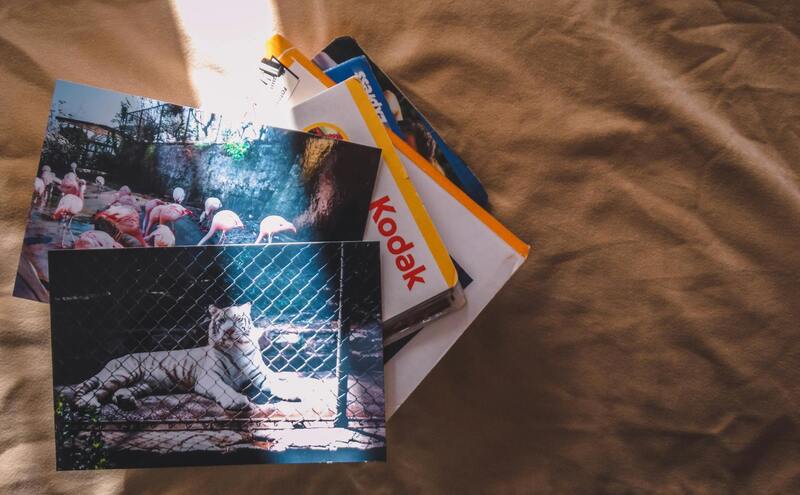
Overview of Large Scale Picture Printing
Large scale picture printing is an essential process for transforming digital images into impactful, wall-filling artworks, advertisements, and decorative elements. This specialized printing enables the reproduction of high-resolution images on expansive surfaces, demanding precise calibration of equipment, materials, and techniques. Large format printing services are designed to produce images that maintain clarity, color consistency, and detail even at grand sizes, making them suitable for both aesthetic and functional applications such as gallery displays, corporate branding, and large-scale interior design projects.
The process involves more than merely enlarging a photo; it requires careful consideration of image resolution, material compatibility, and finishing options to ensure the final product is visually striking and durable. Advances in technology have expanded the possibilities for artists, photographers, and businesses to showcase their works at their intended scale, avoiding pixelation or loss of quality. Moreover, the ability to print on a wide variety of substrates enhances creative expression, allowing for customized and innovative visual presentations across diverse industries.
Types of Large Scale Printing Techniques
There are several legitimate methods used by professional printing companies to achieve high-quality large scale images, each suited to specific needs and materials. The choice of technique depends on factors such as surface type, environment where the print will be displayed, and the desired longevity of the image.
- Inkjet Printing: This is the most common and versatile method for large-scale images. It involves spraying tiny droplets of ink directly onto substrates like canvas, vinyl, or fine art papers. High-end inkjet printers can produce photorealistic images with a wide color gamut, making them ideal for reproducing intricate details and vibrant colors consistently across large surfaces.
- Dye-Sublimation Printing: Primarily used for fabric and coated substrates, dye-sublimation involves transferring dye-based inks onto materials through heat. This results in vivid, durable images that are embedded into the surface, making them resistant to fading, scratching, and moisture. It is especially suitable for textile-based applications such as banners, backdrops, and soft signage.
- UV Printing: This technique utilizes ultraviolet light to cure ink instantly on rigid and non-porous surfaces like glass, acrylic, metal, or wood. UV printing offers exceptional detail, sharpness, and color accuracy while allowing for direct printing without the need for secondary coatings. It is favored for artistic displays, signage, and decorative panels that demand durability and vibrant visuals.

Each of these methods has its specific advantages and is chosen based on the final application. For example, UV printing's ability to produce detailed images on rigid surfaces makes it suitable for customized art installations, while dye-sublimation's durability benefits textile displays. Inkjet printing remains the most adaptable for general-purpose large format printing, supported by a wide range of media and finishes.
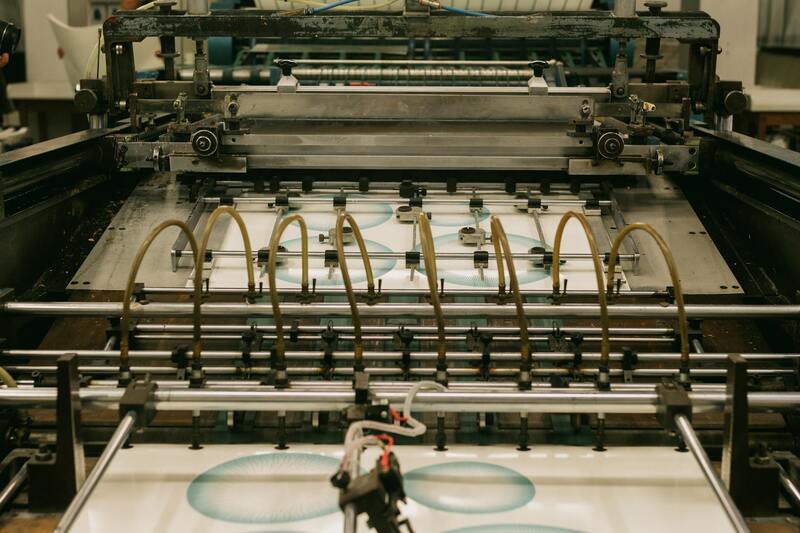
State-of-the-art large format printing equipment in professional settings
Modern large format printers are equipped with advanced features that enhance color accuracy, speed, and substrate compatibility. High-resolution printing heads can produce images with resolutions exceeding 300 dpi at sizes that surpass traditional paper dimensions. These machines often contain multiple print heads and color channels to achieve precise color matching and gradient seamlessness. Equipped with software that manages color profiles and print layouts, professional facilities ensure consistent output quality. Furthermore, integration with digital workflows allows for direct from file to print processes, reducing production time and minimizing errors.
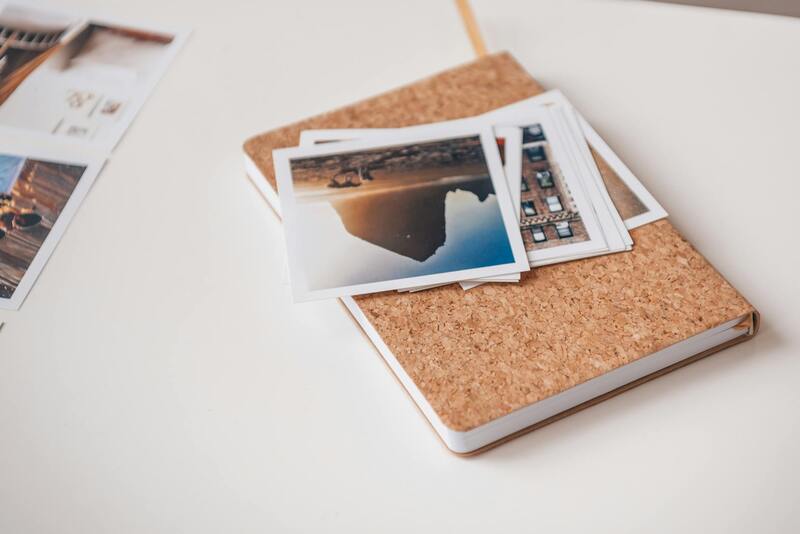
Overview of Large Scale Picture Printing
Large scale picture printing serves as a pivotal element in both commercial and artistic sectors, enabling the transformation of digital images into impressive wall-mounted displays, banners, and decorative panels. The process involves scaling images to considerable dimensions while maintaining high resolution and visual clarity. These expansive visual statements are ideal for indoor and outdoor environments, including retail spaces, galleries, event venues, and outdoor signage. The primary goal is to produce detailed, vibrant, and durable images suitable for various surfaces and lighting conditions. Unlike standard prints, large format printing demands precise image preparation and meticulous attention to detail, often utilizing specialized technologies to achieve the desired outcome. Whether for promotional displays or fine art installations, the quality and longevity of large scale prints are critical considerations that dictate the choice of printing methods, materials, and finishing techniques. As digital technology advances, producers are able to offer increasingly sophisticated solutions that address the complexities of scaling images without loss of quality or color consistency. This ongoing evolution ensures that clients receive impactful visuals that can be viewed from afar or up close with equal clarity, reinforcing the importance of choosing the appropriate printing process and materials for each project.
Types of Large Scale Printing Techniques
Several professional printing techniques are employed to produce high-quality large scale images, each distinguished by their unique technology, material compatibility, and application suitability. The most commonly used methods include:
- UV Printing: This technique uses ultraviolet light to instantly cure the ink onto rigid surfaces, enabling detailed images on materials like metal, glass, or acrylic. It offers excellent durability and vibrant color reproduction, ideal for signage and decorative installations.
- Inkjet Large Format Printing: The most prevalent method, inkjet printing, utilizes high-resolution nozzles to deposit tiny droplets of ink onto wide-format media. Supported by a broad spectrum of substrates, it is versatile enough to produce banners, fabric prints, and fine art reproductions.
- Dye-Sublimation: Primarily used for textiles, dye-sublimation involves heating dye-based inks to turn into gas, embedding the color into synthetic fibers or coated surfaces. It offers high durability and a seamless color gradient, perfect for fabric backdrops and apparel.
- Solvent and Eco-Solvent Printing: Ideal for outdoor applications, this method employs solvent-based inks that are resistant to weathering, UV exposure, and scratching. It is suitable for large signs, vehicle wraps, and outdoor banners.

Materials Used in Large Scale Printing
The selection of appropriate materials is fundamental to the success of large scale printing projects. Key considerations include environmental exposure, desired finish, and compatibility with the chosen printing technology. Common substrates encompass:
- Vinyl Films: Durable, flexible, and weather-resistant, vinyl is a staple for outdoor signage, vehicle wraps, and banners. It can be printed on with solvent, eco-solvent, and UV inks, offering a broad range of finishes, from matte to gloss.
- Canvas and Textile Fabrics: Often used for fine art reproductions, murals, and interior decor, canvas offers a high-quality surface for inkjet and dye-sublimation printing, providing a textured, artistic appearance.
- Acrylic and Polycarbonate Sheets: Popular for illuminated displays and decorative panels, these rigid surfaces support UV printing and direct-to-substrate methods, producing impact-resistant and vibrant visuals.
- Metal Surfaces: Aluminum or aluminum composites like Dibond provide strength, durability, and a sleek modern aesthetic for signage and art installations, especially when combined with UV printing techniques.
- Paper and Wallpaper: For interior murals or promotional graphics, high-quality papers such as textured watercolor or matte photo papers are used, supporting inkjet printing for crisp detail and color fidelity.
Each material possesses specific properties that influence the printing process, durability, and visual impact. Proper selection aligned with project requirements ensures optimal results, longevity, and visual appeal.
Materials Used in Large Scale Printing
When selecting materials for large scale picture printing, the choice impacts not only the visual quality but also the durability and suitability for specific environments. Each substrate offers unique properties, making it essential to match the material with the intended use and location of the finished piece.
Common Materials for Large Scale Prints
- Vinyl Films: Known for their resilience and flexibility, vinyl films are ideal for outdoor banners, vehicle wraps, and signage. They withstand weather elements and UV exposure, especially when printed with solvent or eco-solvent inks, which provide vibrant colors and long-lasting performance.
- Canvas and Textile Fabrics: Preferred for art reproductions, murals, and interior decor, canvases offer a textured aesthetic that enhances visual depth. Inkjet and dye-sublimation printing processes are typically used, delivering fine detail and rich color gradients.
- Acrylic and Polycarbonate Sheets: These rigid substrates are commonly employed for illuminated displays, decorative panels, and modern signage. UV-curable inks are well-suited for these surfaces, resulting in sharp, high-impact visuals with a glossy finish.
- Metal Surfaces: Aluminum and aluminum composites, such as Dibond®, are favored for their strength, lightweight nature, and sleek appearance. Metal substrates support UV printing, offering durability and vibrant coloration for both indoor and outdoor applications.
- Papers and Wallpapers: For interior murals or promotional graphics, high-quality papers like textured watercolor or matte photo papers are chosen. Inkjet printing on these substrates allows for detailed imagery and precise color reproduction.
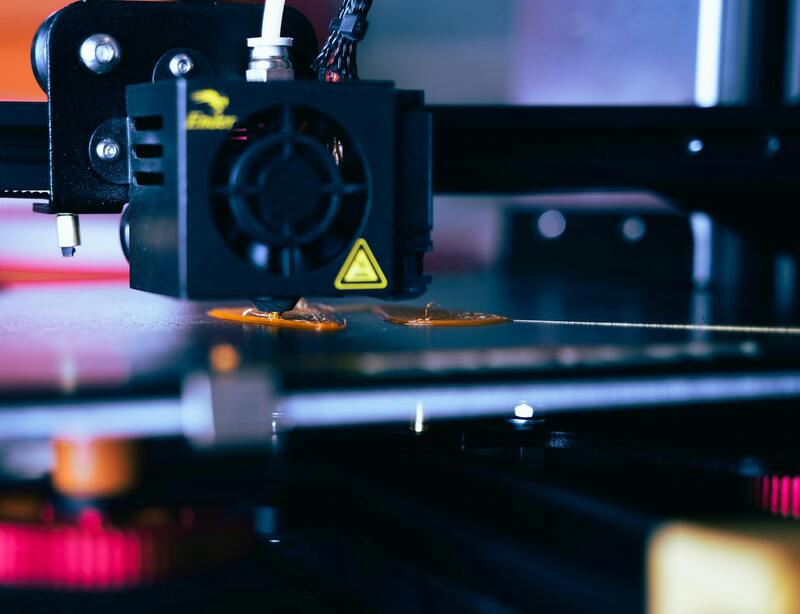
Choosing the appropriate material requires an understanding of the environmental exposure, aesthetic preferences, and longevity expectations. For outdoor displays, weather-resistant materials like vinyl and metal are preferred, while canvas and fine art papers excel in interior settings. Additionally, surface treatments such as lamination or coating can enhance durability, UV resistance, and visual appeal, ensuring that the large format print maintains its quality over time. By selecting the right material, clients can achieve a balance between visual impact and functional performance, resulting in impactful large-scale images that stand the test of time.
Overview of Large Scale Picture Printing
Large scale picture printing encompasses a variety of techniques and materials designed to produce impactful visuals on expansive surfaces. This specialized printing process is essential for creating eye-catching displays, murals, banners, and decorative panels that require high-resolution imagery and durable construction. Ensuring that images retain their clarity and vibrancy at significant sizes demands careful consideration of the printing method, material selection, and finishing processes. By focusing on precision, quality, and material compatibility, professionals in the field can deliver large format prints that elevate interior and exterior environments with stunning visual impact.
Types of Large Scale Printing Techniques
Several legitimate printing methods are predominantly used for producing large scale images, each suited to different applications and material compatibilities:
- Inkjet Printing: The most common method, ideal for producing detailed images with a wide color gamut. Modern UV and solvent inkjet printers are capable of printing directly onto rigid and flexible substrates, making them versatile for various project requirements.
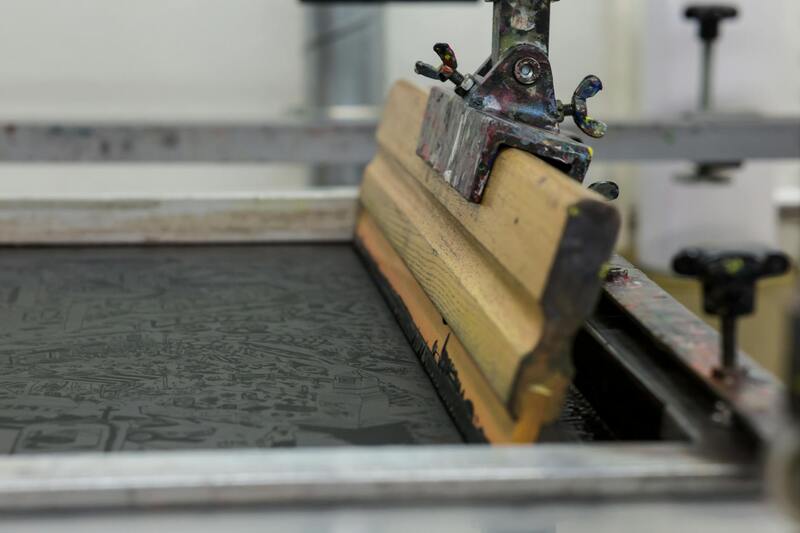
- Silkscreen Printing: Often employed for bold graphics, especially when consistent color application over large areas is required. Its durability makes it suitable for outdoor signage and murals.
- UV Printing: Utilizing ultraviolet light to cure inks instantly on the substrate, UV printing allows for printing on non-porous materials like acrylic, metal, and certain plastics. It provides sharp details, vibrant colors, and excellent adhesion, making it ideal for large, durable displays.
- Latex Printing: Known for its environmental benefits and flexibility, latex printing produces high-quality images suitable for both indoor and outdoor use. It offers excellent stretchability for materials like vinyl banners and wall coverings.
Materials Used in Large Scale Printing
Achieving durability, visual appeal, and environmental compatibility depends heavily on selecting appropriate substrates. Some of the primary materials include:
- Vinyl: A flexible, weather-resistant material widely used for banners, outdoor signage, and vehicle wraps. It offers excellent longevity when combined with appropriate coatings.
- Canvas: Favored for artistic reproductions and decorative murals, canvas provides a textured finish that adds depth and aesthetic appeal to high-resolution images.
- Aluminum and Metal Panels: Often used for modern signage, aluminum-based substrates like Dibond® provide a lightweight yet sturdy foundation with excellent UV resistance and color vibrancy.
- Acrylic and Polycarbonate: These transparent plastics are employed for illuminated displays, face mounting, and artistic installations, offering clarity and a sleek appearance.
- Wallpaper and Fabric Textiles: For interior murals or custom wall coverings, high-quality papers and fabrics produce detailed, vivid imagery with options for matte or glossy finishes.
Design Considerations for Large Scale Prints
Creating impactful large format images involves meticulous planning and attention to detail. Key considerations include:
- Resolution: Ensuring designs are created at a resolution suitable for the final size is crucial. Typically, 150-300 DPI at the final viewing distance guarantees clarity without pixelation.
- Color Accuracy: Utilizing color profiles and calibrating monitors can help maintain color fidelity throughout the production process, ensuring the final print matches the intended design.
- Viewing Distance: The scale of the image influences the level of detail necessary. Larger displays viewed from afar can employ lower DPI without losing visual impact, whereas close-up installations demand sharper details.
- Material and Finish: Selection based on environment, aesthetic goals, and longevity expectations impacts the overall appearance and durability of the print.
Overview of Large Scale Picture Printing
Large scale picture printing has become an essential component in creating impactful visual displays across various industries. This process involves reproducing images at sizes that surpass standard print dimensions, enabling artworks, advertisements, and interior decor to command attention and enhance environments markedly. The technique requires specialized equipment and materials to ensure clarity, color fidelity, and durability at expansive sizes. As demand grows for more immersive visual experiences, professional large format printing has evolved, integrating technological advancements and a broader selection of substrates to meet diverse aesthetic and functional needs.
Achieving high-quality large prints necessitates a meticulous approach to image resolution, material selection, and printing technology. A correctly executed large scale picture ensures that details remain crisp, colors stay true to the original concept, and the final product withstands environmental factors, maintaining its visual appeal over time. This confluence of quality and scale makes large format printing an indispensable tool for architects, interior designers, photographers, and commercial advertisers aiming to create memorable impressions.
Types of Large Scale Printing Techniques
- Inkjet Printing: This widely adopted method uses tiny nozzles to deposit droplets of ink onto substrates. It is renowned for its ability to produce vibrant colors and fine details, making it ideal for photographic reproductions and artistic wall murals. Advances in ink formulations have improved color gamut and longevity, ensuring artwork remains vibrant over years of display.
- UV Printing: Utilizing ultraviolet light to cure inks instantaneously, UV printing offers excellent adhesion on rigid and non-porous surfaces like acrylic, metals, and glass. Its environmental benefits and ability to print directly onto various materials without layered coatings offer versatility for commercial and decorative applications.
- Solvent and Eco-Solvent Printing: These techniques employ solvent-based inks that provide weather resistance and color durability, especially suited for outdoor applications such as billboards and exterior signage. Eco-solvent variants minimize environmental impact while maintaining excellent print quality on durable substrates.
- Dye Sublimation: Predominantly used for fabric and soft surface printing, this method involves transferring dye-based inks onto materials through heat, resulting in vivid, long-lasting images suited for textiles and certain plastics.
Materials Used in Large Scale Printing
The choice of material significantly influences the final appearance, durability, and application of large scale prints. The following substrates are commonly employed:
- Vinyl: Popular for outdoor signage, banners, and event displays due to its weather resistance and flexibility. Matte or gloss finishes can be selected based on visual goals.
- Canvas: Offers a textured, artistic feel, frequently used for fine art reproductions. It can be stretched or framed for a gallery-quality presentation.
- Acrylic and Polycarbonate: Used for illuminated signage or modern decorative installations. These transparent plastics provide clarity and a sleek, contemporary aesthetic.
- Wallpaper and Fabric: Suitable for interior murals or wall coverings, these materials deliver high-resolution images with options for matte, gloss, or textured finishes, enhancing ambiance and design coherence.
- Paper and Fine Art Media: Archival papers and watercolor textures are preferred for high-detail art prints, ensuring longevity and color accuracy.

Design Considerations for Large Scale Prints
Creating impactful large format visuals involves a detailed approach to design preparation and technical execution. Critical factors include:
- Resolution: To prevent pixelation, images should be created at a minimum of 150 DPI at the target print size. This ensures crisp details, especially when viewed at close distances.
- Color Management: Employing calibrated monitors and consistent color profiles guarantees that digital designs translate accurately to the physical print, maintaining the intended color palette and vibrancy.
- Viewing Distance: The scale of the image influences the level of detail required. Larger prints viewed from a distance can have lower DPI without sacrificing visual impact, whereas closer inspections demand sharper, high-resolution images.
- Material and Finish: Based on the intended environment and aesthetic goals, selecting the right substrate and finish (matte, gloss, satin) optimizes both appearance and longevity.
- Design Composition: Simplified visuals or bold graphics often work best at large sizes, avoiding overly complex details that may become indecipherable at scale.
Methods for Authentic Large Scale Picture Printing
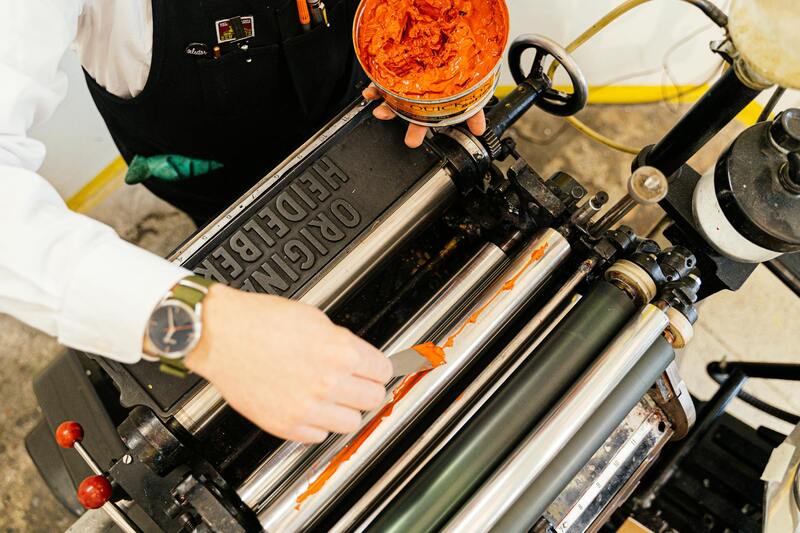
When it comes to producing true large scale images through legitimate means, selecting the appropriate printing technique is fundamental. Professional large scale picture printing primarily involves advanced inkjet technologies, which utilize high-quality inks and precision nozzle control to create vivid, durable, and high-resolution prints. These printers can handle vast media sizes, often exceeding 10 feet in width, making them ideal for applications where size and clarity are equally important.
Advanced Inkjet Printing Technologies
The core of large scale picture printing lies in large-format inkjet printing systems. These devices employ piezoelectric or thermal bubble technology, pushing microdroplets of ink onto a substrate with exceptional control. The result is a smooth gradient, sharp detail, and consistent color reproduction across the entire print surface. Such printers support a wide spectrum of inks, including dye-based and pigment-based options, each offering different advantages in longevity, color range, and water resistance.
Giclée Printing
Giclée printing is a renowned method for high-end art and photographic reproductions. Characterized by its use of archival-quality inks and coated media, giclée ensures that production remains faithful, maintaining the integrity of the original image over time. This technique is especially suitable for prints that require extended longevity and precise color matching, making it a perfect choice for large format fine art reproductions.
Latex and Solvent Printing
In addition to traditional inkjet methods, latex and solvent printers offer the capacity to produce large-scale visuals on diverse materials such as vinyl, fabric, and backlit films. Latex printing is appreciated for its eco-friendly UV-cured inks, vibrant colors, and flexible media compatibility. Solvent printers, on the other hand, are frequently used for outdoor banners and signage due to their weather-resistant output qualities. Both technologies ensure compliance with professional standards for durability and colorfastness.
Utilizing Legitimate Printing Inks and Media
Legitimate large scale picture printing relies on the employment of certified inks and premium substrates. Pigment-based inks provide superior resistance to fading and environmental exposure, making them ideal for art displays and long-term installations. Moreover, media choices—such as vinyl, canvas, fabric, or specialty papers—are crucial. For instance, high-quality canvas extending seamlessly to large dimensions creates a luxurious presentation, while a durable vinyl might be preferred for outdoor signage. The proper combination of inks and media ensures your large images remain vibrant and intact over time.
Professional Large Format Printing Services
Engaging with trusted printing providers guarantees adherence to industry standards for large-scale production. Professional services employ calibrated color management workflows, high-resolution image processing, and meticulous calibration of printing devices. Such practices minimize color deviations and technical errors, ensuring your visual content is reproduced authentically and with high fidelity. Additionally, these providers often utilize quality control processes such as moisture and temperature regulation within printing environments, safeguarding against potential damage or distortion during production.
Quality Assurance and Oversight Processes
Reputable large scale printing methods incorporate stringent quality assurance protocols. These inspections involve pre-print checks for image resolution, color consistency, and media integrity, as well as post-print assessments for alignment, color accuracy, and surface uniformity. Employing high-resolution proofs before the final print run allows for adjustments, preventing costly errors. Continuous monitoring and calibration of printers also play a pivotal role in maintaining the integrity and consistency of large-scale output across multiple batches.
Ensuring Proper Handling and Transportation
Correct handling and transportation techniques are vital to preserving the quality of large scale prints. During production, prints are often rolled or flat-packed with protective coverings to prevent scratches and deformation. When delivering, specialized crating and climate-controlled environments help prevent environmental damage, such as moisture or temperature-induced warping. Upon arrival, professional installation ensures the image remains pristine and properly tensioned, reducing the risk of sagging, tearing, or other structural issues. Regular maintenance, including cleaning with appropriate materials, prolongs the life span of extensive visuals.