Overview of Business Card Printing in Singapore
In the highly competitive landscape of Singapore's business environment, establishing a professional image is crucial. One of the most impactful ways to achieve this is through high-quality business card printing. Business cards serve as a tangible representation of a company’s brand, values, and professionalism. They facilitate networking, enable quick sharing of contact information, and leave a lasting impression on potential clients and partners.
Efficient and visually appealing business card printing plays a pivotal role in shaping your first impression. It is an essential element of corporate branding strategies, often reflecting the level of professionalism and attention to detail that a business intends to project. As Singapore's printing industry continues to evolve with technological advancements, the options for business card printing have expanded, offering businesses the ability to customize their cards to align precisely with their brand identity.

Moreover, the benefits of professional business card printing extend beyond aesthetics. Well-designed cards can facilitate networking, foster trust, and boost brand recognition. Companies that invest in premium business card printing often find their marketing efforts reinforced through consistent and compelling physical branding materials. This not only elevates their corporate image but also improves their presence in various business settings such as formal meetings, conferences, and trade shows.
With the increasing demand for unique and memorable business cards, Singapore’s printing industry offers a broad range of solutions. From standard designs to intricate finishes, modern printing techniques enable tailored options that meet the diverse needs of different industries. Therefore, choosing the right business card printing partner becomes paramount, focusing on quality, customization capabilities, and reliability to ensure your brand makes an impactful statement every time.
Comprehensive Methods for Business Card Printing in Singapore
Choosing the appropriate method for business card printing is critical to achieving a professional appearance that aligns with your brand. In Singapore, businesses can select from a variety of official printing techniques that ensure durability, clarity, and visual impact. Each method offers specific benefits, making it essential to understand their characteristics and applications.
Offset Printing
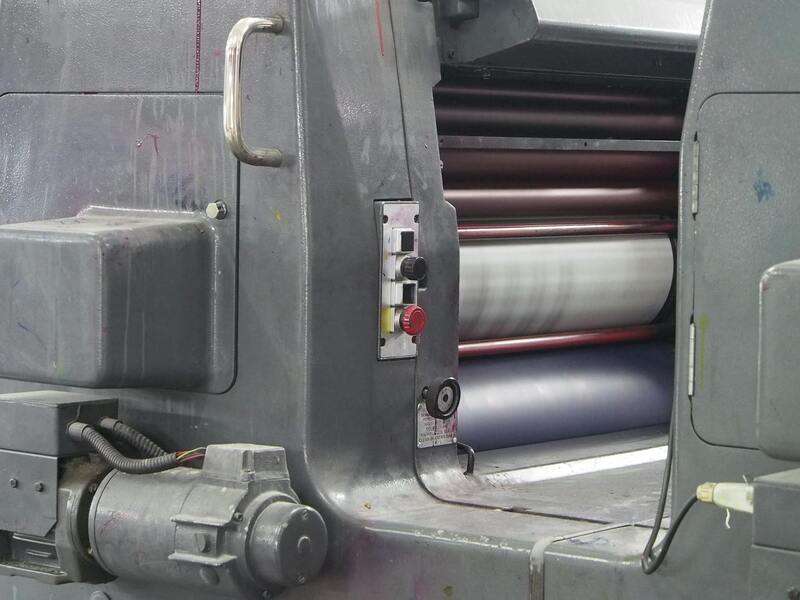
Offset printing remains a popular choice among companies seeking high-quality results for large-volume orders. This technique involves transferring ink from a plate to a rubber blanket, then onto the printing surface. Offset printing provides crisp, consistent images and is ideal for detailed, color-rich designs. It also allows for a broad range of finishes and special effects when needed.
Digital Printing
Digital printing is suitable for short to medium runs, offering quick turnaround times and cost efficiency without sacrificing quality. It employs digital files directly from computers to produce prints, making it ideal for customizations and rapid updates. The precision of digital printing enhances the sharpness of text and graphics, ensuring your business card makes a strong first impression.
Letterpress Printing
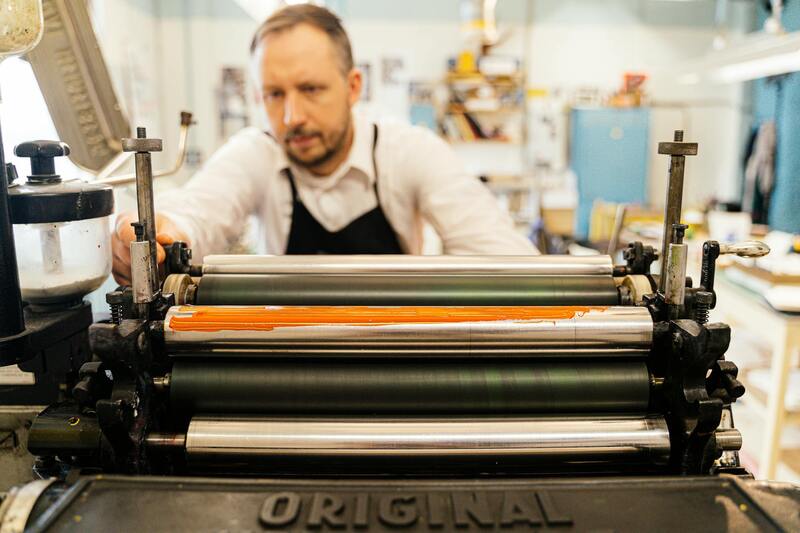
For a classic, tactile feel, letterpress printing is often employed. This method presses inked designs into thick, high-quality cardstock, creating a subtle relief effect. It elevates the elegance of the business card, especially with embossed or debossed features, fostering a sense of craftsmanship and attention to detail.
UV Printing
UV printing involves applying ultraviolet light to instantly cure the ink as it is printed. This technique allows for vibrant colors and can print on a wide variety of materials and shapes. It is particularly effective for highlighting specific design features through spot UV finishes or adding durability to the cards in high-wear environments.
Foil and Embossing Techniques
For a premium finish, foil stamping and embossing are often integrated with traditional printing methods. Foil stamping applies metallic or pigmented foil to create striking accents, while embossing raises certain elements, providing depth and tactile contrast. These methods are ideal for companies aiming to project a luxurious brand image.
Official Considerations for Business Card Printing in Singapore
When selecting a printing method, businesses in Singapore should prioritize adherence to industry standards and official practices that guarantee the integrity of the printed materials. Partnering with reputable, experienced printers ensures the use of certified inks, high-quality substrates, and environmentally responsible processes. Furthermore, establishing clear communication regarding design specifications, color matching, and finishing options is vital for achieving consistent results.
Procurement of printed business cards from authorized providers also involves verifying their compliance with printing regulations related to content accuracy, safety, and material use. This diligence guarantees that your printed cards not only reflect your brand professionally but also meet established quality benchmarks demanded by various business environments.
Ensuring Quality and Authenticity in Business Card Printing
Staying aligned with credible printing standards involves comprehensive quality checks throughout the production process. This includes meticulous proofing of digital files, color calibration, and pre-press reviews to prevent discrepancies. Once printed, final inspections verify color consistency, print sharpness, and the integrity of finishes like embossing or foil application.
In the context of official business card printing, it’s imperative to work with providers who employ rigorous quality assurance protocols, use certified materials, and adhere to recognized manufacturing practices. This approach safeguards the authenticity of your materials, providing a compelling representation of your brand identity in every physical interaction.
Secure and Verifiable Methods in Business Card Printing
To ensure your business cards are authentic and meet high standards, it is essential to rely on official and well-established printing channels. Authorized printing providers maintain strict adherence to industry protocols, guaranteeing that each card produced aligns with recognized quality benchmarks. These providers employ advanced security features such as distinctive embossed patterns, microtext, or holographic elements to prevent counterfeiting and verify authenticity.
Moreover, official printed business cards often incorporate tangible security measures like tamper-evident foils or unique serial numbers. These features are integrated into the design process through specialized equipment that certifies each card's origin. Working exclusively with certified printing services helps maintain consistency across bulk orders, ensuring that every batch conforms to expected standards and upholding your company's professional reputation.
Verification and Quality Control Processes
Implementing rigorous verification steps during the printing process is vital. This includes assessing digital proofs before mass production, to confirm design accuracy, color fidelity, and security element placement. Throughout production, quality checks such as print sharpness evaluations, color calibration, and substrate inspections are conducted periodically. Final validation involves thorough inspections that confirm adherence to specified standards and the proper application of finishes like spot UV coating or embossing.
This process ensures that each business card leaving the printing facility is consistent, durable, and visually compelling. Certified providers utilize calibrated equipment and follow standardized procedures, minimizing discrepancies and guaranteeing that your physical cards accurately reflect your brand identity. Such meticulous quality assurance measures serve as a safeguard against errors and ensure the delivery of a product that resonates with professionalism and authenticity.
Documentation and Recordkeeping for Authenticity
Maintaining comprehensive documentation throughout the printing process contributes to traceability and verification. This includes keeping detailed records of design approvals, substrate specifications, security feature applications, and batch production data. When dealing with physical authentication features, such as holograms or serial codes, properly cataloging and securely storing these identifiers facilitates future verification efforts.
Clients should request detailed production reports and authenticity certificates from their printing providers. These documents serve as official records that substantiate the origin and integrity of each batch of business cards, reinforcing the trustworthiness of your printed materials. Establishing clear audit trails not only demonstrates compliance with stringent standards but also provides reassurance that your materials are produced through legitimate and verified channels.
Overview of Business Card Printing in Singapore
Business card printing in Singapore remains a cornerstone for professional networking and brand representation. The city-state’s vibrant commerce environment necessitates high-quality, visually compelling cards that leave a lasting impression. With the evolution of digital printing technologies and an increasing demand for personalized, distinctive designs, local providers deliver a diverse array of options tailored to various industry needs. The focus in Singapore is on precision, durability, and authenticity, ensuring each card not only reflects the brand’s identity but also meets the highest standards of excellence.
Given Singapore’s strategic position as a global business hub, the procedures for card printing emphasize adherence to strict quality control measures. Reputable printing facilities utilize advanced calibrated equipment alongside standardized procedures to minimize discrepancies. This meticulous approach guarantees that the physical output aligns precisely with the digital designs submitted, maintaining consistency across batches and upholding the professionalism expected within diverse industries such as finance, technology, and retail.

The Importance of Authenticity and Traceability
Print providers committed to authenticity adhere to documented procedures during the entire printing process. This includes maintaining comprehensive records of design approvals, substrate choices, and production batches. Such documentation facilitates traceability, which becomes essential when verifying the origin and integrity of printed materials. For instances where physical indicators like holograms, serial codes, or special security features are incorporated, proper cataloging and storage play critical roles in subsequent verification efforts.
Clients are encouraged to request detailed production reports and official certificates from their printing partners. These documents serve as formal records demonstrating compliance with quality standards and confirm that the cards have been produced through verified processes. Implementing clear audit trails reinforces trust and offers reassurance that the printed business cards uphold the professional standards expected in Singapore’s competitive business environment.
Forms of Verification and Assurance
- Documentation of design approval and substrate specifications
- Recorded batch production data for batch consistency
- Security feature certificates such as hologram authenticity or serial number validation
- Production reports provided by credentialed printing facilities
Through these official measures, businesses can confidently rely on the authenticity and quality of their printed cards, projecting a trustworthy image that resonates with professionalism and integrity.
Overview of Business Card Printing in Singapore
Business card printing remains a fundamental aspect of professional branding and networking within Singapore’s vibrant business landscape. High-quality business cards serve as tangible representations of a company's identity, ethos, and professionalism. As the business environment evolves, the demand for quality, customization, and precision in business card printing has grown significantly. This demand is met by specialized printing companies that offer a variety of options tailored to meet diverse professional needs. Whether for startups, established corporations, or individual entrepreneurs, the process of business card printing involves meticulous planning, precise execution, and adherence to industry standards. Ensuring that the final product accurately reflects the brand’s image and leaves a lasting impression is paramount. Through official and reputable printing channels, businesses can leverage advanced printing technologies and premium materials to produce business cards that stand out. From selecting suitable card stocks to exploring innovative finishes, Singapore’s printing service providers are equipped to deliver exceptional products that align with client expectations and uphold professional standards.

Types of Business Cards Available
Business card printing in Singapore offers a diverse array of card types designed to cater to different industry requirements and personal preferences. Some of the most prevalent types include:
- Standard Business Cards: The most common option featuring essential contact details with a clean, professional look. Usually printed on 300-400gsm cardstock with matte, gloss, or linen finishes.
- Premium Business Cards: These cards utilize high-quality materials such as textured papers or eco-friendly stocks, often combined with special finishes like embossing or foil stamping to create a luxurious feel.
- Spot UV Business Cards: Incorporate glossy UV coating on specific areas of the card, highlighting logos, text, or design elements for a striking visual effect.
- Embossed and Debossed Cards: Feature raised or recessed designs, adding tactile dimension and sophistication to the business card.
- Foil Stamped Cards: Use metallic foils to accentuate certain parts of the design, creating eye-catching and elegant visuals suitable for luxury brands.
- Die-Cut Business Cards: Custom-shaped cards that break away from traditional rectangular forms, allowing for innovative and memorable shapes that align with brand identity.
- NFC Business Cards: Integrate contactless technology, enabling recipients to access digital profiles or websites with a tap, perfect for tech-driven industries.
Material and Finishes for Business Cards
The choice of material and finish significantly impacts the overall impression of a business card. Printing providers in Singapore offer an extensive selection of options to help clients achieve their desired aesthetic and tactile effect:
- Paper Stocks: Standard options include matte, gloss, linen, and textured papers, each lending a unique feel and appearance. Specialty stocks such as transparent, recycled, or fabric-infused papers are also available for a distinctive touch.
- Finish Options: Matte finishes provide a subdued, elegant look, while gloss enhances vibrant colors and sharp details. Linen and textured finishes add tactile depth, making the card more memorable.
- Special Effects: Techniques like embossing, debossing, foil stamping, and spot UV coatings add visual interest and a premium touch. These effects are often combined to achieve a bespoke, luxury appearance.
- Additional Features: Features such as rounded corners, die-cut shapes, or adhesive backings can further customize the card’s form and function, offering additional opportunities for differentiation.
Overview of Business Card Printing in Singapore
Singapore boasts a vibrant business landscape where first impressions are crucial. Business card printing remains a fundamental aspect of professional networking, serving as a tangible reminder of your brand and contact details. Local printing services, such as those available through disc-print.com, offer comprehensive options to meet diverse industry needs, from standard cards to highly customized designs. The city’s competitive market drives innovation in printing techniques and materials, ensuring that business cards effectively reflect individual or corporate identities. Precision in printing quality, timely delivery, and a wide array of customization options are essential factors that influence the selection of a reputable business card provider.
Types of Business Cards Available
Market options range from simple, minimalist designs to elaborate, textured cards with premium finishes. Standard business cards typically feature crisp printing on matte or gloss paper stocks, suitable for most professional contexts. Fancy or creative variants incorporate unique shapes, die-cut edges, or embedded elements, designed to make a memorable impact. Premium options may include laminated surfaces or specialty finishes like foil stamping and spot UV, elevating the tactile and visual appeal. Certain industries might prefer NFC-enabled cards or cards with embedded QR codes, adding an interactive dimension that can seamlessly connect prospects to digital profiles or portfolios. Choosing the right type involves considering the nature of your business, brand personality, and the message you intend to communicate.

Key Factors When Choosing a Business Card Printing Service
Selection criteria should be rooted in the service provider’s ability to deliver quality results efficiently. A few fundamental aspects to evaluate include:
- Print Quality: Ensure the provider uses state-of-the-art equipment capable of high-resolution output with accurate color reproduction.
- Material Selection: A broad palette of paper stocks and finishes allows for tailored designs that align with your branding objectives.
- Customisation Capabilities: The provider should offer diverse options such as embossing, foil stamping, die-cut shapes, and textured finishes.
- Turnaround Time: Fast and reliable production schedules are vital for timely business engagements.
- Pricing Structure: Competitive prices with transparency, including bulk discounts, help maximize value.
- Customer Support: Professional assistance through consultation and artwork review ensures the final product meets expectations.
Reviewing previous samples, client testimonials, and service guarantees provide valuable insights into the provider’s credibility. It’s also beneficial to inquire about eco-friendly options, as sustainable materials can further enhance your corporate image.
Design Trends and Tips for Effective Business Cards
In a crowded marketplace, standout design is key. Contemporary trends emphasize minimalism, bold typography, vibrant colors, and innovative layouts that convey professionalism and creativity simultaneously. Incorporating your brand’s logo consistently across all marketing materials reinforces recognition. Keep your design clear and uncluttered, ensuring essential contact information is easily accessible. Use high-resolution images and avoid overusing decorative elements that may detract from the core message. For added impact, consider unique finishes or tactile elements such as embossing or linen textures—these subtle details leave lasting impressions. Integration of digital elements like QR codes or NFC tags can also facilitate seamless connections to your online presence, providing convenience and modern appeal.
Materials and Finishes for Business Cards
The impactful impression of your business card depends significantly on the choice of materials and finishes. Singapore-based printing services offer a rich selection designed to suit various branding strategies.
- Paper Stocks: Standard options include matte, gloss, linen, and textured papers, each imparting distinct tactile qualities and aesthetics. Specialty stocks such as transparent PET, recycled, or fabric-infused papers are available for a unique, environmentally conscious look.
- Finish Options: Matte finishes produce understated elegance, reducing glare and providing a soft touch. Gloss coatings enhance color vibrancy and sharpness, ideal for intricate designs. Linen and textured finishes add tactile depth, making the card more memorable and sophisticated.
- Special Effects: Techniques like embossing, debossing, foil stamping, and spot UV coatings serve as premium embellishments. Combining these effects can create visually compelling and tactilely appealing cards that stand out in hand or on display.
- Additional Customizations: Rounded corners, die-cut shapes, or adhesive backings allow further tailoring, fostering a distinctive presentation and functional design that aligns perfectly with your branding needs.
Optimal material and finish choices do not merely serve aesthetic purposes; they reinforce your brand’s tone, whether it’s professional, innovative, or eco-friendly. When selecting your options, consider how the tactile and visual elements will resonate with your target audience and elevate the perceived value of your brand.
Overview of Business Card Printing in Singapore
Business card printing in Singapore has become a vital component for professionals seeking to establish a memorable brand presence. With a variety of local printing providers, companies and individuals can access high-quality printing services tailored to diverse branding strategies. Whether for networking events, client meetings, or corporate branding, professionally printed business cards serve as essential tools that facilitate contact sharing and brand recognition in a competitive marketplace.
Types of Business Cards Available
In Singapore, the range of business cards extends from standard designs to premium crafted options, catering to different professional images. Common types include:
- Standard Business Cards: The classic choice, typically printed on ordinary paper stocks with minimal embellishments.
- Premium Business Cards: Features enhanced materials and finishes, often incorporating special effects such as embossing or foil stamping.
- Laminate Business Cards: Combining durability with aesthetics, these cards are protected with layers of matte or gloss laminations.
- Spot UV Business Cards: Highlighted areas with glossy UV coating to create contrast against matte backgrounds.
- Embossed and Debossed Cards: Tactile effects that add depth and texture to the design.
- Foil Stamped Cards: Metallic foils applied for a luxurious and eye-catching finish.
- Die-Cut Business Cards: Custom-shaped cards that break away from traditional rectangular shapes, adding uniqueness.
Key Factors When Choosing a Business Card Printing Service
Selecting the right printing partner involves assessing several critical aspects to ensure the final product aligns with branding objectives and quality standards:
- Quality of Materials: The base paper stock and finishes significantly influence tactile feel and visual impact. Ensure the provider offers a broad selection of stock options, including eco-friendly or textured papers.
- Range of Finishes and Effects: Look for services that provide innovative finishes such as spot UV, foil stamping, or embossing to enhance your card's visual appeal and tactile experience.
- Customization Options: The ability to incorporate unique shapes, rounded corners, or die-cut features helps create a distinctive brand identity.
- Turnaround Time: Efficient workflow and prompt delivery are crucial, especially when planning for events or urgent branding needs.
- Price Transparency: Clear pricing structures, including for bulk orders and additional effects, help in budgeting without surprises.
- Portfolio and Reviews: Reviewing past work and customer feedback provides insights into reliability and quality standards.
Design Trends and Tips for Effective Business Cards
Staying abreast of current design trends can significantly elevate the impact of your business card. Minimalist designs with ample white space continue to dominate, emphasizing clarity and elegance. Incorporating subtle textures, embossed elements, and metallic foils can add sophistication. Utilizing bold typography combined with high-contrast color schemes ensures readability and brand recall. Consider including a QR code discreetly for quick digital access to your contact details or online portfolio.
When designing, prioritize a balanced layout that highlights key information without clutter. A compelling visual hierarchy guides the recipient's eye logically across your contact details, logo, and tagline. Consistency with your overall branding style ensures that the card complements other corporate identity materials, reinforcing professionalism.
Materials and Finishes for Business Cards
Material selection is fundamental to the tactile and visual quality of business cards. In Singapore, printing services offer a diverse selection of stocks and finishes, enabling tailored solutions:
- Paper Stocks: Standard options include matte, gloss, linen, and textured materials, each imparting unique tactile features and visual effects.
- Specialty Materials: Transparent PET, recycled papers, fabric-infused options, and other eco-conscious materials are increasingly popular for a sustainable brand impression.
- Finishes: Matte finishes offer understated elegance, reducing glare and providing a smooth touch. Gloss coatings increase color vibrancy, making images and logos pop. Linen and textured sheets add tactile depth, enhancing memorability.
- Premium Effects: Embossing and debossing create raised or recessed patterns, while foil stamping adds metallic accents. Spot UV coatings can be selectively applied to highlight specific areas, such as logos or icons.
Pricing and Ordering Process
The cost of business card printing varies based on design complexity, choice of materials, finishes, and quantity. In Singapore, local printing providers often offer transparent pricing structures to accommodate both small and large orders. Bulk printing typically reduces the unit cost, making it cost-effective for corporate needs.
The ordering process generally involves:
- Artwork Submission: Providing print-ready files that meet specified format and quality standards.
- Proof Review: Reviewing digital or physical proofs to ensure design accuracy and color fidelity.
- Final Approval: Confirming proofs before production begins.
- Production and Delivery: The printing process commences once approved, with delivery timelines ranging from a few days to a week based on order complexity and quantity.
- Digital Printing: Ideal for short to medium runs, digital printing provides quick turnaround times and allows for high-resolution graphics and complex designs. It is especially suitable for personalized business cards or those requiring frequent updates.
- Offset Printing: Suitable for large quantities, offset printing offers consistent color output and sharp image quality. This method is often preferred for bulk orders where cost-effectiveness and high quality are paramount.
- Letterpress and Hot Stamping: These traditional printmaking techniques add tactile quality and metallic accents, elevating the card’s aesthetic appeal. They are perfect for premium business cards aiming for a luxurious feel.
- Embossing and Debossing: By creating raised or recessed patterns, these methods add texture and depth to the design, enhancing the physical and visual impact of your business card.
Many Singapore-based printers also offer online ordering portals that facilitate quick uploads, instant quotations, and status tracking to streamline the process further.
Comprehensive Overview of Business Card Printing in Singapore
Business card printing remains an essential component of professional branding and networking within Singapore’s vibrant corporate landscape. Selecting the right printing method ensures that your business cards effectively communicate your brand identity while maintaining durability and visual appeal. Entrepreneurs, small businesses, and large corporations alike depend on reputable printing providers to deliver high-quality, customized cards that leave a lasting impression. The process integrates precision color management, material selection, and finishing techniques to produce cards that resonate sophistication and professionalism.
Legitimate Methods for Business Card Production
In Singapore, the array of dependable and certified printing methods ensures clients receive products that meet strict quality standards while adhering to sustainable practices. The following methods are widely recognized for their reliability and quality:
Official Quality Assurance and Standardized Processing
Leading printers operating in Singapore implement stringent quality checks at every stage to ensure consistency, color accuracy, and overall print fidelity. From digital file preparation to final inspection, professional facilities adhere to established standards, including CMYK color calibration, resolution thresholds, and substrate compatibility. These measures guarantee that the printed cards match digital proofs precisely, minimizing errors or discrepancies. Moreover, official certification from recognized trade associations supports the credibility of the printing provider, assuring clients of adherence to environmental standards, safety protocols, and industry best practices.
Verification and Quality Control in Print Production
Quality assurance processes involve multiple stages, including initial proofing, digital or physical prototypes, and final batch inspections. Digital proofs enable clients to preview design accuracy, colors, and layout before production begins. Some printers offer physical samples or mock-ups to allow tactile examination of texture, weight, and finish. During production, real-time monitoring and post-production audits verify that each batch conforms to pre-agreed specifications. This comprehensive approach reduces the risk of defects, ensuring every business card reflects professionalism and meticulous attention to detail.