Importance of Business Cards in Singapore
In Singapore’s competitive business landscape, a well-designed business card functions as a powerful branding tool that facilitates professional recognition and memorable networking interactions. These compact marketing materials are more than just contact details; they embody a company’s identity, values, and professionalism. When crafted with precision and purpose, business cards leave a lasting impression that can open doors to new opportunities, partnerships, and client relationships.
Singapore’s business community values attention to detail and quality, making the choice of an appropriate design crucial. A thoughtfully designed card integrates branding elements such as logos, color schemes, and fonts, ensuring consistency across all corporate communication. This visual cohesion reinforces confidence and professionalism among clients and partners, distinguishing a company amidst the bustling economic activities of the city-state.
Beyond visual appeal, business cards serve as tactile representations of an enterprise’s ethos. For instance, choosing high-quality materials and finishes can communicate durability and reliability. Whether distributed during meetings, conferences, or networking events, a compelling business card acts as a physical reminder of a professional encounter, often prompting further engagement.
Enhancing Networking through Effective Business Card Use
- Leverage unique designs aligned with your branding for recognition
- Maintain updated contact information to facilitate seamless communication
- Distribute cards strategically during professional interactions
- Include additional details like social media handles for broader connectivity
- Use quality materials to convey professionalism and credibility
In a fast-paced environment like Singapore, where first impressions can determine business outcomes, the significance of an impactful business card cannot be overstated. It embodies professionalism, builds trust, and ultimately contributes to establishing a reputable image that aligns with the rigorous standards of Singapore’s dynamic market landscape.
Materials, Finishes, and Card Stock Options
When selecting the ideal materials for your business cards, it’s essential to consider both durability and tactile quality. High-quality cardstock options such as matte, gloss, or textured finishes can significantly impact the card’s appearance and feel. Thicker stocks, typically ranging from 14pt to 32pt, offer a substantial presence that conveys professionalism and stability.

There are various finishes available to customize the look and sensory experience of your cards. Matte finishes provide a subdued, elegant look with minimal glare, suitable for designs with intricate details or text. Gloss finishes, on the other hand, offer vibrant color reproduction and a shiny surface that enhances visuals and logos. Textured finishes, such as linen or embossed patterns, add a tactile element that makes the card memorable.
Special coatings such as spot UV or soft-touch finishes further distinguish your cards. Spot UV can highlight specific elements like logos or contact information with a glossy splash, adding depth and emphasis. Soft-touch coating gives a velvety feel that exudes luxury and refinement, perfect for high-end branding.
Influence of Card Size and Shape on Branding
The standard business card size in Singapore typically measures 3.5 x 2 inches, aligning with international standards. Nonetheless, customizing size and shape can significantly enhance brand recognition and functionality. Rounded corners, for example, soften the visual impact and make the card more comfortable to handle, while unconventional shapes such as circles, squares, or custom die-cut designs can set your branding apart.
- Standard Size: 3.5 x 2 inches – versatile and widely accepted for professional exchanges.
- Square Cards: 2.5 x 2.5 inches – modern and visually striking, ideal for creative industries.
- Die-Cut Shapes: Customized shapes aligned with branding themes enhance memorability.
Choosing the appropriate size and shape should reflect your business identity and consider practicality. Smaller cards are easy to carry but may limit space for information, whereas larger or uniquely shaped cards garner attention and express creativity.
Materials, Finishes, and Card Stock Options
When selecting materials for your business cards, Singapore-based businesses prioritize durability, texture, and visual appeal. Premium cardstock remains the industry standard for its balance of quality and cost-effectiveness, offering a sturdy base that withstands handling without bending or tearing easily. This material supports various finishes such as matte, gloss, or soft-touch coatings, each imparting a distinctive tactile experience while enhancing print clarity.
Transparent plastic materials are increasingly popular for businesses seeking a modern, sleek look. These plastic cards provide excellent durability, resistance to water and wear, and lend a distinctive aesthetic that can make your brand stand out in crowded environments. Textured papers, including linen or embossed patterns, add a tactile element that resonates with consumer perception of quality and exclusivity.
Finishes and Embellishments
Applying different finishes and embellishments elevates the look and feel of your business cards, making them memorable. A matte finish provides a sophisticated, non-reflective surface that reduces fingerprints and glare, ideal for minimalist designs. Conversely, a gloss finish amplifies colors and logos, creating a vibrant, eye-catching presentation. The spot UV coating allows selective enhancement of specific elements like logos or contact details, resulting in a luxurious, layered appearance.
Embossing and foiling further add depth and visual interest. Embossed patterns create a tactile, raised surface, while foil stamping introduces metallic accents that reflect light and exude prestige. These finishing techniques serve to reinforce brand identity and leave a lasting impression on recipients.
Custom Features for Enhanced Functionality
Beyond traditional finishes, certain custom features can make your business card more functional and engaging. For instance, magnetized backing ensures your card doubles as a refrigerator magnet, increasing visibility in clients’ homes or offices. Incorporating NFC (Near Field Communication) chips enables contactless sharing of digital information, offering a seamless way to access websites, portfolios, or digital business profiles.
Special die-cut shapes, such as circular, oval, or thematic cutouts, align the card’s form with your branding narrative, making it instantly recognizable. These shapes also improve handling comfort and make your card easier to retrieve from wallets or pockets.
Balancing Material Choices and Finishing Techniques
Choosing the right combination of materials and finishes depends on the intended brand message, industry standards, and budget considerations. High-end sectors such as luxury services or premium consulting often favor thick, textured cardstock with embossed or foiled details to convey exclusivity. Creative industries may prefer unconventional shapes and transparent materials to reflect innovation and artistry.
It is essential to collaborate with experienced printing providers who understand the nuances of each material and finishing technique. They can advise on optimal pairings to achieve the desired aesthetic while maintaining practical facets such as weight and ease of distribution.
Importance of Business Cards in Singapore
Business cards remain a cornerstone of professional networking and brand representation across Singapore’s diverse industries. They serve not only as a tangible connection between individuals but also as a reflection of your brand’s identity, professionalism, and attention to detail. In Singapore’s competitive market environment, a well-designed and printed business card can significantly enhance your first impression, facilitate meaningful connections, and leave a lasting visual impact.
Customizing your business cards to align with your industry’s standards and your unique branding elements ensures your contact details are not only accessible but also memorable. Whether you operate within finance, creative arts, tech startups, or hospitality sectors, the strategic use of design, materials, and finishing techniques enhances visibility and conveys your business ethos effectively. The investment in quality printing and thoughtful design underscores your commitment to professionalism, making it a vital tool in nurturing potential collaborations and client relationships.
Choosing the Right Design for Business Cards
Design plays a pivotal role in making your business card stand out. Consider elements such as typography, color palette, layout, and visual motifs that mirror your brand identity. Clarity and simplicity are essential, but innovative use of space and creative visuals can also elevate your card’s appeal. For instance, integrating minimalist designs with bold accent colors can communicate sophistication and modernity, while vibrant, colorful layouts may highlight creativity and approachability.
In Singapore’s vibrant business community, a balanced design approach involves ensuring that essential information—name, title, contact details, and company branding—is prominently displayed, yet aesthetically pleasing. Using high-resolution graphics and professional layouts ensures your card translates well across various printing formats. Employing design principles such as contrast, alignment, and hierarchy helps in guiding the recipient’s eye naturally through the information, making your card both functional and attractive.
Materials, Finishes, and Card Stock Options
The choice of materials significantly influences the tactile experience and perceived value of your business card. Premium cardstock options like thick, textured papers lend a sense of exclusivity, especially suitable for industries such as luxury real estate, high-end consulting, or bespoke services. Conversely, lighter or transparent materials can be ideal for creative fields that emphasize innovation and artistic expression.
Finishing techniques further enhance the visual appeal and durability of your cards. Matte finishes offer a subtle, elegant look that reduces glare, making text easier to read. Gloss finishes, on the other hand, provide a vibrant, eye-catching shine that accentuates colors and logos. Special finishes such as spot UV coating can selectively highlight specific areas, adding depth and dimension, while foil stamping imparts a metallic sheen that evokes luxury and sophistication.

Accordingly, selecting the right combination of card stock, finishing, and printing technique depends on your target audience, brand positioning, and the message you wish to convey. Collaborating with experienced printing professionals in Singapore ensures that your choices align with industry standards and your budget, resulting in a business card that is both impactful and practical.
Quality printing services can offer a range of options—from standard matte or gloss finishes to embossed, debossed, or foil-stamped details—allowing for tailored customization. These features enable your card to stand out in a crowded marketplace by offering tactile and visual layers of sophistication.
Optimal Material Selection for Business Cards in Singapore
When it comes to designing and printing business cards, selecting the right materials is crucial for embodying your brand’s identity and ensuring durability. Standard options such as 14pt or 16pt card stock offer a sturdy foundation, providing resilience against wear and tear while maintaining a professional appearance. For a more luxurious touch, thicker stocks like 32pt or specialty paper give a premium feel that leaves a lasting impression. Consider materials such as laminate finishes which add a protective layer to resist moisture and scratches, or textured finishes like linen or kraft for a tactile experience that enhances uniqueness. Transparent and translucent plastics, including PET or PVC, can add a modern, innovative twist suitable for creative industries or tech firms. These materials not only reinforce durability but also open opportunities for unique design elements, like transparent logos or embedded NFC chips, that elevate your brand presence. The choice of material should align with your industry standards and the message you intend to communicate. Working with professional printers in Singapore ensures you receive guidance on the best options based on your desired aesthetic, tactility, and budget constraints. Ultimately, investing in high-quality materials makes your business card not only a contact point but a testament to your brand's commitment to excellence.

Finishing Techniques to Enhance Business Card Appeal
Finishing techniques play a pivotal role in transforming a simple business card into a sophisticated branding tool. Matte finishes offer a subdued, elegant appearance that minimizes reflections and enhances readability, ideal for conveying professionalism in sectors like finance and consulting. Gloss finishes, in contrast, deliver a vibrant, eye-catching shine that accentuates colors, logos, and images, making your card stand out in a crowded marketplace. Specialty finishes such as spot UV coating can be selectively applied to highlight specific design elements—like logos or contact details—adding depth and visual intrigue. Foil stamping introduces a metallic sheen, which can evoke an aura of luxury and exclusivity, often favored by high-end brands and service providers. Embossing and debossing techniques create a tactile contrast, elevating the sensory experience for recipients and emphasizing particular design features or brand symbols. Combining these finishing options with quality printing ensures that your business card communicates professionalism and creativity. Partnering with Singapore-based printing experts enables tailored finishing solutions that align with your brand image and particular industry demands, ensuring each card leaves a refined impression.
Importance of Business Cards in Singapore
In Singapore’s dynamic business landscape, a meticulously designed and printed business card serves as a vital extension of professional identity. It facilitates first impressions, fosters networking opportunities, and reflects a company’s brand image with sophistication. A well-crafted business card demonstrates attention to detail and reinforces credibility in sectors ranging from finance and technology to hospitality and real estate. Given the competitive environment, having high-quality, professionally printed business cards can distinguish your brand from the competition, ensuring potential clients and partners remember your contact details and associate your business with reliability and excellence.
Choosing the Right Design for Business Cards
Design plays a pivotal role in the effectiveness of a business card. The visual elements—including layout, typography, color scheme, and logo placement—must align seamlessly with your overall brand identity. Select a design aesthetic that resonates with your target audience while ensuring that essential contact information remains easily accessible. Minimalist designs often exude elegance and clarity, ideal for corporate environments, while more vibrant or creative layouts can be appropriate for industries like advertising, design, or entertainment. Consistency in design across your business collateral reinforces brand recognition and enhances perceived professionalism.
Design Tips for Effective Business Cards
- Maintain a clean, uncluttered layout to ensure readability
- Use high-contrast color schemes for visibility
- Include your logo prominently to boost brand recognition
- Choose fonts that are legible and professional
- Incorporate subtle design elements that reflect your brand personality
Materials, Finishes, and Card Stock Options
The material quality significantly impacts the tactile experience and perceived value of your business cards. Premium card stocks provide durability and a luxurious feel that leaves a lasting impression. Options include lacquered, matte, gloss, or textured finishes, each offering a different sensory appeal. Matte finishes impart a subdued, sophisticated look, ideal for serious or luxury brands. Gloss finishes enhance vibrant colors and images, making your logo or design pop. Texture finishes such as linen or embossed surfaces add tactile depth, reinforcing uniqueness. Specialty options like spot UV coating or foil stamping lend an extra layer of sophistication and exclusivity, elevating your branding efforts.

Popular Business Card Shapes and Sizes
Standard business cards measure approximately 90 x 55 mm, fitting comfortably in wallets and cardholders. However, in Singapore’s competitive market, using unique shapes and sizes can help your brand stand out. Common alternatives include square cards, rounded corners, or die-cut shapes that reflect your industry or brand theme. Oversized or mini cards also attract attention and can be used strategically in specific contexts. When selecting shape and size, consider portability, practicality, and how well the design translates across different formats. Ensuring compatibility with cardholders and wallets is vital to maintain a professional appearance during distribution.
Design Considerations for Different Sizes and Shapes
- Ensure that primary contact details are legible and prominently positioned
- Maintain balance between visual elements and whitespace for aesthetic appeal
- Consider the printed area limitations when designing non-standard shapes
- Align the shape with your brand’s personality and industry standards
Printing Techniques for Business Cards
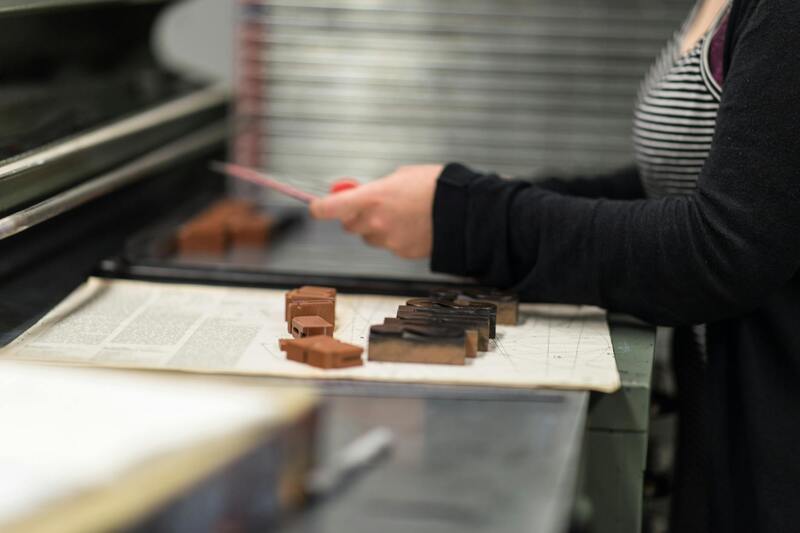
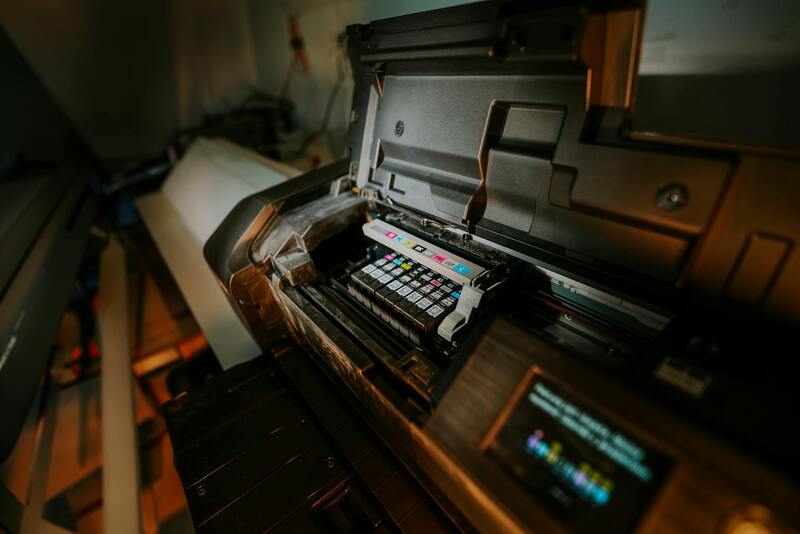
Advanced printing techniques can significantly enhance the visual appeal and tactile experience of your business cards. Digital printing offers quick turnaround times and cost-effective solutions suitable for bulk orders with complex designs or color variations. Offset printing provides superior quality, sharpness, and color fidelity for larger quantities, making it ideal for professional corporate cards. Special techniques such as letterpress printing add an artisanal touch with deep impressions, contributing to luxury branding. Screen printing can be used for bold, vivid designs, while foil stamping provides metallic accents that evoke elegance and exclusivity. Embossing and debossing offer tactile differentiation by raising or lowering design elements, making certain details pop or recede, respectively. Applying spot UV coating selectively highlights key design features, adding visual interest and sophistication.

Importance of Business Cards in Singapore
In Singapore’s dynamic business environment, a professionally designed business card remains a vital tool for establishing and reinforcing brand identity. As the first tactile impression of your professionalism and attention to detail, business cards facilitate instant recognition and trust among clients, potential partners, and industry peers. Given Singapore’s status as a global corporate hub, the ability to convey your brand message effectively through a well-crafted card can significantly influence ongoing business relationships. High-quality cards not only reflect your company’s credibility but also serve as a lasting impression that can differentiate you in a competitive market. Additionally, incorporating innovative features available in Singapore's printing industry—such as NFC integration or unique finishes—can further elevate your business branding strategy, making your contact details more memorable and engaging. Ensuring your business cards meet both aesthetic and functional standards positions your brand for recognition and ongoing success in Singapore’s diverse industries.
Choosing the Right Design for Business Cards
The design process should align with your brand’s core identity and industry standards, ensuring that your card stands out yet remains appropriate. Elements to consider include the layout, font choice, color scheme, and overall aesthetic. The layout must prioritize clarity, with essential information such as your name, title, company name, and contact details prominently displayed. Visual elements, like logos and imagery, should complement the message without cluttering the design. Industry-specific styles may influence design choices; for instance, creative professionals might opt for bold visuals, while corporate entities favor minimalist elegance. Consistency with your existing branding assets enhances recognition, so integrating your logo, color palette, and typographic style is advisable. When considering the shape and size, tailor these features to ergonomic use and industry norms, ensuring your card remains practical and visually appealing.
Materials, Finishes, and Card Stock Options
The selection of materials significantly impacts your business card's durability and tactile appeal. In Singapore, a range of high-quality options is available to meet diverse branding needs. Popular choices include:
- Standard cardstock: Cost-effective, suitable for bulk printing with options for matte, gloss, or satin finishes.
- Luxury materials: Thick, textured stocks like matte velvet or linen surface enhance tactile impression.
- Specialty stocks: Transparent, frosted, or metallic foil-backed cards provide unique visual effects.
Finishing touches further elevate the card's presentation. Matte finishes lend an understated elegance, while gloss adds vibrancy to colors. Soft-touch coatings contribute a plush feel, and matte lamination offers fingerprint resistance. Spot UV coating selectively enhances key design elements for a striking contrast, while foil stamping introduces metallic accents that evoke a sense of prestige. Embossing and debossing techniques can add tactile depth to logos or text, imparting a refined look. Combining these finishes allows businesses to craft an impressive, memorable card tailored to their brand ethos.
Popular Business Card Shapes and Sizes
The conventional rectangular shape measuring 85 x 55 mm remains prevalent, balancing practicality with elegance. However, creative industry professionals and brands seeking to stand out are increasingly experimenting with diverse shapes and sizes. Rounded corners soften visual appeal and reduce corner damage, while die-cut shapes such as circles, squares, or custom silhouettes create distinctive profiles. Larger or unconventional sizes facilitate more extensive visual storytelling but might compromise portability. Mini-cards or slim formats cater to minimalist aesthetics, while square cards evoke modern sophistication. When selecting a shape or size, consider industry standards, intended use, and how well the card complements your overall branding. Ensuring the design fits within printable area limitations and does not impede information readability is crucial for functional effectiveness.
Printing Techniques for Business Cards
Advanced printing methods are instrumental in enhancing both visual impact and tactile experience. Digital printing offers rapid turnaround and cost-efficiency for short runs, with the ability to include complex color variations and images. Offset printing excels in producing high-volume orders with superior sharpness, color fidelity, and consistency, making it suitable for corporate branding. Techniques like letterpress printing introduce a tactile, embossed feel that adds a touch of artisanal finesse, perfect for luxury branding. Foil stamping imparts a metallic sheen to logo elements or text, creating a refined, high-end look. Spot UV coating is employed to highlight specific design features, adding depth and contrast. Embossing and debossing provide a tactile dimension, elevating design elements. Screen printing allows bold, vivid colors, often used for promotional cards or limited editions. The choice of technique should align with your brand’s positioning, desired aesthetic, and budget considerations while emphasizing quality and durability.
Ensuring Your Business Card’s Longevity with Proper Methods in Singapore
Achieving a business card that stands out and maintains its quality over time involves selecting appropriate printing techniques and understanding the best practices for preservation. In Singapore, the competitive market demands that your business cards not only reflect your brand identity but also endure daily handling without significant wear and tear.
Utilization of High-Quality Materials
The foundation of a durable and aesthetically appealing business card is the choice of premium materials. Selecting high-grade card stocks such as 300gsm or higher for your print run ensures robustness. Options like matte, gloss, or satin finishes can influence the card’s resistance to smudging and scratching, providing additional protection. For cards subjected to frequent handling, laminated finishes—either gloss or matte—offer an extra shield against physical damage and environmental factors like moisture or dirt.
Advanced Printing Techniques for Enhanced Durability
Employing specialized printing methods contributes significantly to the longevity of your business cards. Digital printing facilitates quick, cost-effective production with vibrant color outputs, suitable for short or on-demand runs. Offset printing excels in vibrant color reproduction with consistent results across large volumes, ideal for bulk orders. For a distinguished tactile experience, techniques such as letterpress or embossing not only enhance visual appeal but also add a layer of physical resilience, reducing the likelihood of surface damage.

Protective Coatings and Finishes
Applying protective coatings is crucial for extending the lifespan of business cards. Spot UV coatings provide a glossy highlight to specific design elements, not only creating visual contrast but also adding a protective layer against scratches. Foil stamping features metallic details that resist fading and smudging, while lamination offers comprehensive surface protection. Combining these finishes with sturdy materials results in business cards that maintain their aesthetic appeal despite frequent contact.
Proper Handling and Storage Tips
Beyond technical considerations, how business cards are handled impacts their durability. Encourage recipients to store cards in protective holders or card cases to minimize bending and exposure to harsh conditions. For business owners, organizing cards in dedicated holders or drawers prevents unnecessary wear and tear, ensuring they remain in prime condition for potential clients and partnerships.
Maintaining Your Business Cards for Branding Impact
- Handle with clean hands to prevent smudges and dirt buildup.
- Avoid bending or folding the cards to preserve the integrity of the printed design.
- Store your cards in a cool, dry environment to prevent warping or moisture damage.
- Regularly inspect and replace worn cards to uphold a professional image.
Choosing a Reliable Printing Service in Singapore
Partnering with a trusted printing provider like disc-print.com ensures access to quality materials, advanced printing techniques, and comprehensive finishing options. Evaluating the service provider’s portfolio, customer reviews, and after-sales support can help you secure a supplier committed to high standards. An experienced printing partner will also advise on the best options for your specific needs, balancing aesthetics, durability, and budget.