Understanding Custom Business Card Printing
Custom business card printing is a specialized service that enables professionals and organizations to create uniquely tailored cards that reflect their brand identity and personal style. Unlike standard business cards, which typically follow a one-size-fits-all template, custom printing offers a wide array of options for materials, finishes, designs, and features. This process empowers individuals and companies to differentiate themselves in competitive markets by leaving a lasting impression.
The core advantage of custom business card printing lies in its flexibility and ability to incorporate distinctive elements. The process involves selecting premium-quality materials, choosing from various finishes, and designing layouts that align with branding goals. Whether it's embossed logos, metallic accents, or textured surfaces, customization elevates the tactile and visual appeal of the card. These personalized attributes ensure that the card not only conveys contact information but also reinforces brand recognition and professionalism.
Compared to standard options, custom business card printing provides notable benefits, including improved brand visibility, increased memorability, and a competitive edge in networking and marketing efforts. Carefully crafted cards can serve as powerful tools for making meaningful connections and establishing credibility within any industry.
Key features of custom business card printing include the ability to:
- Utilize premium materials such as thick cardstock, textured surfaces, or transparent plastics
- Incorporate unique finishes like matte, gloss, or soft-touch coatings
- Embed special design elements such as embossing, foil stamping, or spot UV
- Personalize layouts with custom shapes, sizes, and additions like QR codes or social media icons
Choosing custom options ensures that each card aligns perfectly with branding strategies, making it a versatile and impactful marketing asset. This level of personalization helps businesses stand out in distribution, fostering stronger connections and reinforcing their professional image during meetings, conferences, or networking events.
In the context of professional identity and marketing, custom business card printing represents a strategic investment. It reflects attention to detail, quality, and a commitment to leaving a distinguished impression. As a result, organizations that opt for customized solutions benefit from enhanced credibility and a refined presentation that resonates with their target audience.
Materials and Finishes for Custom Business Cards
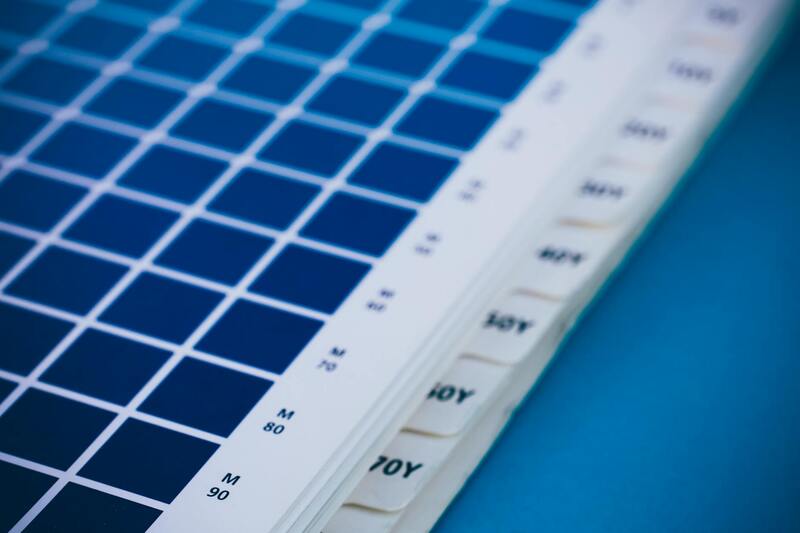
When selecting materials for bespoke business cards, a wide array of options is available to suit different branding needs and aesthetic preferences. Premium cardstock remains the most popular choice, with thickness levels ranging from 14pt to 32pt, offering substantial durability and a luxurious feel. Textured surfaces such as linen, suede, or matte soft-touch finishes provide tactile appeal, making a memorable impression upon contact.
Transparent plastics, including acetate and polycarbonate, enable the creation of distinctive, modern designs that convey transparency and innovation. Additionally, metallic papers and foil papers introduce a subtle shimmer or bold metallic shine, elevating the overall look.
Finishing Options to Enhance Visual Appeal
- Matte Finish: Offers a sophisticated, glare-free surface ideal for detailed graphics and text.
- Gloss Finish: Adds vibrancy and depth, making colors pop and details stand out vividly.
- Soft-Touch Coating: Provides a velvety feel that conveys luxury and quality.
- Spot UV Coating: Focuses glossy coating on specific areas, highlighting logos or key design elements.
- Embossing and Debossing: Introduces a tactile dimension by raising or embossing elements for a textured effect.
- Foil Stamping: Delivers reflective, metallic accents that can emphasize logos or decorative borders.
Incorporating these finishes enhances not only aesthetics but also the durability of the cards, ensuring they withstand handling over time. The choice of material and finish should align with the overall branding message, whether that entails a sleek modern image or a more textured, artisanal feel.
Design Considerations and Personalization Options
A bespoke business card's impact largely depends on thoughtful design choices and personalization features. It is essential to balance visual appeal with functionality, making sure essential contact details are legible and well-organized. Designers often contemplate these aspects:
- Shape and Size: Custom shapes like rounded corners, circular, or die-cut designs can break away from the conventional rectangular format, creating visual interest and better brand alignment.
- Color Schemes: Matching the brand palette ensures consistency while allowing for creative flexibilities such as dual-tone or gradient backgrounds.
- Typography: Choosing the right fonts and text sizes is crucial for clarity, especially when including multiple contact points or social media handles.
- Inclusion of Graphics and Logos: High-resolution logos or graphical elements should be integrated seamlessly, avoiding clutter yet maintaining visual hierarchy.
- Embedding Features: QR codes, NFC chips, or social media icons can be embedded directly into the design, providing quick access to online resources and contact details.
Personalization extends beyond visuals to the use of specific features like embossed initials, custom patterned backgrounds, or subtle textures that reflect the brand's essence. Properly planned design considerations help ensure each card communicates professionalism while making a memorable impression.
Printing Techniques for Custom Business Cards
Understanding the various printing methods helps optimize the quality and effects achievable in custom business cards. Common techniques include:
- Offset Printing: Preferred for high-volume orders, this method provides consistent color accuracy and sharp details, making it suitable for intricate designs and branding purposes.
- Digital Printing: Ideal for small batches or on-demand scenarios, offering quick turnaround times while maintaining color fidelity. It is also cost-effective for short runs with personalized content.
- Letterpress Printing: This method employs a raised type or image, creating an embossed effect that adds a tactile dimension and a sense of craftsmanship.
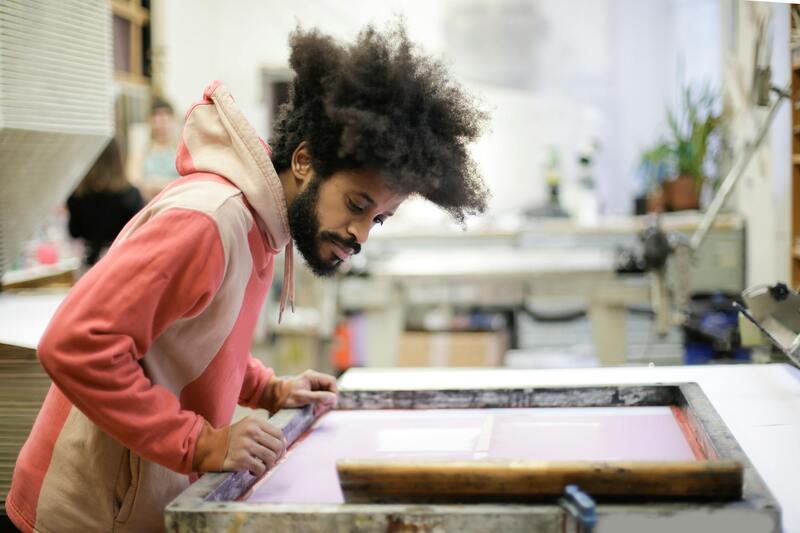
- Screen Printing: Suitable for applying vibrant colors or special finishes on thicker materials like plastic or textured surfaces.
Additional enhancements, such as foil stamping or spot UV, are often combined with these techniques to maximize visual impact. Selecting the appropriate printing technology ensures high-quality results that serve the intended branding and design objectives.
Materials and Finishes for Custom Business Cards
Choosing the right materials and finishes for custom business cards plays a crucial role in ensuring the cards not only attract attention but also stand the test of time. Material options range from traditional paper stocks to innovative alternatives like plastic, metal, or textured surfaces, each offering distinct tactile and visual qualities. Standard paper stocks are available in various thicknesses, such as 14pt, 16pt, or even 32pt, allowing for a substantial and durable feel that reinforces professionalism and quality.
When selecting finishes, techniques like gloss, matte, or satin coatings add layers of visual appeal and protection against wear and tear. Gloss finishes can enhance colors, making them vibrant and eye-catching, whereas matte options provide a subdued, sophisticated look with minimal glare. Satin finishes strike a balance, offering smoothness with a subtle sheen.
Specialty finishes and textures add further depth and uniqueness. Embossing or debossing creates a raised or recessed effect that emphasizes key design elements, providing a tactile experience that encourages engagement. Soft-touch finishes also lend a premium feel, subtly cushioning the surface and enhancing overall perception.

Official and Reliable Printing Methods for Custom Business Cards
When it comes to producing high-quality custom business cards, selecting the appropriate printing method is crucial. Reliable and proven techniques ensure that the final product aligns with the brand’s identity, durability requirements, and aesthetic preferences. Here are some of the most widely recognized and professional methods used in the industry:
- Offset Printing: A traditional method favored for large volume orders, offset printing delivers exceptional color accuracy and sharp detail. Utilizing metal plates, this process transfers ink onto the card stock, making it ideal for complex designs and vibrant color consistency across bulk production. Offset printing involves a meticulous setup but offers cost efficiency at scale, making it suitable for companies requiring numerous identical cards.
- Digital Printing: Perfect for smaller quantities or designs requiring frequent updates, digital printing offers quick turnaround times without the need for elaborate setup. This method directly prints digital files onto the card surface, allowing for personalization, variable data printing, and short lead times. While it may have slight limitations in color vibrancy compared to offset, advances in digital printing technology have narrowed this gap substantially, ensuring high-quality results.
- Letterpress Printing: A traditional and highly regarded technique, letterpress involves pressing the design into the paper, creating a distinct tactile effect. This method lends a classic, sophisticated feel to the business card, especially suitable for brands that aim for a vintage or artisanal appeal. The physical impression can include recessed text or images, adding dimensionality and enhancing the sensory experience.
- Specialty Printing Techniques: For unique and eye-catching finishes, professionals may incorporate techniques like foil stamping, embossing, debossing, UV coating, or spot varnishing. These methods add texture, shine, or contrast to specific design elements, elevating the card’s visual impact and conveying a sense of exclusivity. Each specialty process requires specialized equipment and expertise to execute flawlessly, underscoring the importance of working with experienced printing providers.
Ensuring Proper Method Selection
Choosing the right printing method depends on various factors such as budget, desired aesthetic, production volume, and turnaround times. Collaborating closely with a reputable printing service ensures a thorough understanding of these parameters, leading to a final product that meets professional standards. It’s also essential to provide high-resolution design files and clear specifications to prevent errors and ensure that the chosen technique accurately reproduces the desired look and feel.
Understanding Custom Business Card Printing
Custom business card printing is a vital element of professional branding, providing a tangible and memorable way to share contact information and reinforce your brand identity. When opting for personalized cards, businesses and individuals can select from a broad range of customization options, including design, material, finishes, and printing techniques. This process involves translating your unique brand elements—such as logo, color scheme, and messaging—into a high-quality printed product that stands out and leaves a lasting impression. With advancements in printing technology, it’s possible to achieve precise details and vibrant color reproduction. Whether you aim for a sleek, minimalist look or a highly detailed, intricate design, choosing the right custom business card printing method ensures your cards are both functional and visually appealing. It is essential to understand the core aspects of the printing process, which include selecting appropriate materials, employing suitable finishes, and utilizing innovative printing techniques to elevate the card's aesthetic value. Working with a professional printing provider like disc-print.com guarantees access to expert advice and high standards, ensuring your business cards effectively represent your brand across various contexts. Custom business card printing involves multiple stages, from initial concept and design to the final quality check. Carefully considering each of these can significantly impact the overall effectiveness of your business cards in professional networking and marketing efforts. When executed correctly, these cards become an extension of your brand’s identity, providing a seamless, professional impression every time.

Materials and Finishes for Custom Business Cards
The choice of material and finish plays a crucial role in how your business card communicates your brand’s identity and standing. The selection starts with fundamental materials such as cardstock, textured paper, or specialty stocks that match your desired durability and tactile quality. High-quality cardstock, for example, offers a sturdy feel, enhancing the perceived value of the card, while textured or recycled papers can convey a sense of eco-friendliness or artistry. When it comes to finishes, options range from matte and gloss coatings to more specialized treatments like soft-touch matte or silk finishes. Matte coatings yield a sophisticated, understated look that minimizes glare, whereas gloss finishes amplify vibrancy and shine, making colors pop. For added visual interest and tactile appeal, specialty finishes can incorporate embossing, debossing, foil stamping, spot UV coating, and gloss varnishes. These techniques can accentuate particular design elements, such as logos or borders, creating a striking contrast and enhancing physical texture. Some businesses opt for eco-friendly or sustainable materials, aligning their branding with environmental responsibility. Additionally, specialty textured stocks or laminated layers can provide extra durability, protecting your business cards from wear and tear while maintaining their aesthetic appeal. In choosing the right combination of material and finish, it’s essential to consider factors such as budget, branding message, and the intended impression. Moreover, collaborating with experienced printing specialists ensures that these selections are executed flawlessly, allowing for a cohesive look and feel that resonates with your target audience.
Design Considerations and Personalization Options
Design plays a pivotal role in how your custom business cards are perceived. An effective design should balance aesthetics with clarity, ensuring that key information is easily readable while showcasing your brand’s personality. When creating your card, consider layout, typography, color palette, and visual elements that align with your company's branding guidelines. Personalization options extend beyond simple design choices. QR codes can be incorporated to direct recipients to digital portfolios or websites, while unique shapes and die-cut designs can give your card an unusual profile that stands out physically. Additionally, integrating embossed or debossed logos, foiled accents, and custom textures can create a distinctive sensory experience, reinforcing brand recognition. Color schemes should reflect your brand identity—using consistent palette choices across all marketing channels enhances brand coherence. White space is equally important; it allows key elements to breathe and improves overall readability. Furthermore, typography choices should match the tone of your brand, whether professional, creative, or casual. Leveraging personalization options such as rounded corners, layered elements, or non-traditional materials can elevate your business card to a memorable marketing tool. Working closely with designers and printing professionals helps to realize these ideas effectively, ensuring that your business cards not only convey essential contact information but also communicate your brand’s distinct identity in a visually compelling manner.

Understanding Custom Business Card Printing
Custom business card printing offers a strategic advantage for professionals aiming to leave a lasting impression. It involves tailoring every aspect of a card—from material selection to finishing touches—to reflect a company's unique brand identity. This process goes beyond simple contact sharing, transforming business cards into powerful marketing tools that showcase professionalism and creativity.
When engaging in custom business card printing, it is essential to work with reputable vendors that adhere to quality standards. High-quality materials and advanced printing techniques ensure that every card not only looks visually appealing but also withstands everyday handling. Properly executed custom printing emphasizes clarity, color fidelity, and durability, producing a product that effectively communicates your brand's values and style.

Understanding the nuances of custom printing allows businesses to differentiate themselves in competitive markets. Whether choosing unique shapes, textured finishes, or personalized embellishments, each element contributes to a memorable first impression. Custom business cards can be adapted for various industries, from corporate environments to creative fields, by aligning design and material choices with brand messaging.
Materials and Finishes for Custom Business Cards
The foundation of a distinctive business card lies in the selection of materials. Standard options include durable cardstock, which provides a sturdy feel, and specialty materials such as matte, gloss, or soft-touch finishes that add tactile appeal. Thicker stock often conveys a sense of quality, making the card more resistant to wear and tear over time.
Finishing options further elevate the appearance and feel of the cards. Common finishes include:
- Matte Finish: Offers a non-reflective surface with a sophisticated, understated look, ideal for professional settings.
- Glossy Finish: Provides a shiny surface that enhances colors and sharp visuals, perfect for vibrant designs.
- Soft-Touch Coating: Adds a plush, velvety texture, creating an inviting tactile experience.
- Textured Finishes: Including linen, leather, or canvas textures that introduce differentiation and a unique sensory dimension.
Specialty finishes such as foil stamping, spot UV coating, or UV gloss can add metallic accents or gloss highlights to specific areas, like logos or borders, emphasizing branding elements and adding visual interest. Embossed or debossed details create a three-dimensional effect that enhances logo prominence and tactile appeal.
Design Considerations and Personalization Options
Effective business card design balances visual appeal with functionality. Incorporate your brand elements such as logo, color palette, and typography to ensure consistency. Emphasize readability by choosing appropriate font sizes and styles that suit your industry and brand voice.
Personalization extends into the choice of shape, size, and layout. Non-traditional shapes like rounded corners or custom die cuts can make a card stand out physically. Additionally, incorporating dynamic elements such as QR codes facilitates easy access to digital portfolios or contact details, blending traditional networking tools with modern technology.
Other personalized options include layered designs, business cards with cut-outs, or the use of transparent and metallic materials. These choices not only serve aesthetic purposes but also reinforce your brand identity, making the card memorable and engaging to recipients.
Printing Techniques for Custom Business Cards
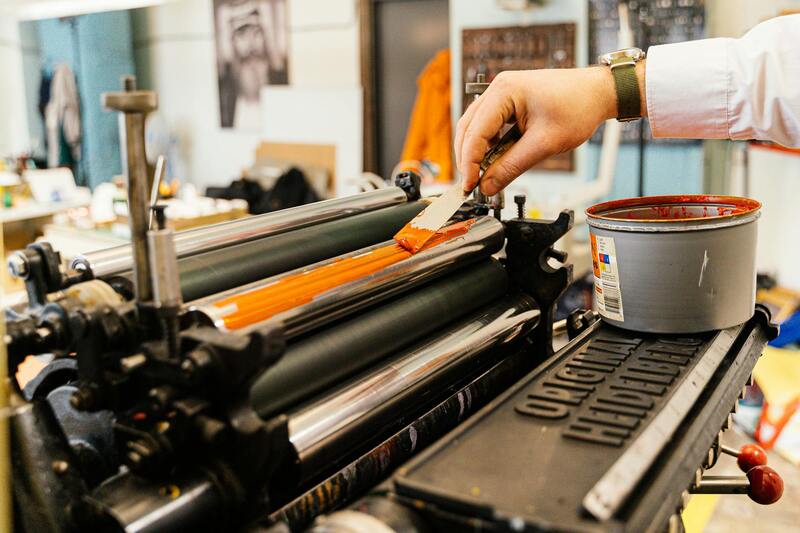
A variety of printing techniques allow for detailed and high-quality production of personalized business cards. Offset printing remains a popular method for bulk orders, providing crisp visuals and precise color matching. Digital printing offers flexibility for shorter runs and quicker turnaround times, maintaining high quality with cost efficiency.
Specialized techniques include:
- Letterpress: Creates indentations on the paper, adding a tactile dimension and a sense of craftsmanship.
- Foil Stamping: Applies metallic foils for luxurious accents, perfect for logos or brand motifs.
- Embossing and Debossing: Produces raised or recessed patterns that add texture and depth.
- Spot UV Coating: Highlights specific design elements with a glossy finish, contrasting with matte backgrounds for visual impact.
Choosing the appropriate printing method depends on the design complexity, quantity, and desired aesthetic. Combining multiple techniques can lead to stunning, multi-dimensional effects that solidify brand presence.
Understanding Custom Business Card Printing
Custom business card printing is a strategic process that transforms a simple contact tool into a powerful branding asset. The process involves precise selection of materials, innovative design, and advanced printing techniques to produce an item that reflects your professional identity. Whether you aim for a classic, minimalist look or a bold, intricate design, choosing the right printing method and materials ensures your business cards leave a lasting impression.
Materials and Finishes for Custom Business Cards
The foundation of an exceptional business card lies in its material choice. Popular options include cardstock, which offers durability and a premium feel; plastic, providing waterproof qualities and a modern look; and specialty materials like textured paper or eco-friendly options. Finishes further enhance visual appeal and tactile experience. Matte finishes deliver a sophisticated, glare-free surface; gloss coatings provide vibrancy and sharpness; while soft-touch coatings add a velvety feel conducive to a luxurious presentation.
Additional finish options serve to elevate the design:
- Spot UV coating: Adds a high-gloss accent to specific design elements, creating contrast against matte backgrounds.
- Rounded corners: Softens the card’s edges, offering a refined aesthetic and increased durability.
- Textured finishes: Embossed, debossed, or linen textures can evoke a tactile response, reinforcing brand attributes.
Design Considerations and Personalization Options
Effective design is crucial to ensure your business card communicates the right message while capturing attention. It involves thoughtful placement of logos, contact details, and branding elements, combined with color schemes that align with your corporate identity. Incorporating personalization options like embossed logos, custom typography, or unique graphic elements can make your card stand out.
Personalization extends beyond aesthetics. Consider integrating functional features such as QR codes, holographic accents, or NFC chips for digital interactions. These elements facilitate seamless engagement with digital platforms, providing instant access to portfolios, websites, or contact information. Such features not only enhance usability but also showcase innovation and a forward-thinking approach.
Printing Techniques for Custom Business Cards
A variety of advanced printing methods allow for intricate, vibrant, and high-quality output of customized business cards. The most prevalent techniques include:
- Offset Printing: Ideal for bulk orders, offset printing delivers premium color accuracy and sharp detail, making it suitable for complex designs with multiple colors.
- Digital Printing: Suited for short runs and quick turnaround, digital printing provides flexibility with design modifications and cost efficiency while maintaining high standards.
- Letterpress: This technique imparts an embossed or debossed effect, creating tactile depth and a sense of craftsmanship.
- Foil Stamping: Adds metallic accents, exemplifying luxury and elegance, especially effective for logos or brand motifs.
- Embossing & Debossing: Generate raised or recessed patterns that give your card a three-dimensional texture, enhancing both aesthetics and feel.
- Spot UV Coating: Used to highlight specific design features with a glossy finish, contrasting beautifully with matte or uncoated backgrounds.
Combining these techniques enables the creation of multi-dimensional designs that reinforce brand identity and make your business card a memorable touchpoint.

Ensuring Compliance in Custom Business Card Printing
When creating premium business cards through custom printing, understanding the adherence to official standards and best practices is vital. Legitimate printing methods rely on recognized processes that uphold industry quality benchmarks, ensuring the final product meets professional expectations and branding requirements. This involves utilizing certified printing equipment, adhering to color management standards, and following precise registration techniques to maintain sharpness and accuracy throughout the production process.
Maintaining consistency in color reproduction is achieved through standardized color profiles such as CMYK, which ensures that colors appear as intended across different printing batches and materials. Accredited printing facilities employ strict quality control protocols, including regular equipment calibration and thorough inspections at various production stages. This guarantees that the output aligns with approved digital proofs and specifications provided by clients.
Legitimate Methods in Custom Business Card Production
- Certified Offset Printing: Utilized for large quantities, offset printing ensures consistent high quality, precise color matching, and crisp detail. This method is ideal for bulk orders requiring exact reproduction of complex designs.
- Authorized Digital Printing: Suitable for short runs, digital printing offers flexibility and rapid turnaround times without sacrificing quality. Verified digital presses maintain consistency and color accuracy through strict calibration and color profiling.
- Traditional Letterpress and Embossing: These manual techniques involve precise craftsmanship using official presses and dies, producing tactile impressions that conform to recognized standards of quality and safety.
- Specialty Finishes with Compliance: Foil stamping, spot UV coating, and other decorative techniques are performed with authorized equipment, ensuring durability and adherence to material safety guidelines.
Why Choice of Reputable Printing Services Matters
Selecting a trusted printing provider ensures that the entire process—from artwork submission to final product—follows validated procedures. Certified printers implement quality assurance measures, like proof approvals and sampling, to verify that design elements, colors, and finishes meet the specified standards. They also comply with environmental and safety regulations by using environmentally friendly inks and materials that are safe for handling and mailing.
Moreover, professional printing companies maintain detailed documentation and records of their production processes, enabling traceability and accountability for each batch produced. This commitment to quality and compliance translates into business cards that accurately reflect your brand's professionalism and integrity.

Verifying Your Printing Partner’s Credibility
- Seek providers with recognized industry certifications or memberships in professional organizations, which reflect their commitment to quality standards.
- Review samples and portfolios to assess print precision, color fidelity, and finish consistency.
- Request detailed quotations and proofs to confirm that all specifications are met before proceeding with large orders.
- Ensure the supplier uses environmentally safe inks and conforms to safety regulations regarding materials and waste disposal.
By focusing on these criteria, businesses can confidently engage in custom business card printing that not only elevates their brand but also aligns with best practices. An investment in reputable, compliant printing methods guarantees the production of high-quality cards that leave a durable impression and reflect organizational integrity.