Importance of High-Quality Business Cards
In the competitive landscape of today's professional environment, the significance of high-quality business cards cannot be overstated. These tangible representations of your brand serve as crucial tools for making meaningful first impressions and establishing credibility. A meticulously crafted business card reflects your professionalism, attention to detail, and dedication to quality, thereby reinforcing your brand’s image in the minds of clients and partners.
Premium business cards are more than mere contact information carriers; they are strategic marketing assets that can differentiate your business from competitors. In a world increasingly dominated by digital communication, the tactile experience of a well-designed, high-quality card can leave a lasting impression that digital exchanges often lack. This lasting impression can translate into enhanced trust and recognition, paving the way for future collaborations and opportunities.
The right choice of a business card can elevate your personal brand and project a confident, competent image. When an individual receives a business card that feels substantial and visually appealing, it subconsciously signals a level of seriousness about their business endeavors. Such cards can instill confidence and foster positive perceptions that extend beyond the initial encounter.
Furthermore, high-quality cards often incorporate features like durable cardstock, refined finishes, and intricate design elements, which contribute to their perception as valuable and trustworthy. As a result, investing in superior material and design elements pays dividends in establishing long-term relationships and opening doors to new opportunities.

In summary, the importance of high-quality business cards lies in their ability to enhance brand perception, reinforce professionalism, and create memorable encounters that can lead to fruitful business relationships. Selecting the right materials, incorporating thoughtful design, and understanding key features of premium printing are essential steps in producing business cards that truly represent your brand’s values and aspirations.
Key Features to Consider in Business Card Printing
When planning to print your own business cards, paying attention to specific features can significantly impact the final product’s quality, durability, and overall impression. The primary elements include material selection, finishes, and design features, all of which contribute to the card’s visual appeal and longevity.
Material Quality and Types
The choice of material forms the foundation of your business card's durability and tactile appeal. Heavyweight cardstock, typically ranging from 300 to 400 gsm, offers a sturdy, substantial feel and resists bending or tearing. Specialty materials such as textured, matte, or glossy finishes add unique tactile sensations that can distinguish your cards from competitors. For businesses seeking a premium look, options like silk or soft-touch finishes provide an elegant touch, elevating the perceived value of your brand.
Additionally, transparent or printable plastics are increasingly popular for modern designs, offering a sleek, contemporary aesthetic. These materials are resistant to water and wear, making them suitable for cards that need to withstand frequent handling.
Finishing Techniques and Effects
Finishes such as UV coating, laminations, foil stamping, and embossing add visual and tactile layers of distinction. For example, spot UV coating highlights specific areas, creating a contrast between matte and glossy textures that draw attention to key information or logos. Foil stamping, whether gold, silver, or colored, imparts a luxurious touch that can enhance brand perception. Embossing and debossing effectively add dimension, making your design elements stand out.
Design Elements for Impact
Thoughtful incorporation of design features, including font choices, color schemes, and minimalistic layouts, should complement the physical qualities of the card. A balanced combination of these elements ensures that your card remains professional, easy to read, and memorable. Ensuring sufficient whitespace and appropriate font sizes contributes to clarity and visual comfort. Additionally, integrating relevant branding elements such as logos and taglines testifies to the importance of cohesive design practices.
Durability and Practical Considerations
Beyond initial appeal, business cards must endure handling in various environments. Consider options like rounded corners to prevent wear and tear, or cards with protective coatings for outdoor use. For digital or eco-conscious brands, recycled or biodegradable materials can align your marketing efforts with sustainable practices. These choices reflect your commitment to quality and environmental responsibility, reinforcing your brand’s integrity.
Cost Implications and Customization Options
Higher-end materials and finishing techniques typically increase costs but offer significant returns in terms of brand perception. Bulk ordering can reduce unit costs, while customization features allow for personalized touches that resonate with your target audience. Many printing services provide online design tools and samples, enabling you to experiment with various options before making a final decision. Implementing features such as QR codes or NFC tags can also add interactivity, linking physical cards to digital content for enhanced engagement.
In the realm of self-printing, selecting the right materials and techniques becomes even more critical. Utilizing high-quality printer-compatible stocks and advanced home or office printing equipment can yield professional-looking results, provided that meticulous attention is paid to calibration and ink quality. Recognizing the capabilities and limitations of your printing setup can help you achieve a refined appearance without external outsourcing, supporting cost-effectiveness and customization.
Choosing the Right Card Stock and Finishes
Selection of the appropriate card stock and finishes plays a crucial role in tailoring your business cards to reflect professionalism and brand identity. Card stock weight, often measured in GSM (grams per square meter), determines the durability and heft of your cards. For instance, a GSM of 350-400 is typically considered premium, offering strength and a substantial feel, while lighter stocks may suffice for more casual or budget-conscious options.
Finish options further enhance the tactile and visual appeal of your cards. A glossy finish provides vibrant colors and a sleek appearance, ideal for designs that feature high-resolution images or striking logos. Matte finishes lend a subdued elegance, reducing glare and allowing for easier readability, especially if your cards include handwritten or printed notes. Soft touch finishes add a velvety texture, elevating the perceived quality of the card and leaving a memorable impression.

Specialty finishes such as foil stamping or spot UV coating are perfect for adding a touch of luxury or highlighting specific elements. Foil accents can be applied in metallic or matte shades to emphasize your logo or contact details, creating an eye-catching contrast. Spot UV coating creates a glossy, raised effect on particular design areas, adding depth and visual interest without overwhelming the overall layout. These finishes not only enhance the visual appeal but also reinforce your brand’s identity by conveying a message of quality and attention to detail.
Implementing Professional Printing Methods
To ensure that your business cards stand out with a polished appearance, it is vital to employ legitimate and trusted printing techniques. The most reliable options involve partnering with reputable printing providers who use advanced technology and adhere to industry standards. Digital printing is a popular method, offering high-quality output with fast turnaround times. It utilizes electronic files directly transferred onto the printing press, making it suitable for short runs, customized designs, and quick revisions.

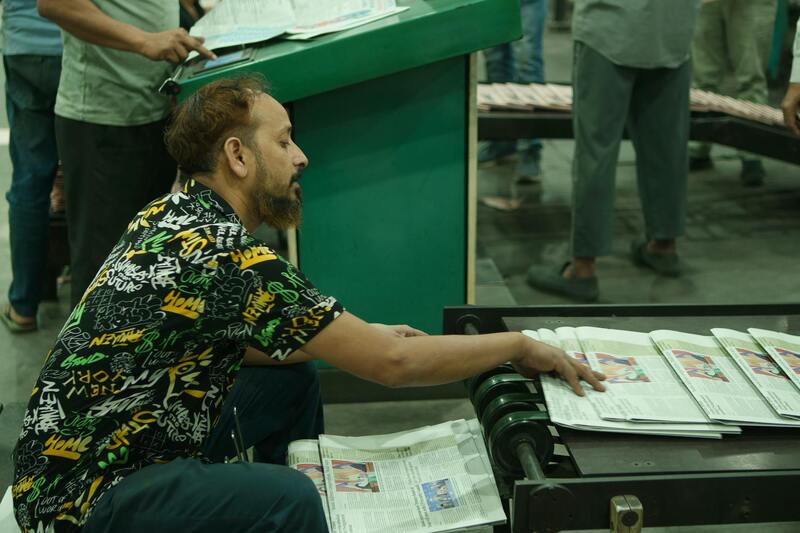
Offset printing is another legitimate technique favored for producing large quantities with superior color accuracy and consistency. This method involves transferring ink from a plate to a rubber blanket before printing onto the card stock. Offset printing is cost-effective when producing high-volume orders and yields vibrant, crisp images that convey professionalism. For specialty finishes or detailed designs, UV coating is often applied on top of printed cards to add durability and vibrancy, reinforcing the visual impact of your brand identity.
Ensuring Accuracy and Quality Control
When printing your own business cards through official channels, quality control remains a top priority. Legitimate printing services implement comprehensive checks to prevent errors such as color mismatches, misalignment, or printing defects. They use color calibration tools and high-resolution presses to maintain consistency across batches. This attention to detail guarantees that your cards reflect the intended design and uphold your brand standards effectively.
Moreover, professional printers provide proofing options, allowing you to review digital samples prior to production. This step helps catch inaccuracies and approve color matches, font clarity, and overall layout, reducing the risk of costly reprints.
Utilizing Approved File Formats for Print
To secure the best results, ensure that your design files are prepared using accepted formats such as PDF, AI, or EPS. These formats preserve image resolution and color integrity, facilitating seamless printing. Using high-resolution images (300 dpi or higher) is crucial, especially for logos or detailed artwork, as lower resolution files can result in pixelation or blurriness.
It is also important to embed or convert fonts within your files to maintain typography consistency. Avoid using unsupported or low-quality images, and ensure color modes are set to CMYK rather than RGB, to align with printing standards. When all elements are prepared according to these specifications, you maximize the output quality and ensure your business cards accurately reflect your brand’s professionalism.
Addressing Concerns with Print Quality and Authenticity
While many opt for printing their business cards independently, it is advisable to rely on authorized printing providers that uphold industry best practices. Legitimate vendors use certified equipment, high-grade materials, and proven techniques to produce durable and attractive cards. This adherence not only guarantees visual appeal but also ensures the longevity of printed materials, making a consistent impression every time you distribute your cards.
Choosing reputable sources also means access to comprehensive customer support, which can guide you through design adjustments, material selections, and troubleshooting, ultimately leading to a professional and effective finish for your business cards.
Choosing the Right Card Stock and Finishes
When it comes to creating business cards that stand out, selecting an appropriate card stock and finish is essential. The type of paper you choose not only impacts the durability of your cards but also influences their visual appeal and tactile experience. High-quality cardstock options typically range from 14 pt to 32 pt thickness, with heavier weights providing a more substantial, premium feel. Thinner options may be suitable for cost-conscious purposes, but they tend to lack the durability and luxury perception desirable in professional settings.
In addition to weight, finishes play a crucial role in the overall presentation of your business cards. Options such as matte, gloss, and semi-gloss each serve different aesthetic and functional purposes. Matte finishes lend a sophisticated, understated look with reduced glare, ideal for minimalist designs or if you wish to incorporate handwritten notes. Conversely, glossy finishes enhance color vibrancy and detail, making them perfect for visually striking logos and images. Semi-gloss finishes strike a balance, offering vibrant colors with moderate glare, suitable for versatile branding needs.

Specialty finishes can further elevate the perceived quality of your cards. These include UV coating, which adds a protective layer to enhance durability and shine; soft-touch coatings that give a velvety texture for a premium tactile experience; and embossed or Raised Spot UV techniques that add tactile dimension and visual interest. When selecting finishes, consider the nature of your brand and the message you wish to convey—professional, creative, innovative, or approachable.
Additional Considerations for Printing Durable Business Cards
- Water Resistance: Coated finishes like UV gloss provide resistance to water and smudging, increasing longevity.
- Color Retention: High-quality finishes help preserve vibrant colors and intricate designs over time.
- Edge Quality: Precise cutting of edges enhances the professional appearance and reduces fraying, especially with thicker stocks.
- Environmental Impact: Eco-friendly options such as recycled paper or vegetable-based coatings are available for environmentally conscious branding.
By carefully selecting the appropriate stock and finishes, you can effectively communicate your brand’s identity and values, making your business cards memorable and impactful. Leveraging professional printing services like disc-print.com ensures access to a diverse range of premium materials and finishes, and guarantees a polished, durable product that aligns with your intended image.
How to Print Your Own Business Cards in Singapore
Printing your own business cards in Singapore is a straightforward process that combines meticulous planning with careful execution. It allows entrepreneurs and professionals to craft tailored branding materials that reflect their unique identity while maintaining quality and durability. To achieve optimal results, it is essential to understand the official and reliable methods available, leveraging professional printing standards and proven techniques.
Understanding Professional Printing Standards
High-quality business card printing hinges on adherence to established standards in design, materials, and production processes. These standards ensure that your business cards project a professional image and withstand the rigors of everyday handling. Working with reputable printing service providers in Singapore, such as disc-print.com, guarantees access to state-of-the-art equipment, premium materials, and expert guidance. These services follow industry-best practices to produce crisp, vibrant, and durable cards that leave a positive impression on recipients.
Selecting Certification and Compliance
When choosing a printing provider for your business cards, it is crucial to verify their certification and compliance with official printing regulations. Certified printing companies adhere to safety and quality control protocols, ensuring that every batch meets exacting standards. This includes the use of environmentally friendly inks, sustainable substrates, and adherence to color management systems that guarantee color accuracy and consistency. Confirming a service provider’s adherence to these standards safeguards your investment and results in business cards of exceptional quality.
Utilizing Certified Equipment and Materials
Official methods involve the use of certified printing equipment that complies with industry quality controls. Such equipment ensures precise color calibration, registration, and finishing. Additionally, legitimate sources use only certified substrates and inks, which are tested for durability, colorfastness, and environmental safety. For example, professional printing facilities employ UV coating, soft-touch finishes, embossed effects, and other specialty treatments using approved materials that enhance the tactile and visual appeal of your cards. Access to these certified products ensures your business cards maintain their appearance over time and under various conditions.

Partnering with Authorized Suppliers and Distributors
To ensure your printing process remains within official channels, it is essential to work only with authorized suppliers and distributors of printing materials and equipment. These entities supply certified stocks, inks, and finishing products that meet regulatory and quality benchmarks. By collaborating with authorized channels, you reduce risks related to substandard materials or counterfeit products, thereby safeguarding the integrity and appearance of your business cards.
Adopting Verified Printing Techniques
Official printing methods encompass verified techniques such as digital offset printing, laser and dye-sublimation printing, and advanced finishing processes like embossing, foil stamping, and UV coating. These techniques are executed under regulated conditions to deliver consistent, high-quality results. They also facilitate customization options, including specialty finishes, unique textures, and precise die-cut shapes. Employing these verified techniques not only guarantees quality but also aligns your business branding with industry best practices.
Conclusion
Adhering to the correct, official methods for printing your own business cards in Singapore involves selecting certified materials, utilizing approved equipment, and partnering with authorized providers. This approach ensures that your final product is professional, durable, and capable of making a memorable impression. Leveraging reputable services enhances your brand’s credibility and upholds the integrity of your marketing efforts, providing a solid foundation for business relationships and branding success.
Importance of High-Quality Business Cards
Crafting professional-looking business cards is fundamental in establishing credibility and making a memorable impression. High-quality cards not only reflect your commitment to excellence but also serve as tangible representations of your brand. When your cards exhibit sharp prints, durable materials, and attractive finishes, they communicate reliability and attention to detail that clients and partners value. These factors contribute significantly to fostering trust and setting the tone for future interactions, underscoring the necessity of investing in premium printing techniques and materials.
Key Features to Consider in Business Card Printing
- Material Durability: Selecting sturdy stocks can prevent creases and tearing, ensuring your cards stay pristine after multiple exchanges.
- Print Clarity and Color Fidelity: Utilizing advanced printing processes guarantees vibrant colors and crisp graphics that accurately represent your branding elements.
- Finishing Techniques: Special finishes such as embossing, foil stamping, or UV coating enhance tactile appeal and visual impact, making your cards stand out from the competition.
- Shape and Size: Choosing standard dimensions or custom die cuts can add a distinct touch while maintaining convenience for recipients.
- Consistency with Brand Identity: Ensuring design coherence across all marketing materials reinforces brand recognition and professionalism.
Choosing the Right Card Stock and Finishes

Optimal card stock options include matte, gloss, and silk finishes, each offering unique textures and visual effects. Matte finishes provide a sophisticated, non-reflective surface, ideal for minimalistic designs or those incorporating detailed text. Gloss finishes amplify colors and sharpness, perfect for eye-catching imagery. Silk finishes deliver a smooth, elegant surface with a subtle sheen, balancing vibrancy and professionalism. When choosing finishes, consider how they complement your logo, color palette, and overall branding message.
Designing Your Business Card
Effective design should prioritize clarity, simplicity, and brand consistency. Incorporating your logo prominently, selecting an appropriate font, and maintaining a clean layout enhance readability and visual appeal. Strategic use of whitespace prevents clutter, while contrasting colors direct focus to essential information such as your name, contact details, and social media handles. Consistent branding elements, including color schemes and logo placement, reinforce your corporate identity and ensure cohesive communication across all stations.
Design Tips for Success
- Use high-resolution images and logos to avoid pixelation.
- Employ scalable vector graphics for sharpness at any size.
- Maintain a balanced layout that guides the viewer’s eye naturally.
- Include a clear call-to-action or unique value proposition.
- Opt for fonts that are easy to read both in print and at small sizes.
Printing Options and Technology
Modern printing technologies ensure precise replication of your design with outstanding quality. Digital printing offers quick turnaround times suitable for small quantities or customized batches, utilizing advanced inkjet or laser systems. Offset printing, on the other hand, is cost-effective for larger quantities, delivering consistent high-resolution images and colors. Specialty printing methods such as letterpress or thermography add texture and elegance, providing distinctive tactile experiences. Incorporating finishing techniques like spot UV coating, foil stamping, or embossed text elevates the overall appearance and enhances tactile engagement.
Considerations for Optimal Results
- Ensure artwork files are high-resolution (at least 300 dpi).
- Use CMYK color mode for accurate color reproduction.
- Consult with your printing provider about preferred file formats (PDF, AI, EPS).
- Request proofs before mass printing to verify colors and layout.
- Select finishing options that align with your brand image and budget.
Cost and Turnaround Time for Business Card Printing
The expense of printing your own business cards depends primarily on the chosen materials, quantity, and customization levels. Basic designs on standard cardstock typically start at affordable rates, allowing for cost-effective bulk orders. Premium finishes, specialty shapes, and intricate detailing naturally increase costs but deliver a more luxurious and memorable product. Turnaround times vary based on order complexity and the printer's capacity, with expedited services available for urgent needs. Generally, printing can be completed within a few days to a week, with rush options reducing this window significantly. Planning ahead and working closely with your printing provider minimizes delays and ensures delivery aligns with your marketing schedule.
Practical Methods to Print Your Own Business Cards
Creating your own business cards can be a strategic move to showcase your brand authentically and efficiently. When executed correctly, self-printing offers control over design, timing, and customization, aligning perfectly with specific branding needs. Here are essential and verified techniques to effectively produce professional-grade business cards without relying solely on external vendors.
1. Utilizing Desktop and Commercial Card Printers
One of the most common approaches involves using desktop or professional-grade card printers. These devices, equipped with color laser or dye-sublimation printing technology, produce high-quality, durable cards. They facilitate quick turnaround times and allow on-demand printing, ideal for startups or individuals needing small batch runs. For optimal results, select a printer compatible with PVC or other sturdy card stock and ensure it supports edge-to-edge printing to maximize design space.

When using these printers, ensure your computer is configured with the correct color profiles and high-resolution artwork files, ideally at 300 dpi or higher, to avoid pixelation. Regular maintenance and calibration are essential to preserve print quality, especially when producing large quantities.
2. Employing Printable Adhesive Paper and Cutting Tools
This method involves designing business cards on digital software, printing them onto adhesive sheets, and then manually cutting them with precision tools. This approach is cost-effective, especially for small volumes or personalized cards. High-quality matte or gloss adhesive paper in standard or custom sizes is necessary to ensure a neat appearance and durability.
- Design layout must include guides and bleed margins for accurate trimming.
- Utilize guillotine cutters, craft knives, or dedicated slitters for clean edges.
- Consider rounding the corners or adding embossed features for an elevated aesthetic.
This DIY route allows complete creative control and rapid adjustments but demands attention to detail during the cutting phase to achieve professional results.
3. Digital Cutting and Embossing Devices
Advanced users or small businesses may opt for digital cutters that facilitate intricate shapes, embossed elements, or foil accents. These machines automate trimming and embellishments, turning simple prints into sophisticated business cards. While initial investment can be significant, these tools provide reliable, high-volume output with consistent quality.

Advanced printing and cutting techniques demand compatible design files and careful calibration to prevent misalignments. Implementing these methods can elevate your card’s tactile quality, leaving a more memorable impression on recipients.
4. Incorporating Specialty Printing Techniques
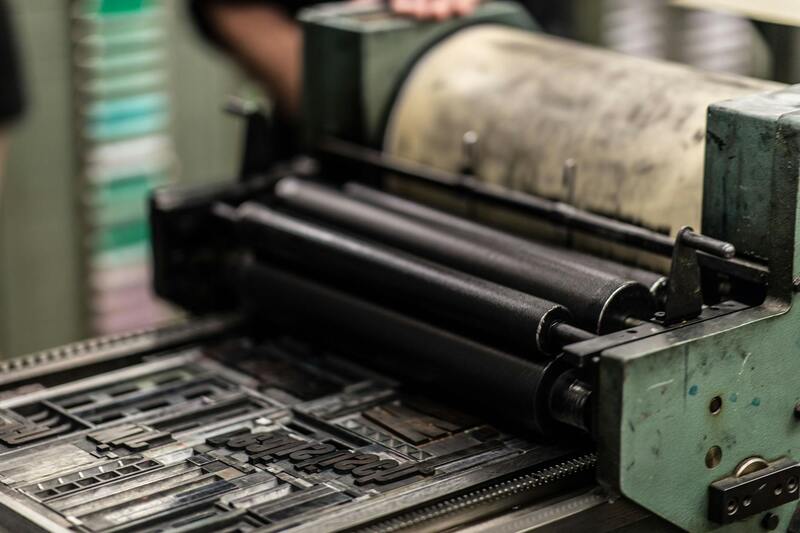
For ventures seeking uniqueness, techniques such as letterpress, thermography, or foil stamping can be integrated into your printing setup. These methods often require specialized equipment but can sometimes be performed in-house through training or partnerships with local print shops. They add texture, shine, or depth to your cards, significantly enhancing visual and tactile appeal.
- Letterpress involves pressing inked designs into thick cardstock for a vintage, textured look.
- Thermography raises the design by applying heat and resin powders, yielding a raised effect.
- Foil stamping applies metallic foils to specific areas, offering a premium finish.
Careful selection of materials and techniques ensures your cards reflect your brand’s quality and identity. Each process requires precise control over parameters like pressure, temperature, and material compatibility.
Key Considerations for Successful DIY Business Card Printing
- Quality of Materials: Use high-grade stock or adhesive paper suited for your chosen printing method. Thicker cardstock (300-400 gsm) provides durability and a luxurious feel.
- Design Optimization: Ensure artwork is in CMYK color mode, with sharp font choices and appropriate bleeds for clean edges.
- Consistent Maintenance: Regular calibration and cleaning of printers help maintain color accuracy and prevent smudging or misprints.
- Work Environment: A dust-free, organized workspace ensures fine details and cuts are precise, resulting in a professional appearance.
Though printing your own business cards requires initial investment and effort, it endows you with complete control over the output. This approach is especially advantageous for tailoring designs swiftly, managing costs, and producing unique textures, shapes, or finishes that align perfectly with your brand image.