Overview of Custom Card Printing Services
Custom card printing services encompass a comprehensive suite of solutions tailored to produce high-quality, personalized cards for various purposes. These services cater to clients seeking to create unique cards that effectively communicate their message or meet specific personal or business needs. The scope of custom card printing includes a wide range of card types, such as business cards, greeting cards, invitation cards, loyalty cards, gift cards, and promotional cards.
In today’s competitive market, custom card printing plays a vital role in branding and marketing efforts. Companies leverage customized business cards to enhance their corporate identity, foster professional relationships, and leave a memorable impression on clients and partners. Meanwhile, individuals utilize custom greeting and invitation cards for personal celebrations like weddings, birthdays, and anniversaries, reflecting their unique style and sentiments.
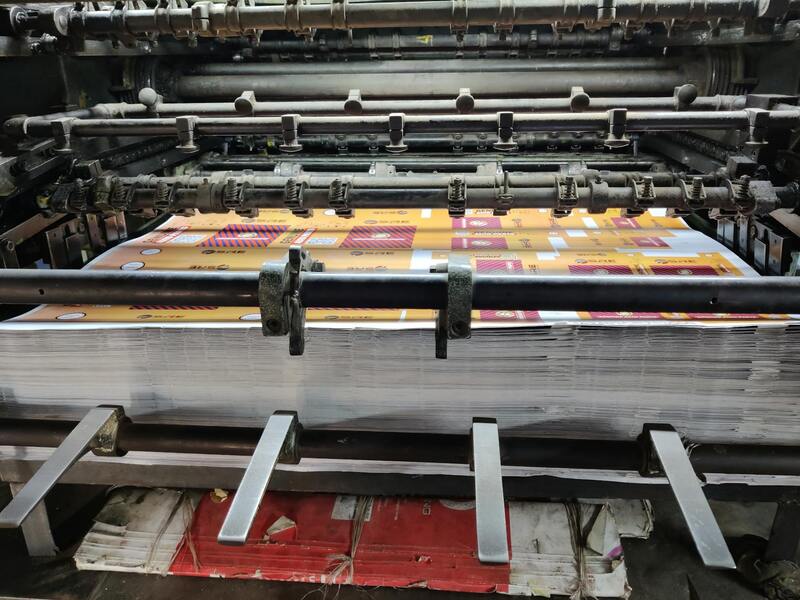
With advancements in printing technology and diverse material options, custom card printing services now offer extensive customization capabilities. Clients can select from various card formats, sizes, finishes, and embellishments to produce truly distinctive products. As a result, custom cards have become an essential element for branding, personal expression, and promotional activities across numerous industries and social contexts.
Types of Custom Cards Offered
- Business Cards: For networking and brand recognition with options for matte, glossy, textured, or embossed finishes.
- Greeting Cards: Personal or corporate greeting cards customized with unique designs, messages, and embellishments.
- Invitation Cards: For events such as weddings, parties, and corporate gatherings, customizable with various themes and formats.
- Loyalty and Membership Cards: Durable, security-enhanced cards for customer loyalty programs or exclusive memberships.
- Gift and Reward Cards: Branded cards to promote products, services, or special offers.
- Promo and Event Cards: Designed for promotional campaigns, product launches, or special events.
Materials and Finishing Options
Custom cards are printable on a variety of materials, each offering distinct textures and durability levels. Common options include:
- Standard Paper Stocks: Matte, gloss, or satin finishes with options for thick or thin paper weights.
- Enhanced Materials: Linen, textured, or recycled papers for a unique tactile experience.
- Plastic and PVC: For durable, waterproof cards such as loyalty and membership cards.
Finishing techniques can elevate the visual appeal and tactile quality of the cards. Popular finishes include:
- UV Coating: Provides a shiny, protective layer that enhances color vibrancy.
- Matte Finish: Offers a sophisticated, glare-free surface ideal for elegant designs.
- Spot UV and Embossing: Adds texture and emphasis to specific design elements.
- Foil Stamping: For metallic accents that catch the light and create visual interest.

Customization Features and Designs
Customization is a core attribute of these services, enabling clients to tailor every aspect of the card. Design options include:
- Custom Graphics: Incorporate logos, artwork, or personal images for a distinctive look.
- Typography: Choose fonts and text layouts to match branding or personal preferences.
- Color Schemes: Use specific color palettes to align with branding or thematic concepts.
- Interactive Elements: Incorporate QR codes, holograms, or magnetic strips for added functionality.
The design process typically involves digital proofing, where clients review mock-ups before printing to ensure that every element aligns with their vision.
Printing Technologies and Quality Standards
Modern custom card printing leverages advanced printing technologies to achieve superior detail and color accuracy. Digital and offset printing are commonly used, depending on order volume and specifications:
- Digital Printing: Suitable for small to medium runs with quick turnaround times and high resolution.
- Offset Printing: Ideal for large quantities with consistent color quality and precision.
Quality standards emphasize sharp imagery, vibrant colors, and durable finishes to ensure the final product meets professional expectations and withstands everyday handling.
Order Process and Turnaround Times
Ordering custom cards involves a straightforward process designed for efficiency. Clients typically submit design files or use online design tools provided by printing services. After approval, production begins, with turnaround times ranging from a few days to a week, depending on factors such as order volume and finishing requirements.
Some providers also offer expedited services for urgent needs, ensuring timely delivery without compromising quality.
Pricing and Cost Factors
Costs for custom card printing depend on various parameters, including:
- Card Material: Premium materials incur higher costs than standard options.
- Quantity: Bulk orders generally benefit from lower per-unit prices.
- Design Complexity: intricate designs with special finishes or embellishments may elevate the overall cost.
- Finishing Techniques: Add-ons like foil stamping or embossing influence final pricing.
Transparent pricing models and volume discounts are common in the industry to make custom card printing accessible to different customer segments.
Additional Services and Eco-Friendly Options
Beyond basic printing, many service providers offer supplementary options such as:
- Design Assistance: Professional graphic design support to craft visually compelling cards.
- Packaging Solutions: Custom packaging for high-end presentations or gift sets.
- Eco-Friendly Printing: Sustainable materials like recycled paper, bio-based inks, and environmentally friendly finishes for clients prioritizing sustainability.
These additional services enhance the overall value and align with environmentally conscious practices, enabling clients to make responsible choices while maintaining aesthetic and functional quality.
Overview of Custom Card Printing Services
Custom card printing services provide businesses and individuals with tailored solutions that precisely meet their branding, personal, or marketing needs. These services encompass a broad spectrum of card types, including business cards, greeting cards, thank you cards, postcards, and invitation cards, each designed with specific features and sizes to suit various applications. Leveraging advanced printing technologies ensures high-quality output, vibrant colors, and durability, reinforcing the importance of professional presentation.
One of the key aspects of these services is the variety of materials and finishing options available. Customers can select from standard cardstock to premium options such as matte, gloss, or textured finishes, each offering distinct tactile and visual effects. The choice of material significantly influences the perceived value of the printed cards, especially for corporate branding or luxury personal invitations.
Materials and Finishing Options
- Cardstock Types: Standard, satin, matte, gloss, textured, and specialty materials like recycled or biodegradable options.
- Surface Finishes: Matte, gloss, soft-touch, and anti-scratch coatings to enhance durability and aesthetic appeal.
- Special Effects: Foil stamping, embossing, debossing, raised varnishes, and spot UV coatings to add visual interest and tactile differentiation.
These materials and finishes can be combined in various ways to achieve custom effects that align with the intended message or branding strategy. For example, a luxury brand might opt for embossed logos on a textured background with foil accents, creating a sophisticated look.
Customization Features and Designs
Customization extends beyond material choices, allowing clients to incorporate unique design elements that reflect their identity or the event’s theme. Digital and offset printing methods facilitate high-resolution images, intricate graphics, and complex color schemes. Several providers also support personalized layouts, variable data printing, and the integration of QR codes or augmented reality features for interactive experiences.
Design flexibility includes options for custom shapes, die-cutting, rounded edges, and the addition of decorative elements like ribbons, magnets, or layered constructions. This variety ensures that each card stands out and effectively communicates the intended message, whether for business promotion, personal celebration, or gift-giving.
Printing Technologies and Quality Standards
Leading custom card printing services utilize cutting-edge technologies such as digital, offset, and UV printing to deliver precision and vibrant color reproduction. Digital printing offers quick turnaround times suitable for small to medium-sized orders, while offset printing ensures consistency and efficiency for larger runs. UV printing adds durability, making cards resistant to scratching and fading, which is essential for items like business cards exposed to frequent handling.
Adherence to strict quality standards, including color calibration and proofing, guarantees that the final product matches the original design specifications. These quality controls are crucial to maintaining professionalism and ensuring customer satisfaction.
Order Process and Turnaround Times
The ordering process typically involves submitting digital design files through a user-friendly online platform or working directly with design support teams for custom ideas. Once the order details are confirmed, production begins, with turnaround times varying from a few days to a week depending on order volume, complexity, and finishing requirements. Many service providers offer expedited options for urgent needs, aiming to deliver high-quality products within tight deadlines without compromising standards.
Overview of Custom Card Printing Services
Custom card printing services have revolutionized the way businesses and individuals create personalized cards that leave a lasting impression. These services utilize advanced printing technologies to produce high-quality cards tailored to specific needs, whether for professional branding, personal milestones, or promotional campaigns. By offering an extensive range of customization options, customers can achieve a unique look that accurately reflects their brand identity or personal style. The process emphasizes precision and detail, ensuring that each card not only meets aesthetic expectations but also adheres to various functional standards, such as durability and readability.
Types of Custom Cards Offered
The landscape of custom cards encompasses a broad spectrum of options designed to serve diverse purposes:
- Business Cards: Created to enhance professional networking, business cards are available in numerous finishes, shapes, and sizes, featuring options for embossing, foiling, and rounded corners to elevate their visual impact.
- Greeting and Occasion Cards: Personalized cards for birthdays, holidays, or special events, available with intricate designs, textured papers, and decorative embellishments.
- Membership and Loyalty Cards: Durable cards tailored for repeat customers, often incorporating magnetic strips or QR codes for easy access and security.
- Invitation Cards: For weddings, corporate events, or parties, customizable with specialized paper stocks, die-cut shapes, and custom printing techniques to match the event theme.
- Gift and Promotional Cards: Designed to promote products or special offers, these cards can be embossed, foiled, or laminated for added appeal and resilience.
Materials and Finishing Options
The selection of materials and finishes plays a vital role in defining the quality and durability of custom cards. Several category options include:
- Paper Types: Coated, uncoated, recycled, and specialty papers provide various textures and aesthetic effects. Coated papers yield vibrant color reproduction, while uncoated options offer a more tactile feel.
- Finishing Techniques: Lamination adds a protective layer, enhancing durability and gloss. Embossing and debossing introduce tactile textures that can emphasize brand logos or design elements. Foil stamping provides a metallic sheen, adding a luxurious touch. Die-cutting allows for unique shapes beyond standard rectangles, while rounded corners soften the overall appearance.
- Specialty Features: UV coating offers scratch resistance and a high-gloss finish, ideal for cards exposed to frequent handling. Recycled materials and eco-friendly inks are also available for environmentally conscious clients.
Overview of Custom Card Printing Services
Customized card printing services provided by disc-print.com enable clients to create unique, professional cards tailored to their specific branding and functional needs. These services encompass a diverse portfolio of card types, including business cards, invitations, gift cards, loyalty cards, and promotional items. The process ensures precision in design reproduction, high-quality materials, and various finishing options, creating impactful custom cards that resonate with target audiences. Leveraging state-of-the-art printing technologies and a meticulous approach to quality standards, disc-print.com guarantees vibrant color accuracy, durable finishes, and consistent results for every order.

Types of Custom Cards Offered
The range of custom cards available caters to different industry requirements and personal preferences. These include:
- Business Cards: Tailored to reflect brand identity with options for unique shapes, finishes, and embossing techniques. They serve as tangible representations of professionalism and brand ethos.
- Invitation Cards: Designed for weddings, corporate events, and parties, these cards can incorporate specialized papers, die-cut shapes, and custom printing to match event themes.
- Gift and Promotional Cards: Used for marketing campaigns, these cards can be embossed, foiled, or laminated for enhanced appeal and resilience. They often carry promotional codes or branding messages.
- Loyalty and Membership Cards: Designed for retail and service industries, these cards include magnetic strips or QR codes for security and quick access to account data.
- Custom Specialty Cards: Includes membership, access, or identification cards, often customized with barcodes, holograms, or other security features for added functionality.
Materials and Finishing Options
Selection of the right materials and finishes is crucial to achieving the ideal look, feel, and durability of custom cards. Disc-print.com offers an extensive variety of options, including:
Materials
- Coated Paper: Provides vibrant color reproduction and is suitable for high-definition graphics. Gloss or matte finishes enhance visual impact.
- Uncoated Paper: Offers a tactile, velvety feel, perfect for artistic or textured designs.
- Recycled and Eco-Friendly Materials: For environmentally conscious clients, options include recycled stock and soy-based inks, aligning with sustainability goals.
- Specialty Papers: Including textured, metallic, or translucent substrates to add a distinctive touch to custom cards.

Finishing Techniques
- Lamination: Adds a protective layer, enhancing durability and gloss or matte appearance.
- Embossing & Debossing: Creates tactile textures, emphasizing logos or design elements with a raised or recessed effect.
- Foil Stamping: Adds a metallic sheen to parts of the design, imparting a luxurious look.
- Die-Cutting and Shape Customization: Allows cards to break free from conventional rectangular shapes, with options such as rounded corners, curves, or intricate cutouts.
- UV Coating: Provides scratch resistance and a high-gloss, vibrant finish suitable for frequent handling.
Additional Features
- Eco-friendly options using recycled materials and sustainable inks.
- Protective coatings for cards exposed to frequent handling or outdoor environments.
- Magnetic strips or embedded chips for functional loyalty or access control cards.
Advanced Custom Card Printing Services: Ensuring Quality and Precision
When selecting custom card printing services, it is crucial to prioritize methods that guarantee consistent quality, color accuracy, and durability. The industry predominantly utilizes three key printing technologies: digital printing, offset printing, and large-format printing. Each method offers distinct advantages tailored to various requirements and order volumes.
Digital Printing for Rapid Turnaround and Personalization
Digital printing stands out for its exceptional speed and flexibility, making it ideal for small batches and projects demanding high levels of customization. It allows for quick proofs and revisions, ensuring clients can achieve their desired design without lengthy production delays. The process employs direct printing from digital files, ensuring vibrant color reproduction and sharp image clarity. Substrates compatible with digital printing include coated and uncoated papers, synthetic materials, and specialty surfaces, offering clients diverse options for their custom cards.
Offset Printing for High-Volume, High-Quality Runs
Offset printing is the preferred choice for large-volume orders requiring impeccable detail and color fidelity. This method produces consistent results across extensive runs, making it cost-effective for bulk production. Offset technology applies ink to a rubber blanket, which then transfers the image onto the chosen material, resulting in crisp lines and accurate color matching. Advanced presses support environmentally responsible practices by utilizing soy-based inks and recyclable substrates, aligning with sustainable production trends.
Large-Format and Specialized Printing Techniques
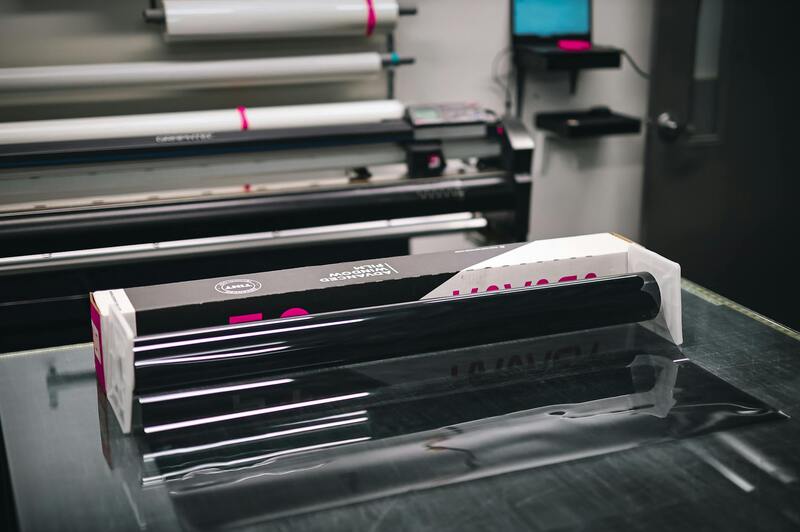
For projects demanding exceptional sizes or three-dimensional effects, large-format printing offers high-resolution output on larger substrates or flexible materials. This approach accommodates intricate design elements, variable shapes, and layered textures. Techniques such as UV coating, embossing, debossing, foil stamping, and die-cutting further enhance the tactile and visual appeal of custom cards, rendering them distinctive and memorable.
Adherence to Quality Standards
To ensure each custom card meets industry standards, proficient printing services adopt rigorous quality control protocols. These include monitoring color accuracy through standardized color management systems, inspecting print consistency, and verifying finishing details. Additionally, environmentally friendly practices such as using recycled materials and eco-conscious inks are incorporated to minimize ecological impact while maintaining premium quality.
Ensuring Color Consistency and Brightness
Color fidelity is achieved through sophisticated calibration of printers and the use of color profiles tailored to specific substrates. This guarantees that the final product accurately reflects the digital design, maintaining the vibrancy and depth of colors. Specialty inks, including metallic and fluorescent options, are available to add vibrancy and impact to custom cards, making them stand out in any setting.
Compliance with Industry Standards
Adhering to strict industry standards ensures durability and resilience of printed cards. Protective layers such as lamination, UV coatings, and magnetic strips are applied based on the card's purpose, whether for promotional use, identification, or functional access control. These finishing touches extend the lifespan of the cards, preserving their appearance and functionality over time.
Overview of Custom Card Printing Services
Custom card printing services enable businesses and individuals to create unique, high-quality cards tailored to specific needs. These services utilize advanced printing techniques and premium materials to produce cards that stand out visually and durability-wise. Whether for corporate branding, promotional events, personal use, or identification purposes, custom card printing ensures each card aligns with the desired aesthetic and functional requirements. Trusted providers, such as disc-print.com, offer comprehensive options that cover a broad spectrum of card types, sizes, and finishes.

Types of Custom Cards Offered
- Business Cards: Designed to make a memorable first impression, with options for various finishes, shapes, and eco-friendly materials.
- Gift and Loyalty Cards: Often used by retail businesses, these cards facilitate customer retention and engagement through customized designs and secure features.
- ID Cards: For employee identification, access control, or event registration, with options for magnetic strips, barcodes, or QR codes.
- Membership Cards: Personalized cards that enhance brand loyalty and facilitate member tracking with durable materials and unique personalization features.
- Event Passes and Tickets: Customizable cards for concerts, conferences, or promotional events, often incorporating holographic or special security elements.
Materials and Finishing Options
The foundation of high-quality custom cards begins with selecting the appropriate materials. Common options include:
- PVC: A popular choice for its durability, flexibility, and print quality, suitable for ID cards and membership cards.
- Composite Card Materials: Combining PVC with other materials for enhanced strength and flexibility.
- Paper-based Substrates: Used for eco-friendly or promotional cards, often with a laminated or coated surface.
Finishing techniques further enhance visual appeal and longevity:
- Lamination: Adds a protective layer to prevent scratches, fading, and wear.
- UV Coating: Provides a glossy, vibrant finish that boosts color brightness and protection.
- Embossing and Debossing: Creates tactile effects to make cards more distinctive.
- Metallic and Spot Colors: Special inks to add metallic effects or highlight specific design elements.

Customization Features and Designs
Design flexibility is a core component of custom card printing services. Clients can choose from pre-designed templates or submit unique artwork. Advanced digital printing technology enables high-fidelity reproductions of complex designs, logos, and photographs. Additional customization options include:
- Shape and Size Variations: Beyond standard rectangles, options for rounded corners, circular, or custom-cut shapes.
- Color Matching and Branding: Precise color reproduction using standardized color management systems to ensure alignment with branding guidelines.
- Security Features: Incorporation of holograms, watermarks, magnetic strips, or microtext for enhanced security and authenticity.
- Personalization: Individual names, serial numbers, or QR codes can be added automatically during the printing process for mass customization.
- Special Effects: Foil stamping, glitter finishes, or tactile embossments to make cards visually striking and memorable.
Printing Technologies and Quality Standards
Precision and consistency are achieved through the deployment of advanced printing technologies:
- Digital Offset Printing: Ideal for large orders with high resolution and color accuracy, ensuring sharp images and consistent quality.
- UV Printing: Suitable for printing on non-standard substrates with vibrant color and durable finish.
- Specialty Inks: Metallic, fluorescent, or optical inks are used for visual impact and security features.
To maintain superior quality standards, printing providers implement rigorous quality control measures, including calibration of equipment, color verification, and inspection protocols. These practices guarantee that each card not only meets aesthetic expectations but also withstands handling and environmental factors effectively.
Overview of Custom Card Printing Services
Custom card printing services have become essential for businesses, organizations, and individuals seeking to create personalized cards that stand out. These services encompass a wide variety of card types, including business cards, loyalty cards, membership cards, and promotional cards, each tailored to meet specific branding, security, and aesthetic requirements. With advancements in printing technologies, providers like disc-print.com deliver high-quality, durable products that cater to various needs, whether for corporate identity, event invitations, or marketing campaigns. The ability to customize every detail—from dimensions to textures—ensures that clients can produce unique cards that effectively communicate their intended message and leave a lasting impression.

Types of Custom Cards Offered
The range of custom cards available through professional printing services is extensive, covering various functionalities and aesthetic preferences. Common types include:
- Business Cards: Classic, textured, or minimalist designs that reinforce brand identity.
- Membership and Loyalty Cards: Designed for repeated use with features such as magnetic strips or RFID technology.
- Event and Invitation Cards: Customized with intricate designs and personalized information for weddings, parties, or corporate events.
- Gift and Promotional Cards: Eye-catching, branded cards used for marketing, discounts, or special offers.
- Security and Access Cards: Incorporating features like holograms and microtext to ensure authenticity and controlled access.
Specialized Card Types
Beyond standard options, the industry offers specialty cards that incorporate advanced security features. These include ID cards with embedded microchips, secure access cards with encrypted magnetic tapes, and collectible call cards with unique artwork. Such versatility ensures that clients can utilize custom card printing services for a broad spectrum of applications, from corporate security to promotional merchandise, all with a focus on durability and aesthetic excellence.

Materials and Finishing Options
Materials play a pivotal role in the look, feel, and longevity of custom printed cards. Leading printing providers employ a variety of substrates, each with unique advantages:
- Standard Cardstock: The most economical choice, available in matte, gloss, or satin finishes.
- Plastic (PVC, PET): Durable and water-resistant, ideal for ID and loyalty cards.
- Premium Materials: Options such as velvet, linen, or textured finishes provide a tactile experience.
Finishing techniques further elevate the design, including:
- Glossy and Matte Coatings: Enhance color vibrancy or reduce glare.
- Spot UV: Adds a glossy overlay to specific areas for emphasis.
- Foil Stamping: Incorporates metallic accents for luxury appeal.
- Tactile Embossing: Creates raised patterns or text that add dimension.
- Edge Coloring: Differentiates by adding color along the card edges.

Customization Features and Designs
Customization is at the core of effective card printing. Clients benefit from a comprehensive suite of design options, including:
- Shape and Size Variations: Moving beyond traditional rectangular formats, options for rounded corners, circular shapes, or bespoke cut-outs enable distinctive designs.
- Color Matching and Branding: Precise color reproduction using standardized color management systems ensures brand consistency across all printed materials.
- Personalization Features: Incorporating individual names, serial numbers, QR codes, or barcodes facilitates tracking, security, and user engagement.
- Special Effects: Techniques like foil stamping, glitter finishes, or textured embossments make cards visually compelling and tactilely appealing.
- Design Templates and Custom Artwork: Clients can choose from pre-designed templates or upload original artwork for a fully personalized product.
Design Collaboration and Proofing
Reputable providers offer collaborative design processes, including digital proofs and sample mock-ups. This ensures that every detail aligns with client expectations before the final print run, reducing waste and enhancing satisfaction.

Printing Technologies and Quality Standards
Achieving high-fidelity and consistent results relies on advanced printing technologies. The most prominent methods include:
- Digital Offset Printing: Suitable for large-volume orders; delivers exceptional resolution and color accuracy with sharp imagery and text.
- UV Printing: Provides vibrant colors on unconventional materials or textured surfaces with a durable finish resistant to scratches and UV rays.
- Specialty Inks: Metallic, fluorescent, or optically variable inks are used to create security features or visual effects that enhance the card’s appeal and authenticity.
Quality assurance is maintained through rigorous protocols, such as calibration routines, color verification against standards, and detailed inspection at each stage of production. These measures guarantee that each card meets high aesthetic and functional standards, ensuring longevity and resistance to environmental factors.

Comprehensive Methods to Ensure the Security and Authenticity of Custom Cards
For organizations and individuals seeking to authenticate their custom cards, employing official and verified security measures is essential. These methods leverage advanced printing and design techniques to create visually distinctive and tamper-evident features that uphold the integrity of each card issued. By integrating such measures, users can confidently rely on their cards for secure access, identification, and branding purposes.
Utilization of Secure Printing Techniques
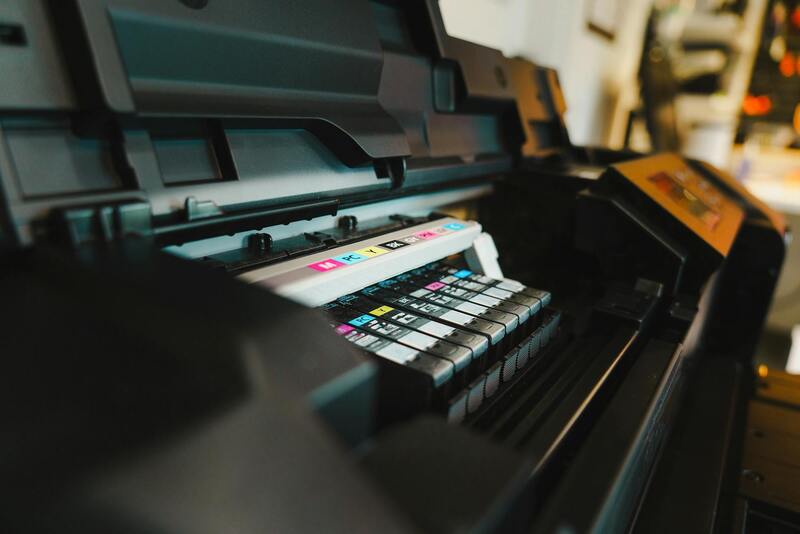
Secure printing methods are fundamental in preventing counterfeiting and unauthorized replication. State-of-the-art digital offset printing ensures crisp, high-resolution output with consistent color fidelity, providing an immediate visual cue for authenticity. UV printing introduces vibrant, durable ink layers that are resistant to fading, scratching, and environmental degradation, thereby maintaining the visual integrity of the card over time.
Application of Security Features and Visual Elements
Incorporating specialized security features such as holographic overlays, optically variable inks, and metallic foils enhances the visual complexity of a card and acts as immediate indicators of authenticity. These features are difficult to replicate without access to proprietary manufacturing processes. Furthermore, microtext and fine-line patterns within the design can serve as covert security elements, visible only under magnification, adding an extra layer of verification without compromising visual appeal.
Use of Unique Identifiers and Serial Numbers
Assigning unique serial numbers or barcodes to each card provides a method of tracking and verification. When these identifiers are paired with a secure database, authorized personnel can quickly confirm the card’s validity and history. This process is especially valuable for access cards, membership IDs, or any high-value printed cards that require rigorous control and monitoring.
Incorporating Digital Verification Solutions
Modern custom card services integrate digital verification systems that utilize QR codes, RFID chips, or NFC tags embedded within the card. These identifiers can be scanned using authorized devices to authenticate the card’s origin and validity instantly. Such systems are increasingly important for access control, event tickets, and secure credentials, ensuring that each card corresponds to an authorized user or entity.
Implementing Rigorous Quality Control Protocols
Maintaining consistency and reliability in security features hinges on meticulous quality control procedures at every stage of production. This includes calibration of printing equipment, verification of color accuracy against pre-established standards, and detailed inspections to detect any irregularities or inconsistencies. These protocols help prevent counterfeit products from entering circulation and guarantee that each card conforms to the intended security standards.
Documentation and Certification for Authentication
Providing official documentation, certificates of authenticity, and traceability records adds confidence to the legitimacy of custom cards. Detailed documentation verifies the manufacturing process, security features utilized, and quality assurance measures followed. For businesses offering custom card printing services, partnering with reputable providers ensures these certifications are authentic, aligning with industry best practices.
Choosing a printing partner like disc-print.com ensures access to cutting-edge technology, robust security feature integration, and rigorous inspection standards. These elements collectively reinforce the trustworthiness and originality of each custom card, supporting users in safeguarding their brand, assets, and access points with officially produced materials.