Understanding Custom Brochures
Custom brochures serve as an essential marketing and branding tool for businesses aiming to communicate their message effectively. Unlike generic or pre-designed materials, custom brochures are tailored to reflect a company's unique identity, values, and offerings. They are crafted to captivate target audiences by combining strategic content with visually appealing design elements, thus fostering brand recognition and customer engagement.
At their core, custom brochures provide a platform for businesses to present their products, services, and core messages in a format that aligns with their branding guidelines. This personalization ensures consistency across various marketing channels while allowing flexibility to highlight feature points or promotional information in a compelling manner. The importance of these brochures in a comprehensive marketing strategy lies in their ability to leave a tangible impression—encouraging recall, generating leads, and supporting sales efforts.

The significance of custom brochures extends beyond mere advertising; they serve as informational assets that can support ongoing customer relationships. For instance, well-designed brochures positioned in reception areas or handed out during direct interactions reinforce credibility and professionalism. Additionally, they act as portable brand ambassadors, capable of conveying detailed information about complex products or services in an organized, easily digestible format.
Choosing to invest in custom brochures also enhances perceived value and professionalism. Businesses that utilize tailored printed materials demonstrate a commitment to quality and attention to detail, which can differentiate them from competitors relying solely on digital or generic promotional tools. By carefully integrating branding elements—such as logos, color schemes, and imagery—custom brochures become a reflection of an organization’s identity, fostering trust and recognition among potential clients and partners.
The creation process involves strategic planning around layout, content, and design. It requires selecting appropriate formats, understanding the target audience’s preferences, and designing compelling visuals that support the core message. When executed with precision, custom brochures effectively bridge the gap between a business’s offerings and the audience’s needs, driving engagement and encouraging actions that align with marketing objectives.
In summary, custom brochures are integral to establishing a tangible, consistent, and professional presence. As versatile marketing collateral, they can be customized in design, content, and format to meet specific brand goals, making them an indispensable component of any comprehensive branding strategy.
Understanding Custom Brochures
Custom brochures serve as a vital element in a comprehensive marketing strategy, providing a dynamic platform to communicate brand messages, product details, and service advantages in a tangible format. Tailored to specific audience segments, these printed materials offer an opportunity for brands to establish a strong visual identity and convey credibility through high-quality design and content. They are adaptable to a wide range of industries, including corporate, retail, healthcare, and education, elevating the perceived professionalism of your organization.
Manufacturers and marketers increasingly recognize that bespoke brochures enhance engagement by integrating tailored visual elements such as logos, color schemes, and imagery that resonate with target audiences. The ability to customize layouts, formats, and content allows companies to craft narratives that authentically represent their offerings, whether that involves detailed product specifications or service outlines. This level of customization ensures the message is not only clear but also compelling, which can lead to increased conversion rates and customer trust.
Key Elements in Custom Brochure Development
- Content Strategy: Developing compelling copy aligned with marketing goals and customer interests.
- Design Aesthetics: Utilizing cohesive branding elements—colors, typography, and imagery—to reinforce brand recognition.
- Format and Size: Choosing an appropriate layout that maximizes content readability and visual appeal.
- Quality Materials: Selecting durable paper stocks and finishes that project a premium perception.
In crafting custom brochures, a strategic approach to each component ensures the final product resonates effectively with its intended audience. The design process involves iterative planning, where layout mockups are tested for visual hierarchy and flow, ensuring the core message is delivered seamlessly. Content must be concise yet impactful, emphasizing benefits and calls to action that inspire reader engagement.
Impact of Customization on Business Image
Investing in personalized brochure printing signals attention to detail and a commitment to quality, which can significantly influence customer perceptions. A professionally crafted brochure can elevate a brand’s image, create a sense of trustworthiness, and foster a memorable experience. Moreover, customized brochures facilitate consistent branding across various marketing channels, thereby reinforcing message cohesion and viewer recall.
Technical Considerations for Custom Brochure Production
Precision in digital file preparation is crucial for achieving optimal print results. This includes using high-resolution images, correct color profiles, and bleed settings to avoid unwanted borders. Collaborating with experienced printers ensures that your designs are translated accurately into physical copies, with attention to details such as binding, folded styles, and finishing options like embossing or lamination, all of which contribute to a refined final product.
When outsourcing brochure printing, it is essential to select a printer with a proven track record in producing high-caliber custom materials. They should offer various options for paper stocks, finishes, and special features, along with clear guidelines for submission. The choice of a reliable printing partner guarantees consistency, prompt delivery, and a product that aligns perfectly with your branding objectives.
Materials and Finishes for Brochures
Choosing the right materials and finishes is pivotal in producing impactful custom brochures. The selection of paper stock influences the durability, tactile experience, and overall perception of your printed piece. High-quality, thicker stocks such as 14pt or 16pt gloss or matte finishes are commonly favored for their premium feel. For a more luxurious presentation, options like linen or textured paper can add tactile interest, elevating the perceived value of your brochure.
Finishing touches further enhance the visual appeal and durability of your brochures. Matte finishes help reduce glare and lend a sophisticated look, ideal for highlighting detailed images and text. Glossy finishes amplify color vibrancy and visual impact, making images and graphics stand out vividly. Soft-touch coatings provide a velvety surface that enriches the tactile sensation, creating a memorable experience for recipients. Additionally, protective coatings such as lamination can safeguard brochures from wear and tear, resistance to smudging, and environmental factors.
Specialty options like spot UV coating allow for highlighting specific areas with a glossy sheen, drawing attention to logos or key messages. Foil stamping introduces metallic accents that can establish a sense of elegance and exclusivity. Embossing and debossing techniques add dimension and texture, making certain design elements pop—ideal for logos or decorative motifs. For outdoor applications, weather-resistant coatings ensure longevity against elements like moisture and sunlight.
Color Techniques and Printing Methods
Color fidelity and vibrancy are critical in conveying your brand message effectively through custom brochures. To achieve accurate and appealing color reproduction, selecting the appropriate color techniques and printing methods is essential.
- Four-Color Process (CMYK): The most commonly used method, enabling the recreation of full-spectrum images and complex color gradients. It is suitable for most brochure printing because of its cost efficiency and consistency.
- Spot Colors: Pantone or similar Pantone Matching System (PMS) inks are used for specific brand colors or elaborate artwork requiring exact color matching. Spot colors are ideal for logos, accents, or when brand consistency is paramount.
- Digital Printing: Offers quick turnaround and cost-efficiency for small batches or variable data printing. Digital approaches provide vibrant colors with the advantage of customization, but may have limitations in color gamut compared to offset printing.
- Offset Printing: Delivers high-quality, consistent colors suitable for large volume runs. Offset is perfect for achieving precise color matching, fine details, and smooth gradations, making it a preferred choice for premium brochures.
Customization Options and Features
Customization elevates your brochure beyond the standard template, ensuring it resonates authentically with your target audience. Key options include variable data printing, allowing personalized content for different recipients, which boosts engagement and response rates. Die-cutting is another versatile feature, enabling unique shapes, windows, or intricate designs that enhance visual interest.
- Fold Types: From bi-folds and tri-folds to more elaborate Z-folds, gate folds, or gatefolds, the fold style influences how your content is revealed and experienced.
- Special Shapes and Cutouts: Custom die-cuts can be used to create eye-catching shapes or reveal sections of the inner layout, making your brochures stand out.
- Embossing and Debossing: Adds dimension to logos or key elements. Embossed areas protrude from the surface, while debossing presses into the paper.
- Interactive Features: Incorporate perforations for tear-off coupons, pockets for inserts, or QR codes for seamless digital integration.
- Finish Enhancements: Textured varnishes, foil stamping, and spot UV coatings can be combined to produce tactile and visual differentiation.
Materials and Finishes for Brochures
Choosing the appropriate materials and finishes is crucial to ensure your custom brochures not only look appealing but also withstand handling and environmental factors. Different paper types and weights can significantly impact the tactile experience and durability of your marketing materials. Standard options include uncoated, matte, gloss, and satin finishes, each offering unique textures and visual effects that align with your brand image.
For a more premium feel, consider thicker cardstock with weights ranging from 14pt to 32pt. Heavier papers lend a sense of quality and sturdiness, making your brochures more resistant to wear and tear. Additionally, specialty finishes such as soft-touch coatings provide a velvety, luxurious surface that enhances tactile appeal, while spot UV coatings add a glossy, reflective layer to specific areas for emphasis.
Surface treatments like embossing, debossing, and foil stamping introduce dimensionality and metallic accents that can highlight key elements such as logos or headings. These techniques create visual contrast and tactile interest, making your brochure stand out among competitors. For example, embossed logos provide a subtle yet sophisticated texture, while foil stamping adds a reflective shimmer that captures attention.
It's also essential to consider environmental factors affecting brochures' longevity. Matte or satin finishes often reduce glare, making content easier to read, especially in bright lighting conditions. Gloss finishes, though more reflective, enhance vibrant colors and sharp details, making images and graphics pop. Combining finishing techniques strategically can deliver a balanced aesthetic aligned with your brand identity and campaign goals.
Material selection extends beyond paper. Some projects may benefit from synthetic materials like plastic or laminated surfaces for increased durability and waterproofing. These options are particularly advantageous for outdoor or high-traffic environments where exposure to elements is a concern. Laminated finishes also facilitate easier cleaning, maintaining the visual integrity of your brochures over time.
When planning your custom brochures, collaborating with a printing provider that offers a broad range of material and finish options ensures your ideas materialize effectively. A professional service can advise on the best combination of paper types and surface treatments to achieve your desired aesthetic and functional outcomes. In doing so, your brochures will not only communicate your message effectively but also leave a memorable tactile impression on your audience.
Advanced Techniques for Custom Brochures Production
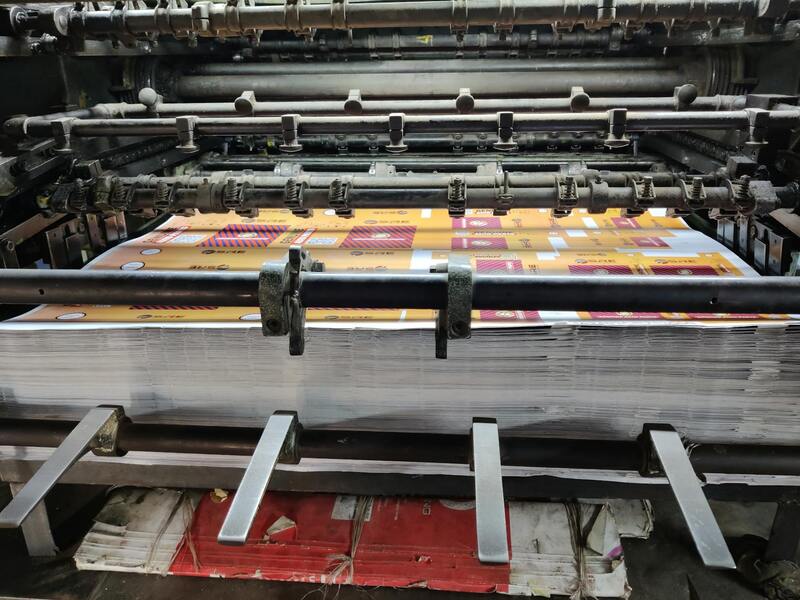
Creating custom brochures that stand out requires employing proven production methods that ensure vibrant colors, precise details, and durable finishes. Offset printing remains a preferred choice for large volumes due to its high quality, consistency, and cost-effectiveness. It involves transferring ink from a metal plate to a rubber blanket, then onto the printing surface, resulting in sharp images and saturated colors suitable for intricate designs and high-resolution graphics. Digital printing, on the other hand, offers quick turnaround times and cost-efficiency for smaller runs, allowing for variable data printing where individual brochures can feature personalized content seamlessly. Modern digital presses provide vibrant color reproduction with impressive fidelity, making them suitable for customized campaigns requiring flexibility and speed.
Specialty printing techniques further elevate the visual appeal and tactile experience of your brochures. Spot UV coating, for example, applies a glossy, transparent layer to specific areas of a design, creating a striking contrast that highlights key messages or images. This method not only enhances aesthetic appeal but also provides a tactile dimension that invites touch, making your brochures more engaging. Additionally, embossing and debossing can add texture and depth to elements like logos or headings, subtly drawing attention through physical contrast. These techniques, when combined with high-quality printing, can significantly improve the perceived value of your marketing collateral.
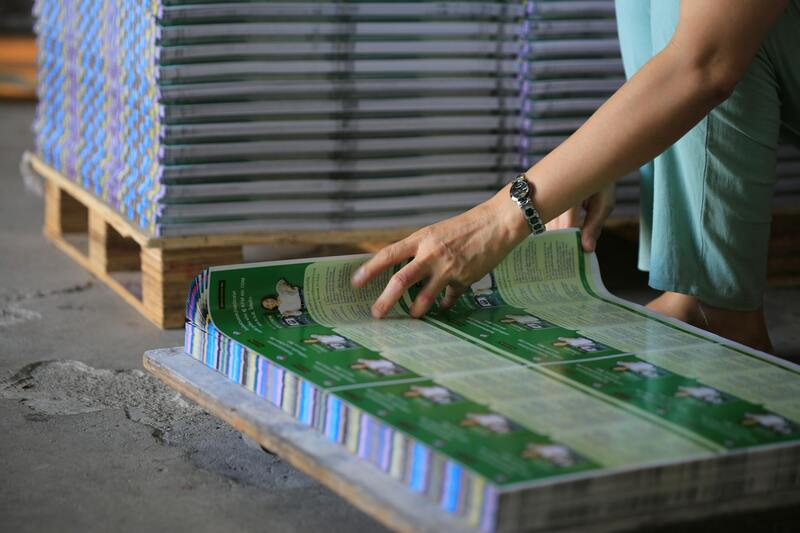
Another innovative approach involves the use of specialty coatings such as matte, gloss, or satin finishes. Matte coatings provide a sophisticated, glare-free surface ideal for text-heavy content or photos that require nuanced color gradation, reducing reflections in brightly lit environments. Gloss finishes, conversely, amplify colors, making images more vivid and eye-catching, perfect for showcasing product shots or striking visuals. Satin finishes offer a middle ground, combining the soft sheen of gloss with the understated elegance of matte. For outdoor or high-traffic environments, synthetics like waterproof or tear-resistant materials can be integrated into the production process. Such materials ensure that your brochures maintain their aesthetic integrity despite exposure to elements, offering longevity and sustained visual clarity. Laminated surfaces also provide added protection against smudging, moisture, and fading, which is especially valuable for brochures that will be handled frequently. Collaboration with a printing provider experienced in customizing materials and finishes is essential. Their expertise can guide selecting the most appropriate options that align with your brand identity, campaign objectives, and environmental conditions. Combining high-quality printing with tailored finishes and durable materials results in custom brochures that are not only visually compelling but also built to withstand time and handling, ensuring your message remains impactful.
Understanding Custom Brochures
Custom brochures serve as versatile marketing tools that allow businesses to communicate their messages in a visually compelling and strategic manner. Unlike template-based or generic designs, tailored brochures are crafted to align with a company's unique brand identity, target audience, and campaign objectives. These printed materials are instrumental in building brand recognition, showcasing products or services, and fostering customer engagement. Their effectiveness hinges on thoughtful design, quality materials, and precise printing techniques, making them a vital component of professional marketing efforts.
Advantages of Customizing Your Brochures
- Enhanced Brand Identity: Custom designs incorporate your brand's visual elements, colors, and messaging, ensuring a cohesive and memorable presentation.
- Unique Visual Appeal: Customized layouts and graphics help your brochures stand out amid competitors, capturing attention and provoking interest.
- Targeted Content: Content can be tailored to resonate with specific customer demographics or audience segments, increasing relevance and engagement.
- Flexible Formats: Options for different sizes, folds, and finishes enable precise alignment with campaign goals and distribution channels.
- Long-lasting Impression: High-quality materials and finishes contribute to durability and a premium feel, prolonging the brochure's visual impact.
Strategic Use of Custom Brochures
Properly crafted custom brochures should complement your overall marketing strategy. They can be deployed across various touchpoints, from direct mail campaigns and in-store distribution to trade shows and corporate events. The content should focus on clear, concise messaging, emphasizing key benefits and calls-to-action. Incorporating compelling visuals, professional photography, and well-organized layouts ensures the brochure communicates your brand story effectively. Additionally, integrating QR codes or contact information facilitates easy follow-up and engagement, further amplifying the brochure's impact.
Importance of Offical Methods in Brochure Production
Producing custom brochures through established and reputable printing channels guarantees results that meet industry standards in terms of accuracy, quality, and durability. Utilizing official printing methods involves advanced digital or offset printing processes that deliver sharp imagery and consistent color reproduction. These procedures are complemented by high-grade finishing techniques, including laminations, embossing, and specialty coatings, which enhance tactile appeal and longevity. Moreover, working with certified suppliers ensures adherence to environmental and safety standards, contributing to a sustainable and responsible production cycle.
Choosing legitimate and experienced printing providers is crucial for achieving precision in color matching, detailed graphics, and complex finishes. Their expert knowledge helps in selecting suitable paper stocks, finishes, and coatings that align with your branding and functional needs. Additionally, reputable providers offer guidance on the latest printing technologies, such as UV coating or digital embellishments, to elevate the standards of your custom brochures. Their commitment to quality control minimizes errors and ensures that every brochure delivered reflects your company and campaign aspirations accurately.
Best Practices for Producing Custom Brochures
- Define Your Objectives: Clearly outline the purpose, target audience, and key messages you want your brochure to convey.
- Create Detailed Design Mockups: Develop or collaborate on design layouts that reflect branding guidelines, layout preferences, and visual hierarchy.
- Select Appropriate Materials: Choose paper types, finishes, and coatings that match your desired aesthetic, durability, and environmental considerations.
- Work with Reputable Printers: Engage with experienced and certified printing companies known for quality and consistency in custom print projects.
- Review Proofs Thoroughly: Examine digital or physical proofs meticulously before proceeding to production, ensuring color accuracy and layout fidelity.
- Utilize Advanced Printing Techniques: Incorporate specialty finishes such as spot varnishes, embossing, or matte/gloss coatings for added visual appeal.
- Implement Quality Control Checks: Conduct inspections throughout the production process to identify and rectify any discrepancies or defects.
- Plan Strategic Distribution: Align your brochure distribution channels with your target demographics for maximum impact.
Customization Options and Features for Your Brochures
When developing custom brochures, leveraging a variety of customization options can significantly enhance the visual appeal and effectiveness of your marketing materials. These options are rooted in technical precision and designed to align perfectly with your brand identity, campaign message, and target audience. The breadth of features available ensures that each brochure can be uniquely tailored to meet specific objectives, providing a competitive edge in communication strategies.
Advanced Folding Techniques
Folding styles serve not only as a functional element but also as a design feature that influences the overall aesthetic and user experience. Popular folding options include bi-fold, tri-fold, z-fold, accordion, and gate fold. For a more elaborate presentation, special folds such as double parallel fold or roll-fold allow for more complex visual storytelling. These folding techniques help organize content, draw attention to key messages, and create memorable unboxing experiences that leave a lasting impression.

Specialty Bindings and Reinforcements
Beyond traditional saddle stitching or perfect binding, options like spiral binding, wire-o binding, or even reinforced spines enable the creation of durable, reusable brochures. Such features are particularly beneficial for manuals, catalogs, or presentation materials that require frequent handling. These enhancements not only improve the longevity of your printed pieces but also lend a professional, high-quality appearance that fosters trust and credibility with your audience.
Interactive Elements and Embedded Features
Incorporating interactive elements like QR codes, augmented reality (AR) markers, or perforations invites consumers to engage more deeply with your content. QR codes can direct users to digital resources, videos, or landing pages, bridging offline and online experiences seamlessly. Perforated sections facilitate tear-off coupons or contact forms, adding an element of interactivity that can drive conversions or facilitate data collection. These embedded features make brochures more dynamic and functionally versatile.
Special Finishes and Embellishments
The application of various finishes can elevate the tactile and visual qualities of custom brochures. Matte, gloss, or soft-touch coatings impact the feel and appearance, contributing to a luxurious or understated aesthetic as desired. Spot UV coating selectively highlights specific design elements, such as logos or images, creating contrast and focus. Embossing, debossing, or foil stamping add dimensionality and shimmer, capturing attention and reinforcing brand prestige. Strategic use of these finishes ensures that your brochures stand out in a crowded marketplace.
Personalization and Variable Data Printing
With the advent of digital printing technologies, personalized brochures tailored to individual recipients have become more accessible. Variable data printing enables the insertion of specific names, addresses, images, or offers, creating a customized experience for each recipient. This approach maximizes engagement and response rates, making your marketing efforts more efficient and targeted. Personalized brochures also foster a sense of exclusivity and relevance that can strengthen customer relationships.
Custom Die-Cuts and Shapes
Die-cutting allows for the creation of brochures with unique shapes and cut-out elements that align with branding themes or graphic motifs. For example, a brochure cut in the shape of a product, logo, or icon can reinforce brand identity and make the material more memorable. Die-cut designs can range from simple rounded corners to intricate patterns, adding a distinctive feature that differentiates your campaign visually and tactually.
Adding Multimedia Elements
Although primarily a print medium, brochures can incorporate multimedia features such as embedded NFC tags or QR codes that lead to videos, audio, or interactive content. This integration provides a multimedia experience that complements the printed message, offering additional layers of information and engagement for tech-savvy audiences.
Each of these customization features relies on precise execution and high-quality production standards to ensure the final product not only meets aesthetic expectations but also performs effectively in conveying your message. When planning for custom brochures, collaborating with experienced print professionals who understand the technicalities and possibilities of these options is crucial to realize your vision fully.
Advanced Customization Options and Features for Brochures
Enhancing your custom brochures through sophisticated customization options can significantly elevate your marketing material’s impact. Industry-standard methods ensure your brochures stand out and communicate your message effectively, aligning with your brand’s identity and campaign goals. Key features include unique die-cut shapes, embedded multimedia elements, and tactile finishes that enrich the overall user experience.
Innovative Die-Cutting and Shaping Techniques
Die-cutting remains a popular method for adding distinctive visual appeal to brochures. This process involves creating custom shapes, cut-outs, or windows that correspond precisely with graphic motifs or branding elements. For example, a brochure die-cut in the shape of a product silhouette or logo not only grabs attention but also provides tactile interaction, making the promotional material more memorable. Intricate designs such as scalloped edges, silhouettes, or detailed patterns serve to communicate a sophisticated brand image and differentiate your message in competitive markets.
Embedding Multimedia and Interactive Elements
Although printed, brochures can be complemented with multimedia features for an interactive experience. Incorporating QR codes, NFC tags, or augmented reality (AR) elements offers recipients access to digital content, videos, or exclusive offers. Such integrations bridge traditional print with digital engagement, providing a layered communication approach that captures attention and encourages further interaction. Properly executed, these features turn static brochures into dynamic marketing tools that resonate with tech-savvy audiences.
Premium Finishes and Tactile Enhancements
Enhancing the sensory aspect of brochures involves various finishes such as matte, gloss, or satin coatings. Additionally, spot UV coating can highlight specific areas or logos to create contrast and visual hierarchy. Embossing and debossing techniques contribute a three-dimensional texture, adding depth and sophistication. These physical enhancements subtly reinforce brand prestige and add a tangible quality that encourages recipients to keep the brochures longer.
Advanced Material Choices for Durability and Appeal
Choosing the right materials is essential for producing durable and attractive brochures. Thicker cardstock options, such as 14-16pt or even heavier papers, offer durability and a luxurious feel. Specialty materials like textured or recycled papers can reflect brand values such as sustainability or premium quality. Clear or translucent substrates, such as acrylic or plastic, can introduce modern, sleek elements into your brochure design, making it suitable for contemporary branding strategies.
Strategic Use of Color and Printing Technologies
Color consistency and vibrancy are essential for professional brochure presentation. Employing advanced printing techniques such as offset, UV, or aqueous coating ensures sharp, bright images. Special color techniques, including metallic and spot colors, add richness and uniqueness to your designs. These methods help your brochures stand out in cluttered environments, reinforcing branding through consistent color schemes and eye-catching finishes.
Conclusion
Implementing these advanced customization techniques requires meticulous planning and collaboration with experienced print professionals. The goal is to produce brochures that not only reflect your brand identity but also engage and inspire recipients through visual excellence and tactile richness. Thinning the line between digital and print, these methods facilitate memorable impressions and foster stronger connections with your target audiences.