Understanding Business Brochure Printing
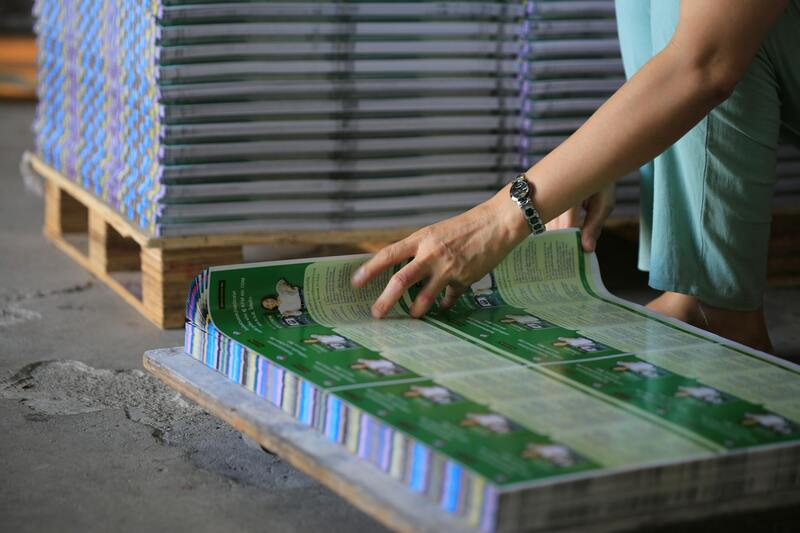
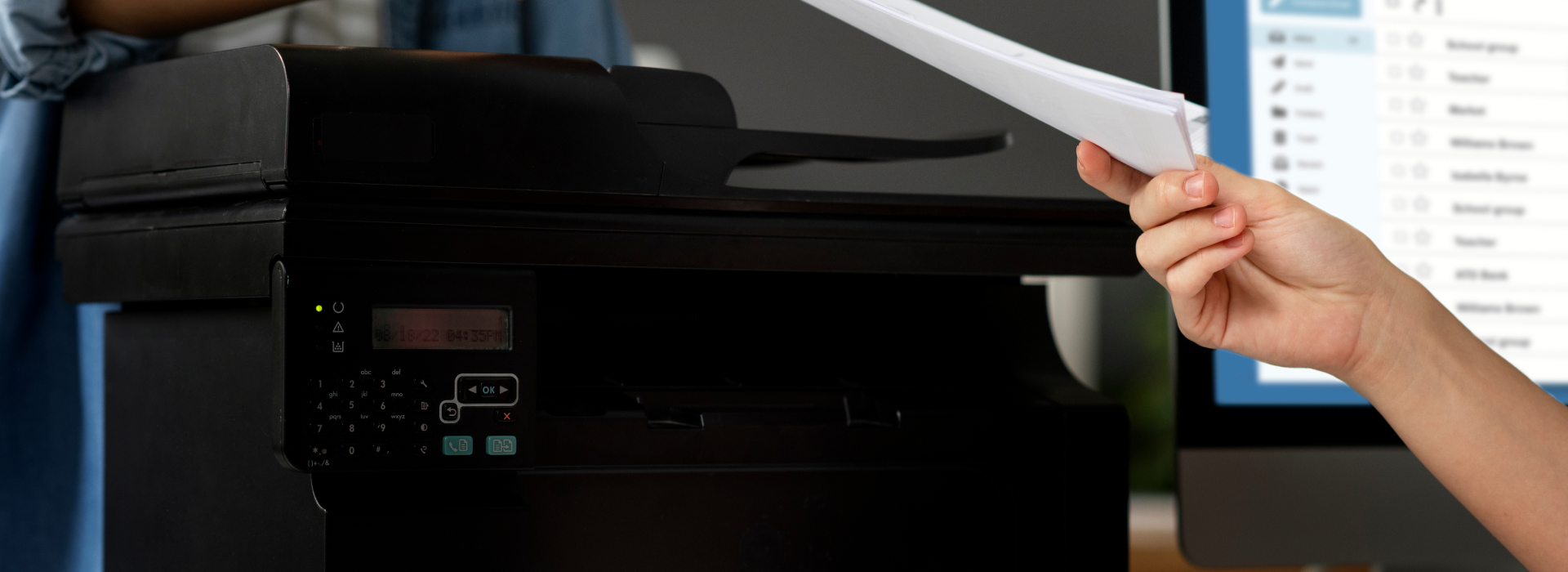
Business brochures serve as essential marketing tools that encapsulate a company's offerings, values, and unique selling propositions in a tangible format. Unlike digital media, printed brochures provide a physical presence that clients can hold, browse, and retain, fostering a more lasting impression. These printed materials are often distributed during sales presentations, trade exhibitions, or directly within the office environment to engage prospective clients and reinforce brand recognition.
The core purpose of business brochure printing is to communicate complex information succinctly and visually compellingly. Well-designed brochures guide readers through a narrative about the company’s history, products, or services, creating a trustworthy image that appeals to potential customers and partners. In addition, brochures can serve as comprehensive overviews, detailed catalogs, or introductory guides depending on the needs of the business.
Investing in professional brochure printing offers several clear benefits for companies aiming to strengthen their marketing efforts. Physically printed brochures tend to foster higher engagement as clients can take them to review at their convenience. This tangible aspect elevates brand credibility and suggests a level of professionalism that digital-only content might lack. Moreover, high-quality brochures enhance brand perception, especially when they are printed on premium materials with thoughtful finishes.
From a strategic standpoint, business brochures offer a versatile platform to deliver key messages consistently. They can be customized to target specific markets or demographics, showcased at events, or included as part of a direct mail campaign. The physical presence of these brochures often encourages longer viewing times and better recall, translating into higher conversion rates. Furthermore, they are an excellent way to showcase product images, technical specifications, customer testimonials, and contact details in a single, organized format.
Choosing the appropriate design, material, and printing technique is pivotal in maximizing the impact of a business brochure. An effective brochure balances aesthetic appeal with informative content, ensuring that it catches the eye and communicates the intended message efficiently. When professionally printed, brochures serve as a testament to a company's commitment to quality and detail, which can positively influence customer perceptions and loyalty.

Legitimate Methods of Business Brochure Printing
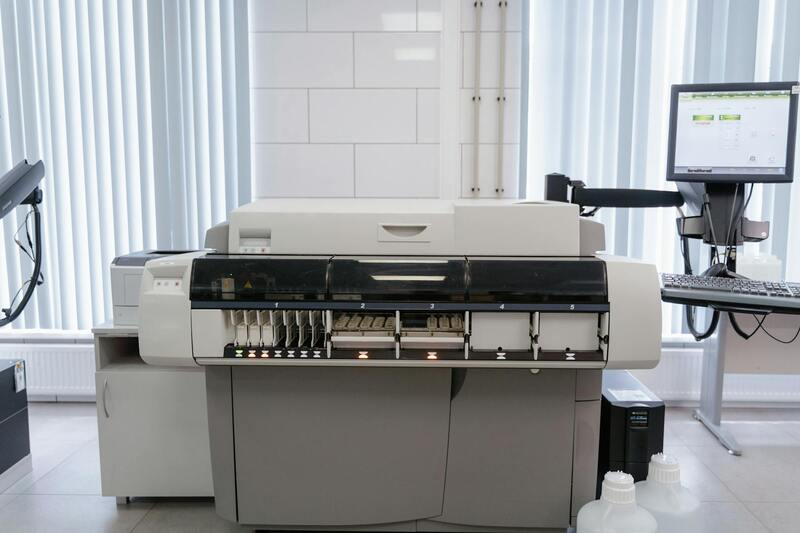
When selecting a professional business brochure printing service, it is crucial to rely on established and reputable methods that ensure high-quality results. Official printing techniques typically align with industry standards, utilizing advanced equipment and premium materials to produce durable and visually appealing brochures. These methods include digital printing, offset printing, and hybrid options, each suited for different quantities and quality requirements.
Digital Printing
Digital printing is a widely used method for business brochures, especially effective for smaller runs and quick turnaround times. This process involves directly transferring digital files onto the printing medium via high-resolution inkjet or laser printers. It offers flexibility in customization, allowing for variable data printing—such as personalized details for different recipients—without significant cost increases. The digital process guarantees sharp images, vibrant color accuracy, and consistent quality that meet professional standards.
Offset Printing
Offset printing remains a preferred method for larger print runs due to its cost efficiency and superior image quality. This classical technique involves transferring ink from a plate to a rubber blanket, then onto the printing surface. The process allows for high fidelity in reproducing corporate branding elements, precise color matching, and excellent detail, making it suitable for brochures requiring consistent quality across extensive quantities. Offset printing is ideal when branding accuracy and a polished appearance are paramount.
Hybrid Printing and the Use of Standardized Methods
Some printing providers incorporate hybrid methods, combining digital and offset techniques to optimize quality and cost for varied order sizes. They also adhere strictly to industry-accepted standards regarding color calibration, material handling, and finishing processes. These proven approaches ensure the production of professional and consistent brochures that reinforce brand integrity and trustworthiness.
Material Selection and Finishing Techniques
Officially produced brochures utilize a range of approved materials—from coated and uncoated papers to specialty stocks like textured or recycled options. Finishing touches such as lamination, UV coating, spot gloss, or matte finishes further enhance durability and aesthetic appeal. These finishes are applied following established practices using professional-grade equipment, ensuring a uniform and high-standard appearance that aligns with industry benchmarks.
Quality Control and Verification Processes
Ensuring brochure print quality involves rigorous verification steps, including color calibration, proofing, and inspection procedures. Proofing—whether digital or physical—provides an opportunity to review layout, color accuracy, and overall design before mass production. During printing, quality control checks monitor ink consistency, registration, and finishing application. These official methods guarantee that the final product reflects the intended design specifications and maintains professional standards across all copies.
Environmental and Safety Standards
In accordance with best practices, reputable printing services follow environmental guidelines and safety protocols. They utilize eco-friendly inks, recyclable materials, and sustainable waste management processes. Complying with recognized standards not only supports environmental responsibility but also assures clients of using official and environmentally conscious production methods.
Understanding Business Brochure Printing
Business brochure printing is a critical component in establishing a professional presence for any enterprise. It involves the use of certified printing methods that adhere to established standards, ensuring the production of high-quality marketing materials. When producing business brochures, reputable service providers utilize official printing procedures that incorporate advanced technological equipment and verified materials. This guarantees that each brochure maintains consistency, durability, and visual appeal from one copy to the next.
The process begins with meticulous preparation, where specifications such as paper type, size, and finishing options are carefully selected based on the client's branding and marketing strategy. The chosen materials undergo quality checks, including calibration for color accuracy and registration, before actual printing commences. This verification phase ensures that the final output precisely matches the approved design layouts.

During the printing process, industry-standard equipment applies inks that meet strict color and chemical standards. These processes are monitored in real-time, with multiple quality control points designed to detect and correct issues such as misregistration or inconsistent ink coverage. After printing, finishing techniques such as lamination, UV coating, or matte application are performed using approved methods to enhance durability and aesthetics.
Quality Control and Verification Processes
Ensuring the integrity of business brochures involves several layers of inspection, including digital proofing, physical sample review, and ongoing in-process checks. Digital proofs serve as the initial approval step, allowing clients to review layout, color, and overall design accuracy. Physical proofs, when required, are produced using official printing editions, giving a tangible preview of the final product.
Throughout production, dedicated quality assurance protocols examine ink consistency, registration accuracy, and adhesion of finishes. These standard procedures are executed in controlled environments to prevent contamination and ensure uniformity. Final products undergo a comprehensive inspection to verify conformity with design expectations and manufacturing standards, ultimately delivering printed brochures that reflect professionalism and attention to detail.
Environmental and Safety Standards
Respectful of environmental commitments, many official printing entities implement eco-conscious practices, including the use of environmentally friendly inks and recyclable substrates. They follow recognized environmental guidelines, ensuring that production processes minimize waste and reduce chemical emissions. These practices not only support sustainability efforts but also guarantee that each brochure is produced responsibly using established safety and environmental protocols.
Advanced Printing Techniques for Business Brochures
Implementing sophisticated printing techniques ensures that business brochures stand out and deliver a memorable impression. Modern printing methods such as offset and digital printing are foundational, each offering unique advantages based on order volume, color fidelity, and turnaround times. Offset printing provides high-quality, consistent results suitable for large runs, while digital printing offers quick turnarounds with flexible customization options.
To elevate the visual appeal, various specialized processes can be integrated:
- Spot UV Coating: Selectively applying a glossy UV finish over specific areas creates a striking contrast, highlighting key messages or images.
- Embossing and Debossing: Physically raising or recessing design elements adds tactile dimension, enhancing overall perception.
- Foil Stamping: Using metallic or pigmented foils to accentuate logos and headings lends a luxurious touch.
- Laminations: Applying gloss or matte lamination offers durability and enhances the brochure’s aesthetic appeal, protecting against wear and tear.
- UV Coating: A clear, high-gloss finish that resists scratches and fingerprints, perfect for vibrant imagery and intricate designs.
These advanced methods not only improve the visual quality but also contribute to the tactile experience, which can influence customer perception positively. Employing a combination of these techniques tailored to the brand message ensures targeted communication and promotes a professional image.
When selecting specific processes, it is essential to consider factors such as budget, intended use, and the desired aesthetic. Many professional printing facilities utilize state-of-the-art equipment capable of executing these techniques with precision, ensuring your brochures meet high standards of quality and consistency.
Pricing for these special finishes varies depending on the complexity of application and brochure size, but many providers offer detailed consultations, providing guidance on the best options to align with branding goals and budget constraints.
Beyond aesthetics, these finishes also enhance the durability of printed materials, making them suitable for multiple handling and prolonged display. As such, investing in these printing enhancements can be a strategic move to leave a lasting impression on clients and stakeholders.
Understanding Business Brochure Printing
Business brochure printing serves as a vital component of corporate communication, allowing companies to effectively convey their value propositions, services, and products to target audiences. Achieving a professional, impactful brochure involves choosing the right printing methods, mastering design principles, selecting appropriate materials, and utilizing advanced finishing techniques. These elements together ensure that your printed brochures not only attract attention but also stand up to handling over time, maintaining their visual appeal and structural integrity.
When planning for business brochure printing, organizations need to consider a variety of factors that influence the final product. It begins with understanding the core purpose of the brochure, identifying the target demographic, and aligning the design and content to meet specific marketing goals. Once these facets are clear, selecting an appropriate printing process becomes essential, as it impacts the quality, cost, and turnaround times of the project.
Types of Business Brochures
Business brochures come in diverse formats, each suited to different marketing strategies and presentation styles. Common types include:
- Bi-fold Brochures: Folding a standard sheet into two panels, bi-fold brochures offer a clean, straightforward layout, ideal for concise messaging.
- Tri-fold Brochures: Dividing the brochure into three sections, tri-folds maximize space and are perfect for detailed information while remaining compact.
- Z-fold Brochures: Featuring a zigzag fold, Z-folds allow for step-by-step storytelling or segmented information sharing.
- Gate Fold Brochures: With central panels that open like gates, this style emphasizes key messages or visuals, making a strong impression.
- Booklet Style: Multiple pages bound together, suitable for catalogs, product guides, or comprehensive service descriptions.
Design Principles for Effective Brochures
Design plays a crucial role in the success of printed brochures. Adhering to foundational principles ensures your message resonates with readers and prompts action:
- Clarity and Focus: Prioritize clean layouts that highlight key information, avoiding clutter that hampers readability.
- Visual Hierarchy: Use size, color, and placement to guide the viewer’s eye to the most important elements first.
- Consistent Branding: Incorporate brand colors, fonts, and imagery to reinforce identity and professional appearance.
- High-Quality Imagery: Use sharp, relevant images that complement the written content and evoke the intended emotional response.
- Engaging Call-to-Action (CTA): Clearly state what you want the reader to do next, whether it’s contacting your team, visiting a website, or visiting a location.
Material and Finishing Options
The choice of material impacts both the aesthetic and durability of your brochure. Common options include:
- Paper Types: Glossy, matte, silk, or uncoated paper, each offering different tactile experiences and visual effects.
- Cardstock: Heavier weight paper for sturdiness and a premium feel.
- Specialty Papers: Textured or translucent options can add unique visual interest.
Finishing techniques elevate the final appearance and usability of brochures. These include:
- Lamination: Provides a glossy or matte surface, protecting against fingerprints and scratches, enhancing longevity.
- UV Coating: Adds a high-gloss finish for vibrant images that catch the eye.
- Embossing and Debossing: Create tactile effects that highlight key design elements or logos.
- Spot UV: Applying UV coating to specific areas for contrast and visual interest.
- Die-Cutting: Custom shapes and edges that make a brochure stand out and align with branding themes.
The combination of material choice and finishing techniques allows for customization aligned with branding and target audience preferences, resulting in a high-impact marketing piece that exudes professionalism.
Understanding Business Brochure Printing
Business brochure printing remains an essential component of professional branding and marketing strategies. It involves translating your company's message into a tangible, visually appealing format that communicates your value proposition effectively to your target audience. When selecting a method for brochure printing, it's vital to consider official and established channels that uphold quality standards and deliver consistent results. Using reputable printing services ensures your brochures accurately represent your brand, maintain color fidelity, and have durable finishes that withstand handling and environmental factors. Off-the-shelf or unofficial methods such as DIY printing or utilizing generic online tools often fail to meet these standards, leading to subpar appearance and potential damage. Instead, partnering with professional printers employing advanced technologies guarantees high-resolution output, precise color matching, and various customization options tailored to your branding needs. These methods involve detailed pre-press preparation, professional quality materials, and finishing techniques that collectively produce professional-grade brochures. An investment in legitimate printing channels also provides security in intellectual property handling, adherence to industry regulations, and access to comprehensive support services. As a result, businesses can confidently distribute their brochures, knowing they reflect a high standard of authenticity and quality, ultimately enhancing their reputation and marketing impact.

Key Benefits of Official Business Brochure Printing
- Assured Print Quality: Professional equipment and high-grade materials ensure vibrant colors and sharp images.
- Customization Options: Legitimized channels offer diverse formats, finishes, and paper types aligned with specific branding strategies.
- Durability: Proper finishing and material choices result in brochures that maintain presentation over time, even in harsh conditions.
- Compliance and Security: Official printing services conform to industry standards, guaranteeing data security and proper handling of sensitive content.
- Consistent Results: Reliable processes produce uniform, high-quality output across large quantities, supporting large-scale campaigns.
Maintaining Authenticity and Quality in Printing
Ensuring the authenticity of your business brochure printing process involves selecting established printing providers known for their professionalism and adherence to technical standards. These providers utilize digital and offset printing technologies that are capable of reproducing complex graphics, subtle gradients, and precise color matching. They also employ high-quality inks and durable substrates, which resist fading and wear, keeping your brochures vibrant for extended periods. Transparency in the printing process, including detailed proofing and sample approvals, further guarantees the final product meets your expectations, reducing costly reprints or revisions. Additionally, choosing certified presses and eco-friendly materials not only aligns with sustainability goals but also supports a responsible approach to manufacturing, appealing to environmentally conscious consumers. By relying on authentic channels that prioritize quality assurance, your brochures reflect the seriousness and professionalism of your enterprise, fostering trust and recognition among your clients and partners.
Understanding Business Brochure Printing
Business brochure printing is a crucial aspect of establishing a professional brand image and effectively communicating your business offerings to potential clients. Authentic printing methods ensure that the final product accurately represents your brand’s quality, emphasizing clarity, color fidelity, and durability. When selecting a printing approach, it is vital to rely on established, industry-standard processes such as digital and offset printing, which are recognized for their precision and ability to reproduce detailed graphics and subtle color gradients with consistency.
Official Methods and Technologies
- Digital Printing: Ideal for small to medium quantities, offering quick turnaround times while maintaining high resolution and vibrant colors.
- Offset Printing: Suitable for large volume runs, providing impeccable color matching and cost efficiency at scale.
- Screen Printing: Less common for brochures but useful for specialty finishes and textured effects.
Choosing the right process depends on your order size, timeline, and desired level of detail. Both methods utilize professional-grade inks and substrates, ensuring the durability and consistency of your brochures over time.
Maintaining Quality and Authenticity
Ensuring the integrity of your printed brochures involves working with reputable printing providers who adhere to strict standards. These providers utilize advanced equipment capable of reproducing intricate designs and accurate color matching, driven by precise calibration and quality control measures.
Through transparent proofing processes, including digital proofs and sample approvals, clients can verify that the final output aligns with their expectations before full production. This proactive approach minimizes errors, reduces material wastage, and ultimately results in a product that genuinely reflects your brand’s professionalism.
- Confirmation of color accuracy
- Quality checks at each stage of production
- Use of premium inks and substrates to enhance vibrancy and longevity
Environmental Considerations and Certification
Choosing certified printing services that prioritize eco-friendly materials and sustainable practices can enhance your brand’s corporate responsibility profile. These providers often use vegetable-based inks, recycled substrates, and environmentally conscious procedures, aligning with global sustainability standards and appealing to eco-aware consumers.
Implementing these official, legitimate methods not only guarantees the authenticity of your brochures but also preserves your company’s reputation through high-quality, durable printed materials.
Authentic Methods for Business Brochure Printing
When it comes to producing professional business brochures, relying on established and transparent printing methods is essential to ensure that the final product accurately reflects your brand’s professionalism and commitment to quality. The use of official printing channels involves certified processes, verified materials, and reputable service providers that adhere to strict industry standards.
Utilizing Certified Printing Equipment and Materials
Certified printing establishments employ the latest technology, including high-end digital and offset presses, which guarantee precise color reproduction, sharpness, and consistency across multiple batches. These facilities utilize approved inks and substrates, such as coated and uncoated papers with appropriate weight and finishes, that align with industry standards for durability and appearance.
Adherence to Quality Control Procedures
Legitimate printing providers implement rigorous quality control at each stage of production. This includes detailed pre-press proofing, where digital proofs or hard samples are carefully reviewed and approved before mass printing. During production, ongoing inspections verify color accuracy, registration, and the absence of defects, ensuring each brochure maintains the highest quality presentable for your target audience.
Transparent Proofing and Sample Approvals
Prior to full-scale printing, official methods involve comprehensive proofing processes, which provide clients with tangible samples for review and approval. This step is crucial in confirming that the design, color fidelity, and material choices align with your expectations. Once approved, the printing process continues with confidence, minimizing costly errors and rework.

Environmental Certifications and Sustainable Practices
Choosing printing services that follow standardized environmental practices further supports the production of authentic printed materials. Certified providers often utilize eco-friendly inks, recycled or responsibly sourced papers, and sustainable processes that meet recognized environmental standards. This commitment not only upholds the integrity of the printing but also aligns with global efforts to reduce ecological impact.
Ensuring the Authenticity of Your Business Brochures
Employing recognized and verified printing techniques guarantees the durability, vibrancy, and professionalism of your business brochures. Collaborating with reputable service providers that prioritize transparency, quality assurance, and eco-conscious practices ensures that your printed materials authentically reflect your brand’s values while resonating with your target audience. Authentic business brochure printing is more than just a service; it’s a strategic investment in your brand’s visual communication.