Overview of Full Color Brochure Printing
Full color brochure printing stands as an essential component in modern marketing strategies, offering brands a compelling way to communicate their message, showcase products, and build customer engagement. As a versatile marketing tool, brochures serve to inform, persuade, and leave a lasting impression through vibrant visuals and well-crafted content. The significance of using full color printing lies in its ability to vividly bring designs to life, ensuring that every detail captures the viewer’s attention and reinforces brand identity.
A brochure is a printed piece of promotional material that provides an overview of a company, product, or service. Typically designed with a combination of compelling visuals and informative text, brochures come in various formats and folding styles to accommodate different marketing needs and aesthetic preferences. The effectiveness of a brochure hinges on high-quality printing techniques, which utilize the full spectrum of colors to produce eye-catching visual effects. This level of color richness and accuracy is vital for highlighting product features, creating brand consistency, and ensuring that visual elements resonate powerfully with target audiences.
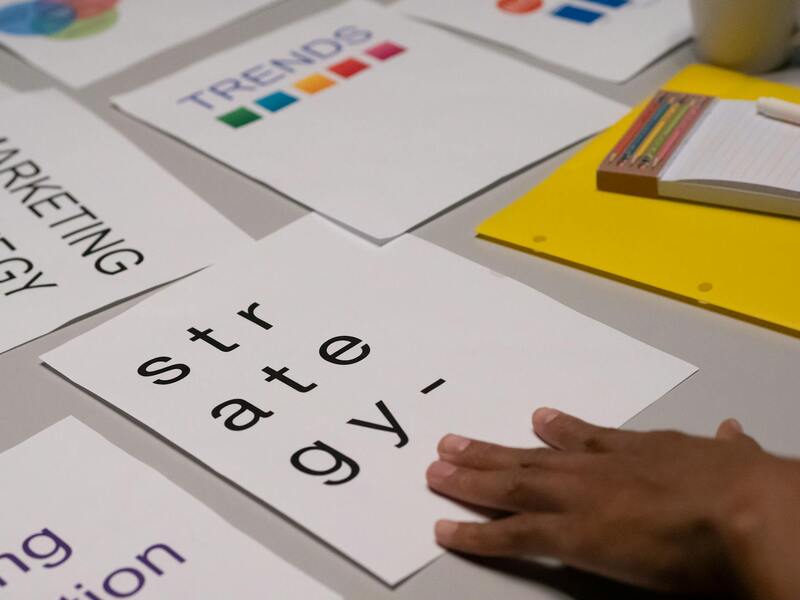
In today’s highly competitive markets, the strategic use of full color brochure printing can make a significant difference in how products and services are perceived. The ability to reproduce logos, photographs, and graphic elements with precision and consistency ensures that the final product aligns with brand standards and marketing objectives. Moreover, the impact of high-quality printing extends beyond aesthetics—it's about building trust, credibility, and recognition among prospective clients and existing customers.
Choosing reputable printing methods and providers guarantees that every brochure meets professional standards and adheres to industry best practices. This guarantees the durability of printed materials, fidelity in color reproduction, and the clarity of critical text and imagery, which all contribute to a successful marketing collateral that stands out in various distribution channels. As businesses continue to seek cost-effective yet visually compelling materials, full color brochure printing remains a preferred choice for making a memorable impression and effectively communicating key messages to target audiences.
Exploring the Spectrum of Color Quality in Full Color Brochure Printing
When investing in full color brochure printing, understanding the importance of color fidelity is crucial. High-quality printing methods employ advanced color management techniques to ensure that the vibrancy and accuracy of each hue are reproduced faithfully across different batches. This consistency not only solidifies brand identity but also enhances visual engagement, making each brochure a compelling representation of your product or service.
In professionally executed full color printing, the use of precise color profiles such as ICC profiles guarantees that colors are rendered uniformly on diverse equipment and materials. This meticulous approach minimizes discrepancies and promises that the final printed material will meet or exceed expectations. Moreover, the integration of premium printing technologies like offset or digital presses optimized for vibrant color outputs further elevates the visual impact, allowing intricate gradients, sharp photographic details, and bold graphics to stand out vividly.
Choosing the right printing parameters, including color gamut, saturation, and contrast, directly influences the perception of your brochure's quality. It’s essential to select reputable providers who prioritize color consistency and use state-of-the-art equipment, ensuring that each print run maintains strict standards. These factors collectively support the creation of brochures that not only attract attention but also evoke trust and credibility with your target audience.
Beyond visual appeal, proper color reproduction plays a pivotal role in maintaining brand integrity. For brands that rely heavily on visual elements, such as fashion, food, or interior design, the accurate depiction of colors can impact consumer perception and decision-making. Therefore, investing in advanced color management during the printing process is an indispensable step toward producing marketing materials that truly resonate across all platforms and display channels.
Enhancement Through Finishing Techniques and Material Choices
To complement superior color printing, various finishing options can refine the tactile and visual quality of brochures. Matte, gloss, or satin coatings not only add visual depth but also enhance durability, resisting everyday wear and tear. Embossing, spot UV coating, or matte lamination can be employed selectively to highlight specific design elements, such as logos, icons, or headings, creating a sophisticated and memorable impression.
Paper stock selection is equally critical in achieving the desired visual effect. Heavier, coated cardstock provides a smooth surface that accentuates color vibrancy and sharpness, making images pop and text appear crisp. Conversely, uncoated papers lend a tactile warmth suitable for a more understated, natural aesthetic. The choice of paper should align with branding goals and the expected handling of the brochures, considering factors such as foldability, weight, and environmental impact.
Ultimately, the combination of advanced printing techniques, thoughtful material selection, and strategic finishing results in full color brochures that are both visually striking and durable. These elements work in concert to ensure your printed collateral not only captures attention at first glance but also leaves a lasting impression, reinforcing your brand message effectively across multiple channels and locations.
Understanding the Printing Process for Full Color Brochures
Producing high-quality full color brochures involves a meticulous printing process that ensures vibrant colors, crisp details, and durability. The process begins with digital or offset printing technologies tailored to meet the specific needs of each project. Digital printing offers quick turnaround times and cost-effective options for smaller quantities, providing excellent color accuracy and sharpness. Offset printing, on the other hand, is ideal for larger runs, delivering consistent color reproduction and intricate detail with high precision.
During the pre-press phase, your design undergoes careful calibration, color proofing, and file preparation to match your branding standards and material specifications. Accurate color management is essential, often utilizing PMS (Pantone Matching System) colors or CMYK processes to reproduce your hues precisely across different print batches.

Once the printing process begins, quality control measures are implemented at every stage to verify color fidelity, registration, and print consistency. Post-printing finishing touches, such as coating, lamination, or embossing, are applied to enhance visual appeal and protect the brochures from everyday wear. Each step adheres to strict standards of craftsmanship and precision, ensuring that final products meet professional expectations and support your branding objectives.
Furthermore, advancements in printing technology now enable the integration of eco-friendly inks and sustainable materials, aligning your marketing collateral with responsible practices. The selection of eco-conscious inks and recyclable substrates not only reduces environmental impact but also appeals to environmentally aware consumers, adding an additional layer of value to your printed brochures.
Color Management and Quality Assurance Measures
Achieving consistent full color reproduction across multiple copies relies heavily on robust color management protocols. This process involves the use of calibrated monitors, color profiles, and standardized printing conditions to minimize deviations. Before the bulk run, proofing samples are often produced to review color accuracy, layout, and overall quality, allowing for last-minute adjustments to ensure the final batch aligns perfectly with your vision.
In addition to color accuracy, quality assurance extends to checking registration, bleed, and trimming precision. These meticulous inspections guarantee that every brochure maintains a professional appearance, free from defects such as misaligned images or uneven cuts. This rigorous approach ensures the durability of your marketing material, maintaining color vibrancy and structural integrity even after handling, distribution, and exposure to various environments.
Overview of Full Color Brochure Printing
Full color brochure printing stands as a cornerstone in professional marketing, effectively conveying brand identity and messaging through vivid imagery and compelling content. This process involves reproducing a broad spectrum of hues with high precision, ensuring that every design detail appears vibrant and true to the original concept. The resulting brochures serve as powerful tools for engagement, whether used to introduce new products, highlight services, or showcase corporate achievements.
In the realm of print marketing, the necessity for consistent color fidelity cannot be overstated. Variations in printing conditions or paper substrates can impact color accuracy, risking a disconnect between digital designs and final output. To mitigate this, print providers employ rigorous color management protocols, including calibrated monitors and standardized color profiles, to maintain uniformity across production runs. This attention to detail guarantees that your printed brochures match your envisioned colors, providing a professional and polished appearance that resonates with your target audience.
Types of Brochures and Folding Styles
Brochures come in diverse formats and folding styles, each suited for specific messaging needs and aesthetic preferences. The most common types include:
- Tri-fold Brochures: Divide the paper into three sections, creating a compact and easy-to-handle layout perfect for quick information dissemination.
- Half Fold Brochures: Folded once in half, offering a simple yet elegant presentation suitable for detailed content or images.
- Z-Fold and Accordion Fold: Characterized by multiple folds that expand outward, these styles are ideal for storytelling or segmented information flow.
- Gate Fold: Features two end panels that open to reveal a larger central section, providing a dramatic unveiling of key messages.
Choosing the right folding style enhances the brochure's visual appeal and functionality, making it easier for recipients to navigate and digest information. Integrating these styles with custom design elements can elevate your marketing efforts and leave a memorable impression.
Design Elements and Customization Options
The strength of full color brochure printing lies in its customizable features. You can tailor the design to align seamlessly with your brand identity through various options:
- Color Schemes: Select from vibrant, subdued, or brand-specific palettes to evoke the desired emotional response.
- Images and Graphics: Incorporate high-resolution visuals and custom illustrations for visual storytelling.
- Typography: Use fonts that reflect your brand personality and improve readability.
- Layouts and Templates: Utilize professionally designed templates or develop unique layouts that highlight your key messages.
- Finishing Touches: Add spot UV coatings, embossing, or foil stamping to create textured, eye-catching effects.
These design choices not only enhance aesthetic appeal but also reinforce brand recognition, making your brochures a compelling component of your marketing strategy.
Overview of Full Color Brochure Printing
Full color brochure printing represents a strategic choice for brands aiming to maximize visual impact and communicate their message effectively. Leveraging advanced CMYK printing technology, this method produces vibrant, richly detailed images and graphics that capture attention and reinforce brand identity. The appeal of full color brochures lies in their ability to convey complex information through compelling visuals, making them ideal for product showcases, corporate profiles, and marketing campaigns. The high-resolution output ensures sharp lines and accurate color reproduction, establishing a professional appearance that resonates with target audiences.
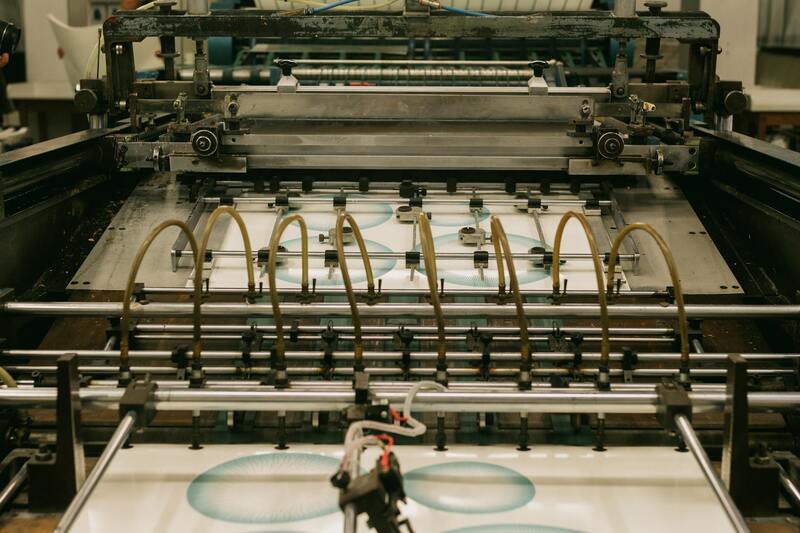
Color accuracy begins with the use of calibrated printing equipment and quality ink formulas designed to produce consistent results across large quantities. This consistency is critical for maintaining brand standards and delivering a polished final product. Advanced printing procedures also include color management techniques, such as color profiles and proofing, which enable designers and clients to preview and approve the final appearance before mass production. Such meticulous processes prevent color discrepancies and ensure the final brochures meet expectations.
Importance of Color Vibrancy and Resolution in Brochure Printing
Color vibrancy is a distinguishing factor in full color brochure printing, directly impacting the visual hierarchy and engagement level of your marketing collateral. Achieving striking hues and seamless gradients involves controlling numerous variables within the printing process, including ink density, paper choice, and press calibration. High line screen resolution, typically between 150 to 300 dpi, ensures crisp text and detailed imagery that remain clear in print. These specifications are essential for creating eye-catching brochures that command attention and deliver your message with clarity.
Quality Assurance in Color Reproduction
- Color Management: Using standardized color profiles ensures consistent reproduction across multiple print runs.
- Proofing: Soft and hard proofs allow for accurate previews, reducing errors before final printing.
- Calibration: Regular calibration of printing equipment maintains color accuracy and prevents dull or mismatched colors.
- High-Quality Inks and Paper: Premium inks and substrates contribute to sharper images and longer-lasting colors.

By adhering to stringent quality standards and employing sophisticated color management techniques, full color brochure printing delivers consistently rich and vibrant prints that reinforce your branding efforts. High resolution and accurate color reproduction make a tangible difference in how recipients perceive your brand, translating to increased engagement and brand recall.
Printing Process and Turnaround Time
Understanding the intricacies of the printing process is essential for achieving premium full color brochure printing results. Two primary methods are employed in commercial printing: digital and offset. Digital printing offers rapid production cycles, making it ideal for smaller quantities or rapid turnarounds. This process involves directly transferring digital images onto the chosen substrate, ensuring quick setup times and high flexibility for customization. Offset printing, on the other hand, uses plates to transfer ink onto paper, providing superior color fidelity and consistency for large-volume orders.
Typically, digital printing can deliver small batch brochures within 1-3 business days, especially suitable for urgent needs or short runs. Offset printing, while taking longer due to plate preparation, generally completes larger print jobs within 3-7 business days, depending on the project complexity and quantity. Several factors influence turnaround times, including the volume of printed pieces, finishing requirements, and mailing or distribution needs. Efficient workflow management and proper planning are critical for ensuring timely delivery without compromising quality.
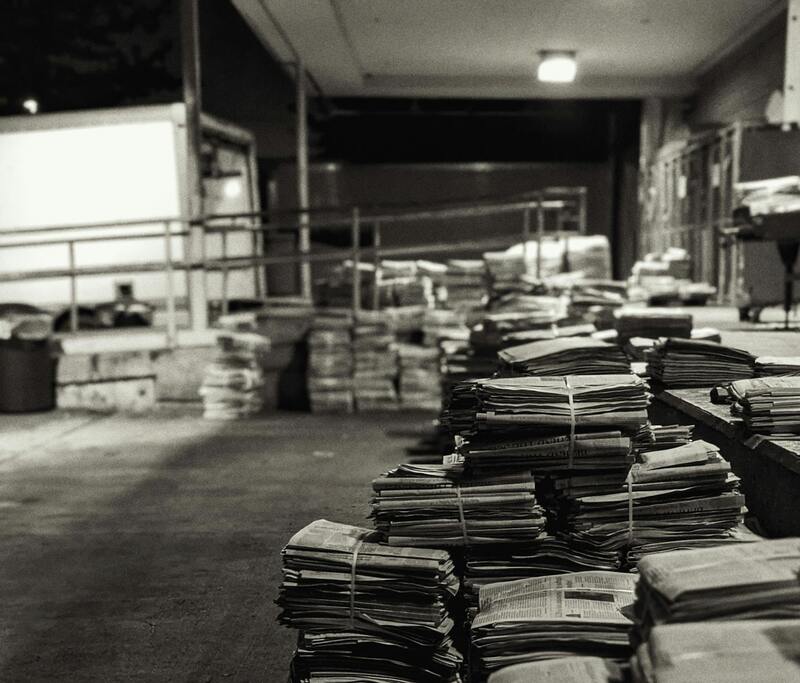
Advanced technology in full color brochure printing ensures vibrant hues and precise color gradients. Digital presses utilize high-resolution inkjet or toner-based systems that produce sharp images with consistent color accuracy. When offset printing is employed for large runs, the calibration of presses and color management protocols guarantee uniform hues across all copies, matching brand standards and design specifications. Material selection, ink formulation, and environmental controls also contribute to the final print quality, delivering brochures that are visually compelling and durable.

While the initial setup for offset printing requires meticulous color calibration, once established, it produces reproductions with substantial color depth and tonal richness. Digital printing, with its ability to smoothly handle complex gradients and vivid palettes, is particularly effective for projects with detailed imagery and precise color demands. Both methods incorporate rigorous quality assurance measures, including proofing processes and in-process inspections, to prevent common issues such as color mismatches, streaking, or smudging. These steps ensure that your full color brochures reflect your branding with clarity and professionalism.
Understanding Full Color Brochure Printing Techniques Preservation of Print Quality
Adhering to official printing standards ensures that each brochure produced through full color brochure printing maintains its vibrancy, durability, and overall visual impact. Precise color matching, sharp imagery, and consistent finish quality are achieved by utilizing official methods such as calibrated printers and standardized color profiles. Professionals employ advanced color management systems that calibrate their devices regularly, matching colors accurately across different batches and substrates. These standardized procedures allow for predictable results, aligning with your branding and design specifications seamlessly.

In addition to color calibration, the use of certified inks and high-quality substrates plays a crucial role in preserving print integrity. Eco-friendly, fade-resistant inks ensure that the brochures retain their vibrant appearance over time, resisting environmental factors such as sunlight and moisture. The selection of premium paper stocks, along with precise printing processes, reduces the likelihood of issues like bleeding, smudging, or color inconsistencies, thus providing a professional and polished final product.
Color Consistency and Proofing
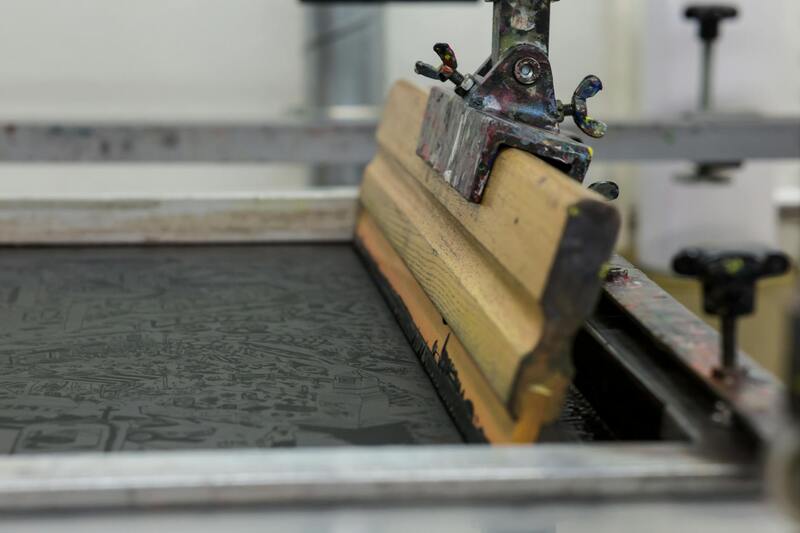
Implementing rigorous proofing processes is essential for confirming that the printed brochures meet your exact expectations. Digital proofs allow you to review colors, images, and layout details before the final run, minimizing costly errors and ensuring alignment with your branding standards. Offset printing, when chosen for larger quantities, benefits from detailed color management procedures, including ICC profiles and inline spectrophotometers, which guarantee consistent and accurate color reproduction across all copies.
By utilizing these officially sanctioned methods, you can trust that your full color brochures will deliver the intended visual message with clarity and professionalism. Proper maintenance of equipment and adherence to industry standards not only enhances aesthetic appeal but also reinforces your brand’s credibility through high-quality presentation.
Implementing Reliable and Standardized Printing Methods for Full Color Brochures
When it comes to producing high-quality full color brochures, utilizing official printing methods is essential for achieving precise color fidelity, consistent quality, and professional presentation. These methods include a comprehensive suite of established practices and equipment calibrated for each print job, ensuring that the final output aligns perfectly with the original design intentions.
Color Management Systems and Calibration
Modern commercial printers employ advanced color management systems (CMS) that calibrate devices to maintain uniformity across print runs. These systems use ICC profiles, which are standardized color profiles tailored to specific printers, inks, and substrates. By integrating inline spectrophotometers, print operators can perform real-time color checks and adjustments, ensuring that each sheet matches the intended color specifications. This rigorous calibration process minimizes color discrepancies, maintains brand consistency, and enhances visual impact.
Consistency Through Proofing and Quality Control
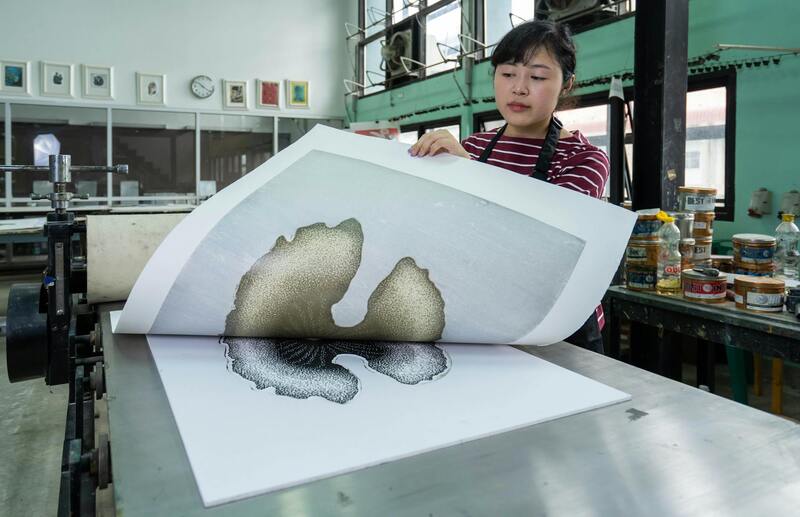
Before commencing large print runs, official printers produce digital or physical proofs for approval. These proofs serve as critical checkpoints, allowing clients to review color accuracy, layout alignment, and image clarity. Such pre-press verification mitigates costly errors, ensuring that the final brochures meet exact expectations. During the production process, inline quality control measures—including inline spectrophotometers and automated inspection systems—continuously monitor print quality, detecting issues such as misregistration, color misalignment, or ink density irregularities. These procedures uphold stringent standards, ensuring a uniform finish across all copies.
Adherence to Industry Standards and Certified Equipment
Using industry-standard equipment certified for high-precision print production is foundational to producing credible full color brochures. Offset and digital presses calibrated according to ISO standards are common in professional printing facilities. Such machines are maintained regularly, with routine checks and calibrations performed by trained technicians. This systematic approach guarantees that the color output remains consistent over time, and that each print batch aligns with the specified quality standards, ultimately reflecting the professionalism and reliability of the printing provider.
Environmental Considerations and Certification
Reputable printing companies prioritize environmental responsibility through the use of eco-friendly inks and sustainable substrates. Certification programs such as FSC, ISO 14001, and others verify that the printing processes meet eco-conscious standards. These certifications enforce the use of environmentally safe, fade-resistant inks and responsibly sourced paper stocks, ensuring that the brochures are not only visually appealing but also align with sustainable practices and enhance your brand’s integrity.

Ensuring Long-Term Quality and Presentation
Finally, maintaining the longevity of full color brochures involves the proper selection of finishing options. UV coating, matte or gloss lamination, and UV varnishing protect printed surfaces against scratches, moisture, and fading. These finishing techniques, combined with high-quality paper stocks, contribute to the durability and visual richness of printed marketing materials. When handled through recognized printing channels employing official methods, these finishing processes faithfully deliver the intended aesthetic and functional qualities, reinforcing your brand’s professionalism.