
Introduction to Digital Printing Services
In today’s fast-paced business environment, the ability to produce high-quality prints quickly and efficiently is crucial. Digital printing services have emerged as an indispensable component of modern commercial and personal printing solutions, especially in regions like Singapore where speed and precision are highly valued. Unlike traditional printing methods, digital printing utilizes advanced technology to deliver sharp, vibrant images directly from digital files, streamlining the process from design to finished product.

At the core of digital printing technology are digital-based systems such as inkjet and laser printers. These systems eliminate the need for traditional printing plates, which are time-consuming and costly to produce. As a result, digital printing allows for rapid turnaround times and minimized setup costs, making it ideal for small runs and personalized print jobs. This flexibility enhances the ability of businesses to adapt quickly to market demands, create bespoke marketing materials, or fulfill individual printing requests with exceptional quality.
Singapore’s rising demand for digital printing services reflects broader trends in the global printing industry. With a thriving business hub and numerous creative industries, the city-state benefits significantly from digital printing’s capability to handle diverse printing projects efficiently. Industries such as advertising, retail, event management, and corporate services rely on digital printing to meet tight deadlines while maintaining high standards of print clarity and color accuracy.
The Significance of Digital Printing in Singapore’s Printing Industry
Singapore’s strategic position as a financial and creative hub amplifies the importance of having access to reliable digital printing services. These services support various operational needs, including rapid production of promotional materials, customized packaging, event signage, and business stationery. Digital printing’s ability to produce consistent results on a wide range of media makes it a vital tool for companies aiming to strengthen their brand presence and communicate effectively with their audience.
Moreover, innovations in digital printing technology have contributed to more sustainable and eco-friendly practices within the industry. Many providers now offer environmentally conscious options that reduce waste and optimize ink usage. This synergizes well with Singapore’s drive towards sustainable development, aligning printing practices with broader environmental goals.
The Evolution and Reliability of Digital Printing Technologies
Over the years, significant advancements in digital printing have expanded its capabilities. Modern digital presses can handle a variety of media, from standard papers to specialty materials like vinyl and fabric, opening new avenues for creativity and commercial applications. Enhanced color management systems, higher resolution outputs, and faster processing speeds have set new standards for quality and efficiency.
When selecting digital printing services, Singaporean businesses and individuals benefit from a mature and highly competitive landscape where providers are equipped with state-of-the-art equipment and expertise. These professionals employ industry-best practices to ensure that each project meets specifications, aesthetic expectations, and durability requirements. Consequently, digital printing has become an industry benchmark for delivering reliable, high-quality results suitable for a vast array of uses.
Understanding the Core Digital Printing Technologies
Digital printing services utilize two primary methods: inkjet printing and laser printing. Each technique is optimized for specific applications, offering distinct advantages in quality, speed, and media compatibility.
Inkjet Digital Printing
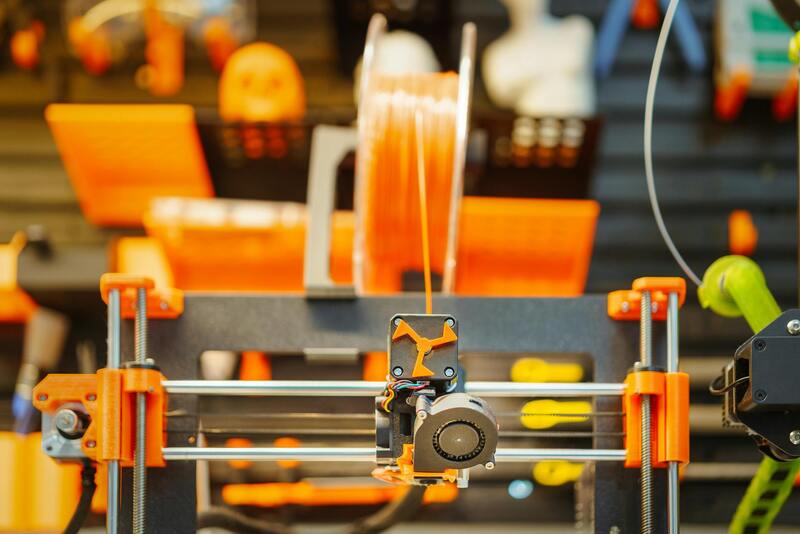
Inkjet technology employs tiny nozzles that spray liquid ink directly onto the medium. Renowned for its ability to produce vibrant colors and fine detail, inkjet printing is ideal for high-quality images, photographic prints, and customized designs. Its versatility allows printing on various materials, including fabric, vinyl, and specialty papers, making it a preferred choice for promotional items, posters, and art reproductions.
Laser Digital Printing
Laser printing utilizes a laser beam to project an image onto a drum, which then transfers toner onto the media. This method is distinguished by its speed, precision, and cost-effectiveness for bulk printing. Laser technology is particularly suitable for producing sharp text, business documents, and marketing materials such as flyers and brochures at high volumes.
Differences in Application and Quality
While both technologies serve distinct commercial and personal needs, their selection depends on the specific outcome desired. Inkjet printing excels in producing high-resolution, photo-realistic images and is favored for custom, short-run projects where quality takes precedence over speed. Conversely, laser printing offers rapid production of large quantities of consistent, crisp documents, making it indispensable for business environments that require efficiency and uniformity.
- Media Compatibility: Inkjet printers handle a broader spectrum of media types, including textured surfaces and thick cardstocks. Laser printers are optimized for standard office papers and coated stocks.
- Color and Resolution: Inkjet systems typically deliver superior color gradation and finer detail, vital for visual art and promotional graphics. Lasers provide sharp black-and-white output with high clarity, suitable for text-heavy materials.
- Speed and Volume: Laser presses are generally faster, making them more suitable for large-volume printing jobs. Inkjet presses, although slower, provide excellent quality for smaller batches or on-demand printing.
Choosing the Right Digital Printing Method
Businesses should evaluate their specific printing needs to determine the most appropriate technology. Factors include the type of media, color accuracy requirements, volume, and budget. For instance, a company producing customized marketing posters might opt for inkjet services to achieve high-quality visuals, whereas a corporate office printing routine documents and forms may prefer laser technology for its speed and efficiency.
Material Compatibility and Media Options
Digital printing services available through providers like disc-print.com encompass a wide range of materials, from standard paper to innovative substrates. Common media include:
- Standard office paper
- Cardstock and business cards
- Vinyl banners and decals
- Fabric and textiles
- Specialty materials like transparent films and metallic surfaces
The ability to print on diverse media enables customization and creates a versatile toolkit for marketing, branding, and promotional efforts.
Comparison Summary
| Feature | Inkjet | Laser |
|---|---|---|
| Primary Use | High-resolution images, photos, artwork | Text documents, bulk marketing materials |
| Media Compatibility | Wide range, including textured and thicker media | Standard and coated papers |
| Speed | Slower, suitable for short runs | Faster, optimized for high-volume output |
| Cost Efficiency | Higher per unit for small runs | Economical for large runs |
| Color Quality | Excellent color gradation, photo quality | Good color accuracy, sharp black text |

Understanding the Suitable Media for Digital Printing Services
Digital printing capabilities extend across a wide array of materials, offering flexibility for various project requirements. The selection of media plays a crucial role in achieving optimal print quality, durability, and visual impact. Common substrates include standard office papers for internal documents and marketing materials, textured or thicker papers for premium business cards, and specialty materials like vinyl for outdoor signage.
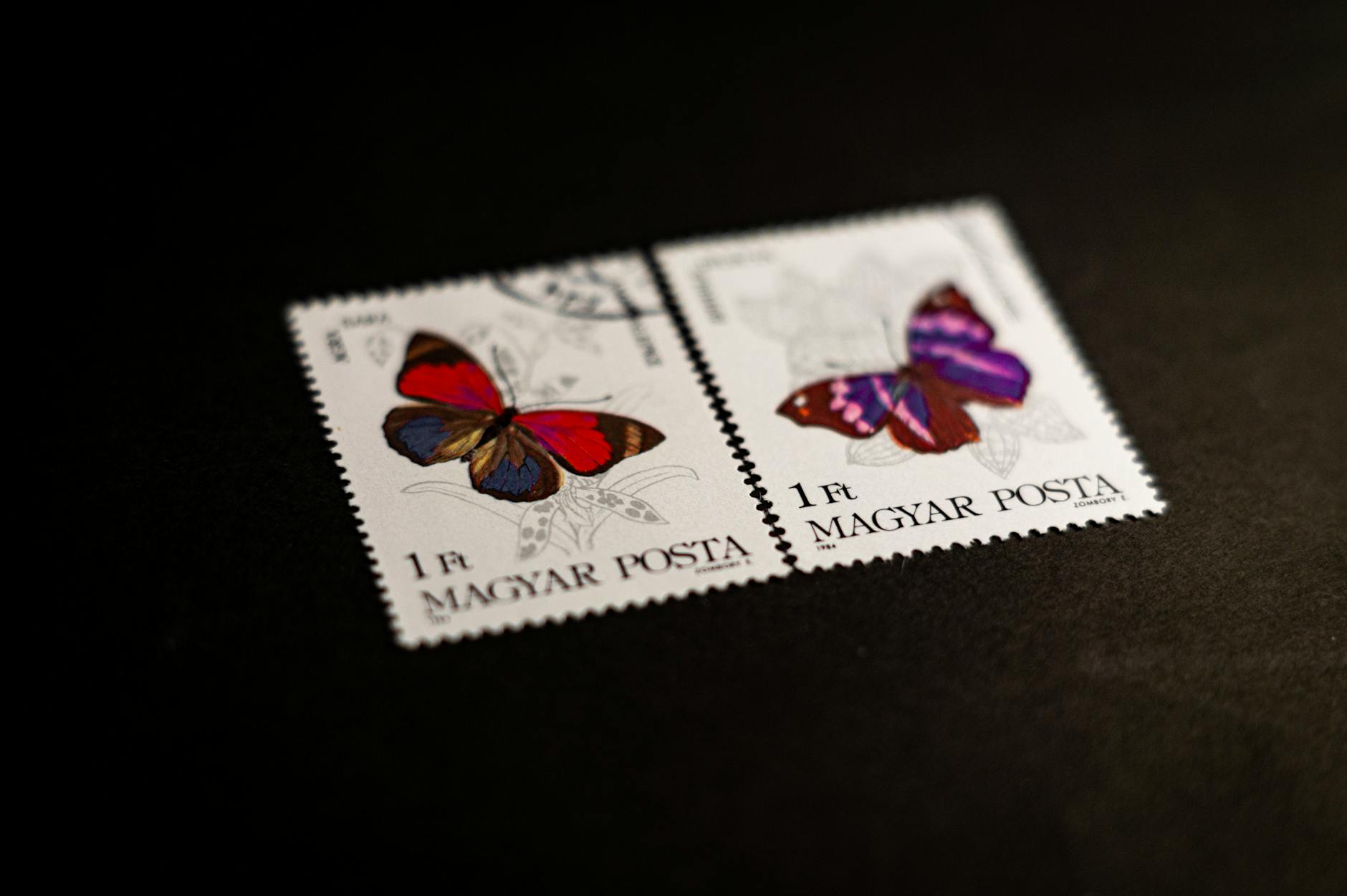
For banners, large-scale displays, and outdoor advertisements, vinyl and fabric substrates are preferred due to their weather resistance and durability. When it comes to personalized products such as labels and stickers, transparent films and metallic surfaces provide added visual appeal and sophistication. Additionally, materials like foam board and corrugated board are ideal for lightweight signage and exhibition displays, offering both ease of handling and a professional finish.
Key Factors in Material Selection
- Durability Requirements: Consider weather resistance, scratch resistance, and lifespan when choosing materials for external signage or products intended for prolonged display.
- Visual Impact: Texture, gloss level, and color vibrancy are important for creating eye-catching logos, banners, or product labels.
- Compatibility with Printing Technology: Verify that the media is compatible with the selected digital printing method, whether inkjet or laser, to prevent issues such as smudging, poor adhesion, or media damage.
- Size and Thickness: Certain substrates may require specific handling or processing, especially for large-format prints or rigid boards.
The availability of diverse media options enhances the ability of digital printing services like disc-print.com to cater to unique branding and marketing needs, ensuring high-quality outputs across a broad spectrum of applications.
Customizing Print Outputs for Different Media
Manufacturers and printing providers employ advanced calibration techniques to optimize the ink application and color fidelity across various materials. When preparing files for printing, it's essential to ensure high-resolution images and proper file formats are used to avoid pixelation and color inconsistencies. Additionally, finishing techniques such as lamination, matte or gloss coatings, and die-cutting can further refine the final product, providing extra protection and aesthetic enhancement.

In selecting a digital printing service, clients should review the provider's media compatibility list, sample portfolios, and finishing capabilities. This ensures that the chosen provider can meet the specific standards needed for each application, whether for vibrant promotional banners, detailed labels, or premium business cards. The right match between media and printing technology enables the production of compelling visual assets that resonate with target audiences and reinforce brand identity.
Examination of Official Digital Printing Methods
In the realm of professional digital printing services offered by disc-print.com, adherence to legitimate and recognized techniques is paramount. These methods are characterized by their consistency, high quality, and compliance with industry standards, which ensure each print aligns with client expectations and branding requirements.
Established Digital Printing Technologies
Fundamental to professional digital printing are the core technologies that facilitate superior output quality and durability. These include:
- Inkjet Printing: Utilized widely for its ability to produce high-resolution images on a variety of media, inkjet technology employs tiny nozzles to deposit precise ink droplets onto the substrate, ensuring rich colors and fine details.
- Laser Printing: Known for its speed and accuracy, laser printing involves the use of static electricity to transfer toner powder onto paper. This method is especially effective for mass-producing crisp texts and graphics with consistency.
- Electrophotography: A subset of laser technology, it provides high fidelity color reproductions, suitable for producing professional-grade marketing materials, labels, and packaging components.
- UV Printing: This technique uses ultraviolet light to cure the ink instantly onto rigid surfaces or flexible media, making it suitable for customized signage and promotional items requiring durable finishes.
Strict Compliance with Proven Processing Methods
Employing legitimate digital printing methods involves rigorous quality controls and standardized operating procedures. Each process, from file preparation to final finishing, must conform to technical specifications to achieve the highest possible quality output. This encompasses proper color management, substrate compatibility, and precise calibration of printing machinery.
File integrity is essential. Files should be prepared in high-resolution formats, such as PDF or TIFF, with embedded color profiles to maintain consistency across different media. This diminishes issues like pixelation, color shifts, or mismatched hues. When printing on diverse media, manufacturers and service providers carefully select substrates—such as coated papers, vinyl, banners, or rigid boards—that are compatible with the chosen technology, ensuring the finish aligns with the intended application.
Methods of Finishing and Validation
Legitimate digital printing includes comprehensive finishing processes to enhance durability and aesthetic appeal. Techniques like lamination, coating (matte, gloss, or satin), die-cutting, and UV coating are employed meticulously to extend the lifespan of printed products and meet specific client demands.
Before final approval, samples are often evaluated for color accuracy, alignment, and overall quality. This validation step is crucial to obviate issues post-production and guarantee that the outputs meet the precise standards established during planning.
Media Compatibility and Customization
High-quality digital printing hinges on media compatibility. Certified providers maintain detailed media lists that specify which materials are suitable for particular printing technologies. They often possess extensive portfolios demonstrating their capability to produce vibrant banners, detailed labels, textured business cards, or any custom medium.

Customized outputs require precision in file formatting, media selection, and finishing. Providers employ advanced calibration techniques to guarantee accurate color rendition, sharp details, and uniform application of inks. Whether it's a large-format banner or a delicate label, these professional practices ensure each product's visual impact and longevity.
Assessing Digital Printing Services for Legitimacy
Clients seeking digital printing services should scrutinize providers’ capabilities by reviewing their media compatibility, sample portfolio, and finishing options. An established print company will have a comprehensive understanding of industry standards, routinely update their machinery and processes, and invest in training staff to uphold quality. This ensures reliable, high-impact results for all types of professional printing needs.
Methods and Standards for Professional Digital Printing
For businesses and individuals seeking consistent, high-quality outputs, leveraging official digital printing methods involves adhering to industry-defined standards and practices. Certified digital printing services employ advanced calibration techniques that meticulously regulate ink density, color accuracy, and registration, ensuring each printed piece meets exact specifications. These methods include precise color management systems that utilize ICC profiles to maintain color fidelity across different substrates and print runs, providing clients with predictable and vibrant results.
Consistent quality control is maintained through rigorous validation processes, where print samples are scrutinized for detail sharpness, color consistency, and surface finish. Regular maintenance and calibration of printing equipment are integral to this approach, preventing color drift and mechanical issues that could compromise output integrity. Such commitments to quality assurance exemplify the professional standards upheld by reputable digital printing providers.
In addition to equipment calibration, modern digital printing utilizes legitimate file preparation protocols. These protocols involve DPI optimization, bleed and margin settings, and color space adjustments that harmonize with the chosen media type. Proper file setup reduces misalignments and ensures that entire designs are rendered accurately without distortions or loss of detail.
The choice of inks is also significant; legitimate providers utilize certified, fade-resistant, and environmentally safe inks suitable for various applications—whether for indoor displays or outdoor signage. This guarantees not only vibrant, eye-catching images but also durability and safety.
Another critical aspect is media compatibility validation. Certified providers maintain detailed media lists that specify materials suitable for digital printing, including paper, vinyl, fabric, and synthetic surfaces. They conduct media testing and calibration to confirm optimal ink adhesion and color rendering on each substrate, which is essential for producing durable, high-quality products.

Materials and Media Suitable for Digital Printing
High-quality digital printing hinges on the selection of appropriate media substrates. Certified providers employ a variety of materials tailored to different application needs, ensuring vibrant visuals and durability. Among the most common substrates are paper, vinyl, fabric, and synthetics, each chosen for their compatibility with digital inks and their suitability for indoor or outdoor use.
For indoor applications, substrates such as high-grade paper, polyester films, and fabric banners are typically used. These materials offer excellent ink adhesion and color accuracy, making them ideal for banners, posters, and point-of-sale displays. Manufacturers often maintain detailed media lists, indicating the best types for specific projects, backed by rigorous testing to ensure optimal results.
Outdoor signage and external advertising require more robust materials. Weather-resistant vinyl banners, laminated fabrics, and synthetic surfaces provide resilience against environmental factors like sunlight, rain, and wind. Professional digital printing services apply protective coatings, such as UV lamination, to enhance longevity and prevent fading or damage over time.
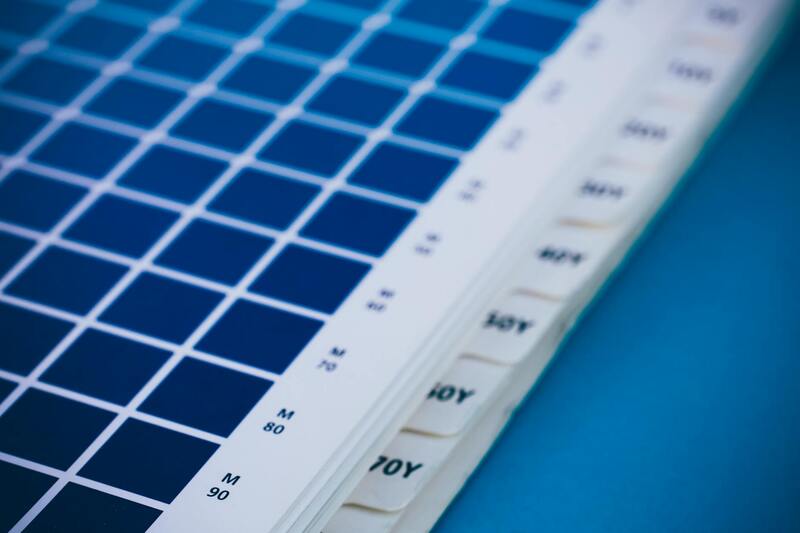
Media calibration is a critical step in the printing process, involving media testing and color profiling to achieve consistent, high-quality outputs. This process ensures that the vibrant colors and intricate details of digital prints are preserved across different materials. Fine-tuning ink adhesion and layer thickness prevents issues like smudging, bleeding, and uneven color distribution, which could detract from the final product's visual impact.
Finishing processes play a vital role in safeguarding the printed media. Techniques such as lamination, UV coating, and precise edge cutting not only enhance visual appeal but also add layers of protection against scratches, UV rays, and scuffs. These finishing touches are executed according to established standards, ensuring that the final products meet the expectations for both aesthetics and durability.

Adherence to strict standards in material selection and processing underscores the commitment of professional digital printing services to deliver high-quality, reliable results. By utilizing certified media and employing precise calibration and finishing protocols, providers guarantee a product that aligns with client specifications and withstands real-world conditions.
Continued technological advancements in digital media development, such as eco-friendly, water-based inks, and smart substrates, are expanding the possibilities for innovative applications. The careful selection and testing of these materials by experienced providers ensure not only visual excellence but also sustainability and safety for varied uses.
Introduction to Digital Printing Services
Digital printing services have revolutionized the printing industry by enabling quick, high-quality outputs with minimal setup time. Unlike traditional offset printing, which requires elaborate preparation of printing plates, digital printing allows for direct image transfer from digital files to various media. This innovation not only accelerates production timelines but also reduces costs associated with small batch printing and customization. As businesses and individuals seek tailored marketing materials, personalized gifts, or promotional items, digital printing establishments are meeting these demands with precision and flexibility, particularly within dynamic markets like Singapore.
Types of Digital Printing Technologies
Several digital printing technologies are prevalent today, each suited to different applications and media types:
- Inkjet Printing: This technology propels tiny droplets of liquid ink directly onto substrates, making it ideal for large-format printing, fine art reproductions, and promotional banners. It provides vibrant colors and high detail, especially suitable for printing on diverse materials such as canvas, vinyl, and photo paper.
- Laser Printing: Utilized mainly for sharp text and high-speed document printing, laser technology employs static electricity and heat to transfer toner onto paper. Its efficiency makes it a staple for business documents, IDs, and professional stationery.
- UV Printing: By curing UV-sensitive inks instantly with ultraviolet light, this method is perfect for printing on non-porous substrates like plastics, glass, and metals. UV printing offers durability and high-resolution images, ideal for signage and product packaging.

Common Applications of Digital Printing
Digital printing unlocks diverse opportunities across industries, including the creation of customized marketing materials, personalized packaging, and promotional displays. Businesses leverage digital printing for producing high-quality business cards, brochures, and banners that cater to specific campaigns or branding requirements. The technology also plays a vital role in producing limited-edition product labels, bespoke apparel prints, and high-detail photographic reproductions. In retail, digital printing is indispensable for in-store signage, point-of-sale materials, and event displays. The fast turnaround enables brands to adapt quickly to market trends or promotional seasons, ensuring their messaging remains relevant and impactful. Additionally, digital printing's ability to handle short runs economically encourages innovation in personalized gifts, such as customized stationery, photo books, or corporate memorabilia.
Materials and Media Suitable for Digital Printing
To maximize the quality and durability of digital prints, selecting the right media is essential. Common materials compatible with digital printing include:
- Paper and Cardstock: Ranging from standard office paper to heavy-weight art paper, suitable for flyers, brochures, and business cards.
- Vinyl and Banner Materials: Ideal for large-format signage, vehicle wraps, and outdoor advertisements due to their weather-resistant properties.
- Polyester and PET Films: Used in labels, decals, and product packaging, offering durability and resistance to moisture.
- Acrylics and Plastics: For high-end signage, displays, and decorative elements requiring a sleek finish.
- Textiles: Digital textile printing supports fashion, interior decor, and promotional apparel, given compatible dye-based or pigment inks.
Choosing a Digital Printing Service Provider in Singapore
Selecting a reliable digital printing provider involves assessing their technological capabilities, quality standards, and customization options. A dependable service will utilize advanced machinery capable of producing detailed and color-accurate outputs across a broad range of materials. They should also adhere to strict calibration routines and finishing protocols—such as lamination, UV coating, or edge cutting—to ensure longevity and aesthetic appeal. Furthermore, experience and industry reputation are critical factors. Proven expertise in handling complex projects, offering consultation on media selection, and providing rapid turnaround are indicators of a service provider's professionalism. In a competitive environment like Singapore, a quality digital printing partner will demonstrate consistent quality, environmental sustainability practices, and customer-centric solutions, helping brands stand out through visually compelling materials.
Comprehensive Guide to Digital Printing Services
Digital printing services have become an integral part of modern branding, advertising, and personal projects. They provide flexible, high-quality output across a variety of mediums, empowering businesses and individuals to produce visually compelling materials with efficiency and precision. When selecting a reliable digital printing service provider, understanding their technological capabilities, material compatibility, and quality standards is essential. This ensures that your final product not only meets your expectations but also enhances your brand identity or personal expression.
Fundamental Principles of Professional Digital Printing
Top-tier digital printing relies on advanced machinery that employs either inkjet or electrophotographic (laser) technology. These methods enable the direct transfer of digital images onto diverse substrates, maintaining high resolution and vibrant color accuracy. The effectiveness of the process hinges on meticulous calibration, consistent maintenance, and adherence to industry best practices, which collectively guarantee consistent output quality. Finishing touches such as lamination, UV coatings, and precise cutting further augment durability and aesthetics, giving prints a polished, professional appearance.
Material Compatibility and Media Options
One key aspect of successful digital printing lies in media selection. A broad array of materials can be utilized, each suited to particular applications:
- Paper and Cardstock: Ranging from standard sheets for flyers and posters to specialized postcards and business cards, offering textures and weights suitable for various needs.
- Vinyl Films: Used extensively for outdoor signage, vehicle wraps, and decals due to their weather-resistance and adhesive qualities.
- Fabric and Textiles: Digital textile printing supports apparel, home decor, and promotional clothing, often requiring specific dye-based or pigment inks.
- Plastic and Acrylic Sheets: Ideal for high-end signage, displays, and decorative elements that demand clarity and durability.
- Specialty Media: Includes transparent films, eco-friendly substrates, and textured materials to expand the creative possibilities of digital imprinting.
Best Practices in File Preparation and Ordering
To ensure optimal results, proper preparation of digital files is fundamental. High-resolution images (minimum 300 dpi) should be used to prevent pixelation, and color files must be set in the correct mode (preferably CMYK) for accurate color reproduction. When communicating with a printing service, provide clear specifications regarding size, material, finishing options, and any special instructions. Using industry-standard formats such as PDF, TIFF, or EPS helps preserve quality and facilitates smooth processing.
Key Tips for File Submission:
- Include bleed areas if the design extends to the edge of the material to prevent unwanted white borders.
- Embed fonts or convert text to outlines to avoid font mismatches.
- Review color profiles to match print output as closely as possible.
- Label files clearly with project details and version numbers to facilitate efficient handling.
Streamlining Your Order Process
Efficient management of your digital printing order involves selecting a provider that offers comprehensive consultation, from media advice to project timelines. Confirm turnaround times and options for proofs before proceeding with the full print run. Many establishments now provide online uploads and instant quote generators, simplifying the process and enabling quick decision-making. Ultimately, a smooth ordering experience requires transparent communication and detailed understanding of each component involved in the printing workflow.