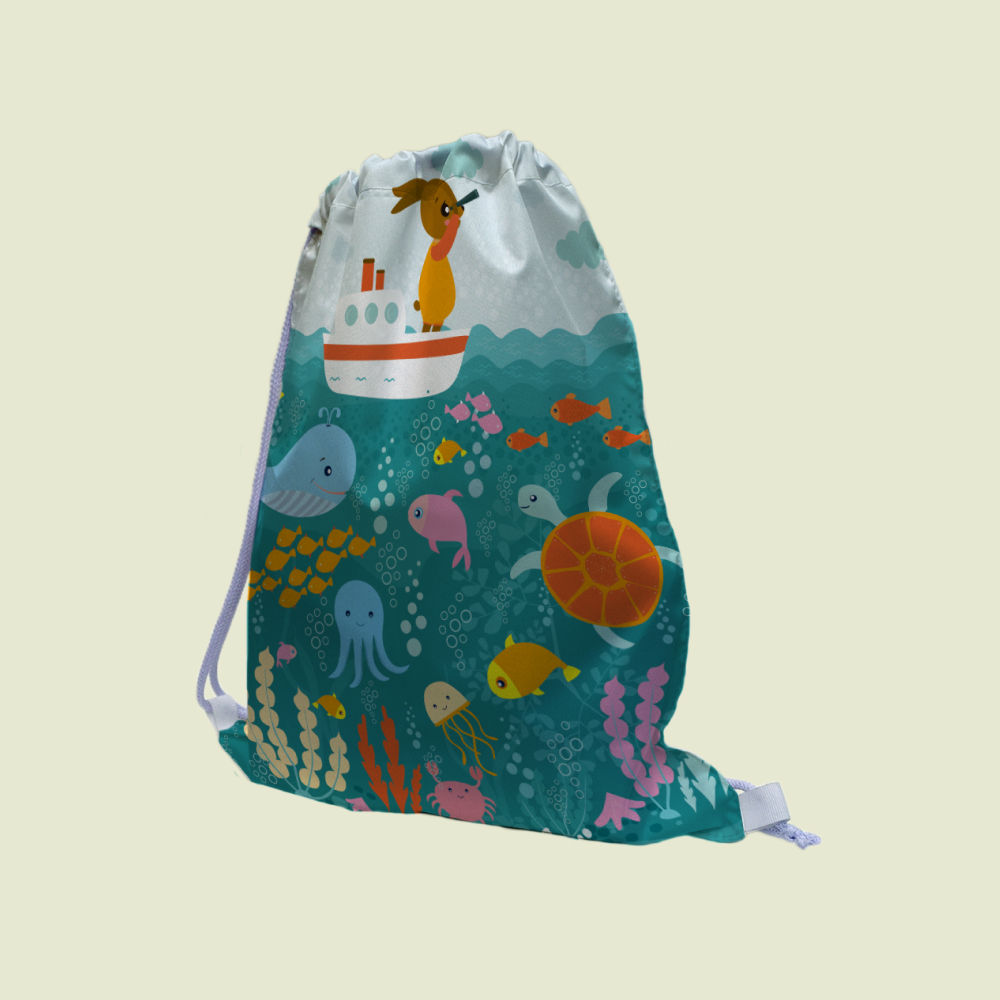
Overview of Large Format Digital Printing
Large format digital printing is a specialized printing process designed to produce high-quality, oversized visuals suitable for a wide array of commercial and artistic applications. This method distinguishes itself from conventional printing techniques by its ability to handle extensive print dimensions, often exceeding the width limits of traditional presses. It is highly valued for creating impactful displays, banners, posters, and murals that demand vibrant color reproduction, crisp detail, and durability.
The primary goal of large format digital printing is to deliver visually striking graphics that effortlessly attract attention and convey messages effectively. Whether used indoors or outdoors, these prints serve as critical branding elements for companies, event organizers, and advertisers seeking to maximize visual impact. Unlike smaller-format digital printing that focuses on office or promotional materials, large format printing is centered on producing high-volume, oversized visuals that can span entire walls or display units.
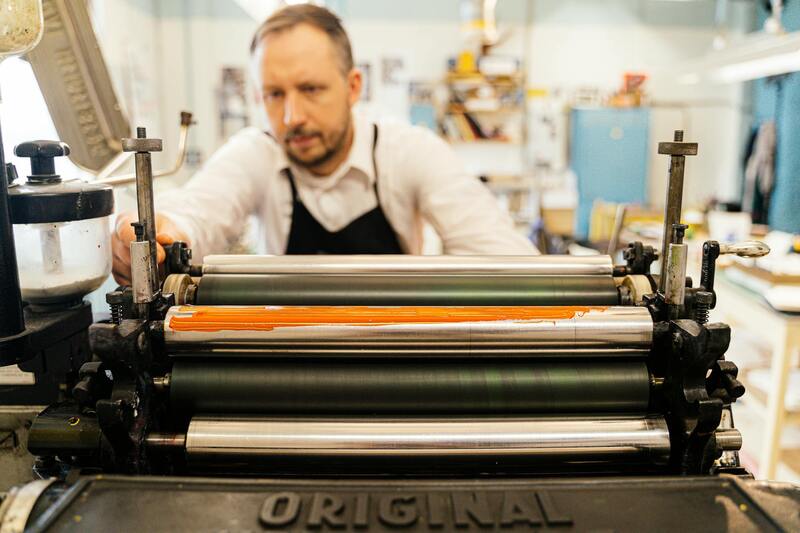
One defining aspect of large format digital printing is its flexibility in terms of substrate compatibility, allowing for diverse materials to be used based on the intended application. This versatility makes it an essential tool across sectors such as retail, events, architecture, and interior decoration, providing options for both temporary and permanent displays.
Additionally, modern large format digital printing leverages advanced digital technology, facilitating quick turnaround times and the ability to produce custom designs efficiently. This capability replaces traditional screen printing or lithography for many applications, offering a more sustainable, cost-effective, and adaptable solution for producing oversized visuals.
In summary, large format digital printing is an indispensable method for creating vivid, large-scale visuals that make a lasting impression. Its ability to accommodate various substrates, combined with cutting-edge digital technology, ensures that clients receive high-quality output that meets their specific needs for size, durability, and visual impact. As businesses and designers continue to seek impactful ways to communicate messages, understanding the scope and capabilities of large format digital printing becomes crucial for successful project realization.
Types of Large Format Digital Printing Technologies
Large format digital printing encompasses various advanced technologies, each suited for specific applications and substrate compatibility. Understanding these main types ensures that clients can select the most suitable printing process for their projects, optimizing durability, visual quality, and cost-efficiency.
- UV-Curable Printing: Utilizes ultraviolet light to instantly cure the ink as it is laid onto the substrate. This technology provides exceptional adhesion on a wide range of materials, including rigid surfaces like acrylic, metal, and glass. It is ideal for signage and displays requiring high durability and outdoor resilience.
- Latex Printing: Employs water-based latex inks that are environmentally friendly and versatile. Latex printing offers vibrant colors, flexible application on textiles and vinyl, and a quick drying process. This method is popular for banners, vehicle wraps, and retractable displays where flexibility and eco-friendliness are vital.
- Eco-Solvent Printing: Uses solvent-based inks that penetrate the surface of the substrate, resulting in long-lasting, weather-resistant prints. Eco-solvent printing is favored for outdoor signage, vehicle graphics, and wall coverings, combining high image quality with durability.
- Dye Sublimation Printing: Involves transferring dye-based ink onto specially coated substrates, commonly fabrics. This process yields vibrant, continuous-tone images with excellent color registration, making it suitable for fabric banners, soft signage, and promotional items.
Advantages of Different Technologies for Specific Applications
Each main printing technology brings distinct advantages, making them well-suited for particular usage scenarios:
- UV-Curable Printing: Offers sharp image quality on rigid substrates and is suitable for both indoor and outdoor displays that require high durability. It allows direct printing without the need for additional lamination or finishing steps.
- Latex Printing: Combines environmental benefits with high-quality output, making it appropriate for indoor signage and temporary displays. The flexibility of latex inks also enables seamless application on curved and textured surfaces.
- Eco-Solvent Printing: Provides excellent weather resistance and lifespan, ideal for billboards, outdoor banners, and vehicle wraps. Its resistance to environmental elements ensures that graphics remain vibrant over time.
- Dye Sublimation Printing: Produces images with a smooth gradient and soft hand feel on textiles, perfect for fabric backdrops, curtains, and wearable promotional items. The process ensures color vibrancy and washability.
Considerations for Selecting the Right Printing Method
Choosing the appropriate large format digital printing technology depends on several key factors. These include:
- Substrate Compatibility: Ensuring the technology used is compatible with the material intended for the final product.
- Environmental Conditions: Indoor versus outdoor applications influence the choice of inks and finishing techniques to ensure longevity.
- Color Fidelity and Image Quality: High-resolution requirements and color accuracy are vital for certain displays or branding projects.
- Volume and Production Speed: Short runs may favor digital inkjet options, while larger quantities could benefit from more streamlined processes.
- Budget Constraints: Costs associated with equipment, inks, and maintenance will impact the method choice, balancing quality and cost-efficiency.
Materials and Substrates Commonly Utilized in Large Format Digital Printing
Choosing the right material is crucial for ensuring the durability, visual appeal, and suitability of a large format print for its intended environment. The selection process involves considering factors such as indoor or outdoor use, surface texture, and the desired lifespan of the finished product.

Vinyl Films
Vinyl remains the most popular substrate for outdoor signage and vehicle graphics due to its excellent weather resistance and flexibility. It can adhere to curved surfaces and withstand exposure to sunlight, rain, and wind, making it ideal for billboards, banners, and vehicle wraps. Adhesive vinyls come in various finishes, including matte, gloss, and satin, allowing for customization based on aesthetic preferences.
Fabric and Textiles
Fabric-based substrates are favored for interior applications such as trade show backdrops, window graphics, and soft signage. They offer rich color reproduction and a soft touch, providing a high-end look for retail displays and event decoration. Dye sublimation printing on polyester fabrics produces vibrant, washable images with excellent durability against fading.
Paper and Poster Board
For indoor displays, posters, and temporary signage, high-quality paper and poster board are cost-effective options. These materials are compatible with solvent or UV printing technologies that can deliver sharp images with vibrant colors. They are suitable for short-term applications where ease of installation and removal are priorities.
Foam Board and Rigid Substrates
Rigid materials such as foam board, acrylic, aluminum, and polycarbonate are employed for signs, directional markers, and point-of-purchase displays. Their sturdy nature ensures long-term displayability with minimal flexing or deformation. Foam boards, in particular, are lightweight and easy to handle, making them a preferred choice for indoor signage.
Specialized Materials for Unique Requirements
- Magnetic receptive surfaces: Used in retail and promotional displays for easy repositioning.
- Translucent films: Ideal for backlit signs and lightboxes, creating illuminated graphics that are visually striking in low-light environments.
- Textured surfaces: Canvas or textured vinyl for art reproductions, decorative wall coverings, and wallpaper applications, adding depth and tactile interest.
Considerations in Material Selection
Overall, selecting the appropriate substrate depends on the project's environmental conditions, aesthetic goals, and budget constraints. Recognizing the specific properties and compatibilities of each material ensures optimal results and application longevity.
Overview of Large Format Digital Printing
Large format digital printing is a specialized process designed to produce high-quality, visually striking graphics on oversized surfaces. Unlike traditional printing methods that are limited by paper size, digital large format printing accommodates wide and lengthy materials, making it ideal for creating impactful visual displays. This technology enables the production of banners, wall murals, vehicle wraps, and signage with exceptional clarity and vibrant color accuracy. By utilizing advanced digital inkjet printing mechanisms, large format printers can handle various substrates, delivering precise details even on expansive surfaces. The process typically involves preparing digital artwork files with specifications suited for large-scale output, ensuring color consistency and sharpness. The ability to produce customized, high-resolution prints rapidly and efficiently has made large format digital printing indispensable in marketing, interior design, and promotional branding. As the demand for eye-catching, large-scale visuals continues to grow, understanding the operational capabilities and material compatibilities of large format printing becomes crucial for businesses seeking effective brand communication.
Types of Large Format Printing Technologies
There are several core technologies used in large format digital printing, each tailored to specific applications and substrates. The most prevalent methods include:
- Solvent and Eco-Solvent Printing: These printers employ solvent-based inks that penetrate deep into porous substrates like vinyl and canvas, producing durable and weather-resistant graphics suitable for outdoor displays. They are prized for their vibrant color reproduction and longevity.
- UV Printing: UV technology uses ultraviolet light to instantly cure inks upon contact with the substrate. This process enables printing on non-porous surfaces such as acrylic, glass, and metal, offering high definition and excellent adhesion with minimal drying time.
- Latex Printing: Latex printers utilize water-based, flexible inks that are environmentally friendly while maintaining high durability. They are versatile, capable of printing on various materials including textiles, wrapping films, and wallpaper, delivering flexible yet vibrant results suitable for both indoor and outdoor applications.
- Solventless and Eco-Friendly Alternatives: Growing concerns over environmental impact have led to innovations in low-VOC and solvent-free inks, broadening the range of sustainable options for large format printing projects.
Common Materials and Substrates Used
The choice of substrate is pivotal to the success of large format digital printing projects. These materials are selected based on environmental exposure, aesthetic goals, and installation requirements:
- Vinyl Films: Widely used for outdoor banners, vehicle wraps, and window graphics, vinyl offers flexibility and weather resistance. Matte or gloss finishes can be chosen to complement promotional designs.
- Canvas and Textile: Perfect for art reproductions, decorative wall coverings, and fabric banners, these materials provide a textured appearance and are suitable for UV or solvent printing techniques.
- Acrylic and Polycarbonate: For illuminated signs and backlit displays, translucent or opaque acrylic sheets can be customized with vibrant graphics, enhancing light diffusion and visual impact.
- Aluminum and Rigid Boards: Used in point-of-sale displays, building signage, and outdoor branding, these rigid substrates provide durability and a professional finish.
- Specialized Films and Textured Surfaces: Magnetic receptive surfaces, textured vinyl for art, and other specialty materials allow for creative, interactive, or tactile displays, broadening application possibilities.
Material selection hinges on considering operational environment, longevity needs, and display aesthetics. Proper substrate preparation and compatibility with chosen printing technology ensure crisp imagery and enduring results for all large format projects.
Overview of Large Format Digital Printing
Large format digital printing is a specialized printing method designed to produce high-quality visuals on oversized surfaces. This technology is essential for creating impactful displays, banners, murals, and signage that demand visibility from a distance. Utilizing sophisticated printers capable of handling wide media rolls, this process ensures consistency, vibrant color reproduction, and sharp detail even on expansive substrates. Whether for commercial advertising, event branding, or interior decoration, large format digital printing offers a versatile solution that combines precision with scale.
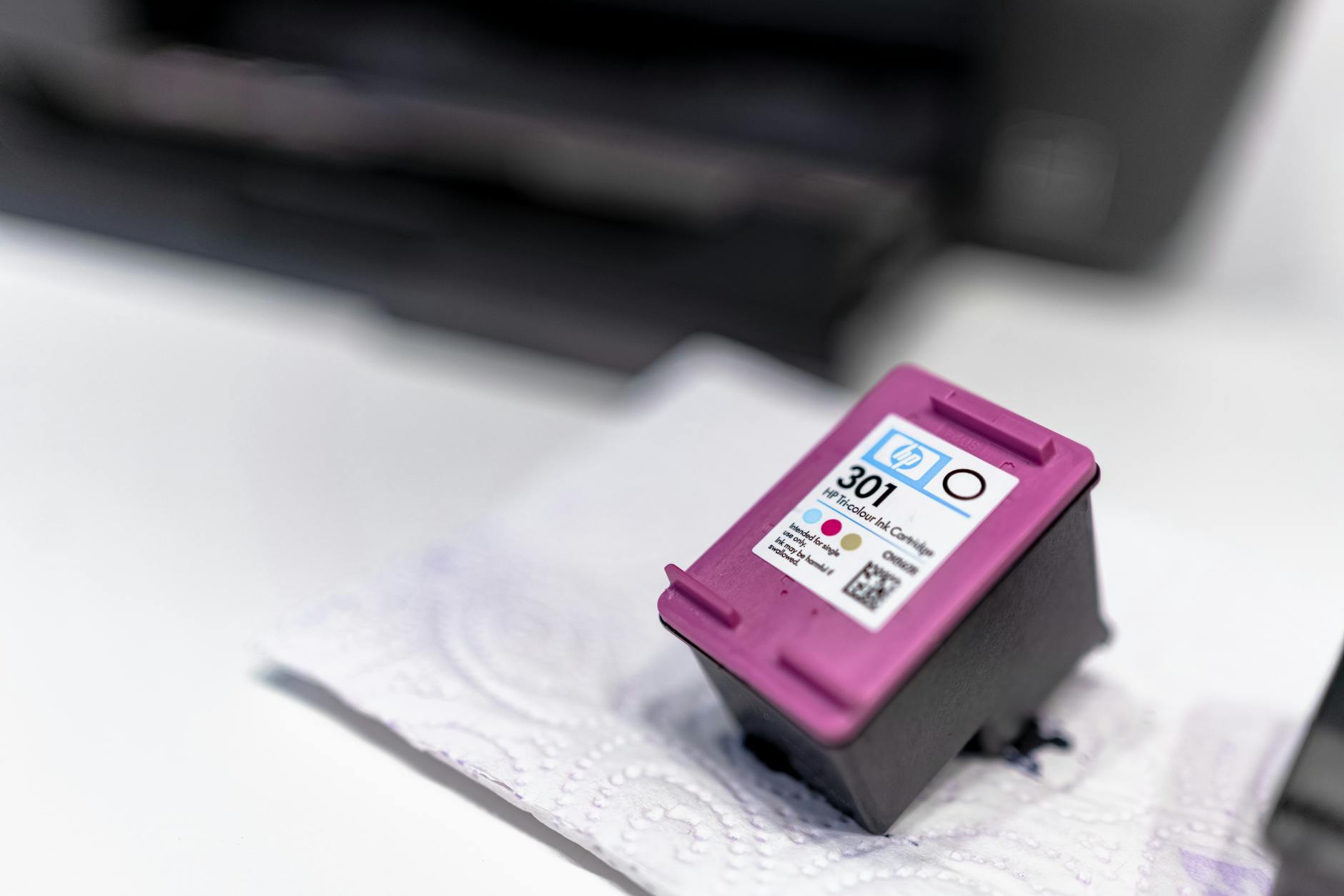
Technological Foundations and Capabilities
At its core, large format digital printing leverages advanced inkjet technology that deposits tiny ink droplets onto substrates with remarkable accuracy. This results in high-resolution images that rival traditional fine art prints. The equipment used can accommodate various media types, from flexible vinyls and textiles to rigid acrylics and metals, allowing businesses to tailor their visual messages to specific environments and purposes. Moreover, the speed of these printers enables rapid turnaround times, making them ideal for time-sensitive campaigns and large-volume projects.
Versatility and Customization
The dynamic nature of digital printing techniques makes it possible to produce customized graphics with intricate details, gradient transitions, and color vibrancy. Different substrates can be printed with a range of finishing options, such as matte, gloss, or satin, to achieve the desired aesthetic and functional quality. For instance, outdoor signage benefits from weather-resistant inks and durable substrates, while interior decorative panels can feature textured finishes that add tactile appeal. This flexibility supports diverse applications across multiple industries, including retail, hospitality, transportation, and corporate branding.
Environmental and Safety Considerations
Modern large format digital printing places an emphasis on environmentally responsible practices. Many printers utilize eco-solvent, UV, or latex inks that emit lower levels of volatile organic compounds, reducing environmental impact and enhancing safety for workers and end-users. These inks also offer extended durability and resistance against fading, scratching, and weathering, thereby ensuring longevity for outdoor displays. The choice of environmentally friendly materials and inks aligns with broader sustainability goals while maintaining high standards of quality and compliance.
Overview of Large Format Digital Printing
Large format digital printing is a specialized printing method designed to produce high-quality images on large surfaces with precision and vibrant color reproduction. This technique is essential for creating impactful visual displays such as banners, posters, wall murals, and custom signage. Utilizing advanced printing technologies, these systems can handle extensive widths and produce detailed graphics suitable for both indoor and outdoor environments. The process involves directly printing digital images onto various substrates, eliminating the need for traditional printing plates or lengthy setup times, thus allowing for rapid production of large-scale prints. The ability to customize sizes, materials, and finishes makes large format digital printing a versatile and valuable asset across multiple industries, including advertising, retail, events, and corporate branding.

Types of Large Format Printing Technologies
Several advanced printing technologies enable the production of large format graphics, each suited for specific applications and materials. The most prevalent methods include:
- UV Printing: Utilizes ultraviolet light to cure inks instantly upon contact with the substrate, resulting in vibrant, durable images with a matte or glossy finish. Ideal for rigid materials like acrylic, glass, and wood.
- Eco-Solvent Printing: Employs environmentally friendly solvent-based inks that offer excellent adhesion and weather resistance, making them suitable for outdoor signage and vehicle wraps.
- Latex Printing: Uses water-based latex inks that provide flexible, long-lasting prints with a broad color gamut. Suitable for various substrates, including fabrics and wallpapers.
- Solvent and Eco-Solvent Printing: Differ primarily in eco-friendliness, but both offer high durability, vibrant colors, and a wide array of printable materials.
These technologies support high-resolution outputs, with resolutions often exceeding 600 dpi, ensuring finely detailed graphics and smooth color gradients. Selection depends on the intended use, substrate type, and environmental conditions.

Common Materials and Substrates Used
The range of materials compatible with large format digital printing is extensive, allowing for diverse applications. Typical substrates include:
- Vinyl Films: Popular for outdoor signage, vehicle wraps, and window decals due to their weather resistance and flexibility.
- Mesh Banners: Used for large outdoor displays where wind permeability is necessary, like construction site signage and event banners.
- Foam Boards and Styrene: Ideal for indoor displays, point-of-sale materials, and trade show displays with a lightweight, rigid profile.
- Canvas and Fabric: Favored in interior decor and fine art printing, providing textured finishes and high aesthetic appeal.
- Glass and Acrylic: Used for architectural graphics and decorative elements, offering a sleek, professional appearance.
- Wallpaper and Wallcoverings: For interior design that demands large visual impact with custom designs.
The choice of substrate depends on the project’s environment, longevity requirements, and visual effect desired. Many substrates come with specialized coatings to enhance ink adhesion, color vibrancy, and weather resistance, ensuring the durability of the finished product.
Applications of Large Format Digital Printing
The flexibility and scale of large format digital printing make it suitable for a wide array of applications, including:
- Advertising and Promotional Materials: Striking banners, posters, and flags that draw attention and communicate messages effectively.
- Interior Decor: Wall murals, customized wallpaper, and decorative panels that enhance branding and ambiance.
- Trade Shows and Events: Pop-up displays, standees, and backdrops designed to maximize visual impact in temporary setups.
- Outdoor Signage: Billboards, vehicle wraps, and directional signs that withstand environmental elements.
- Retail Displays and Point-of-Sale: Eye-catching displays and promotional graphics designed to influence purchasing decisions.
- Architectural and Design Elements: Custom glass graphics, textured wall finishes, and installation artwork.
The ability to customize designs and accommodate unique size specifications enhances the effectiveness of visual communication strategies through large format printing.
Choosing the Right Equipment and Suppliers for Large Format Digital Printing
Opting for high-quality large format digital printing involves careful selection of equipment and trusted service providers. The foundation of a successful project rests on the right printer, suitable inks, and a supplier with proven expertise in large-scale printing endeavors. Ensuring these elements align with your project specifications guarantees vibrant, durable, and visually compelling results.
Evaluating Large Format Printing Equipment
Investing in appropriate printing technology begins with understanding the different types of large format printers available:
- UV Flatbed Printers: Ideal for printing directly onto rigid surfaces like acrylic, wood, and metal, UV flatbeds produce sharp images with a high degree of durability. Their versatility makes them suitable for signage, art displays, and custom architectural elements.
- Solvent and Eco-Solvent printers: These are perfect for outdoor signage and vehicle wraps due to their weather resistance and ability to print on flexible substrates like vinyl and banners. Eco-solvent inks offer a more environmentally friendly option with comparable performance.
- Piezoelectric Inkjet Printers: Known for precise color accuracy and fine detail, these printers are primarily used for high-resolution banners, murals, and detailed graphics. Their capability to produce consistent output on various substrates makes them a flexible choice for diverse projects.
Alongside printer selection, the choice of inks significantly influences the quality, color fidelity, and lifespan of printed materials. High-quality inks formulated for specific substrates ensure vibrant color reproduction and resistance to environmental factors like UV exposure and moisture.
Partnering with Experienced Service Providers
Working with reputable suppliers and print service companies enhances project outcomes. An experienced provider will not only recommend suitable equipment and materials but also offer expertise in artwork preparation, color management, and finishing techniques. They understand environmental considerations and can advise on substrate choices that align with project longevity and location-specific demands.
It's advantageous to request samples or portfolio examples of previous large format projects. This offers insight into the quality standards and production capabilities of the supplier, ensuring your visual communications are handled with precision and professionalism.
Key Considerations for Selecting Equipment and Suppliers
- Compatibility with Project Requirements: Confirm that the equipment can handle the size, volume, and material types necessary for your project.
- Environmental Conditions: Ensure that the printer and inks are suitable for indoor or outdoor applications, factoring in weather, UV exposure, and potential for physical wear.
- Operational Cost-effectiveness: Evaluate the costs associated with inks, maintenance, and operational downtime to ensure the sustainability of your printing projects.
- Technical Support and Service: Prioritize suppliers offering reliable technical support, training, and maintenance services to minimize production delays.
- Compliance and Certifications: Choose providers who adhere to industry standards for environmental safety and material safety, ensuring your print projects meet regulatory requirements.
Integrating Technology with Workflow Efficiency
Maintaining an efficient workflow also involves integrating software solutions for file preparation, color calibration, and print management. Advanced RIP (Raster Image Processor) software allows for precise control of color profiles and layout optimization, saving time and minimizing material waste. Coupling this with equipment that supports quick setup and high throughput ensures timely delivery of large projects without sacrificing quality.
Quality Assurance and Management in Large Format Digital Printing
Maintaining the highest standards in large format digital printing involves a comprehensive quality assurance process that encompasses equipment calibration, material verification, and print testing. Consistent color accuracy is achieved through meticulous calibration of printers and color management workflows, ensuring that each output reflects the original design intent accurately. Material verification ensures that the substrates used are suitable for the print technology and environmental conditions, thereby reducing waste and reprints. Regular print testing is essential to identify any deviations early, enabling prompt adjustments that maintain output consistency.

Implementing rigorous quality management practices extends beyond the production floor. It includes comprehensive documentation of processes, routine maintenance schedules for equipment, and regular staff training. Detailed quality checks at each stage of production—from file preparation to post-print finishing—help prevent errors and ensure the integrity of the final product. Utilizing advanced monitoring systems allows operators to track parameters such as color density, ink flow, and drying times in real time, which further enhances quality control.
Environmental and Safety Standards in Large Format Printing
Adherence to environmental and safety standards is a critical aspect of responsible large format digital printing. Selecting inks that comply with environmental safety guidelines reduces the impact on ecosystems and ensures a safer workplace. Cartridges and solvents should be handled following recommended safety protocols, including proper storage, disposal, and ventilation procedures. Additionally, the use of eco-friendly materials, such as biodegradable substrates and water-based inks, aligns with sustainability initiatives and promotes corporate responsibility.
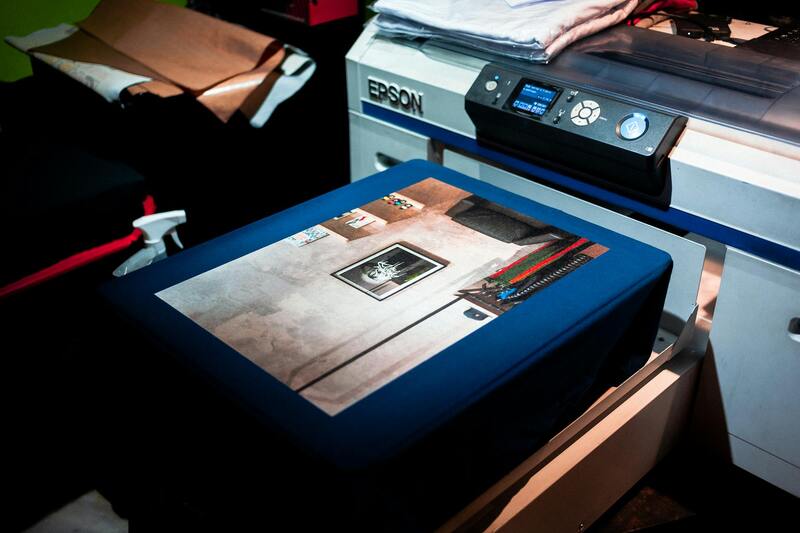
Workspaces must be equipped with proper ventilation systems and safety gear to protect staff from potential hazards associated with ink fumes and dust. Regular audits and training sessions reinforce compliance with safety standards and foster a culture of responsibility within the organization. Suppliers that provide certified materials and inks, along with prompt technical support, enable print providers to uphold these high standards consistently.
Implementing Continuous Improvement Strategies
Continuous improvement in large format digital printing involves analyzing production data, gathering customer feedback, and adopting technological innovations. Workflow automation software streamlines the printing process, reduces human error, and increases throughput. Regular review of equipment performance and maintaining a proactive maintenance schedule prevents downtime and extends the lifespan of machines. Investing in research and development also drives the integration of new materials, inks, and printing techniques that can enhance durability, color reproduction, and environmental sustainability.

Fostering a collaborative environment where feedback from clients, operators, and suppliers is valued helps identify areas for enhancement. Training programs focused on the latest best practices, software updates, and innovative materials empower staff to deliver superior quality consistently. Tracking key performance indicators (KPIs) such as print runoff, color accuracy, and operational efficiency provides measurable data to assess progress and inform strategic decisions for future growth.