Choosing the Right Business Card Material
When it comes to Singapore business card printing, selecting the appropriate material is a critical step that influences both the tactile experience and overall impression of your card. The choice of material should align with your brand identity, industry standards, and the specific message you wish to convey to potential clients and partners.

Common materials used in business card production include:
- Paper: The most traditional and widely used material, available in various weight classes such as standard cardstock (around 300gsm) or premium thicker options (up to 600gsm). Paper options can be matte, gloss, or matte finish, each providing a different tactile feel and visual appeal. For industries like corporate consulting or finance, a classic matte or gloss cardstock can project professionalism and trustworthiness.
- Plastic: Known for durability and water resistance, plastic business cards are suitable for industries requiring long-lasting materials, such as technology, hospitality, or retail. PVC cards often come with options for transparency or frosted finishes, adding a modern touch.
- Metal: Metal business cards exude sophistication and exclusivity, making them ideal for high-end brands or executives. Common metals include aluminum, brass, or stainless steel. These materials are often enhanced with engraving or etching techniques for a premium finish.
- Wood: Wooden cards are gaining popularity for their eco-friendliness and unique texture. They work well for brands emphasizing sustainability, arts, or crafts industries, offering a natural and organic aesthetic.
Each material carries its own set of characteristics that influence the perception of your brand. Heavier materials like thick cardstock or metal communicate durability and importance, while lighter paper options are cost-effective for everyday use. It's essential to consider how your chosen material aligns with your brand's message, target audience, and the impression you aim to make.
Furthermore, the industry in which your business operates can guide material selection. For example, creative sectors such as design or advertising may favor unconventional textures like textured paper or metal, whereas financial services might opt for sleek, matte cardstock for a serious tone.
Beyond aesthetics, practical considerations such as ease of storage, compatibility with additional finishes, and workflow integration should be kept in mind. A professional Singapore business card printing service can advise on the best materials that match your branding goals while ensuring the final product meets your expectations for quality and durability.
Choosing the right material is an essential foundation for effective business cards, providing a tangible extension of your brand that leaves a lasting impression on recipients. Careful consideration of the options ensures your cards are not only visually appealing but also durable and aligned with your professional identity.
Choosing the Appropriate Business Card Material in Singapore
When selecting the material for your Singapore business cards, the focus should be on quality, durability, and how well the material complements your branding strategy. Basic paper options such as standard cardstock are ideal for cost-effective, everyday networking, offering simplicity and functionality. However, for companies aiming to project professionalism and a high-end image, premium options like textured paper, matte cardstock, or even metal materials can significantly enhance the tactile experience and visual appeal.
" alt="Various business card materials showcasing texture and finish options">
Metallic options, such as brushed aluminum or stainless steel, lend a contemporary and luxurious feel that can set your brand apart in competitive industries. Textured papers, such as linen or suede finishes, add unique tactile qualities that make your card memorable. The choice of material should align with your industry standards and target demographics, creating an immediate impression that resonates with your audience.
Practical considerations also play a key role in material choice. Heavier and thicker materials tend to withstand wear and tear better, ensuring your contact details remain pristine after multiple exchanges. Conversely, lighter papers may offer versatility and ease of distribution during large-scale events. Additionally, consider how the material interacts with various finishes and embellishments like foiling, embossing, or spot UV coating for added visual impact.
For businesses with specific branding goals, custom finishes can further elevate your card's appearance. Soft-touch coatings provide a velvety surface, enhancing the tactile sensation, while gloss finishes lend a vibrant sheen that accentuates colors and designs. matte finishes offer a subdued, elegant look that reduces glare, suitable for more understated brands. When working with a professional Singapore business card printing service, consult with experts to select the best combination of material and finish suited to your branding ambitions and functional needs.
Ultimately, the material chosen for your business card should serve as an extension of your brand narrative, conveying professionalism, quality, and a memorable tactile experience. Balancing visual appeal with practical durability will ensure your cards leave a lasting impression in every networking opportunity.
Importance of Selecting the Appropriate Business Card Material
Choosing the right material for your Singapore business cards is an integral step in establishing a strong professional impression. The material not only reflects your brand identity but also influences the tactile experience and durability of your cards. High-quality materials such as textured paper, matte finishes, or metallic substrates are favored by businesses aiming to convey sophistication and exclusivity. Conversely, cost-effective options like standard cardstock are suitable for routine networking events. Ensuring the material aligns with your branding goals and intended use will maximize the effectiveness of your business cards.
For professional settings where reusability and longevity are key, materials such as laminated or PVC cards offer enhanced durability against wear and tear. Metal cards, although more exclusive, provide a tactile sensation that reinforces a premium image and are resistant to damage. When selecting a material, consider the environmental impact as well, opting for recyclable options when possible. Material choice is also influenced by printing capabilities, as certain designs and finishes require specific substrates to achieve optimal resolution and aesthetic appeal.
Popular Finishes and Their Visual Impact
In the competitive landscape of Singapore business card printing, finishes play a pivotal role in elevating the overall look and feel. Matte finishes provide a subdued, elegant appearance with anti-glare properties that enhance readability. Glossy finishes, on the other hand, produce vibrant color reproduction and a sleek sheen, ideal for eye-catching designs. Spot UV coating introduces strategic gloss accents to specific areas of the card, creating contrast and highlighting important details. Embossing and debossing techniques add a textured dimension, emphasizing logos or key information. These finishes, combined with quality materials, can significantly influence how your business is perceived.
The decision on the finish should be aligned with your branding strategy, whether it’s a minimalist, luxurious, or innovative aesthetic. It is also essential to consider how the finish will hold up in practical use, ensuring that colors and details remain vibrant over time. Combining finishes selectively allows for a balanced, professional appearance that communicates credibility and attention to detail, which are highly valued in Singapore's dynamic business environment.
Ultimately, partnering with a reputable Singapore business card printing service ensures access to a wide array of quality materials and finishes. They can advise on the best options based on your specific design, intended audience, and budget, guaranteeing that your business cards stand out and leave a lasting impression.
Choosing the Right Business Card Material
When selecting materials for your Singapore business cards, it is crucial to consider durability, tactile feel, and overall impact on your branding. Common options include standard paper stocks, premium thickness cards, and specialty materials that offer unique textures and finishes.
High-quality cardstock such as 16pt or 32pt provides a solid, professional feel that enhances credibility. For a more luxurious aspect, options like matte lamination or soft-touch coating add a smooth, velvety texture that makes your card stand out. Metallic or foil-based materials can lend a sense of exclusivity, perfect for premium brands or high-end services.

In Singapore’s competitive business environment, the tactile quality of your card can leave a significant impression. Consider environmental factors—materials that resist wear and tear or that are eco-friendly can align well with corporate social responsibility initiatives. Specialty options such as transparent plastic or recycled paper also provide creative avenues to showcase innovation and environmental consciousness.
Factors Influencing Material Choice
- Brand Image: Luxurious brands may opt for thick, textured papers or metallic finishes.
- Functionality: Cards requiring durability in frequent handling benefit from laminated or plastic materials.
- Budget: While premium materials elevate perceived value, cost considerations demand a balance to meet marketing goals.
- Environmental Impact: Eco-friendly options support sustainability commitments, resonating with environmentally conscious clients in Singapore.
Manufacturing Considerations
Opting for legitimate, reputable printing providers ensures access to advanced manufacturing techniques that enhance material performance. For example, high-quality materials paired with techniques such as embossing or spot UV coating can achieve striking visual and tactile effects that are consistent and durable. Engaging with experienced printers also guarantees that the chosen materials are compatible with printing processes, minimizing issues like warping or uneven textures.
Choosing the Right Business Card Material
Determining the appropriate material for your Singapore business card is a critical step that directly influences the card’s durability, style, and overall impression. Common options include cardstock, plastic, recycled paper, and specialty materials. Each choice offers unique qualities: cardstock is traditional, available in various thicknesses and textures; plastic provides water-resistant and long-lasting solutions; recycled paper emphasizes eco-friendliness and corporate responsibility; and specialty materials like transparent PVC or metallic finishes lend a modern, innovative look.
When selecting materials, consider the nature of your business and the message you wish to convey. For luxury brands, thick textured papers or metallic finishes create an aura of sophistication, while startups or eco-conscious companies might favor recycled or transparent options to highlight sustainability and innovation. Additionally, environmental resistance is vital for cards expected to endure frequent handling or exposure to elements, making laminated or plastic materials advantageous. Consulting with a reputable printing service ensures compatibility with your chosen material, optimizing print quality and durability while aligning with budget considerations.
Design Considerations for Effective Business Cards
Beyond material, design plays a pivotal role in making your business card impactful. Clear branding, balanced layout, and legible fonts are fundamental components that ensure your information is easily accessible. Incorporate your company logo prominently and choose a color palette that aligns with your branding identity. It’s also beneficial to include essential details such as your name, position, contact number, email, and physical address if applicable.
Additional design elements can elevate your card’s effectiveness:
- Use contrast to enhance readability.
- Integrate whitespace strategically to prevent clutter.
- Employ consistent typography that reflects your brand personality.
- Consider incorporating a subtle background pattern or texture for added depth.
Special effects such as embossed text, spot UV coating, or foil stamping can further distinguish your card. Rounded corners soften the look, while creative layouts or asymmetrical designs can capture attention. When designing for the Singapore market, ensure the final layout is adaptable for both digital and print formats, and consider culturally appropriate colors and symbols to resonate with your audience.
Printing Techniques and Features
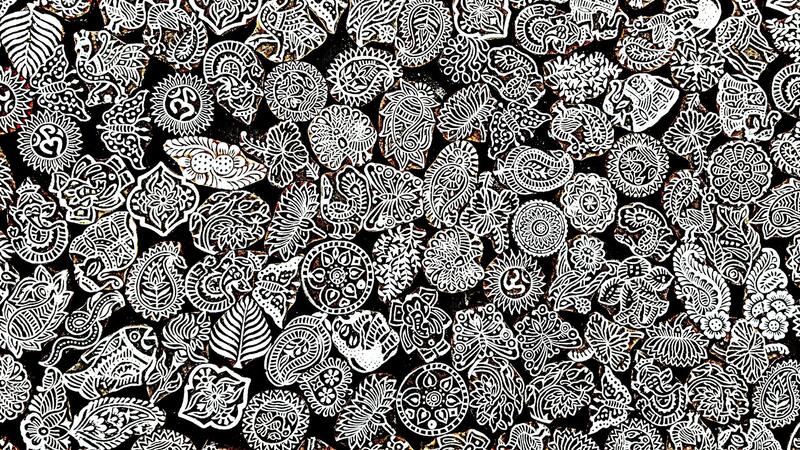
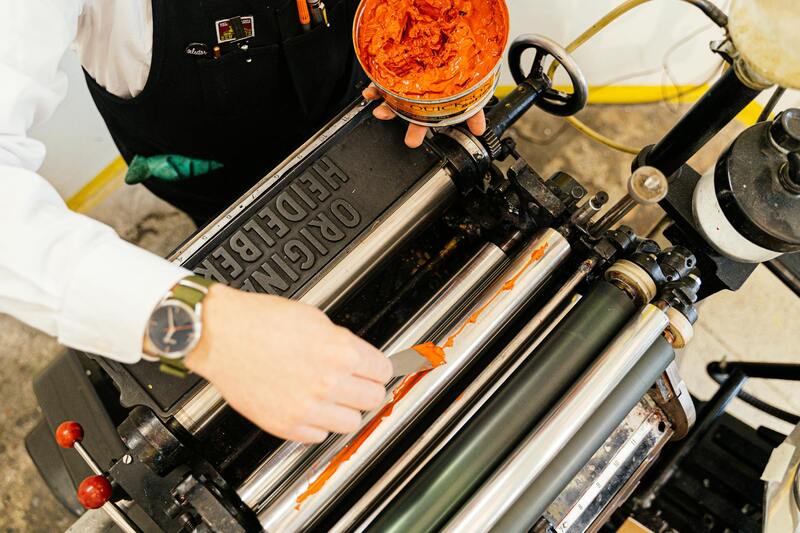
Modern printing methods enable a range of compelling features that significantly boost the tactile and visual appeal of business cards. Techniques such as embossing and debossing create a three-dimensional effect, adding texture and sophistication. Spot UV coating concentrates gloss on specific areas, highlighting logos or key information, and contrasting with matte backgrounds enhances visual interest.
Foil stamping introduces metallic accents that catch the light, offering a luxurious touch appropriate for high-end brands. Digital and offset printing provide high-resolution output, ensuring sharp imagery and crisp text. For distinctive effects, consider combining multiple techniques—such as embossing with foil or spot UV—to craft a truly unique card that stands out in the Singapore business landscape.
Customization options also encompass special finishes like textured papers or matte lamination, which resist fingerprints and smudges. When choosing a printing method, collaborate with experienced providers who utilize advanced equipment to guarantee consistent quality, precise detailing, and durability, especially for designs with intricate features or metallic elements.
Choosing the Right Business Card Material
Singapore businesses seeking to make a lasting impression must carefully select the appropriate material for their business cards. The choice of material influences not only the visual appeal but also the tactile experience, durability, and overall perception of professionalism. Popular options include standard cardstock, premium matte finishes, textured linen, and specialty materials such as metal or translucent plastics. Each offers unique advantages tailored to different branding strategies and operational environments.
- Standard Cardstock: Cost-effective and versatile, ideal for basic branding needs with smooth surface finishes.
- Matte and Satin Finishes: Offer a subdued, elegant look with a soft touch, reducing glare and fingerprints.
- Textured Materials: Linen, linen-like textures, or embossed papers provide an upscale tactile experience that leaves a memorable impression.
- Specialty Materials: Metal, transparent acrylic, or wood veneer add a distinctive, high-end feel, often used by premium brands or for creative industries.
Impacts of Material Choice on Brand Perception
The selected material communicates subtle cues about your company's identity and positioning. Utilizing premium or textured materials can convey quality and exclusivity, appealing to high-end clients or niche markets. Conversely, economical options may suit startups or businesses aiming for broad, budget-conscious outreach. It is advisable to align your material choice with your overall branding strategy to ensure consistency and effectiveness in your marketing efforts.
Considerations for Durability and Environment
In Singapore’s humid climate, selecting durable materials resistant to moisture and wear is crucial. Laminated or coated options extend business card lifespan, maintaining their appearance over time. Additionally, eco-friendly biodegradable or recycled materials are gaining popularity among environmentally conscious brands, aligning sustainability with business practices.

Working with a Printing Partner
Choosing a reputable printing service like disc-print.com ensures access to a wide array of high-quality materials and expert guidance. Experienced providers can recommend suitable options that match your design concepts, usage environment, and branding objectives. When selecting materials, consider sample testing to evaluate tactile feel, color fidelity, and resistance to environmental factors, ensuring your business card maintains its quality and impact.
Choosing the Right Business Card Material
Selecting appropriate materials for singapore business card printing is a vital step that influences both the aesthetic appeal and durability of your business cards. High-quality materials not only enhance the tactile experience but also project a professional image tailored to your branding strategy. Common options include standard paper stock, textured substrates, and specialty materials such as metal or plastic. Each material offers distinct advantages and caters to specific business needs.
Factors to Consider When Choosing Business Card Materials
- Durability: Materials resistant to wear, moisture, and environmental factors extend the lifespan of your business cards, especially in Singapore’s humid climate.
- Cost: Budget constraints may influence the choice of material. Economical options like standard cardstock suit startups seeking broad outreach, while premium materials suit niche or high-end markets.
- Environmental Impact: Eco-friendly materials, such as recycled or biodegradable stocks, align with sustainability goals and appeal to environmentally conscious clients.
- Design Compatibility: Certain textures or finishes may better showcase specific design elements, such as embossing or metallic foil.
Eco-friendly and High-performance Materials
In regions with high humidity, laminated or coated materials are effective in maintaining a pristine appearance over time. Conversely, biodegradable or recycled stocks are increasingly popular among brands that prioritize sustainability. The choice of material should reflect both operational needs and brand values, ensuring that your business card remains attractive and functional throughout its lifespan.
Working with a Reputable Printing Partner
Partnering with established providers like disc-print.com grants access to a broad spectrum of quality materials and expert consultation. Sample testing prior to full production is recommended to assess tactile qualities, color fidelity, and resistance to environmental factors. This approach ensures that your selected material enhances the overall design and withstands the rigors of daily handling.
Choosing the Right Business Card Material
Opting for suitable materials forms the foundation of compelling business cards. In Singapore’s humid climate, selecting materials with appropriate durability and environmental resistance is pivotal. Common choices include high-quality cardstock, plastic, and specialty stocks like metallic or textured papers. Cardstock remains the most popular, offering a balance between affordability and durability, especially when choosing thicker or coated variants. Plastic cards, such as PVC or PET, provide enhanced longevity and water resistance, making them ideal for professionals seeking a sleek, modern appeal. Additionally, environmentally conscious companies may prefer recycled or biodegradable stocks, aligning with sustainability initiatives while still delivering a professional look.

Factors to Consider When Choosing Materials
- Durability: Materials resistant to wear and tear ensure your cards maintain their appearance over time.
- Environmental conditions: Singapore’s humid climate necessitates moisture-resistant materials like laminated or coated stocks.
- Brand Image: Premium materials like metallic finishes or textured papers communicate exclusivity and high quality.
- Cost: Budget constraints influence the choice between economical cardstock options and premium materials.
- Environmental impact: Eco-friendly options resonate with environmentally conscious audiences and reflect corporate responsibility.
Partnering with a professional printing service ensures access to a broad spectrum of material options. Custom samples allow clients to evaluate tactile qualities, appearance, and environmental resistance before proceeding with full production.
Implementing Material Choices Effectively
Beyond selection, proper handling and storage of business cards are essential to prolong their visual appeal. For instance, storing cards in protective cases or sleeves minimizes exposure to moisture and physical damage. When distributing cards, mindful practices—such as offering cards during face-to-face meetings, avoiding over-handling—help preserve their pristine condition. Additionally, incorporating durable materials with suitable finishes can reinforce brand professionalism and leave a lasting impression on recipients.