Hang tags and swing tickets: the small print that sells the product
A hang tag is the piece of card attached to a garment, a bag, a bottle neck or a handmade product by a string, a plastic barb or a safety pin. It carries the brand, the price, the size, the care instructions and sometimes the story of the maker, and it is the first printed thing a customer touches when they pick the product up. For small brands selling through markets, boutiques and online, the tag is often the only packaging. This guide covers the decisions that go into a good one: size and shape, board, the hole and the string, what to print on each side, and how to order a run that stays consistent across a season.
Sizes and shapes that work
There is no standard hang tag size, but a few proportions recur because they fit the way tags are handled and stored.
- 50 x 90 mm portrait is the general-purpose tag: room for a logo, a product name and a price on the front, care and composition on the back. It shares a sheet size with business cards, which keeps the price down.
- 40 x 70 mm for jewellery, accessories and small goods, where a bigger tag would dwarf the product.
- Square 60 x 60 mm or round 50 mm for a tag that reads as a label rather than a ticket; round tags need die cutting and cost a little more.
- Folded tags (a 50 x 90 mm tag folded from a 100 x 90 mm sheet) give four panels for a size chart, a story or a second language, and hang more heavily, which suits coats and bags.
Rounded corners are worth specifying on almost every tag. Square corners on a 350 gsm board catch on fabric and bend in the box; a 3 mm radius solves both. If the tag has a non-rectangular shape, our guide to dielines and box artwork explains how to supply the cut line, and the same rules apply.
Board: what a tag has to survive
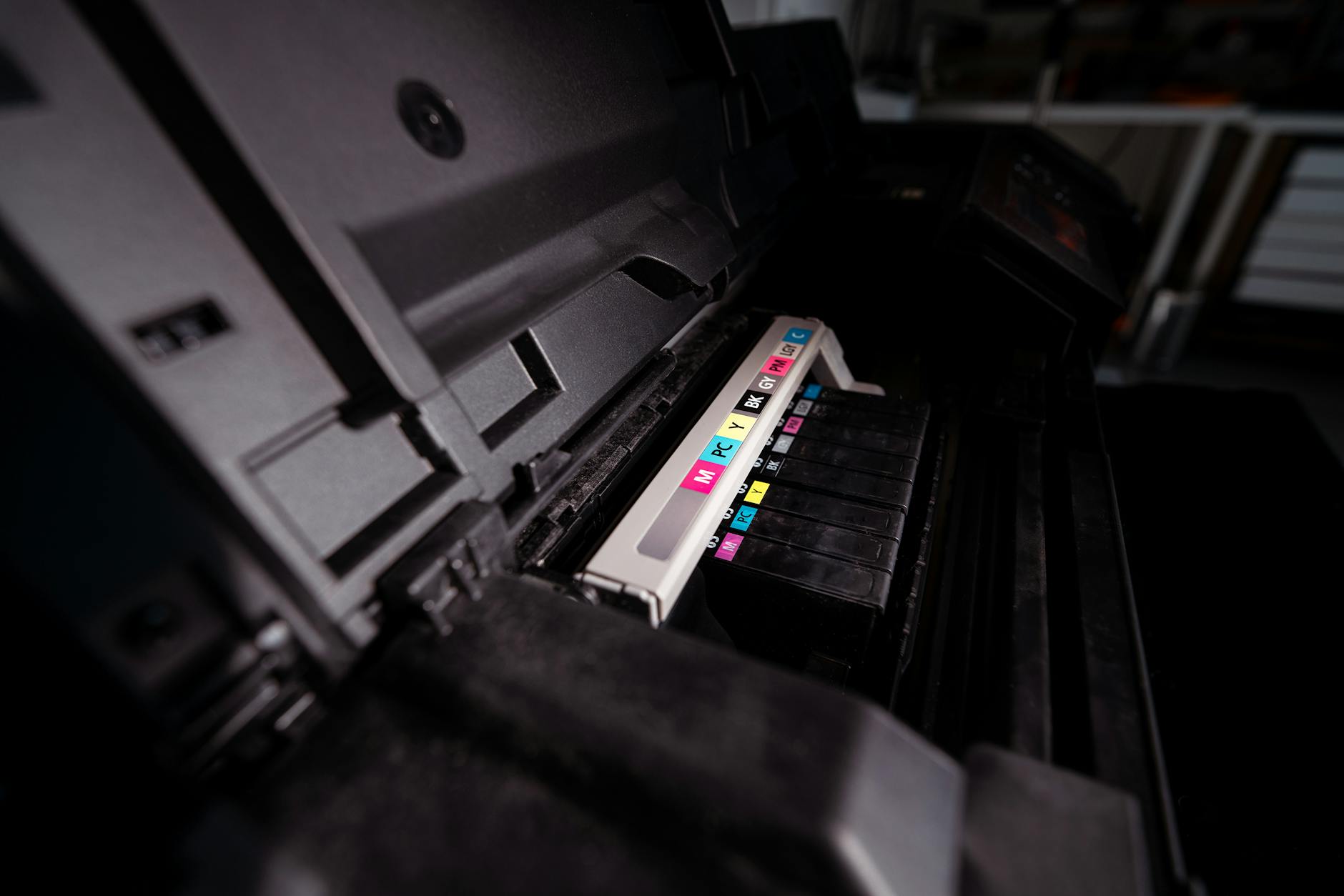
A tag lives on a hanger in a shop, in a shipping bag, and in the customer's hand for a minute before it is cut off. It has to be stiff enough not to flop, tough enough that the hole does not tear, and printed in a way that does not smudge from being handled by fifty people. That points to a heavier board than most people first pick.
| Board | Feel | Suits | Notes |
|---|---|---|---|
| 300 gsm coated, matte laminated | Smooth, slightly glossy | Fashion, cosmetics, retail packaging | Takes full-colour print and photos well |
| 350 to 400 gsm uncoated | Natural, writable | Handmade goods, food, craft brands | Colour prints softer; solids show texture |
| Kraft 300 to 350 gsm | Brown, fibrous | Eco-positioned products, gifts | Print black or one dark colour; white ink needs a special press |
| Duplex board 500 gsm and up | Very rigid | Premium goods, luxury tags | Two 250 gsm sheets laminated together; edge colour possible |
| Synthetic (PVC or PP) 300 micron | Waterproof, tear-proof | Outdoor gear, garden products, bathroom goods | See our note on specialty substrates |
The hole is the weak point on any tag. On a 300 gsm board with a 3 mm hole near the top edge, a tag that is pulled sharply tears out. Leave at least 6 mm of board above the hole, use a 4 to 5 mm hole for string and 3 mm for a plastic barb, and on thin or soft boards ask for a reinforced eyelet: a small metal or paper ring pressed around the hole. Eyelets cost a little per tag and stop the tear that otherwise happens on the shop floor.
String, barbs and how the tag is attached
Attachment is usually the customer's job, but it shapes the tag order. Cotton or waxed string in a loop through the hole looks handmade and takes a minute per tag to fit. Plastic tag barbs shot through the seam with a tagging gun take a second per tag and are how most volume retail is done; the hole needs to be small so the barb head does not pull through. Elastic loops and metal safety pins are used for accessories and hats. If you want the tags supplied with string already looped, say so; it is a hand operation and is priced per tag, but it saves an evening.
What to print, and where
The front is the brand: logo, product line, perhaps a pattern or a photograph. The back is the working side, and in most countries some of it is a legal requirement for textiles: fibre composition, care symbols, country of origin, and the business name. Size and price go wherever the shop assistant will look for them, which is usually the top of the back or a separate small tag. Leave a clear white area for a price sticker or a handwritten price if the tag will be used across products at different prices, and print a short web address or a QR code so the tag can do some work after the sale.
Two production details: keep text on the back at 7 pt or larger on uncoated stock, and if the tag is printed in one colour on kraft, supply the artwork as solid black with no tints, because a 30 percent tint of black on brown board disappears.
Ordering for a season
Tags are ordered in runs of a few hundred to several thousand, usually with several versions: one per product line, or one per size. Gang them. A 50 x 90 mm tag in eight versions on the same board runs on one sheet, and the price for 8 x 250 is far below the price of eight separate 250 runs. Supply each version as a separate two-page PDF with 3 mm bleed and the hole position marked on a separate layer, and list the quantities per version in the order notes. Ask for the same board batch and the same finish across versions so the tags match when they hang side by side, and keep a few dozen of each version back for reorders and comparison.
For a tag with a printed serial or a unique code per item, the process is the same as for any variable data run: supply a spreadsheet and we print the numbers from it.
Hang tags from our shop
Our business printing service produces hang tags and swing tickets in standard and custom shapes on coated, uncoated, kraft, duplex and synthetic boards, with drilled or die-cut holes, metal or paper eyelets, rounded corners, and string looped on request. Multiple versions go on shared sheets so a season's worth of tags is priced as one job. Before a first run we send a printed sample on the chosen board with the hole punched, so you can hang it on the product and tug it; that five-minute test has saved more than one brand from a tag that tore in the shop. Board options are described on the print quality and materials page, and the estimating team on the contact page will quote the versions and quantities together.