
Overview of Printing Companies in Singapore
Printing companies in Singapore serve as vital partners for both local businesses and international corporations seeking reliable and high-quality printing solutions. These companies specialize in transforming digital and physical designs into tangible products that meet various commercial needs. From marketing materials and corporate stationery to packaging and custom displays, printing firms in Singapore are equipped to handle a comprehensive array of services suited to diverse industries and client specifications.
In a highly competitive market, the role of a printing company extends beyond mere reproduction. They provide expert consultation on design optimization, material selection, and finishing techniques to ensure the final product aligns with branding strategies and target audience expectations. Moreover, the accessibility of professional printing services allows businesses to maintain consistent brand messaging across multiple formats and channels, ensuring a cohesive visual identity that resonates with consumers.
Singapore’s printing industry thrives on technological innovation and a commitment to quality. This evolution has ushered in advanced digital printing, large-format printing, and environmentally sustainable practices—making it possible for companies to meet tight deadlines while adhering to eco-conscious standards. The rapid development in this sector underscores the importance of selecting a printing partner that combines experience, technological capabilities, and industry knowledge to deliver superior results efficiently.
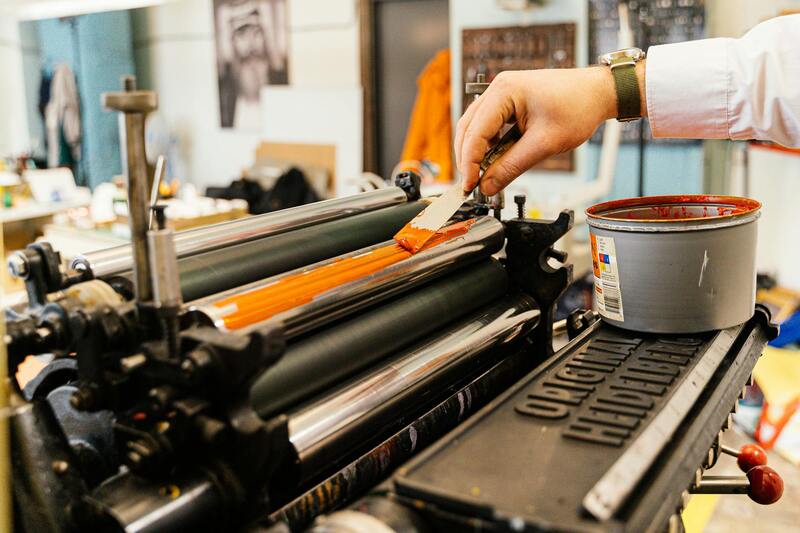
Local printing companies provide an array of key services, including commercial printing, promotional material production, packaging solutions, and bespoke printing projects. These services are designed to support businesses at every stage of their marketing campaigns, corporate communications, and product launches. As Singapore continues to grow as a global business hub, the demand for professionally managed printing services that can consistently deliver quality and precision has increased significantly.
- Commercial Printing: Brochures, flyers, posters, and stationery.
- Packaging and Label Printing: Custom boxes, product labels, and retail packaging.
- Promotional Materials: Banners, standees, and point-of-sale displays.
- Digital and Large Format Printing: For banners, murals, and trade show displays.
- Specialized and Custom Printing: Embossing, foil stamping, and textured finishes.
Choosing a printing company in Singapore involves assessing their technical expertise, previous work quality, turnaround times, and adherence to sustainable practices. The right partner not only supplies printed materials but also provides strategic advice to maximize the impact of each project. As the industry advances, companies that stay current with new technologies and environmental standards position themselves as leaders in delivering innovative and responsible printing solutions.
Comprehensive Range of Printing Technologies Employed by Singaporean Printing Companies
Singaporean printing companies leverage an array of sophisticated printing technologies to meet diverse client needs, ranging from standard business materials to intricate custom designs. Digital printing remains the most prevalent method for short runs, offering versatility and rapid turnaround. Its ability to produce high-quality images with minimal setup makes it ideal for personalized marketing pieces, event materials, and small batch orders.
Offset printing continues to be favored for large-volume projects that demand consistent color fidelity and detailed finishing. Renowned for cost-effectiveness at scale, this process is suitable for mass production of brochures, catalogs, and stationery, ensuring brand consistency across all outputs. Large-format printing, equipped with eco-solvent or UV-ink technologies, allows for impactful banners, murals, and trade show displays, delivering vibrant visuals with durable finishes.
Speciality techniques such as embossing, foil stamping, and textured finishes are also actively utilized to add a dimension of tactility and luxury to printed materials. These processes are often employed for premium packaging, invitations, and branding elements requiring an elevated aesthetic. Additionally, hybrid approaches combining multiple printing methods enable companies to produce multifunctional outputs tailored to specific marketing strategies.
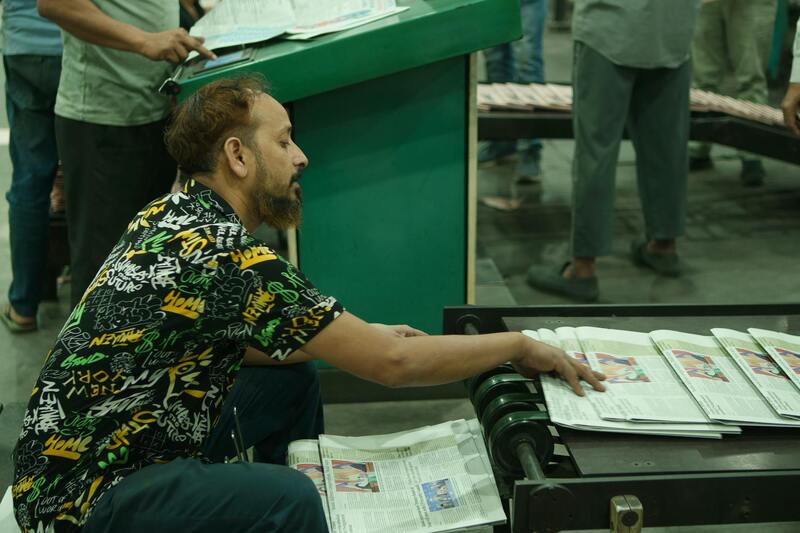
Innovations in UV and latex printing have further enhanced the quality and durability of printed outputs, particularly for outdoor advertising and high-traffic displays. These technologies eliminate the need for extensive post-processing and enable direct printing on various substrates, from fabrics to metals. As environmental considerations gain prominence, many printers incorporate eco-friendly inks and sustainable substrates into their workflows, aligning quality with responsible practices.
Standardized and Customized Branding Solutions
Printing companies in Singapore efficiently accommodate both routine and bespoke projects. Standardized services include the production of business cards, brochures, flyers, and stationery, essential for daily corporate communication. For branding purposes, customized solutions such as textured business cards, embossed logos, and metallic finishes are commonly requested. These options allow businesses to stand out in competitive markets by adding unique tactile or visual elements that reinforce their identity.
Integration of Digital and Traditional Printing Methods
The optimal approach often involves integrating digital and offset processes to achieve desired outcomes efficiently. For example, a campaign might utilize offset printing for the bulk of materials to maintain cost-effectiveness, while digital printing handles personalized items like direct mail inserts or event-specific signage. This synergy maximizes flexibility, reduces lead times, and ensures consistent quality across diverse projects.
Overview of Printing Companies in Singapore
Singapore's vibrant business landscape is supported by a robust network of professional printing companies that cater to diverse industry needs. These companies combine advanced printing technology with a deep understanding of market trends to deliver high-quality outputs efficiently. They serve a broad spectrum of clients—from small startups requiring basic branding materials to multinational corporations seeking comprehensive marketing solutions. Present-day printing firms are equipped with state-of-the-art equipment capable of handling various substrates and printing formats, ensuring the creation of durable, vibrant, and precise printed materials. Whether it involves designing eye-catching packaging, producing detailed signage, or fulfilling bulk corporate orders, Singapore's printing companies prioritize excellence through a combination of innovation, experience, and customer-centric approaches.

Moreover, these companies’ strategic location within Singapore's thriving commercial hubs allows for efficient logistics and quick turnaround times. Their ability to integrate various printing techniques—ranging from traditional offset to modern digital printing—ensures they meet the precise demands of clients across different industries. Accessibility to extensive supply chains and raw materials further complements their capacity to deliver consistently high standards. As the sector continues to innovate with eco-friendly practices, Singapore's printing companies are increasingly adopting sustainable inks and recyclable materials, aligning quality with environmental responsibility.
Factors Influencing the Selection of a Printing Partner
- Technical expertise and capability to handle specific project requirements
- Turnaround times that align with business schedules
- Cost structure and overall value provided by the service
- Range of available printing techniques and materials
- Ability to incorporate eco-friendly and sustainable printing options
- Reputation for quality, consistency, and customer service
Overview of Printing Companies in Singapore
Singapore boasts a vibrant and diverse printing industry supported by numerous printing companies that serve a wide range of domestic and international clients. These companies are distinguished by their ability to provide high-quality printed materials across various sectors, including corporate, retail, hospitality, and government agencies. Their strategic positioning within Singapore's bustling commercial zones, such as the Central Business District, enhances logistical efficiency and allows for rapid delivery, particularly for time-sensitive projects.

The industry is characterized by both large-scale corporations equipped with state-of-the-art machinery and smaller boutique printers that focus on customized and niche printing services. This blend ensures that clients can find providers capable of handling everything from bulk commercial prints to unique personalized projects. Additionally, Singapore's printing companies are proactive in adopting innovative printing technologies and environmentally sustainable practices to meet evolving market demands and global standards.
Key Attributes of Singaporean Printing Companies
- Technological Capabilities: Integration of traditional offset, digital printing, large-format, and eco-friendly printing methods.
- Service Range: Comprehensive services including signage, marketing materials, packaging, and personalized items.
- Quality Assurance: Strict quality control measures to ensure consistency and durability of printed outputs.
- Customer Engagement: Emphasis on understanding client needs to deliver tailored solutions.
- Turnaround Efficiency: Streamlined workflows that facilitate fast delivery timelines, essential for corporate and event-related printing.
These factors collectively position Singapore's printing sector as a reliable and versatile industry capable of supporting the dynamic needs of local and international markets. Whether it concerns urgent over-the-counter prints or large-scale corporate branding campaigns, these companies maintain a core focus on precision, quality, and environmental responsibility.
Image Placeholder
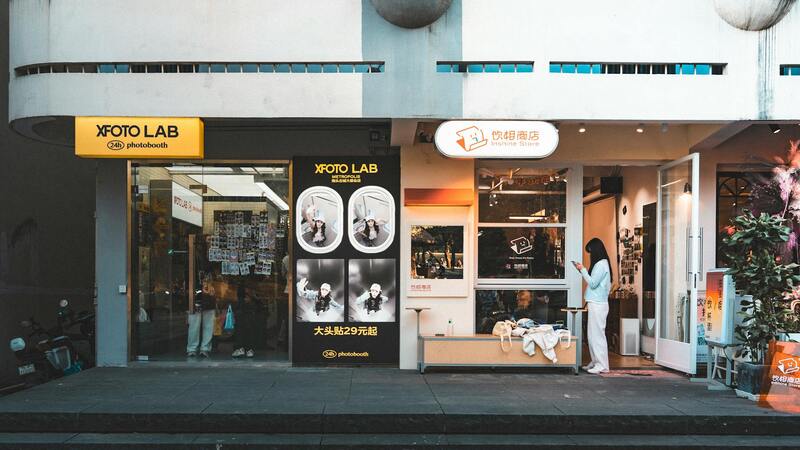
Overview of Printing Companies in Singapore
Singapore boasts a vibrant and diverse printing industry, characterized by companies that blend traditional craftsmanship with cutting-edge technology. These printing firms serve a broad spectrum of needs, from small-scale personal projects to large-scale commercial endeavors. Many of these enterprises have established a reputation for delivering precise, high-quality outputs efficiently, supported by an environment that encourages innovation and sustainability. The industry’s growth is fueled by the country's strategic location, technological advancement, and a continuous demand for both conventional and creative print solutions.

Types of Printing Services Offered
Printing companies in Singapore provide a comprehensive array of services to meet the diverse needs of their clients. This includes:
- Digital Printing: Ideal for short-run and personalized prints, digital printing offers quick turnaround times with high-quality results, suitable for marketing materials, banners, and customized labels.
- Offset Printing: Suitable for large volume runs, offset printing ensures consistent color quality and cost-efficiency for bulk production of brochures, catalogs, and stationery.
- Large-Format Printing: Used predominantly for banners, posters, trade show displays, and signage, this method accommodates oversized prints with impressive clarity and durability.
- Eco-Friendly and Sustainable Printing: Increasingly popular, these services utilize environmentally friendly inks and materials to reduce ecological impact without compromising quality.
- Specialized Printing: Includes specialty finishes like embossing, foil stamping, and UV coatings, as well as customized printing for unique projects such as packaging and promotional items.
Choosing the Right Printing Company
Selecting an appropriate printing service involves evaluating specific factors to align capabilities with project requirements. Key considerations include:
- Technological Capabilities: Assess whether the company employs advanced printing techniques that match the project scope, such as digital or offset methods.
- Experience and Reputation: Review client testimonials and portfolios to gauge the company's reliability and the quality of their output.
- Turnaround Time: Ensure the provider can meet deadlines, especially for urgent projects or event-related print needs.
- Pricing Transparency: Opt for companies that offer clear quotations and flexible pricing options aligned with your budget.
- Sustainable Practices: Consider companies committed to environmentally responsible printing solutions.
Popular Printing Products and Materials

Commonly Printed Items
- Business cards, letterheads, and envelopes
- Marketing materials including flyers, brochures, and posters
- Signage and banners for storefronts, events, and exhibitions
- Labels, stickers, and product packaging
- Customizable promotional items such as tote bags and pouches
Materials Used
- High-quality gloss and matte paper stocks
- Vinyl and plastic substrates for durability
- Eco-friendly options like recycled papers and soy-based inks
- Specialty materials including foam boards, fabric, and metal sheets
Understanding the Environmental and Sustainable Practices of Printing Companies in Singapore
As the demand for high-quality printing services continues to grow, more printing companies in Singapore are integrating eco-friendly and sustainable practices into their operations. These initiatives not only contribute to environmental preservation but also align businesses with the evolving expectations of environmentally conscious clients. When selecting a printing partner, understanding their approaches to sustainability can influence project outcomes, cost, and overall environmental impact.
Adoption of Eco-friendly Materials
Many printing companies utilize environmentally responsible materials to reduce their ecological footprint. This includes sourcing recycled paper stocks, biodegradable plastics, and other sustainable substrates. For example, recycled paper with FSC certification ensures that the raw materials come from responsibly managed forests. Eco-friendly materials often feature soy-based or vegetable-based inks, which are less toxic and easier to biodegrade compared to traditional petroleum-based inks. These materials maintain high printing quality while supporting sustainability goals.
Use of Vegetable-Based and Soy Inks
Inks play a vital role in the environmental practices of printing companies. A significant number of providers have shifted towards using vegetable-based or soy-based inks. These inks produce fewer volatile organic compounds (VOCs), which contribute to better indoor air quality and lower emissions during the printing process. They also produce vibrant colors comparable to conventional inks, ensuring that printed materials are visually appealing without compromising eco-efficiency.

Implementation of Waste Management and Recycling Programs
Effective waste management is central to sustainable printing. Many companies have established comprehensive recycling programs for waste paper, inks, and other consumables. They segregate waste streams to facilitate recycling and reduce landfill contributions. Additionally, some firms optimize their printing processes to minimize waste production from start to finish, thereby lowering material usage and environmental impact. Implementing such practices ensures resources are utilized efficiently and waste is responsibly managed.
Energy-Efficient Equipment and Operations
Modern printing facilities increasingly incorporate energy-efficient machinery, such as LED lighting and low-energy digital presses. These advancements decrease power consumption and reduce overall carbon footprint. Additionally, some companies adopt smart manufacturing practices, monitoring and controlling energy use to operate only when necessary. This efficient use of energy contributes significantly to the responsible environmental management of printing facilities.
Certification and Industry Standards
Certifications such as ISO 14001 for environmental management system (EMS) are indicators of a printing company's commitment to sustainability. Companies with such accreditation demonstrate adherence to internationally recognized standards for environmental responsibility. These organizations regularly evaluate and improve their environmental practices, ensuring ongoing compliance with best practices and industry standards.
Client-Centric Sustainable Solutions
Clients increasingly seek out printing companies that offer sustainable options tailored to specific projects. This can include eco-friendly packaging, biodegradable labels, or recyclable promotional items. By working with clients to understand their sustainability goals, printers can recommend appropriate materials and processes that meet both environmental standards and project requirements. This collaborative approach helps promote environmentally responsible practices across all stages of product development.
Emerging Trends in Sustainable Printing
The printing industry in Singapore is evolving with innovative solutions such as digital printing, which significantly reduces waste and energy consumption compared to traditional offset printing. Additionally, developments in bio-based inks and biodegradable substrates continue to expand the range of sustainable printing options. The integration of green technology into facility operations, along with increased transparency and certification, underscores a broader industry shift towards environmentally responsible printing.

Comprehensive Methods to Engage Legitimate Printing Companies in Singapore
Securing reliable and reputable printing services involves understanding the array of official channels and recognized procedures that ensure a seamless and professional outcome. Here, we emphasize the importance of adhering to official mechanisms when selecting a printing company, such as disc-print.com, a leading entity known for its high standards and compliance with industry best practices.
Utilizing Industry-Recognized Websites and Platforms
One of the most straightforward approaches is to leverage established online platforms and company websites that are verified and contain comprehensive information about their services. Visiting the official website of a printing company provides detailed insights into their offerings, certifications, client testimonials, and contact details—essential for confirming their legitimacy. For instance, accessing disc-print.com directly ensures access to their full portfolio of services, pricing information, and customer support channels.

Engaging Through Formal Inquiries and Direct Contact
Reaching out via official communication channels, such as designated email addresses or phone numbers provided on the company's website, constitutes an official means of engagement. Making inquiries through formal channels not only demonstrates a professional approach but also helps establish a clear record of communication. Authentic printing companies typically have dedicated customer service teams trained to assist prospective clients with project specifications, quotations, and operational procedures.
Requesting Certification and Accreditation Documentation
To ensure the legitimacy and quality assurance of a printing company, requesting copies of valid certifications and industry accreditations is advisable. Reputable companies like disc-print.com often possess quality management certifications like ISO standards or environmental responsibility labels. These documents serve as documented proof of compliance with recognized standards, affirming their commitment to quality, environmental practices, and operational transparency.

Verifying Business Registration and Licensing
Another official method involves confirming the company's registration with relevant Singapore governmental agencies, such as the Accounting and Corporate Regulatory Authority (ACRA). Public registers are accessible online and allow clients to verify the legal existence of the business, its registration number, and operational status. This step ensures that the printing company operates legally within the local business framework and complies with national regulations.
Reviewing Client Testimonials and Industry Recognition
Legitimate printing companies often showcase client testimonials, case studies, or awards that reflect their reputation and quality of service. Officially published reviews or industry recognitions serve as additional confirmation of their standing within the professional community. Companies that are transparent about their client base and awards—like disc-print.com—provide further assurance of their credibility.
Ensuring Transparent Business Processes
Official companies maintain clear and accessible policies regarding pricing, turnaround times, and service guarantees. Transparent operational procedures, readily available on their official website or through direct communication, reinforce their commitment to reliability. Confirming these details as part of the engagement process helps establish a foundation of trust and professionalism.
Adherence to these legitimate and methodical approaches ensures clients engage with reputable printing companies that align with their project requirements and standards for quality and professionalism. Employing these official channels and verifying documentation safeguard investments and promote successful collaborations within Singapore's vibrant printing industry.
Advanced Methods for Verifying the Authenticity of Printing Companies
In the dynamic landscape of Singapore’s printing industry, establishing confidence in a printing company requires employing official and systematic verification methods. Such approaches serve to confirm that the company operates within the established legal and business frameworks, showcasing their commitment to professionalism and quality assurance.
Official Business Registration Checks
One of the primary ways to verify a printing company's legitimacy involves confirming their registration with Singapore’s Accounting and Corporate Regulatory Authority (ACRA). This includes reviewing their unique Business Registration Number (BRN) and operational status, which can be accessed through official government portals. These records provide verification of the company's legal existence, registered address, and compliance status, ensuring they are recognized and authorized to conduct business within Singapore.

Assessment of Industry Certifications and Accolades
Many well-established printing firms, such as disc-print.com, display verifiable industry certifications, awards, and recognition from reputable industry bodies or associations. These credentials often include certifications for quality management systems, environmental standards, and sustainability practices. Cross-referencing these awards with issuing organizations adds an extra layer of confirmation regarding the company's legitimacy and quality standards.
Transparency in Business Operations
Authentic printing companies maintain accessible and detailed disclosures about their operational procedures, pricing policies, and turnaround times. Prospective clients should review official websites or speak directly with representatives to ensure that the information provided is comprehensive and consistent. Standardized service guarantees, clear project timelines, and transparent pricing are indicators of a company’s professionalism and reliability.

Client Testimonials and Industry Recommendations
Published client reviews, case studies, and industry recognitions serve as trustworthy indicators of a company's credibility. Companies that openly showcase their portfolio of satisfied clients, successful projects, and positive industry awards demonstrate transparency and accountability. It is beneficial to seek testimonials explicitly published on official channels or reputable third-party platforms, avoiding unverified or biased sources.
Consulting Professional Associations
Many distinguished printing firms participate in national or regional industry associations. Membership or partnership with organizations such as the Singapore Printing Association can be verified through official directories. Engagement with professional associations implies adherence to established standards and ongoing compliance with industry best practices, further affirming the company's legitimacy.
Utilization of Verification Tools and Online Resources
Modern verification also involves leveraging digital tools and online databases. Several governmental and industry-specific platforms provide comprehensive company profiles, including operational history, financial stability, and compliance status. Utilizing these resources streamlines the verification process, allowing clients to perform due diligence efficiently upon engaging with potential printing service providers.
Conclusion
Employing multiple, official verification methods ensures that clients engage with printing companies operating transparently within Singapore’s regulatory framework. These procedures—centered on official registration checks, industry credential assessment, operational transparency, client validation, and professional association participation—are essential in establishing a partnership founded on trust, quality, and professionalism. Disc-print.com and similar reputable companies uphold these standards, demonstrating their commitment through verified credentials and transparent business practices.