
Overview of Color Booklet Printing
Color booklet printing is a specialized service that transforms digital designs into professionally printed booklets featuring vibrant, full-color imagery and text. This process is essential for various applications ranging from marketing collateral to educational materials and corporate presentations. The significance of color booklet printing lies in its ability to communicate messages effectively through compelling visuals and detailed layouts, making it an invaluable element of a polished, professional presentation.

In today’s competitive market, the way you present your information can influence perceptions and engagement levels. Full-color printing ensures that images are vivid, text stands out clearly, and overall aesthetics align with your brand identity or educational objectives. Professionals often leverage color booklet printing to create brochures, catalogs, program guides, and product manuals that captivate their target audience and deliver messages with clarity and impact.
Efficiency and quality are critical when producing color booklets, which require meticulous attention to detail in the printing process. Modern technology allows for precise color matching and high-resolution output, which guarantees that each booklet accurately reflects the intended design. As a result, businesses and organizations can maintain a consistent visual language across various printed materials, strengthening brand recognition and credibility.
Advantages of Full-Color Booklet Printing
- Enhanced Visual Appeal: Bright, vivid colors attract attention and improve the overall aesthetic of the booklet.
- Professional Presentation: High-quality printing emphasizes your message, product details, or educational content effectively.
- Customizability: Full-color options allow for a diverse range of creative design possibilities, making each booklet unique and aligned with branding strategies.
- Versatility: Suitable for various business uses such as marketing, training, product catalogs, and event programs.
- Durability and Finish: Coupled with premium paper and finishing options, full-color booklets can withstand handling while maintaining visual integrity.
Uses of Color Booklet Printing
Color booklet printing serves vital roles across multiple sectors, including:
- Marketing and Promotion: Creating eye-catching brochures and catalogs that effectively showcase products or services.
- Educational Purposes: Producing educational materials, manuals, or guides with engaging visuals to facilitate learning and comprehension.
- Corporate Communications: Developing annual reports, event programs, or investor briefs that reflect professionalism and attention to detail.
- Event Planning: Designing invitation booklets, menus, or souvenir programs to enhance event experiences.
In summary, color booklet printing combines advanced printing techniques with high-quality materials to produce impactful, visually appealing materials. Its relevance in various professional fields underscores the importance of choosing a reliable printing partner capable of delivering consistent quality and customization options tailored to specific needs.
Official Methods for Color Booklet Printing
When seeking to produce high-quality color booklets, leveraging reputable printing techniques ensures that the final product meets both aesthetic and durability standards. Utilizing digital or offset printing methods allows for vivid, consistent color reproduction essential for impactful visual communication.
Digital printing offers convenience and quick turnaround times, making it ideal for smaller batches or customized projects. Its ability to reproduce intricate colors and gradients with precision makes it a favored choice for marketing materials and educational content. Offset printing, on the other hand, is preferred for larger runs, providing cost efficiency without compromising on color fidelity. Both methods involve established ink application techniques that ensure consistent results across multiple copies.
Color Management and Calibration
Maintaining color accuracy is paramount in legible and visually appealing booklets. Professional printers employ advanced color management systems and calibration processes to ensure colors are consistent across all print runs. This involves precise control of the printing equipment and the use of standardized color profiles that match the digital design with the printed output. As a result, the vibrant hues, subtle shading, and fine details in your booklet's visuals are faithfully reproduced, reinforcing your brand's effectiveness.
Technological Innovations in Printing
Emerging printing technologies have further enhanced the quality of color booklet printing:
- UV Printing: Provides high-gloss finishes and durability, especially suitable for detailed cover artwork.
- Variable Data Printing: Allows customization within each booklet, such as personalized content or images, without sacrificing color quality.
- Hybrid Printing: Combines digital and offset techniques to maximize efficiency while preserving visual excellence.
These advancements enable precise color control, faster production cycles, and expanded creative possibilities for your print projects.
Color Proofing and Sample Approval
To guarantee the final product aligns with your expectations, official printing services provide comprehensive proofing options. This includes digital proofs, which simulate the expected printed colors, and physical proofs, which offer a tangible preview of the final booklet. Reviewing these proofs ensures that color accuracy, image clarity, and overall design elements meet your standards before proceeding with full production, reducing the risk of costly reprints.
Paper Selection for Vibrant Color Booklets
The choice of paper significantly impacts the vividness and longevity of printed colors in your booklet. Legitimacy in color booklet printing involves selecting high-quality materials that complement the printing process and the intended use of the booklet.
Coated papers, such as gloss and semi-gloss finishes, provide smooth surfaces that allow colors to stand out sharply, making images appear more vibrant and attractive. These surfaces are ideal for graphic-heavy content and detailed illustrations. Matte finishes, while offering a more subdued aesthetic, can also display rich color hues while reducing glare, suitable for readability and a professional look.
Factors to Consider When Choosing Paper
- Paper Thickness: Measured in GSM (grams per square meter), thicker papers (typically 120-170 GSM) add a sense of quality and durability to your booklet.
- Surface Texture: Smooth, gloss, or matte surfaces influence how colors are perceived and how the booklet feels during handling.
- Opacity: High-opacity papers prevent show-through, ensuring vibrant colors are not compromised by print on the reverse side.
- Compatibility: Ensuring chosen paper supports the intended printing method and inks is crucial for achieving optimal results.
Additional Finishing Options
Incorporating laminations, UV coatings, or varnishes can further enhance color vibrancy and provide additional protection to your booklet, ensuring your visuals remain impactful over time. These professional finishes also add a premium tactile quality that reinforces your brand image.
Utilizing Certified Printing Methods to Ensure Authenticity
When seeking to produce color booklets through reputable channels, leveraging certified printing technologies is essential. These methods include the use of commercial-grade digital and offset presses that ensure consistent color accuracy and high-resolution output. Certified printers adhere to industry standards that govern color consistency, ink stability, and paper handling, resulting in a finished product that faithfully represents the intended design and color palette.

By choosing a printing service that employs digital presses with ISO certification, clients can be assured that color reproduction meets exact specifications. These technologies utilize advanced color management systems, such as Pantone verification and ICC profiling, to achieve precise color matching across different print runs. This process minimizes discrepancies and ensures each booklet maintains visual consistency, reinforcing brand integrity and message clarity.
Advanced Proofing and Sample Validation Techniques
Reputable printing providers often incorporate rigorous proofing processes to verify that the printed outcome aligns with digital designs before mass production. These methods include:
- Soft Proofs: Digital previews sent to clients for initial review, enabling adjustments to color and layout without added costs.
- Hard Proofs: Physical samples produced via the same printing process to evaluate color fidelity, paper texture, and overall finish.
- Color Calibration: Regular calibration of printers ensures that color outputs remain accurate and consistent over time.
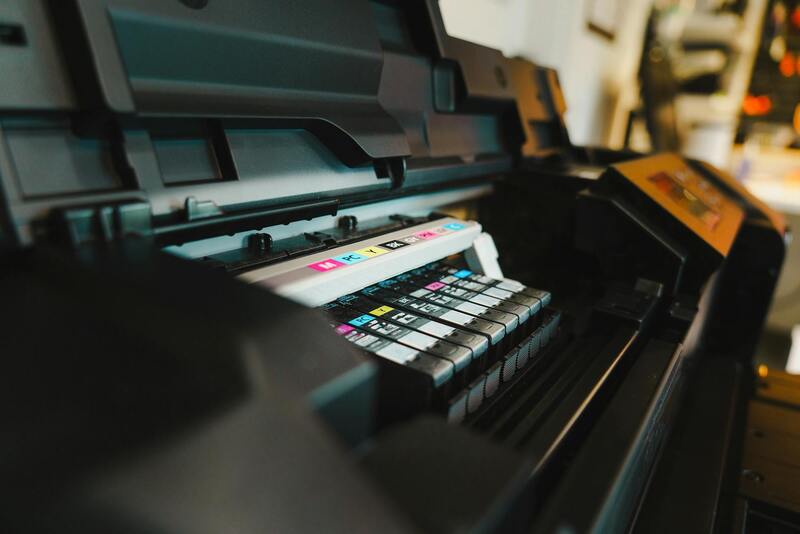
This validation process not only safeguards project expectations but also maintains the integrity of the print job, particularly for intricate, multi-color graphics that demand precision.
Implementing Certified Paper and Inks
Utilizing certified, environmentally approved papers and inks further supports the authenticity of color booklet printing. Such materials are designed to produce vibrant, durable colors and resist fading over time. Certification from recognized standards organizations ensures that the paper and ink meet strict quality controls, providing a reliable basis for color fidelity and longevity.
The choice of substrates—such as coated or uncoated paper with appropriate grammage—affects how color is rendered and perceived. Certified inks, including eco-friendly options, are formulated to produce bright, consistent hues while minimizing environmental impact. The combination of these certified materials guarantees that your booklet’s colors remain vivid, crisp, and true to the original design throughout its lifecycle.
Exploring the Official Methods for Color Booklet Printing
Color booklet printing demands adherence to carefully established procedures to ensure the final product meets high standards of quality, color accuracy, and durability. Utilizing official methods involves employing certified printing technologies, materials, and quality assurance protocols that guarantee consistency and fidelity throughout the printing process. Accredited commercial printers leverage advanced industrial equipment calibrated regularly to produce precise color reproduction, making sure that each project aligns exactly with the original design specifications. This dedication to standardized processes minimizes discrepancies—even in complex multi-color graphics—and provides clients with reliable, repeatable results.

At the core of official printing methods is the use of certified, environmentally approved inks and papers. These materials are sourced from suppliers who meet strict standards for color consistency, environmental impact, and longevity. By employing eco-friendly inks that are formulated to deliver bright, crisp colors with minimal fading, printers uphold both aesthetic quality and sustainability commitments. Certified papers, available in coated or uncoated varieties with appropriate grammage, enhance the visual impact of vibrant colors while providing durability and a premium feel. The combination of these materials under controlled printing conditions guarantees that the color palette remains true to the design intent, even after prolonged handling and exposure.
Calibration and Quality Control in Official Printing
Maintaining the integrity of color in booklet printing necessitates rigorous calibration of printing equipment. Regularly scheduled calibration ensures that each print run accurately reproduces the specified colors, especially critical for projects requiring intricate shading and multi-hued graphics. Beyond calibration, comprehensive quality control protocols—including pre-press checks, proof approvals, and in-process inspections—serve to identify and rectify potential color deviations before the final printing phase. These measures help prevent costly reprints and ensure client satisfaction with a product that faithfully represents the original design.
Color Management Systems (CMS)
Utilizing sophisticated color management systems underpins official methods by providing standardized workflows for color consistency across different devices and media. CMS tools calibrate digital files, monitors, and printers to a common color profile, guaranteeing that the digital design translates accurately into the printed material. This system minimizes variability and enhances the predictability of color output, making it an essential component of professional booklet printing processes. Proper color management thus ensures that your printed booklets precisely match your branding and artistic vision, offering confidence in every production run.
Certifications and Standards
Adherence to recognized certifications and industry standards underpins the reliability of official printing methods. Printers accredited by reputable organizations follow strict protocols for environmental safety, materials quality, and process integrity. Such certifications affirm that the entire printing workflow—from pre-press to finishing—meets rigorous quality benchmarks. This assurance reduces the risk of inconsistencies, enhances durability, and preserves color fidelity over time. Clients benefiting from these certified methods can expect their color booklets to reflect true hues, sharp details, and long-lasting vibrancy.
Implementation of a Validation and Inspection System
Implementing a validation system that includes physical and digital proofs allows clients to verify color accuracy and material quality prior to large-scale production. Digital proofs enable quick adjustments, while physical proofs—created via the same process as the final prints—offer tangible evaluation of color fidelity, paper texture, and overall finish. These validation steps are integral to maintaining exact standards, as they provide opportunities for fine-tuning and approval, fostering trust and transparency in the official printing process. This meticulous approach ensures that every color booklet produced aligns with the intended design, colors, and quality expectations.
Advanced Techniques for Achieving Vivid and Consistent Colors in Booklet Printing
When producing color booklets, the choice and application of printing techniques play a crucial role in delivering vibrant, accurate, and consistent colors throughout the run. Leveraging modern printing technologies ensures that the final product reflects the original design intent with high fidelity. Digital printing, for instance, offers remarkable precision for short runs and enables quick adjustments in color reproduction, vital for small batches or customized projects. Offset printing, on the other hand, excels in large-volume productions, providing superior color consistency, sharp detail, and rich hues suitable for professional-grade booklets.

Color Management and Calibration
Implementing rigorous color management protocols is fundamental for achieving consistent results across multiple print runs. This process involves calibrating printers, monitors, and color profiles to ensure that the colors displayed on digital screens match the printed output as closely as possible. Using standardized ICC color profiles tailored for specific paper types guarantees that hues remain true from screen to print. Color proofing—both digital and physical—serves as a vital step in validating color accuracy before mass production, reducing discrepancies and ensuring client satisfaction.
Selection of Printing Inks and Technologies
The selection of high-quality, specialized inks enhances color richness and durability. Sustainable, solvent-based inks offer vibrant coloration with excellent adhesion to various paper stocks, while UV-curable inks provide enhanced resistance to fading and environmental factors. Additionally, advanced printing technologies such as late-stage color correction and inline spectrophotometers facilitate real-time monitoring of color fidelity, ensuring each booklet maintains the intended aesthetic.
Paper Choices and Their Impact on Color Presentation
The substrate used in booklet printing influences the vibrancy and clarity of colors significantly. Bright white, coated papers tend to enhance color brightness and detail sharpness, making them ideal for designs requiring vivid imagery. Conversely, uncoated or matte finishes provide a softer look and are better suited for text-heavy booklets or artistic projects where subdued tones are preferred. The paper's thickness and texture can also affect ink absorption and color saturation, requiring precise matching to the project's visual goals.
Quality Assurance and Final Inspection
Implementing comprehensive quality control measures ensures that the color output consistently aligns with defined standards. This includes detailed inspection of print samples, verification against original color proof, and periodic testing during production. Employing digital inspection tools helps identify color deviations early, allowing prompt adjustments. Maintaining meticulous records of color profiles, paper batches, and ink lots further supports consistency across different runs, ultimately producing a color booklet that meets high-quality expectations with vibrant, long-lasting colors.
Understanding the Official Methods for Color Booklet Printing
Color booklet printing relies on established, proven techniques that conform to industry standards to ensure consistency, precision, and high quality. These methods encompass a spectrum of processes designed for optimal color fidelity, durability, and efficiency. When selecting a reliable printing approach, consideration must be given to the specific project requirements, including color accuracy, paper type, and volume.
Offset Lithography
Offset lithography remains one of the most widely adopted official methods for full-color booklet printing at a commercial scale. This process involves transferring ink from a metal plate to a rubber blanket, then onto the printing substrate. Offset printing excels in producing vibrant, consistent colors over large runs with meticulous detail. Its ability to handle various paper stocks—such as coated or uncoated—allows for customization based on desired visual effects and tactile qualities.
Digital Printing
For smaller quantities or on-demand projects, digital printing offers a reliable, high-quality alternative. It utilizes advanced electrophotographic or inkjet technologies to produce sharp images and deep colors without the need for extensive setup. Digital processes enable quick turnaround times while maintaining color fidelity through the use of ICC color profiles and calibrated printers. This method is particularly beneficial for short-run projects or personalized booklet editions.
Screen Printing and Other Traditional Methods
While less common for multi-page booklets, specialized techniques such as silk screening can be used for specific design elements or covers that require durable, opaque colors. These methods adhere to strict standards to ensure durability and color intensity, especially useful for promotional or outdoor applications. However, their use in full-color interior printing is typically limited due to efficiency constraints.
Offset vs. Digital: Choosing the Right Approach
- Volume Considerations: Offset printing is cost-effective for large quantities due to lower per-unit costs, whereas digital printing offers flexibility for small batches without the need for plate creation.
- Color Consistency: Both methods can achieve excellent color fidelity, but offset printing generally provides superior consistency over large runs through precise plate registration and high-quality inks.
- Run Time: Digital printing allows for faster setups and shorter lead times, making it ideal for urgent or customized projects.
Adherence to Industry Standards for Color Reproduction
Adopting standards such as ISO 12647, which governs process control and color management in printing, is essential for producing trustworthy color booklet outputs. The use of calibrated color profiles, spectrophotometers during the pre-press and press stages, and consistent ink formulations ensures that the final product accurately reflects the intended design. These practices serve as a foundation for maintaining high-quality standards across different production runs and printing facilities.

Beyond equipment and techniques, rigorous quality assurance procedures are integral. This involves regular testing of print samples, inspection of color consistency against approved proofs, and maintaining detailed records of color profiles and material batches. Such standard practices prevent deviations and uphold the integrity of color rendition throughout the printing process.
Understanding Legal and Certified Methods for Color Booklet Printing
When aiming to produce high-quality color booklets that meet specific industry or organizational standards, utilizing legitimate printing methods is essential. These methods are grounded in proven technical processes and adhere to recognized quality benchmarks, ensuring the final product is both visually striking and consistent throughout production runs. To guarantee the integrity and fidelity of color reproduction, sourcing services that employ officially sanctioned printing techniques is crucial.

Standardized Color Management Protocols
Implementing standardized color management protocols is foundational for producing precisely calibrated color booklets. Utilizing calibrated color profiles and spectrophotometers during pre-press, press, and post-press stages ensures that colors match the digital design files accurately. This adherence to standards such as ISO 12647 guarantees uniformity across large print runs, facilitating consistent color fidelity. These practices are integral in maintaining high-quality output that aligns with creative intent and branding requirements.
Utilization of Certified Equipment
Legitimate color booklet printing relies on certified, high-precision printing equipment. Offset presses equipped with advanced color control systems, along with digital printers meeting rigorous industry standards, are commonly employed. These machines are regularly calibrated and maintained to uphold color accuracy. Such commitment to certified machinery helps prevent deviations, ensuring each booklet reflects the desired color palette meticulously.
Quality Assurance and Color Verification Procedures
Robust quality assurance procedures encompass the systematic testing of print samples against approved proofs. This involves inspecting color accuracy, consistency, and saturation levels throughout the production process. Employing tools like spectrophotometers allows for objective measurement of color across different batches, further reinforcing the legitimacy of the printing method. Maintaining detailed records of color profiles and ink formulations underscores the commitment to producing trustworthy, high-quality color booklets.
Adherence to Industry Best Practices
Producing legally compliant color booklets also entails following industry best practices, including controlled environments for printing, proper handling of materials, and trained personnel overseeing the process. Such measures ensure that all stages—from pre-press digital setup to final finishing—comply with established guidelines. These rigorous standards foster consistent, vibrant color reproduction, vital for professional and promotional uses alike.
Inspection and Certification
Rendering certifications or obtaining third-party inspections can serve as markers of adherence to recognized standards. Certification bodies assess the entire printing workflow, including equipment calibration, color management, and quality control procedures. Incorporating these certifications affirms that the printing method follows legitimate, internationally recognized practices, thus safeguarding the integrity of your color booklet production.
Documented Process and Material Traceability
Maintaining comprehensive documentation of the printing process, including material sources, color profiles, and calibration records, enhances traceability and accountability. This transparency is vital in ensuring that each booklet produced via authorized methods meets agreed-upon standards, thereby reinforcing the legitimacy and reliability of the process.
Conclusion
Leveraging official and certified techniques in color booklet printing ensures the results are of the highest calibre. From meticulous color management and certified machinery to rigorous quality control and documentation, these methods form the backbone of legitimate printing practices. When selecting a printing service, verifying their adherence to these standards promotes confidence that your color booklets will reflect your design vision faithfully and professionally, thus supporting your brand and communication objectives effectively.
Understanding the Legitimacy of Color Booklet Printing Methods
For organizations and individuals seeking to produce high-quality, reliable color booklets, the legitimacy of the printing methods employed is a fundamental consideration. Confirming that a printing provider adheres to established industry standards ensures the final product meets the desired quality criteria while maintaining trust in the process. The use of proven, authorized procedures encompasses a range of factors, from the selection of certified equipment to the implementation of rigorous quality controls.
Use of Certified Equipment and Materials
Legitimate color booklet printing relies on printing presses and technology that are tested and certified to operate within specific quality parameters. Certification bodies evaluate machinery for calibration accuracy, color consistency, and operational safety. When a printing service employs certified equipment, it guarantees that the machinery is functioning optimally, leading to precise color reproduction and uniform paper handling. Complementing this, sourcing materials such as paper stock and inks from reputable manufacturers further enhances legitimacy. Authorized suppliers provide traceable, high-quality materials that meet industry specifications, ensuring the final product’s durability and visual fidelity.

Adherence to Established Color Management Protocols
Reliable printing providers follow stringent color management protocols to ensure that the colors rendered in the final booklet match the original design specifications. Techniques such as standardized color profiling, calibration, and proofing are integral to this process. Employing industry-standard color profiles, such as ICC profiles, helps maintain consistency across different batches and printing sessions. Furthermore, the use of calibrated professional monitors and printers during the design and proofing stages guarantees that the colors seen on-screen translate accurately to the printed output, fostering trust in the legitimacy of the process.
Implementation of Quality Control and Inspection Processes
To uphold high standards, reputable printers incorporate comprehensive quality control measures. These include visual inspections at various stages, color accuracy assessments, and post-printing quality audits. The application of color measurement tools like spectrophotometers can verify color consistency and adherence to specified standards. Documented procedures and traceability of inspection records contribute to process transparency and accountability, affirming that each booklet produced through authorized methods consistently meets established quality benchmarks.
Third-Party Certifications and Industry Recognition
Third-party accreditation, such as ISO certifications or membership in recognized industry associations, further attests to a printing provider’s commitment to legitimate practices. These certifications confirm that the manufacturer adheres to internationally recognized standards related to quality management, environmental responsibility, and safety protocols. Choosing a provider with such credentials ensures that the printing process aligns with best practices, providing assurance of legitimacy and excellence.
Transparent Documentation and Material Traceability
Legitimate printing companies maintain detailed records throughout the production cycle. Documentation includes source material provenance, color profiling data, calibration logs, and inspection reports. This level of transparency guarantees that each booklet produced can be traced back through its manufacturing journey, which is critical for quality assurance and accountability. Proper documentation also facilitates compliance with contractual obligations and industry standards, reinforcing the legitimacy of the printing method employed.
In conclusion, verifying the use of authorized equipment, adherence to color management standards, rigorous quality controls, third-party certifications, and comprehensive documentation collectively establish the legitimacy of color booklet printing practices. These measures ensure that the final product faithfully reflects the intended design, upholding professionalism and confidence in the entire production process.