
Color Management and Color Profiles in Printing
Ensuring accurate and consistent color reproduction in printed materials hinges on effective color management and the proper use of color profiles. At the core, color calibration aligns display devices and printers to ensure that colors appear as intended across various media and devices. This process involves adjusting the color output of monitors, printers, and other tools to a standard reference, allowing for predictable and uniform color reproduction.
In printing, two primary color modes are utilized: CMYK and RGB. CMYK, which stands for Cyan, Magenta, Yellow, and Key (Black), is the standard for process printing, particularly on physical media. RGB, comprising Red, Green, and Blue, is primarily used for digital displays. Managing these color spaces effectively is vital in maintaining color fidelity from digital design to final print.

Consistent color reproduction across different devices and print outputs relies heavily on color profiles — standardized datasets that describe the color attributes of devices and media. These profiles enable software and hardware to interpret color data accurately, ensuring that the colors a designer sees on-screen match the final printed product.
Color management systems (CMS) integrate these profiles and facilitate adjustments to maintain color accuracy throughout the production process. Whether designing for a promotional campaign, packaging, or art reproduction, understanding how to effectively manage color profiles helps achieve precise color matching, reducing waste, and improving overall quality.
Choosing the right calibration tools, software, and color profiles tailored to the specific materials and printers in use is essential. Regular calibration and profiling of devices prevent gradual shifts in color output, safeguarding brand consistency and ensuring that printed materials meet professional standards.
Color Management and Color Profiles
Effective color management is fundamental in achieving consistency and precision in printing in color. This process involves the use of specialized color profiles that describe how colors should appear across different devices and media. These profiles are embedded within design software and hardware, enabling them to interpret and reproduce colors accurately from digital files to physical prints.
Calibrating devices regularly ensures that monitors, printers, and other equipment maintain their color fidelity. When color profiles for each device are correctly applied, the transition from digital design to the finished product is seamless, with minimal deviations in color reproduction. The use of standardized color profiles, such as ICC profiles, allows for reliable communication of color data between various devices and applications, reducing inconsistencies that could compromise the visual integrity of the printed output.

Choosing the right software equipped with robust color management features is critical for professionals who aim to produce high-quality color prints. This software utilizes embedded color profiles to simulate how colors will look once printed, allowing for adjustments before the final production run. Looping in this process are calibration tools such as spectrophotometers and colorimeters, which precisely measure output and inform recalibration when discrepancies are detected.
Careful attention to the calibration and profiling of all devices involved in the print production chain mitigates common issues like color shifting, dullness, or oversaturation. For example, color profiles tailored for specific paper types and printing processes ensure that hues and shades are rendered as intended, preserving artwork accuracy or brand colors. This meticulous approach to color consistency not only elevates the quality of the final product but also builds trust with clients who rely on precise branding and color accuracy.

Color Management and Color Profiles
Effective color management is fundamental to achieving consistent, high-quality color output across various devices and media. At the core of this process are color profiles, which serve as standardized sets of data that describe the color attributes of devices such as monitors, printers, and scanners. These profiles facilitate accurate communication of color information, ensuring that what is seen on the screen matches the final printed product. The International Color Consortium (ICC) develops and maintains these profiles, allowing for cross-platform compatibility and precise color reproduction.
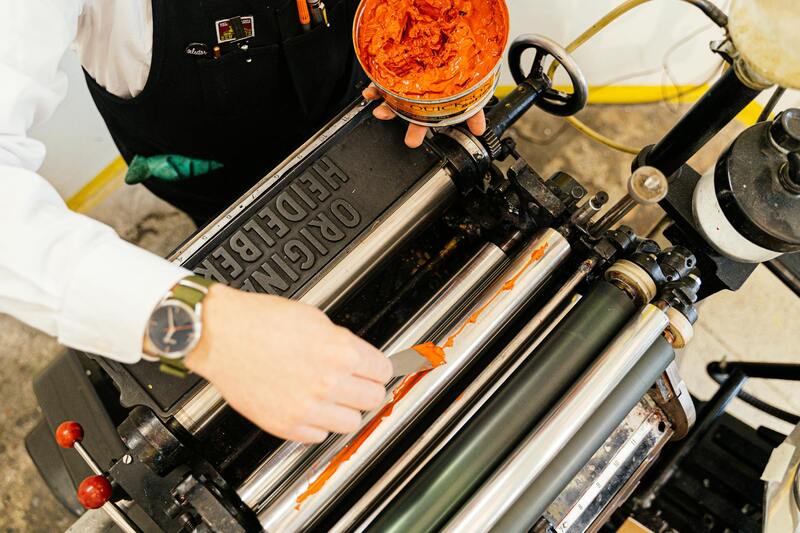
Professionals involved in color printing rely heavily on ICC profiles to calibrate their equipment and create soft proofs, which are digital simulations of how colors will appear once printed. This pre-visualization enables adjustments to be made before committing to the print run, minimizing waste and ensuring color accuracy. Calibration tools such as spectrophotometers and colorimeters are employed to accurately measure device outputs, informing the creation and adjustment of these profiles.
Calibrating devices with high precision ensures that colors are reproduced as intended, especially when working with specific materials, like different paper types or special finishes. Proper management of color profiles also involves regular recalibration, which accounts for device aging and environmental influences that might cause deviations in color output. By meticulously profiling each device, print professionals can achieve a harmonious color workflow, where each step—from digital design to final print—maintains fidelity to the original artwork or branding specifications.
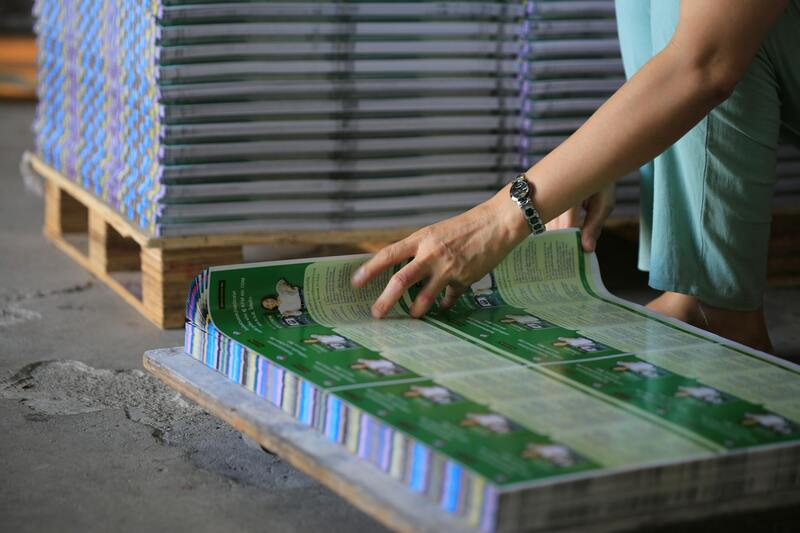
Key Elements of Effective Color Management
- Use of standardized color profiles: Implementing ICC profiles tailored for specific hardware and media ensures predictable results.
- Device calibration: Regularly adjusting monitors, printers, and scanners maintains color consistency over time.
- Color consistency across media: Creating profiles for various paper types and finishes ensures color integrity regardless of the substrate.
- Soft proofing: Simulating printed colors on screen helps identify and correct discrepancies early in the process.
- Collaboration among devices: Ensuring that all equipment in the workflow communicates effectively prevents color shifts and maintains accuracy throughout production.
A comprehensive approach to color management, centered around robust profiles and diligent calibration, forms the backbone of reliable color printing. This ensures that clients receive prints that meet their expectations, whether for branding, fine art reproduction, or marketing materials, reinforcing trust and high standards in professional printing environments.
Color Management and Color Profiles
Implementing effective color management is essential for achieving consistent and accurate color reproduction in professional printing. This process begins with calibration and profiling of devices, such as monitors, printers, and scanners, to ensure they display and produce colors reliably. Regular calibration accounts for device aging and environmental factors, maintaining color fidelity throughout the workflow.
At the core of color management lies the use of standardized color profiles, particularly ICC profiles, which define the color attributes of each device and the specific media used. These profiles facilitate the translation of color data between devices, preserving the intended appearance of the final print. For example, an ICC profile tailored for a particular paper type ensures that colors rendered on that substrate match the digital design as closely as possible.

Key elements of effective color management include soft proofing, which simulates how colors will appear when printed, allowing adjustments before the production run. Collaboration among devices is facilitated through appropriate color profiles, preventing shifts or inconsistencies. Maintaining consistent lighting conditions during monitor calibration and regularly updating device profiles are practices that significantly improve color accuracy.
Additionally, creating specific profiles for diverse materials and finishes ensures that colors remain consistent across various substrates. This comprehensive approach mitigates common issues such as color discrepancies and ghosting, leading to high-quality output that meets branding and artistic standards.
Key Benefits of Proper Color Management
- Enhanced color accuracy, aligning digital designs with physical prints
- Increased consistency across multiple copies and media
- Reduced waste and cost due to fewer reprints and adjustments
- Strong brand fidelity and professional presentation
- Greater control over color output for fine art, photography, and marketing materials

Color Management and Color Profiles
Implementing robust color management strategies is fundamental to achieving consistent and accurate print results when printing in color. Central to these strategies are color profiles, particularly ICC (International Color Consortium) profiles, which serve as detailed instructions that guide how colors are translated from digital files to physical prints. Properly embedding and utilizing these profiles ensures that colors look the same across different devices and media, maintaining brand consistency and artistic integrity.
Effective color management begins with calibrating and profiling all devices involved in the printing process, including monitors, printers, and workflow software. Calibrated monitors display colors accurately, allowing designers and operators to make informed decisions during the creation and preparation of files. Similarly, printers equipped with the appropriate color profiles can interpret color data correctly, rendering hues faithfully. Soft proofing tools simulate how colors will appear once printed, enabling adjustments to be made before the final print run. This simulation enables the handling of complex color scenarios, especially when working with high-fidelity images or detailed branding materials.
Creating specific profiles for different paper types, coatings, and finishes is crucial to accommodate the variances introduced by substrates. These profiles adjust the color output to compensate for how different materials absorb and reflect ink, thereby minimizing color shifts and discrepancies. Regular updates to device profiles, coupled with consistent lighting conditions during calibration, further enhance color precision. Additionally, comprehensive color management workflows often involve collaborative efforts across design, prepress, and printing teams to align color expectations and standards.
Quality control practices, such as spectral measurement and color validation, also play a vital role in maintaining color accuracy throughout production. Incorporating these practices into routine operations helps identify and rectify potential issues early, avoiding costly reprints and time delays. Ultimately, meticulous attention to color management processes results in high-quality, predictable, and consistent printed outputs, essential for professional branding, high-value artwork reproduction, and detailed marketing campaigns.
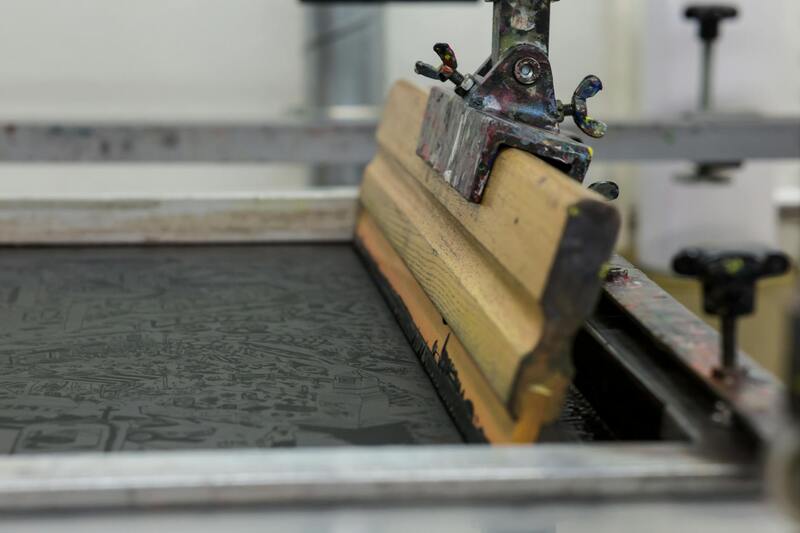
Color Management and Color Profiles
Effective color management is fundamental to achieving consistent and vivid color outputs in professional printing. It involves the calibration of devices, such as monitors and printers, and the use of standardized color profiles that define how colors are interpreted and reproduced across different mediums. Color profiles, often embedded in digital files, serve as a bridge between the digital workspace and the physical media, ensuring that colors match the original design reference regardless of the device or material used. These profiles account for variances in paper types, coatings, and inks, enabling adjustments during the prepress phase to maintain color fidelity.
Printing in color requires meticulous calibration of printers, which involves establishing optimal settings tailored to specific substrates. Regular updates to device profiles are necessary to adapt to changes in ink formulations, hardware components, and environmental conditions, safeguarding color consistency over time. Incorporating advanced color validation methods, such as spectral measurement, allows print professionals to verify color accuracy against standards and specifications. This rigorous approach minimizes discrepancies, preserves brand integrity, and ensures that high-value artwork or marketing materials are reproduced with precision.

Key Advantages of Printing in Color
- Enhanced visual appeal, capturing attention and conveying messages effectively
- Accurate reproduction of brand colors, vital for brand consistency and recognition
- Ability to reproduce complex images with a wide range of hues and subtle gradations
- Improved perception of depth and texture in printed materials
- Facilitation of detailed artwork, photographs, and marketing graphics that require high fidelity
- Increased differentiation in competitive markets, offering a professional and polished look
Color Color Management and Standards
Adherence to established color standards such as ISO 12647 ensures that the color output aligns with industry benchmarks, fostering reliability and uniformity across print runs and locations. Implementing standardized workflows involves standardized color spaces, calibration procedures, and workflow controls that support seamless color consistency. Collaborative efforts between designers, prepress operators, and printers are essential to synchronize color expectations and reduce surprises during the actual printing process.
Consistent lighting conditions during calibration and quality checks are critical for maintaining reliable color reproduction. Employing spectral measurement tools provides objective data on color accuracy, serving as a benchmark for ongoing quality control. Using industry-recognized color management workflows enhances the predictability of printed results, especially when handling complex images or multicolored branding materials.

Color Management and Color Profiles
Effective color management is pivotal in ensuring consistency and accuracy in color reproduction across various printing projects. Central to this process are color profiles—standardized sets of data that characterize a color input or output device, such as monitors, printers, or scanners. Utilizing ICC (International Color Consortium) profiles allows designers and printers to communicate color information precisely, minimizing discrepancies between digital designs and printed results.
Implementing proper color profiles begins during the design phase, where the color space is defined, typically RGB for digital designs. Before printing, these files are converted into a device-specific color space, most often CMYK, aligning the digital design with the capabilities of the printing device. This conversion ensures color fidelity throughout the production process, maintaining visual integrity and brand consistency.

Calibration of monitors and printers is an integral aspect of maintaining reliable color output. Regular calibration involves adjusting device settings so their color output aligns with known standards, ensuring that what designers see on their screens closely matches the printed materials. When combined with precise profiling, this process optimizes color fidelity, especially when printing complex images or designs with subtle gradations.
Key Benefits of Using Color Profiles
- Enhanced color consistency across different devices and printing runs
- Reduced color variation in multi-color and complex images
- Improved predictability of final print results
- Greater control over color reproduction, supporting brand integrity
- Minimized waste and reprints caused by color mismatches
Audio-visual tools such as spectral measurement devices assist in verifying color accuracy during calibration, providing objective data that supports quality control. Establishing standardized workflows and adhering to recognized industry standards like ISO 12647 contribute to uniformity and high-quality output, particularly in large-scale or high-stakes printing tasks. The importance of collaboration between designers, prepress operators, and printers cannot be overstated, as synchronized expectations foster smoother production cycles and superior results.
Implementing Color Profiles in Practice
To harness the full potential of color management, companies should integrate profile creation and calibration into their regular printing procedures. This involves creating custom ICC profiles for specific printers and materials, using color measurement instruments to fine-tune calibration settings. During file preparation, converting artwork into the appropriate color space, such as CMYK, ensures compatibility with the selected printing process, ultimately leading to vibrant, accurate color reproduction.
Consistent lighting conditions during proofing and quality checks are essential. Viewing environments with controlled lighting conditions prevent discrepancies caused by ambient light variations, further safeguarding color accuracy. Employing spectral measurement tools not only aids in calibration but also provides an ongoing benchmark for continuous quality improvement, fitting seamlessly into professional and industrial printing workflows.
Color Management and Color Profiles
Ensuring precise color reproduction in printing requires an intricate understanding of color management and the application of accurate color profiles. Color management involves the systematic use of software and hardware tools that coordinate the color output across various devices, including monitors, printers, and screens. This process guarantees that the colors displayed on digital devices match those produced in the final printed product, fostering consistency and high quality.
Color profiles, particularly International Color Consortium (ICC) profiles, serve as standardized data sets that describe the color attributes of specific devices and media. Implementing custom ICC profiles tailored for individual printers and materials allows for meticulous calibration and accurate color rendition. These profiles guide the conversion of digital color data into printable colors, ensuring the vibrancy, consistency, and fidelity of hues across different print runs and media types.

Effective color management begins with precise calibration of devices. Calibration tools, such as spectrophotometers and colorimeters, measure and analyze the device's output, enabling technicians to create or adjust ICC profiles accordingly. Incorporating these profiles into production workflows facilitates seamless color translation, minimizing discrepancies and reducing wastage caused by misaligned colors.
Standardized industry practices, such as adherence to ISO 12647, enhance quality control by providing clear guidelines for color consistency in commercial printing. Regular calibration, backed by spectral measurement and analysis, is critical for maintaining the integrity of color reproduction over time. Consistent lighting conditions during proofing and inspection further uphold the accuracy of color representation, preventing ambient light variations from impacting perception and quality assessment.
Incorporating ongoing calibration and profile management into routine operations ensures continuous improvement in color fidelity. The deployment of spectral measurement tools facilitates both initial calibration and ongoing quality checks, enabling printers and designers to identify and address deviations promptly. This disciplined approach to color accuracy not only maintains high standards but also boosts client trust through dependable, vibrant, and precise color outputs.
Color Management and Color Profiles
Optimal color reproduction in printing hinges on meticulous management of color profiles and consistent calibration techniques. Color management involves the use of standardized color profiles, such as ICC profiles, which serve as digital maps translating color data between various devices like monitors, scanners, and printers. Implementing these profiles ensures that the colors envisioned during the design phase are faithfully reproduced in the final print, maintaining vibrancy, accuracy, and consistency.
Device calibration plays a critical role in color management workflows. Tools such as spectrophotometers and colorimeters measure device output to create precise ICC profiles. These profiles describe how a device interprets color data, allowing seamless translation between different stages of production. Regular calibration routines are vital to counteract device drift, ensuring ongoing color fidelity. Calibration is especially crucial in environments producing large volumes of color prints, where even minor inconsistencies can compromise work quality and client trust.
In addition to device calibration, standardized industry practices like the ISO 12647 series set benchmarks for color quality and consistency in commercial printing. Adherence to these standards facilitates uniform color reproduction across different print runs and media types, reducing variances that may arise from equipment or environmental changes. Consistent lighting conditions during proofing and inspection stages help prevent ambient light from altering perception, allowing for accurate quality assessments and adjustments before mass production.

Maintaining ongoing calibration and profile management within the print workflow enhances color consistency and minimizes waste. Spectrophotometers and colorimeters facilitate spectral measurements, enabling precise adjustments to calibration settings and ICC profiles. This disciplined approach not only guarantees high-quality outputs but also fosters client confidence in the ability to deliver reliable, vibrant colors in every print project.
Key Advantages of Printing in Color
- Enhanced visual impact and emotional engagement through vibrant imagery.
- Accurate color matching for branding and identity consistency.
- Ability to produce detailed and realistic representations in marketing materials.
- Greater flexibility in creative expression, enabling a broader range of design possibilities.
- Improved differentiation in competitive markets through striking visuals.
Color printing elevates a brand's visual assets by ensuring that every printed piece aligns with the original digital design in both hue and richness. This alignment not only enhances aesthetic appeal but also reinforces brand recognition and professionalism. When executed with proper color management, printing in color transforms simple concepts into compelling, memorable materials that resonate with target audiences.
Color Management and Color Profiles
Effective color management is essential for achieving consistent and vibrant results in printing in color. This process relies on precise calibration of devices, including monitors, printers, and scanners, to ensure that the colors seen on the digital workspace match those in the final printed output. Central to this is the use of color profiles, specifically ICC (International Color Consortium) profiles, which act as standards that communicate the color capabilities of different devices.

Through regular calibration and the use of tailored color profiles, professionals can safeguard against color inconsistencies. Color management workflows often involve software that allows for the precise application of these profiles during the design and printing processes. This, coupled with high-quality hardware, ensures that the colors in printed materials reflect the designer’s original intentions with accuracy and vibrancy.
Key Advantages of Printing in Color
- Enhanced Visual Impact: Vibrant colors attract attention and elevate the overall appeal of printed pieces.
- Brand Consistency: Precise color matching maintains brand identity across various materials and platforms.
- Realistic Detailing: Rich color tones enable the reproduction of complex images and subtle gradations.
- Creative Flexibility: The range of colors expands creative possibilities for designers and marketers.
- Market Differentiation: Striking, vivid visuals help products and campaigns stand out in competitive contexts.
Importance of Accurate Color Reproduction
Maintaining color accuracy is critical for brand recognition and professional presentation. When printed outputs faithfully represent digital designs, it enhances perceived quality and builds confidence among clients. Achieving this requires meticulous attention to detail during every stage of the printing process, from file preparation to material selection.
Color Management and Standards
Standardization in color management involves adherence to international guidelines that promote consistency and reliability. These include calibration protocols and the use of industry-standard color profiles. For instance, printing industries often rely on standard color spaces such as sRGB and Adobe RGB for digital assets, and CMYK color profiles tailored to specific printing processes for physical outputs.
Color Color Modes: CMYK vs RGB
The choice between CMYK and RGB modes hinges on the intended printing method and the type of output device. RGB (Red, Green, Blue) is used primarily for digital screens, offering a broad spectrum of colors. Conversely, CMYK (Cyan, Magenta, Yellow, Key/Black) is designed for ink-based printing, translating digital colors into printable ink layers. Proper conversion between these modes is vital for preserving color fidelity in the final product.
Choosing the Right Materials for Color Printing
The selection of printing substrates significantly influences the vibrancy and durability of color prints. High-quality papers with appropriate coatings can enhance color richness and prevent ink bleed. For applications requiring longevity or outdoor exposure, materials with weather-resistant finishes, such as UV coatings or laminated surfaces, are optimal choices to sustain color vibrancy over time.

Specialized finishes like matte, gloss, or semi-gloss can further modify how colors are perceived, offering additional control over visual effects. Each project demands careful consideration of materials aligning with its purpose and environment, ensuring the printed colors remain true to the intended design.
Design and File Preparation for Color Printing
Preparing digital files for color printing requires meticulous attention to detail. Files should be created using color-managed workflows, ensuring embedded profiles match those used during calibration. Designers should work within the appropriate color space, typically CMYK for print projects, to avoid unexpected shifts during conversion.
Common practices include:
- Using high-resolution images for detailed and sharp outputs.
- Applying color profiles to manage color consistency.
- Performing soft proofs to preview how colors will appear post-printing.
- Avoiding excessive color adjustments that could introduce inconsistencies.
Types of Color Printing Methods
The selection of a printing method influences both color accuracy and production efficiency. Popular methods include:
- Offset Printing: Ideal for large volumes, offering high color fidelity and sharp detail.
- Digital Printing: Suitable for shorter runs with fast turnaround times and dynamic color capabilities.
- Inkjet and Wide-Format Printing: Used for large banners, posters, and fine art, providing extensive color ranges and high resolution.
Each method has its advantages and limitations, which should be considered in relation to project scope and desired quality.
Color Management and Color Profiles
Effective color management lies at the core of achieving precise and consistent results in color printing. It involves carefully calibrating devices such as monitors, printers, and scanning equipment to ensure that colors are reproduced as accurately as possible across different media and workflows. Central to this process are color profiles, which serve as standardized data sets that describe the color attributes of devices and materials. These profiles facilitate a seamless translation of color data from digital files to physical prints, maintaining fidelity to the original design intent.
In professional workflows, embedding the correct color profiles into files is crucial. For example, using calibrated monitors paired with ICC profiles ensures designers view accurate colors during the creation process. When files are sent for printing, the profiles guide the printer's color engine to match the digital design as closely as possible, thereby reducing discrepancies and reprints. Adopting color management best practices enhances overall quality control, especially in high-volume or highly detailed color printing projects.
Key Advantages of Printing in Color
- Enhanced Visual Impact: Vibrant, true-to-life colors attract attention and convey messages more effectively.
- Brand Consistency: Accurate color reproduction ensures corporate branding remains uniform across various printed materials.
- Greater Detail and Depth: Color printing can highlight subtle gradients and complex images, adding depth and realism.
- Flexibility in Design: The ability to produce a wide spectrum of colors expands creative possibilities for designers and marketers.
- Market Competitiveness: High-quality color prints elevate professional appearances, offering a competitive edge in marketing and communications.
Color Management and Standards
Implementing standardized color workflows is essential for predictable and reliable color output. The International Color Consortium (ICC) provides a comprehensive framework for color profiles, allowing seamless integration of hardware and software. By adhering to these standards, printers can ensure that colors are consistent regardless of the equipment used or the location of production.
Calibration and profiling should be performed regularly to maintain accuracy, especially when switching materials or updating hardware. Additionally, soft proofing—simulating the final print on a calibrated monitor—helps designers preview color outcomes before committing to production, reducing waste and rework.
Overview of Printing in Color
Color printing involves the transfer of colored inks or toners onto media such as paper, film, or fabric. Techniques vary depending on the volume, quality requirements, and materials involved. Digital methods like inkjet and laser are suited for short runs with quick turnaround times, while offset printing remains the industry standard for large quantities due to its high precision and consistency. Each method supports a range of color modes and materials, which must be carefully selected to match project goals.
Color Color Modes: CMYK vs RGB
Understanding color modes is vital in the color printing process. RGB (Red, Green, Blue) is an additive color model used primarily for digital screens and online displays. It combines light to produce a broad spectrum of colors, but cannot be directly transferred to print because it lacks the color range of physical media.
In contrast, CMYK (Cyan, Magenta, Yellow, Key/Black) is a subtractive color model used specifically in printing. It blends inks to produce the desired colors on substrate materials. Proper conversion from RGB to CMYK is critical to ensure color accuracy; this process involves adjusting cyan, magenta, yellow, and black inks to compensate for device limitations and substrate characteristics.
Choosing the Right Materials for Color Printing
The selection of substrates plays a significant role in the final appearance of color prints. Materials such as gloss, matte, or satin paper each influence how colors appear—glossy surfaces enhance vibrancy and contrast, while matte finishes offer softer, subdued tones suitable for more understated designs. The composition and weight of the paper also impact ink absorption and color depth. For high-end displays or fine art reproductions, specialty materials with specific textures or coatings may be appropriate to optimize color rendering.
Color Management and Color Profiles
Implementing effective color management is crucial to achieving consistent and vibrant results in printing in color. This involves utilizing color profiles, such as ICC (International Color Consortium) profiles, that serve as standardized data sets describing the color attributes of input devices (like scanners and digital cameras), output devices (printers), and the media used. By embedding these profiles into digital files, printers can accurately interpret and reproduce colors, maintaining visual integrity throughout the workflow.
Proper calibration of monitors and devices ensures that colors displayed onscreen match those printed. Calibration involves adjusting device settings periodically to account for variations in ink, hardware aging, and environmental factors. Use of calibrated colorimeters or spectrophotometers enables precise device tuning, establishing a reliable foundation for color accuracy.
Color profiles facilitate the transformation of digital color data into physical colors on media, making them essential in professional printing environments where fidelity and reproducibility are paramount. When files are processed with correct profiles, the likelihood of color shifts diminishes, ensuring that the final print aligns with original design specifications.

Color Management and Color Profiles
Effective color management is fundamental to achieving consistent and vibrant results in printing in color. It involves meticulous calibration of devices and the use of standardized color profiles, such as ICC profiles, to ensure color fidelity across different mediums and platforms. By employing accurate profiles, printers can interpret and reproduce colors as intended, minimizing discrepancies caused by device variability.

The process begins with calibrating monitors and printers using specialized hardware and software, establishing a baseline that guarantees reliable color reproduction. Incorporating soft proofing allows designers to preview how colors will look once printed, enabling adjustments to image saturation, hue, or contrast preemptively. This proactive approach reduces wasted materials and ensures the final product aligns with the initial design intent.
In professional environments, continuous calibration using color checkers and color management software maintains high standards of consistency. Advanced workflows may integrate calibration hardware with RIP software, streamlining color control, especially in high-volume commercial printing. Maintaining strict adherence to color profiles is critical for projects where precise matching of branding colors or photographic realism is required, securing the integrity of the visual message conveyed by the printed material.
Key Advantages of Printing in Color
Printing in color allows for a broader spectrum of expression, capturing intricate details and subtle shades that are often lost in monochrome. High-quality color printing elevates brand visibility, making marketing materials more eye-catching and memorable. The ability to reproduce photographs and artwork with vibrant accuracy enhances the overall impact and perceived value of printed products.
- Enhanced Visual Appeal: Color prints attract attention and increase engagement.
- Accurate Brand Representation: Consistent color reproduction ensures brand colors are accurately depicted.
- Rich Detail and Gradient: Subtle color transitions and detailed imagery become more vivid.
- Versatility in Applications: Suitable for marketing materials, packaging, fine art, and photographic reproductions.
Color Consistency and Standardization
Establishing and adhering to industry standards such as ISO 12647 ensures that color reproduction remains consistent across different print runs and materials. These standards define parameters for color accuracy, ink density, and print quality, providing a framework that supports reliable output regardless of the printing environment.
Implementing standardized procedures facilitates collaboration between designers, print technicians, and clients, guaranteeing that the final results meet expectations. Regular calibration, combined with well-maintained equipment and validated workflows, minimizes color shifts and inconsistencies, ensuring every print reflects the original design specifications precisely.
Overview of Printing in Color
Modern printing in color leverages advanced technologies and materials to deliver high-resolution, vibrant images. From digital inkjet to offset printing, each method utilizes specific processes and inks optimized for color fidelity. Selecting the appropriate printing technique depends on factors like project scale, turnaround time, and material compatibility.

Ultimately, mastering color management, choosing suitable materials, and employing appropriate printing technologies are essential elements that ensure the success of color printing initiatives, delivering professional-grade quality that meets diverse industry needs.
Color Management and Color Profiles
Effective color management begins with understanding and utilizing accurate color profiles. These standardized datasets describe how colors are represented across various devices such as scanners, monitors, and printers. Implementing ICC (International Color Consortium) profiles ensures consistency and fidelity throughout the entire printing process, from digital file creation to final output.
Proper calibration of equipment, combined with the adoption of standardized color profiles, helps maintain color accuracy. Calibration involves adjusting hardware settings to match established color standards, which is crucial for professional color printing tasks where precise color reproduction is paramount.
Applying correct color profiles in design software and printer settings enables seamless color translation, minimizing discrepancies between the digital design and printed result. This consistency guarantees that colors appear exactly as intended, reducing the need for multiple proofing iterations and streamlining the workflow for commercial projects.

Color Management and Color Profiles
Achieving precise color reproduction in printing in color hinges significantly on robust color management strategies. Central to this process are color profiles—standardized datasets that define how colors are represented across various devices, including monitors, scanners, and printers. Utilizing these profiles ensures that colors maintain consistency from digital design to final print, a critical factor for professional print outputs.
Implementing ICC (International Color Consortium) profiles allows for accurate color translation between devices, ensuring the digital file’s intended hues are faithfully rendered on paper. Proper calibration of printing equipment—adjusting hardware settings to align with established color standards—is essential for this process. This calibration reduces color discrepancies, facilitates predictable results, and minimizes waste through fewer proof revisions.

Design software can embed the appropriate color profiles directly into files, which then guide the printing process. When the printer recognizes these profiles, it can translate digital colors accurately, maintaining the integrity of the original design. This fidelity is especially vital for branding, marketing materials, and any project where color accuracy is imperative.
Investing in high-quality color management systems and training personnel in their use significantly enhances production quality. This disciplined approach helps in delivering reliable, high-fidelity printing results, which in turn bolsters client confidence and streamlines workflow efficiency. Ensuring rigorous color management practices is undeniably a cornerstone of professional printing in color, directly affecting output quality and consistency.
Color Management and Color Profiles
Effective color management is fundamental to achieving consistent and accurate color reproduction in professional printing. Central to this process are color profiles, particularly ICC (International Color Consortium) profiles, which serve as standardized datasets that describe the color attributes of devices such as monitors, printers, and scanners. Embedding these profiles into digital files ensures that colors are interpreted correctly across different hardware, facilitating seamless translation from screen to print. When a file contains an embedded ICC profile, the printer’s software recognizes and applies the appropriate color adjustments, preserving the original intent of the design.

Calibration of printing equipment is equally essential. Regularly adjusting hardware settings based on established standards minimizes deviations in color output. Calibration involves using test charts and specialized software to fine-tune printer and monitor settings, aligning digital colors with the printed result. This disciplined approach reduces color discrepancies, decreases waste, and guarantees that the final print aligns closely with the visual expectations set during the design phase.
Key Advantages of Printing in Color
- Enhanced Visual Impact: Vibrant and detailed color prints captivate audiences and effectively convey brand messages.
- Accurate Branding: Consistent color reproduction maintains brand identity across various printed materials.
- Increased Engagement: Colorful visuals are more likely to attract attention and generate interest.
- Versatility: Capable of reproducing complex images and subtle tones, ideal for marketing, packaging, and artistic projects.
Color Color Management and Standards
Establishing industry standards for color management ensures consistency and reliability across different printing jobs and devices. Adherence to standards like ISO 12647 facilitates predictable results by defining acceptable color tolerances and process control parameters. Implementing these standards involves calibrating equipment, utilizing standardized color profiles, and following specified workflows, which together uphold high-quality output and satisfy client expectations.
Overview of Printing in Color
Color printing employs various technologies and methods to produce full-color images accurately. From digital inkjet to traditional offset presses, the selection of technology depends on project scope, material, and budget. Each method has unique capabilities and limitations in reproducing color fidelity, requiring careful consideration during planning and execution.
Color Color Modes: CMYK vs RGB
Understanding the differences between CMYK and RGB color modes is crucial for color accuracy. RGB (Red, Green, Blue) is primarily used for digital screens, offering a broad spectrum of vibrant colors. CMYK (Cyan, Magenta, Yellow, Black), on the other hand, is used for printing, optimized for subtractive color mixing on paper. Designing with the correct color mode and converting files appropriately ensures that the printed colors match the digital design as closely as possible.
Choosing the Right Materials for Color Printing
The selection of printing substrates significantly influences color vibrancy and detail. Glossy papers enhance color brilliance and sharpness, making them suitable for photographs and marketing materials. Matte finishes offer a subdued aesthetic, reducing glare and fingerprints, ideal for professional reports and business stationery. Specialty materials like textured or transparent substrates can add unique visual effects, expanding creative possibilities while maintaining color integrity.
Design and File Preparation for Color Printing
Preparing files meticulously is vital for high-quality color printing. Designers should work in the correct color mode, embed ICC profiles, and use color management workflows. High-resolution images, typically 300 dpi or higher, ensure detail preservation. Layers should be flattened, and fonts embedded or outlined to prevent issues during printing. Proper bleed margins and safe zones prevent unintended cropping or color shifts, ultimately supporting a flawless final product.
Color Management and Color Profiles
Precise color management is essential for ensuring consistent and accurate color reproduction in professional printing processes. This begins with the use of color profiles, which act as standardized datasets that translate colors between digital files and the printing device. Color profiles, such as ICC (International Color Consortium) profiles, define how specific colors are rendered across different devices and materials, maintaining consistency regardless of the equipment or substrate used.
High-quality color management workflows involve calibrating monitors regularly to match the color output of the printer. Calibration ensures that what designers see on their screens aligns with the printed results, reducing discrepancies and reprints. Additionally, embedding accurate ICC profiles within files allows color settings to be preserved throughout the workflow, from design to print, facilitating predictable results and better color fidelity.
Good color management also requires controlling ambient lighting conditions during proofing and print inspection. Without proper controls, the perception of color can vary significantly due to environmental influences such as lighting temperature and color. Implementing standardized lighting conditions, such as D65 daylight balanced illumination, helps maintain precise evaluation and quality control of color prints.
Key Elements of Effective Color Management
- Regular calibration of monitors and printers
- Use of standardized ICC profiles for specific substrates
- Consistent ambient lighting during proofing and inspection
- Embedding color profiles within design files
- Adherence to industry standards such as ISO 12646 for color accuracy
The Impact of Color Profiles on Printing Quality
Utilizing appropriate color profiles directly influences the vibrancy, accuracy, and consistency of printed colors. When colors are correctly managed through profiles tailored for specific inks, papers, and printers, the final output closely matches digital designs. This minimizes color mismatches and reprints, leading to improved efficiency and client satisfaction in professional printing projects.
Color Management and Color Profiles
Effective color management is essential for achieving consistent and accurate color reproduction in printing in color. It involves a combination of calibrated devices, standardized workflows, and precise color profiles. Color profiles, specifically ICC profiles, serve as digital instructions that inform printers and monitors how to interpret and reproduce colors accurately across different devices and media. Embedding these profiles within files ensures that color data remains consistent from digital design to final print.
Proper calibration of monitors ensures that what is seen on screen accurately represents the color output on printed materials. Similarly, printers must be regularly calibrated using test charts and specific calibration tools to align their output with the intended color standards. This synchronization minimizes discrepancies and enhances the predictability of print results, thereby reinforcing brand consistency and client satisfaction.
Implementing standardized ambient lighting during proofing and inspection processes prevents environmental influences—such as lighting temperature or color— from skewing perception. Lighting conditions like D65 daylight-balanced illumination are widely adopted for their ability to simulate natural daylight, ensuring that color evaluation is as close to real-world viewing as possible.
Key Components of Effective Color Management
- Regular calibration of monitors, printers, and scanning devices
- Utilization of industry-standard ICC profiles tailored to specific media and inks
- Consistent lighting conditions during proofing and quality control
- Embedding color profiles within digital files for seamless transfer
- Continuous adherence to industry standards such as ISO 12646
Impact on Printing Results
When properly managed, color profiles enable predictable, vibrant, and precise color reproduction, which reduces reprints and waste. This consistency is particularly critical for high-value projects like branding materials, packaging, and photographic prints, where color fidelity is paramount. Professional offset and digital printers rely heavily on these systems to deliver predictable, high-quality outputs that meet clients' expectations.
Color Management and Color Profiles
Effective color management lies at the core of achieving accurate and consistent printing in color. It involves the use of specialized equipment and standardized procedures to calibrate monitors, printers, and scanners. Calibration ensures that the colors displayed on screens match the printed output, minimizing discrepancies that can compromise the quality of the final product. Inline with this, industry-standard ICC (International Color Consortium) profiles are embedded within digital files, guiding the printing devices to reproduce colors faithfully according to specific media and inks.
Utilizing color profiles tailored to each material and ink combination helps maintain color accuracy across different jobs, enabling predictable outcomes. Consistent lighting conditions during proofing and inspection, such as D65 daylight-balanced illumination, simulate natural conditions, ensuring that color evaluations are accurate and reliable. This comprehensive approach reduces reprints and waste, ultimately leading to cost savings and high client satisfaction.

Furthermore, continuous adherence to industry standards such as ISO 12646 reinforces the reliability of color reproduction processes. Proper color management involves not only equipment calibration but also regular validation of output quality, ensuring that print results consistently meet predefined standards. This methodology is particularly essential for projects demanding high precision, such as branding materials, packaging, and photographic prints, where even minor color deviations can have significant impacts.
Key Elements of Color Accuracy
- Regular calibration of monitors, printers, and scanning devices
- Usage of ICC profiles specific to media and inks
- Standardized lighting during proofing and inspection
- Embedding color profiles in digital files for seamless color management
- Adherence to industry standards like ISO 12646
By integrating these elements into the printing workflow, professionals can consistently produce vibrant, precise, and reliable color prints that meet the highest industry criteria. This foundation of meticulous color management fosters trust and confidence in the quality of printed materials, essential for maintaining brand integrity and client relationships.
Color Management and Color Profiles
Effective color management forms the backbone of consistent and vibrant color printing. It involves precise calibration of printing devices, including monitors, scanners, and printers, to ensure color accuracy across digital and printed mediums. Utilizing color profiles, specifically ICC (International Color Consortium) profiles, allows for the standardization of color data between different devices and media. These profiles encode detailed information about how colors are reproduced on specific types of paper and with particular inks, facilitating predictable results every time. Regular calibration and software validation help maintain color fidelity, making sure that the printed output aligns with the original digital design.

The integration of color management processes includes establishing consistent lighting conditions during proofing, embedding ICC profiles within files, and adhering to international standards such as ISO 12646. This not only enhances the accuracy of color reproduction but also boosts confidence in the final product, especially for branding, packaging, and photographic prints where color precision is critical. Implementing a robust color management strategy involves collaboration between designers, prepress technicians, and printing specialists to achieve optimal results, especially in high-volume or premium print projects.
Key Advantages of Printing in Color
Choosing to print in full color offers numerous benefits that directly impact the effectiveness and appeal of printed materials. Firstly, color enhances visual interest, drawing attention and making key information stand out. This is particularly important in marketing collateral such as flyers, posters, and brochures where engaging visuals can significantly influence consumer behavior. Additionally, color allows for accurate brand representation, helping maintain consistency in logos, product images, and brand color schemes across different formats. It also improves the clarity of complex images, charts, and infographics, ensuring that data presentation is both attractive and easy to interpret.
- Greater brand recognition through consistent use of brand colors
- Enhanced visual impact attracting more viewers
- Improved comprehension of data through colorful graphics
- Vivid imagery that elevates the perceived quality of materials
- Ability to produce realistic photographs and detailed artwork
Furthermore, printing in color allows businesses and artists to convey emotions and messages more effectively. It fosters engagement, provides a competitive edge in marketing, and creates memorable impressions that can lead to increased customer loyalty. When paired with the right materials and finishes, full-color printing can transform ordinary materials into compelling visual assets that resonate with target audiences.
Color Color Management and Standards
Adherence to established color standards ensures consistency and predictability in color reproduction. Industry standards such as ISO 12646 and SWOP (Specifications for Web Offset Publications) guidelines set benchmarks for color fidelity, providing parameters within which printers operate. These standards define specifications for calibration, proofing, and color measurement, enabling professionals to achieve uniform outcomes across different printing environments.
Implementing these standards involves the use of high-quality test charts, spectrophotometers, and consistent lighting conditions during inspection to verify that printed colors match the intended designs. Moreover, integrating standardized workflows with ICC profiles tailored for specific media types ensures that color reproduction remains within acceptable tolerances, reducing reprint costs and enhancing client satisfaction.

For industries relying heavily on visual fidelity—such as fashion, product packaging, and fine art—strict compliance with these standards guarantees that each print run maintains the same high quality, fostering trust and repeat business. Staying current with evolving technology and regularly updating calibration procedures is essential to sustain high-quality color output over time.
Color Management and Color Profiles
Achieving consistent and vibrant color output in printing requires meticulous control over color management processes. Central to this process are color profiles, specifically ICC (International Color Consortium) profiles, which serve as standardized references that translate digital colors into printable results. These profiles encapsulate information about the color characteristics of specific devices—such as monitors, printers, and scanners—allowing for accurate communication between tools within the workflow.
By integrating ICC profiles into printing workflows, operators can calibrate and profile their devices to match desired color standards precisely. This calibration ensures that colors seen on the screen closely resemble the printed output, effectively reducing discrepancies and reprint cycles. High-quality color management involves regular device calibration, application of appropriate color profiles for each media type, and consistent testing with color charts or test prints.
Implementing robust color management systems dramatically enhances reproducibility, critical for branding, high-value art reproductions, and any project where color fidelity is paramount. Tools such as spectrophotometers are employed to measure color accuracy and generate custom profiles suited to specific materials and inks, fostering a highly controlled environment that guarantees predictable, high-quality color prints.
Key Advantages of Printing in Color
Color printing offers numerous advantages over monochrome printing, especially in contexts requiring visual appeal and precise branding. These benefits include:
- Enhanced Visual Impact: Usage of a range of hues creates eye-catching visuals that attract attention and convey messages more effectively.
- Accurate Brand Representation: Specific color schemes reinforce brand identity, maintaining consistency across marketing materials.
- Increased Engagement: Colorful designs draw in viewers and encourage interaction, especially in advertising and packaging.
- Superior Detail and Depth: Color gradients and shading provide dimension, making images more lifelike and appealing.
Adopting high-quality color printing techniques enhances professional presentation and supports strategic marketing objectives, serving industries such as fashion, electronics, and retail where color differentiation is crucial.
Color Color Management and Standards
Maintaining color consistency across various print runs and devices necessitates adherence to established industry standards. Standards like ISO 12646 specify parameters for display and printing calibration, ensuring that colors are reproducible within defined tolerances. Similarly, SWOP (Specifications for Web Offset Publications) guidelines set benchmarks primarily for commercial printing, emphasizing color fidelity in publication outputs. These standards advocate for the use of test charts, measurement devices, and stringent workflow procedures. Regular calibration using spectrophotometers, coupled with ICC profiles tailored to specific print media, ensures that output remains within the acceptable color spectrum. Consistency is especially vital in branding applications, where deviations in color can compromise product recognition or aesthetic appeal. Integrating these standards into daily operations fosters confidence in print quality, minimizes wastage caused by reprints, and guarantees that clients receive uniform results regardless of the quantity or media used. Staying updated with evolving technological standards is critical to maintaining high levels of color accuracy and customer satisfaction in color printing projects.
Color Management and Color Profiles
Effective color management is fundamental to achieving consistent and vibrant color prints. It involves the use of precise profiles that define how colors are represented across different devices and materials. These profiles, known as ICC (International Color Consortium) profiles, serve as standardized references that ensure color fidelity from digital files to the final printed product. Proper implementation of color management workflows involves calibrating monitors, printers, and scanners to produce predictable and repeatable color outcomes.
During the printing process, a device-specific color profile guides the conversion of digital color data into printable color output. This ensures that the hues intended by the designer are accurately reproduced, regardless of the printing hardware or media used. By maintaining strict control through calibrated devices and standardized profiles, print professionals can manage color shifts effectively, resulting in high-quality color reproductions that meet client expectations.
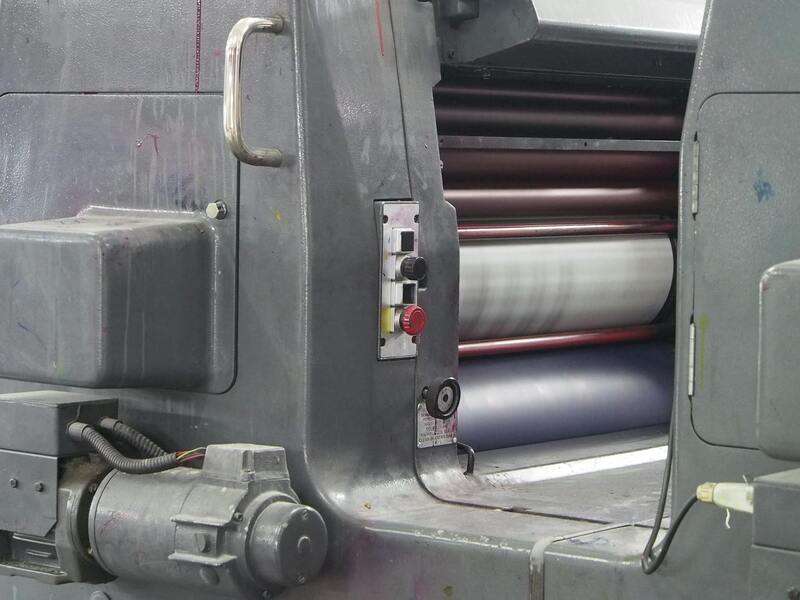
Key Advantages of Printing in Color
- Enhanced Visual Impact: Color adds vibrancy and clarity to printed materials, making them more attractive and engaging.
- Improved Brand Recognition: Consistent color reproduction ensures that brand colors remain uniform across various print runs, strengthening brand identity.
- Greater Detail and Depth: Color printing can convey complex images and intricate designs, providing more depth compared to monochrome prints.
- Versatility in Applications: Color printing supports diverse industries such as marketing, packaging, fashion, and electronics, where color differentiation is vital.
- Accurate Color Matching: Advanced color management allows for precise matching of corporate colors and specific hues, maintaining quality standards.
Color Management and Standards
Adherence to established color management standards is essential for consistent results across various printing projects. ISO 12647 guidelines, for instance, specify workflows for controlling color reproduction in commercial printing, ensuring that printed colors meet predefined specifications. Standards like SWOP focus specifically on web offset printing, emphasizing color consistency and fidelity.
Implementing these standards involves routine calibration of printing equipment using measurement devices like spectrophotometers. Creating and applying ICC profiles tailored to specific media types further refines color accuracy. Regular testing and validation through color charts help maintain consistency, which is critical when replicating brand colors or producing large quantities of identical prints.

Overview of Printing in Color
Color printing encompasses various techniques and technologies designed to reproduce a broad spectrum of colors with precision. Digital printing technologies such as inkjet and laser are predominant, offering high-resolution outputs suitable for short runs and personalized projects. Traditional offset printing remains relevant for large-scale production, where color consistency and quality control are paramount. The process begins with digital file preparation, where color profiles and calibration are set to match the desired output. During printing, ink flow, paper absorption, and environmental conditions are carefully monitored to maintain color accuracy.
Achieving excellent color reproduction involves not only choosing the right printing technology but also selecting appropriate materials and applying proper workflow controls. Calibration, color profiling, and consistent quality checks form the backbone of effective color printing practices.
Color Management and Color Profiles
Effective color management forms the backbone of high-quality color printing, ensuring that the colors produced on print match the original digital design as closely as possible. This process involves the use of specific color profiles, known as ICC (International Color Consortium) profiles, which serve as standardized data sets defining how colors are represented across various devices and media. Color profiles enable printers, monitors, and scanners to communicate uniformly, reducing discrepancies and maintaining consistency throughout the production workflow.
Implementing a robust color management system requires precise calibration of printing equipment. Regular calibration using spectrophotometers or colorimeters ensures that the printer's output remains accurate over time. Creating media-specific ICC profiles involves printing test targets and measuring the results with these devices. The data collected is used to generate custom profiles tailored for particular paper stocks, inks, and finishing processes, providing a benchmark for consistent color reproduction.
In professional color printing, adherence to international standards such as ISO 12647 guarantees that the colors are produced within specified tolerances. These standards define parameters for color accuracy, dot gain, film density, and other critical factors. Maintaining such standards ensures that a company’s printed output aligns with brand specifications and industry benchmarks, particularly when producing marketing materials, packaging, or displays that require exact color matching.

Key Advantages of Printing in Color
Switching from monochrome to color printing significantly amplifies the visual impact and communicative power of printed materials. Color printing enhances brand identity by vividly displaying logos and corporate colors, fostering brand recognition and emotional connection with customers. It also enables more engaging marketing campaigns, as vibrant images and eye-catching designs attract attention more effectively than black-and-white prints.
Furthermore, color printing simplifies the process of conveying complex information through infographics, charts, and photographs, making data easier to interpret. It supports the production of product packaging, promotional banners, and point-of-sale displays that require true-to-life color fidelity, which can influence purchasing decisions and reinforce consumer trust.
In addition to aesthetic benefits, color printing can streamline workflows for businesses that produce large volumes of marketing collateral, promotional materials, or catalogues. High-quality color output boosts perceived value and professionalism, encouraging clients and stakeholders to engage more deeply with printed content. Overall, printing in color elevates the effectiveness and appeal of printed communication, driving better engagement and brand consistency.
Color Color Management and Standards
Maintaining color consistency across various printing runs necessitates adherence to established color management standards. These standards encompass protocols for device calibration, color profiling, and workflow control, all aimed at producing predictable and uniform results. Industry-grade printing facilities often utilize sophisticated software solutions that automate calibration procedures and monitor output quality in real-time, minimizing human error.
Standardized color management workflows involve initial color verification using color charts or test prints, followed by adjustments to ensure that the output matches the desired color target. This process is particularly critical when needing to match specific brand colors or reproduce images accurately across different media types and print runs. Regular validation of color accuracy through visual inspection and instrumental measurements helps in maintaining these standards consistently.
Adhering to global standards such as ISO 12647 ensures that color control processes are consistent and replicable, regardless of the printing environment. Such practices are fundamental in commercial printing, where precise color matching can influence brand integrity, customer trust, and legal compliance for color-specific product packaging or promotional materials.
Color Management and Color Profiles
Implementing precise color management practices is essential for achieving consistent and accurate color reproduction in printing in color. This involves the use of standardized color profiles, such as ICC profiles, which serve as digital representations of how specific devices—monitors, printers, and scanners—interpret color data. Proper use of these profiles ensures that colors displayed on screens accurately translate into printed materials. Calibration of devices regularly maintains their performance, aligning output with industry standards and preventing color drifts over time.

Color profiles facilitate seamless communication between different devices and media, ensuring that the desired hues are reproduced faithfully. When preparing files for printing, embedding the correct ICC profiles into the artwork guarantees that the printer interprets the colors correctly. Many advanced printing solutions also incorporate software that automates calibration routines, monitors color consistency during production, and provides real-time adjustments. This comprehensive approach minimizes discrepancies, reducing waste and the need for reprints.
Key Advantages of Printing in Color
- Enhanced Visual Impact: Bright, vivid colors attract attention and create more memorable impressions than monochrome prints.
- Brand Representation: Accurate color reproduction ensures that brand colors appear as intended across all printed materials, reinforcing brand identity.
- Artistic Expression: Enables detailed, true-to-life reproductions of artwork, photographs, and graphics, preserving original aesthetics.
- Better Communication: Color helps convey information quickly and effectively, especially in marketing, signage, and instructional materials.
Color Color Management and Standards
Adherence to established standards such as ISO 12647 can significantly improve consistency and quality in color printing. These standards define parameters for color gamut, gray balance, dot gain, and other critical factors. Industry-standard workflows incorporate calibration, color verification, and proofing procedures aligned with these guidelines, reducing variances between print runs and ensuring predictable results for clients and designers alike.
Overview of Printing in Color
Modern color printing employs various technologies, from digital inkjet and laser printers to traditional offset presses that are capable of producing eye-catching, detailed images. The choice of method depends on factors like volume, budget, material, and desired quality. Digital printing has streamlined color reproduction for short runs, offering quick turnaround times and flexibility, while offset printing remains preferred for high-volume projects demanding precise color matching.
Color Color Modes: CMYK vs RGB
The two primary color modes used in digital printing are CMYK (Cyan, Magenta, Yellow, Key/Black) and RGB (Red, Green, Blue). RGB is suitable for digital screens, with colors created through light emission. Conversely, CMYK is designed for printing, combining inks to produce a broad spectrum of printable colors. Designers preparing files should convert images from RGB to CMYK before printing to achieve accurate color reproduction, as RGB colors cannot be directly translated into print without potential color shifting.
Choosing the Right Materials for Color Printing
The selection of suitable materials is critical for optimal color printing results. High-quality paper and substrates with a consistent surface texture and color absorption capacity allow for vibrant, sharp images. Glossy, semi-gloss, and matte finishes impact how colors are perceived, with gloss finishes enhancing vibrancy and matte providing a softer, subdued appearance. Specialty materials like transparent films or textured papers further expand creative possibilities, provided they are compatible with the chosen printing technology.
Design and File Preparation for Color Printing
Proper file preparation involves ensuring that artwork is created at a high resolution (typically 300 DPI or higher) and in the appropriate color mode, preferably CMYK. Embedding color profiles, flattening layers, and using bleed areas are essential steps to prevent unexpected shifts or cut-offs during trimming. Vector graphics should be scalable without loss of quality, and images should be carefully calibrated to match desired output colors.
Types of Color Printing Methods
- Digital Inkjet Printing: Suitable for short runs and personalized prints, offering a high degree of color control and vibrant outputs.
- Laser Printing: Ideal for high-speed, high-volume projects with consistent color quality.
- Offset Printing: Best for large-volume jobs requiring precise color matches and detailed image quality.
- Flexography and Gravure: Used primarily for packaging, labels, and large-scale printing with complex color requirements.
Material Selection for Color Printing
The material choice directly impacts color fidelity. Selecting papers designed specifically for color printing minimizes absorption issues and maximizes color vibrancy. Coated stocks, such as gloss or satin finishes, enhance color richness, while uncoated stocks provide a more subdued appearance suited for different applications. For special projects, substrate compatibility with the printer and ink types should be verified to prevent smudging or color inaccuracies.
Advanced Techniques in Color Management and Color Profiles
Achieving precise color reproduction in printing requires meticulous attention to color management practices. Utilizing advanced color profiles tailored to specific printers and materials ensures consistency across various print runs. Color management workflows involve calibrating monitors, applying ICC profiles, and implementing soft proofing techniques, which allow designers and print professionals to simulate on-screen how colors will appear on the final printed product. Embedding accurate color profiles into digital files guarantees that color information remains intact during the printing process, facilitating predictable and reproducible color outputs. Manufacturers often provide specific ICC profiles compatible with their equipment, which should be incorporated into the design files during preparation to maintain fidelity.

Key Advantages of Printing in Color
Color printing dramatically enhances the visual impact of printed materials, enabling brands and businesses to communicate more effectively. Vibrant color prints attract attention, improve readability, and evoke emotional responses, making marketing materials such as brochures, banners, and product labels more compelling. Additionally, color differentiation aids in organizing information, highlighting key messages, and improving overall comprehension. Beyond aesthetics, precise color reproduction enhances brand consistency, allowing logos, color schemes, and promotional graphics to be faithfully represented across different media and print runs. The versatility of color printing supports various applications, from detailed photographic reproductions to vibrant packaging, elevating the perceived value of printed products.
Color Standards and Industry Benchmarks
Standardized color systems, including the Pantone Matching System (PMS) and International Color Consortium (ICC) standards, serve as benchmarks for ensuring color accuracy across different devices and materials. Pantone colors provide universally recognized color references, facilitating precise color matching in branding and packaging requirements. Conversely, ICC profiles help synchronize the color output from digital files with specific printers and substrates, maintaining consistency regardless of equipment variations. Adherence to these standards minimizes discrepancies, streamlining workflow processes and ensuring clients receive color outputs that match their expectations. Professionals in the industry often conduct color proofing and calibration routines aligned with these benchmarks to uphold quality assurance throughout the production cycle.
Overview of Printing in Color
Color printing involves a complex interplay of multiple ink layers, color management techniques, and material considerations. The process requires translating digital color models into physical representations that accurately reproduce the vibrant hues seen on screens. Modern color printing leverages digital and traditional methods, facilitating short-run orders with high precision. The integration of advanced printing technologies—such as digital inkjet and offset presses—allows for detailed color gradations, smooth tonal transitions, and sharp image clarity. Understanding the interplay between on-screen design, color profiles, and printing substrates is crucial for achieving optimal results. Properly prepared files, calibrated printers, and selected materials collectively contribute to the accurate reproduction of color in various formats, from corporate branding to artistic reproductions.
Varieties of Color Modes: CMYK vs RGB
The fundamental difference between the CMYK and RGB color modes hinges on their intended applications and color gamuts. RGB, or red-green-blue, is an additive color model used primarily for digital displays, where colors are created through light emission. CMYK, or cyan-magenta-yellow-black, is a subtractive model used in the printing industry, where colors are formed by subtracting specific wavelengths from white light using inks. Converting digital artwork from RGB to CMYK is a critical step in preparing files for color printing, as improper conversions can lead to color shifts or dullness. Designers need to ensure that their files are created or converted in the correct color mode for the output device, and using color profiles embedded within the files can help maintain consistency and accuracy during the color separation process.
Selecting Optimal Materials for Color Prints
The choice of printing substrates significantly impacts color vibrancy and accuracy. Coated papers, such as gloss and satin finishes, reflect light to enhance color richness and sharpness, making them ideal for photographic prints, packaging, and marketing materials. Uncoated stocks offer a more subdued appearance, suitable for applications like letterheads or casual literature. Furthermore, the material's thickness, texture, and compatibility with inks need careful consideration. For vibrant color reproduction, selecting materials with high whiteness and smooth surface properties is recommended. Additionally, specialty substrates designed for digital and UV-curable inks can provide enhanced durability, gloss, and color fidelity, ensuring that the final print remains vivid and true to the digital design.