Overview of Full Colour Printing
Full colour printing stands at the forefront of modern print technology, enabling the production of vibrant, detailed, and highly accurate images across various media. This printing method is crucial in delivering visually compelling materials, whether for marketing collateral, packaging, signage, or fine art reproductions. Its ability to reproduce a broad spectrum of colours with precision significantly enhances the impact of printed materials, making it an essential choice for businesses and creatives alike.

In Singapore, where competitive marketing and branding are pivotal, full colour printing offers an unmatched advantage. It allows brands to maintain consistency in their visual identity, ensuring that logos, product images, and promotional messages are rendered vividly and accurately every time. The technology has become integral to a wide array of applications—from business cards and brochures to large-scale banners and retail displays—where colour fidelity and clarity are paramount.
Understanding the significance of full colour printing involves recognizing its role in communicating brand identity effectively. Accurate colour reproduction is essential for conveying the intended message, evoking emotional responses, and capturing customer attention. Whether printing a detailed photograph, a complex graphic design, or a colourful advertisement, the capabilities of full colour printing ensure that the final output aligns with the original concept.
Several factors contribute to the success of full colour printing, including the quality of printing equipment, the variety of inks used, and meticulous colour management techniques. These elements work together to ensure consistency, sharpness, and vibrancy across print runs. Additionally, the ability to produce high-resolution images allows for fine details to be preserved, further elevating the quality of printed materials.
Materials and substrates used in full colour printing are diverse, encompassing paper, vinyl, fabric, and specialty materials. The choice of substrate impacts the final appearance, durability, and suitability for specific applications. For instance, glossy coated papers enhance vibrancy, while matte finishes reduce glare for readability. The versatility of full colour printing across different substrates underscores its importance in various industries, from retail and hospitality to corporate branding and education.
As technology advances, full colour printing continues to evolve, offering improved colour management, faster turnaround times, and environmentally friendly options. Its ability to produce consistent, true-to-colour images on demand makes it indispensable for modern print solutions.
Materials and Substrates for Full Colour Printing
Choosing the right material or substrate is crucial for achieving optimal results in full colour printing. Different media possess unique properties that influence vibrancy, durability, and suitability for specific applications. Commonly used substrates include various types of paper such as gloss, matte, and silk finishes. These are ideal for promotional items, posters, and leaflets where colour vibrancy and sharpness are paramount. Glossy papers enhance colour brightness and crispness, making images and graphics pop, whereas matte finishes offer a sophisticated, glare-free alternative suitable for detailed textual content and readability.

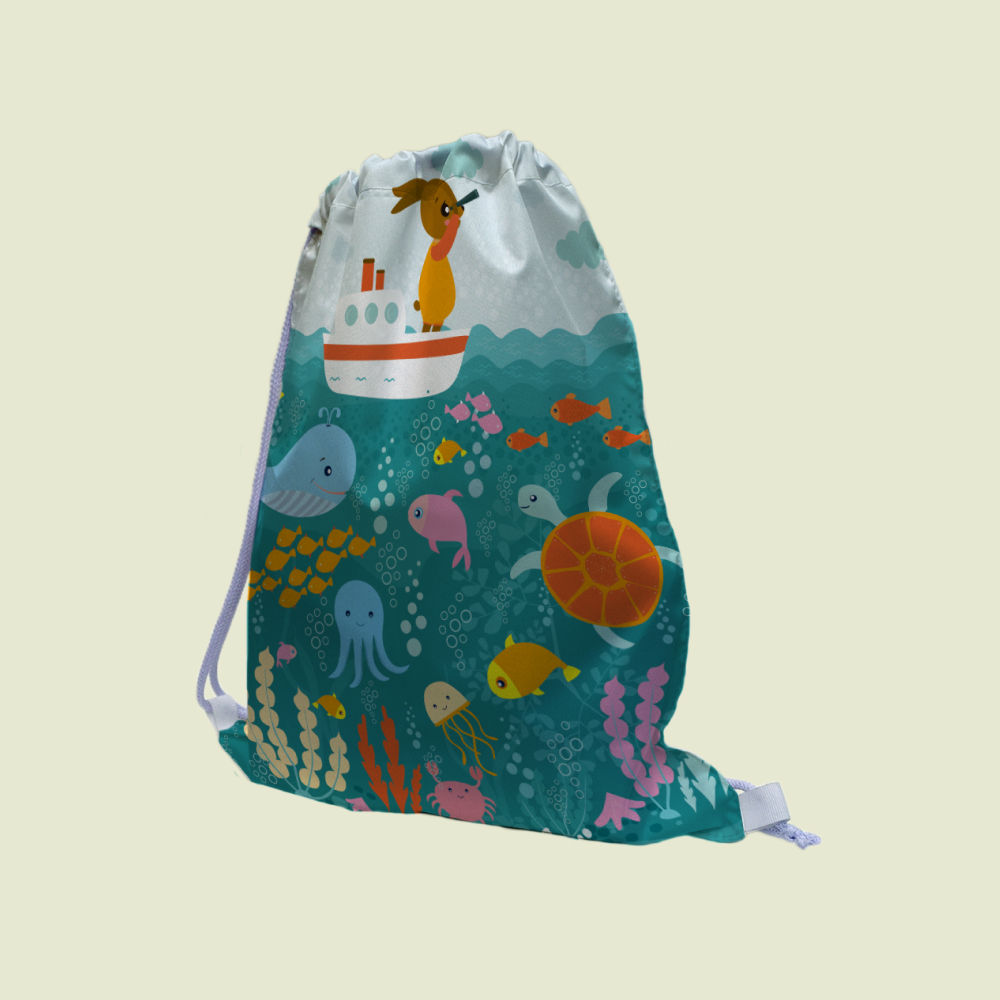
Vinyl and other flexible materials are frequently used for outdoor signage and banners due to their weather resistance and durability. Specialised fabrics are popular in the textile industry for full colour digital printing, enabling high-quality custom apparel, flags, and promotional textiles. Moreover, specialty materials such as transparent films, magnetic sheets, and synthetic papers expand the scope of printing options, ensuring that even unconventional applications can benefit from vibrant and precise printing techniques.
Factors Influencing Substrate Selection
- Intended Use: Indoor versus outdoor environments, long-term durability, or temporary applications.
- Print Quality: Mediums that support high-resolution images with sharp detail and vivid colour reproduction.
- Material Compatibility: Ensuring inks adhere properly and maintain vibrancy without smudging or fading over time.
- Cost Efficiency: Balancing material costs with desired print quality and lifespan.
- Environmental Considerations: Using eco-friendly materials or those with recyclable properties to align with sustainability goals.
The versatility offered by these various substrates allows businesses to customise their print outputs according to specific marketing strategies, environmental conditions, and budget restraints. A thorough understanding of material properties and application requirements ensures that the right choices are made for each project, resulting in higher satisfaction and impactful visual communication.
Emerging Materials and Trends
Technological innovation continues to introduce new materials suitable for full colour printing. Advances in synthetic films, biodegradable options, and textured surfaces enable producers to craft more diverse and environmentally responsible products. Additionally, textured finishes like linen or canvas textures allow for an artistic touch, mimicking hand-painted effects or traditional art media. The continual evolution of substrates enhances the creative possibilities available to printers, reinforcing full colour printing as a dynamic and adaptable solution for a wide array of industries.
Common Techniques Used in Full Colour Printing
Full colour printing encompasses a variety of sophisticated methods designed to produce vibrant, precise, and durable images across diverse substrates. Selecting the appropriate technique hinges on the nature of the project, the material involved, and the desired finish. The meticulous application of these methods ensures high-quality output, consistent colour fidelity, and long-lasting results, making them essential tools in professional printing environments.
Offset Printing
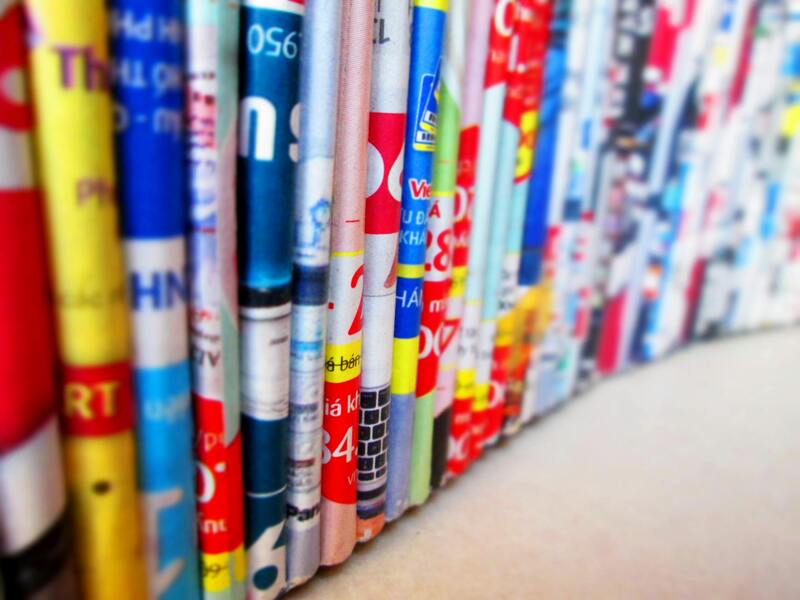
Offset printing remains one of the most prevalent full colour printing techniques, especially for high-volume projects. This method involves transferring ink from a metal plate onto a rubber blanket before applying it to the substrate. Offset allows for sharp image detail, consistent colour reproduction, and cost efficiency when printing large quantities. It supports a broad spectrum of materials, including various papers and cardstocks, ensuring versatility across commercial print jobs such as brochures, posters, and packaging.
Digital Printing
Digital printing has revolutionized the ability to produce full colour images with rapid turnaround times. Utilizing advanced inkjet or laser technologies, this method directly applies digital files onto substrates without the need for plates. Digital printing excels in small to medium runs, offering flexibility for customization and on-demand printing. It consistently produces high-resolution images with accurate colour matching, making it ideal for promotional materials, business stationery, and personalized items.
UV Printing
UV printing employs ultraviolet light to instantly cure inks as they are deposited onto a substrate. This process enables printing on a variety of surfaces, including unconventional materials such as glass, metal, and plastic. The result is a highly durable, vibrant print with resistance to scratches and environmental factors. UV printing is particularly suited for decorative pieces, signage, and product branding where longevity and vividness are priorities.
Sublimation Printing
Sublimation printing involves turning dye-based inks into gas under heat and pressure, which then embeds into specially coated substrates. This technique is predominantly used for producing vibrant graphics on fabrics and polymer-coated materials. Sublimation offers a seamless, full-colour image with excellent colour vibrancy and wash resistance, making it a top choice for apparel, promotional gifts, and custom merchandise.
Wide-Format Printing
Designed to handle large-scale projects, wide-format printing utilizes large printers capable of printing on extensive substrates such as vinyl rolls, banners, and wallpapers. This method employs high-quality pigment inks that provide vivid colour reproduction and durability. It is widely used in trade show displays, outdoor signage, and interior decor, where impactful visuals are essential.
Specialty Techniques and Future-Forward Innovations
Advancements in printing technology continue to diversify the range of full colour printing methods. Techniques such as textured printing, embossing, and metallic finishes add depth and sophistication to visuals. Emerging trends include eco-friendly ink formulations and biodegradable substrates, aligning with sustainability initiatives. Digital advancements also enable enhanced colour management, ensuring consistency across different print jobs and materials, thus maintaining visual integrity while expanding creative possibilities.
Materials and Substrates for Full Colour Printing
Choosing the right materials and substrates is essential for achieving high-quality full colour prints that meet specific project requirements. The versatility of full colour printing techniques allows for a broad range of surfaces, each requiring particular considerations to optimize print results. From textiles and plastics to paper and metal, understanding the properties of various substrates ensures vibrant, durable, and visually striking outputs.
Key Materials for Full Colour Printing
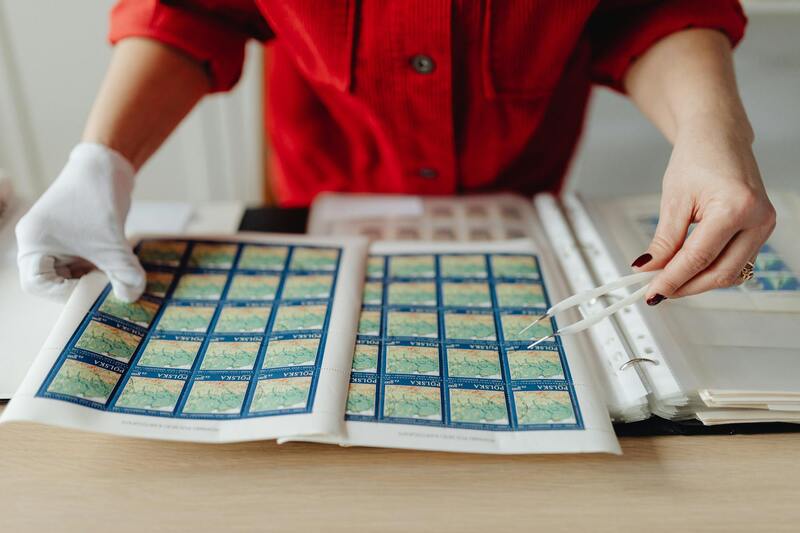
- Paper and Cardstock: Ideal for brochures, flyers, posters, and business stationery. High-quality coated papers provide excellent ink adhesion and crisp detail.
- Vinyl and Adhesive Films: Commonly used for banners, outdoor signage, and vehicle wraps. These materials are weather-resistant, ensuring long-lasting visuals.
- Fabric and Textiles: Utilized in apparel, flags, and promotional merchandise. Sublimation and pigment printing are preferred methods for fabric substrates to attain vivid colours with durability.
- Plastic and Polycarbonate: Suitable for manufacturing custom toys, packaging, or product labels that require robust and highly coloured visuals.
- Metal Sheets: Used for decorative panels or signage, with special processing to enable full colour decoration on metallic surfaces.
Considerations for Substrate Compatibility
Adjustments in printing parameters, such as ink type, curing process, and surface preparation, are vital to ensure proper adhesion and colour fidelity. For example, coated papers facilitate high-resolution prints with sharp details, whereas uncoated papers might require different ink formulations to prevent smudging or bleeding. Outdoor applications demand materials that withstand environmental factors like UV exposure, moisture, and temperature fluctuations, necessitating the selection of weatherproof vinyl or treated fabrics.
Surface texture also influences print quality; smooth surfaces deliver sharper images and better colour vibrancy, while textured materials can add depth and visual interest but may require specialized printing techniques to avoid distortion.
Advancements in Material Technology
Innovative materials such as biodegradable films, eco-friendly fabrics, and recyclable substrates are increasingly available, aligning with sustainability goals. These new options enable environmentally conscious businesses to produce full colour prints without compromising on quality or durability. Additionally, developments in coating technologies enhance ink adhesion and colour accuracy across diverse surfaces, expanding the creative possibilities for custom printing projects.
Proper selection and preparation of substrates contribute significantly to the success of each print job, ensuring that the final product maintains vibrancy, clarity, and longevity regardless of its usage environment.
Understanding the Importance of Proper Color Calibration
Achieving precise color reproduction in full colour printing hinges on meticulous color calibration processes. This involves aligning the printer's color output with a standardized color profile to ensure consistency across different print jobs and substrates. Using calibrated monitors and color management tools, professionals can preview how colours will appear once printed, minimizing discrepancies between digital design and physical output. It is vital to utilize ICC profiles tailored to the specific printers and substrates in use, enabling accurate translation of digital colours to ink deposits on diverse materials. Regular calibration routines are essential, especially when switching between different print modes, substrates, or inks, as they help maintain predictable and vibrant results.
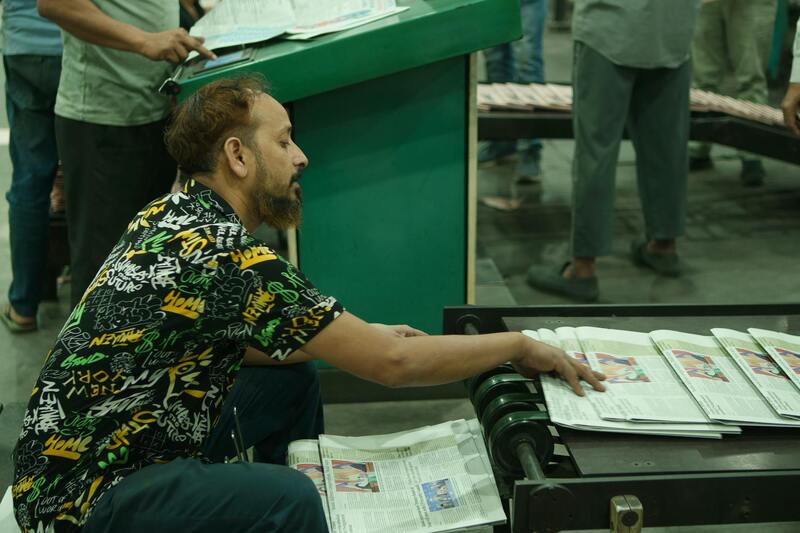
Color management workflows must incorporate controlled lighting environments and standardized viewing conditions to accurately evaluate printed colours. Implementing colour targets and testing charts during production allows for ongoing quality assurance, ensuring that each batch matches client expectations and brand guidelines. The integration of professional color measurement devices, such as spectrophotometers, further enhances precision, enabling corrections to be made before large print runs commence. This rigorous approach reduces waste, reprints, and protects brand integrity by delivering consistently true-to-colour prints across all projects.
Challenges and Solutions in Achieving Colour Fidelity
One of the main challenges in full colour printing involves colour bleeding and misregistration, which can distort images and compromise detail. To combat these issues, advanced registration systems equipped with real-time monitoring are employed, ensuring each colour layer aligns perfectly. Additionally, the choice of inks and their interaction with substrates plays a critical role in colour fidelity. High-quality, pigment-based inks tend to offer superior vibrancy and longevity, especially for outdoor applications requiring resistance to UV fade and moisture. Solvent and UV-cured inks provide further durability, although they may require specific surface preparations and safety considerations during application.
- Implementing advanced colour profiling and calibration routines
- Choosing suitable inks aligned with substrate properties
- Employing high-precision registration and alignment technologies
- Regular maintenance and updates of printing hardware and software
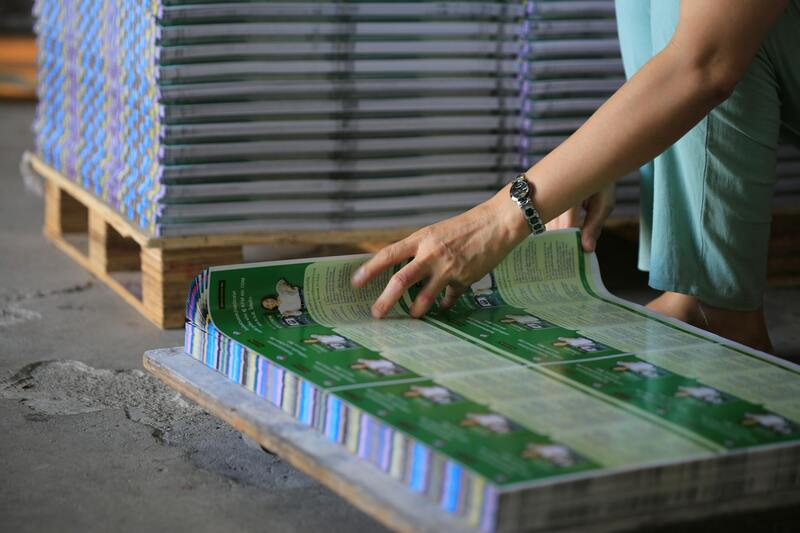
Understanding the intricacies of colour reproduction allows printers and clients to collaborate effectively, ensuring that the final product meets artistic, branding, and functional standards. Properly managed full colour printing processes result in sharp, vibrant images that withstand environmental challenges, making them ideal for a wide range of applications from marketing campaigns to high-end packaging. With ongoing advancements in colour science and digital technology, achieving near-perfect colour fidelity is more attainable than ever, further expanding the creative possibilities for custom print projects.
Overview of Full Colour Printing
Full colour printing represents the pinnacle of visual reproduction, allowing for the conversion of intricate images, gradients, and vibrant hues onto various substrates. It involves layering multiple colours seamlessly to produce images that are comparable to high-resolution photographs. The process leverages advanced printing technologies to capture subtle tonal variations, making it indispensable across numerous industries including marketing, packaging, and art reproductions.
Unlike monochrome or limited colour processes, full colour printing employs a broad spectrum of colours, resulting in highly detailed and engaging visual content. This capability enables businesses to craft compelling branding materials, promotional strategies, and eye-catching displays that resonate emotionally with audiences. When executed correctly, full colour printing ensures that brand messages maintain consistency and clarity across different media, reinforcing recognition and trust.

Technological enhancements such as high-definition printers, color calibration tools, and digital workflows have significantly improved the precision and efficiency of full colour printing. This evolution has expanded the scope of applications, enabling more complex and large-scale projects to be completed with superior quality and faster turnaround times. The integration of colour management systems guarantees accurate colour reproduction, aligning digital proofs with printed results for consistency across multiple runs.
Common Techniques Used in Full Colour Printing
The sophistication of full colour printing arises from several key techniques designed to optimize colour accuracy and detail. These include:
- Four-Color Process Printing: The most prevalent method, utilizing Cyan, Magenta, Yellow, and Black (CMYK) inks to produce a broad spectrum of colours through halftone patterns.
- Halftoning: Dithering and screening methods are employed to simulate colours and gradients by varying dot sizes and spacing, creating the illusion of continuous tones.
- Offset Lithography: Ideal for high-volume print runs, this technique transfers ink from a plate to a rubber blanket, then onto the substrate, ensuring crisp images and precise colour registration.
- Digital Printing: Suited for short runs and customized projects, digital printers directly reproduce digital images onto substrates with exceptional colour fidelity and quick setup.
- Wide-Format Printing: Primarily used for large-scale banners, posters, and signage, this method employs wide-format inkjet printers capable of precise colour gradation over expansive surfaces.
Complementary to these primary methods, advances such as direct-to-substrate printing and UV-curable inks have expanded creative flexibility, allowing printed outputs to withstand environmental elements and demanding applications.
Materials and Substrates for Full Colour Printing
Selecting appropriate substrates is crucial to achieving optimal print quality and durability. The variety includes:
- Paper and Cardboard: Ranging from uncoated to gloss, matte, and textured finishes, these are perfect for brochures, posters, and business stationery.
- Vinyl and Banner Materials: Durable and weather-resistant, suitable for outdoor signage, vehicle wraps, and promotional displays.
- Plastic Sheets: Acrylic, polycarbonate, and PETG offer high impact resistance, commonly used for signage and point-of-sale displays.
- Fabric Textiles: Canvas and textile materials are used in fashion, banners, and customized apparel, enabling vibrant, long-lasting colours.
- Wood, Metal, and Other Rigid Substrates: Specialty surfaces can be printed with UV-curable inks to create artistic, branded, or signage pieces that demand a premium look and durability.
The choice of substrate influences ink adhesion, colour vibrancy, and longevity. Surface preparation, such as cleaning and priming, may be necessary to ensure the best results, especially on non-porous or textured materials. Moreover, understanding substrate interactions with different inks aids in reducing issues like bleeding, smudging, or fading over time.

Overview of Full Colour Printing
Full colour printing encompasses a comprehensive range of printing techniques and technologies designed to produce vibrant, detailed, and eye-catching images across various substrates and materials. This process involves accurately reproducing a broad spectrum of colours, often approaching the visual richness perceived by the human eye, making it an essential method for businesses and creatives aiming for high-impact visual communication. Unlike limited colour models like black-and-white or monochrome printing, full colour printing consistently delivers complex, multicoloured images that enhance branding, marketing, and artistic expression.

Core Principles and Process
The process of full colour printing relies on colour management systems, advanced ink technologies, and precision digital or offset printing presses. The core principles include meticulous colour matching, consistency, and repeatability. Colour profiling and calibration are fundamental to ensuring that the digital design accurately translates onto the chosen substrate, maintaining colour fidelity across different print runs.
Digital full colour printing typically employs four-colour process printing—using CMYK (Cyan, Magenta, Yellow, Key/Black)—to produce a wide gamut of colours. However, some applications may require additional colour inks, such as orange, green, or light cyan, to extend colour range and improve reproduction accuracy for specific brand colours or photographic images.
Technology and Equipment
Modern full colour printing employs advanced equipment such as digital printers, wide-format inkjet printers, and offset presses. Digital printers offer quick turnaround and high resolution suitable for small to medium runs, with precise control over colour reproduction and consistency. Offset printing, while more complex and costly for setup, provides excellent quality and economical efficiency for larger quantities.
These machines utilize sophisticated ink delivery systems, media handling capabilities, and colour calibration sensors to ensure optimal output quality. Moreover, advancements in UV-curable inks allow for outstanding adhesion and durability on non-porous surfaces, broadening the scope of applications beyond traditional paper printing.
Qualitative Outcomes and Industry Standards
Achieving superior output quality in full colour printing depends on multiple factors, including media choice, ink quality, and proper colour management practices. Industry standards such as ISO 12647 specify colour reproducibility targets, ensuring that printed materials meet rigorous quality expectations. Proper profiling during pre-press phases guarantees that colours are consistent with digital designs, reducing discrepancies and rework.
Color consistency is especially critical for branding and packaging, where exact colour matching—such as Pantone colours—is paramount. In such cases, spot colours or custom ink mixes are employed alongside process inks to achieve the desired hue, ensuring that brand identity remains intact across different print media and campaigns.
Output Quality and Resolution
Full colour printing typically delivers high-resolution images—generally ranging from 300 to 1200 dpi—depending on the application and substrate. This resolution ensures sharp text, intricate graphics, and vibrant photographic captures. The choice of print resolution must balance detail reproduction with production speed and cost, optimizing the visual impact while maintaining efficiency.
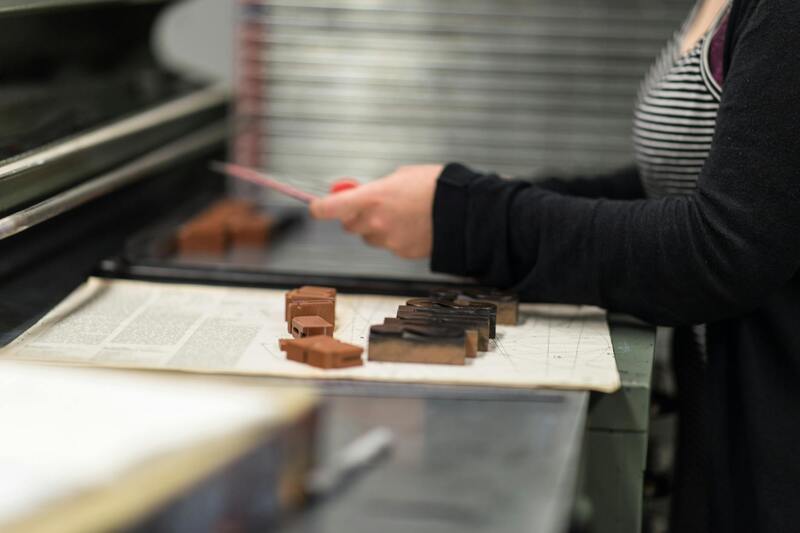
Factors Influencing Final Output
- Substrate Selection: The type and surface texture of the material significantly impact ink adhesion, vibrancy, and longevity. Smooth, coated surfaces tend to produce more vivid colours, while textured or porous substrates may influence colour absorption and overall appearance.
- Ink Compatibility: Using inks compatible with the chosen substrate minimizes issues like bleeding, smudging, or fading. UV-curable and solvent-based inks are preferred for outdoor and rigid applications due to their durability.
- Environmental Conditions: Temperature and humidity during printing and curing phases affect ink drying and adhesion, impacting colour clarity and stability.
- Design Preparation: Proper colour separation, resolution settings, and file formats ensure the digital input aligns accurately with print output, reducing errors and enhancing overall quality.

When selecting a full colour printing service, it is essential to verify their equipment standards, expertise, and ability to deliver consistent quality. For projects demanding precise colour reproduction, requesting proofs or samples prior to the full run can help evaluate the fidelity and finish of the final product. Compatibility with diverse substrates and custom ink options ensures that your printed materials will meet both aesthetic and functional expectations, standing out effectively in competitive markets.
Comprehensive Methods of Full Colour Printing with Legitimate Techniques
In the realm of professional printing, deploying legitimate and officially recognized full colour printing methods is paramount for achieving high-quality, vibrant, and durable results. These methods encompass a variety of technology-driven processes that are widely accepted within the industry for their precision, consistency, and ability to reproduce complex colour schemes accurately. Adhering to official techniques ensures that printed materials meet industry standards, maintain brand consistency, and withstand environmental conditions without compromising visual integrity.
Utilization of Digital Printing Technologies
Digital printing stands at the forefront of full colour printing, employing high-end inkjet or laser digital printers to produce precise colour representations directly from digital files. This method is ideal for short to medium print runs, offering quick turnaround times and exceptional versatility in substrate compatibility. It enables detailed image reproduction, seamless colour gradations, and fine text clarity, making it suitable for various applications such as promotional materials, personalised items, and detailed graphical displays.
Offset Printing: The Industry Standard
Offset lithography remains a cornerstone of full colour printing, especially for high-volume production, owing to its ability to produce consistent, vibrant colours with every run. This process utilizes metal plates to transfer ink onto rubber blankets, which then print onto the substrate. The use of pantone-matched inks and sophisticated colour management systems ensures colour accuracy and uniformity across large batches. Offset printing’s precision and durability make it suitable for corporate branding, packaging, and high-quality marketing collateral.
UV Printing for Immediate Curing and Durability
Ultraviolet (UV) printing employs ultraviolet light to instantly cure inks during the printing process. This technique is highly regarded for its ability to produce sharp, vibrant images on a broad spectrum of substrates, including rigid plastics, metals, and glass. The immediate curing process minimizes ink spread, ensuring crisp details and consistent colour output, which is critical for applications requiring high durability and resistance to environmental factors. UV printing is extensively used for signage, display graphics, and custom retail packaging.
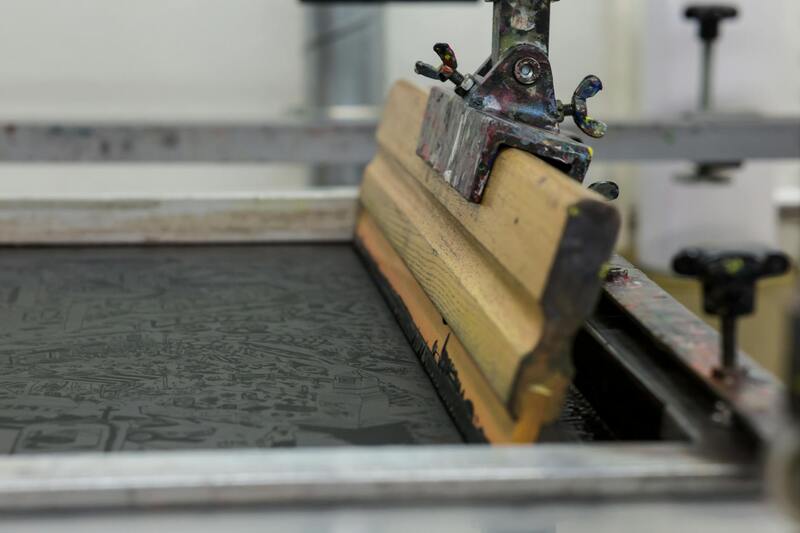
Screen Printing: A Traditional Yet Evolving Method
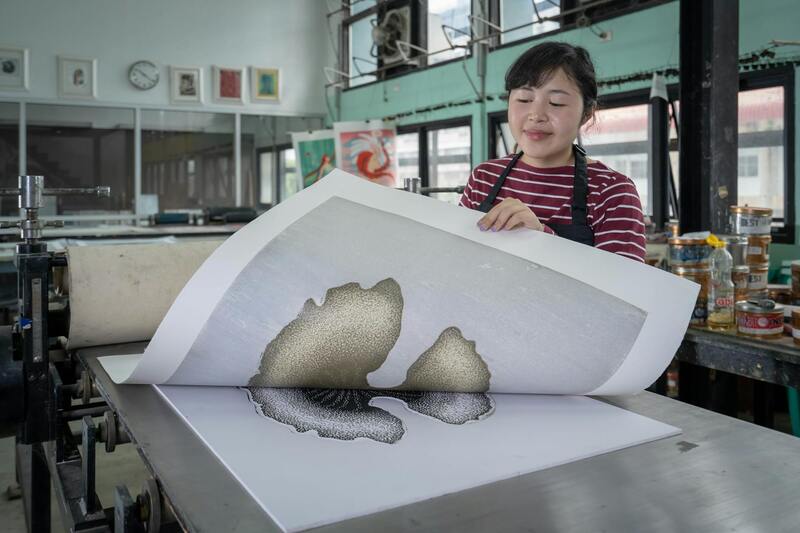
Screen printing remains a legitimate and widely used full colour printing method, especially for larger volume runs and on diverse substrates such as textiles, plastics, and ceramics. It involves creating a stencil (or screen) through which ink is pressed onto the substrate. Modern screen printing employs multi-layer stencils and advanced inks to produce rich, vibrant colours with precise colour overlays. This method is frequently used for promotional items like apparel, banners, and branded merchandise that demand strong visual impact.
Specialized Techniques Supporting Official Methods
- Printer Calibration and Colour Profiling: Maintaining consistent colour output across different machines and sessions requires monthly calibration using official colour management profiles. High-end colourimeters and spectrophotometers are used to analyze test prints, ensuring the digital-to-print colour fidelity remains reliable.
- Use of Certified Inks and Substrates: Only employing inks certified for specific substrates prevents issues like fading, bleeding, or surface deterioration. Compatibility with UV, solvent, or aqueous-based inks is verified for each substrate category, aligning with industry-approved standards.
- Proofing and Quality Control: Creating physical or digital proofs before full production is a standard practice. Official proofing processes demonstrate colour accuracy, surface finish, and resolution, enabling adjustments prior to mass printing.
- Compliance with Environmental and Safety Standards: Following guidelines like OEKO-TEX or other regulatory bodies ensures environmentally responsible printing practices, including safe ink disposal and minimal VOC emissions, without compromising print quality.
Addressing Color Management for Reliable Results
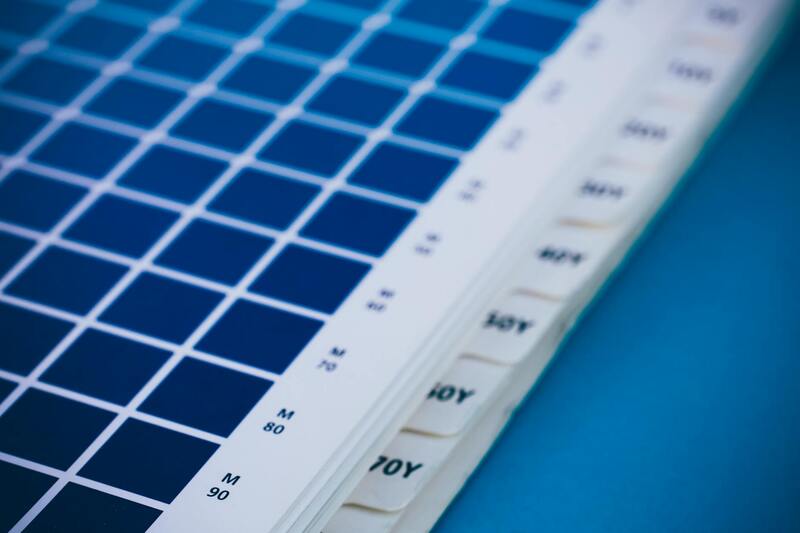
Color management plays a pivotal role in legitimate full colour printing, involving a suite of tools and procedures designed to reproduce colours precisely from digital designs to the final printed material. It includes the use of calibrated monitors, colour profiles, and software that conforms to industry standards such as ICC profiles. Proper management guarantees that the colours seen on screen accurately match the physical output, especially critical for branding consistency and detailed artwork. Implementing standard workflows and routinely testing colour outputs are essential for maintaining high standards across all print jobs.
Summary of Official Methods in Full Colour Printing
Utilizing proven, recognized, and standardized printing techniques ensures the integrity, vibrancy, and longevity of the final print products. A combination of digital, offset, UV, and screen printing technologies—paired with meticulous colour management, the use of certified materials, and rigorous quality control—forms the backbone of legitimate full colour printing practices. Clients can rely on these methods to deliver consistent excellence, meeting both aesthetic expectations and functional durability.