Understanding Color Poster Printing
Color poster printing is a dynamic and impactful method of visual communication that combines vibrant visuals with compelling messages. This process involves reproducing high-quality images and textual content on large sheets of paper or other media, designed to capture attention and convey information effectively. In the realms of marketing, advertising, and branding, color posters serve as essential tools for promoting products, services, or events, thanks to their ability to attract and engage audiences instantly.
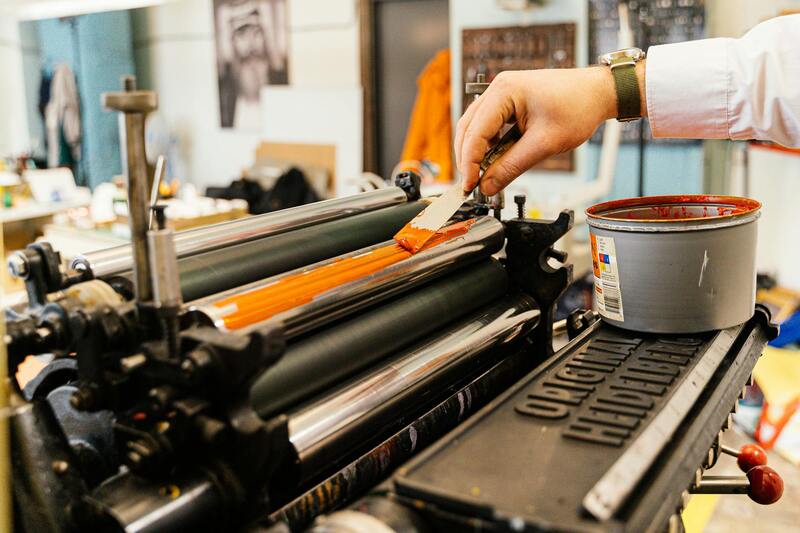
Within Singapore's flourishing printing industry, color poster printing has gained prominence for its versatility and ability to produce vivid, durable, and eye-catching displays. Businesses leverage this technology to enhance visibility at trade shows, retail outlets, outdoor events, and interior displays. The importance of color poster printing lies in its capacity to combine visual appeal with informational clarity, making it a preferred medium for campaigns that require broad reach and immediate impact.
Modern color poster printing utilizes advanced digital and offset printing technologies that ensure sharp images and consistent color reproduction. These methods support a wide spectrum of colors, allowing for branding accuracy and visual richness. Additionally, the durability of printed posters depends largely on the choice of materials and printing techniques, which are tailored to suit various environments, from indoor settings to outdoor displays exposed to weather conditions.
Significance in Marketing and Advertising
Color posters act as versatile marketing assets, capable of communicating brand messages visually across diverse environments. Their significance is amplified in markets like Singapore, where competitive advertising demands high-impact visuals that can be quickly comprehended. Color posters can be produced in various sizes, from small promotional posters to large-format displays, enabling businesses to target different audiences and locations effectively.
In addition to promotional advantages, color poster printing supports branding consistency by ensuring that brand colors, logos, and visuals are represented accurately across all printed materials. This consistency enhances brand recognition and fosters a professional image that resonates with target customers.
Technical Aspects and Considerations
Successful color poster printing requires careful consideration of several technical factors. These include the choice of materials—such as gloss, matte, or satin finishes—and the type of printing technology used, which impacts color fidelity and durability. High-quality digital presses and offset printers are commonly used to achieve vibrant color output with fine details.
Color management protocols, including color calibration and profile adjustments, are essential to maintain color accuracy throughout the printing process. Furthermore, the resolution of the original design files should be high enough—typically 300 dpi—to ensure clarity and sharpness in the final print.
Environmental and Practical Factors
Considering the environment in which the posters will be displayed is crucial. Outdoor posters require weather-resistant materials and UV coatings to prevent fading and damage. Indoor posters, on the other hand, may prioritize aesthetics and matte finishes for a sophisticated look. The choice of materials not only affects the visual appeal but also the longevity and maintenance requirements of the posters.
Overall, color poster printing remains a cornerstone technique for effective visual communication. When executed with precision and choosing the right materials and methods, it produces high-impact promotional materials that elevate marketing campaigns and maximize audience engagement across multiple platforms and settings.
Understanding Color Poster Printing
Color poster printing combines advanced imaging technology with high-quality materials to produce vivid, eye-catching visuals capable of conveying complex messages effectively. This process requires careful selection of print media, such as gloss, matte, or satin finishes, each offering unique visual impacts and durability features. Gloss finishes enhance color vibrancy and sharpness, making images pop and details stand out, ideal for promotional displays and high-impact advertising. Matte finishes provide a more subdued, elegant look with reduced glare, suitable for informational or decorative purposes where readability and aesthetics are paramount. Satin finishes strike a balance between gloss and matte, offering a soft sheen that preserves color richness while minimizing reflections.
The choice of printing technology significantly affects the final output's quality, durability, and color fidelity. Digital presses equipped with advanced inkjet or toner-based systems are common in producing short-run and customized posters. These methods are capable of achieving precise color matching and high-resolution images, typically at 300 dpi or higher, ensuring sharpness and detail clarity. Offset printing, meanwhile, is suited for large-volume runs, offering cost-efficiency while maintaining excellent color accuracy and uniformity across batches.
Color management techniques, such as calibration and profiling, are integral during the printing process. They help in maintaining consistent color representation, ensuring that the printed posters match the digital design precisely. Proper calibration of printers and monitors, combined with the use of ICC profiles, minimizes color shifts and ensures accuracy, especially important for branding materials requiring precise color matching.
Technical Considerations for Optimized Results
- Material Compatibility: Selecting appropriate substrates aligned with the intended display environment (indoor vs outdoor) enhances longevity and appearance.
- Resolution: Design files should be prepared at minimum 300 dpi to avoid pixilation and maintain clarity in large formats.
- Color Profiles: Employing standardized color profiles ensures consistent and predictable color output across different devices and print runs.
- Finishing Options: Applying lamination, UV coatings, or mounting enhances durability, weather resistance, and aesthetic appeal.
Additionally, environmental considerations influence material choice—outdoor posters benefit from weather-resistant and UV-protected substrates to withstand exposure, while indoor posters might prioritize aesthetic finishes that align with interior décor. By understanding these technical nuances, designers and print professionals can produce color posters that are visually compelling, durable, and perfectly aligned with display requirements.
Understanding Color Poster Printing
Color poster printing stands as an essential element within the realm of visual communication, serving diverse purposes from advertising campaigns to artistic displays. This process involves translating digital design files into large-scale printed materials that vividly capture the intended color palette, sharpness, and detail. Achieving high-quality results requires an in-depth understanding of color management, substrate selection, and print technology. High-resolution images and accurate color profiles are pivotal to ensuring that the final output meets expectations, especially when precise color matching is critical for branding efforts. Proper calibration of printing hardware and careful proofing stages are indispensable, allowing for adjustments that guarantee color fidelity from the digital design to the printed poster.

Types of Posters for Different Purposes
Within the spectrum of color poster printing, various types cater to specific needs and display environments. For instance, promotional posters for retail spaces often require durable, weather-resistant materials paired with vivid color printing to attract attention and withstand outdoor conditions. Conversely, indoor posters typically focus on aesthetic appeal and finer details, utilizing lighter substrates that complement interior decor. Artistic posters and photographic displays benefit from high-gloss finishes that enhance color vibrancy and clarity. Furthermore, oversized banners for events or outdoor advertising necessitate large-format printing techniques that preserve image integrity over extensive surfaces. Selecting the appropriate type of poster ensures that the visual message is effectively conveyed while aligning with environmental demands and display objectives.

Technical Considerations for Optimal Results
- Material Compatibility: Choosing substrates suited for the intended environment enhances durability and visual appeal. Indoor posters typically utilize paper-based substrates, while outdoor posters benefit from weather-resistant materials like vinyl or weatherproof fabrics.
- Resolution: Preparing design files at a minimum of 300 dpi ensures sharp image reproduction, preventing pixelation in large formats.
- Color Profiles: Implementing standardized color profiles like Adobe RGB or sRGB maintains color consistency across devices and print runs, crucial for brand accuracy.
- Finishing Options: Applying lamination, UV coatings, or mounting enhances not only durability but also the aesthetic appeal of posters, especially for outdoor displays exposed to environmental elements.
Environmental factors also influence material choices; outdoor posters are optimized with weatherproof and UV-resistant substrates, ensuring longevity despite exposure to sunlight, rain, or wind. Indoor posters, in contrast, focus more on visual impact and may feature matte or glossy finishes aligned with interior design themes. Understanding these technical nuances enables print professionals to produce color posters that are vibrant, durable, and precisely aligned with display requirements.
Understanding Color Poster Printing
Color poster printing is a highly effective means of visual communication, enabling brands, organizations, and artists to convey messages with vibrancy and clarity. The process involves translating digital designs into large-scale prints that maintain color fidelity, sharpness, and durability. Professional color poster printing requires careful consideration of various technical and material aspects to ensure the final product meets specific display needs.
One of the crucial elements in producing impactful color posters is selecting appropriate printing techniques. Digital large-format printing is widely favored for its speed, precision, and ability to handle custom sizes efficiently. Inkjet technology, which uses aqueous, solvent, UV-curable, or latex inks, allows for a broad color gamut and rich color vibrancy essential for eye-catching posters. Each printing method offers unique advantages depending on the intended environment and longevity requirements.
The choice of ink is equally significant. Aqueous inks provide sharp, vibrant images with an environmentally friendly profile, making them suitable for indoor posters. Solvent and UV-curable inks, on the other hand, are designed for outdoor displays, offering resistance to weather elements such as UV rays, moisture, and abrasion. Latex inks balance vibrant color output with outdoor durability, making them versatile for various poster applications.
Material selection aligns closely with the desired display environment and durability expectations. Common substrates for color poster printing include premium gloss or matte paper for indoor use, and weatherproof materials like vinyl or mesh fabrics for outdoor installations. These materials are chosen to withstand environmental stressors while maintaining visual appeal.
Understanding Color Poster Printing
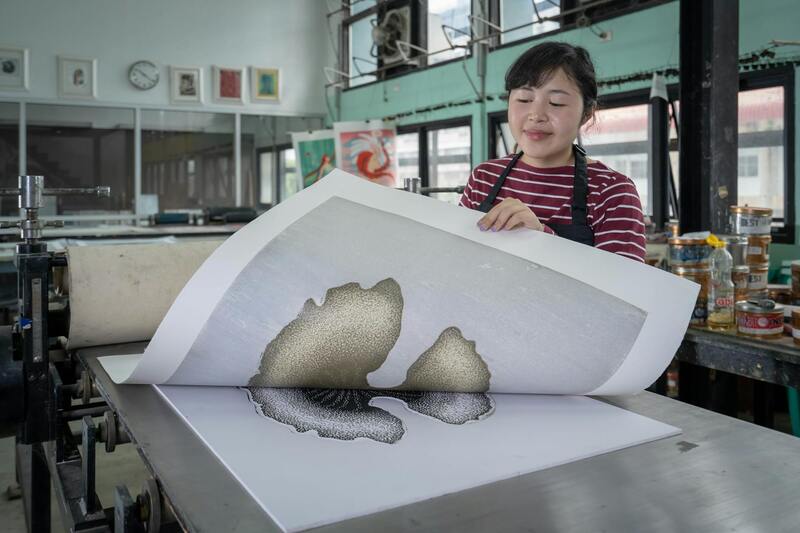
Color poster printing stands as a pivotal element in visual communication, offering vibrant, eye-catching displays suitable for various settings and purposes. It involves the process of reproducing images and graphics on large-format mediums with a high degree of color accuracy and sharpness, essential for capturing attention and conveying messages effectively.
Key to successful color poster printing is a comprehensive understanding of color management, substrate selection, and printing techniques. Implementing precise color profiles such as Adobe RGB or sRGB ensures consistent color reproduction across different display devices and print batches. High-resolution image preparation, generally at 300 dpi or higher, prevents pixelation and guarantees sharp visuals, especially when viewed at close distances.
Moreover, attention to detail in material choice significantly influences the poster’s endurance and visual appeal. For indoor applications, gloss or matte paper provides a sleek finish, enhancing vibrancy and readability. Outdoor posters, however, demand weather-resistant materials like vinyl or mesh fabrics, which withstand environmental elements without fading or tearing.

Advanced printing techniques, such as UV coating and lamination, further bolster the durability of color posters. These finishing options protect against scratches, fading, and environmental exposure, extending their lifespan. Mounting methods tailored to the display environment—such as framing, adhesive mounts, or direct attachment—ensure a secure and professional presentation.
Material Selection and Finishing Techniques
- Indoor Posters: Gloss or matte paper; ideal for exhibitions, retail displays, and office environments.
- Outdoor Posters: Weatherproof vinyl, mesh fabrics, or corrugated substrates to resist moisture, wind, and UV exposure.
- Finishing: UV coatings, laminations, and mounting options enhance both aesthetics and lifespan.
In addition, color poster printing includes options for special effects such as metallic or textured inks, which can elevate the impact of promotional campaigns or artistic projects. These techniques require specialized equipment and expertise, emphasizing the importance of choosing reputable printing services to achieve high-quality results.
Understanding Color Poster Printing
Color poster printing is a specialized process that combines high-quality ink application with advanced printing technology to produce vibrant, attention-grabbing visuals. The effectiveness of a color poster hinges on the precise rendering of colors, the selection of materials, and the application of finishing techniques that enhance durability and appearance. When producing promotional or artistic posters, it's crucial to partner with a printing service that employs legitimate, proven methods—such as chromatic calibration, color management systems, and environmentally friendly inks—to ensure consistent and high-quality results. Proper color management guarantees accurate reproduction of brand colors and artwork, which is essential for maintaining visual impact across different print runs.

Modern color poster printing involves the use of digital large-format printers equipped with multiple ink channels, including CMYK and often additional Pantone or metallic inks, to achieve a broader color spectrum and special effects. This setup allows for precise color matching, smooth gradations, and the production of posters with exceptional vibrancy. Employing environmentally responsible printing solutions ensures that the colors are not only vivid but also sustainable, meeting strict standards for health and eco-friendliness. The selection of an official printing provider that uses such methods minimizes issues like color discrepancies, ink bleed, or fading over time, thus delivering professional-grade posters that stand out and endure.
Materials and Printing Techniques
The choice of materials significantly influences the final appearance and longevity of color posters. For indoor displays, high-quality paper options—such as gloss or matte finishes—serve to enhance color vibrancy and readability. Gloss finishes are ideal for energetic campaigns where light reflection amplifies visual appeal, while matte finishes reduce glare, providing a sophisticated look suitable for exhibitions or office environments.
Outdoor posters require durable substrates that resist weathering and UV exposure. Common materials include weatherproof vinyl, mesh fabrics, or rigid substrates like corrugated plastic. These materials are compatible with UV-resistant inks, which prevent fading and maintain color integrity over extended periods. Special finishing techniques, such as UV coatings, lamination, or mounting enhancements, further protect the posters against scratches, moisture, and environmental wear. Utilizing professional printing services ensures these processes are executed with precision, resulting in posters that remain impactful even in challenging conditions.
Special Effects and Finishing
- Metallic inks for a reflective, eye-catching look.
- Textured inks for a tactile dimension.
- Spot UV coatings to highlight specific design elements.
- Clear or satin laminations for added durability.
These effects add a layer of sophistication and can elevate branding or artistic concepts. However, they require exclusive equipment and know-how, underscoring the importance of choosing reputable providers committed to authentic printing technologies—such as those available at established print centers like disc-print.com or certified local vendors.
Choosing the Correct Size and Specifications
When selecting the size of your color poster, consider both the intended display environment and the viewing distance. Larger dimensions—such as 24x36 inches or bigger—are suitable for outdoor advertising, trade shows, or large-format displays, ensuring maximum visibility from afar. Smaller sizes, like 11x17 inches, are ideal for indoor placements or detailed artistic compositions. The specifications should align with the display setup, mounting options, and budget constraints.
Adhering to official standards for resolution and print quality is essential. For high-impact visual clarity, a minimum of 300 dpi resolution at the final print size is recommended. This level of detail ensures sharp images, crisp text, and consistent color reproduction. Consulting with professional printers about the specific requirements for size, material, and finishing options guarantees a superior final product that accurately conveys your message or artistic vision.
Understanding Color Poster Printing
Color poster printing plays an essential role in various promotional, informational, and artistic applications. It involves translating digital designs into large-scale, visually striking prints that accurately reflect the intended colors, details, and textures. Achieving high-quality results relies on official printing methods that ensure color fidelity, resolution, and durability. The process typically entails selecting suitable printing technologies, color management practices, and high-grade materials, all of which contribute to the vibrant, lasting output desired for effective communication or branding.
Key Techniques in Professional Color Poster Printing
To deliver professional-grade color posters, several official printing techniques are widely adopted:
- Digital Large-Format Printing: Utilizes advanced inkjet or toner-based printers capable of producing high-resolution images with consistent color accuracy across large surfaces.
- Offset Printing: Suitable for mass production, this method ensures precision color matching and uniformity, particularly for projects requiring multiple copies or extensive runs.
- Spectrophotometer-Driven Color Matching: Employs precise color measurement devices to reproduce exact hues, maintaining consistency regardless of print batch or substrate variations.
- Color Management Systems: Incorporate standardized workflows and software that calibrate monitors and printers, ensuring the printed color closely matches digital designs.

Importance of Choosing Certified Printing Equipment
Using equipment approved and maintained according to industry standards guarantees the fidelity of color reproduction. Established print providers, such as disc-print.com, invest in state-of-the-art technology and employ skilled technicians familiar with advanced printing protocols. This ensures that every poster produced reflects the precise colors, sharp details, and consistent quality that meet professional standards. Additionally, these providers operate under strict quality control processes, which include routine calibration of devices and adherence to official color profiles, to provide customers with reliable and visually captivating results.
Maintaining Color Accuracy and Consistency
Color accuracy is crucial in visual communication, especially when posters serve branding, marketing, or artistic purposes. To achieve this, official methods incorporate:
- Use of Color Profiles: Embedding ICC profiles into digital artwork ensures accurate color translation from screen to print.
- Environmental Control: Maintaining consistent lighting and temperature conditions in print facilities prevents color shifts caused by external factors.
- Proofing and Soft Proofing: Generating pre-prints or digital previews allows adjustments before final output, minimizing discrepancies.
- Advanced Ink Technologies: Employing high-quality, archival inks that resist fading and maintain vibrancy over time.
Conclusion
When investing in color poster printing, selecting official, proven methods and reputable providers guarantees optimal results. From high-resolution digital presses to precise color management systems, these standards ensure your posters will be vibrant, durable, and true to your original designs. Implementing best practices such as calibration, proofing, and choosing appropriate materials maximizes visual impact and maintains professional integrity in every print run.
Ensuring Quality and Authenticity in Color Poster Printing
Maintaining high standards in color poster printing involves a combination of meticulous process management and adherence to verified production protocols. Professional print providers utilize advanced workflows that include real-time device calibration and continuous color management. These practices ensure that each printed poster accurately reproduces the original design’s color intent, providing clients with consistent, high-quality visual output.
One key aspect is the employment of ICC color profiles embedded within digital artworks. This technique facilitates exact translation of colors from digital files to the final print, minimizing deviations and maintaining brand consistency. Additionally, print facilities maintain environmental controls—such as stable temperature and humidity—to prevent external factors from impacting the color stability during printing.
Pre-press proofing is another critical step, where soft and hard proofs are generated to preview the printed result. This process allows for adjustments before the full print run, significantly reducing the risk of discrepancies. The use of archival-grade, high-opacity inks further ensures that colors remain vivid and durable over time, especially crucial for posters intended for long-term display.
It is essential to choose a reputable printing service that follows these established methods, which are based on industry-standard procedures and technological best practices. Such providers routinely monitor their equipment and process workflows to uphold the integrity of every print, delivering visually compelling posters that meet exacting quality expectations.
Investing in reliable printing methods also involves selecting appropriate materials suited for intended display environments. For instance, outdoor posters benefit from weather-resistant substrates and durable inks, while indoor posters might prioritize gloss or matte finishes for optimal visual appeal. The use of advanced coating techniques, such as lamination or varnishing, also enhances durability and visual impact.
Quality Control and Customer Satisfaction
Effective quality control procedures include systematic inspection of each print batch against quality benchmarks. This includes evaluating color accuracy, registration precision, and finishing details like edges and mounting points. Certificates of quality assurance are often issued by reputable print providers, offering clients additional confidence in the produced materials.
Ultimately, relying on official and proven methods, guided by industry best practices, guarantees that the final product will align perfectly with initial designs and expectations. The combination of technological expertise, rigorous quality control, and high-grade materials ensures that each color poster produced is vibrant, durable, and impactful, supporting successful marketing, branding, or artistic objectives.