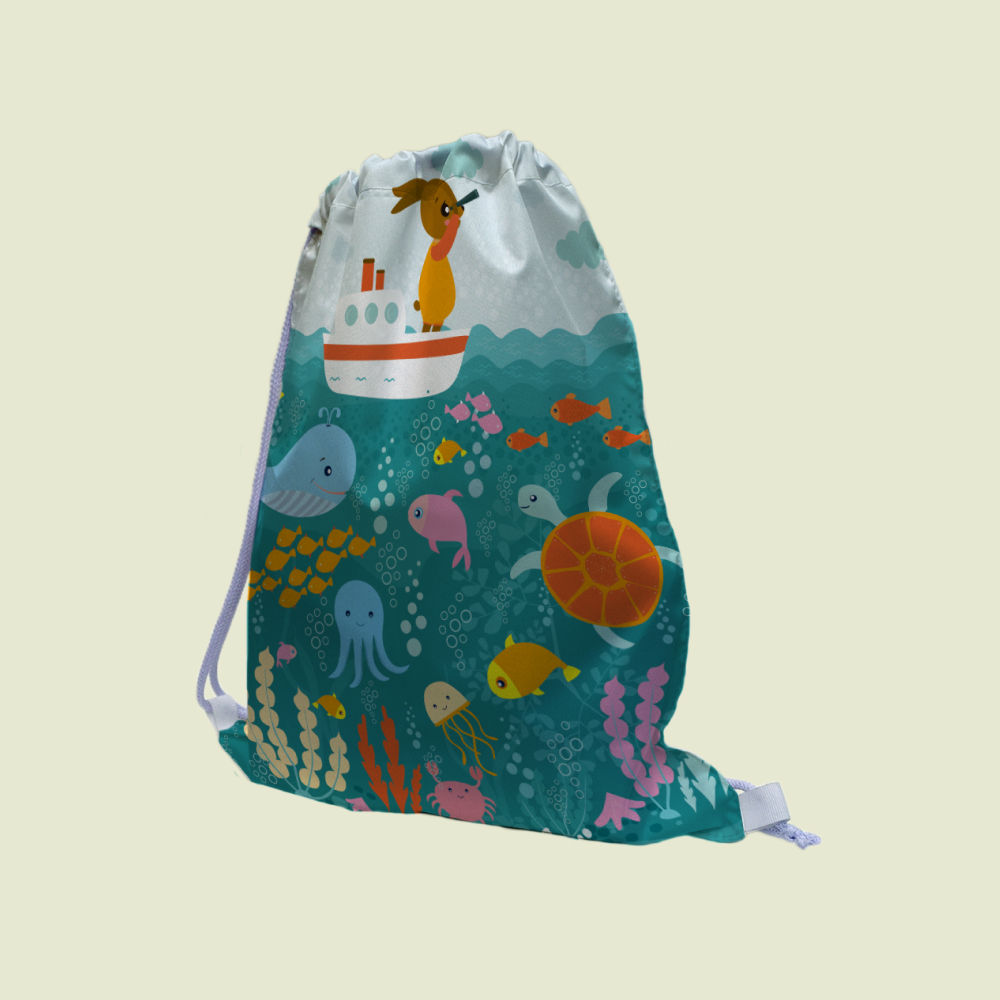
Overview of Large Format Printing
Large format printing refers to the creation of graphics and images on materials that exceed the size capabilities of standard printing methods. This specialized printing process is defined by its ability to produce high-quality visuals on expansive surfaces, making it indispensable in industries such as advertising, retail, event management, and interior design. Unlike traditional printing, which generally handles smaller media like flyers or letter-sized documents, large format printing accommodates posters, banners, wall murals, trade show displays, and more.
The primary characteristics of large format printing include its capacity to produce vibrant, detailed images on a variety of substrates, its use of wide-format printers with advanced inkjet technology, and its application of diverse materials such as vinyl, fabric, paper, and rigid boards. These factors contribute to the impressive visual impact and durability that large scale graphics offer, enabling businesses and organizations to create impactful visual communications.
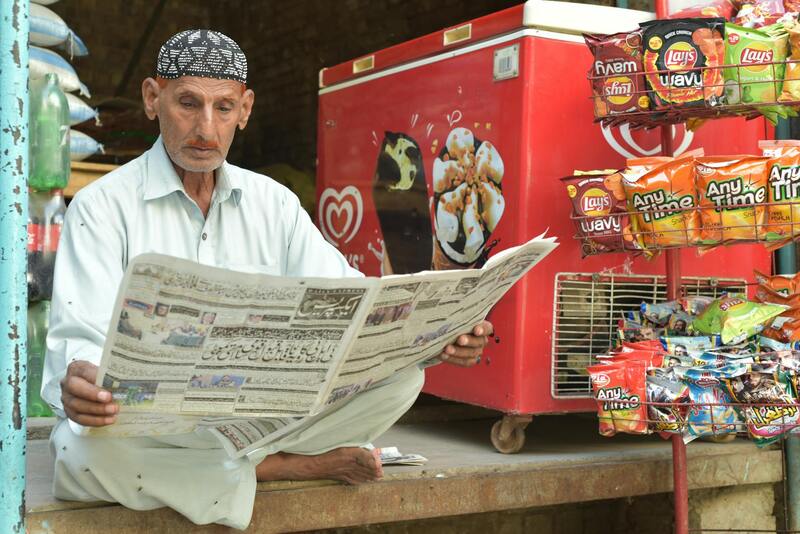
This printing method is widely adopted in numerous sectors due to its effectiveness in capturing attention and conveying messages on a grand scale. For example, retail stores utilize large banners and window graphics to attract customers; event organizers rely on life-sized standees and backlit posters to enhance visual appeal; and corporations use expansive signage for branding and directional purposes.
In addition to its versatility, large format printing offers benefits such as quick turnaround times, high customization options, and the ability to produce visually compelling advertisements that are durable enough to withstand outdoor elements when using appropriate materials. Consequently, the demand for these services continues to expand across different markets, fostering innovative applications and creative design possibilities.
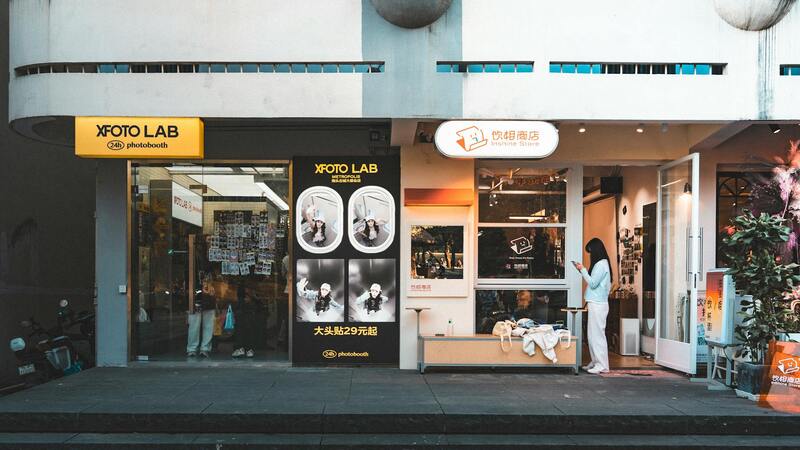
Understanding the scope of large format printing is essential for organizations seeking to leverage this technology for impactful visual presentations. Whether for brand promotion, event displays, or environment enhancement, the ability to produce large, high-quality images with precision and durability is what makes this printing technique an integral part of modern visual communication strategies.
As technology advances, the capabilities of large format printers continue to evolve, offering more detailed outputs, better color accuracy, and increased material compatibility. These developments expand the creative and functional possibilities for businesses and creative professionals aiming to make a lasting impression through grand-scale visuals.
Overview of Large Format Printing
Large format printing is a specialized branch of digital printing that concentrates on producing graphics and visuals on materials that are significantly larger than standard print formats. This technology is instrumental in creating impactful visual communications ranging from expansive banners and vibrant wall murals to detailed vehicle wraps and intricate trade show displays. The capacity to produce high-resolution images at large scales enhances visibility and engagement, making it a critical element in marketing, branding, and environmental design strategies.
At the core of large format printing is the utilization of advanced printers capable of handling wide rolls of media, often exceeding widths of 24 inches and extending up to several meters. This broad canvas allows for the seamless printing of designs that can span entire walls or structures without visible joins, ensuring a cohesive and professional appearance. The versatility of this technology enables the employment of an array of materials, including vinyl, fabric, canvas, paper, and sometimes rigid substrates such as foam boards or plastics, expanding its application scope across diverse industries and project types.
Durability is a notable feature of large format prints, especially when finished with UV-protected, water-resistant, or weatherproof coatings. These enhancements allow the printed visuals to withstand outdoor elements like rain, sunlight, and wind, making them suitable for global signage campaigns, outdoor event displays, and architectural applications. For indoor environments, the emphasis often shifts to achieving fine detail and color accuracy, facilitating high-definition murals, gallery wraps, and point-of-sale displays that captivate audiences and communicate messages effectively.
As technological advancements continue, the capabilities of large format printers improve in terms of resolution, color fidelity, and printing speed. Modern machines incorporate eco-conscious features such as eco-solvent or aqueous ink systems that reduce environmental impact while maintaining vibrant output quality. Additionally, the integration of advanced cutter tools and finishing options broadens creative possibilities, enabling precise cuts, foldings, and layered effects that elevate the overall presentation of visual materials.
The importance of large format printing in contemporary visual communications cannot be overstated. It couples technological evolution with creative innovation, offering versatile solutions that meet diverse marketing and environmental needs. Successful implementation depends on selecting the appropriate materials, understanding the technical specifications of the printing process, and executing designs that are both visually engaging and technically feasible for large-scale reproduction.
Ultimately, sophisticated large format printing solutions provide brands and organizations with the tools to convey messages effectively over vast spatial dimensions. Whether aiming to promote a product, enhance ambiance, or guide visitors through a space, the strategic application of large format visuals delivers a compelling, memorable experience that resonates with viewers and achieves desired communication goals.
Materials and Media Used in Large Format Printing
Choosing the right substrate is crucial in large format printing, as it directly impacts the durability, appearance, and suitability of the final product for its intended environment. Common materials include vinyl, fabric, canvas, foam boards, and backlit films, each offering unique advantages for various applications.

- Vinyl: Highly versatile for both indoor and outdoor advertising, vinyl is resistant to weather elements and provides excellent adhesion. Its durability makes it suitable for banners, vehicle wraps, and signage that require longevity.
- Fabric: Known for its elegant appearance, fabric substrates are often used for interior displays, trade show backdrops, and high-end signage. They offer a matte finish and are easy to install and transport.
- Canvas: Canvas substrates lend a fine art quality to large prints, perfect for murals and gallery-quality prints. They are stretchable and provide a textured surface that enhances the visual impact.
- Foam Boards: Foam boards are lightweight and rigid, making them ideal for short-term indoor displays, exhibitions, and point-of-sale signage.
- Backlit Films: Specially designed for lighting installations, backlit films are used in illuminated signs and displays where visual clarity is enhanced by internal lighting.
These media are selected based on factors like exposure conditions, desired aesthetic, and installation environment. Indoor applications generally favor fabric or foam boards, while outdoor signage demands weather-resistant materials like vinyl or rigid plastic. Proper understanding of material properties ensures that the print achieves maximum visual impact and longevity.
When selecting media, it is also essential to consider the compatibility with the chosen printing technology and inks, as different substrates respond differently to various printing methods. Additionally, environmental considerations such as recyclability and eco-friendliness of substrates are increasingly influencing material choices within the industry.
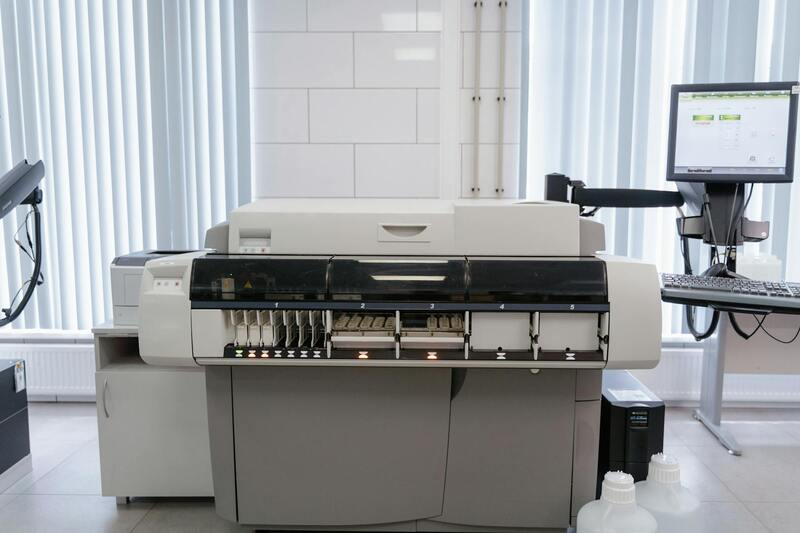
Professionals in large format printing also focus on optimizing surface treatments and coatings to enhance print adhesion, color vibrancy, and protective features like UV resistance. These enhancements ensure that the finished product maintains its quality over time, withstands environmental challenges, and aligns with branding objectives.
Overview of Large Format Printing
Large format printing is a specialized segment of the printing industry that focuses on producing oversized images and graphics for various applications, ranging from retail displays to outdoor advertising. This technique involves sophisticated printers capable of handling wide media types, often exceeding 24 inches in width, to create impactful visual communication. The process demands high-resolution output, precise color management, and meticulous media handling to ensure clarity and durability of the final product.
Due to its versatility and capacity to produce eye-catching visuals, large format printing has become an essential tool for businesses and organizations aiming to strengthen their visual presence. It caters to a broad spectrum of needs, including dynamic signage, promotional banners, custom wall coverings, and large indoor or outdoor displays. The ability to customize size, material, and finish options makes large format printing highly adaptable to diverse branding and marketing strategies.
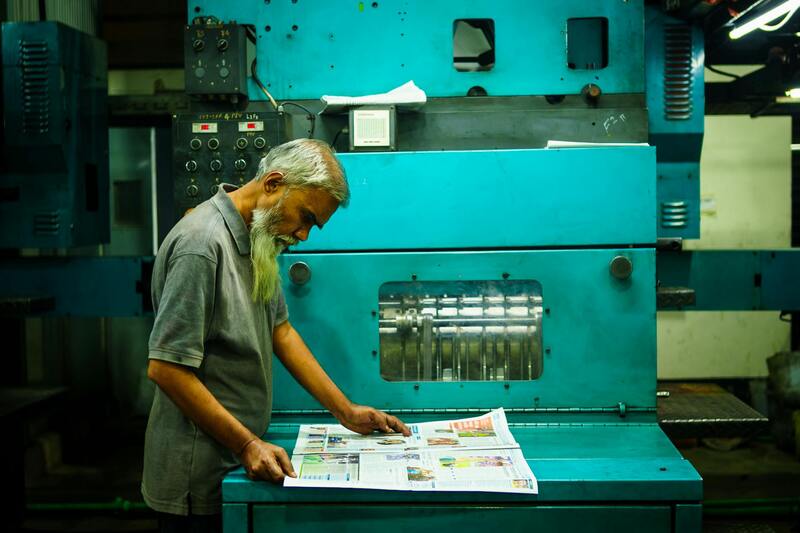
Types of Large Format Printers
Understanding the different printer technologies is key to selecting the appropriate large format printing method. The main types include:
- Eco-solvent printers: Known for producing durable, weather-resistant images suitable for outdoor signage, these printers use solvent-based inks that adhere well to various substrates and provide vibrant colors.
- UV flatbed printers: These utilize ultraviolet light to instantly cure inks directly onto rigid or flexible media, enabling printing on unusual surfaces like glass or wood and offering high-quality, detailed output.
- Latex printers: Combining durability with environmentally friendly ink systems, latex printers produce flexible prints that are ideal for indoor and outdoor applications, maintaining color vibrancy for long periods.
- Solvent and aqueous printers: Depending on the use case, solvent printers excel in outdoor signage durability, while aqueous printers are preferred for indoor graphics due to their eco-friendliness and vibrant color output.
Materials and Media Used
The success of large format printing significantly relies on selecting the right media to match the project's requirements. Commonly used materials include:
- Vinyl: Durable and weather-resistant, ideal for outdoor banners, vehicle wraps, and signage.
- Fabric textiles: Suitable for indoor displays, backdrops, and custom wall coverings, offering a high-quality aesthetic appeal.
- Poster paper and gloss papers: Perfect for short-term indoor advertising, exhibitions, and event signage.
- Rigid substrates: Includes foam boards, acrylics, and aluminum panels for mounting large images in high-traffic areas.
- Backlit films: Designed for illuminated signs, these materials enhance impact through internal lighting, adding vibrancy and visibility in low-light settings.
Choosing the appropriate media depends on several factors such as exposure environment, installation location, desired lifespan, and aesthetic goals. Proper media selection, combined with specialized coatings and surface treatments, results in printed outputs that are not only visually striking but also resistant to environmental damage, UV fading, and physical wear.
Advancements in coating technologies now allow for enhanced adhesion, increased print vibrancy, and protective features like UV resistance, ensuring that large format prints maintain their quality over extended periods and challenging environmental conditions. Awareness of these media and treatment options is essential for producing consistent, high-quality large format prints tailored to specific project needs.
Methods for Authentic Large Format Printing
To ensure that large format printing projects meet professional standards and achieve the desired visual impact, it is essential to utilize proper and reputable printing techniques. These methods provide consistent quality, durability, and clarity, which are crucial for effective advertising and branding efforts.
Digital Large Format Printing
Digital large format printing is among the most prevalent and versatile methods used in the industry today. This process involves the direct transfer of digital images onto various media substrates using large-scale inkjet printers. It allows for high-resolution outputs with precise color reproduction, making it ideal for detailed graphics and photographs. The digital workflow simplifies production with minimal setup time, enabling rapid turnaround for customized prints such as banners, posters, and car wraps.
Key Components of Digital Large Format Printing
- High-resolution inkjet printers: Equipped with wide-format capabilities and multiple color channels to produce vibrant and detailed images.
- Water-based or UV-curable inks: Chosen based on the desired durability, environmental resistance, and media compatibility.
- Color management systems: Ensure accurate color matching across different print jobs and media types.

Offset Printing for Large Formats
While traditionally associated with smaller formats such as brochures or magazines, offset printing can be adapted for larger scale projects in special cases, particularly when mass production with consistent quality is necessary. Offset large format printing involves creating plates for each color and transferring ink onto rigid substrates. It offers excellent color fidelity, sharpness, and cost-effectiveness for high-volume runs of posters or banners. However, it requires more initial setup, making it less suitable for quick-turnaround or short-run projects.
Screen Printing for Large-Scale Graphics
Screen printing remains a trusted method for creating vibrant, durable graphics on a variety of media, especially for applications requiring bold colors and thick ink layers. Large-scale screen printing uses mesh screens and stencils to apply ink onto surfaces such as fabric, vinyl, or rigid substrates. It is especially advantageous for producing high-volume signage, vehicle wraps, and backlit displays where color vibrancy and resilience are priorities.
Considerations for Choosing the Appropriate Method
Selecting the right printing technique depends on several key factors:
- Project scale: Large volume projects often favor offset or screen printing for cost efficiency, while digital methods suit short-run or custom jobs.
- Media compatibility: Certain methods are more suitable for specific substrates. For instance, UV-curable inks are ideal for rigid surfaces, whereas water-based inks excel on fabric or paper.
- Color accuracy and detail: Digital printing provides exceptional detail and color matching, whereas screen printing provides bold, uniform colors for simpler designs.
- Environmental conditions: Consider waterproof, UV-resistant, or weatherproof ink options based on the location and exposure environment of the final display.
Ensuring Quality and Durability in Large Format Printing
When deploying legitimate large format printing methods, it is crucial to follow precise procedures and use high-quality materials. Careful calibration of digital printers, selection of appropriate media, and proper ink application all contribute to a finished product that withstands environmental stresses and retains visual clarity over time. Regular maintenance and quality control checks further guarantee consistent output, allowing businesses to maintain a professional appearance across a broad range of outdoor or indoor applications.
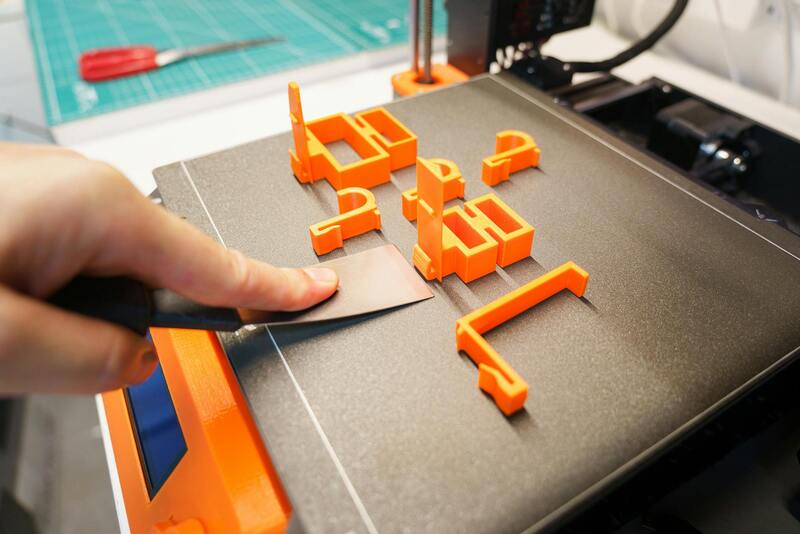
Understanding the Core Techniques of Large Format Printing
Large format printing involves a set of specialized techniques designed to produce high-impact visual displays over expansive surfaces. The methods used are primarily classified into digital printing, screen printing, and UV printing, each serving distinct purposes based on the project's needs and media compatibility.
Digital Printing in Large Scale Applications
Digital large format printing is widely favored for its ability to produce detailed images with precise color matching. It employs inkjet technology to directly apply inks onto various substrates, making it suitable for short-run or highly customized projects. This technique supports a broad range of media including fabrics, vinyls, and rigid surfaces, enhancing versatility for indoor and outdoor applications.

Screen Printing for Bold and Durable Results
Screen printing remains an effective method for creating large batch runs with consistent and vibrant colors. It involves creating a stencil (screen) for each color and pressing ink through these screens onto the surface. This method excels with simple, bold designs and is particularly durable for outdoor signage, banners, and fabric displays, offering resistance against weathering and environmental stress.
UV Printing for Rigid and Specialty Materials
UV printing utilizes ultraviolet light to instantly cure inks as they are printed onto the substrate. This rapid curing process allows for printing on rigid surfaces like acrylics, metals, and plastics. UV printing provides high resolution and durability, making it ideal for targeted marketing displays, custom signage, and decorative panels that require both aesthetic quality and longevity.
Legitimate Methods and Material Compatibility
When deploying large format printing, it is essential to select the appropriate method based on the nature of the project and the media involved. For instance, UV printing suits rigid, weather-resistant signage, while water-based digital inks work best on flexible and porous materials. Adopting tried-and-true techniques ensures the final output maintains visual clarity, structural integrity, and environmental resilience.
Ensuring Consistency and Quality Control
Maintaining high standards involves detailed calibration of printing equipment, comprehensive media testing, and controlled ink application procedures. Regular maintenance checks and quality assurance protocols play a vital role in achieving consistent color fidelity and surface adhesion. These practices prevent issues like ink smudging, color mismatch, or surface imperfections, thereby securing a polished look for commercial or promotional displays.
Factors Influencing Method Selection
- Project Quantity: Large quantities favor screen printing for economic efficiency, whereas limited runs may benefit from digital printing’s flexibility.
- Media Surface: Rigid surfaces like glass, metal, or plastic often require UV printing, while fabric and paper are ideal for digital or screen printing.
- Design Complexity: Intricate images with fine detail are best handled through digital printing, while simple designs are suited for screen printing.
- Environmental Conditions: Consider weatherproofing options and UV resistance to extend the life of outdoor signage.
Visual Examples and Material Choices
Examples of large format printing projects include outdoor banners, vehicle wraps, wall murals, and trade show displays. Selecting the right media, such as vinyl, fabric, foam boards, or rigid plastics, enhances the visual appeal and durability of these applications. Properly chosen substrates combined with legitimate printing practices result in impactful visuals that withstand various environmental factors.

Methods to Ensure Quality and Legitimacy in Large Format Printing
Achieving high standards in large format printing requires adherence to established procedures and utilizing verified methods. This ensures that every visual element, from colors to surface finishes, meets expectations for durability, clarity, and visual impact. The following approaches are tested and maintained within professional printing environments to secure top-tier results.
Utilization of High-Resolution Digital Files
Starting with meticulously prepared digital files is essential. Files should be created at high resolution, generally 300 DPI or higher, to guarantee sharpness and detail in enlarged prints. Vector graphics are preferred for logos, icons, and typography, as they scale without loss of quality. Proper color profiles, such as Adobe RGB or CMYK, need to be embedded to ensure faithful color reproduction across devices and substrates.
Rigorous Color Management Systems
Consistent color accuracy relies on comprehensive color management protocols. This involves calibrating monitors regularly to match industry-standard color profiles. Printers should employ color calibration tools to maintain color consistency over time. Employing color matching software allows adjustments to be made before printing, reducing the risk of mismatched colors in the final output.
High-Quality Printing Inks and Substrates
Legitimate large format printing utilizes certified inks that meet safety and performance standards. These inks are designed to provide UV resistance, water resistance, and fade-proof longevity, especially for outdoor applications. Matching the appropriate media to the intended environment and application further guarantees durability and visual appeal. Popular media include vinyl, fabric, rigid plastics, and specialty substrates like canvas or foam boards, each selected based on project requirements.
Professional Maintenance and Calibration of Equipment
To maintain legitimacy and top quality, printers should undergo scheduled maintenance, including head cleaning, calibration, and software updates. Routine calibration aligns ink flow and color accuracy, preventing issues such as banding or color inconsistency. High-quality printers used by reputable service providers often feature advanced automation to monitor print quality during production, reducing human error and ensuring standards are upheld.
Implementation of Quality Control Protocols
Quality assurance processes are integral to legitimate printing methods. This includes visual inspections, color consistency checks, and test prints before full production runs. Samples should be evaluated under various lighting conditions to assess color fidelity and surface finish. Digital proofing and soft proofing techniques can simulate the final appearance, enabling adjustments prior to printing. Documentation of quality checks helps maintain high standards and provides traceability for each job completed.
Adherence to Industry Standards and Certifications
Reputable print service providers follow industry benchmarks established by organizations such as the ISO or ASTM. Certifications related to environmental management and material safety, such as ISO 14001 or OEKO-TEX, indicate compliance with environmentally sustainable practices. These standards often involve rigorous testing protocols and quality management systems that uphold the integrity of large format printing processes.
Partnership with Certified Material Suppliers
Legitimate printing businesses forge collaborations with recognized material and ink suppliers. These partnerships ensure access to authentic products with verifiable quality markers. Using OEM (original equipment manufacturer) inks and substrates reduces the risk of color inconsistencies, surface imperfections, or damage over time, thus securing the longevity and visual impact of printed displays.

Summary
Methodical practices encompassing high-resolution digital files, precise color management, quality-certified inks and substrates, as well as rigorous equipment calibration and quality controls, constitute the backbone of legitimate large format printing. These standardized procedures are vital not only for producing visually compelling and durable graphics but also for establishing a trustworthy and professional printing workflow that consistently meets or exceeds industry standards.
Comprehensive Validation Methods for Large Format Printing
To ensure high-quality outputs that meet industry standards, legitimate large format printing services employ rigorous validation methods. These include detailed calibration of printing equipment to guarantee precise color reproduction and consistent results across different projects. Equipment calibration involves regular checks and adjustments of print heads, color management systems, and media handling components, aligning them with standardized benchmarks. This process minimizes discrepancies and ensures that each print matches the original digital design with optimal accuracy.
Color management plays a crucial role in legitimate large format printing. It utilizes advanced software and color profiles to oversee color fidelity from digital files to final prints. By adopting International Organization for Standardization (ISO) standards, such as ISO 12647, printing companies guarantee that colors are reproducible across different substrates and lighting conditions. This meticulous approach ensures that clients receive vibrant, consistent, and true-to-design graphics suitable for various branding and promotional needs.

Utilization of Certified Materials and Inks
Reliable large format printing providers collaborate exclusively with certified material and ink suppliers. These suppliers adhere to strict quality control practices and environmental standards, offering products with verified safeties and durability markers. Using OEM (original equipment manufacturer) inks and branded substrates not only guarantees optimal color vibrancy but also enhances the longevity and resistance of the final print. This approach reduces issues such as color fading, surface imperfections, or damage over time—factors critical for outdoor signage, banners, and large displays.
Structural integrity and safety of the media are assessed thoroughly through standardized testing protocols. Certifications like OEKO-TEX or environmental compliance marks such as ISO 14001 reflect a commitment to sustainability and safe handling practices. These certifications affirm that the media and inks used are free from harmful chemicals, suitable for sensitive environments, and capable of maintaining their visual impact over extended periods.
Adherence to Industry Standards and Quality Assurance Protocols
Part of the validation process involves strict adherence to internationally recognized industry standards such as ISO 9001 for quality management systems. Routine quality assurance checks—including proofing, batch testing, and visual inspections—are integral to legitimate printing workflows. These ensure that each batch of prints aligns with the specified color standards, resolution, and surface finish quality. Furthermore, comprehensive documentation of testing procedures adds an additional layer of assurance, allowing clients to trust in the durability and visual integrity of their prints.
Digital Security and File Integrity Measures
Ensuring the integrity of digital files before printing is crucial for maintaining design fidelity. Trusted providers implement secure file transfer protocols, verify file compatibility, and utilize high-resolution files to prevent pixelation or distortion. Proper pre-press checks and soft proofing enable adjustments to be made proactively, identifying potential issues such as color mismatches or resolution concerns before the actual production begins. This meticulous process ensures the final product accurately reflects the intended design concept.
Detailed metadata and version control practices are also employed, facilitating traceability and accountability throughout the printing process. By establishing transparent workflows, premium printing services guarantee that clients receive consistently high-quality outputs that faithfully reproduce their digital artwork.