Overview of Large Format Photo Printing
Large format photo printing is a specialized printing technique that allows for the reproduction of images on significantly larger surfaces compared to standard prints. This method is essential in producing visual displays that demand high impact and clarity, such as murals, banners, posters, and art installations. In Singapore, the popularity of large format photo printing is driven by its versatility in applications across various sectors, including commercial advertising, fine art, interior decor, and event signage.
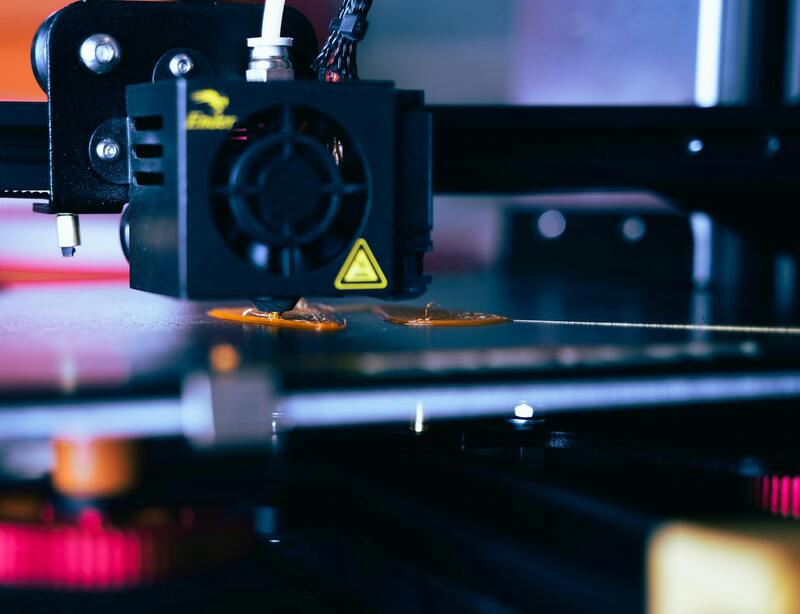
The process involves transferring high-resolution images onto large surfaces with precision and fidelity. The significance of this technology lies in its ability to retain detail, color accuracy, and overall image integrity at an enlarged scale. This enables businesses, photographers, artists, and designers to showcase their work in an extraordinary manner, captivating audiences and conveying messages with maximum visibility.
Large format photo printing is increasingly popular in Singapore because of its practicality and aesthetic advantages. It is widely used for decorative purposes in corporate environments, retail spaces, and galleries. Moreover, these prints serve as effective advertising tools, attracting attention from afar and making a lasting impression. The durability and visual clarity achieved through modern printing techniques ensure that large format images maintain their quality over time, even in demanding environments.
Additionally, advancements in printing technology have expanded the range of materials and surfaces that can be used, opening up opportunities for innovative displays and customized projects. From fine art reproductions on high-grade papers to outdoor banners printed on weather-resistant materials, the scope of large format photo printing continues to evolve. This flexibility makes it an invaluable resource for creating immersive visual experiences that elevate the aesthetic and functional aspects of various spaces.
Understanding the core features and benefits of large format photo printing is vital for those seeking to maximize the impact of their visual communications. With the ability to produce vibrant, detailed, and sizeable images, this printing method plays a pivotal role in modern display and branding strategies across Singapore and beyond.
Materials and Surfaces Used in Printing
Choosing the appropriate materials and surfaces is crucial for achieving optimal results in large format photo printing. Various options are available, each offering distinctive qualities that enhance the visual appeal and durability of the final product. Common substrates include vinyl banners, canvas, fine art papers, acrylic sheets, metal panels, and specialty textiles, which are selected based on the intended environment and display requirements.
Vinyl remains a popular choice for outdoor banners due to its weather resistance and flexibility, making it suitable for long-term outdoor advertising. Canvas provides a textured, artistic look, ideal for gallery displays and interior decor, offering a more refined presentation of photographic images. Fine art papers, especially those with archival qualities, are favored for reproductions and exhibitions, emphasizing color richness and sharp detail.
Acrylic and metal surfaces are increasingly preferred for modern and sleek display concepts. Acrylic prints offer vibrant colors with a high-gloss finish, best for corporate branding and luxury art displays. Metal prints, often mounted on aluminum, are durable and provide a contemporary aesthetic with a matte or glossy finish, suitable for both indoor and outdoor fixtures.
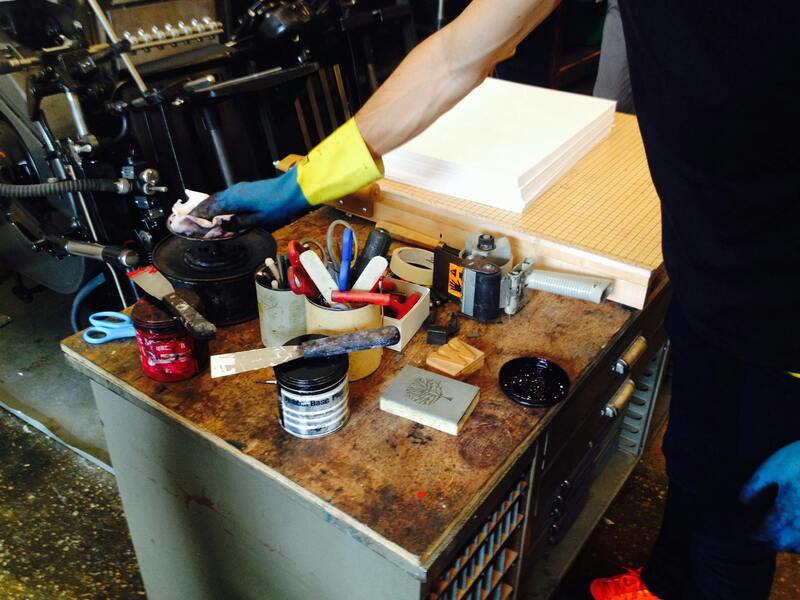
Furthermore, the choice of surface can influence the longevity and maintenance of the print. For instance, UV coatings and protective laminates are applied to shield surfaces from scratches, moisture, and UV fading, ensuring the image retains its vibrancy over time. Opting for weather-resistant materials is vital when designing outdoor displays, such as billboards or building wraps, where exposure to elements is significant.
Printing Technologies and Methods
Advancements in digital printing technologies have transformed the landscape of large format photo printing. Inkjet printing remains the predominant method, appreciated for its high resolution, color fidelity, and versatility across different materials. Modern large-format inkjet printers utilize aqueous, solvent, or UV-curable inks, each offering specific advantages suited to various substrates.
Aqueous inks are acclaimed for their superior color accuracy and are commonly used for interior displays on papers and canvas. Solvent inks provide excellent UV and weather resistance, making them ideal for outdoor signage. UV-curable inks enable rapid printing on non-porous surfaces like acrylic and metal, producing durable and vibrant images with a glossy finish.
In addition to inkjet printing, other methods such as dye sublimation are utilized for specific applications, like fabric or flexible materials, offering rich color saturation and durability. The selection of printing technology directly impacts the final visual quality, print lifespan, and surface compatibility, making it essential to choose the method aligned with the intended use.
Design Considerations for Large Format Photos
Design plays a pivotal role in maximizing the impact of large format prints. High-resolution images are mandatory to maintain clarity and detail when enlarged, typically requiring a minimum DPI (dots per inch) of 150-300. Designers should consider the viewing distance, as larger displays meant to be viewed from afar can accommodate lower DPI settings without loss of visual quality.
Color management is equally critical. Ensuring color consistency while accommodating the color gamut of the chosen printing device prevents discrepancies between digital and printed images. Using calibrated monitors and color profiles guarantees more accurate reproductions.
Furthermore, layout and composition influence the overall effectiveness of the display. For large-scale projects, maintaining balance and focus points prevents visual clutter and guides viewers’ eyes naturally across the display. When designing for outdoor banners or murals, considerations such as bleed margins and safe zones prevent important information from being affected during installation or cropping.
Applications of Large Format Photo Printing
The versatility of large format printing enables its widespread use across various sectors. Retail environments deploy large banners and wall murals to attract customers and promote branding. Corporate offices often feature mural-sized photographs and high-quality prints to create engaging workspaces. In the art world, museums and galleries rely on large format prints to exhibit fine art reproductions with breathtaking detail and color accuracy.
Event organizers utilize large prints for trade shows and exhibitions, enhancing visibility and ambiance. Outdoor advertising, including billboards and building wraps, benefits from weather-resistant materials and high-resolution images that withstand environmental stress. Architects and interior designers incorporate large format photographs to craft immersive environments, adding a personalized touch to spaces.
The scale and visual impact of these displays serve to reinforce messaging, create memorable impressions, and elevate aesthetic appeal, making large format photo printing a vital component in contemporary visual communication strategies.
Overview of Large Format Photo Printing
Large format photo printing stands as a cornerstone of visual communication in various industries, offering the ability to produce high-quality, impactful displays on extensive surfaces. This printing method allows for the reproduction of images that are larger than conventional sizes, ensuring detailed clarity and vibrant color reproduction across expansive canvases. The technique employs advanced printing technologies capable of rendering fine details and subtle color gradations, making it suitable for applications ranging from advertising billboards to fine art exhibitions.
Achieving optimal results in large format printing involves precise calibration of printers, meticulous selection of materials, and a comprehensive understanding of the specific needs of each project. High-resolution image files, normally requiring a minimum DPI (dots per inch) of 150-300 at the final print size, serve as the foundation for creating stunning visual displays. Proper file preparation, including color correction, resolution checks, and bleed margin considerations, is crucial to ensure the final product meets the desired standards and withstands scrutiny upon close inspection.

In practice, large format photo printing enables the transformation of ordinary photographs into awe-inspiring wall-mounted art, comprehensive environmental graphics, or promotional banners that command attention from afar. Its relevance continues to grow as businesses and creatives recognize the value of making a bold visual statement that resonates with audiences and enhances brand identity.
Materials and Surfaces Used in Printing
The selection of appropriate substrates is fundamental in determining the longevity, appearance, and indoor or outdoor suitability of large format prints. The most common options include:
- Vinyl: Known for its durability and weather resistance, vinyl is ideal for outdoor signage, banners, and vehicle wraps. It can withstand exposure to UV rays, rain, and wind, maintaining color vibrancy over time.
- Canvas: Often used for fine art reproductions and gallery displays, canvas offers a textured surface that adds depth and a classic aesthetic. It is suitable for indoor environments and can be stretched or framed for presentation.
- Acrylic: Provides a sleek, modern appearance with exceptional color clarity and glossy finish. Acrylic surfaces are suitable for both indoor displays and some outdoor applications, especially when protected with additional coatings.
- Metal: Metal substrates, such as aluminum or aluminum composite panels, deliver a contemporary look with excellent durability and resistance to environmental factors. They are frequently used for sophisticated signage and gallery-quality prints.
- Fabric: Used for event backdrops, banners, and interior decor, fabric allows for lightweight, wrinkle-resistant displays that can be easily transported and installed.
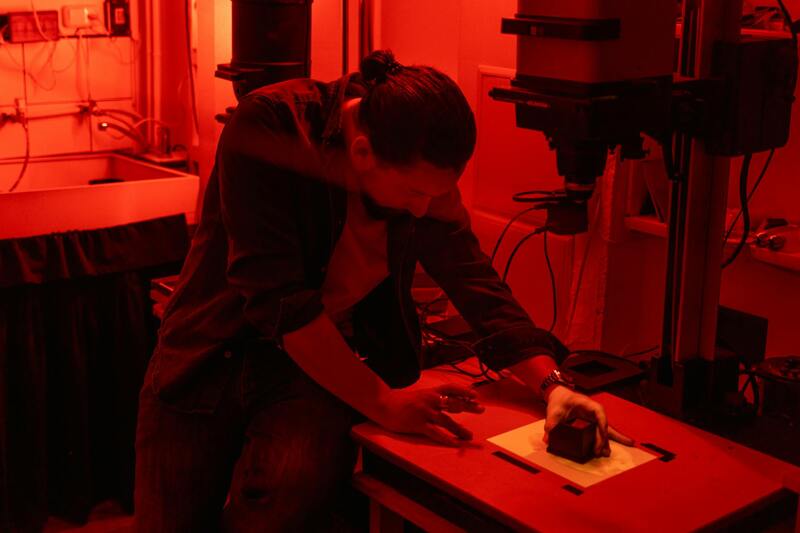
The choice of surface directly influences the visual impact and durability of the final piece, making it essential to match material properties with the intended environment and display requirements. For outdoor applications, weather-resistant materials combined with protective coatings extend the lifespan of the print, ensuring consistent vibrancy and structural integrity over time. Conversely, indoor installations benefit from finishes that enhance image richness and texture, often prioritizing aesthetic appeal over weather resistance.
Overview of Large Format Photo Printing
Large format photo printing involves the creation of high-resolution images on oversized substrates, providing a vivid and impactful visual experience. Ideal for commercial displays, fine art reproductions, and promotional signage, this printing method transforms digital images into tangible artworks that command attention across various environments. By utilizing advanced printing techniques and premium materials, large format printing ensures crisp detail, accurate color reproduction, and enduring quality. The process typically accommodates various sizes, from modest displays to monumental installations, requiring specialized equipment capable of handling expansive media without compromising quality. The significance of large format photo printing extends beyond mere size; it encompasses the preservation of intricate details and accurate color fidelity that can be appreciated from close inspection or at a distance. As a professional printing solution, it offers investors a potent tool to communicate branding, artistic vision, or informational content effectively. The selection of appropriate substrates and printing methods underscores the versatility of this medium, accommodating indoor and outdoor applications with the right protective measures and surface finishes. Expertise in large format printing ensures that the final output maintains its vibrancy and structural integrity over time. Whether for commercial advertising, art exhibitions, or architectural integrations, these prints are tailored to meet specific environmental and aesthetic needs—delivering results that are both visually striking and durable. The balance of precision technology and material science propels large format photo printing into a realm of limitless creative possibilities, establishing it as a preferred choice in high-impact visual communication.
Understanding the Materials and Surfaces in Large Format Photo Printing
Choosing the appropriate materials and surfaces is fundamental to achieving high-quality large format photo prints because they directly influence the appearance, durability, and suitability of the final product for its intended environment. Different substrates offer unique benefits, and selecting the right one involves considering factors such as texture, weight, finish, and resistance to environmental elements.
Among the most common materials used in large format photo printing are photographic paper, canvas, vinyl, and fabric-based surfaces. Each type caters to specific aesthetic and practical needs. For indoor displays, glossy or matte photographic papers are often preferred for their crisp detail and vibrant colors, making images stand out in gallery settings or professional presentations. Canvas, on the other hand, provides a textured, artistic feel that mimics traditional paintings, making it ideal for gallery exhibitions, home decor, or artistic displays.
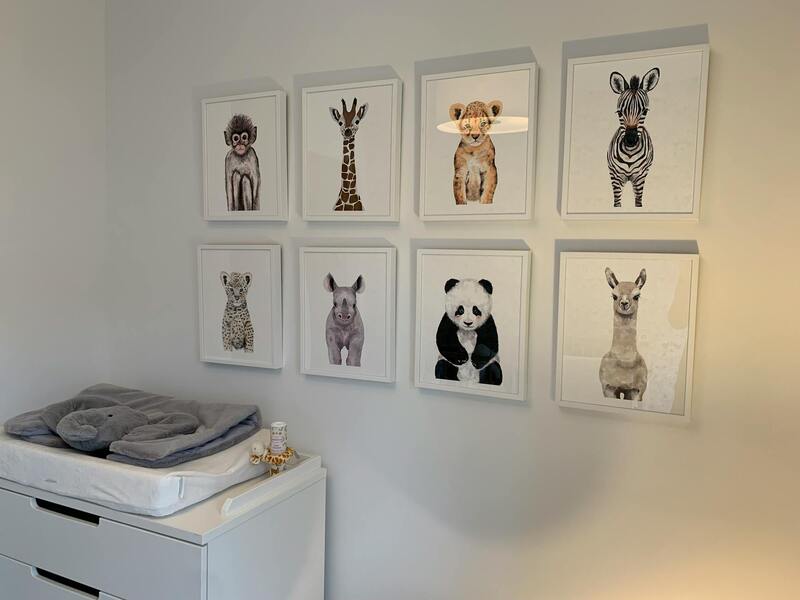
Vinyl substrates are favored for outdoor applications owing to their weather-resistant qualities, which help photos withstand UV exposure, moisture, and physical wear. These surfaces are often used in banners, billboards, and event signage, where longevity and resilience are paramount. Fabric-based surfaces, including textiles used in dye sublimation printing, provide a lightweight and flexible alternative suitable for curved surfaces or indoor settings requiring a softer appearance.
Textured surfaces such as textured canvas or specialty papers can provide a more tactile experience, emphasizing artistic expression or adding depth to the image. Additionally, protective finishes such as laminated coatings are frequently applied to enhance durability against scratches, water, and UV damage, especially for outdoor installations or high-traffic areas.
Surface Finishes and Their Impact on Visual Quality
The choice of surface finish significantly influences how viewers perceive the photograph. Glossy finishes can intensify colors and add a sense of vibrancy, which is ideal for images needing high contrast and eye-catching appeal. Conversely, matte finishes diffuse light, reducing glare and reflections, and are well-suited for detailed artwork and images requiring a softer, understated presentation.
Specialty finishes such as satin or semi-gloss provide a balance between glossiness and matte, offering moderate glare reduction while maintaining color richness. Texture finishes, including luster or textured coatings, can add a tactile dimension that enhances the overall aesthetic, making large format prints more engaging and unique.
Environmental Considerations and Substrate Compatibility
In outdoor applications, selecting materials with high resistance to environmental factors is essential. UV-resistant vinyl and weatherproof coatings help prolong the lifespan of large format prints exposed to sunlight, rain, and pollution. For indoor environments, the focus may shift toward achieving the desired visual effect without immediate concern for weatherproofing, emphasizing color accuracy and surface texture.
Compatibility between the chosen surface and the printing technology ensures optimal results. Inks need to adhere properly to the substrate, providing vivid coloration and longevity. Some surfaces may require specialized primers or coatings to enhance ink adhesion or to achieve specific visual effects.
Optimization for Specific Applications
Different projects demand tailored material choices. For example, museums and art galleries often favor archival-quality papers and canvas, ensuring the preservation of artwork over decades. Commercial signage and promotional displays benefit from durable vinyl or fabric surfaces, especially when outdoor exposure is expected.
Overall, material selection is a strategic process that balances visual intent, environmental conditions, longevity requirements, and budget constraints. Collaborating with experienced printing service providers can aid in selecting the best materials and finishes to match specific project needs, ensuring that large format photo prints deliver impactful and lasting impressions.
Overview of Large Format Photo Printing
Large format photo printing is a specialized process designed to produce high-quality images on sizable surfaces. This technique caters to a broad spectrum of applications, from commercial advertising to fine art exhibitions, providing vivid, detailed visuals that captivate viewers from a distance. The process involves digital imaging, where digital files are translated into physical prints using advanced printing technologies, ensuring the precision and clarity necessary for impactful visual displays. The ability to produce oversized prints without compromising image quality makes large format photo printing an essential tool for businesses and artists seeking to make bold statements with their visual content.
In the context of professional printing services, adherence to industry standards and a focus on technical excellence are vital. Employing high-resolution images and meticulously calibrated color profiles ensures consistency and accuracy across large prints. These qualities not only enhance visual appeal but also establish credibility and trust with clients who depend on the durability and vibrancy of their displays. As the demand for large, eye-catching visuals continues to grow, the role of quality large format photo printing becomes increasingly prominent in various sectors, including retail, hospitality, and cultural institutions.
Types of Large Format Prints
Various categories of large format prints serve distinct needs, each leveraging specific materials and technologies. Common formats include posters, banners, murals, and fine art prints. Posters are ideal for promotional campaigns and events due to their affordability and ease of installation. Banners, often made from weather-resistant materials, are suitable for outdoor advertising, capable of withstanding environmental stressors. Murals transform entire walls into visual storytelling canvases, blending art and architecture seamlessly. Fine art prints, on the other hand, emphasize preservation, utilizing archival-quality materials that maintain their richness over decades.
Management of these diverse types involves selecting the appropriate substrate, understanding the printing method, and ensuring that the finished product meets visual and durability expectations. Whether intended for temporary outdoor use or long-term indoor display, the choice of print type aligns with the specific application's functional and aesthetic requirements.
Materials and Surfaces Used in Printing
Material selection plays a crucial role in the quality and longevity of large format photo prints. Common substrates include vinyl, fabric, canvas, paper, acrylic, and metal, each offering unique characteristics suited for specific environments and visual goals. Vinyl, particularly when UV-coated, provides excellent weather resistance, making it suitable for outdoor signage and banners. Fabric-based materials such as canvas and textile substrates offer a more artistic aesthetic, often used in gallery and interior decor applications. Acrylic and metal surfaces afford a modern, sleek look, enhancing vibrancy and durability for premium displays.
The surface texture and weight influence how the ink interacts with the material, affecting color vibrancy, sharpness, and coating adherence. For example, matte finishes minimize glare and are preferred for detailed artistic reproductions, while glossy finishes enhance contrast and color saturation for vibrant visual impact. Additionally, some surfaces may require priming or pre-treatment to optimize ink adhesion and longevity, especially when exposed to challenging environmental conditions.

Printing Technologies and Methods
The advancement of printing technologies has significantly expanded the scope of large format photo printing. Wide-format inkjet printers dominate the industry, utilizing multiple ink cartridges with a broad color gamut to reproduce images with exceptional fidelity. These printers employ techniques such as solvent, eco-solvent, latex, UV-curable, and dye sublimation printing, each tailored to specific substrates and applications.
UV-curable printing is particularly popular for rigid surfaces like acrylic and metal due to its ability to print directly onto non-porous materials, offering immediate curing and high durability. Latex and solvent printers excel when printing on flexible materials, providing vibrant colors and weatherproofing qualities essential for outdoor signage. Dye sublimation, in contrast, is predominantly used for fabric substrates, producing soft, high-resolution images with excellent color vibrancy.
Proper calibration and maintenance of printing equipment are critical factors in achieving consistent quality across large runs. Advanced ink formulations and printhead technologies allow for greater color accuracy, image sharpness, and longevity, ensuring every print upholds the expected standards of excellence. Understanding the nuances of each printing method enables professionals to select the right technology for specific projects, optimizing both visual quality and cost efficiency.
Material Compatibility and Surface Preparation
Ensuring the optimal appearance and durability of large format photo prints requires meticulous attention to surface preparation and material compatibility. Depending on the substrate chosen, different preparation steps may be necessary to achieve perfect adhesion and prevent damage over time.
- Surface cleanliness: All surfaces should be thoroughly cleaned to remove dust, oils, or residues that could interfere with ink adhesion. Using appropriate cleaning agents ensures contaminants are removed without damaging the material.
- Priming: Certain rigid surfaces, such as acrylic or metal, may benefit from a priming layer that enhances ink adhesion. Primers formulated for specific materials can improve the print's lifespan and visual quality.
- Material selection: Selecting the right substrate involves understanding its properties, such as porosity, reflectivity, and flexibility. These factors influence how the ink interacts with the surface and impact the final appearance.
To preserve the integrity of large format photography, proper handling and storage of the printed materials are crucial. Store prints in environments with controlled humidity and temperature to prevent warping, fading, or surface degradation. When installing, use appropriate fixtures that do not damage the print surface or compromise its stability.

Final Inspection and Quality Control
Before dispatching or displaying large format photographs, a comprehensive quality control process is essential. Inspect prints for color consistency, sharpness, and surface integrity. Address any imperfections, such as pinholes, smudges, or color inconsistencies, to meet the highest standards.
- Color verification: Confirm that the colors match the original design specifications through calibrated viewing conditions.
- Surface examination: Check for scratches, dust, or surface imperfections that could detract from the visual impact.
- Edge and seam review: Ensure edges are cleanly cut and any mounting seams are smooth and unobtrusive.
Implementing a standardized inspection protocol guarantees consistency across multiple prints and fosters client confidence in the finished product. Proper documentation of these quality checks also assists in process improvements and troubleshooting.

Methods for Producing Large Format Photos
Creating stunning large format photographs involves utilizing established printing techniques that ensure durability, color fidelity, and high-resolution output. The most recognized and reliable methods include inkjet printing, dye-sublimation, and solvent-based printing. Each approach offers unique advantages suited for different types of materials and display environments.
Utilizing Inkjet Printing for Large Format Photos
Inkjet printing remains the predominant choice for professional large format photography. This method employs specialized printheads that deposit microscopic droplets of ink directly onto the substrate, resulting in exceptionally sharp, color-rich images. Inkjet printers designed for large format use multiple ink cartridges, often including light, gray, or chromatic inks, to achieve an extensive color gamut and seamless gradations.
Materials compatible with inkjet printing range from glossy and matte photo papers to canvas and fine art substrates. It allows for high-resolution output, typically reaching a minimum of 300 dpi or higher, which is essential for maintaining image fidelity at large scales.
Dye-Sublimation Techniques
Dye-sublimation printing involves transferring dyes onto heat-sensitive materials, usually fabrics or specially coated rigid surfaces. This method produces vibrant, durable images with a smooth finish and excellent color saturation. It is particularly suitable for creating photographic displays on fabric backdrops, banners, or soft-mounted prints where flexibility and longevity are required.
Solvent and Eco-Solvent Printing
For outdoor applications or environments demanding enhanced weather resistance, solvent-based printing is advantageous. Solvent inks are absorbed into the material, providing resistance against UV fading, moisture, and surface scratches. This method is often used for vinyl banners, large signage, and exterior displays, delivering long-lasting results in diverse weather conditions.
Considerations for Image Quality and Material Compatibility
Selecting the appropriate printing method depends heavily on the intended display environment, material choices, and desired finish. For instance, fine art photographs printed on canvas or photo rag benefit from inkjet printing due to its high resolution and color detail. Conversely, banners exposed to outdoor elements should utilize solvent or eco-solvent techniques to ensure resilience against environmental factors.
Quality Assurance in Large Format Printing
Achieving consistent high-quality results necessitates rigorous calibration of printers and regular maintenance. Color management workflows involving calibrated monitors, color profiles, and standardized viewing conditions enable accurate color reproduction. Moreover, thorough inspection of prints for defects, color accuracy, and surface integrity prior to delivery ensures the final product meets the highest standards.
Advancing with Digital Technologies for Large Format Photographs
The continual evolution of digital printing technology enhances possibilities for large format photo reproduction. High-resolution piezoelectric and thermal inkjet printers, coupled with advanced ink formulations, provide options for printing on diverse surfaces with increased durability and color accuracy. Precision alignment and sophisticated print management software ensure the precision needed for detailed photographic reproductions, making large format printing a versatile and high-quality option for professional photographers and businesses alike.