Understanding Large Format Photo Printing
Large format photo printing is an advanced printing technique designed to produce images on a significantly bigger scale than traditional photo prints. This method caters to a wide array of applications, ranging from personal artistic projects to large-scale commercial displays. The core advantage of large format printing lies in its ability to reproduce high-resolution images on expansive surfaces without sacrificing clarity or detail, making it ideal for eye-catching visual presentations.
Typically, large format printing involves the use of specialized printers capable of handling wide media sheets—often ranging from 24 inches (about 60 cm) to over 60 inches (around 1.5 meters) in width. These printers utilize sophisticated inkjet technology to ensure vivid color accuracy, sharp details, and durability of the final product. This is achieved through the meticulous layering of inks, which enhances the depth and richness of the images.
One of the primary reasons for the rising popularity of large format photo printing is its versatility. It can produce prints ideal for personal use, such as wall art, murals, or personalized decor. In the commercial sector, large displays are crucial for advertising, brand promotion, and retail environments. For example, billboards, banners, and exhibition backdrops all leverage large-scale printing to captivate audiences and communicate messages effectively.
When selecting large format printing, clients benefit from a broad spectrum of size options and surface finishes that match specific needs and aesthetics. Whether it's a sprawling wall mural or a hanging canvas for interior decor, the ability to customize dimensions ensures the final product aligns with the intended purpose. Additionally, advancements in printing technology have expanded the scope of materials suitable for large photos, including fabrics, vinyl, canvas, and various textured surfaces.
Another significant aspect of large photo printing is its application across diverse fields. Photographers often commission large prints to showcase their work at exhibitions or galleries. Businesses utilize large visuals for trade shows and promotional campaigns to increase visibility and brand recognition. Artists and designers frequently leverage large-format printing to realize their creative visions on a grand scale, enhancing the immersive quality of their artwork.
Ensuring optimal results for large photo prints entails a combination of high-resolution images, precise color management, and quality printing materials. Carefully preparing the digital files, selecting appropriate surface finishes, and understanding the limitations and capabilities of printing technology are crucial steps. This guarantees that the intended visual impact is maintained, and the final piece remains vibrant and crisp, even when viewed up close.
Ensuring Accurate Image Resolution and Quality for Large Photos
For achieving exceptional results when printing large size photos, the resolution of the digital image plays a pivotal role. High-resolution images, generally measured in dots per inch (DPI), are essential to ensure that the enlarged print retains sharpness and clarity. Typically, a minimum of 150 DPI is acceptable for large prints viewed from a distance, but for closer viewing or gallery-quality work, a resolution of 300 DPI or higher is preferred.
Preparing images for large format printing involves more than just resolution. Proper color management, including color profiles and calibration, ensures consistency and accuracy in the printed result. It is advisable to work with original, high-quality files rather than compressed versions to avoid pixelation or loss of detail. Digital files should be meticulously checked for artifacts, noise, or imperfections that might become pronounced when enlarged.
Legitimate Methods for Printing Large Photos
There are several primary methods to print large size photos through official channels, each utilizing advanced technology and materials to guarantee excellent output. These include:
- Inkjet Printing: Widely used for high-quality large format prints, inkjet printers deliver precise color reproduction and fine detail. They are suitable for photographic images, fine art, and custom projects, often employing water-based inks to ensure color accuracy and longevity.
- Solvent and Eco-Solvent Printing: Ideal for outdoor applications or surfaces exposed to the elements, solvent printers utilize solvent-based inks that provide durability and resistance against environmental factors. These methods are common for banners, exterior signage, and vehicle wraps.
- Dye Sublimation: This technique uses heat to transfer dye-based inks onto substrates like fabric or coated surfaces. It's preferred for creating vibrant, long-lasting fabric prints such as banners, curtains, or wall art.
Accessing these established printing methods through trusted service providers helps ensure that the final large photo maintains its intended quality, color fidelity, and durability. When choosing a printing service, verify their adherence to industry standards and their use of professional-grade printers and materials.
Importance of Digital File Preparation
The process begins before the print shop is even involved: digital file preparation is critical. Customers should ensure their images are in a suitable format, such as TIFF or JPEG, with embedded color profiles that match the printer's standards. Files should be correctly sized to match the intended print dimensions, taking care to preserve aspect ratios to avoid unintended cropping or distortion.
When preparing images, consider sharpening techniques to enhance details without causing artifacts or halos. Additionally, color correction and adjustments should be performed to match the desired visual outcome, especially when working with multiple images or composite artwork. Working with a professional designer or using advanced editing software can significantly improve the final result.
Utilizing Off-Official, Industry-Standard Printing Platforms
While it’s tempting to explore unverified or informal avenues for printing large photos, relying on reputable, industry-standard platforms guarantees quality and consistency. Established printing companies invest in state-of-the-art equipment and employ expert technicians trained in color management and material handling. These providers often offer consultations to help clients select the appropriate materials, surface finishes, and sizes tailored to their project requirements.
Custom orders facilitated through professional platforms also include comprehensive support, from initial file assessment to final quality checks, ensuring that each large photo meets or exceeds expectations. Choosing legitimate sources for large format printing reduces the risk of subpar results, excess delays, or unsatisfactory finishes.
Ensuring Longevity and Proper Handling of Large Photos
Once printed, the care of large size photos involves proper handling, framing, or mounting to maintain their quality over time. Protective coatings such as lamination or UV coatings can significantly enhance durability, especially for outdoor or high-traffic environments. Proper storage and display conditions—away from direct sunlight, moisture, and extreme temperatures—also help preserve vibrancy and structural integrity.
To maximize the lifespan of a large photo, consulting with the printing provider about protective options and recommended hanging methods is advisable. Professional installation ensures that the large print remains flat, free of damage, and visually striking for years to come.
Understanding Large Format Photo Printing
Large format photo printing is an exceptional method for displaying images at a scale that captures attention and enhances visual impact. This process involves utilizing advanced printing technologies and specialized materials to produce high-resolution images on oversized surfaces, making it ideal for commercial displays, artistic projects, or personal memorabilia. The key to successful large format printing lies in accurately preparing the image files—ensuring they possess sufficient resolution and proper color profiles to maintain clarity and vibrancy when expanded to expansive dimensions.
Professionally printed large photos are often produced using wide-format printers that employ dye-sublimation, UV-curable, or latex inks. These technologies enable the precise reproduction of color gradations, fine details, and smooth transitions, which are critical for high-quality displays. Additionally, selecting the right printing media, such as canvas, vinyl, or metal, significantly influences the final appearance and durability of the print. High-grade materials not only enhance visual aesthetics but also offer resistance to fading, moisture, and environmental wear, ensuring the longevity of your large photos.
When opting for large photo prints, consider factors such as the intended display location and environmental exposure. For outdoor use, weather-resistant substrates like vinyl or metal with protective coatings are preferable. Indoor applications may benefit from canvas or acrylic surfaces that add texture and sophistication. Collaboration with reputable printing providers ensures the utilization of state-of-the-art equipment and expert color management, which are vital for achieving consistent, professional results on a grand scale.
To facilitate the best possible outcome, image preparation plays a crucial role. Files should be created at a resolution of at least 150-300 DPI at the final print size to prevent pixelation. Using color profiles such as Adobe RGB or sRGB ensures accurate color reproduction across different media. Professional printers can provide guidance on file formats, resolution requirements, and color adjustments, helping clients optimize their images for the large format printing process.
Beyond the technical specifications, the selection of image composition and content significantly impacts the visual effectiveness of the enlarged photo. High-contrast images with bold lines and clear focal points tend to translate well on large surfaces, while overly fine details may get lost or appear muddled when scaled up. Therefore, working with experienced printers who can advise on image editing and enhancement guarantees the final product remains vivid and impactful.
In summary, understanding the intricacies of large format photo printing involves more than just enlarging an image. It requires meticulous preparation, material selection, and collaboration with professionals who possess both technical expertise and artistic sensibility. Such an approach ensures that your oversized photos not only meet aesthetic expectations but also withstand the test of time, making them truly statement pieces in any setting.
Understanding Large Format Photo Printing
Large format photo printing stands as a sophisticated process that transforms regular images into expansive visual statements. This method involves specialized printing techniques designed to handle oversized files while maintaining high image fidelity and color accuracy. When printing large images, it is essential to consider the technical parameters, including resolution, color profiles, and file preparation, to ensure the final output meets expectations.
Unlike standard photo printing, large format printing requires meticulous attention to detail, particularly in file resolution. To prevent pixelation and loss of sharpness, images destined for large-scale printing should be created or optimized at a minimum of 150-300 DPI at the final print size. Employing proper color management, such as color profiles like Adobe RGB or sRGB, guarantees consistent color reproduction across different media and devices. Collaborating with professional printing services can provide valuable guidance on suitable file formats—typically high-resolution TIFF or JPEG files—and necessary adjustments for brightness, contrast, and saturation.
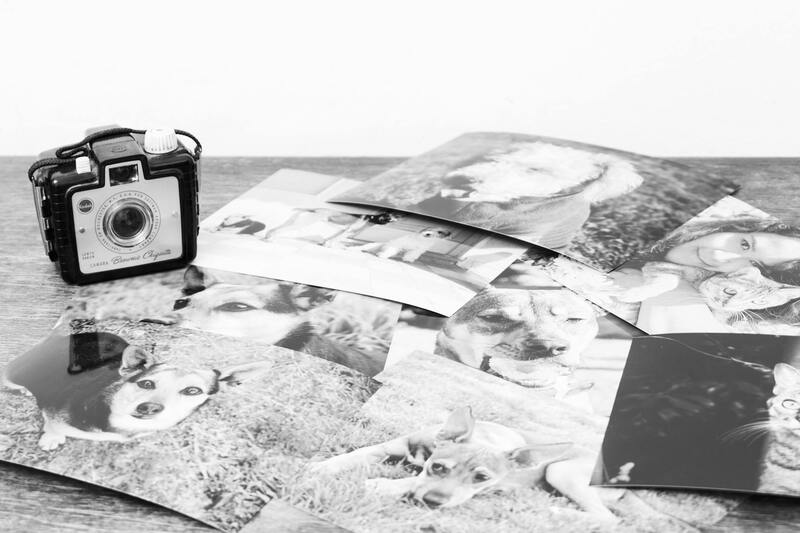
Beyond technical specifications, the overall composition and content of the image significantly influence how effectively it translates into a large print. High-contrast images with bold lines and distinct focal points tend to produce compelling results when enlarged. Conversely, images with fine details or subtle gradations may become muddled or lose clarity when scaled up. For this reason, working closely with experienced printers who can suggest enhancements, such as sharpening or contrast adjustments, can optimize the visual impact of enlarged photos.
Common Sizes and Dimensions for Large Photos
Choosing the appropriate size for large photos depends on the intended application, viewing distance, and available space. Commonly used dimensions include:
- 24x36 inches (61x91 cm) – ideal for posters and advertisements
- 48x72 inches (122x183 cm) – suitable for statement artworks or banners
- 60x40 inches (152x102 cm) – often used in galleries or large display panels
- Custom dimensions – tailored to specific project needs, often exceeding 3 meters in width
When planning your large photo project, it is crucial to consider the aspect ratio to avoid cropping or distortion. Professional printers can assist in resizing or cropping images appropriately, ensuring the composition remains balanced and visually appealing at larger scales.
Types of Materials and Surfaces for Large Photos
The choice of material for printing large photos greatly influences durability, appearance, and suitability for different environments. The most common options include:
- Vinyl and PVC banners: Flexible, weather-resistant surfaces ideal for outdoor displays.
- Photo paper: Glossy or matte finishes suitable for indoor gallery displays or framing.
- Canvas: Offers a textured look that adds an artistic touch, common for gallery or home decor.
- Aluminum or metal panels: Provide a sleek, modern look and excellent longevity, perfect for commercial spaces.
- Acrylic: Clear or frosted options that add depth and vibrancy, suitable for high-end displays.
Each surface offers unique visual effects and durability characteristics. Selecting the appropriate material depends on the setting, exposure to elements, and the desired aesthetic effect. Collaboration with a professional printing service can help identify the best material choice based on the specific project requirements.
Understanding Large Format Photo Printing
Large format photo printing involves producing high-quality images on expansive surfaces, making them ideal for displays, exhibitions, or artistic installations. These prints demand specialized equipment and advanced techniques to preserve the integrity of the original image, regardless of size. The process begins with selecting the right resolution—most professional large-format printers require a minimum of 150 dpi at the final print size to ensure sharpness and clarity. When preparing images, photographers and designers need to consider the aspect ratio to prevent unwanted cropping or distortion, especially as scaling up can reveal flaws or reduce image quality if not handled correctly.
The printing process for large photos relies heavily on digital file management. High-resolution files, preferably in TIFF or PDF formats with embedded profiles, are essential for maintaining color accuracy and image detail. Color correction and calibration are also crucial steps, allowing the printed photo to match the digital version as closely as possible. Professional print shops utilize advanced color management systems to ensure shades and tones are rendered accurately on the chosen material, whether it’s canvas, vinyl, or metal surfaces.
Choosing the correct printing technology is vital for achieving desired results. Common methods include dye sublimation, thermal transfer, and UV flatbed printing. Dye sublimation is preferred for textured surfaces like canvas, offering vibrant colors and durability, while UV flatbed printing allows for direct printing on rigid surfaces such as acrylic or aluminum, ensuring crisp details and a long-lasting finish. Each technique has its unique advantages depending on the type of surface, environmental exposure, and intended display conditions.
Key Considerations for Large Photo Printing
- Image Resolution: Always start with the highest possible resolution to avoid pixelation when enlarging.
- File Format: Use lossless formats like TIFF or PDF to retain image quality.
- Color Accuracy: Calibrate monitors and utilize color profiles to ensure vibrancy and true-to-digital colors in the final print.
- Material Compatibility: Select surfaces that suit the environmental conditions and aesthetic goals of the project.
- Aspect Ratio Management: Maintain consistent proportions to prevent cropping and distortion, and consult professionals for resizing or cropping projects as needed.
Enhancing the Visual Impact with Proper Preparation
Before printing, ensure your images are properly retouched and optimized for size. This process involves sharpening details, adjusting contrast and brightness, and ensuring uniform color balance. Professionals recommend working with their technical teams or designers familiar with large-format printing to verify files and advise on adjustments. Proper image preparation not only guarantees a vibrant final piece but also maximizes the durability and aesthetic appeal of the large photo.
By understanding these core aspects of large-format printing, you can effectively communicate your vision and achieve impactful results that stand out, whether for personal art projects or professional applications. High-quality materials coupled with precise image preparation ensure your large-sized photos will be visually striking and resilient over time.
Understanding Large Format Photo Printing
Large format photo printing involves reproducing high-quality images on expansive surfaces, suited for displays, artwork, or immersive visual experiences. These prints are characterized by their impressive size, often exceeding standard photo dimensions, and require specialized production techniques to ensure clarity, color fidelity, and durability. When creating large prints, considerations such as resolution, material choice, and printing technology are fundamental to achieving optimal results. Typically, professional large format printing integrates advanced inkjet technologies capable of producing sharp, vibrant images on diverse surfaces, accommodating both indoor and outdoor applications.
Importance of Proper Image Resolution
To maintain crispness and detail in large-sized photos, starting with a high-resolution image is essential. For prints that span several feet, images should ideally have a resolution of at least 150 dpi at the final print size, although 300 dpi is preferable for closer viewing. Working with images captured with professional-grade cameras or those prepared through meticulous editing ensures that enlarged prints retain their sharpness and vibrancy without pixelation. Resolutions lower than optimal could lead to blurry or grainy results, diminishing the visual impact.
Choosing the Right Material and Surface
The surface material significantly influences the appearance and longevity of large prints. Common options include gloss or satin photo papers designed for vibrant color reproduction and smooth finishes. For outdoor or high-traffic environments, durable materials such as vinyl, canvas, or weather-resistant fabrics are recommended. These surfaces are designed to withstand environmental elements such as UV exposure, humidity, and physical touch, ensuring the print remains visually appealing over time. The choice of material also affects the texture and overall aesthetic, from matte canvases that lend a fine art feel to glossy surfaces that enhance color vibrancy.
Advanced Printing Technologies
Modern large format printing relies on sophisticated inkjet printers capable of producing detailed, rich color spectra. These machines utilize pigment-based inks that resist fading and environmental wear, offering excellent longevity. The precision of these technologies allows for high-resolution outputs with smooth gradations and accurate color matching. Additionally, the integration of color management systems, including calibration and color profiling, ensures that the final print reflects the original digital image’s hues and tones effectively. For professional projects, multi-pass printing techniques can further enhance detail and reduce banding, resulting in seamless images suitable for gallery displays or commercial advertising.
Surface Preparation and Image Optimization
Prior to printing, images must undergo proper preparation to maximize print quality. This involves sharpening details, adjusting contrast and brightness, and ensuring consistent color balance. Resize images thoughtfully to prevent distortion and cropping, maintaining the aspect ratio in line with the intended print dimensions. Color profiles should be embedded or managed to preserve color accuracy across different devices and printing processes. Working with design professionals or print specialists can help identify potential issues and suggest adjustments that optimize image performance in large format reproduction.
Environmental and Handling Considerations
Large format prints require careful handling, from transportation to installation, to avoid damage such as tears, scratches, or wrinkling. Protective measures like lamination or mounting on rigid surfaces can add durability, especially in high-traffic settings. Proper storage and display environments with stable temperature and humidity levels contribute to the long-term preservation of large prints, preventing warping or fading. For outdoor displays, UV protection coatings or weather-resistant materials are critical for maintaining vibrancy under sunlight and adverse weather conditions.
Understanding Large Format Photo Printing
Large format photo printing is a specialized process that allows for the reproduction of images on significantly enlarged scales, perfect for creating impactful visual statements in both indoor and outdoor environments. This method maintains high resolution and detail, ensuring that every nuance of the original image is preserved even at enormous sizes. When properly executed, large format prints transform personal photographs, commercial advertisements, or artwork into striking displays that captivate viewers from afar. The process involves meticulous planning, including image optimization, material selection, and precise printing techniques, making it essential to choose reliable service providers equipped with advanced technology and experienced personnel.
Common Sizes and Dimensions for Large Photos
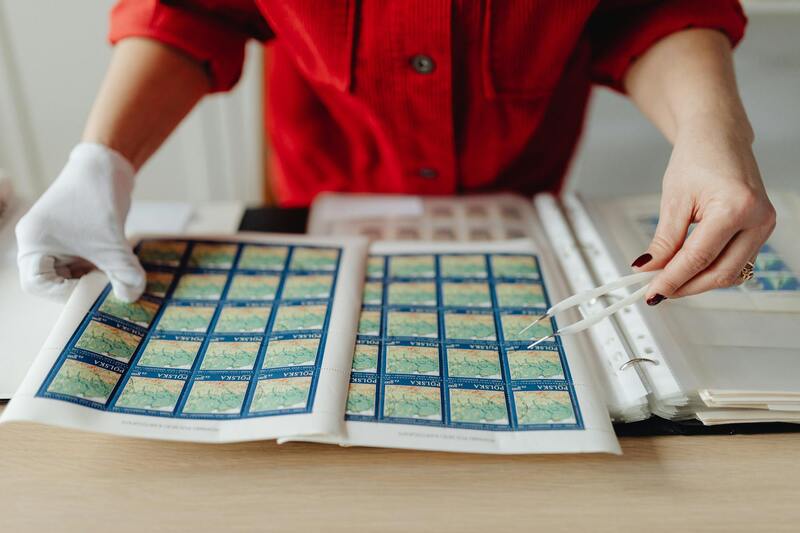
Large photos come in a broad spectrum of dimensions tailored to specific needs and spaces. Standard sizes include formats like 24x36 inches (61x91 cm), popular for posters and wall art; 48x72 inches (122x183 cm) for banners and promotional displays; and custom sizes exceeding 2 meters in width and length for gallery or architectural applications. These dimensions are often dictated by the intended viewing distance and purpose. For instance, in retail or event settings, oversized banners or backdrops may reach widths of 3 to 5 meters, emphasizing bold branding and messaging. When planning your print, it is vital to consider the aspect ratio, resolution, and viewing environment to select sizes that maximize visual impact without sacrificing image quality.
Types of Materials and Surfaces for Large Photos
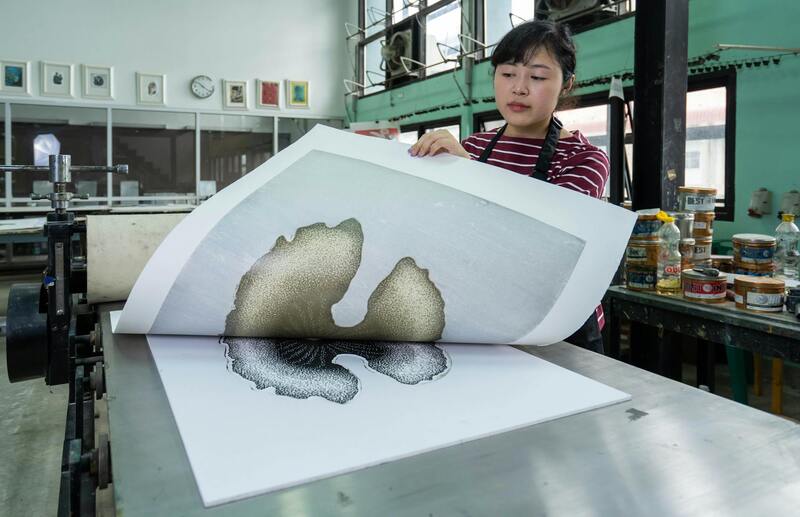
The longevity and aesthetic appeal of large photos heavily depend on the choice of printing material and surface. Common options include vinyl, fabric, canvas, and photo paper, each offering unique benefits. Vinyl is durable and weather-resistant, ideal for outdoor applications, whereas fabric options like breathable textiles facilitate vibrant dye sublimation prints. Canvas surfaces lend a textured, fine-art appearance suitable for gallery displays. Photo paper surfaces, especially those with gloss or matte finishes, provide crisp image quality but generally excel in indoor environments. Understanding the environment where the print will be displayed helps determine the best material choice, with considerations for UV resistance, waterproofing, and ease of mounting or framing.
Printing Technologies and Quality Considerations
Modern large format printing employs advanced technologies such as UV-curable, latex, and solvent-based printers, each providing specific advantages in terms of color vibrancy, durability, and environmental impact. UV printers utilize ultraviolet light to cure inks instantly, offering high resolution and compatibility with various surfaces. Latex printing provides flexible, eco-friendly inks that produce vibrant colors and are suitable for outdoor use. Solvent-based printers deliver rich blacks and deep colors, especially beneficial for outdoor signage. Critical quality factors include resolution, typically measured in dots per inch (dpi); color accuracy, managed through precise calibration and color profiling; and the consistency of ink application. Ensuring the printer's maintenance and employing professional color management techniques result in crisp, consistent, and visually stunning large prints that meet precise expectations.
Design and Image Preparation for Large Prints
Preparing images for large-scale printing requires thoughtful editing and scaling to avoid quality loss. High-resolution files, preferably 300 dpi or higher at the final print size, form the foundation of successful large prints. When designing or adjusting images, professional photo editing software allows for sharpening details, balancing color profiles, and removing artifacts or noise introduced during scaling. Maintaining the original aspect ratio is crucial to prevent distortion. Embedding accurate color profiles ensures consistent hues across different devices and printing processes. Additionally, it is advantageous to create previews at the actual print size to assess the image’s clarity and overall composition, minimizing costly reprints or adjustments after production begins.
Pricing, Turnaround Time, and Ordering Process
Pricing for large photo printing varies depending on dimensions, material choice, and the complexity of the design. Most service providers offer transparent quotes based on square footage or linear measurements, with additional costs for mounting, lamination, or special finishes. Turnaround time typically ranges from 24 hours to several days, contingent on the size and customization requirements. To initiate an order, customers usually submit their high-resolution images through an online platform or in-person consultation, specify their preferred size and material, and approve digital proofs before production. Reliable providers employ efficient workflows and quality control procedures, ensuring timely delivery and consistent results. When selecting a service, verifying their experience with large format printing and reviewing previous work samples guarantees that your project will meet expectations for quality and durability.
Understanding Large Size Photo Printing at disc-print.com
Large size photo printing is a specialized service that caters to individuals and businesses aiming to produce high-impact visual displays. The process involves more than just enlarging an image; it requires careful consideration of resolution, material choice, and printing technology to ensure that the final product maintains clarity, color fidelity, and durability. disc-print.com offers a comprehensive range of options tailored to meet diverse needs, from wall art and banners to professional presentations and personal collections. Ensuring the best possible outcome begins with selecting appropriate image files, understanding the technical nuances involved, and choosing the right materials for your specific application.
Types of Materials and Surfaces for Large Photos
The choice of material plays a crucial role in the longevity and aesthetic appeal of large format prints. disc-print.com provides a variety of surfaces, each offering unique benefits:
- Glossy Paper: Enhances color vibrancy and detail, ideal for artistic displays and photographic art.
- Matte Paper: Reduces glare and fingerprints, suitable for gallery walls and professional environments.
- Canvas: Provides a textured, fine art feel that is perfect for creating professional-looking art pieces or personalized home décor.
- Vinyl: Durable and weather-resistant, making it suitable for outdoor banners and signage.
- Backlit Films: Designed for illuminated displays, ensuring visuals remain vibrant when lit from behind.
Understanding the specific qualities of each surface ensures the printed image aligns with the intended display environment, handling requirements, and longevity expectations.
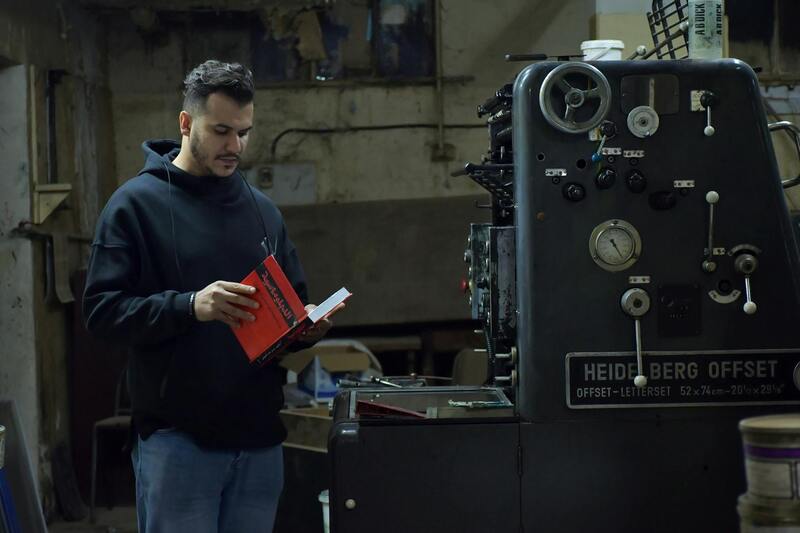
Design and Image Preparation Guidelines
Preparing your images for large-scale printing involves specific technical guidelines to guarantee quality and precision. High-resolution files—typically 300 DPI or higher—are essential to prevent pixelation and loss of detail when enlarging images. Maintaining the original aspect ratio avoids distortion, ensuring the proportions remain true to the original scene. Color profiles should be embedded to retain consistent hues, especially critical when reproducing artwork or photographs with precise color requirements.
It is recommended to create a digital mockup at the actual print size to review the image's clarity and overall composition. Cropping should be carefully considered to focus on the desired subject while avoiding unwanted borders or distractions. Additionally, removing artifacts, noise, and sharpening details in image editing software enhances the final output, resulting in a crisp, professional appearance.
Ordering Process and Quality Assurance
Clients can initiate their large format photo printing orders through online uploads or in-person consultations. High-resolution images are uploaded via a secure platform, after which a digital proof or preview is provided for approval. This step allows for adjustments in layout, cropping, or color correction before proceeding to production. Accurate specifications regarding size, material, and finish options are confirmed during this phase to align expectations.
During production, disc-print.com employs rigorous quality control procedures, including color calibration and material inspection, to ensure the final product matches the approved digital proof. Once completed, prints are carefully packaged with appropriate mounting or framing options if selected. The entire process emphasizes precision and customer satisfaction, delivering large size photos that are vivid, durable, and true to the original image.