Understanding Big Size Photo Printing
Big size photo printing has become an increasingly popular method for transforming personal memories, artistic expressions, and promotional visuals into striking, large-format displays. These oversized prints are utilized across a broad spectrum of applications, including interior decor, commercial advertising, gallery exhibitions, and event backdrops. The appeal of large photos lies in their ability to create immersive visual experiences that captivate viewers and make a bold statement.
When considering large-format photo printing, it is essential to understand the various size categories. Common dimensions for large prints range from posters measuring around 24x36 inches to wall murals that can span several meters in width and height. The choice of size depends on the intended display environment, viewing distance, and the purpose of the print. For instance, a statement wall in a home or office might feature an expansive panoramic image, while smaller wall-mounted pieces serve decorative or illustrative functions.
The industry trend towards high-resolution digital imaging and advancements in printing technology has significantly increased the quality and accessibility of big size photo prints. These trends enable the production of crisp, vibrant images at impressive scales, maintaining detail and color accuracy even on enormous surfaces. Additionally, innovative printing materials and methods allow for durable, weather-resistant, and lightweight large-format prints suitable for both indoor and outdoor settings.
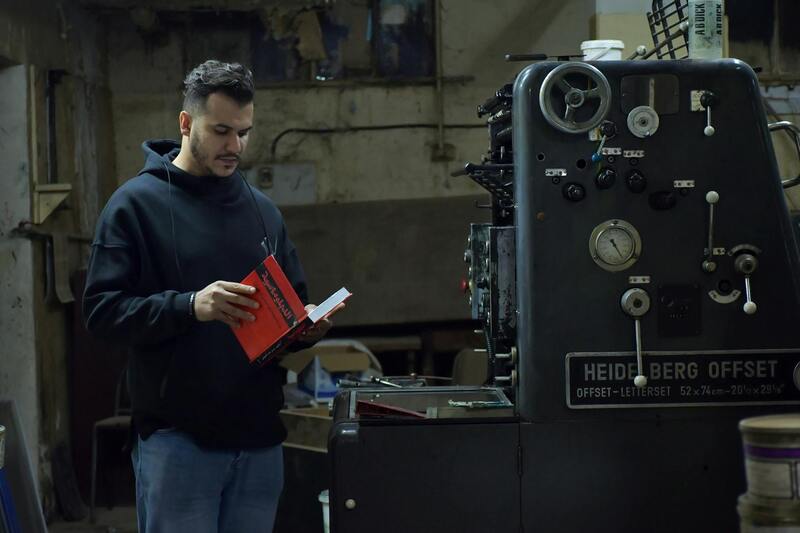
Successful large photo printing involves meticulous planning, including selecting appropriate dimensions and understanding the latest industry developments. Such awareness ensures that the final product not only meets aesthetic expectations but also performs well in its intended setting, providing lasting satisfaction and visual impact.
Choosing the Right Material for Large Prints
Effective large size photo printing requires selecting the appropriate material that aligns with the intended display environment, durability requirements, and aesthetic preferences. Different materials offer distinct visual effects, texture options, and longevity, impacting the overall impression of the final print.
- Canvas: Known for its textured surface and classic appearance, canvas is ideal for creating artistic and gallery-quality large prints. It provides a slightly matte finish, reducing glare, and enhances color depth. Canvas prints are versatile, suitable for indoor display, and can be stretched over frames or mounted directly on walls.
- Vinyl: Widely used for both indoor and outdoor large-scale displays, vinyl offers excellent weather resistance and durability. It is suitable for banners, murals, and signage, especially when longevity and resistance to elements are priorities. Vinyl can be printed with vibrant colors and various finishes, including matte or gloss.
- Glossy and Matte Paper: These options are popular for high-resolution photographic displays. Glossy paper accentuates color vibrancy and sharpness, making images pop with a shiny finish. Matte paper, on the other hand, minimizes reflections and offers a softer, subtler appearance that reduces fingerprints and glare—ideal for framed photographs.
- Acrylic and Metal: For a modern, sleek aesthetic, printing onto acrylic or metal surfaces delivers exceptional vibrancy, sharpness, and a contemporary look. These materials are highly durable and resistant to fading, making them suitable for high-traffic or outdoor installations.
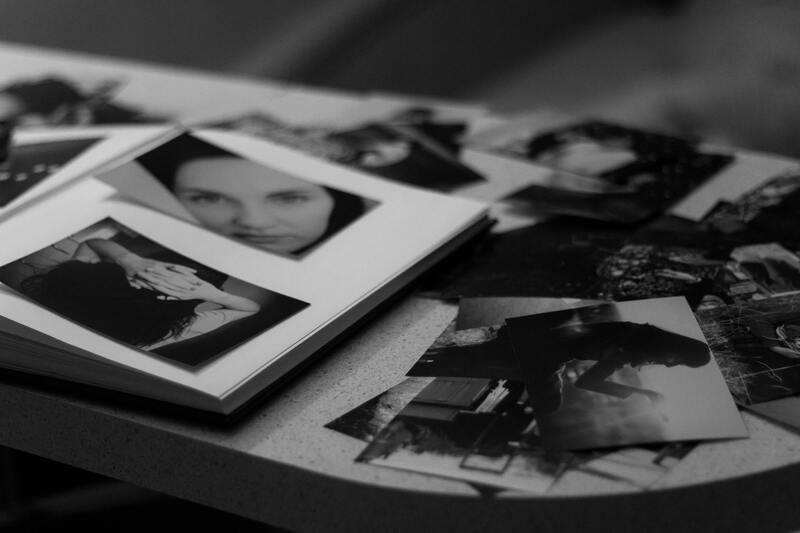
When selecting the material, consider factors such as the environment of display, required lifespan, and the desired visual texture. For example, a large mural in an outdoor setting would benefit from vinyl or metal, ensuring weather resistance and durability. Meanwhile, an interior decorative piece might be best served by canvas or fine art paper for a refined presentation. Proper material choice not only enhances visual appeal but also ensures that the print withstands environmental stresses and maintains its quality over time.
Selecting the Appropriate Printing Technology
Choosing the right printing technology is fundamental for achieving high-quality large size photo prints. Different methods offer varying levels of detail, color accuracy, and production speed. The most prevalent technologies in big-size photo printing include:
- Large-format Inkjet Printing: This technology is highly versatile and capable of producing high-resolution images on diverse substrates. Modern inkjet printers utilize advanced ink formulations that provide rich color fidelity, sharp details, and extensive color gamut. Specialized solvent or latex inks further enhance durability, making prints suitable for outdoor use.
- Solvent and Latex Printing: These printing methods are tailored for producing outdoor signage, billboards, and murals. They provide weatherproofing, resistance to UV rays, and environmental safety. Latex printers, in particular, are noted for environmentally friendly inks and vibrant color reproduction.
- UV Printing: UV-technology allows for direct printing onto rigid surfaces such as acrylic, wood, and metal, offering high precision and durability. It dries instantly, enabling immediate handling and installation.
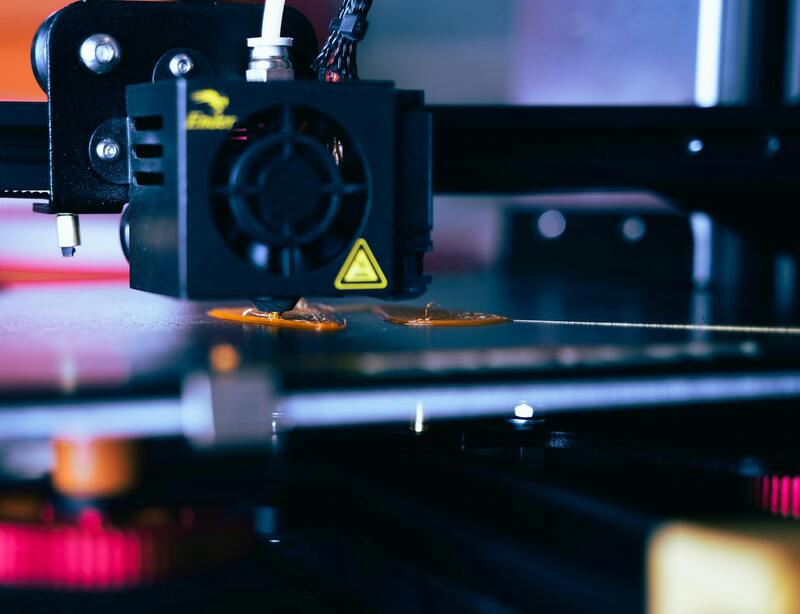
Your choice of technology should align with the desired quality, production speed, and material compatibility. For instance, for highly detailed photographic images with accurate color gradations, inkjet printing remains the most reliable solution. If durability in outdoor conditions is a priority, opt for solvent or latex printing techniques that guarantee longevity and surface resilience.
Preparing High-Resolution Images for Large-Format Printing
Ensuring your image is optimized for large size printing involves careful preparation to avoid pixelation and loss of detail. Since enlarging images without proper resolution can result in blurry or pixelated output, adhering to specific guidelines is crucial.
- Use High-Resolution Files: Aim for a resolution of at least 150-300 DPI at the final print size. For instance, a 24x36 inch print should ideally be based on an image of 3600x5400 pixels, ensuring clarity and sharpness.
- Image Format: Save files in lossless formats such as TIFF or PSD to prevent compression artifacts. These formats maintain image quality during the printing process.
- Color Profile Management: Embed ICC profiles or convert images to the CMYK color space to match printing inks, facilitating accurate color reproduction.
- Adjust for Viewing Distance: For large prints intended to be viewed from a distance, slight reductions in resolution are acceptable. Conversely, close-up displays demand higher resolution to maintain detail integrity.
- Optimal Lighting Conditions: Ensure the image is properly lit during the review process to assess color accuracy and contrast accurately.

Additionally, it is advisable to work with professional image editors or use dedicated software designed for large-format printing to fine-tune sharpness, color balance, and contrast. This ensures that every pixel contributes effectively to the overall image quality when scaled to large dimensions.
Understanding Big Size Photo Printing
Creating stunning large-format photographs requires meticulous attention to detail throughout the entire process. From selecting the appropriate printer and materials to preparing the digital file, each step influences the final visual impact. When working with expansive images, it is essential to consider how resolution, color accuracy, and material properties come together to deliver quality results that truly stand out.
To achieve optimal results, start with high-resolution files that match or exceed the pixel dimensions required for your final print size. This means ensuring your digital image has enough detail to prevent pixelation when enlarged. For instance, a print measuring 4x6 feet should be based on an image with a minimum resolution of 150-300 DPI, translating to approximately 7200x10800 pixels for a sharp, detailed image. Low-resolution files will inevitably appear blurry or pixelated, undermining the image's visual impact.
Choosing the Right Material for Large Prints
The material chosen for big photo prints significantly influences durability, appearance, and overall presentation. Common options include vinyl banners, canvas, matte or gloss photo papers, and specialty substrates such as acrylic or metal panels. Each material offers specific advantages:
- Vinyl: Ideal for outdoor applications due to its weather resistance and durability. Suitable for banners and large signage.
- Canvas: Provides a textured, artistic look perfect for gallery displays. It adds depth and visual interest to large photos.
- Photo Paper (Matte & Gloss): Excellent for indoor displays where color vibrancy and detail are priorities. Glossy finishes enhance contrast, while matte reduces glare.
- Acrylic or Metal Panels: Offer a modern, sleek appearance with high durability and vivid color reproduction, commonly used for upscale interior decor.
Choosing the appropriate material involves balancing visual goals, environmental conditions, and budget constraints. It is advisable to consult with print professionals to select the best substrate that aligns with your specific needs, ensuring a harmonious blend of aesthetics and longevity.
Preparing High-Resolution Images for Large-Format Printing
Proper image preparation is critical when preparing files for large-scale printing. It involves not just high resolution but also proper file formats, color adjustments, and sizing. Save your images in lossless formats like TIFF or PSD to retain maximum quality during the print process. Embedded color profiles help maintain color consistency across different devices, especially when converting to CMYK for professional printing. Prior to finalizing the file, perform color correction and sharpening to ensure that the print will accurately reflect your creative intent.
Additionally, it is beneficial to work closely with professional image editors or utilize specialized software designed for large-format printing. These tools facilitate detailed adjustments, such as noise reduction, contrast enhancement, and sharpening, directly contributing to a more precise and vibrant final output. Proper preparation minimizes the risk of artifacts and ensures every pixel contributes effectively to the overall visual hierarchy when scaled to large dimensions.
Color Management and Proofing
Accurate color reproduction is paramount for large photo prints. Implementing a comprehensive color management workflow involves calibrating monitors, using color profiles, and creating printed proofs. These proofs allow you to evaluate color fidelity and make necessary adjustments before committing to the final print. Consistency between digital files and printed images requires collaboration with experienced print technicians who utilize spectrophotometers and calibration tools to match the on-screen colors with the physical output.
Installation and Display Tips
Once your big photo print is ready, proper installation is crucial to preserve its visual quality. Use appropriate mounting hardware, ensuring even tension and secure attachment, especially for large or heavy materials like canvas or acrylic. When displayed indoors, avoid direct sunlight to prevent fading, and consider controlled lighting to enhance visibility. For outdoor displays, consider weather-resistant mounting options, and protect large prints with suitable coatings to extend their lifespan.
Cost Factors and Budgeting for Big Photo Prints
Budgeting for large-format photo printing involves considering various expenses, including material choices, print size, and complexity of finishing processes. High-quality substrates and advanced printing techniques naturally incur higher costs. Efficient planning and clear communication with your printing service can help balance quality requirements and budget constraints, ensuring your investment results in impressive, durable large-scale images.
Selecting a Printing Service for Big Size Photos
When choosing a printing provider for your large photo projects, prioritize those with proven expertise in large-format printing and a comprehensive range of materials. Look for businesses that offer color calibration, proofing services, and advanced printing technology. Transparent pricing, reliable turnaround times, and a portfolio showcasing previous large-scale projects help ensure your expectations are met while safeguarding the quality of your final print.
Understanding Big Size Photo Printing
Big size photo prints serve as striking visual statements, transforming any space with their vivid details and captivating imagery. To ensure your large-format images are both impactful and long-lasting, it’s essential to understand the nuances of production processes. The foundation begins with choosing the right digital image; high-resolution files with ample pixel density are critical for producing sharp, clear large prints without pixelation. Low-resolution images will inevitably appear blurry or pixelated when scaled up, diminishing their visual appeal and impact.
Matching the aspect ratio of your image to the desired print size helps prevent unwanted cropping or stretching, preserving the original composition. It is advisable to work with images that have at least 300 DPI (dots per inch) at the final print dimensions to guarantee fine detail retention. When preparing images, consider editing tools for sharpening and contrast adjustment, which can enhance the visual impact once printed at a large scale. These adjustments should retain the image’s natural integrity, avoiding over-editing that could introduce artifacts when enlarged.
Choosing the Right Material for Large Prints
The selection of material profoundly affects both the appearance and durability of big photo prints. Common options include:
- Photo Paper: Ideal for indoor displays, offering vibrant colors and sharp details. Glossy finishes enhance color depth, while matte options reduce glare and fingerprints.
- Canvas: Provides a textured, artistic look that suits large artistic displays. Canvas prints are often stretched over frames, giving a gallery-like presentation.
- Acrylic: Delivers a modern, sleek aesthetic with high clarity and depth. Acrylic coatings also provide weather resistance for outdoor installations.
- Vinyl or Banner Material: Suitable for large outdoor advertisements, banners, or temporary displays, where weatherproofing and flexibility are priorities.
For outdoor applications or high-traffic environments, weather-resistant materials like laminated vinyl or specially coated acrylic can prevent fading and surface damage. Conversely, indoor displays benefit from archival-quality papers or canvas with UV protective coatings to maintain color fidelity over time. Collaborating with a knowledgeable print provider helps in selecting the optimal material suited for your specific environment and aesthetic goals.
Selecting the Appropriate Printing Technology
The core printing process determines the quality and color accuracy of your big photo print. Two prominent technologies are frequently used in large-format printing:
- UV Printing: Utilizes ultraviolet light to instantly cure inks on various substrates. This method excels in producing vibrant colors with excellent adhesion, especially on non-porous surfaces like acrylic or metal.
- Inkjet Wide-Format Printing: Employs high-precision nozzles to deposit tiny ink droplets directly onto media. Known for its superior color gamut and fine detail reproduction, this method is widely favored for photographic and fine art prints.
Choosing the right technology depends on the intended use, environmental exposure, and desired finish. For instance, UV printing is preferred for outdoor signage due to its UV and weather resistance, while inkjet printing remains the gold standard for high-resolution photographic reproductions.
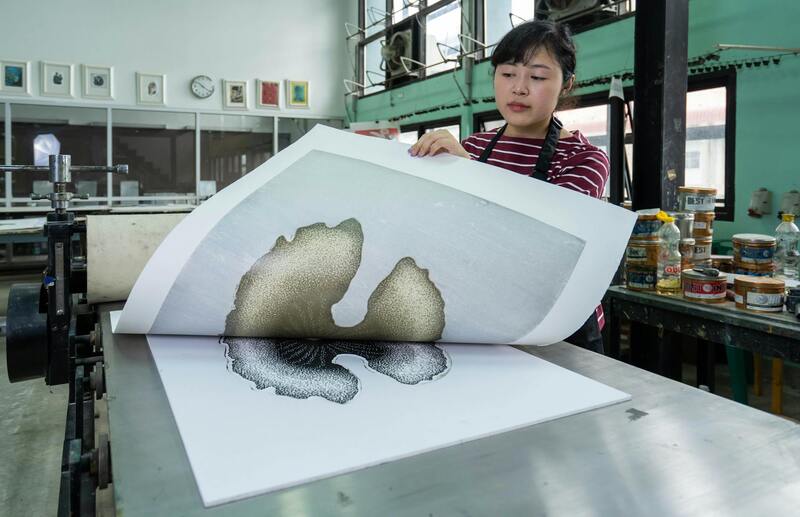
Consulting with experts ensures the selection of the most suitable technology to meet your aesthetic and functional requirements. The synergy between material and printing method ultimately ensures a vivid, high-quality final product that retains its visual integrity over time.
Understanding Big Size Photo Printing
Big size photo printing enables individuals and businesses to transform their visual content into impactful displays that capture attention and evoke emotion. When considering large-format prints, it's essential to understand how various elements such as image quality, material choice, and printing technology come together to produce a stunning final product. High-resolution imagery is the foundation of an impressive large print; images that lack sufficient detail can result in blurry or pixelated visuals once enlarged. Therefore, preparing images with appropriate resolution and clarity is paramount to ensuring that your photo retains its sharpness and vibrancy on a grand scale.
The process involves more than just enlarging a photo; it is about adapting the image to match the scale without compromising quality. This often requires a thorough assessment of your original image's resolution, color profile, and noise levels. Advanced software tools can aid in upsizing images while maintaining clarity, but working with professional printers ensures optimal results. They use techniques such as image interpolation and color calibration to enhance visual fidelity. Additionally, understanding how viewing distance influences the perception of large-sized photos can help in planning the final display. Typically, larger prints are viewed from a greater distance, which allows for some flexibility in image resolution without sacrificing perceived quality.
The significance of frame choice, mounting options, and protective coatings also plays a role in the longevity and aesthetic appeal of big photos. Proper finishing not only enhances the visual impact but also guards against environmental factors such as UV rays, moisture, and physical wear. It is advisable to factor in the installation environment—whether Indoor or outdoor—finding a suitable material and protective method to preserve your investment.
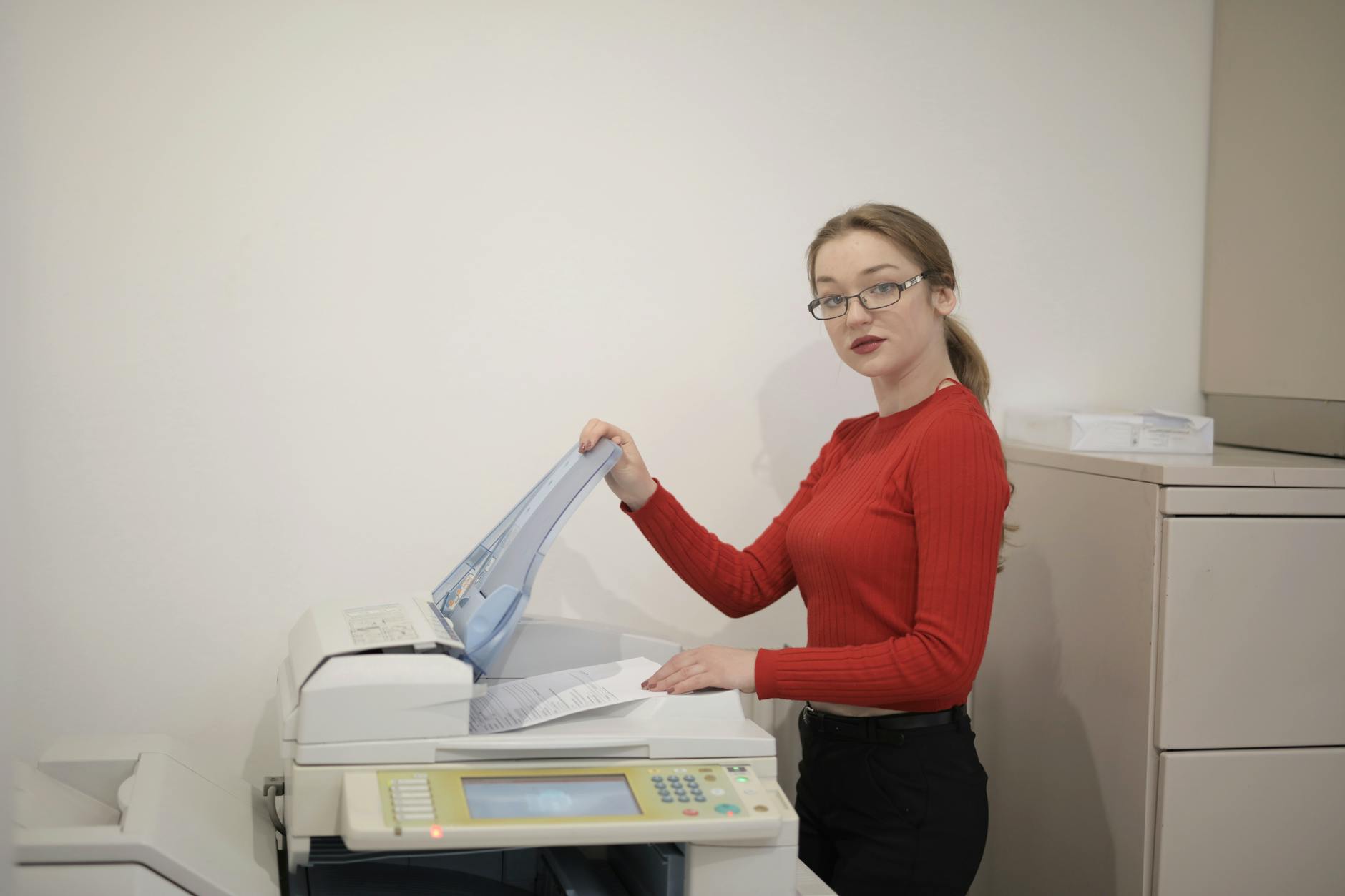
In addition to technical considerations, collaborating with a reputable print provider can streamline the entire process. Industry leaders possess the expertise and equipment necessary to guarantee that your big photo print meets your expectations. They will assist in optimizing image resolution, selecting the ideal material, and applying finishing touches that enhance durability and appearance. Ultimately, understanding the intricacies of big size photo printing ensures you create a display piece that makes a truly captivating statement, whether for personal decoration, brand marketing, or public art installations.
Understanding Big Size Photo Printing
Big size photo printing involves transforming high-resolution digital images into large-scale physical displays that retain clarity and color vibrancy, even at substantial dimensions. This process requires careful consideration of multiple factors, including the choice of materials, the appropriate printing technology, and image preparation techniques. The goal is to produce a print that not only captures the visual essence of the original image but also withstands environmental conditions over time. Large format printing is utilized in various contexts—from fine art exhibitions and promotional displays to home décor and corporate branding—making it essential to understand the nuances that influence the final output.
When embarking on big size photo printing, it is crucial to collaborate with experienced providers who use cutting-edge equipment and adhere to best practices. This ensures that your large-format print will be sharp, color-accurate, and durable. Additionally, being aware of the physical constraints of the printing process—such as maximum dimensions, resolution limits, and material compatibility—serves as a foundation for achieving high-quality results. This understanding helps in selecting the right format, image resolution, and finishing options to create a captivating large-scale display that resonates with its intended audience.
Choosing the Right Material for Large Prints
Material selection plays a pivotal role in the longevity, appearance, and suitability of your big size photo print. Different substrates offer various benefits and are suited to specific environments and display purposes. Common options include:
- PVC Banner: Flexible, weather-resistant, ideal for outdoor applications and large banners that need to withstand environmental elements.
- Canvas: Offers a textured, artistic look suited for indoor displays, with options for gallery wraps or framed presentations.
- Vinyl: Durable and versatile, frequently used for murals and large-format signage.
- Aluminum Dibond: Provides a sleek, modern appearance with excellent durability, suitable for long-term outdoor or indoor displays.
- Backlit Film: Suitable for luminous displays, enhancing visibility in low-light conditions and creating vibrant visuals behind lighting fixtures.
Choosing the optimal material depends on the intended environment, durability requirements, and aesthetic preferences. For outdoor installations, weather-resistant substrates like PVC or aluminum are recommended. Indoor displays may benefit from canvas or high-quality laminated paper, depending on the desired visual texture. Proper material selection ensures your big size photo print maintains its visual appeal and structural integrity over time.
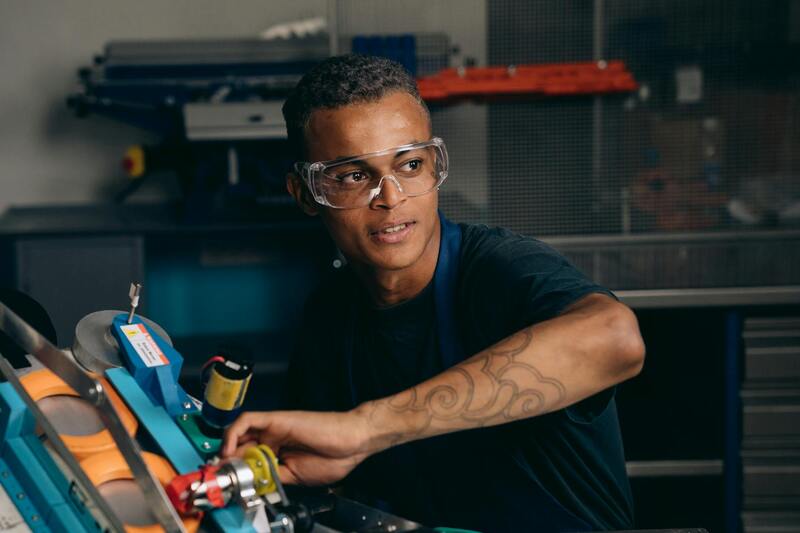
Selecting the Appropriate Printing Technology
The technology used in large-format printing significantly influences the quality, speed, and color fidelity of the final product. Two predominant types of printing techniques are widely adopted:
- Inkjet Printing: This method employs high-precision inkjet heads that spray tiny droplets of ink directly onto the substrate. It is favored for its exceptional color accuracy, smooth gradations, and ability to produce detailed images suitable for fine art, photography, and high-resolution murals.
- Solvent and Eco-Solvent Printing: These techniques use solvent-based inks that penetrate the material for increased durability, especially in outdoor settings. They are capable of printing on a variety of substrates and offer excellent weather resistance. Eco-solvent options provide a more environmentally friendly solution with comparable performance.
Choosing the right technology depends on factors such as intended use, environmental exposure, and desired finish. Inkjet printers with advanced multi-pass heads can deliver high-resolution images with rich color depth, making them ideal for premium photographic prints. Conversely, solvent-based printers excel in producing large, durable, and vibrant graphics for outdoor or high-utilization environments.
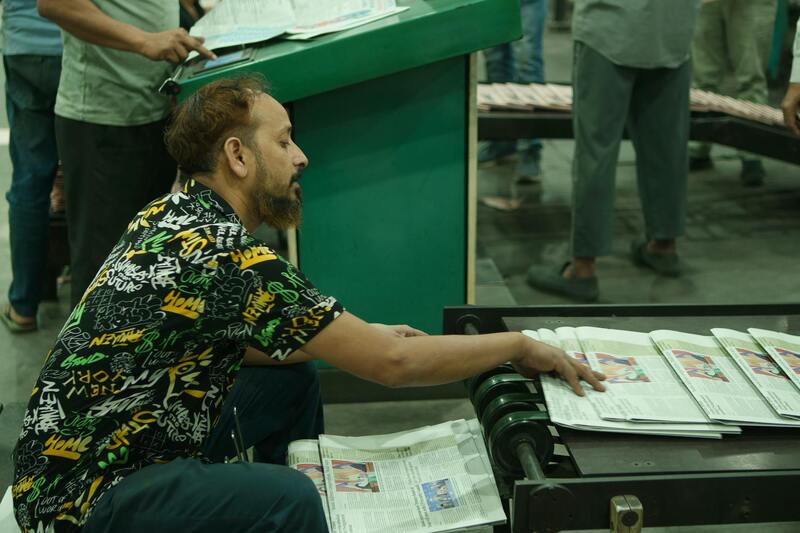
Preparing High-Resolution Images for Large-Format Printing
Image preparation is a fundamental step in achieving stunning large size photo prints. To ensure clarity and detail, images should be optimized for large-format reproduction, which involves:
- Resolution: Use images with a minimum of 150-300 DPI at the final print size. For instance, a 4-foot wide print should ideally have an image resolution of at least 1800 pixels in width to maintain sharpness.
- File Format: Save images in lossless formats such as TIFF or high-quality JPEG to preserve detail and color information.
- Color Space: Convert images to a suitable color profile, such as Adobe RGB or sRGB, to match the printer’s color gamut and ensure accurate color reproduction.
- Retouching and Correction: Perform necessary adjustments for brightness, contrast, and color balance. Eliminating noise and sharpening details enhances overall image quality.
- Crop and Composition: Frame the image considering the final print dimensions and viewing distance. Allow space for borders or framing if needed.
High-quality image preparation is essential in translating digital artwork into large-format prints that captivate viewers. Consulting with your printing service about specific resolution requirements and file specifications can further streamline the process and optimize output quality.
Color Management and Proofing
Effective color management techniques ensure that the colors seen on your screen accurately translate to the final printed piece. This includes calibrated monitors, color profiling, and test prints:
- Monitor Calibration: Regularly calibrate your display to match industry color standards, facilitating consistent editing and proofing.
- Color Profiling: Utilize ICC profiles to manage how colors are rendered throughout the workflow, from digital file to final output.
- Soft Proofing: Simulate how images will appear once printed, allowing adjustments before the actual print process begins.
- Hard Proofing: Produce small-scale or partial proofs on the same material to verify color accuracy and overall appearance.
Proactive color management minimizes unexpected outcomes, ensuring that the final large photo print aligns with your creative vision and expectations. This meticulous approach enhances overall satisfaction with the result and ensures the print remains true to the original image’s intent.
Understanding Big Size Photo Printing
Creating large-format photographs that captivate and inspire requires careful consideration of various technical and aesthetic factors. Big size photo printing involves translating high-resolution digital images into prints that can be displayed prominently, often in commercial or personal settings. These prints serve as impactful visual statements, whether utilized for gallery exhibitions, advertising displays, or home decor. The success of a large-format print hinges on meticulous planning, from selecting suitable materials and printing methods to preparing images that retain sharpness and color fidelity at expansive sizes.
One of the primary challenges in big size photo printing is maintaining image quality during scaling. Digital files intended for large-format printing should have sufficient resolution and detail to prevent pixelation or blurriness when enlarged. Additionally, understanding the viewing distance helps determine optimal print dimensions, ensuring that viewers appreciate the image without noticing imperfections. When printing digital photographs at a significant scale, every element—from color accuracy to print surface texture—contributes to a visually engaging and durable final product.
Choosing the Right Material for Large Prints
The selection of a suitable printing substrate is crucial for achieving desired visual effects and ensuring longevity. Common materials used in big size photo printing include:
- Vinyl: Extremely durable and weather resistant, making it suitable for outdoor banners and signage. It provides a smooth surface that enhances vibrant color reproduction.
- Canvas: Offers a textured finish that lends a classic, artistic feel to photographs. Canvas prints are ideal for interior settings and can be stretched or framed for an elegant display.
- Backlit Film: Designed specifically for lightbox displays, this material enhances luminous effects and is perfect for retail or promotional environments.
- Metal (Aluminum): Provides a sleek, modern aesthetic with excellent durability and color fidelity. Metal prints resist scratches and environmental factors, making them suitable for high-traffic areas.
- Paper: High-quality photographic or fine art paper can be used for indoor displays, offering a broad range of finishes—from glossy to matte—that influence visual impact.
Each material offers distinct advantages and challenges. When selecting the right substrate, consider the intended display environment, required lifespan, and aesthetic preferences. Consulting with a professional printing provider can help identify the most suitable options based on your specific needs and vision.
Selecting the Appropriate Printing Technology
The printing method plays a vital role in the final quality and texture of big size photo prints. Two primary technologies dominate large-format printing:
- Inkjet Printing: Known for its high resolution and rich color reproduction capabilities, inkjet printers utilize multiple ink cartridges to produce detailed images across various materials. Technologies such as UV or aqueous inkjet printing enable vibrant and durable results suitable for both indoor and outdoor use.
- Solvent and Eco-Solvent Printing: These methods employ solvent-based inks that adhere well to non-porous surfaces like vinyl and metal. They provide excellent weather resistance and color vibrancy, making them ideal for large outdoor signage and banners.
Choosing the appropriate technology depends on the project's specific requirements, such as image detail, substrate compatibility, environmental exposure, and budget constraints. An experienced printer can advise on the best technology to achieve the desired quality and lifespan.
Preparing High-Resolution Images for Large-Format Printing
High-quality image preparation is fundamental to achieving crisp, detailed large prints. Start with a digital file that has a resolution suitable for the final print size—generally, a minimum of 150-300 DPI at the intended dimensions. For instance, a print measuring 5 feet by 7 feet should ideally originate from an image with a resolution of around 300 DPI at those dimensions to preserve detail.
Key considerations include:
- Image Resolution: Ensure your image has enough pixels to prevent pixelation when scaled up. Use image editing software to verify resolution and dimensions.
- File Format: Save images in lossless formats such as TIFF or high-quality JPEGs, maintaining maximum detail.
- Color Profiles: Embed appropriate ICC color profiles to maintain color consistency through the printing process.
- Image Sharpness and Clarity: Employ sharpening techniques as necessary while avoiding oversharpening, which can introduce artifacts at large sizes.
Color Management and Proofing
Accurate color reproduction is vital to ensure that your large-format print matches your vision. Implementing a comprehensive color management workflow involves:
- Monitor Calibration: Regularly calibrate your display to align with industry color standards, enabling precise editing and proofing.
- ICC Profiles: Use color profiles tailored to your printer and material to ensure consistent color rendition throughout the process.
- Soft Proofing: Utilize software tools to simulate how the image will look once printed, allowing corrections before the printing phase.
- Hard Proofs: Produce small-scale proofs or samples on the actual material to verify color accuracy and overall appearance before proceeding with the full-sized print.
This meticulous process minimizes surprises and guarantees that the final large photo print faithfully reflects your creative intent and color precision.
Understanding Big Size Photo Printing
Creating large-format photographs requires specialized techniques and equipment to ensure clarity, color accuracy, and longevity. Large photo prints serve as impactful visual displays, whether for professional exhibitions, interior decor, or promotional purposes. The process begins with selecting high-resolution images that can handle magnification without loss of detail. The printing process itself involves precise alignment of ink droplets, detailed color management, and the use of durable materials to guarantee that the final product remains vibrant and intact over time. Understanding the intricacies of large photo printing is essential for achieving a result that truly captures the essence of your original image.
Choosing the Right Material for Large Prints
Material selection plays a crucial role in how your large photo print appears and withstands environmental factors. Options include:
- Gallery Wrap Canvas: Ideal for a textured, artistic look, offering durability and a classic aesthetic.
- Glossy Photo Paper: Suitable for vibrant color reproduction with a shiny finish, perfect for indoor displays.
- Matte Photo Paper: Reduces glare and reflections, making it suitable for areas with ambient lighting or large viewing distances.
- Vinyl or Inkjet Banner Material: Designed for outdoor applications, resistant to weather and UV exposure.
The choice depends on the environment where the image will be displayed, the desired visual effect, and longevity requirements. Quality control during material selection ensures your print maintains its visual impact over time.
Selecting the Appropriate Printing Technology
The technology behind the printing process profoundly influences color fidelity, detail, and durability. Common methods include:
- UV Printing: Uses ultraviolet light to cure inks instantly, producing vibrant, weather-resistant images suitable for outdoor use.
- Solvent and Eco-Solvent Printing: Offers high durability and excellent color vibrancy, especially on flexible materials like vinyl.
- Latex Printing: Combines environmental benefits with high-quality output, providing flexible, long-lasting results.
- Pigment-Based Inkjet Printing: Ensures color stability over time, ideal for fine art reproductions and archival applications.
Choosing the right printing technology depends on factors such as material compatibility, environmental conditions, and color accuracy needs. Professional printers often combine these methods to maximize quality and durability.
Preparing High-Resolution Images for Large-Format Printing
High-resolution images are fundamental to producing crisp, detailed large-scale prints. Preparation involves:
- Ensuring Adequate Pixel Density: Use images with a minimum of 150-300 DPI at final print size for optimal clarity.
- Optimizing Image Dimensions: Resize images carefully to match the intended print dimensions without introducing artifacts.
- Adjusting for Scaling: Use image editing software to check and enhance sharpness, contrast, and overall quality, avoiding oversharpening that can create unwanted noise.
- Color Calibration and Profiles: Embed ICC profiles and work within accurate color spaces to ensure print fidelity.
Proper image preparation ensures your large print maintains the fine details and vibrant colors seen in the digital source, avoiding pixelation or blurriness when enlarged.
Color Management and Proofing
Color precision is critical when aiming to replicate the original image hues faithfully. The workflow includes:
- Monitor Calibration: Regular calibration of monitors ensures that the on-screen colors match the printer output.
- ICC Profile Usage: Applying printer- and media-specific profiles helps maintain consistent color reproduction.
- Soft Proofing: Simulate the printed output on your calibrated monitor to identify and correct color discrepancies before printing.
- Hard Proofs or Samples: Producing small test prints on the actual material confirms color accuracy and helps make adjustments for the final large-format print.
This meticulous approach minimizes surprises and guarantees that the final output aligns perfectly with your vision, ensuring a high-quality, true-to-color large photo print.
Installation and Display Tips
Proper installation sustains the visual impact of your large photo print over time. Consider the following:
- Surface Preparation: Ensure wall surfaces are clean, smooth, and free of debris for secure mounting.
- Hanging Hardware: Use appropriate fixtures such as heavy-duty hooks, rails, or brackets designed for large and heavy materials.
- Alignment and Leveling: Utilize a level tool to achieve a straight, professional appearance.
- Protection and Framing: For added durability, consider framing, especially with materials like canvas or paper, to prevent damage.
- Environmental Considerations: Place the print away from direct sunlight, excessive humidity, or areas prone to physical contact, to prolong its lifespan.
Regular cleaning with soft, damp cloths and avoiding harsh chemicals help maintain the clarity and vibrancy of the print.
Cost Factors and Budgeting for Big Photo Prints
Costs associated with large photo printing can vary significantly based on several key factors:
- Print Size and Dimensions: Larger sizes naturally incur higher material and labor costs.
- Material Selection: Premium or specialized materials may increase the overall expense.
- Printing Technology: Advanced techniques like UV or latex printing tend to be more costly but offer superior results.
- Color Accuracy and Proofing: Multiple proofing and color adjustments can add to the timeline and costs.
- Installation: Professional mounting and framing services contribute to the final expense.
Budget planning should include these factors alongside desired longevity and display environment. While investing in high-quality materials and technology ensures a remarkable visual outcome, it is essential to work collaboratively with your printing service provider to optimize quality within your budget constraints.