Understanding Oversize Photo Prints
Oversize photo prints have become an essential element in modern visual storytelling, home decor, and commercial displays. These large-format images, typically exceeding standard print dimensions, are ideal for making a significant visual impact in various environments. Their primary uses include transforming blank wall spaces into captivating art galleries, creating eye-catching promotional displays in retail and hospitality venues, and enhancing cultural or artistic exhibitions with detailed, larger-than-life visuals.
In the realm of interior design, oversize photo prints serve as statement pieces that add personality and atmosphere to living rooms, offices, or public spaces. They enable homeowners and designers to showcase cherished memories or stunning imagery in scale that commands attention. Similarly, in the commercial sector, retailers leverage expansive visuals to highlight products, brand stories, or seasonal campaigns, thus drawing customers and increasing engagement. Art museums and galleries also utilize large-scale prints to exhibit photographic works that demand a grander presentation, offering viewers an immersive experience.

Achieving high-quality oversize prints requires meticulous planning, precise technical execution, and a strategic understanding of various factors that influence the final output. From the choice of materials to the technical specifications of printing equipment, every detail counts in delivering a product that displays clarity, color accuracy, and durability. As printing technology advances, options for high-resolution output and durable finishes have expanded, making it feasible to produce oversize photo prints that retain the fine details of the original image and withstand environmental factors.
Furthermore, the effective utilization of oversize prints depends on selecting the appropriate applications and environments. For example, a large outdoor billboard needs weatherproof materials and UV-resistant inks, while a wall-mounted gallery piece may prioritize fine art paper and protective coatings. Understanding the primary uses helps in tailoring the production process to meet specific aesthetic and functional requirements, ensuring that the final product maintains its visual impact over time and in various settings.
Types of Materials and Finishes
When selecting oversize photo prints, the choice of material and finish plays a vital role in achieving the desired aesthetic and durability. Each material is designed to suit specific environments and display needs, ensuring that the large-format images retain their impact and longevity. Understanding these options allows for an informed decision that aligns with both the functional and artistic objectives of the project.
Glossy finishes are renowned for their vibrant color reproduction and sharp details, making them ideal for images where color pop and clarity are paramount. They provide a sleek, polished appearance but can be prone to glare, which may influence where and how the print is displayed. Matte finishes, on the other hand, offer a non-reflective surface that minimizes glare and fingerprints, making them suitable for large gallery walls or high-traffic areas. Canvas materials lend a textured, fine art feel to photographs, adding depth and a classic aesthetic that enhances the visual appeal of landscapes, portraits, and artistic compositions.
Metallic finishes, available on substrates like aluminum, impart a luminous quality to images, emphasizing metallic tones and creating vivid, eye-catching displays. They are particularly effective for modern, contemporary designs and can withstand environmental elements when printed on weather-resistant surfaces. Fine art papers provide a high-quality, archival surface suitable for art-focused prints, offering superior color accuracy and detailed resolution. These papers come in different textures, from smooth to linen, and are often chosen for museum-grade displays or interior decorations where longevity and finesse are prioritized.
In addition to the substrate, protective coatings and finishes such as gloss, matte, or satin layers further influence the print’s appearance and durability. Glossy coatings enhance color vibrancy but can reflect light, while matte coatings offer a subdued, elegant look with reduced glare. Satin finishes provide a balanced middle ground, combining softness and vibrancy while minimizing reflections. The choice of finish should coordinate with the intended placement and lighting conditions to maximize the visual impact of the oversized photo print.
The technological advancements in printing materials have expanded options to produce large-scale photos that are not only visually striking but also resistant to environmental factors like UV exposure, moisture, and scratches. This ensures that oversized photo prints installed in outdoor or high-traffic zones maintain their quality over time, ultimately preserving their intended artistic or promotional statement.
Understanding Oversize Photo Prints
Oversize photo prints serve as bold visual statements, transforming large-scale images into captivating focal points within various settings. Achieving optimal quality in these prints involves a nuanced understanding of the printing process, material selection, and display techniques. This segment explores the fundamentals necessary for creating impactful oversized images that retain clarity, color fidelity, and durability over time.
Defining Oversize Photo Prints
Oversize photo prints typically refer to large-scale images exceeding standard dimensions, often measuring over 24 inches in width or height. These prints are frequently used for murals, wall art, promotional displays, or decorative installations in both commercial and residential environments. The process of producing oversize prints demands precision, especially in maintaining image resolution and color accuracy across expansive surfaces.
Technical Considerations for Oversize Printing
The quality of an oversized photo print hinges on multiple technical elements, including resolution, scaling, and printing technology. For large images, ensuring a high dpi (dots per inch) is essential; typically, a minimum of 150 dpi at the final print size guarantees sharpness and detail. Printing at lower resolutions can result in pixelation or loss of clarity, undermining the visual impact of the final piece.
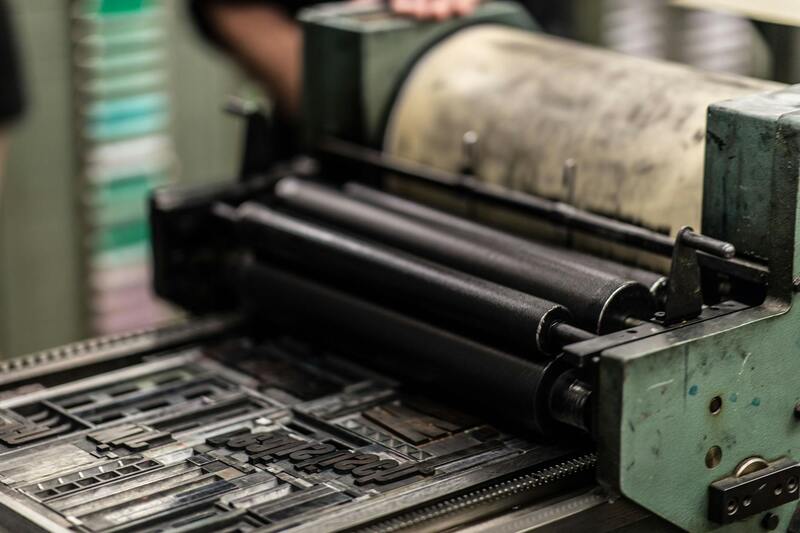
Utilizing advanced printing technologies helps maintain image fidelity. Inkjet printing, widely regarded for its precise ink deposition and vibrant color production, is a prevalent choice for large photo prints. UV printing offers the advantage of instant curing, providing resistant surfaces suitable for outdoor or high-touch environments. Dye-sublimation prints are preferred for fabric-based surfaces, creating vibrant, durable images with excellent color depth.
Material Selection and Image Longevity
The substrate material significantly influences the appearance and lifespan of oversize photo prints. Common options include high-quality vinyl, canvas, PVC, or specialized films designed for large-format outputs. Each material offers unique textures and finishing options, from matte to glossy, to match the aesthetic intention of the display.
- Vinyl: Durable, weather-resistant, ideal for outdoor murals or high-traffic areas.
- Canvas: Creates a fine art effect, suitable for interior decoration with a textured finish.
- PVC or rigid substrates: Perfect for sign applications that require rigidity and clarity.
Protective coatings enhance the lifespan of oversized prints by guarding against UV light, moisture, and scratches. Matte finishes help reduce glare, making the images easier to view under bright lighting conditions, while gloss layers amplify vibrancy for a more striking appearance. Satin offers a compromise, balancing glare reduction and color richness.
Color Management and Calibration
Accurate color reproduction in large-format prints requires meticulous calibration of printers and monitors involved in the workflow. Color profiles ensure consistency between the digital image and the printed result, preventing undesired shifts or dulling of hues. Calibration tools and color management software are instrumental in achieving predictable, high-quality outputs that match the original vision.
Display and Mounting Considerations
Once printed, proper framing and mounting are critical for optimal presentation and preservation. Aluminum frames or lack of framing with direct wall mounts are common choices, offering sleek, modern aesthetics. For added protection, especially in outdoor installations, encapsulation with UV-resistant laminate or glass shields extends the lifespan of the print and maintains visual clarity.

The choice of display method impacts maintenance, accessibility, and longevity. For instance, stretched canvases lend a gallery-quality feel, while adhesive vinyl applications provide seamless integration into surfaces. Consider environmental factors such as humidity, sunlight exposure, and physical contact when selecting a mounting strategy to ensure the longevity and pristine condition of the oversize photo print.
Understanding Oversize Photo Prints
Oversize photo prints are distinguished by their expansive dimensions, typically exceeding standard photo sizes to create impactful visual statements. These large-format images serve various purposes, from commercial displays and gallery exhibitions to personal wall art that transforms a living space into a captivating environment. Their size allows for detailed viewing and creates an immersive experience, yet producing such prints involves specific considerations to ensure clarity, color fidelity, and durability.
To successfully produce oversize photo prints that meet professional standards, it is vital to understand the nuances of high-resolution requirements, material choices, and printing techniques. Proper alignment of these elements ensures that the final product maintains crisp detail, accurate color representation, and an appealing aesthetic. When selecting an oversize photo print service, verifying their adherence to industry best practices and the availability of advanced printing technologies can greatly influence the outcome.
Types of Materials and Finishes
The material selection for oversize photo prints plays a pivotal role in their visual impact and longevity. Several options cater to different display environments and aesthetic preferences:
- Canvas: Offers a textured surface that adds an artistic touch, making it ideal for gallery-style displays. It is often stretched over a wooden frame for easy mounting.
- Aluminum and Metal Prints: Provide a sleek, modern look with a high-gloss or matte finish. These materials are durable and resistant to elements, making them suitable for outdoor installations.
- Acrylic: Known for its clarity and vibrant color reproduction, acrylic prints can be face-mounted on smooth surfaces for a contemporary feel. Finishes range from glossy to matte, influencing glare and color vibrancy.
- Vinyl and Adhesive Films: Designed for large-scale wall applications, these materials conform to curved surfaces and are often used for temporary or commercial displays.
Complementing material choice are various finishes that impact aesthetics and protection:
- Glossy: Enhances color saturation and depth, ideal for vivid imagery but may introduce glare.
- Matte: Reduces glare and provides a sophisticated, muted appearance, suitable in brightly lit environments.
- Satin: Offers a balance between gloss and matte, providing a soft sheen that minimizes reflections while maintaining rich colors.
Printing Technologies and Quality
Achieving high-quality oversize photo prints relies heavily on advanced printing technologies. Inkjet printers with large-format capabilities are predominantly used due to their ability to produce detailed, high-resolution images with color accuracy and smooth gradations. These printers employ piezoelectric or thermal inkjet heads that deposit microscopic ink droplets with precision.
Key aspects of printing quality include:
- Resolution: A minimum of 300 DPI is recommended for large prints to ensure sharpness without pixelation, especially when viewed from close distances.
- Color Management: Proper calibration of printers and monitors, along with consistent color profiles, guarantees that printed colors match digital images accurately.
- Inks: Archival-grade inks with UV-resistant properties prolong vibrancy and prevent fading over time, crucial for long-term display of outdoor or historical prints.
Modern printing services may also incorporate UV coating or lamination to enhance durability and confer additional protection against scratches, moisture, and environmental damage. Their expertise in handling large-format printing ensures that images are rendered with precise detail and consistent quality across the entire surface, regardless of size.
Advanced Printing Techniques for Oversize Photo Prints
Producing oversize photo prints with exceptional detail and color accuracy demands the use of cutting-edge printing technologies. Among the most prevalent are large-format inkjet printers, which utilize either piezoelectric or thermal inkjet head mechanisms. These printers excel at depositing microscopic ink droplets that build up intricate images with rich gradients and vibrant hues. This precision ensures that even the most subtle nuances in a photograph are rendered accurately, preserving the original intent and artistic expression.
Key aspects influencing the final quality include:
- Resolution: A resolution of at least 300 DPI (dots per inch) is essential for maintaining image sharpness at large scales. Higher resolutions prevent pixelation and ensure that details remain crisp, especially when viewers observe the print from closer distances.
- Color Management: Proper calibration of printers and monitors is critical. Using standardized color profiles guarantees consistency between digital files and the final printed image, ensuring colors are reproduced exactly as intended.
- Durable Inks: Employing archival-grade, UV-resistant inks prolongs the vibrancy of prints and guards against fading caused by environmental factors like sunlight and humidity. This is particularly vital for outdoor or high-traffic display settings.
Additional protective measures, such as UV coatings and lamination, are often integrated into the printing process. These layers confer extra durability, safeguarding against scratches, moisture, and other potential damages while maintaining visual clarity.
Professional Methods for Oversize Photo Prints
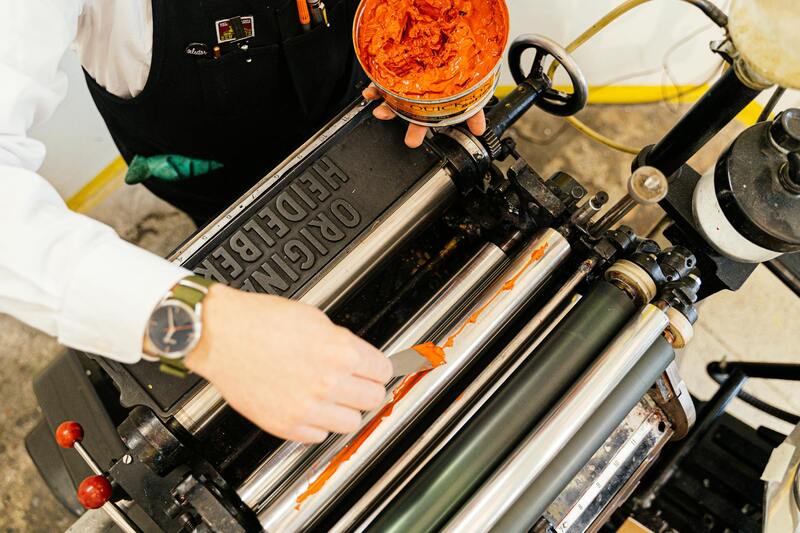
When it comes to creating large-format photo displays, relying on proven, high-quality printing techniques is essential to achieve the desired clarity, color fidelity, and durability. The most prominent method employed by qualified printing services involves the use of large-format inkjet printers equipped with advanced print heads capable of depositing ink with exceptional precision. These printers utilize either piezoelectric or thermal inkjet head mechanisms, delivering microscopic ink droplets that produce fine details and smooth gradations in color.
Consistent output quality is maintained through meticulous calibration of printer settings and color profiles, ensuring that the digital image is rendered faithfully on the physical medium. For premium results, professional printers use archival-grade inks that possess excellent resistance to fading, UV damage, and environmental contaminants, thus preserving the integrity of the print over time. The integration of protective coatings, such as UV-resistant lamination or varnishing, offers additional safeguard against scratches, moisture, and other external factors, making oversize photos suitable for both interior and exterior placement.
Materials and Finishing Options for Oversize Prints
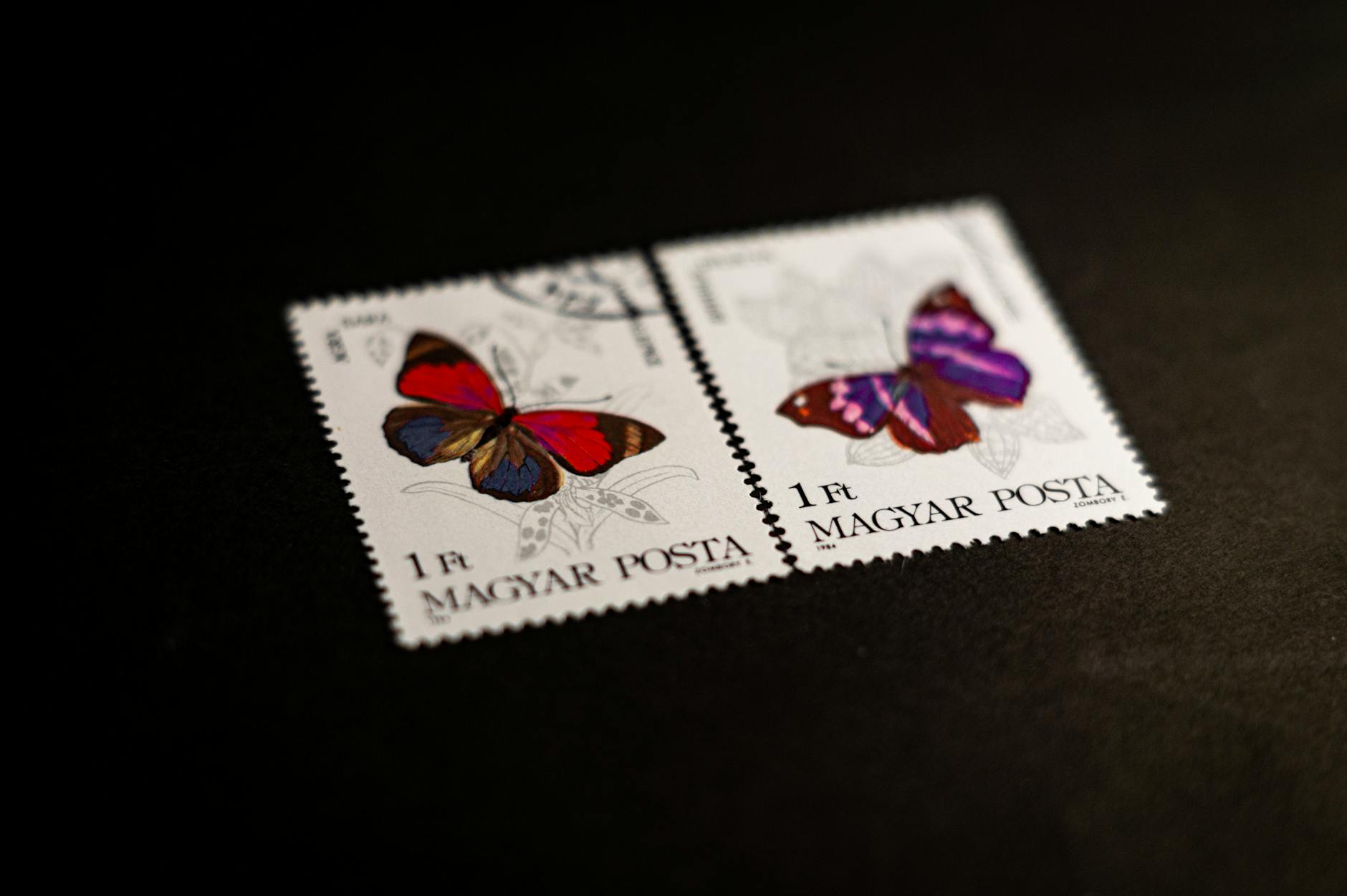
The selection of materials plays a vital role in the aesthetic and durability aspects of oversized photo prints. Professional printing shops typically offer a range of high-quality substrates, each suited for different display environments and stylistic preferences. Common choices include:
- Glossy photo paper: Enhances color vibrancy and detail, ideal for vivid imagery but may reflect light.
- Matte photo paper: Provides a non-reflective finish with softer tones, desirable for reducing glare in brightly lit areas.
- Canvas: Offers a textured, artistic feel that mimics traditional paintings, suitable for a classic look and ready for framing.
- Metal surfaces: Such as aluminum or Dibond®, deliver a modern aesthetic with excellent durability and are particularly resilient in outdoor settings.
- Acrylic panels: Provide a sleek, glossy finish with a sense of depth through face-mounting, perfect for contemporary display styles.
Finishing touches are equally important, including mounting options like face-mounting on acrylic or metal, framing choices, or custom mounting solutions for wall installation. Protective coatings and lamination options further enhance longevity and visual clarity, especially for artwork exposed to sunlight and environmental stressors.
Enhanced Printing Technologies for Superior Quality
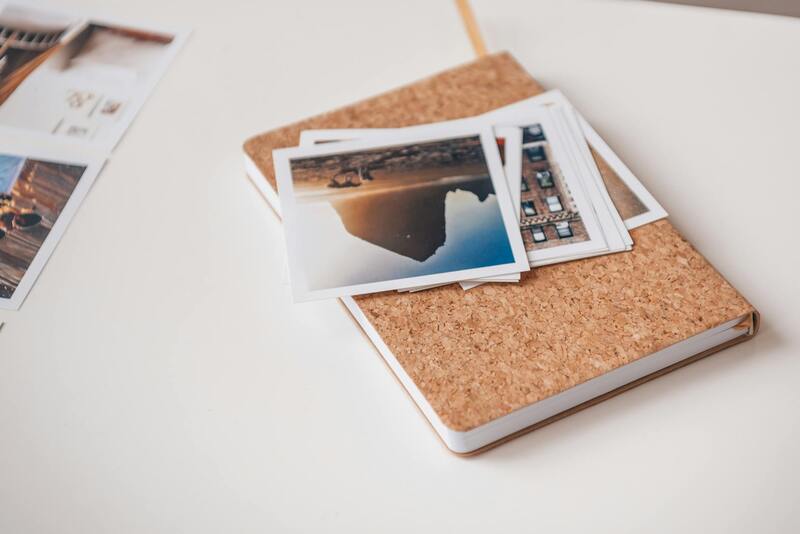
Advanced printing technologies continue to push the boundaries of large-format photo quality. In addition to traditional inkjet systems, some high-end printers leverage UV-curable or solvent-based inks that offer vibrant colors and increased durability for outdoor displays. Digital color management tools incorporated into these systems ensure precise color matching, even across large surfaces, maintaining consistency and accuracy from batch to batch.
Furthermore, emerging printing innovations such as hybrid printing methods and multi-layer applications allow for textured effects and enhanced robustness, which are especially advantageous for oversized prints that are subject to handling and environmental exposure. These technological advancements ensure that large-format images are produced with sharpness, depth, and fidelity matching professional standards.
Optimizing Size and Resolution for Large Photos
Effective oversize photo printing hinges on selecting the appropriate resolution and image dimensions. Generally, a resolution of at least 150–300 DPI is recommended for large prints viewed from typical distances; higher resolutions prevent pixelation during close inspection. Image files should be created or resampled to meet these standards before submitting for printing, considering the final physical dimensions.
Maintaining optimal resolution involves evaluating the original digital image quality, as enlargements beyond a certain point can introduce pixelation or softness. Software tools used for resizing and resampling should employ algorithms that preserve sharpness and detail, ensuring that the enlargement process does not compromise image integrity. Collaborating with experienced print providers allows for professional advice on final sizing and resolution settings, thereby maximizing visual impact without sacrificing clarity.
Understanding Oversize Photo Prints
Oversize photo prints are a popular choice for creating impactful visual displays, whether for interior decoration, commercial advertising, or personalized artwork. These large-format prints typically exceed standard poster sizes, often measuring several feet across, demanding specialized techniques and materials to achieve optimal quality. When properly executed, oversize photo prints can transform a space, create focal points, and evoke strong visual impressions by maintaining detail, color richness, and clarity across expansive surfaces.
Considerations for Oversize Photo Prints
- Image Resolution: To ensure high visual fidelity, images should be captured or created at sufficient resolution. Usually, a minimum of 150 DPI at the final print size is recommended to prevent pixelation, with higher resolutions preferred for closer viewing distances.
- Material Durability: Since oversized prints are more exposed to environmental factors, choosing durable, high-quality materials that resist fading, moisture, and physical damage is critical for longevity.
- Color Accuracy: Precise color management during printing ensures that the final output matches digital expectations, especially in professional settings where color fidelity is non-negotiable.
- Viewing Distance: Larger prints can be viewed from greater distances, allowing for some flexibility in resolution and detail. However, critical viewing spaces may require meticulous attention to image quality.

Media and Finishing Options for Oversize Prints
Choosing the right material and finish is pivotal for the success of oversize photo prints. Options include:
- Vinyl Banners: Cost-effective and weather-resistant, suitable for both indoor and outdoor displays.
- Canvas: Offers a textured, artistic look; ideal for wall art with a fine art feel.
- Aluminum and Metal Prints: Provide modern, sleek aesthetics with excellent durability and color reproduction.
- Acrylic: Creates a vibrant, glossy finish that enhances colors and details, often used for contemporary interiors.
- Matte vs. Glossy Finishes: Matte reduces glare, suitable for brightly lit areas, while glossy enhances color vibrancy and depth.
Innovative Finishing Techniques
Advanced finishing options such as UV coatings, lamination, and protective overlays further extend the lifespan of oversize prints by preventing scratches, fading, and environmental damage. These treatments also contribute to a smoother or textured surface, aligning with the aesthetic goals of the project.
Proper finishing enhances not only the visual appeal but also the structural integrity of large-format prints, ensuring they withstand handling and environmental exposure over time. The selection of appropriate finishing techniques depends on the intended use, location, and desired visual effect.
Comprehensive Approach to Oversize Photo Prints in Singapore
Creating impressive oversize photo prints requires meticulous attention to every stage of the process, from image preparation to the final display. Not only must the original digital files be of high quality, but also the printing and finishing techniques should align closely with the intended visual impact. This comprehensive strategy ensures that large-scale images are rendered with clarity, durability, and aesthetic appeal, enhancing any space in both residential and commercial environments.
Optimal Image Preparation for Large-Scale Prints
Ensuring your digital images are ready for oversize printing begins with assessing their resolution and detail. High-resolution files—typically 150-300 DPI at the final print size—are essential to maintain sharpness and prevent pixelation. It's advisable to use professional-grade editing software to adjust contrast, color balance, and sharpness, providing a guide for how the image will appear on a large scale.
In addition, color profiles should be calibrated to match the printing device's color gamut. Embedding appropriate color profiles in the image file ensures consistent color reproduction, which is particularly critical for large-format works where even minor deviations can be highly noticeable.
Advanced Printing Techniques for Oversize Photos
Modern large-format printers utilize highly sophisticated inkjet technology capable of producing vivid and detailed images on an array of materials. The choice of technology—such as UV-curable, solvent-based, or latex inks—affects the durability, color vibrancy, and environmental resistance of the final print.
High-end printers employ multi-pass printing methods, layering inks to increase depth and richness. This process is crucial for oversize photo prints, as it ensures consistency across wide surfaces, minimizing visible banding or streaking. Additionally, color management systems integrated into these printers optimize color accuracy, especially when reproducing complex color gradients or subtle tonal variations.

Choosing Suitable Materials for Extended Longevity
The material selected for printing plays a significant role in the durability and visual quality of oversize photos. For indoor applications, materials like canvas, acrylic, or fine art papers are favored for their aesthetic qualities. Canvas offers a textured, artistic feel, ideal for creating gallery-style wall art. Acrylic prints, with their high-gloss surface, enhance vibrancy and depth, adding a contemporary touch. Fine art papers, such as watercolor or archival matte, provide a classic look with excellent color reproduction.
For outdoor or high-traffic environments, weather-resistant materials like vinyl banners or aluminum panels are recommended. These materials withstand environmental factors such as moisture, UV exposure, and temperature fluctuations, ensuring the long-term preservation of your oversized images. Applying protective coatings, such as UV lamination or clear overlays, further enhances resistance against fading, scratches, and environmental damage.
Color Management for Precise Reproduction
Accurate color reproduction is vital when preparing large-format images. Using calibrated monitors and color-targeted workflows ensures that the digital preview aligns closely with the printed output. Soft-proofing techniques on calibrated screens simulate how colors will appear post-printing, allowing adjustments before production begins.
Implementing color calibration for printers involves regular maintenance, including calibration of ink and media profiles. This step ensures consistent color output over multiple print runs, avoiding shifts that could compromise the visual integrity of large photographic displays.
Installation and Display Considerations
Proper framing, mounting, and lighting enhance the visual impact of oversize photo prints. Frames not only protect the edges but also complement the aesthetic style. Floating mounts or direct wall adhesives provide a modern, seamless appearance, emphasizing the quality of the image itself.
Lighting plays a critical role; spotlights with adjustable warmth can accentuate details and mitigate glare. For outdoor displays, weatherproof framing and strategic placement mitigate environmental impacts, maintaining the integrity and vibrancy of the prints.