
Understanding Large Format Printing
Large format printing represents a specialized segment within the printing industry, distinguished by its capacity to produce oversized images and graphics that surpass the dimensions of conventional printing. Unlike traditional printing methods that typically handle standard paper sizes such as A4 or letter size, large format printing employs advanced equipment capable of handling media widths that extend up to several meters, providing high-quality, vibrant, and durable visual displays. This capability renders large format printing essential for numerous marketing, advertising, and informational purposes, particularly in creating impactful signs, banners, posters, and exhibits.
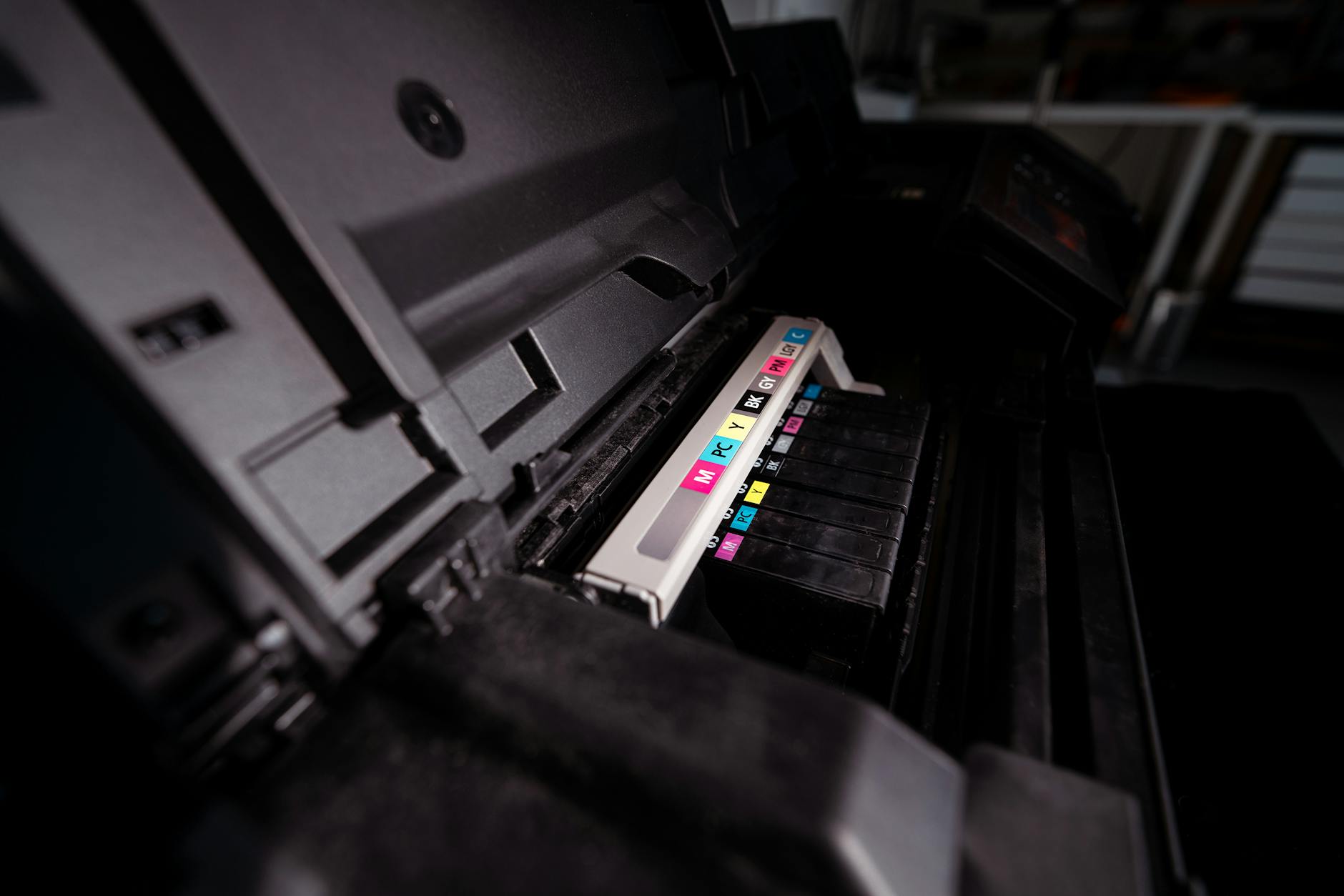
Fundamentally, large format printing incorporates technologies such as inkjet printing, which is capable of generating detailed and color-rich images on a variety of substrates. The process involves meticulous calibration to ensure color consistency across extensive surfaces, often requiring precise adjustments in ink deposition and media handling. The significance of this printing approach lies in its ability to produce large-scale visuals that can be viewed from considerable distances, making it invaluable for outdoor advertising, trade shows, retail displays, and corporate branding initiatives.
Distinguishing itself from traditional offset or digital small-format printing, large format printing emphasizes versatility in material compatibility—ranging from paper, vinyl, fabric, to plastics—paired with a focus on image resolution and color fidelity. Its relevance in marketing and signage is profound, as it enables companies to create visually striking and informative displays that can boost brand visibility and attract customer engagement effectively. Moreover, due to advancements in technology, large format printing now offers options for environmentally friendly inks and sustainable media, aligning with green practices in corporate operations.
Additionally, the scope of large format printing includes not only static displays but also dynamic and customizable options, which are increasingly vital in fast-paced marketing environments. The ability to produce vivid, large-scale visuals efficiently and with high precision directly contributes to the overall effectiveness of promotional campaigns, making understanding its core principles essential for marketing professionals, event organizers, and business owners alike.
Understanding Large Format Printing
Large format printing is a specialized printing process designed to produce high-quality visuals on oversized media. Its ability to generate massive images that maintain clarity and color accuracy from a distance is essential for impactful advertising, retail displays, and event signage. This printing method is distinguished by its compatibility with a wide range of materials such as vinyl, fabric, plastics, and paper, offering versatility unmatched by conventional printing techniques.
In practice, large format printing involves sophisticated equipment equipped with wide-format printers capable of handling media widths that can extend several meters. The process emphasizes precise color management and high-resolution output, ensuring that each banner, mural, or signage piece is visually striking and adheres to branding standards. Recent advancements have enabled the use of eco-friendly inks and sustainable media options, allowing businesses to align their marketing efforts with environmentally conscious practices.

The importance of large format printing extends beyond static displays. It offers dynamic and customizable solutions that can be adapted quickly to different marketing campaigns. Whether it’s a grand outdoor billboard or an intricate wall mural inside a showroom, the technology guarantees efficient production without sacrificing quality or durability.
Common Uses of Large Format Printing
- Outdoor banners for events and promotions
- Indoor and outdoor signage for commercial spaces
- Vehicle wraps and fleet branding
- Murals and wall coverings for interior design
- Trade show displays and exhibition booths
- Retail promotional displays and point-of-sale materials
Key Sizes in Large Format Printing
Choosing the appropriate size for large format printing involves understanding both the dimensions of your project and the capabilities of the printing equipment. Typical media widths can range from 24 inches to 126 inches and beyond, supporting various project requirements. Standard size classifications are often segmented into:
- Small Large Format: Media widths up to 36 inches, suitable for banners and posters.
- Medium Large Format: Media widths between 36 and 60 inches, ideal for wall coverings and signage.
- Extra Large Format: Media widths exceeding 60 inches, used for expansive billboards and murals.
Depending on the specifications of the project, custom sizes may be created to maximize visual impact and material utilization, ensuring each piece is proportionate and tailored to its environment.
Industry Standards and Material Compatibility
Adhering to industry standards ensures consistent quality in large format printing projects. Media types must be carefully selected based on the intended display environment, durability requirements, and print compatibility. Common materials include:
- Vinyl for durability and outdoor resilience
- Fabric for vibrant, lightweight displays
- PVC boards for rigid signage
- Backlit films for illuminated signs
- Adhesive-backed media for wall decals
Each material has specific printing parameters, and understanding these ensures optimal results with regard to color fidelity, weather resistance, and longevity.
Choosing the Right Size for Your Project
When selecting the optimal size, consider the viewing distance, placement environment, and visual message. Larger visuals require proportionally larger media, but must also balance clarity with installation logistics. For impactful outdoor advertising, opting for oversized banners and billboards makes it easier to capture attention from afar, whereas retail signage might favor medium-sized displays for close-up visibility.
Resolutions and Image Quality Considerations
High resolution is critical in large format printing to avoid pixelation and ensure sharp visuals. Typically, a resolution of 150-300 dpi at the final print size is recommended, but this can vary based on viewing distance—closer views necessitate higher resolutions. Maintaining color accuracy and sharp details, especially on large media, demands duly calibrated files and precise color management systems.
Cost Factors and Customization Options
The overall cost of large format printing depends on media size, material type, ink usage, and finishing options. Custom sizing and specialized finishes, such as lamination or UV coating, add to the expense but significantly enhance durability and visual appeal. It is important to weigh these factors against project objectives to determine the best value for large-scale visuals.
Contacting Printing Services for Large Format Projects
Engaging with professional printing providers ensures that your large format printing needs are met with precision and quality. Effective communication of project specifications, desired size, material preferences, and deadline expectations allows service providers to recommend appropriate options and prepare accurate quotations. Establishing a clear plan from the outset enhances the efficiency and success of your visual campaigns.
Understanding the Parameters of Large Format Printing Sizes
When planning to utilize large format printing, selecting the appropriate size is a fundamental step that influences both visual impact and logistical feasibility. Large format printing sizes are generally categorized into standard dimensions, which have become industry benchmarks based on common application requirements and material dimensions. These standard sizes facilitate consistency, cost-efficiency, and ease of production for all involved parties.

Standard Size Categories and Their Typical Uses
- 24-Inch and 36-Inch Formats: Frequently employed for promotional banners, posters, and indoor signage where portability and ease of handling are essential. Their moderate size makes them suitable for retail displays, trade shows, and educational purposes.
- A0 (33.1 x 46.8 inches): Considered a large poster size ideal for detailed visuals in exhibitions, conference displays, and large-scale advertisements.
- A1 (23.4 x 33.1 inches): Widely used for point-of-sale signage, event banners, and interior wall displays where visibility from a distance is desired.
- A2 (16.5 x 23.4 inches): Suitable for smaller promotional posters, informational boards, and thematic displays typically positioned for closer viewing.
Industry Standard Dimensions and Variations
Beyond the common sizes, there are custom dimensions tailored to specific project needs. These include various lengths and widths that match architectural features, window dimensions, or prominent display areas. While the industry has standardized many sizes for efficiency, custom sizing ensures that unique design intents and spatial considerations are adequately addressed, especially for large-scale murals or specialized signage.
Balancing Size with Functionality
Choosing the right size for your project requires careful consideration of viewing distance, installation space, and overall visual effect. Larger sizes command more attention and are optimal for outdoor signage and expansive displays. Conversely, smaller sizes can be more manageable and cost-effective for indoor environments.
Image Quality and Resolution Pertinent to Size
Maintaining high image quality across different sizes involves understanding the resolution requirements for large format printing. For larger dimensions, especially those exceeding 24 inches in width, a resolution of 150-300 dpi at final output is typically recommended. This ensures visuals remain crisp and free of pixelation, especially when viewed at close range. Files intended for large format printing should be prepared with appropriate resolution settings and color calibration to preserve visual integrity across all sizes.
Customization and Size Flexibility
Many professional printing services offer the flexibility to create custom sizes beyond standard dimensions, accommodating specific spatial constraints, design elements, or branding guidelines. Custom sizing allows for precise tailoring, optimal use of materials, and unique presentation formats. When opting for non-standard sizes, it’s important to factor in the cost implications, as larger or uniquely shaped media might involve additional charges for material, inks, and finishing processes.
Summary of Key Size Considerations
- Identify the primary viewing distance to determine appropriate size.
- Match size options with intended use—indoor vs outdoor, close-up vs distant.
- Evaluate available installation space to prevent size mismatches.
- Balance image resolution with size to maintain visual sharpness.
- Explore customizable dimensions for unique project requirements.
Understanding Large Format Printing Sizes
When planning a large-scale print project, selecting the appropriate size is crucial to achieve the desired visual impact and functional utility. Large format printing sizes are dictated by factors such as the intended viewing distance, space constraints, and the purpose of the material. Standard sizes often serve common applications, but customization plays a vital role in meeting specific project needs. Comprehending size categories and their suitability for various environments ensures that the final product aligns with both aesthetic and practical expectations.

Standard Large Format Sizes
Common dimensions for large format prints include standard poster sizes like 24x36 inches and 36x48 inches, which are widely used for promotional displays and informational signage. These sizes offer ease of handling and are compatible with a variety of mounting options. Larger formats, such as 4x8 feet or even 10x20 feet, are often employed in outdoor advertising and trade show displays, providing extensive visual coverage that captures attention from a distance.
Custom Size Options
Beyond standard measurements, custom sizes enable practitioners to tailor the print to specific spatial or branding requirements. For example, a storefront banner may require a width that precisely matches the storefront's dimensions to maximize visibility, while an indoor mural might be designed to fit a particular wall space. Customization involves working closely with print providers to determine the feasibility of sizes, considering material limitations, equipment capabilities, and handling logistics. This flexibility ensures project-specific demands are met with precision, enhancing overall effectiveness.
Factors Influencing Size Selection
- Viewing Distance: Prints intended for close-up viewing, such as detailed posters, benefit from higher resolution images and moderate sizing to maintain clarity. Conversely, outdoor banners seen from afar can be larger but require resolutions optimized for distance.
- Technical Capabilities: Not all printers accommodate extremely large formats without seam placement or special techniques. Knowing the maximum printable width and length helps in planning accordingly.
- Material Constraints: Heavier or flexible materials may have size restrictions based on handling and installation methods.
- Project Budget: Larger, custom sizes typically involve higher material and finishing costs, so budget considerations influence size decisions.
Effective large format printing relies on balancing these factors to ensure that the final output not only meets visual standards but also aligns with logistical and financial parameters. Precise size selection enhances the impact of visual messaging, whether it’s an outdoor billboard, a trade show backdrop, or an interior mural.
Industry Standards and Material Compatibility
When selecting appropriate sizes in large format printing, understanding industry standards and material compatibility is crucial. Standard printing widths typically range from 24 inches to 136 inches, with specific maximum lengths dictated by printer models and material handling capabilities. These standards ensure efficient production, consistent quality, and ease of installation across various applications.
Materials used in large format printing, such as vinyl, fabric, paper, or flexible substrates, have specific size limitations based on their physical properties. For instance, heavier or more flexible materials might require specialized handling or seam joining techniques to achieve larger dimensions without compromising image integrity or durability. Being aware of these material constraints helps in planning optimal sizes that align with both the intended display environment and technical feasibility.
Furthermore, the choice of substrate influences the final dimensions because certain materials are better suited for specific applications. For outdoor advertising like billboards or banners, weather-resistant substrates must be selected, often favoring larger sizes for maximum visibility. Conversely, indoor displays such as murals or trade show backdrops may focus on more detailed, smaller large-format pieces with high resolution requirements.

Printer technology also influences size choices. Wide-format inkjet printers, for example, are capable of producing prints in widths up to 10 to 20 feet without seams, provided the material supports it. When larger sizes are needed, seam joining methods are employed, which require precise alignment and professional installation to ensure a seamless appearance. Understanding these technical capabilities ensures that size selections are both practical and visually compelling.
- Maximum printable width per printer model
- Material handling limitations and seam joining techniques
- Compatibility of substrate with chosen ink and finishing process
- Size considerations based on intended viewing distance and environment
In addition, consistent communication with the printing service provider is vital to match project requirements with equipment capacities and material options. This collaboration ensures that large format printing sizes are optimized for both visual impact and production efficiency, resulting in high-quality outputs that meet client expectations across various applications.
Understanding Large Format Printing
Large format printing is a specialized segment within the printing industry that focuses on producing oversized visuals and displays. Unlike standard printing, which typically involves smaller sheet sizes such as A4 or A3, large format printing accommodates dimensions that range from a few feet to dozens of feet in width. This capability makes it indispensable for creating impactful visuals in outdoor advertising, trade shows, interior branding, and more.
Dimensions and Technical Constraints
The physical constraints of large format printing are primarily dictated by the hardware and materials used. The primary limiting factor is the maximum printable width of a specific printer model, which can range from approximately 4 feet to over 20 feet. This width determines the size of the individual print sections when seamless large-scale images are required. For sizes exceeding a printer's maximum width, seam joining techniques are employed, where multiple printed sections are aligned and assembled to form a cohesive display.
Material handling also influences achievable sizes, as delicate or heavy substrates may impose additional limitations. For instance, flexible materials like vinyl or fabric allow for larger sizes compared to rigid substrates, which are often constrained by handling and transportation considerations. Ensuring compatibility between the substrate, ink types, and desired finishing processes is necessary for optimal results.
Material Compatibility and Finishing
- Flexible substrates such as vinyl, fabric, and mesh are typically used for banners, backdrops, and outdoor displays.
- Rigid materials like foam board, rigid plastic, or metal can be employed for signs, plaques, and display panels.
- Finishing options such as lamination or mounting are chosen based on the environment and durability requirements of the final display.
Choosing the correct size for a large format printing project involves understanding these technical limitations alongside the intended viewing distance and environment. Larger sizes enhance visibility in outdoor settings, where distance between the viewer and the display diminishes the importance of fine detail, while smaller, detailed prints may be suited for indoor viewing where close proximity emphasizes clarity.
Technical Collaboration and Size Optimization
Effective communication with printing service providers is crucial for matching the size and material options with project specifications. Technical consultations ensure that the selected size will be feasible, aesthetically impactful, and aligned with production capacities. This collaborative approach helps avoid issues like misalignment, seam visibility, or material incompatibility, ensuring that the final output meets professional standards and client expectations.
Understanding Large Format Printing
Large format printing encompasses a broad spectrum of printing techniques designed to produce visually impactful images on sizes significantly larger than standard print formats. Operationally, it involves specialized equipment capable of handling wide substrates, often exceeding widths of 24 inches, to create grand-scale visual displays. These processes employ advanced digital or analog methods to ensure color accuracy, sharpness, and durability, catering to a diverse range of applications spanning promotional events, retail signage, and architectural displays.
Common Uses of Large Format Printing
Businesses and organizations utilize large format printing extensively to produce high-visibility signage, banners, vehicle wraps, and point-of-purchase displays. Event planners and marketers rely on these prints for backdrop posters, trade show booths, and outdoor advertising, where size and vibrancy are essential. Interior designers leverage large print sizes for wall murals and decorative panels that reshape environments. The versatility of materials—from vinyl and fabric to rigid plastics—enables customization aligning with specific functional and aesthetic needs.

Key Sizes in Large Format Printing
The dimensional scope of large format printing includes common width parameters such as 24, 36, 48, and 60 inches, with length extending according to project specifications. Standard height and width combinations are often customized to fit the intended display environment, whether for indoor walls or expansive outdoor banners. Notably, typical sizes for banners and posters start at 24x36 inches but can scale up to 10 feet or more for impactful outdoor signage. Precise measurements are determined by the spatial constraints and visibility requirements of each project.
Industry Standards and Material Compatibility
Size selection should account for material properties and available printing equipment. Flexible substrates like vinyl are suited for wide-format banners, often produced in roll formats that can be as long as the roll permits. Conversely, rigid materials such as foam board or aluminum sheets are cut to specific dimensions but are typically limited in maximum size due to handling and transportation considerations. Compatibility between substrate thickness, ink absorption, and environmental exposure influences the choice of sizes, with particular attention paid to the durability needed for outdoor installations.
Choosing the Right Size for Your Project
The decision-making process involves balancing ideal visual impact with practical considerations. For outdoor advertising where viewers are at a distance, larger sizes like 10-foot banners may be appropriate, focusing on high-resolution images that maintain clarity at viewing distance. For close-up indoor displays, smaller but highly detailed prints work best, ensuring sharpness and readability. Factors such as installation space, viewing angle, and illumination also inform optimal size selection, emphasizing the importance of precise measurements aligned with installation environments.
Resolutions and Image Quality Considerations
Achieving optimal visual fidelity in large format printing hinges on the resolution of the digital file. While high-resolution images (generally 300 dpi or higher) are preferred for smaller prints, larger displays often employ lower DPI settings (around 72-150 dpi) because of the viewing distance compromising perceptible pixelation. Maintaining high image quality involves ensuring that source images are captured or created at sufficient pixel dimensions. Additionally, vector-based graphics are preferred for logos, icons, and text elements, as they scale without loss of quality. Proper calibration of printers and consistent color management processes are crucial to ensuring that output aligns with visual expectations, regardless of size.
Understanding Large Format Printing
Large format printing involves creating visual displays on substrates that are significantly wider than standard printing dimensions, often exceeding 24 inches in width. This process utilizes specialized printers capable of handling expansive media, ensuring high-quality images and durability suitable for various environments. When selecting the appropriate large format printing sizes, it is vital to consider the capabilities of the printing equipment, the intended display environment, and the desired visual impact. The expansive nature of these prints necessitates meticulous planning to achieve optimal resolution, material selection, and finishing that align with project goals.
Common Uses of Large Format Printing
Large format printing is integral to many industries, serving as a cornerstone for effective visual communication. Its applications include:
- Outdoor advertising campaigns such as billboards and banners, designed to attract high foot or vehicle traffic.
- Trade show displays and retail signage, offering vibrant, attention-grabbing visuals for brand promotion.
- Event backdrops and murals, creating immersive environments for conferences, festivals, or exhibitions.
- Architectural and interior design visualizations, showcasing proposals and conceptual ideas in large-scale formats.
- Fine art reproductions and photographic displays that require detailed rendering on large surfaces.
Key Sizes in Large Format Printing
While there is no singular standard for large format printing sizes, certain dimensions are widely recognized and regularly accommodated due to their practicality and effectiveness. Common widths include 24 inches, 36 inches, 48 inches, 60 inches, and 72 inches, with lengths variable based on the substrate roll or sheet sizes available. Lengths can extend to several feet or even yards, depending on project specifications. These sizes are often chosen based on the viewing distance, installation site, and the level of visual detail required. Custom sizes are also readily available to meet unique project demands, ensuring flexibility for various creative and commercial needs.
Industry Standards and Material Compatibility
Industry standards for large format printing emphasize the importance of matching media types with project requirements. Common materials include vinyl, canvas, fabric, paper, and rigid substrates such as foam board or aluminum composite panels. Each material has specified size limitations and handling characteristics; for example, vinyl and fabric rolls are typically available in widths up to 10-12 feet, facilitating large banners with minimal seams. Compatibility also involves ensuring that the substrate's surface is suitable for the chosen ink technology—solvent, eco-solvent, UV, or latex printers—each offering different durability, gloss, and adhesive properties tailored to indoor or outdoor applications.
Choosing the Right Size for Your Project
Selecting the appropriate size involves assessing several key factors. These include the viewing distance—the farther the viewer, the larger the print necessary to maintain visual clarity—installation space constraints, and the overall visual impact desired. Detailed measurements of the display environment are critical, as are considerations of structural support for oversized prints. Working closely with a printing service enables tailored recommendations, balancing size with material costs and technical feasibility to achieve a compelling, functional visual display.
Resolutions and Image Quality Considerations
Achieving clarity in large format prints hinges on suitable resolution settings. While traditional print quality favors 300 dpi for small images, larger format prints intended for distant viewing often employ lower resolutions, typically between 72 and 150 dpi, without compromising perceived sharpness. Vector graphics are essential for logos, text, and icons, as they can scale seamlessly without resolution loss. For photographic images, sourcing high-resolution files ensures that enlargements retain detail, while proper file preparation and color management help maintain consistency across the final product.
Cost Factors and Customization Options
The expenses associated with large format printing are influenced by size, material selection, complexity of design, and finishing techniques. Larger sizes generally increase material costs, while advanced finishes such as laminate or mounting add to the overall budget. Many printing providers offer customization options, including custom sizes, unique substrates, and specialized coatings to meet specific aesthetic or durability requirements. Bulk ordering or choosing standard sizes can sometimes reduce costs, but custom dimensions ensure the layout perfectly aligns with unique installation needs or branding specifications.