Understanding Large Photo Posters
Large photo posters have become an essential tool for both personal expressions and professional branding, offering an impactful way to display high-resolution images on expansive surfaces. These posters serve as striking visual statements, transforming ordinary walls into captivating displays that draw attention and evoke emotional responses. With their ability to vividly reproduce detailed photographs at considerable sizes, large posters are ideal for decorating spacious interiors, advertising campaigns, gallery exhibitions, or special event backdrops. The versatility of large photo posters allows users to showcase cherished memories, artwork, or promotional content with impressive clarity and color accuracy.
One of the primary advantages of utilizing large photo posters lies in their ability to create a commanding visual presence. Unlike smaller prints, these posters demand attention, making them perfect for settings where visual impact is paramount. Personal users often choose large posters to celebrate significant milestones, such as weddings or anniversaries, turning treasured images into impressive wall art. Commercial entities leverage large posters in retail spaces, trade shows, or corporate offices to reinforce brand identity and attract customers effectively.
In addition to their aesthetic appeal, large photo posters serve practical functions. Their durability and high-quality printing ensure longevity, making them suitable for environments with varying light and humidity levels. Whether displayed indoors or outdoors, depending on material choice, these posters maintain their vibrant colors and sharp detail over time. This combination of visual appeal and practicality makes them a preferred option for those seeking to make a bold statement with their photographs.
Furthermore, advancements in digital printing technology have democratized access to large poster creation. High-resolution images can now be scaled up without losing quality, allowing users to produce oversized posters directly from personal photo libraries. This process not only facilitates customization but also ensures a level of professionalism comparable to traditional storefront displays. As a result, large photo posters have become a popular method for turning personal images into gallery-quality art capable of transforming any large wall into a focal point.
From a functional standpoint, large posters contribute to both space design and visual storytelling. They serve as impactful backdrops in event environments or accent walls that enhance interior design schemes. The ease of customization, combined with the ability to print on various materials like vinyl, fabric, or canvas, provides flexibility to meet diverse aesthetic and environmental needs. Whether for a home gallery, a promotional campaign, or a public art installation, large posters from photos exemplify how quality digital printing can amplify visual communication and personal expression on a grand scale.
Understanding Large Photo Posters
Large photo posters have become a prominent way to showcase personal memories, promotional content, or artistic visuals on substantial scales. They are manufactured by printing high-resolution images onto expansive formats, utilizing advanced digital printing technologies that ensure crisp details and vibrant colors, even when enlarged significantly. The choice of material plays a crucial role in the durability and appearance of the final product, with options ranging from weather-resistant vinyl suitable for outdoor displays to canvas or fabric for indoor wall art.
A key benefit of large posters from photos is their versatility in application. They serve as impactful visual elements in various contexts, including interior design, marketing campaigns, art exhibitions, or event decorations. With the availability of high-quality digital printers, individuals and businesses can transform personal or professional images into grand-scale displays that command attention in any environment.
The process of creating large photo posters involves precise scaling and resolution management. Digital images must typically meet specific resolution thresholds to maintain clarity when sized up. Modern printers can handle digital files with resolutions of 300 DPI or higher, allowing for detailed enlargement without pixelation or loss of sharpness. This technological capability democratizes access to large-format printing, making it feasible for everyday users to produce gallery-quality pieces from their own photo libraries.
Furthermore, large posters contribute significantly to space aesthetics and storytelling. Whether used as backdrops in live events, statement pieces in gallery walls, or promotional banners, they enhance visual communication. Customization options such as framing, lamination, or mounting also extend the longevity and presentation quality of these posters, ensuring they remain visually striking for years to come.
Advancements in digital printing continue to expand possibilities, allowing users to produce larger-than-life images that truly stand out. Through careful selection of images, understanding the printing process, and choosing appropriate materials, creating impressive large photo posters has become an accessible and effective method of grand-scale storytelling or decoration.
Official Methods for Acquiring Large Posters from Photos
When transforming personal photographs into large posters, it is essential to rely on professional and authorized services to ensure high-quality results. Digital printing companies specializing in large format prints offer a comprehensive range of options for individuals seeking to create stunning displays from their images. These services utilize advanced printing technology, capable of reproducing images at resolutions that maintain clarity and vibrancy when scaled up to sizeable poster dimensions. Working with reputable providers guarantees that the printed posters adhere to strict quality standards, utilizing top-grade materials and inks that produce durable, vivid displays.
Customers should select trusted outlets with proven expertise in large photo printing. Such providers typically employ high-resolution digital files, which are essential for enlargements without loss of detail. As part of their official process, these services may offer file review and optimization to ensure images meet the necessary specifications for size and resolution. Additionally, obtaining posters through authorized channels often includes options for professional finishing touches, such as mounting, lamination, or framing, further enhancing the longevity and presentation of the final product.

Practices to Ensure Quality and Legitimacy in Poster Printing
To guarantee the quality and authenticity of large photo posters, it is vital to work exclusively with reputable print service providers. These providers typically operate within established industry standards, using certified equipment and quality materials that meet rigorous performance criteria. Customers can verify a company's professionalism by reviewing their portfolio, customer testimonials, and the range of services offered. Ideally, a provider should provide transparent details about their printing process, including the technology used, material options, and quality control measures in place.
Legitimate printing services also adhere to ethical business practices, ensuring that customer files are handled with confidentiality and security. They offer clear communication channels for consultations, file submissions, and project updates. Working with authorized companies reduces the risk of subpar results, such as pixelation or color inaccuracies, which can occur with poorly managed or unofficial sources. Instead, experienced providers deliver consistent results, with meticulous calibration to preserve the image's integrity at large scales.
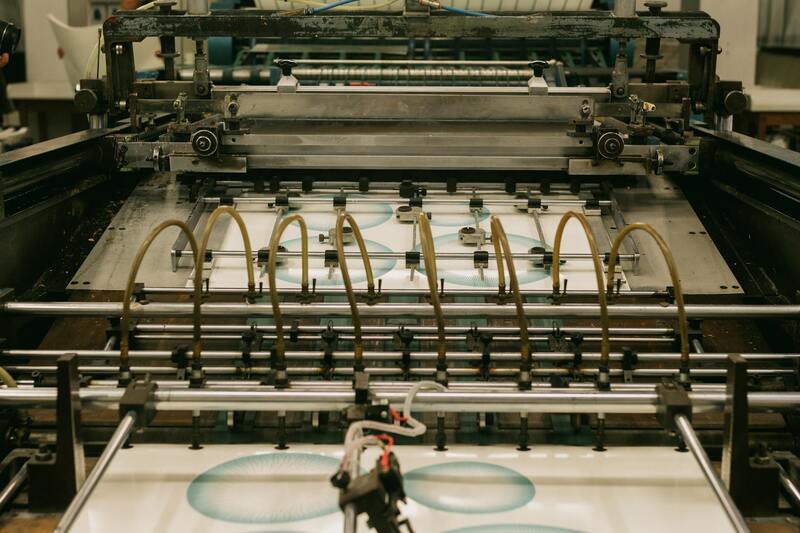
Utilizing official methods for securing large posters from photos not only maximizes visual impact but also ensures the durability and safety of the final display. It is recommended to consult with these specialists during the planning phase to understand material options, appropriate sizing, and any customization features that align with the intended display environment. This professional approach translates personal photos into grand-scale, high-quality posters that can be showcased confidently in a variety of settings, from professional exhibitions to personal spaces.
Understanding Large Photo Posters
Large photo posters serve as striking visual statements, transforming personal images into expansive, eye-catching displays. Their ability to communicate messages visually at a grand scale makes them a popular choice for both commercial and personal projects. The process of creating a large poster from a photo involves careful selection of high-resolution images and professional printing techniques to ensure clarity and vibrancy. When selecting a photo, the emphasis should be placed on images with high pixel density to prevent pixelation or blurriness once enlarged. Additionally, images with good contrast and balanced composition tend to produce more impactful posters, capturing viewers' attention instantly.
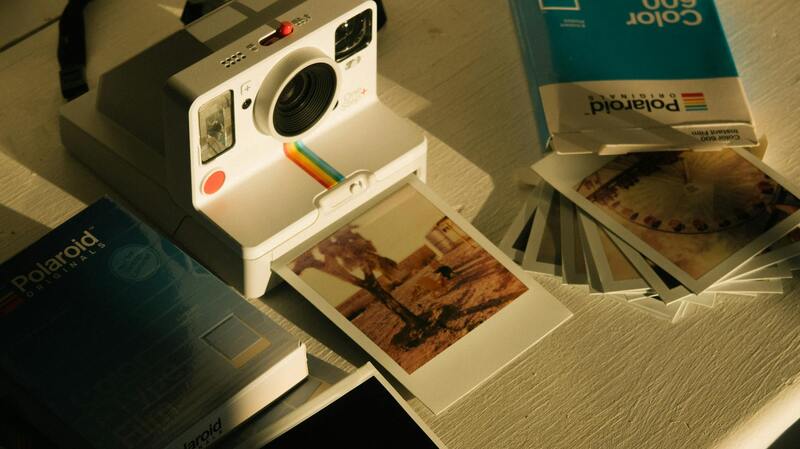
Implementing the right printing methods is crucial for achieving vivid colors and sharp details. Official printing services employ advanced digital printing technology, such as wide-format inkjet printers equipped with CMYK pigment inks. These systems provide exceptional color accuracy and durability, which are essential for large posters that will be displayed in various environments. It's also important to consider the material used for printing, with options ranging from glossy, semi-gloss, to matte finishes, each offering different visual effects and levels of durability. High-quality materials and professional color calibration collectively enhance the overall appearance and longevity of the final product.
The Role of Proper Software and Design Preparation
Beyond selecting the image and printing technology, utilizing professional design software ensures the poster's layout maintains visual cohesion at large sizes. High-resolution editing tools facilitate precise cropping, adjustment of color balance, and incorporation of personalized elements, such as text or branding. Correct file preparation — including setting the appropriate resolution (generally 300 DPI for large posters), color profiles, and bleed margins — guarantees the final print matches expectations without lossy compression or pixelation. Collaboration with experienced production teams can further optimize the output, helping clients make informed choices about image adjustments and finishing options.
Quality Control and Final Inspection
Prior to printing, official providers conduct thorough quality checks to verify file compatibility and color accuracy. During the production process, continuous calibration and monitoring of printers prevent deviations that could compromise the poster's quality. After printing, a detailed inspection ensures the absence of defects such as smudges, color inconsistencies, or damage. Final finishing touches, including trimming, lamination, or mounting, are executed with precision to preserve the poster's aesthetics and ensure safe handling. These rigorous procedures contribute to producing large photo posters that are visually stunning and durable for indoor or outdoor use.
Understanding Large Photo Posters
Creating large posters from photos is a strategic process that ensures the visual impact is both striking and accurate. These posters serve as powerful advertising tools, event displays, or artistic statements, making it essential to understand the nuances involved in their production. The key lies in selecting high-quality images that retain clarity and detail at expansive sizes. The resolution of the source photo significantly influences the final appearance; images captured with professional cameras or high-resolution sensors are preferred to prevent pixelation when enlarged. Additionally, considerations such as image composition, lighting, and color vibrancy play pivotal roles in achieving a compelling visual.
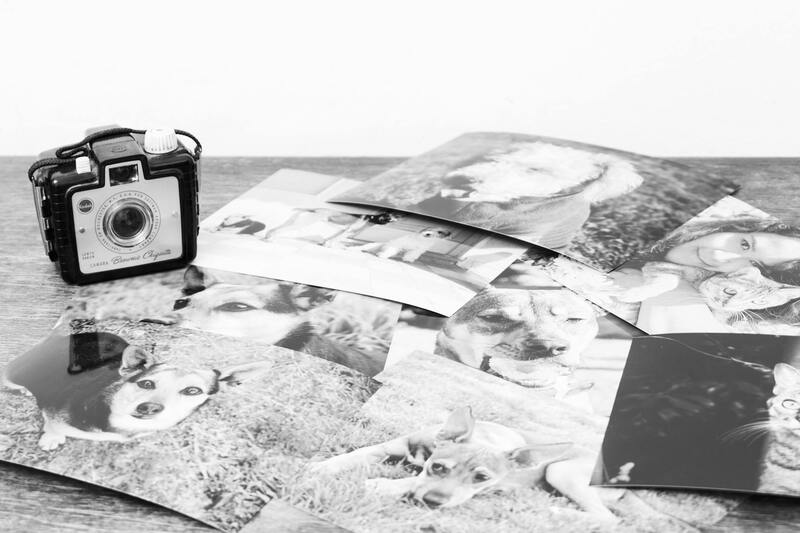
It's advisable to start with images that possess a minimum resolution of 300 DPI at the intended final dimensions. This ensures that when scaled to a large format, the photo remains sharp without visible pixel artifacts. If the original photo is smaller, advanced software can sometimes upscale images, but this often leads to quality loss. Therefore, sourcing high-resolution images from professional photography or high-quality stock photo repositories is recommended. When selecting photos, also consider their relevance and emotional impact, ensuring they resonate with the intended audience or serve their promotional or decorative purpose effectively.
Key Factors for Selecting Photos
- High resolution (preferably 300 DPI at poster size)
- Clear focal points and good composition
- Effective use of lighting to highlight details
- Vibrant colors that can be accurately reproduced in print
- Aspect ratio that complements the intended poster size
Properly choosing the right images not only enhances the visual appeal but also minimizes pre-press adjustments and post-production corrections, saving time and cost. Properly prepared photos form the foundation of a successful large-format poster, ensuring that the final printed product maintains the intended impact and quality despite its size.
Ensuring Photo Quality for Large Posters
When creating large posters from photos, it's essential to start with images that possess exceptional resolution and clarity. High-resolution images not only retain sharpness when scaled to large formats but also prevent pixelation and blurriness that can detract from visual impact. Ideally, photos selected for large poster printing should have a minimum resolution of 300 DPI at the intended final dimensions, ensuring the image remains crisp and detailed upon enlargement.
To guarantee optimal print quality, sourcing images from trusted professional photography sources or extensive high-quality stock photo repositories is recommended. These sources typically provide images in high-resolution formats suitable for large-scale printing. When choosing photos, consider their composition, lighting, and color vibrancy, as these elements significantly influence the poster's visual appeal.
It's also crucial to evaluate the aspect ratio of your selected image relative to the desired poster size. Proper aspect ratio alignment minimizes the need for cropping or compressing, which can compromise image quality or composition. Additionally, images with well-defined focal points and balanced composition are more effective at capturing viewer attention and delivering impactful messaging visualized in the final product.
Advanced software tools can be instrumental when upscaling smaller images, but they often involve digital interpolation that may impact quality. Hence, sourcing larger images from the outset is preferable, and utilizing high-quality editing tools can further enhance color vibrancy and contrast to ensure the poster's visual integrity is maintained during the printing process.
Key Considerations for Photo Selection
- Resolution of at least 300 DPI at the final poster size
- Clear focal points and good composition
- Effective lighting emphasizing details and nuances
- Vibrant and print-accurate colors
- Aspect ratio matching the poster dimensions
By paying close attention to these factors, individuals and businesses can maximize the visual impact of their large posters, ensuring that the final printed product aligns with their expectations for quality and aesthetics.
Understanding Large Photo Posters
Creating large photo posters from personal images involves careful planning to ensure the final product meets expectations for quality and visual impact. These posters serve as captivating decor elements, promotional materials, or personalized gifts, which requires attention to specific technical and aesthetic factors. To produce a large poster from a photo, selecting high-resolution images is essential—images with a resolution of at least 300 DPI at the intended print size guarantee crisp details and clarity. When enlarging photos, consider their original quality, composition, and lighting; images with well-defined focal points and balanced lighting are more likely to translate effectively into large-format prints. Also, evaluate the aspect ratio to prevent distortion or unwanted crop lines, ensuring the essential parts of the photo remain intact. Properly sourced or created images avoid the pitfalls of pixelation or blurriness when scaled up.

Modern digital editing tools can optimize photos prior to printing, enhancing color vibrancy, contrast, and sharpness to achieve a professional appearance in the final poster. It’s advisable to work with images that have vibrant, print-accurate colors, as this ensures the poster retains its visual appeal once produced. Additionally, continuous light and clear focal points in the photo contribute to a compelling, eye-catching large poster. When preparing images for large-format printing, digital correction processes—such as upscaling with specialized software—can be useful, but sourcing images with sufficient native resolution remains preferable to maintain quality integrity.
Choosing the Right Photos for Large Posters
Ultimately, the success of a large photo poster hinges on selecting images that possess high resolution, excellent composition, and impactful subject matter. Photos taken with professional cameras or high-quality smartphones tend to work best due to their inherent resolution and clarity. Prioritize images with effective lighting that highlight important details without excessive shadows or overexposure, and ensure the image has a compelling focal point that draws viewers' attention from a distance. If editing is necessary, keep quality enhancement subtle but effective, avoiding overprocessing that may introduce artifacts or distort colors. Images with good aspect ratios—close to the proportions of the intended poster size—reduce the need for cropping or resizing, which helps preserve image integrity.
Selecting Suitable Poster Sizes and Formats
Choosing the appropriate size and format for large posters from photos depends on the intended display space and purpose. Common sizes include A1, A0, or custom dimensions, which can be tailored to specific locations or visual goals. To preserve image quality, it’s essential that the source photo’s resolution aligns with the selected size, adhering to the rule of approximately 300 DPI at the final print dimensions. Wide aspect ratios complement panoramic or landscape images, while portrait-oriented photographs may suit smaller or vertically oriented posters. Considering these factors ensures the final product remains sharp and visually impactful, whether used as decorative wall art, promotional displays, or large-scale visual messages.
Understanding Large Photo Posters
Creating large posters from photos requires a deep understanding of the technical and artistic aspects involved in producing visually striking displays. High-resolution images, ideally captured through professional-grade cameras or high-quality smartphones, form the foundation for a successful large poster. Such images are characterized by their clarity, detailed texture, and accurate color representation, all of which are essential when scaled up for display without loss of quality. Proper lighting during the original shoot ensures that the photo captures the subject in vibrant, well-balanced tones, reducing the need for extensive post-processing. When selecting images for large-format printing, consider the composition's strength, focal points, and overall visual impact to ensure the poster communicates effectively from a distance.

In addition to capturing high-quality images, understanding the principles of resolution, aspect ratio, and image editing can significantly influence the final outcome. Maintaining an aspect ratio compatible with the intended poster size minimizes cropping and preserves the original composition. Subtle adjustments in contrast, brightness, and color saturation can enhance the image without compromising its natural appearance. When preparing photos for large posters, avoid overediting, which can introduce artifacts or distort colors, diminishing the visual appeal. Ultimately, starting with the best possible source image ensures that the printed poster reflects the photographer's artistic vision while meeting the technical demands of large-scale reproduction.
Selecting Suitable Poster Sizes and Formats
The choice of poster size and format is dictated by the intended display environment and visual goals. Commonly used dimensions such as A0 and A1 accommodate various spaces, from gallery walls to promotional areas. Custom sizing offers flexibility, allowing the poster to fit specific environments or accentuate particular features within a space. It is crucial that the resolution of the source image aligns with the final print size, commonly striving for 300 DPI at the intended dimensions to ensure sharpness and detail. Landscape formats suit panoramic or wide-angle photos, enhancing their expansive qualities, whereas portrait orientations work well for vertical compositions or portrait photography. These considerations help produce impactful visual displays that engage viewers effectively in both decorative and promotional contexts.

Careful selection of size and format ensures that your image maintains its integrity and visual power. Large posters designed for interior decoration are often chosen for their ability to draw attention and serve as focal points, while promotional posters are optimized for visibility and message clarity. Custom sizes might be necessary for specific locations or unique presentation needs, emphasizing the importance of planning before production. Balancing the proportions of the original photo with the chosen poster size minimizes image distortion, ensuring the final product remains vibrant, detailed, and impactful.
Design Tips for Large Poster Creation
Designing a large poster from photos involves more than just scaling an image. It requires strategic layout, color management, and typographic integration to enhance visual communication. Use high-contrast elements and clean compositions to maintain clarity at viewing distances. Incorporate framing or borders to define the space, especially if the poster will be mounted on large surfaces. Keep text minimal and legible, avoiding clutter that can distract from the main image. Consider the viewing environment—whether the poster is meant to be seen up close or from a distance—and adapt the design accordingly. Employing consistent color palettes, balanced composition, and focal points will help the poster convey its intended message or aesthetic effectively.
Printing Methods and Material Options
The printing technique and material selection are crucial for achieving the desired durability, appearance, and quality of large photo posters. Digital wide-format printing, utilizing high-resolution inkjet or solvent printers, ensures precise color reproduction and sharp detail. Material choices range from glossy and matte papers to vinyl and fabric, each providing different visual effects and resilience. Glossy finishes enhance color vibrancy and are suitable for visually impactful images, while matte surfaces reduce glare and are ideal for environments with bright lighting. Vinyl posters offer weather resistance, making them suitable for outdoor display, whereas fabric options provide a softer appearance and are easier to transport and mount. The choice of material directly influences the poster’s longevity, ease of maintenance, and overall aesthetic appeal, aligning with specific usage requirements.
Ordering and Producing Your Large Photo Poster
Order processing for large photo posters involves detailed file preparation and communication with printing professionals. Ensure files are formatted according to printing specifications, typically in CMYK color mode, with resolution settings appropriate for the size. Provide clear instructions regarding size, material preference, and any finishing options such as lamination or mounting. Reliable printing services employ calibration and quality control processes to guarantee color accuracy and sharpness. Once the production begins, a proof may be provided for final approval, allowing adjustments before the full run. Timely production and quality assurance are vital, especially for projects with tight deadlines or large quantities. Professional expertise guarantees that your visual assets are transformed into durable, vibrant posters that meet your aesthetic and functional expectations.
Cost Factors and Budgeting for Large Posters
The cost of large posters from photos hinges on several variables, including size, material choice, printing method, and finishing options. Larger formats naturally involve higher material and printing expenses due to increased ink and substrate usage. Premium materials like canvas or weatherproof vinyl tend to be more costly than standard papers but offer enhanced durability and visual impact. Additional features such as mounting, framing, or lamination also contribute to overall expenses. Budget planning should consider these factors alongside potential design or editing costs if professional assistance is required. Investing in high-quality materials and production processes ensures that the final product is resilient, maintains color fidelity, and withstands environmental conditions. Careful assessment of needs and options enables effective budgeting, delivering a striking and lasting visual display without compromising on quality.