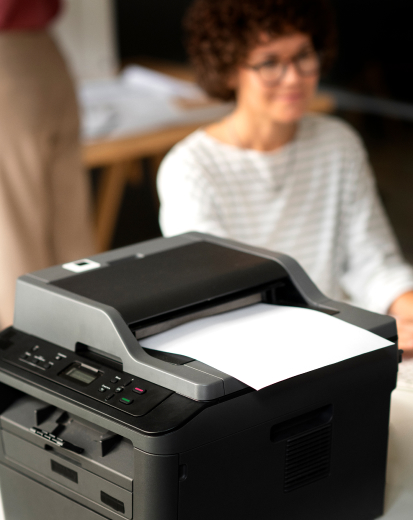
Overview of Large Format Printing in Singapore
Large format printing (LFP) has become an integral component of Singapore's visual communication and branding landscape. This technology involves the production of prints that are significantly larger than standard print sizes, typically exceeding 24 inches in width. Its capacity to produce eye-catching visuals with high detail and durability makes it essential across multiple industries. In Singapore, the demand for large format printing is driven by various sectors such as retail, advertising, hospitality, events, and corporate branding. From billboard advertisements and storefront displays to trade show graphics and interior murals, LFP provides versatile solutions tailored to different needs.
The prominence of Singapore as a regional business hub has amplified the importance of high-impact visual advertising. Businesses leverage large format prints to enhance brand visibility and create immersive experiences for their audiences. The country's compact yet dynamic urban environment demands innovative visual communication methods that can stand out amidst dense infrastructure. As a result, the large format printing industry continues to evolve, employing advanced techniques and materials to meet the high standards of clarity, color accuracy, and durability required by diverse applications.
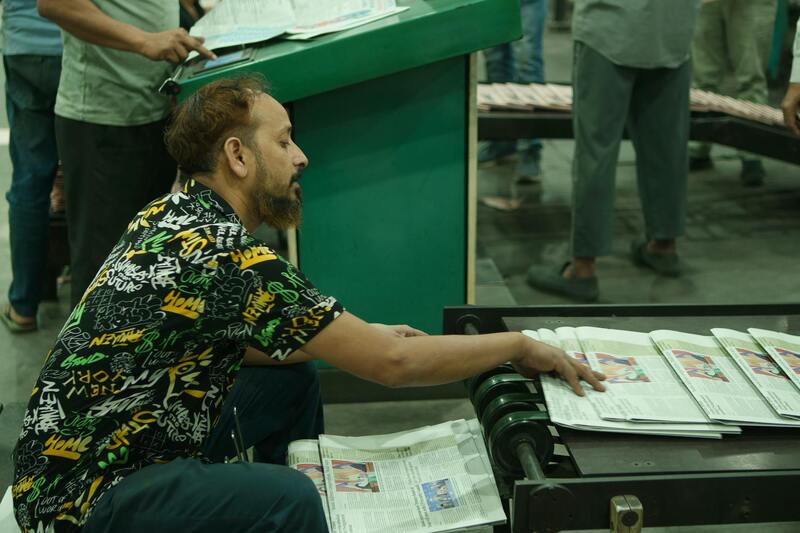
Typical applications of large format printing in Singapore include outdoor advertisements, interior wall murals, vehicle wraps, banners for events, and point-of-sale displays. The ability to produce visually compelling graphics that withstand Singapore's tropical climate—characterized by high humidity and intense sunlight—further underscores its significance. The industry's growth is supported by technological advancements that facilitate faster production times, better color fidelity, and enhanced substrate compatibility, ensuring that businesses in Singapore stay competitive and impactful in their visual outreach strategies.
Types of Large Format Printing Technologies
Within the realm of large format printing in Singapore, several advanced technologies enable the production of high-quality visuals tailored to diverse applications. Each method offers unique advantages suited to specific project requirements, ensuring that businesses can select appropriate solutions for their branding and advertising needs.
Inkjet Printing
Inkjet technology remains the most prevalent in large format printing due to its versatility and precise color reproduction. Using aqueous or eco-solvent inks, inkjet printers are capable of producing detailed images with vibrant color consistency. This method is ideal for indoor applications such as wall murals, point-of-sale displays, and fine art reproductions, where fine detail and color accuracy are paramount. The machines operate by propelling tiny droplets of ink directly onto substrates, allowing for high-resolution output with sharp edges and smooth gradients.

Solvent and Eco-Solvent Printing
Solvent printing employs solvent-based inks that are absorbed into substrates, making it highly suitable for outdoor signage and vehicle wraps. These inks are formulated for durability, with resistance to weather elements such as UV rays, humidity, and rain. Eco-solvent printers are a sustainable alternative that reduce volatile organic compound emissions while maintaining robustness. This technology is favored for producing banners, billboards, and vehicle decals that require long-term exposure to Singapore’s tropical climate.
UV Printing
UV printing uses ultraviolet light to instantly cure inks upon contact with the substrate. This process allows for printing on non-porous materials such as acrylics, glass, and metal, expanding the range of usable surfaces. UV printing delivers high-quality images with vibrant colors and excellent adhesion, making it suitable for high-end signage, customized product labels, and decorative installations. The instant curing process also reduces production time, enabling faster project completion.
Latex Printing
Latex printing combines the environmental benefits of water-based inks with durability comparable to solvent-based options. Latex printers produce flexible, weather-resistant prints with soft finishes, often with no need for lamination in many cases. This technology is increasingly popular for outdoor banners, vehicle wraps, and interior wall decals due to its eco-conscious nature and excellent lifespan.
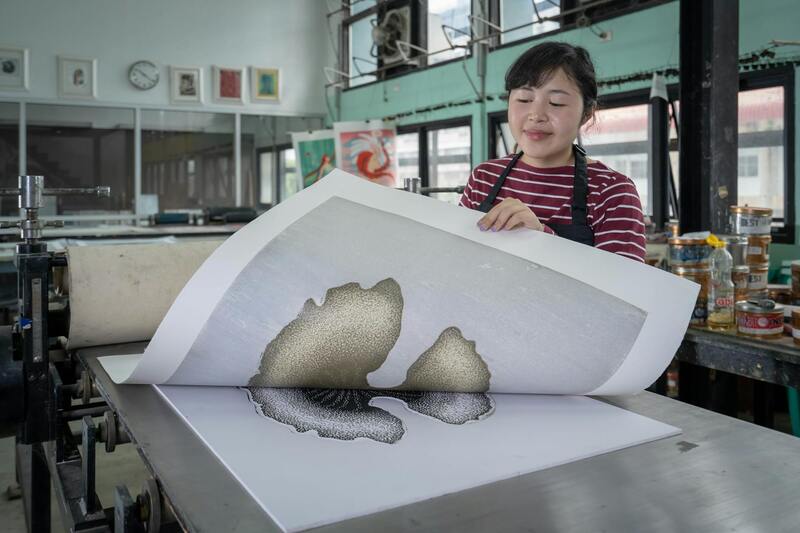
Choosing the Right Technology
Selecting an appropriate printing method depends on several factors, including the intended application, substrate compatibility, durability requirements, and environmental considerations. For instance, outdoor banners necessitate solvent or UV printing for weather resistance, while indoor art displays benefit from inkjet or latex printing for clarity and color precision. A professional printing service assesses these parameters to recommend the optimal technology, ensuring that the final product aligns with the client's expectations and needs.
Overview of Large Format Printing in Singapore
Large format printing in Singapore has established itself as a crucial component in various industry sectors, including advertising, interior design, retail, and event management. This form of printing involves producing images and graphics on a scale significantly larger than traditional printing methods. It enables brands and organizations to create visually impactful displays, such as outdoor billboards, retail signage, exhibition backdrops, and architectural murals, all designed to captivate audiences and convey messages effectively. With Singapore's vibrant urban landscape and high consumer foot traffic, businesses leverage large format printing to elevate brand visibility through high-quality, attention-grabbing visuals.
Advancements in printing technology have expanded the capabilities and applications of large format printing, making it more versatile, cost-effective, and environmentally friendly. From vibrant matte posters to textured wall coverings, the scope of materials and finishes available allows for customized solutions tailored to specific environmental conditions, aesthetics, and functional needs. Professionals delivering these services utilize cutting-edge equipment to ensure precision, color accuracy, and durability, meeting diverse client requirements across commercial, industrial, and artistic projects.
Types of Large Format Printing Technologies
Understanding the different technologies used in large format printing is essential when selecting solutions that best fit project specifications. Common methods include:
- UV Printing: Utilizes ultraviolet light to cure inks instantly on non-porous surfaces. This method provides high-resolution images with vibrant colors and excellent adhesion, suitable for signage, decorative panels, and artistic installations. It is particularly effective for materials like acrylic, glass, and metal, offering long-lasting results that withstand environmental exposure.
- Latex Printing: Employs water-based latex inks that are environmentally friendly yet offer durability comparable to solvent-based options. Latex printing produces flexible, weather-resistant images appropriate for outdoor banners, vehicle wraps, and wall decals. Its ability to print on various substrates with minimal lamination makes it a popular choice for sustainable branding solutions.
- Solvent and Eco-Solvent Printing: Uses solvent-based inks that penetrate deep into substrates to produce vibrant, weatherproof prints. This technology is favored for outdoor signage, vehicle graphics, and point-of-sale displays, especially where durability against harsh weather conditions is required.
- Inkjet and Resin Printing: Primarily suitable for indoor applications such as posters, murals, and fine art reproductions where high resolution and color accuracy are critical. Resin-based printing offers fine details and smooth finishes, ideal for gallery-quality displays.
Each technology has distinct advantages depending on the intended use, substrate compatibility, and environmental demands, making the choice of printing method a crucial step in project planning.

Selecting the Appropriate Printing Technique
Choosing the right technology involves thorough assessment of project specifics such as durability, surface texture, color fidelity, and processing time. Professionals conduct detailed consultations to match technology with material and environmental factors, ensuring optimal results. This strategic approach guarantees the final product not only meets aesthetic expectations but also performs reliably over its intended lifespan.
Materials and Substrates Used in Large Format Printing
Choosing the appropriate material or substrate is a fundamental aspect of successful large format printing projects. The selection process involves considering factors such as environmental exposure, surface texture, desired aesthetic, and the longevity of the printed display. Official suppliers in Singapore offer a broad spectrum of high-quality substrates tailored to specific application needs, ensuring that clients receive durable and visually appealing outputs.
Among the most common substrates are vinyl, fabric, paper, and mesh, each serving distinct purposes and exhibiting unique characteristics. Vinyl remains the most popular for outdoor signage due to its weather-resistant qualities and adaptability to various printing technologies. It can be finished with matte, gloss, or satin coatings to achieve different visual effects, making it versatile for banners, vehicle wraps, and window signs.
Fabric materials are favored for indoor applications like event backdrops, trade show displays, and photographic displays because of their smooth texture, vibrant color retention, and ease of installation. High-performance textiles such as tension fabric prints can be tensioned within frames or walls, producing seamless, high-resolution visuals that elevate interior branding.
Specialized substrates like mesh are designed specifically for environments that require breathability or reduced wind load, such as outdoor banners exposed to high wind conditions. Mesh banners allow airflow while maintaining visibility and advertising impact. For indoor applications, paper and poster substrates—such as glossy or matte photo papers—are ideal for detailed displays, posters, and fine art reproductions due to their excellent print resolution and color reproduction capabilities.
Environmental factors also influence substrate choice. For instance, eco-friendly or recyclable materials are increasingly preferred to align with sustainability goals. Print providers in Singapore often stock eco-certified options that meet environmental standards while offering durability comparable to traditional materials. Selecting the right substrate with the appropriate coating or finish enhances not only aesthetics but also technological durability—resisting scratches, UV rays, and moisture depending on the specific application and material properties.

When determining the optimal material, it is important to consider the installation environment, lifespan expectations, and maintenance requirements. Consulting with reputable printing services ensures the use of officially sourced materials, guaranteeing consistent quality and reliable performance. With a comprehensive understanding of substrate options, clients can better align their branding objectives with practical, high-impact displays that withstand environmental exposure and deliver visual clarity over extended periods.
Materials and Substrates Used in Large Format Printing
Choosing the right substrate is essential to ensure that large format prints achieve their intended visual impact and durability. In Singapore, the variety of materials available for large format printing caters to diverse applications, from indoor advertising to outdoor signage and decorative displays.
Vinyl remains one of the most popular options for outdoor banners and expansive signage due to its weather-resistant properties and flexibility. There are different types of vinyl including calendared and cast vinyl, each with distinct stretchability, conformability, and longevity. Calendared vinyl is suitable for short to medium-term projects, often used for event banners and point-of-sale displays. Cast vinyl, on the other hand, offers superior conformability and durability, making it ideal for vehicle wraps and long-term installations that demand high resistance to elements.
Fabric substrates provide a lightweight, folds-compact option ideal for indoor displays, trade show backdrops, and custom fabric banners. These fabrics, usually polyester or polyester blends, can be printed with vibrant, fade-resistant dyes that maintain their color integrity over time. Mesh fabrics are also prevalent, particularly for outdoor applications like building wraps or sports stadium banners, as they allow airflow and reduce wind load while providing high visibility through the print.
Paper or poster board substrates are often used for short-term indoor displays, graphical posters, and fine art reproductions. These are preferred for their sharp image reproduction and ease of handling, although they require a controlled environment more than weather-resistant materials.
Specialized materials such as foam boards, rigid plastics, or acrylics are selected for more permanent signage, point-of-purchase displays, and artistic installations. These substrates provide structural integrity and a premium look, often with matte or gloss finishes to enhance visual effects.
Eco-friendly options, including recyclable and biodegradable substrates, are increasingly integrated into Singapore’s large format printing offerings. These materials align with sustainability initiatives and meet rising consumer demand for environmentally responsible solutions. Advanced coatings or finishes, such as UV, lamination, or anti-scratch layers, further extend the lifespan of printed materials, especially when used outdoors or in high-traffic areas.
Proper selection of substrates depends on various factors including environmental exposure, expected lifespan, and visual requirements. Consulting with experienced printing providers ensures that the chosen materials meet project specifications and that the prints will perform reliably over time. It is also vital to verify that all substrates are sourced from reputable suppliers to maintain quality standards and compliance with regional regulations.

Factors to Consider When Choosing a Printing Service
Selecting a reliable provider for large format printing in Singapore is crucial to ensure high-quality, durable, and visually impactful results. Several key aspects warrant thorough evaluation before making a decision. First, assess the company’s expertise and experience in handling projects similar to yours. Experienced providers are familiar with the nuances of various substrates, printing technologies, and environmental considerations, thus guaranteeing a smooth production process and a superior final product.
Quality Assurance and Technology
Inspect the quality assurance protocols the service provider employs. Modern large format printing requires advanced equipment such as high-resolution printers, color calibration tools, and quality control measures. Ask whether they utilize the latest printing technologies, such as LED or UV printers, which offer vibrant colors, fast drying times, and environmentally friendly processes. The ability to produce sharp, consistent images across various substrates is a testament to their technological capability.
Material Sourcing and Sustainability
Reputable providers source their substrates and inks from trusted suppliers, ensuring safety and compliance with regional standards. Additionally, many companies now emphasize sustainable practices by offering eco-friendly materials like recyclable vinyl, biodegradable fabrics, or water-based inks. Sustainability has become a vital factor for clients conscious of environmental impact, making it essential to inquire about the provider’s green initiatives and material options.
Turnaround Time and Flexibility
Timely delivery is often critical for large format projects, especially for events, marketing campaigns, or retail rollouts. Clarify the typical turnaround times and whether the provider can accommodate urgent requests without compromising quality. Flexibility in project scheduling, combined with efficient production workflows, ensures that your deadlines are met without sacrificing the integrity of the print.
Cost Transparency and Service Packages
Transparent pricing is fundamental to budget management. Seek detailed quotes that break down costs for materials, printing, finishing, and delivery. Some providers offer comprehensive packages that include design assistance, finishing options, and logistical support, delivering added value. Avoid providers with vague pricing structures or hidden fees, as this can lead to cost overruns and project delays.
Customer Support and Post-Print Services
Effective communication during the project lifecycle significantly influences the outcome. Choose a printing company that maintains open channels for consultation, revisions, and updates. Post-print services like lamination, mounting, and installation are also critical to ensure the longevity and aesthetic appeal of the final product. Reliable customer support demonstrates professionalism and commitment to client satisfaction.
Reputation and Client Testimonials
Reviewing testimonials, case studies, or portfolio samples can provide insights into the provider’s reliability and quality standards. Companies with a solid reputation for on-time delivery and consistent output are preferable. Engaging with past clients or seeking references can help verify the provider’s ability to meet project requirements and expectations.
Careful consideration of these factors will facilitate informed decisions, ultimately leading to successful large format printing projects that elevate your brand image, convey messages effectively, and stand the test of time.
Factors Influencing the Quality and Durability of Large Format Prints in Singapore
Choosing the right large format printing service in Singapore goes beyond just selecting an affordable provider. Critical factors such as ink quality, substrate compatibility, printing resolution, and finishing techniques play pivotal roles in determining the longevity and visual impact of the final product. Ensuring that these elements are appropriately managed guarantees that your large format prints will withstand environmental conditions and maintain their aesthetic appeal over time.
Ink Quality and Environmental Considerations
The type of ink used significantly affects both the appearance and durability of large format prints. Solvent, eco-solvent, UV-curable, and latex inks each offer distinct advantages, with eco-solvent and latex inks being popular choices in Singapore due to their lower VOC emissions and eco-friendly properties. High-quality inks provide vibrant color reproduction, resistance to fading, and compatibility with various substrates, making them suitable for indoor and outdoor applications. Fiber-based inks, although less common, are favored for paper and fabric substrates due to their superior color richness.
Material Selection and Compatibility
Material selection should align with the intended environment and application of the large format print. Common substrates include vinyl banners, mesh, fabric textiles, rigid panels like ACM (Aluminium Composite Material), foam boards, and acrylic sheets. Each material offers unique advantages, such as flexibility, weather resistance, or enhanced rigidity. Proper substrate preparation ensures adhesion, prevents warping, and enhances overall appearance. Consulting experienced printers in Singapore can help identify the best material for your specific needs.

Printing Resolution and Image Fidelity
High-resolution printing, typically ranging from 720 dpi to 1440 dpi, ensures sharp, detailed images that capture fine details and vibrant colors. Optimizing image files prior to printing, including color calibration and file format adjustments, minimizes discrepancies between digital and printed outputs. Professional printers in Singapore utilize advanced imaging technology to produce consistent, high-quality results, even for complex designs or large-scale canvases.
Finishing Techniques to Enhance Longevity
Post-print finishes such as lamination, UV coating, or protective overlays contribute to the longevity of large format prints. These finishes guard against environmental factors like UV exposure, humidity, scratches, and dirt. Additionally, mounting and framing techniques provide structural support and enhance visual appeal, especially for displays intended for long-term outdoor use or high-traffic indoor environments.
Maintenance and Care for Large Format Prints
Proper maintenance prolongs the lifespan of printed materials. Regular cleaning with non-abrasive, mild cleaning agents can remove dirt and dust without damaging the surface. Avoid exposure to direct sunlight for extended periods, which may cause fading over time, unless UV-resistant coatings are applied. Storage in climate-controlled environments reduces the risk of warping, cracking, or deterioration, ensuring your investment remains visually appealing and structurally sound for years to come.
Comprehensive Approaches to Large Format Printing in Singapore
To achieve exceptional results in large format printing, selecting tactics that uphold quality, durability, and visual impact is crucial. This involves meticulous attention to the printing process, materials, and post-production care, all aligned with industry best practices and standards.
Precise Color Management
Maintaining color consistency across large prints requires a systematic approach to calibration and profiling. Professional printers utilize advanced color management systems and software to align digital files with machine output, ensuring that vibrant hues and subtle shades are accurately represented in the final product. This process begins with calibrating monitors, printers, and proofs, followed by color profile adjustments and consistent monitoring throughout production.
Quality Control and Inspection
Implementing thorough quality control measures at each stage of the printing process minimizes defects and ensures that the output meets desired standards. This includes inspecting print resolution, color accuracy, and material integrity before, during, and after printing. Employing sophisticated inspection tools allows printers to detect inconsistencies or errors early, reducing waste and reprints.
Choosing Appropriate Finishing Techniques
Applying suitable finishing techniques enhances both the aesthetic appeal and longevity of large format prints. Techniques such as lamination, UV coating, and edge sealing provide resistance against environmental stressors and physical damage. Moreover, mounting strategies like sandwich mounting or framing not only add structural support but also optimize visual presentation for display purposes.
Environmental Considerations
Optimal printing environments contribute significantly to print quality and durability. Temperature and humidity controls prevent material warping or fading. Incorporating eco-friendly inks and materials also minimizes environmental impact while complying with regulatory standards. Regular maintenance of printing equipment ensures consistent performance and prolongs the lifespan of machinery.

Post-Production Care and Maintenance
Proper handling and storage of large format prints are vital for preserving their visual integrity. Protective coverings like UV-resistant sprays or laminates shield prints from fading, scratches, and environmental damage. When installing large-format works, using appropriate mounting hardware and avoiding direct sunlight or high humidity environments extends their usability. Routine cleaning with gentle, non-abrasive materials maintains clarity and vibrancy.

Final Insights
Adherence to thorough technical and environmental protocols guarantees that large format prints in Singapore achieve their intended purpose effectively. Combining precise color management, vigilant quality control, suitable finishing, and diligent post-production care results in visually striking, durable displays that meet high standards across various display environments, from commercial advertising to personal showcases.