Types of Visiting Cards and Design Options
Visiting cards serve as a vital tool for professional networking, brand recognition, and creating a lasting impression. The diversity in styles and design options available today allows businesses and individuals to select cards that best reflect their identity and message. From classic standards to innovative, textured finishes, the variety ensures each card can be tailored to its purpose with precision.
Standard Visiting Cards
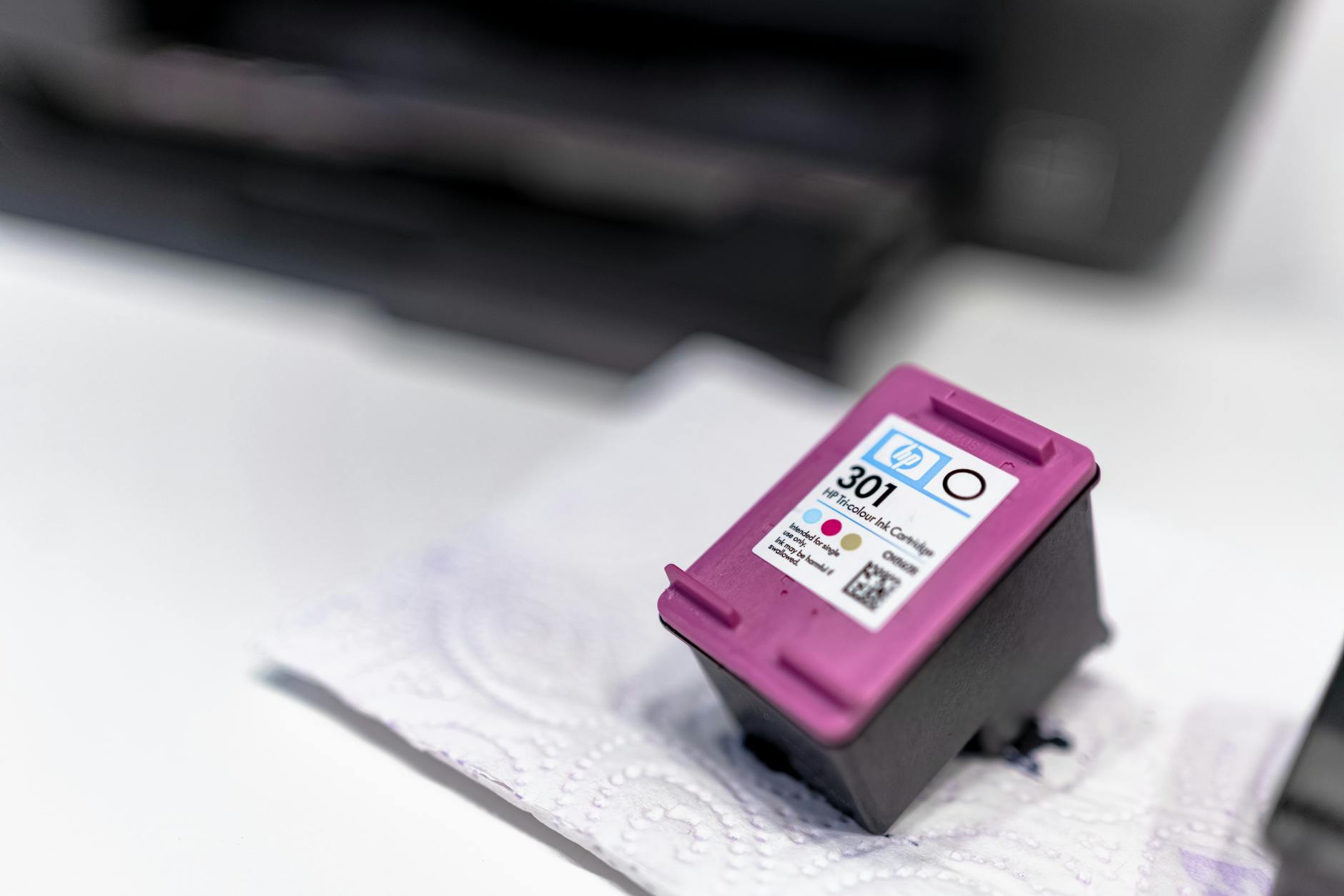
The most common type, standard visiting cards typically measure 3.5 x 2 inches and feature simple layouts with clean typography. Aimed at straightforward communication, these cards prioritize legibility and professionalism. The design can include basic logo placement, contact details, and minimalistic color schemes, ensuring clarity while maintaining a polished appearance.
Premium Visiting Cards
For a more distinguished presence, premium visiting cards incorporate high-quality materials and intricate design elements. These may feature thicker stock, elegant finishes, and custom printing techniques such as glossy or matte coatings. Embossing, foiling, and spot UV are common features that add a tactile and visual appeal, making these cards stand out significantly in any professional setting.
Textured and Specialty Finishes
Textured finishes lend a unique tactile experience, enhancing the sensory perception of a card. Examples include linen textures, embossed patterns, or soft-touch coatings. Specialty finishes, such as matte, gloss, or velvet lamination, further elevate the aesthetic appeal. Additionally, specialty processes like foil stamping or spot UV coating can highlight logos or key design elements, establishing a strong brand presence.
Custom Shapes and Interactive Elements
Beyond traditional rectangle cards, custom shapes such as die-cut circles, ovals, or irregular forms contribute to distinctive branding. Incorporating interactive elements like NFC chips, QR codes, or textured surfaces engages recipients more effectively, facilitating easy access to digital content or contact details and fostering memorable interactions.
Design Considerations for Effective Visiting Cards
- Brand Consistency: Incorporate brand colors, logos, and fonts to reinforce identity.
- Clarity and Readability: Ensure contact information is legible, with sufficient contrast and appropriate font sizes.
- Balance and Layout: Maintain visual harmony by balancing text and imagery without clutter.
- Material Choice: Select materials that align with the intended professional image and function of the card.
- Unique Features: Integrate textures, finishes, or shapes that make the card memorable and distinguishable.
When choosing a visiting card style, consider the nature of your business, target audience, and personal branding objectives. While a minimalist standard card suffices for some industries, others may benefit from more elaborate designs that highlight sophistication and creativity. The right combination of style and material can significantly impact brand perception and networking success.
Materials and Finishes for Visiting Cards
Choosing the right material and finish for visiting cards significantly enhances their tactile appeal and durability, reinforcing your professional image. Common paper types include thick, textured, and eco-friendly options, each offering distinct visual and tactile qualities suitable for different branding needs. For instance, textured papers such as linen or felt impart a sophisticated feel, while eco-friendly materials made from recycled fibers communicate a commitment to sustainability.
Finishing techniques further elevate the visual impact and longevity of the cards. Spot UV coating adds a glossy layer over specific design elements, highlighting logos or text with a subtle shine, while embossing creates a raised surface that adds depth and a tactile dimension. Hot foil stamping introduces metallic accents, making key details like logos or borders stand out with a luxurious effect. Lamination provides a protective barrier against moisture and wear, ensuring your cards maintain their pristine appearance over time.
Choosing the Right Size and Shape
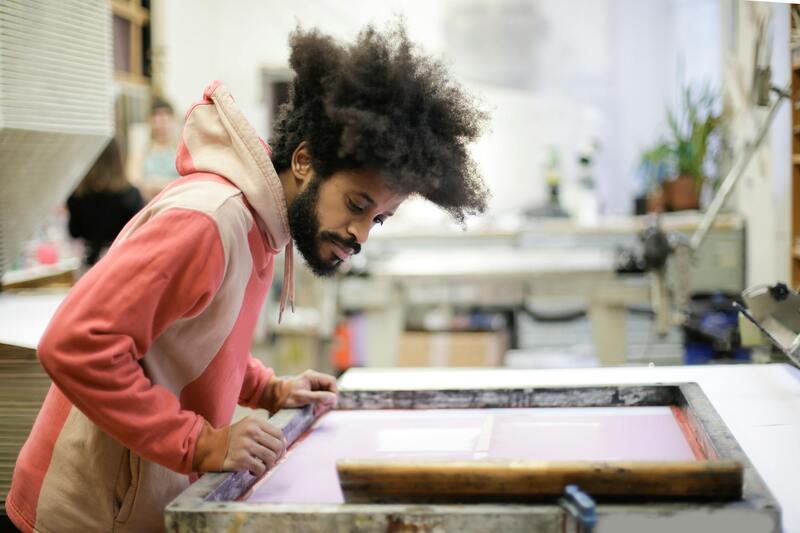
Standard visiting card dimensions typically measure 85mm by 55mm, aligning with international business card norms for easy storage in wallets and cardholders. However, exploring different sizes and shapes can set your card apart and better reflect your brand personality. Custom shapes such as rounded corners, die-cut edges, or irregular forms like circles or ovals add distinctive visual cues that attract attention.
Opting for non-traditional shapes can be particularly effective for creative industries, retail, or hospitality, where unique branding plays a critical role. When selecting size and shape, consider compatibility with your branding style, ease of handling, and the practical aspect of fitting in standard holders or wallets. A well-chosen shape can communicate innovation and professionalism, making your contact details more memorable.
Printing Technologies and Methods
Modern visiting card printing employs advanced technologies to ensure high-quality output with precise color reproduction and sharp details. Offset printing remains a popular choice for bulk orders, delivering consistent color fidelity and fine detailing on smooth papers. Digital printing offers flexibility and cost-effectiveness for small runs or last-minute requirements, maintaining high resolution and vibrant colors.
Specialized methods like letterpress or thermography can add tactile textures, embossing, or raised ink effects that convey a sense of luxury and craftsmanship. UV coating and varnishes are also used to add gloss or matte finishes selectively, emphasizing specific areas and enhancing visual contrast. Choosing the appropriate technology depends on your design complexity, quantity, and desired finish.
Factors to Consider When Ordering Visiting Cards
- Design alignment: Ensure your design reflects your brand identity and appeals to your target audience.
- Material suitability: Select materials that complement your brand and withstand everyday handling.
- Print quality: Request samples or proofs to verify color accuracy, sharpness, and overall look.
- Quantity: Determine order size based on networking needs, budget, and potential for reprint or updates.
- Budget considerations: Balance design complexity and material choices with available funds to optimize value.
Cost and Lead Time in Singapore
In Singapore, the cost of visiting card printing varies based on factors such as material, finish, size, and order quantity. Standard designs on premium paper with basic finishes are generally more affordable, while customized shapes or specialty textures command higher prices. Lead times are typically between 2 to 7 business days, depending on complexity and order volume, with expedited options available for urgent needs.
Trends and Innovative Features in Visiting Card Printing
Recent trends emphasize interactivity and sustainability. Incorporating NFC chips or QR codes transforms a traditional card into a digital gateway, streamlining contact sharing and digital engagement. Eco-conscious printing options, such as seed paper or biodegradable materials, are gaining popularity, appealing to environmentally aware consumers. Minimalist but bold designs utilizing innovative finishes like holographic foils or tactile varnishes create memorable impressions, aligning with modern aesthetics and technological advancements.
Where to Find Visiting Card Printing Services in Singapore
Numerous reputable printing service providers operate within Singapore, offering a wide range of customization options to match specific brand requirements. Services such as disc-print.com specialize in business card printing, providing opportunities for high-quality, innovative, and tailored designs. It is advisable to review portfolios, request samples, and discuss your specific needs with vendors to ensure the final product aligns perfectly with your branding objectives.
Materials and Finishes for Visiting Cards
Choosing the right materials and finishes for visiting cards is essential to reflect your brand identity and leave a lasting impression. Premium options such as thick linen, textured, or metalized papers provide a tactile experience that enhances perceived value. Standard cardstock remains popular for its affordability and versatility, accommodating a broad range of design options.
Various finishes can add distinctive visual and tactile effects to your visiting cards. Matte finishes deliver a sophisticated, non-reflective surface ideal for minimalistic designs. Glossy finishes, on the other hand, amplify colors and details, making visuals pop. For a more dramatic effect, specialty finishes like spot UV coating highlight specific areas, while tactile finishes such as embossed or debossed textures create a layered, three-dimensional feel.
Application of metallic foils, holographic effects, or tactile varnishes further customizes visiting cards, offering innovative ways to stand out in competitive environments. Eco-friendly finishes, such as seed paper or biodegradable options, are increasingly popular among environmentally conscious brands, combining sustainability with premium presentation.
Advanced Printing Technologies and Methods
Modern printing techniques give businesses numerous options to create visually stunning and durable visiting cards. Offset printing remains the standard for high-volume production, offering excellent color fidelity and sharp details. Digital printing allows for quick turnaround times and cost-effective small batch runs, making it ideal for startups and personalized cards.
Specialized methods like embossing and debossing add a tactile dimension, providing an elevated perception of quality. Foil stamping involves the application of metallic or pigmented foils, creating eye-catching accents that emphasize logos or brand elements. Spot UV coating enhances specific design areas with a shiny, protective layer, increasing visual appeal while providing a subtle textural contrast.
Die-cutting techniques enable custom shapes and intricate edges, turning traditional rectangular cards into unique, memorable branding tools. Some advanced systems incorporate NFC chips or QR codes directly into the card, facilitating digital engagement and contact sharing seamlessly. These methods not only enhance the aesthetic but also incorporate functional technology, aligning with modern communication needs.
Types of Visiting Cards and Design Options
When selecting a visiting card, understanding the various types and design choices is essential to convey your brand’s identity effectively. Standard rectangular cards remain the most common, offering versatility across industries. However, creative variations such as square, rounded corners, or custom-shaped cards can help a brand stand out. Embossed or debossed designs add a tactile element that reinforces a high-quality feel, making the card memorable.
Design options also include the strategic use of colors, typography, and imagery to bolster brand recognition. Minimalist designs emphasize simplicity and elegance, often employing monochrome schemes with subtle textures, while vibrant colors and bold graphics attract attention for more dynamic brands.
Advanced design features like spot UV coating can highlight specific elements such as logos or contact information, creating a glossy contrast against matte backgrounds. Incorporating metallic foils, holographic accents, or matte finishes provides additional options to infuse luxury and sophistication into the card’s appearance.

Materials and Finishes for Visiting Cards
When selecting materials for your visiting cards, the choice profoundly impacts the card's durability, texture, and overall aesthetic. Common options include standard cardstock, which offers a reliable balance of quality and affordability. For a more premium feel, thick matte or gloss finishes are popular, providing a sophisticated look that complements your brand identity.
Specialty finishes such as matte lamination offer a non-reflective surface that enhances readability, while gloss coating adds vibrancy and shine, making colors pop vividly. Soft-touch coatings extend a luxurious tactile experience, encouraging recipients to handle the card multiple times. Additionally, textured papers like linen or suede add a unique dimension, further differentiating your visiting card from conventional options.
Enhancement techniques such as embossed or debossed effects allow designers to create raised or recessed elements, emphasizing logos, names, or contact details. Foil stamping, available in metallic shades like gold, silver, or rose gold, infuses a touch of luxury and sophistication. Holographic accents and hologram foils push the envelope further, providing a dynamic, eye-catching component that can significantly elevate your branding material.
For added protection and aesthetic appeal, spot UV coating can be strategically applied to highlight specific design elements, such as logos or icons, contrasting against matte or matte-soft touch backgrounds. These finish options not only add visual interest but also protect your cards against wear and tear, ensuring they maintain their pristine appearance over time.
Choosing the Right Size and Shape
The conventional visiting card size in Singapore typically measures 90mm x 55mm, fitting comfortably in wallets and cardholders. However, considering variations in size and shape can help communicate your brand's personality more effectively. Custom sizes present an opportunity to stand out, especially when aligned with your industry standards and target audience.
Square cards (e.g., 55mm x 55mm) or mini cards (around 85mm x 55mm) can project modernity, minimalism, or trendiness. Rounded corners soften the visual impression, adding a touch of elegance and reducing the risk of bent edges. Die-cut shapes offer complete customization, from circular and oval to uniquely branded contours that reflect your company’s niche or personality.
Designing in non-traditional shapes such as hexagons, triangles, or custom silhouettes can reinforce your brand's innovation and creativity. When delaying traditional shapes, it’s crucial to balance aesthetics with practicality—ensuring the card remains easy to store and handle without sacrificing visual impact.

Considerations for Practical and Effective Design
While size and shape are vital, maintaining clarity and readability is essential. Adequate margin space around text and graphical elements prevents overcrowding and ensures your contact information remains accessible. Color contrast is equally important, with darker text on lighter backgrounds improving legibility.
Including subtle branding elements such as watermarks or background textures enhances visual interest without detracting from the card’s primary function. For technologically savvy audiences, integrating functional features like QR codes or NFC chips offers seamless access to digital profiles or portfolios, merging traditional and digital touchpoints effectively.
By thoughtfully combining materials, finishes, sizes, and shapes, your visiting card becomes a potent embodiment of your brand’s identity—an effective tool that leaves a lasting impression and fosters professional connections.
Types of Visiting Cards and Design Options
Variety in visiting card styles allows professionals and companies to distinguish themselves effectively. Standard rectangular designs remain popular for their simplicity and ease of storage, but alternative formats such as square cards, circular, or custom die-cut shapes are increasingly sought after to add uniqueness. For instance, circular cards can evoke a modern and approachable image, whereas die-cut shapes like hexagons or silhouettes aligned with brand motifs can make a memorable statement. Design choices extend beyond shape. Incorporating minimalist aesthetics with bold typography, vibrant color schemes, or subtle branding elements influences impressions greatly. Embossed logos, spot UV coatings, and matte or gloss finishes can elevate the tactile and visual appeal, making the card both attractive and functional for quick information retrieval.
- Standard rectangular cards: Versatile, cost-effective, and compatible with most storage options.
- Square and round cards: Unique shapes that stand out and reflect contemporary design trends.
- Die-cut / Custom silhouettes: Shapes tailored to your business niche or personal identity, enhancing brand recognition.
Materials and Finishes for Visiting Cards
Selecting the appropriate material and finish is crucial in creating a durable and visually appealing visiting card. Common materials include:
- Standard cardstock: cost-effective and suitable for most business needs.
- Premium paper stocks: such as textured or thicker papers offering prestige and durability.
- Specialty materials: including transparent PET, gloss or matte PVC, adding a modern or elegant touch.
Finishing treatments substantially impact both aesthetics and tactile experience. Matte finishes lend a sophisticated, non-reflective look, ideal for minimalistic designs. Gloss finishes enhance colors and visual impact, making graphics pop. Spot UV adds a glossy highlight to specific areas like logos or icons, providing depth and focus, while embossed or engraved details impart a luxurious texture.
Consider combining different finishes, such as matte backgrounds with high-gloss embossed logos, to create layers of visual interest. Additionally, environmentally friendly options like recycled papers or plant-based inks are increasingly favored for their sustainability benefits.

Choosing the Right Size and Shape
Optimal size and shape are vital for both functional and aesthetic reasons. Traditional dimensions, such as 85mm x 55mm, are widely accepted due to their portability and ease of fitting into standard cardholders. However, exploring different sizes can help your card stand out in a stack of generic cards.
For shapes, rounded corners are often preferred for their smooth appearance and easier handling, while unconventional shapes demand careful consideration of storage and practicality.
When opting for larger or uniquely shaped cards, ensure the design remains clear and uncluttered. The key is balancing standout features with straightforward access to contact details. Custom shapes like hexagons or die-cut silhouettes aligned with brand themes can project innovation while maintaining usability.
Printing Technologies and Methods
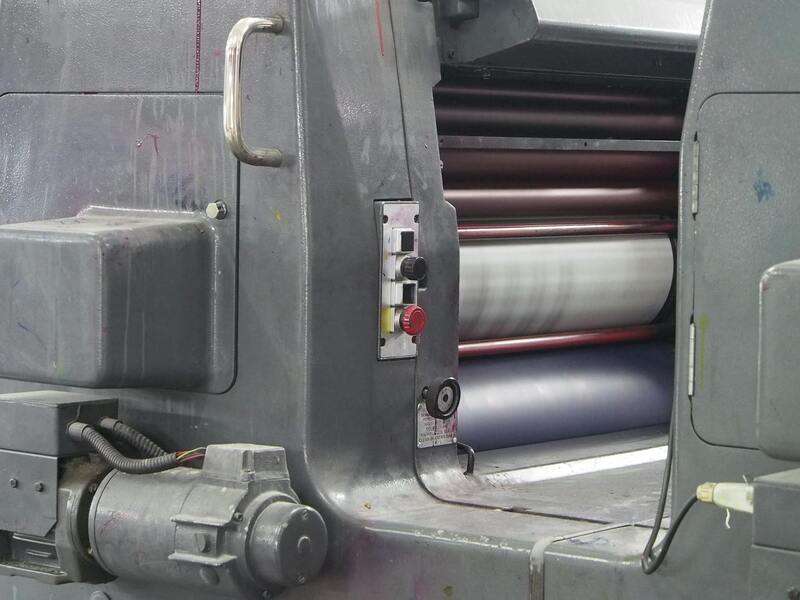
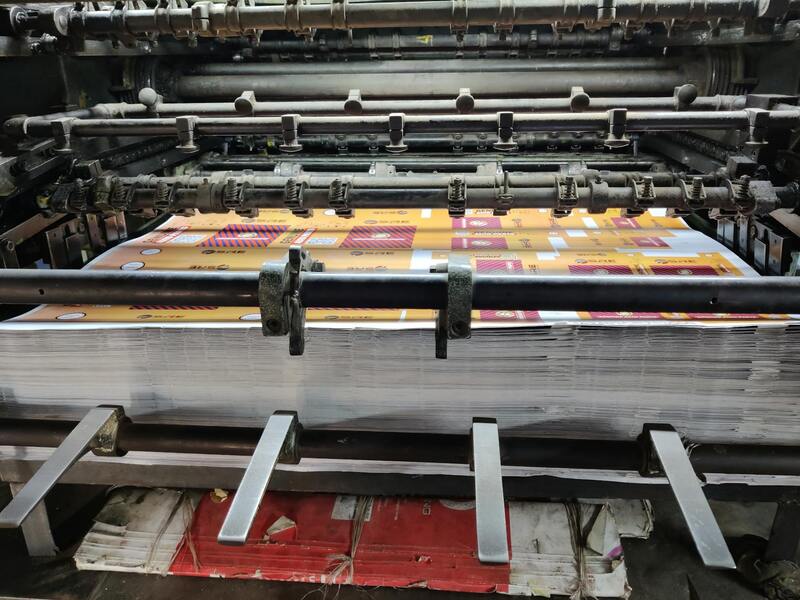
The printing approach significantly influences the quality and durability of visiting cards. Traditional offset printing provides high precision and vibrant color reproduction suitable for bulk orders. Digital printing offers flexibility for small runs, quick turnaround, and easy customization. Specialized techniques like letterpress or thermography are favored for their tactile effects, adding embossed or raised elements that catch the light and tactile sense. UV coating, available in gloss or matte finishes, provides durable surface protection and enhances visual contrast. For high-end or luxury cards, foil stamping, hot-stamped metallic elements, or spot UV can create stunning accents. Incorporating innovative features like NFC chips or QR codes also requires precise digital printing techniques to ensure functionality and integration.
Understanding the capabilities and limitations of each method ensures the final product aligns with your branding goals and budget considerations.
Factors to Consider When Ordering Visiting Cards
When finalizing your visiting card order, several practical factors must be balanced to ensure satisfaction and effectiveness:
- Budget considerations: Choose materials, finishes, and printing methods that align with your financial plan without compromising on quality.
- Design complexity: Elaborate designs may require higher costs and longer lead times; simplicity often enhances clarity and impact.
- Target audience: Consider the preferences and expectations of your clients or partners to select a style and finish that resonates well.
- Quantity and turnaround time: Bulk orders often benefit from discounts and faster production, but plan ahead for urgent needs with express options.
- Additional features: Incorporate functionalities such as QR codes, NFC chips, or textured finishes judiciously to enhance utility and appeal.
It’s also essential to review proofs carefully before mass production to verify that colors, text, and finishing details match expectations, ensuring a professional presentation in every card distributed.
Types of Visiting Cards and Design Options
Visiting cards come in a diverse range of types, each tailored to suit different professional identities and branding needs. Standard cards typically feature essential contact details with a clean layout, while more elaborate variants include embossed, foil-stamped, or spot UV finishes to add texture and sophistication. Designers often opt for minimalist styles emphasizing typography and negative space, whereas others explore intricate illustrations or custom artwork that reflect unique branding elements.
Design options are largely influenced by the purpose and target audience. For instance, tech startups may prefer sleek, modern designs with bold colors and innovative layouts, while luxury brands might choose embossed textures, gold foiling, or matte finishes to evoke elegance. The choice of color schemes, typography, and visual motifs should align with brand guidelines, ensuring consistency across all marketing materials.
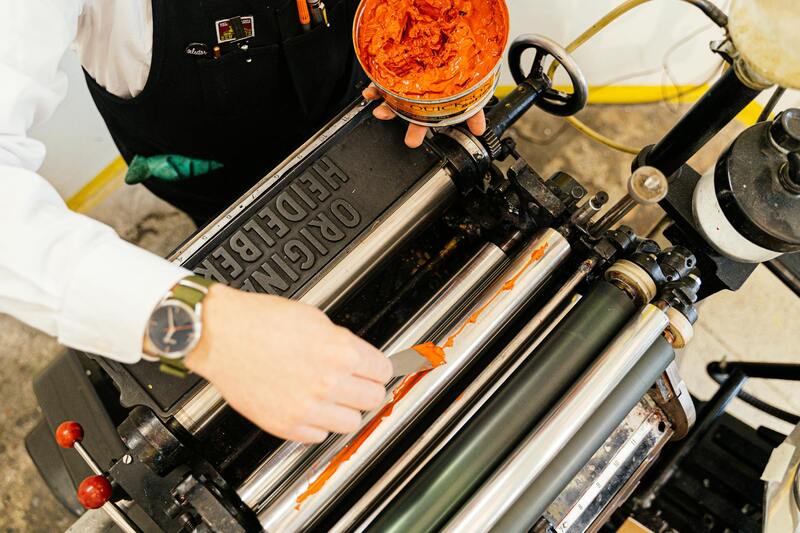
Influence of Industry and Brand Identity
- Corporate and legal sectors often favor minimalistic and professional designs using muted tones.
- Creative industries may opt for vibrant colors, unusual shapes, or textured finishes to demonstrate innovation.
- Healthcare providers might include clean layouts with clear fonts to ensure readability and trustworthiness.
- Networking-focused personalities may incorporate QR codes or NFC chips to facilitate quick digital interactions.
Materials and Finishes for Visiting Cards
Choosing the right material and finish is essential for creating durable and visually appealing visiting cards. Common materials include standard cardstock, premium vellum, textured linen, or eco-friendly recycled papers, each providing different tactile experiences. Finishes such as matte, gloss, satin, or soft-touch coatings can significantly enhance the overall presentation of the card.
Special finishes like spot UV coating add gloss to specific design elements, highlighting logos or contact details. Foil stamping introduces metallic accents that lend a luxurious touch, while embossing or debossing adds depth through raised or recessed patterns.
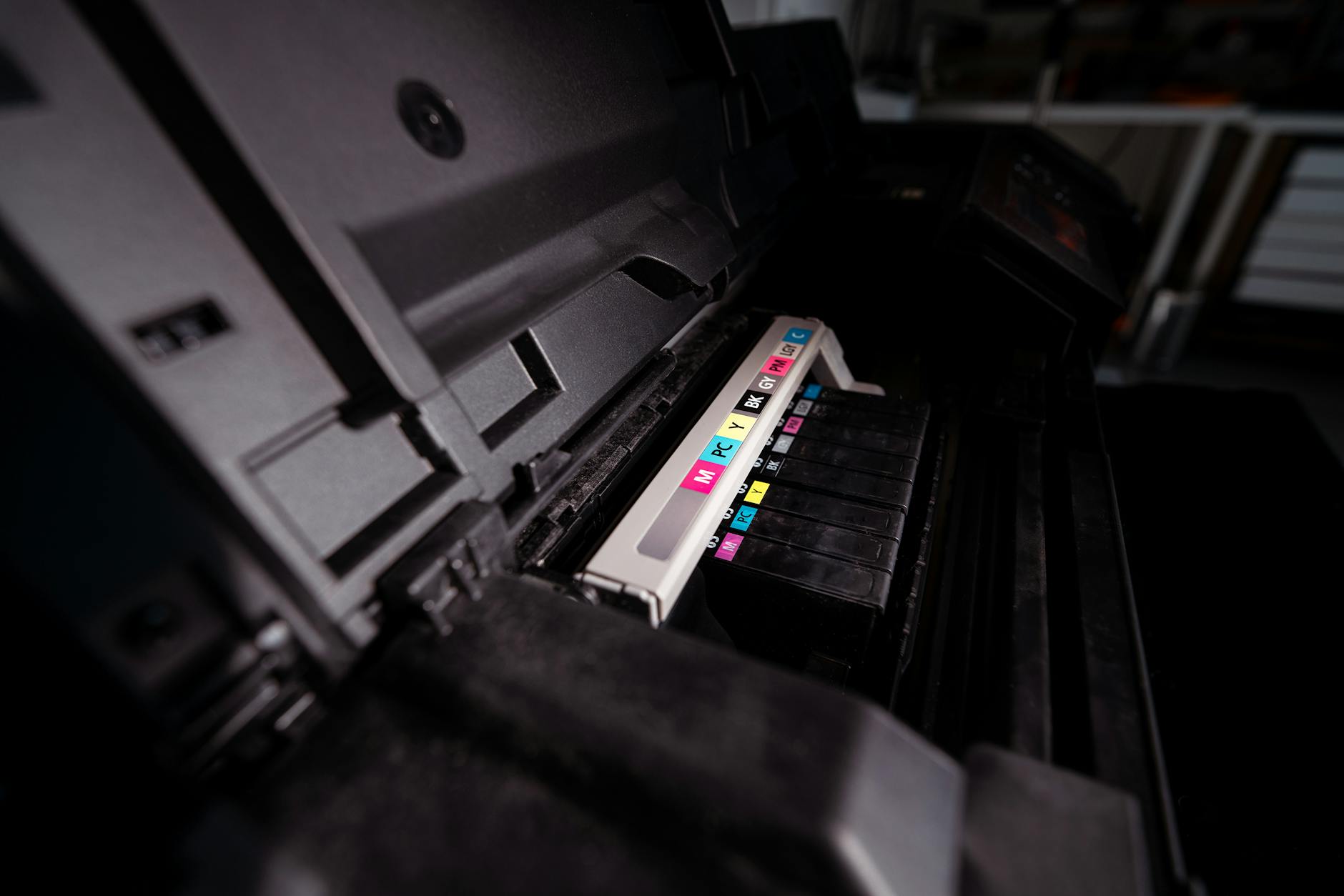
Environmental Considerations
- Recycled paper options are increasingly popular among eco-conscious brands.
- Vegetable-based inks ensure vibrant colors while maintaining sustainability standards.
- Water-based coatings and biodegradable finishes reduce environmental impact.
Choosing the Right Size and Shape
Traditional visiting cards typically measure 3.5 x 2 inches, providing enough space for essential contact information while maintaining portability. However, alternative sizes and shapes can distinguish a brand, such as square, rounded corners, or custom die-cut designs that match corporate branding or thematic elements.
Unique shapes, like circular or complex die-cut patterns, require precise cutting techniques and can increase production costs but offer highly memorable impressions. The shape should complement the design and be practical for carrying and storage.
Functional Considerations
- Standard sizes fit neatly into wallets, cardholders, or dedicated slots in digital devices.
- Unusual shapes may stand out but should not compromise the ease of insertion or storage.
- Edge treatments like beveled or rounded edges can enhance grip and aesthetic appeal.
Printing Technologies and Methods
The choice of printing method impacts the quality, texture, and production efficiency of visiting cards. Offset printing is best suited for bulk orders, providing high-quality images and consistent colors. Digital printing offers quick turnaround times and is ideal for short runs or personalized designs.
Specialized techniques such as letterpress, thermography, or UV coating enable the creation of textured effects, raised inks, or glossy finishes. Foil stamping, hot-stamping, and embossing significantly add to visual interest and tactile experience, elevating premium branding efforts.
Cost-Effective and High-Quality Options
- Offset printing is cost-efficient for mass production with vibrant color fidelity.
- Digital printing facilitates rapid turnaround and customization for smaller batches.
- Spot UV and foil accents require additional setup but provide striking visual effects.
Factors to Consider When Ordering Visiting Cards
When placing an order, a comprehensive understanding of several key factors ensures the final product aligns with expectations. Prioritize your budget, design complexity, target demographic, and delivery timelines. Selecting the appropriate materials and finishes balanced with your budget constraints results in a product that communicates professionalism and uniqueness effectively.
Proof approval is a critical step, allowing you to verify color accuracy, font clarity, and layout before mass production. This helps avoid costly errors and ensures a polished presentation that resonates with your professional identity.
Official and Legitimate Methods for Visiting Card Printing in Singapore
When seeking to create high-quality visiting cards, it is essential to rely on reputable printing service providers that adhere to official standards and utilize recognized printing technologies. Such providers typically operate with transparent processes, certifications, and compliance with industry best practices, ensuring that the final product meets professional expectations and aligns with branding goals. Using certified printing facilities guarantees consistent color reproduction, precise cutting, and durable finishes. These companies often employ industry-standard machinery, such as offset and digital printing presses, which are operated by trained technicians to ensure safety, quality, and environmental compliance. This adherence not only produces superior cards but also safeguards your investment by minimizing errors and rework. It is advisable to work with well-established local and regional vendors who possess a proven track record and positive customer ratings. These providers usually have comprehensive portfolios showcasing their capabilities in producing various card types—from simple standard designs to elaborate premium finishes. Their operational legitimacy is further supported by their membership in recognized industry associations, compliance with intellectual property regulations, and transparent pricing structures. For your peace of mind, request detailed proofs before mass production. This step allows for verification of design accuracy, color fidelity, and layout clarity, ensuring the final product precisely matches your specifications. By choosing authorized printing partners, you gain access to official channels that support secure transactions, reliable delivery schedules, and post-sales support. In addition, many licensed printing companies in Singapore utilize environmentally responsible practices, such as eco-friendly inks and sustainable materials. These efforts reflect a commitment to industry standards that promote sustainability and social responsibility. In summary, to ensure your visiting cards meet professional standards and leave a positive impression, engage with verified printing service providers. Confirm their credentials, review their portfolios, and opt for providers that employ recognized printing methods and materials. This approach guarantees a legitimate, high-quality result suited to your branding and networking needs.