Understanding the Benefits of Printing Your Own Cards
Printing your own cards offers a multitude of advantages for both personal and professional use. With advancements in digital printing technology and a wide range of customizable options, individuals and businesses can craft unique, high-quality cards without relying solely on third-party printing services. This approach not only enhances creativity and personal expression but also results in significant cost savings over time.

One of the primary benefits of self-printing cards is the ability to tailor each card precisely to your specifications. Whether you need greeting cards, business cards, event invitations, or promotional materials, printing your own allows for complete control over design, material selection, and finishing details. This degree of customization ensures that every card aligns perfectly with your branding or personal style.
Cost-effectiveness is another significant factor. Although professional printing services can produce high-quality results, their costs can add up, especially for bulk orders. By investing in quality home printing equipment and materials, users can produce multiple cards at a fraction of the cost, making it an ideal solution for small businesses, startups, or individuals planning personal events.
Flexibility and speed are additional advantages. When printing your own cards, you can quickly respond to last-minute changes or urgent needs without the wait involved in ordering from a third-party provider. This agility proves invaluable for timely marketing campaigns, events, or personal projects that require immediate attention.
Furthermore, DIY card printing fosters a creative process that allows for experimentation with different designs, textures, and finishes. It encourages innovation and personal involvement, which often leads to more meaningful and memorable final products. For businesses, this level of bespoke customization can elevate brand identity and enhance customer engagement.
Modern printing equipment supports a wide array of materials — from standard cardstock to specialty textured papers — enabling users to achieve diverse aesthetic effects. The availability of various sizes and formats facilitates the production of everything from compact business cards to elaborate invitation cards tailored for specific occasions.
Ensuring quality in homemade cards often involves selecting the right printer and materials for your needs. Home printers designed for high-resolution output combined with premium papers can produce professional-looking results that satisfy even discerning recipients. This enables users to present polished, impactful cards that stand out in a competitive environment or make a personal impression that lasts.
Incorporating your own designs and printing capabilities extends beyond personal use and into realms like corporate branding and marketing. Small enterprises benefit from the ability to produce branded greeting cards, thank-you notes, or promotional flyers on-demand. This level of in-house production supports budget management and preserves brand consistency across all printed materials.
In summary, printing your own cards facilitates extensive customization, offers cost efficiency, enhances flexibility, and encourages creative expression. Whether your goal is to craft heartfelt greetings, create professional business cards, or develop unique marketing collateral, embracing the power of self-printed cards opens up numerous possibilities tailored specifically to your vision and needs.
Understanding the Benefits of Printing Your Own Cards
Creating personalized cards at home or in-office settings offers a multitude of advantages that extend beyond mere convenience. By taking control of the printing process, individuals and businesses can ensure each card aligns precisely with their aesthetic desires and branding standards. This self-sufficient approach allows for immediate adjustments, enabling a dynamic and creative process where ideas can be translated into tangible products without reliance on external vendors.
An inherent benefit lies in cost management. Producing cards in-house eliminates markup costs associated with outsourcing, making it a financially advantageous method, especially for small-scale operations or individual projects. This affordability opens doors for frequent updates, personalized gifts, or limited editions, which might be prohibitive if processed via third-party services.
Customization is another major advantage. Printing your own cards allows for rapid experimentation with designs, colors, and formats, thereby fostering a higher degree of personalization. Whether for special occasions such as weddings, birthdays, corporate events, or marketing campaigns, the ability to tailor each detail ensures the final product resonates more profoundly with its intended audience.
Furthermore, flexibility in production strategies can cater to varying volume requirements. For small batches or one-off creations, in-house printing proves especially efficient, reducing turnaround times and handling multiple revisions without additional costs. This agility supports creative exploration, with new ideas being implemented swiftly without the delays typical of commercial print cycles.
In terms of quality, advances in modern printers and premium printing materials have minimized the gap between at-home production and professional outputs. Selecting appropriate paper types, such as textured or glossy finishes, can elevate the perceived value of homemade cards. Additionally, high-resolution inkjet or laser printers ensure crisp, vibrant images and text, enabling a polished appearance suitable for professional or personal contexts.
Beyond individual use, printing your own cards serves as a strategic tool for businesses aiming to bolster branding efforts. Customized business cards, promotional flyers, or event invitations convey a consistent message and foster brand recognition more effectively. The rapid production capability allows for timely distribution aligned with marketing schedules, facilitating targeted outreach or last-minute updates.
Incorporating your unique designs and printing capabilities supports a sustainable approach as well. By reducing dependency on large print runs and minimizing waste, users contribute to environmentally mindful practices. This aligns well with contemporary values emphasizing sustainability and resource efficiency.
Technological advancements and the availability of diverse supplies have made self-printing increasingly accessible and reliable. The combination of affordable equipment, versatile materials, and user-friendly software empowers individuals to achieve professional-grade results within their own spaces. This autonomy fosters a sense of creative control and satisfaction, from designing to the final production step.
Overall, the capacity to print your own cards enhances creative expression, economizes resources, and accelerates production timelines. Whether for personal milestones, marketing endeavors, or corporate communication, this approach provides a platform to realize ideas efficiently and with high quality, giving users the freedom to craft memorable impressions that resonate long after the initial viewing.
Proper Selection of Paper and Materials for Optimal Card Quality
When printing your own cards, the choice of materials significantly influences the overall appearance and durability of the finished product. Starting with the right paper type is essential; options such as heavyweight cardstock, glossy finishes, matte textures, or textured linen papers provide different tactile and visual effects. Heavyweight cardstock, for instance, offers rigidity and a premium feel, suitable for invitations or greeting cards, while glossy finishes enhance vibrant colors for promotional materials and artistic designs.
Consider the specific requirements of your project to select the most compatible materials. For example, if you aim to produce a set of environmentally friendly greeting cards, recycled paper options with sustainable finishes are available, aligning quality with eco-conscious values. When choosing finishes, matte surfaces diffuse light and reduce glare, making text and detailed designs easier to read, whereas gloss coatings amplify colors and add a sleek, polished look.
Size selection is equally important, with standard dimensions such as 4x6 inches, 5x7 inches, and 6x8 inches widely used for various card types. These sizes are compatible with most envelopes and mailing standards, simplifying distribution and presentation. Custom sizes are also feasible, allowing for more personalized designs that stand out.
Design Tips for Custom Cards
- Maintain High-Resolution Artwork: Use images and graphics with a resolution of at least 300 DPI to ensure sharp and clear prints.
- Include Bleed and Margin Spaces: Adding bleed areas (usually 1/8 inch) prevents unwanted white borders after trimming, and margins keep important content within safe zones.
- Color Management: Opt for CMYK color mode for consistent print outcomes, matching digital designs to physical results effectively.
- Design for Readability: Use contrasting colors and legible fonts, particularly if your cards feature text or details meant to be easily read at a glance.
Adapting Designs for Different Card Types
Whether creating business cards, greeting cards, or promotional flyers, tailoring the design layout to each medium enhances professional presentation. Business cards benefit from minimalistic or brand-aligned designs, emphasizing contact information and logo placement, while greeting cards allow for more artistic expressions with images and heartfelt messaging. Modular templates are valuable tools, providing a professional foundation that can be customized to match personal or corporate styles.
In crafting these custom designs, consider the printing process—such as whether inkjet, laser, or digital presses will be used—and adjust color profiles and file formats accordingly to achieve the best results. Remembering that the material choice complements your design ensures that your printed cards make a memorable impression and stand up to handling or mailing.
Understanding the Benefits of Printing Your Own Cards
Printing your own cards offers a level of customization and control that surpasses many pre-made options. By managing the entire process, you can tailor the card's design, finish, and material to perfectly match your personal style or branding requirements. This approach not only allows for unique and memorable cards but also can be significantly more cost-effective, especially when producing in bulk. Additionally, printing at home or through local services gives you the flexibility to make last-minute adjustments without the delays associated with external printing facilities, ensuring that your final product aligns precisely with your expectations. This method also fosters a creative process, enabling you to experiment with different designs, layouts, and finishes to produce a truly distinctive card. Moreover, having the ability to print your own cards supports sustainable practices by reducing waste and the need for excessive packaging that often accompanies commercial printing, contributing to more environmentally conscious choices.

Types of Custom Cards You Can Print
Educational, promotional, personal, or corporate, the spectrum of cards you can produce on your own is vast. Business cards remain a staple, serving as a primary tool in networking and branding, where high-quality printing combined with personalized design ensures a professional impression. Greeting cards, whether for holidays, birthdays, or special occasions, allow for creative expression to convey heartfelt messages or festive themes. Invitations for events such as weddings, conferences, or parties can be tailored with intricate designs and unique formats, enhancing the significance of each occasion. Postcards for marketing campaigns or personal correspondence are another popular choice, often featuring compelling visuals and concise messaging. Additionally, custom loyalty or membership cards can be designed to reinforce brand identity and encourage customer retention. The diversity in card types underscores the importance of selecting the right materials, sizes, and finishes to optimize functionality and aesthetics for each purpose.
Common Types Include:
- Business and Visiting Cards
- Greeting and Holiday Cards
- Event Invitations
- Postcards and Marketing Flyers
- Membership and Loyalty Cards
- Gift and Promotional Cards
Mastering the art of printing your own cards necessitates an understanding of the variations in design and material to ensure the final product is both durable and visually appealing. Whether you choose to craft simple designs or elaborate visuals, the flexibility of home or local printing empowers you to bring your creative concepts to life efficiently and effectively.
Optimal Printing Techniques for Your Custom Cards
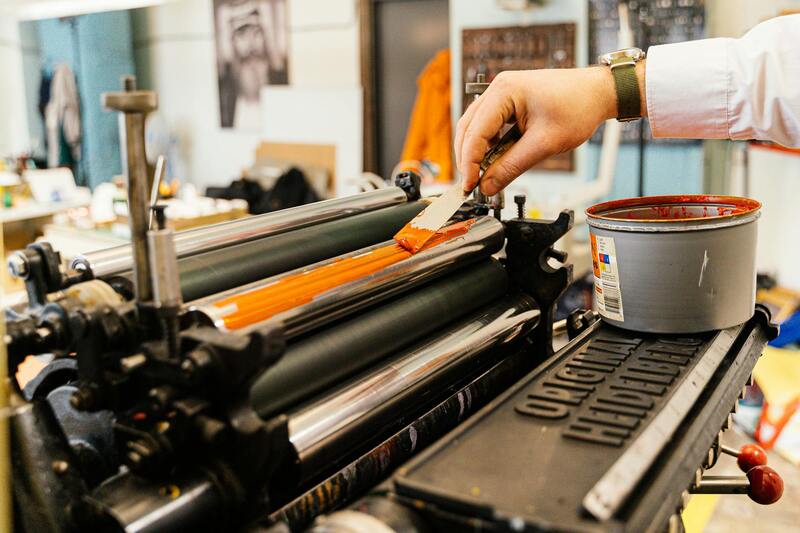
Choosing the appropriate printing technique is essential to ensure that your cards achieve the desired quality, durability, and visual impact. When printing your own cards, several official and proven methods can be employed, each suited to different types of projects and volume requirements.
Digital Printing
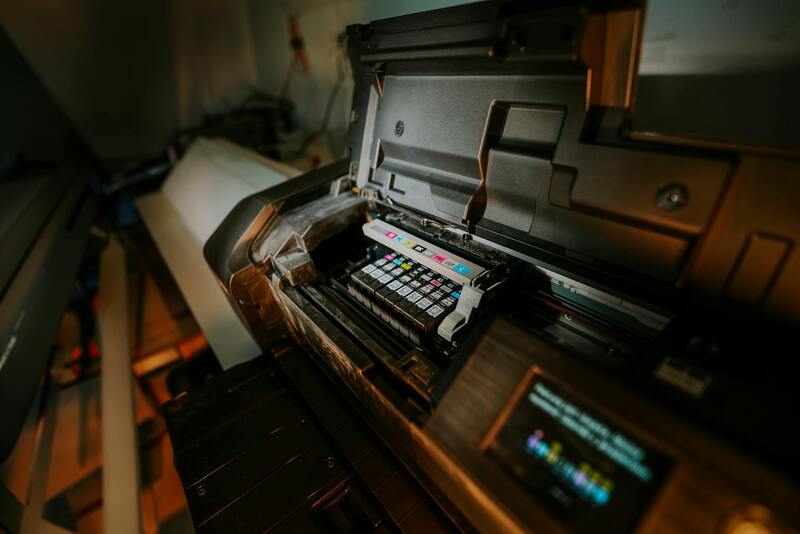
Digital printing is one of the most accessible and versatile methods for small to medium runs. It involves directly transferring digital images onto the card surface using inkjet or laser printers. This technique allows for quick turnaround times, high-resolution output, and the ability to easily customize each card with variable data. The process is ideal for personalized greeting cards, event invitations, and promotional cards where detailed visuals and vibrant colors are necessary.
Offset Printing
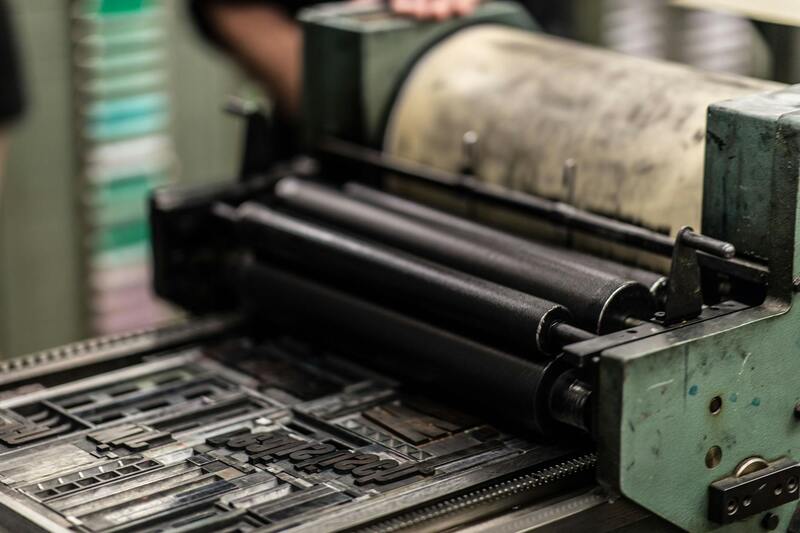
Offset printing remains a staple choice for larger volume production, offering superior color accuracy and finer detail. In this method, the image is transferred from a metal plate onto a rubber blanket before being printed onto the card surface. Although it requires an initial setup investment, offset printing provides consistent results at a lower cost per unit for high-volume orders. It is particularly suited for professional-grade greeting cards, business stationery, and marketing materials where high quality is paramount.
Letterpress and Engraving
For a classic, tactile finish, letterpress and engraving techniques impart a luxurious feel to your cards. These antique methods involve pressing or engraving ink under high pressure onto the card surface, creating a textured effect that elevates the perceived value of your printed items. While these methods are more time-consuming and costlier, they are perfect for high-end invitations, premium business cards, and special occasion greetings that require a distinguished appearance.
Screen Printing
Screen printing offers excellent coverage and vibrant colors, suitable for bold designs and artwork that need to stand out. It involves creating a stencil, or screen, through which ink is pressed onto the card. Though traditionally used for larger prints, advancements in technology have made screen printing viable for smaller batches and detailed images, especially on thicker or textured card stocks.
Confirming the Best Method
When selecting the most effective printing approach for your project, consider the volume, budget, desired quality, and timeline. Digitally driven options like inkjet or laser printing are ideal for quick, customized cards with intricate visuals. Offset and specialty printing techniques cater to bulk orders requiring high fidelity and tactile richness. Combining these official methods with high-quality materials and professional finishing will help you produce cards that not only look impressive but also withstand handling over time.
Sample Creation and Testing
Prior to mass production, creating a sample card using your chosen method is highly recommended. This allows you to review color accuracy, text clarity, and overall aesthetic. Adjustments can be made before committing to a larger order, ensuring your final product aligns with your expectations and purpose.
Considerations for Home and Office Printing
If you opt to print your own cards at home, invest in high-quality inkjet or laser printers capable of handling card stocks. Select compatible, thick paper materials with suitable finishes, like matte, gloss, or satin, to enhance the visual appeal and longevity. Use color calibration tools to ensure consistent output, and consider setting up a dedicated workspace to maintain precision during the printing process.
Visual Representation of Printing Techniques
Advanced Techniques for Printing Your Own Cards
Expanding your capabilities beyond basic printing methods opens avenues for achieving professional-grade results when printing your own cards. By incorporating advanced techniques, you ensure that your custom cards not only meet aesthetic standards but also exhibit durability and sophistication. Key techniques include heat foil stamping, embossing, debossing, and UV coating, each adding unique textures and visual effects that elevate your designs.
Heat Foil Stamping
Heat foil stamping involves applying a metallic foil onto the card surface using heat and pressure, creating eye-catching accents and a luxurious finish. This technique is ideal for highlighting specific design elements such as logos, borders, or typography. While it requires specialized equipment, manual or semi-automatic foil stamping kits are accessible for dedicated hobbyists and can be implemented at home with careful calibration.
Embossing and Debossing
Embossing raises elements of the design to create a three-dimensional effect, providing tactile feedback and visual texture. Conversely, debossing presses the design into the surface, creating recessed details. Both techniques are achieved through heat and pressure, and can be incorporated into manual printing setups or by using specialized embossing tools. For DIY projects, rubber stamps combined with embossing powders can be a cost-effective alternative.
UV Coating and Spot Gloss
UV coating enhances the durability and visual appeal of printed cards by applying a clear finish that resists scratches and fading. Spot gloss application selectively highlights areas like logos or patterns, adding contrast and depth. These finishes require UV curing equipment but can significantly boost the perceived quality of your cards. For small batch production, high-quality spray or brush-on UV solutions are viable options, especially for personalized or limited-run cards.
Achieving Professional Results at Home
Implementing these advanced techniques at home necessitates a dedicated workspace and appropriate tools. For foil application, consider using adhesive-backed foil sheets and a hot foil applicator or laminator. Embossing can be simulated with textured craft tools or self-adhesive embossing folders compatible with your die-cut machine. To ensure consistent results, calibrate your printers and finishing tools regularly, and practice on test samples before proceeding with your main batch.
Maintaining Quality and Consistency
For DIY card printing, maintaining high standards requires attention to detail and quality control. Use color calibration tools for digital printers to prevent color deviations, and employ test sheets to check alignment and finish effects. When applying special finishes like foil or UV coatings, work in a dust-free environment to prevent imperfections. Keeping your equipment well-maintained and your materials stored properly is essential in producing professional-looking cards consistently.
Legal and Safety Considerations
While exploring advanced techniques, always ensure compliance with safety standards, especially when working with heat or chemical finishes. Proper ventilation, protective gear, and adherence to manufacturer instructions are crucial. Using reputable supplies and equipment reduces risks and guarantees that your DIY projects meet safety expectations, giving you peace of mind as you create high-quality, visually stunning cards.
Steps to Print Your Cards at Home
Creating professional-quality cards in your own space involves careful planning and execution. The process begins with selecting appropriate materials such as high-quality cardstock or specialty paper designed for card printing, ensuring durability and vibrant color reproduction. Before starting the printing process, it is vital to evaluate your printer specifications, including maximum supported media size and color accuracy capabilities. Many modern digital printers, especially inkjet or laser models, are well-suited for DIY card projects, offering crisp detail and consistent results.
First, prepare your digital design files using reliable graphic design software, ensuring the resolution is at least 300 DPI for sharp images. It’s beneficial to adhere to standard bleed and margin settings to prevent unwanted borders or cut-offs during trimming. Once your artwork is ready, conduct a test print on a plain sheet to verify color fidelity, alignment, and overall aesthetic. Making adjustments at this stage prevents costly mistakes on your final batch.

When printing, use the highest quality settings available on your device, and select the type of paper that best matches your project needs. For instance, matte or gloss finishes can significantly influence the visual impact of your cards. For accurate color matching, utilize color calibration tools and profiles compatible with your printer and media. It is also advisable to print a small batch first—a handful of cards—allowing you to assess the outcome and make any necessary modifications.
Post-printing processes are equally important in achieving a professional look. Carefully trim your cards using a precise paper cutter or craft knife, aligning your cuts with the design’s specifications. For a polished finish, consider applying corner rounding or adding embellishments like foil accents, embossing, or UV coatings. These enhancements can elevate simple designs to a more sophisticated level, personalized to your preference and occasion.
Storing your printed cards in a dust-free, flat environment prevents scratches and smudges. If you wish to add further individual touches, such as handwritten messages or decorative elements, ensure that these are compatible with your printed surface to avoid smudging or tearing. Through meticulous attention to detail at every stage—from design to final finish—you can produce visually stunning cards that stand out and serve various purposes, whether personal expressions or business branding.
Ensuring Your Printed Cards Look Professional with Proper Finishing Techniques
Once you've completed the initial printing process for your custom cards, attention to finishing details can significantly elevate their overall appearance and durability. Proper finishing not only enhances visual appeal but also ensures that your cards withstand handling and environmental factors.
Post-Printing Trimming and Cutting
The first step in finishing your printed cards involves precise trimming. Using a high-quality paper cutter or a craft knife coupled with a steel ruler ensures clean, straight edges that align perfectly with your design specifications. For consistent results, consider employing a guillotine cutter designed for thicker or multiple sheets. Accurate cutting prevents uneven borders and contributes to a polished look, especially important if your design features intricate borders or framing elements.
Corner Rounding and Edge Treatments
Adding rounded corners can provide a softer, more refined appearance, reducing the risk of tearing or fraying over time. Corner rounding can be achieved with a handheld punch or specialized corner rounder machine, available in various radius sizes. This modification is particularly beneficial for greeting cards, business cards, or invitations that require a sophisticated presentation.
Applying Embellishments and Special Finishes
To further personalize and elevate your cards, consider applying embellishments such as foiling, embossing, or UV coating. Foil accents introduce metallic or matte highlights that capture attention, ideal for logos or decorative elements. Embossing adds tactile depth, making certain features stand out through raised textures. UV coatings provide a glossy, protective layer that enhances color vibrancy and resists smudges or scratches. These options can be added during the printing process or as post-production treatments, depending on your desired effect and available equipment.
Folding, Mounting, and Assembly
For greeting cards or folded designs, precise folding is critical to maintain symmetry and professional appearance. Using a bone folder or scoring tool ensures clean, crisp folds. When mounting your printed cards onto backing materials such as thicker cardstock or decorative layers, apply adhesive carefully to avoid bubbles or overspill. Mounting can add strength and a premium aesthetic, especially for business or event cards that need to convey a high-quality image.
Additional Tips for Personalization
- Introduce handwritten elements, such as signatures or personal messages, with compatible pens to add a human touch without smudging.
- Use decorative elements like ribbons, charms, or stickers for a tactile, personalized finish to greeting or invitation cards.
- Store finished cards in a dust-free environment, keeping them flat to prevent warping or damage while in storage or prior to distribution.
Each of these finishing steps contributes significantly to transforming raw printed sheets into polished, professional-quality cards. The combination of precise cutting, thoughtful embellishments, and protective coatings ensures your customized cards make a lasting impression whether for personal use, marketing, or special events.