Overview of Folded Brochures
Folded brochures represent a versatile and impactful marketing tool designed to communicate essential information effectively while maintaining an aesthetically appealing presentation. These printed materials are versatile in their structure, allowing businesses to organize content in a compact format that can be easily distributed at promotional events, in-store locations, or through direct mail campaigns. The primary purpose of a folded brochure is to deliver detailed information about products, services, or organizational values while offering a tactile experience for the recipient.
Typically made from high-quality paper stock, folded brochures are tailored to fit various industries including retail, healthcare, real estate, hospitality, and education. Their design ensures that key messages are highlighted through thoughtful layout and compelling visuals, making them an essential element in brand storytelling. The structured fold allows for multiple panels, each dedicated to specific aspects of the message, enabling clear segmentation of content such as introductions, product features, benefits, and call-to-action statements.

In today's competitive marketplace, the strategic use of folded brochures significantly enhances brand visibility and recall. These printed pieces serve as portable, informative, and visually engaging items that can be customized to match the brand’s identity. From simple bi-folds to complex tri-fold or Z-fold formats, the options allow customization based on the amount of information to be presented and the desired impact.
Understanding the core features and applications of folded brochures aids businesses in selecting the most suitable format and design to meet their marketing objectives. This foundational knowledge supports effective communication and maximizes returns on printed marketing investments.
Overview of Folded Brochures
Folded brochures serve as versatile marketing tools that combine visual appeal with practical functionality. They are crafted from durable, high-quality paper stock, providing a tactile experience that enhances brand perception and engages the recipient. These brochures are tailored to meet diverse industry needs, including retail, healthcare, real estate, hospitality, and education, offering a strategic way to communicate complex information with clarity and style.
Designing an effective folded brochure involves careful consideration of layout, color scheme, and content hierarchy. The structured fold facilitates segmentation of information into logical, digestible sections—such as an introduction, detailed product or service features, benefits, and a compelling call-to-action. This segmentation ensures that the message resonates with the target audience and prompts engagement.
In today's competitive environment, a well-executed folded brochure not only enhances brand visibility but also reinforces brand identity. Its portability makes it an ideal distribution piece, fitting seamlessly into direct mailing campaigns, event handouts, or in-store displays. The format options—ranging from bi-folds, tri-folds, to more complex styles—enable customization tailored to the volume of content and the desired visual impact.
Design Considerations for Folded Brochures
An effective folded brochure combines strategic design with functional layout. Attention must be paid to:
- Visual Hierarchy: Prioritize key messages with prominent headlines and eye-catching images that guide the reader’s focus through the panels.
- Color Consistency: Use brand-aligned palettes to strengthen recognition and evoke desired emotions.
- Typography: Select legible fonts and appropriate sizes to ensure clarity across all panels.
- Imagery: Incorporate high-resolution images that complement the message and elevate visual appeal.
- White Space: Maintain sufficient margins to prevent clutter and enhance readability.
Material and Paper Choices
The choice of material significantly impacts the tactile quality and durability of a folded brochure. Options include:
- Gloss Art Paper (128gsm – 230gsm): Offers a shiny, reflective surface that highlights vibrant colors and sharp images, suitable for luxury branding.
- Matte Finish Paper: Provides a non-reflective surface that minimizes glare, ideal for detailed text and professional presentations.
- Ivory White Card (260gsm): Adds sturdiness and a premium feel, often used for high-end marketing materials.
- Recycled or Eco-Friendly Papers: Appeals to environmentally conscious audiences with sustainable credentials.
Material selection should align with the industry standards and the intended communication tone, ensuring that the tactile experience enhances the overall message.
Printing Options and Finishes
To maximize visual impact and durability, printing techniques and finishes are critical. These include:
- UV Coating: Adds a glossy or matte protective layer that resists scratches and moisture.
- Spot UV: Applies high-gloss areas to specific sections, such as logos or images, creating visual contrast.
- Embossing/Debossing: Adds texture to certain elements for a tactile feel that elevates perception.
- Foil Stamping: Incorporates metallic accents for a touch of luxury.
- Matte or Gloss Finishes: Overall surface treatments that refine the look and feel of the brochure.
The combination of these techniques can significantly enhance the visual hierarchy and perceived value of the printed piece.
Folding and Assembly Process
The folding process is integral to the functionality and aesthetic of brochures. Precision in folding ensures clean, professional edges and prevents misalignment. Common folding methods include:
- Half Fold: Divides the sheet into two equal parts, forming a simple bi-fold.
- Tri-Fold: Creates three panels, allowing for a compact layout that unfolds to present a wealth of information.
- Z-Fold: Similar to tri-folds but with a zigzag fold, ideal for sequential storytelling.
- Gate Fold: Opens outward to reveal a central panel, providing a dramatic unveiling.
- Roll Fold: Multiple panels fold inward in a rolling motion, suitable for step-by-step instructions or detailed content.
Post-print, professional folding equipment ensures consistency and crisp creases, vital for maintaining the polished look of the final product.
Cost Factors and Turnaround Times
Production costs for folded brochures depend on several factors:
- Quantity: Larger orders typically benefit from bulk discounts, reducing per-unit costs.
- Material Choice: Premium papers and special finishes increase material costs.
- Folding Complexity: More intricate folds may require additional setup time and specialized machinery.
- Print Technique: Incorporating advanced finishes like Spot UV or foil stamping influences overall expenses.
Turnaround times vary based on order size and complexity but generally range from 48 hours for standard jobs to one week for highly customized projects. Efficient workflows and pre-press preparation can significantly expedite delivery.
Choosing a Printing Service
Partnering with a reputable printing provider ensures the final product meets expectations. Essential factors to consider include:
- Quality Standards: Look for certifications or reviews attesting to consistent quality output.
- Customization Options: Access to a wide range of paper stocks, finishes, and fold styles allows tailoring to specific needs.
- Technical Capabilities: Advanced printing machinery and finishing equipment facilitate complex designs and high-quality finishes.
- Customer Support: Clear communication and responsive service streamline the ordering process and resolve issues promptly.
- Turnaround and Delivery: Reliable scheduling and logistics ensure timely receipt of your printed brochures.
Ensuring the print provider adheres to strict standards and offers comprehensive options creates a strong foundation for impactful marketing materials that effectively convey your message and enhance brand image.
Exploring Common Types of Folded Brochures
Folded brochures come in a variety of formats, each offering unique advantages for different marketing objectives. Selecting the appropriate type revolves around the message complexity, design goals, and distribution method. The most prevalent formats include bi-fold, tri-fold, gate fold, Z-fold, and accordion fold, among others. Understanding their distinct characteristics is essential for optimal utilization.

Bi-Fold Brochures
Bi-fold brochures feature a straightforward design, dividing the paper into two equal halves that fold onto each other, creating four panels. This format is ideal for minimalist layouts and direct messaging, often used for event promotions, simple product descriptions, or introductory company information. The clean division allows for clear segmentation of content, enhancing readability and visual appeal.
Tri-Fold Brochures
The tri-fold is among the most popular folded brochure styles, offering six panels through two parallel folds. Its versatility makes it suitable for a wide array of applications, including service menus, travel guides, and promotional handouts. The format neatly organizes content into sections, facilitating a logical flow that guides the reader through the information comprehensively.
Gate Fold Brochures
Gate folds involve two side panels that open to reveal a larger central panel, functioning much like gates opening outward. This presentation style adds a touch of sophistication and grandeur, often employed in luxury branding or high-end catalogues. The gate fold can create a sense of anticipation, drawing attention to the central message or visual.
Z-Fold Brochures
The Z-fold, characterized by its zigzag pattern, folds into three panels with a distinctive angular shape. This format excels in storytelling layouts or detailed product descriptors, allowing for a dynamic visual journey. Its unique structure also tends to stand out on display or in hand, making it effective for promotional campaigns that require engagement.
Accordion Fold Brochures
The accordion fold resembles an extended sequence of parallel folds, enabling a large surface area in a compact size. This style is particularly beneficial for timelines, step-by-step guides, or extensive catalogues. When unfolded, it creates a panoramic view, ideal for visually captivating presentations that demand detailed, sequential information dissemination.
Each of these formats offers specific benefits that can be aligned with brand messaging and target audience preferences. The choice of fold impacts not only the aesthetic but also the functionality, influencing how content is perceived and retained. When paired with high-quality materials, precise folding techniques, and refined design, these brochure styles can significantly elevate a brand’s promotional efforts.
Overview of Folded Brochures
Folded brochures serve as dynamic tools in marketing communication, allowing brands to present detailed information in an organized and visually appealing format. By utilizing various folding techniques, these brochures effectively engage audiences, guiding them through content in a deliberate and memorable manner. The compact nature of folded brochures makes them ideal for distribution at events, in-store promotions, and direct mail campaigns, ensuring that key messages reach the target demographic efficiently.

The versatility of folded brochure printing enables customization according to specific marketing objectives, whether emphasizing a product's features, telling a brand story, or providing comprehensive service information. When crafted with attention to fold precision and material selection, these printed pieces become impactful representations of a company’s professionalism and creativity.
Common Types of Folded Brochures
- Bi-Fold Brochures: Characterized by a single vertical fold splitting the paper into two panels, offering a simple yet effective structure for straightforward messaging and high-impact visuals.
- Tri-Fold Brochures: The most traditional, dividing the paper into three panels that fold inward, creating six surfaces suitable for organizing complex information in a digestible format.
- Z-Fold Brochures: Folds in a zigzag pattern, allowing for a sequential flow of content that is engaging and easy to navigate. Ideal for storytelling or step-by-step guides.
- Gate Fold Brochures: Features two end panels that open to reveal a larger central panel, often used for luxury branding or to deliver a dramatic visual reveal.
- Accordion Fold Brochures: Multiple parallel folds extend the brochure into a large, streamable format, perfect for timelines, detailed product catalogs, or extended narratives.
Each fold type offers distinct advantages, determined by the nature of the message, the complexity of content, and aesthetic preferences. Selecting the appropriate fold enhances user experience, facilitates information hierarchy, and strengthens brand impression.
Design Considerations for Folded Brochures
Effective design for folded brochures involves meticulous planning to ensure content clarity and visual harmony. Here are key factors to consider:
- Content Hierarchy: Prioritize information across panels, guiding readers naturally through the message. The most critical details should be placed on outer panels or prominent sections.
- Visual Flow: Use consistent color schemes, typography, and imagery to create a seamless reader journey. Directional cues and strategic placement of visuals help direct attention.
- Fold Line Safety Zones: Keep critical text and images away from fold lines to prevent accidental truncation upon folding. Adequate margins ensure all content remains visible and sharp.
- Material Choice: Select durable cardstock or specialty papers that complement the design, considering factors like weight, texture, and finish to enhance tactile appeal.
- Functionality: Consider how the brochure will be used—whether it needs to fit into standard mailing envelopes, lay flat for display, or fold into compactness for portability.
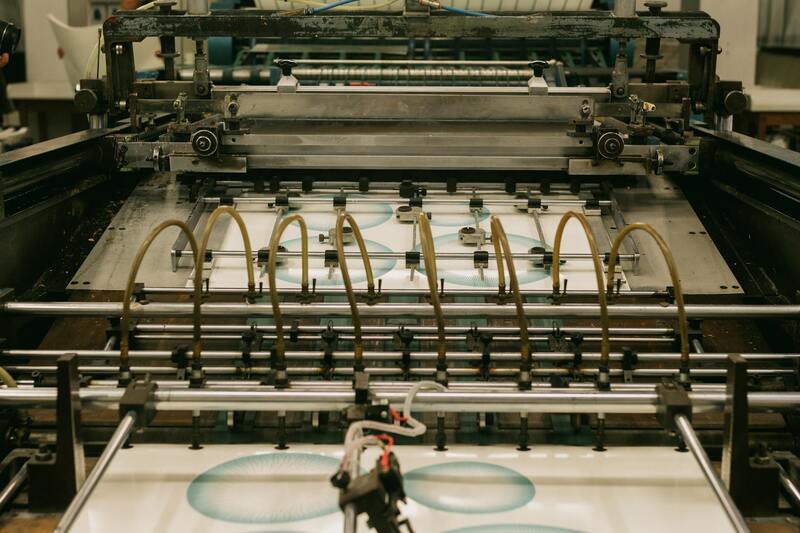
Optimal design coupled with precision folding techniques ensures that each brochure not only conveys the intended message effectively but also elevates brand perception through professional presentation. High-quality printing and careful alignment of folding lines are crucial for maintaining consistency and achieving the desired aesthetic impact.
Overview of Folded Brochures
Folded brochures serve as versatile marketing tools designed to present information in an organized and engaging manner. They facilitate a concise yet impactful delivery of your message, making it easier for recipients to absorb key details. The strategic folding creates multiple panels, each serving as a dedicated space for visuals, text, or calls to action, thus enhancing the overall presentation. Whether used for product catalogs, service descriptions, or event promotions, folded brochures combine practicality with aesthetic appeal, allowing for a compact form that unfolds to reveal comprehensive content.

Common Types of Folded Brochures
- Bi-Fold: Also known as a half fold, this creates a simple two-panel design by folding the paper in half. It offers a clean, minimalistic look ideal for straightforward messaging.
- Tri-Fold: Dividing the brochure into three panels, this classic format provides a balanced space for images and information, often used for menus and product overviews.
- Z-Fold: Similar to the tri-fold but with a zigzag fold that allows for unfolding to reveal sequential content, ideal for storytelling or step-by-step guides.
- Double Parallel Fold: Involves folding the paper twice in parallel to create multiple panels, maximizing space while maintaining a compact overall size.
- Gate Fold: Features two end panels that open like gates to reveal a central panel, suitable for showcasing high-impact visuals or key messages.
Design Considerations for Folded Brochures
Designing effective folded brochures requires meticulous planning to ensure clarity, visual appeal, and functionality. Here are crucial aspects to consider:
- Content Hierarchy: Organize information by importance, allocating prominent panels for primary messages or calls to action to immediately catch the reader's attention.
- Visual Flow: Maintain consistency in color, typography, and imagery. Use directional cues like arrows or lines to guide the reader naturally through the content.
- Fold Line Safety Zones: Keep critical text and images away from fold lines to prevent truncation or distortion after folding. Incorporate ample margins and safe zones for vital elements.
- Material and Finish: Select suitable paper weights and textures to complement your design. Matte finishes offer elegance and readability, while gloss coatings can enhance vibrancy and contrast.
- Functionality: Consider how the brochure will be used; whether it needs to fit into standard mailers, lay flat for display, or fold into a pocket-sized format influences design choices.

Optimal design is complemented by precision in production, with high-quality printing and accurate folding techniques. This ensures that the final product maintains structural integrity and aesthetic coherence, thereby strengthening brand perception and delivering your message effectively.
Overview of Folded Brochures
Folded brochures are versatile marketing tools designed to present information in an organized, compact format. Their three-dimensional structure allows publishers to effectively segment content, making complex information easily digestible for readers. With various fold styles and paper options available, production can be tailored to match branding needs and audience engagement goals. These brochures are often favored for their professional appearance and capacity to deliver detailed messages without overwhelming the receiver, facilitating impactful communication across diverse sectors such as retail, healthcare, and corporate services.
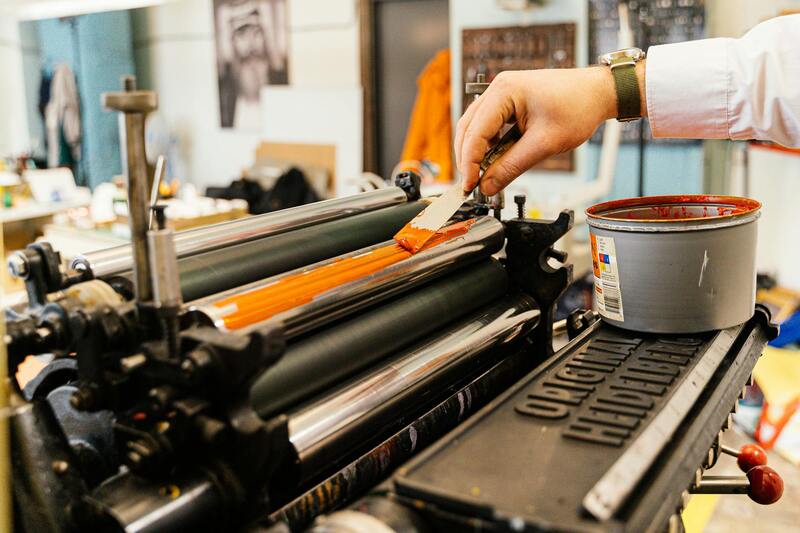
Common Types of Folded Brochures
- Bifold: Consists of a single fold creating two panels, ideal for straightforward messaging or step-by-step guides.
- Trifold: Popular for its balanced design, offering three panels that fold inward in a concertina pattern, perfect for menus and event programs.
- Z-Fold: Features a zig-zag fold structure, allowing spacious internal panels for larger images or extended descriptions.
- Gate Fold: Includes two end panels that open outward to reveal a central panel, adding an element of surprise or emphasis on specific content.
- Double Parallel Fold: Two parallel folds create multiple panels, providing extensive space for detailed content while maintaining a compact form.
Design Considerations for Folded Brochures
Creating an effective folded brochure hinges on strategic design. Content hierarchy is crucial; primary messages should be positioned prominently within the initial view, often on the front panel or first fold, to immediately capture attention. Visual flow is achieved through consistent use of colors, fonts, and imagery, guiding the reader seamlessly through the material. Incorporating directional cues like arrows or subtle lines can facilitate intuitive navigation.
Another vital factor involves the safety zones around fold lines. Ensuring critical text and imagery are distanced from these areas prevents truncation or distortions once the brochure is folded. Adequate margins and safety buffers are essential for maintaining the integrity of branding elements and readability. The overall layout must be balanced, with ample white space to enhance clarity while maximizing the effective use of each panel.

Material and Paper Choices
The selection of paper stock dramatically influences both the perception and durability of folded brochures. Glossy papers, such as 157gsm gloss art paper, enhance vibrancy and make images pop, ideal for showcasing products or vivid graphics. Matte options, like 105gsm art paper, offer a sophisticated look with reduced glare, suitable for text-heavy designs or professional branding. Thicker materials such as 230gsm ivory white cards lend a premium feel and robustness, especially important for brochures expected to withstand handling or multiple uses.
In addition to weight, textured papers can add tactile interest, increasing engagement. Textured finishes such as linen or dimpled surfaces can convey a high-end aesthetic, while smooth surfaces support sharp printing of detailed images and fine typography. The choice of paper should align with branding goals, target audience preferences, and environmental considerations, including options for eco-friendly or recycled materials.
Understanding the Importance of Proper Assembly and Folding Techniques for Folded Brochures
Perfecting the assembly and folding process for brochures is crucial to ensure a professional and durable final product. This process involves more than simply folding the printed sheets; it requires precision, suitable equipment, and knowledge of best practices to prevent damage, misalignment, or an unprofessional appearance. High-quality folds enhance the visual appeal, facilitate easy handling, and uphold the integrity of the design and message conveyed.
1. Types of Folding Equipment Used in Brochure Production
Efficient folding begins with the right equipment. Commercial-grade folding machines, such as buckle folders or multiple-knife folders, are designed to handle various paper weights and fold types with precision. Hand-folding methods are suitable for small quantities or prototypes but may lack the consistency needed for larger runs. Mechanical folders can execute complex folds rapidly, ensuring all brochures are uniform and meet exact specifications.
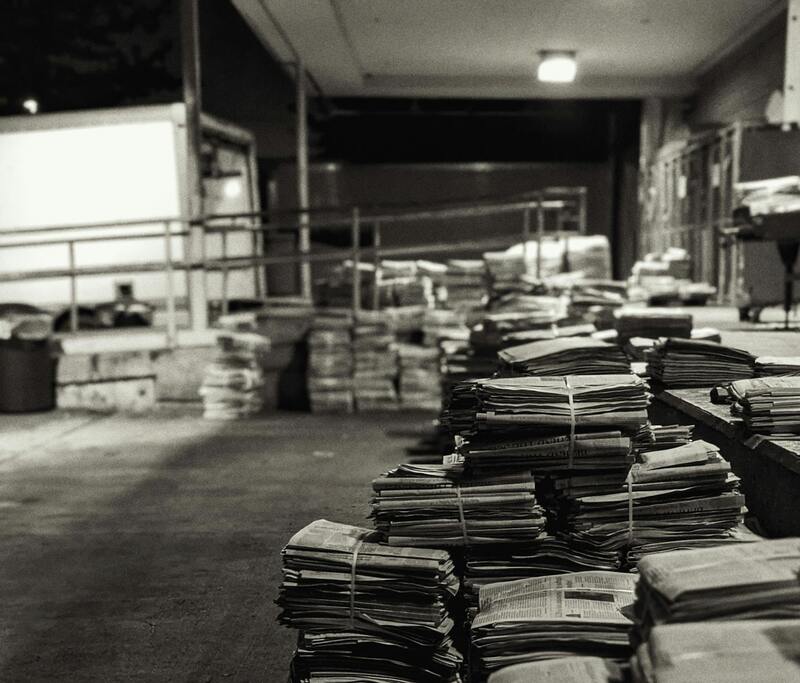
2. Ensuring Correct Fold Line Alignment
Accurate fold line registration is vital to prevent misalignment, which can compromise the brochure’s professional appearance. During the printing setup, it is essential to verify fold lines and adjust as necessary before printing large batches. Proper binding and positioning of the paper in the folding machine help maintain consistency across all units. Regular calibration of equipment reduces the risk of skewed folds or uneven edges.
3. Techniques for Seamless Folding
Several techniques promote seamless folds, including creasing before folding to minimize cracking or tearing. For intricate folds, such as z-folds or gate folds, making a sharp crease along the fold line enhances clarity and reduces resistance during folding. Using folding guides, templates, or digital fold registration can further facilitate accurate processing. The application of compressive pressure during folding helps achieve clean, crisp edges, contributing to the brochure's overall aesthetic.
4. Handling of Folded Brochures
Once folded, care should be taken to handle brochures gently to prevent creasing or accidental unfolding. Stacking folded brochures in a clean, dry environment minimizes the risk of damage. If further binding or finishing is required, ensure that the folded brochures are stored flat and kept away from moisture or extreme temperatures. Proper handling maintains the quality of the folds and preserves the visual appeal.
5. Final Inspection and Quality Control
A critical step in the folding process involves thoroughly inspecting each finished brochure for defects. Common issues include misaligned folds, uneven edges, or incomplete creasing. Implementing quality control measures ensures only flawless brochures are delivered to clients. Rejected units can be reprocessed or corrected before distribution, maintaining the integrity of the finished product and customer satisfaction.
6. Additional Tips for Optimal Folding Results
- Use high-quality paper suited for folding to prevent cracking or tearing.
- Pre-score or crease the paper in delicate or complex folds to improve accuracy.
- Maintain well-maintained equipment to ensure consistent results across batches.
- Train staff in proper folding techniques and handling to minimize errors.
- Consider custom folding options to enhance visual interest and layout flexibility.
Choosing the right folding method and executing it precisely ensures that a folded brochure not only conveys your message effectively but also upholds a high standard of presentation. Careful handling during assembly and the use of suitable equipment play pivotal roles in achieving a professional, eye-catching finished product that aligns with your branding objectives.
Ensuring Legitimacy Through Proven Methods in Folded Brochure Printing
When engaging in folded brochure printing, adherence to established, reputable methods is vital to guarantee that the final product meets all necessary standards for quality and compliance. These methods are grounded in industry best practices, emphasizing the importance of proper material selection, precise production techniques, and rigorous quality checks.
Utilizing Certified Printing Facilities
Partnering with certified printing companies that abide by recognized industry standards ensures that your folded brochures are produced in facilities equipped with advanced technology and skilled personnel. Such facilities employ precision printing equipment calibrated regularly to maintain consistency in color accuracy and dimensional stability. They also use high-quality inks and sustainable materials that align with environmental standards, reinforcing the integrity of your branding.

Requesting Verified Proofs and Samples
Before proceeding with bulk production, requesting official proof samples from the printing provider serves as a key step. These proofs undergo thorough evaluations to examine color fidelity, fold accuracy, and overall presentation. Ensuring the proofs are genuine, verified samples reinforces transparency and helps confirm that the final output will meet your specifications. This process helps prevent costly errors and reprints, ensuring the integrity of your printed materials.
Detailed Specification Documentation
Providing comprehensive, official printing specifications, including paper type, weight, finish options, and folding methods, guides the printer in delivering outcomes that align with industry standards. Clear documentation ensures that each step of production adheres to regulatory and quality expectations, minimizing discrepancies that could compromise the finished product.
Employing Standardized Folding Techniques
The folding process itself should strictly follow industry-recognized methods such as bi-fold, tri-fold, z-fold, or accordion folds. These standardized techniques are well-documented and widely used, ensuring consistent, accurate results. Use of precision folding machines, calibrated for specific fold types, guarantees crisp, clean creases and enhances professional appearance. Integrating correct pre-scoring processes for delicate or complex folds also reduces the risk of cracking or misalignment.
Implementing Quality Control Measures
Official quality assurance protocols involve multiple inspection stages, from initial material receipt to the post-folding review. Trained inspectors meticulously check for alignment, fold accuracy, and surface defects. Any irregularities or deviations from specifications are documented and addressed before approving the entire batch for distribution. This systematic approach ensures that the folded brochures uphold high standards and accurately reflect the intended design and message.
Secure Handling and Storage Protocols
Once completed, proper handling and storage practices are integral to maintaining the legitimacy and quality of folded brochures. They should be stored flat in a controlled environment, protected from moisture, heat, and physical damage. This cautious approach preserves the folds and prevents deterioration during transit and prior to distribution.
Final Verification and Compliance Checks
Prior to delivery, a final verification process confirms that all brochures conform to the original specifications and industry benchmarks. This includes checking for fold integrity, color consistency, and overall finish quality. Only after passing these rigorous compliance checks are the brochures released, reinforcing the legitimacy of the entire production cycle.

Following these proven, official methods and protocols guarantees that your folded brochure printing process aligns with established industry standards. This not only enhances the visual impact of your promotional materials but also sustains the trustworthiness and professionalism of your brand image, ultimately leading to successful marketing outcomes.