Understanding Bulk Brochure Printing
Bulk brochure printing is a strategic approach employed by organizations aiming to produce large quantities of printed marketing materials efficiently and cost-effectively. Whether for a product launch, event promotion, or ongoing advertising campaigns, bulk printing allows businesses to disseminate their branding and information with maximum impact. This method involves producing a substantial number of brochures in a single print run, ensuring uniformity in design and quality across all copies.

Advantages of Bulk Brochure Printing for Businesses
- Cost Savings: Printing in large quantities reduces per-unit costs significantly, freeing up budget allocation for other marketing channels.
- Consistency and Cohesion: Large-scale production maintains uniformity in design, paper quality, and finish, which is vital for brand integrity.
- Immediate Availability: Businesses can stockpile enough brochures to meet the needs of long-term campaigns or urgent distribution, reducing lead times for subsequent orders.
- Increased Reach: The ability to print in bulk ensures ample supply to distribute across multiple locations or events, amplifying marketing efforts.
- Brand Visibility: Regular, widespread distribution of high-quality brochures enhances brand recognition and recall among target audiences.
Effective bulk printing demands meticulous planning, from selecting the appropriate materials to coordinating with reliable printing partners. When executed flawlessly, it offers a competitive edge by facilitating large-scale outreach while optimizing marketing expenses.
Visualizing the Impact: Large-Scale Distribution
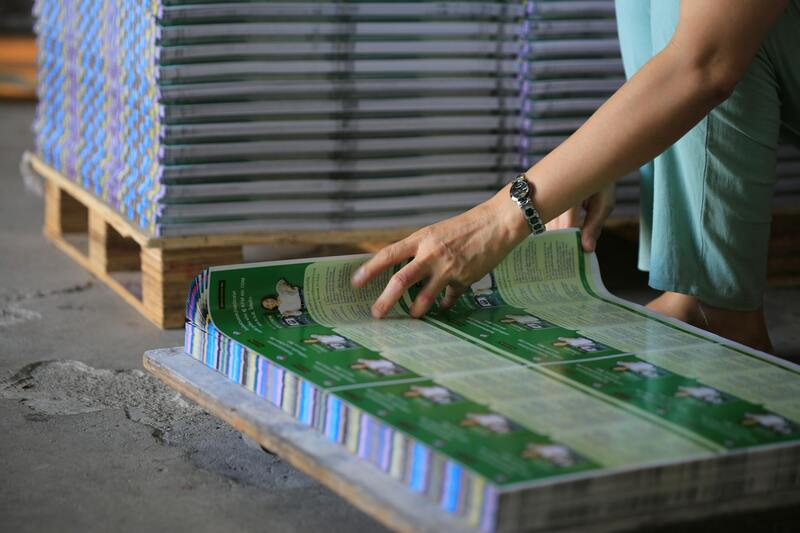
Producing a substantial number of brochures not only secures consistent messaging but also supports strategic distribution efforts. Businesses can tailor their distribution channels to maximize exposure, whether through direct mail, event handouts, or placement in high-traffic retail or corporate environments. The return on investment becomes more favorable as the unit cost decreases with increased quantity, allowing marketing budgets to stretch further for broader reach.
Materials and Paper Options for Bulk Brochure Printing
Choosing the right materials and paper types is crucial for producing high-quality brochures at scale. When planning bulk brochure printing, options typically include various grades of coated and uncoated paper, each offering distinct qualities suited to different branding needs and environmental considerations. For premium campaigns, options such as matte, gloss, or satin finishes on thick cardstock or art paper can enhance visual appeal and durability. Thinner papers, like standard offset paper, may be suitable for more budget-conscious projects, still providing a professional appearance while reducing costs.
Beyond basic paper choices, specialty materials such as textured papers or environmentally friendly options are increasingly popular for companies seeking to emphasize sustainability and unique tactile experiences. By selecting recycled or FSC-certified papers, businesses can demonstrate environmental responsibility while maintaining aesthetic standards. It’s important to consider how the material's weight and coating will interact with the printing process to ensure crisp images and text without smudging or misregistration.
Design Considerations for Large-Scale Printing
Designing brochures for bulk production requires meticulous attention to layout and image resolution. High-resolution images (minimum 300 dpi) are essential to ensure clarity when printed in mass quantities. Vector graphics are preferable for logos and illustrations to preserve sharpness regardless of size. Consistency in color schemes, fonts, and overall style creates a cohesive brand message that resonates across a broad distribution.
When preparing files, adhering to specifications such as bleed areas, margins, and color profiles (CMYK) minimizes errors and timing delays. Additionally, simplifying complex designs can facilitate smoother printing workflows, reduce errors, and result in uniform output across large batches. Incorporating design templates and proofing stages prior to full-scale printing ensures final products meet expectations without costly reprints.
Cost Factors and Budget Optimization
Effective budget management in bulk brochure printing entails balancing material quality, print volume, and finishing options. Larger runs generally decrease the cost per unit, but initial setup costs, such as plates or digital files, must be factored into the overall budget. Selecting economical paper options without compromising brand image can yield substantial savings.
Finishing techniques like UV coating, embossing, or lamination add extra costs but also increase the perceived value and lifespan of brochures. Strategically choosing essential finishing features based on campaign goals ensures expenditure remains aligned with marketing ROI. Bulk discounts and negotiated rates with printing providers further optimize spending, especially when consistent orders are scheduled regularly.
Choosing a Reliable Printing Partner
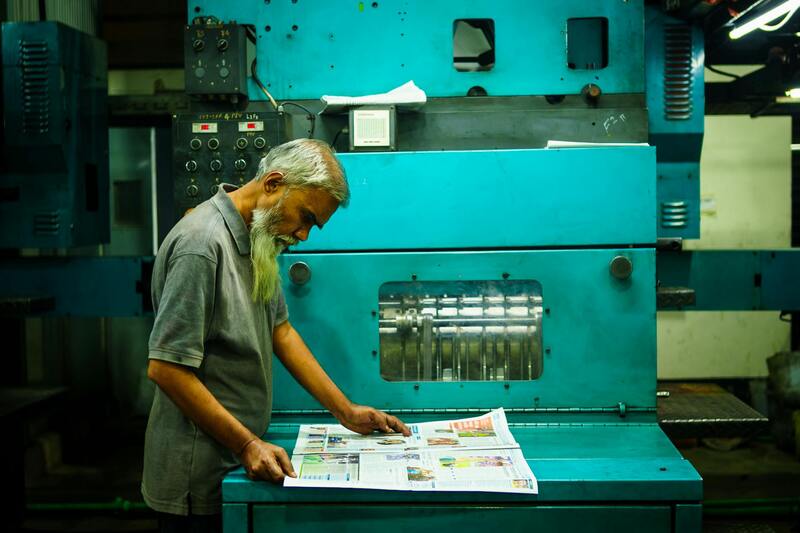
Partnering with an experienced print provider ensures high-quality output and timely delivery. Vendors with a proven track record in large-scale printing employ advanced equipment capable of maintaining color consistency and registration across thousands of copies. Assessing their capacity for managing complex orders, offering flexible turnaround times, and providing comprehensive proofing services is vital for success.
Discussing project specifications upfront, including material choices, finishes, and delivery deadlines, helps establish clear expectations. Opting for a provider with established quality control measures and transparent pricing structures minimizes unforeseen costs and production delays. Effective communication and regular updates enable adjustments throughout the process, ensuring the final batch meets your precise requirements.
Understanding Bulk Brochure Printing
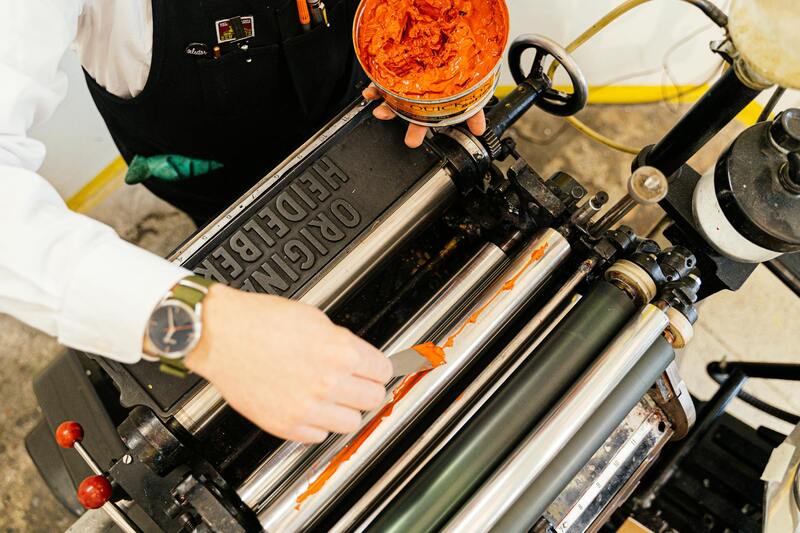
Bulk brochure printing involves producing large quantities of brochures within a single print run, ensuring consistency, quality, and cost-efficiency. When executed correctly, this method supports extensive marketing campaigns, product launches, and brand awareness initiatives. Key to successful bulk printing is selecting the appropriate printing technology, such as offset or digital printing, which affects the overall quality and turnaround time. Offset printing remains a preferred choice for high-volume orders due to its ability to produce sharp images, vibrant colors, and consistent results across thousands of copies. Digital printing, on the other hand, offers advantages in shorter runs, quicker turnaround, and customization flexibility, making it suitable for campaigns requiring multiple variations or localized content. The process begins with meticulous planning—defining the scope, quantity, and specifications of the brochures. Prepress preparation, including layout and color management, ensures that the final product aligns with brand standards and marketing goals. Once the proofs are approved, the high-volume production can commence, with quality control measures in place to maintain consistency. A significant benefit of bulk brochure printing is the potential for substantial cost reductions per unit, primarily through economies of scale. By ordering in large quantities, businesses can negotiate better rates with print providers, which is especially advantageous when recurring orders or multiple campaigns are involved. Additionally, opting for standard sizes and finishes can further reduce expenses while maintaining high visual impact. Efficient order management and clear communication with the chosen print provider streamline the process, minimizing delays and errors. Proper coordination includes specifying paper weights, finishes, and binding options ahead of time. For example, a matte or gloss finish can dramatically alter the brochure’s aesthetic and durability; thus, understanding these options ensures the final product meets expectations. Ultimately, bulk brochure printing supports robust marketing strategies by enabling organizations to distribute professionally crafted materials at scale. It combines cost-effectiveness with high quality, reinforcing brand messaging across diverse channels and target audiences.

Understanding Bulk Brochure Printing
Bulk brochure printing is a strategic process tailored to meet the demands of organizations requiring large quantities of marketing materials to effectively promote their brand, products, or services. This method leverages economies of scale to deliver printed brochures in substantial volumes, ensuring consistent quality while reducing overall costs per piece. Utilizing professional-grade printing techniques and high-quality materials, bulk brochure printing optimizes both visual appeal and durability, making it an essential component of comprehensive marketing campaigns.
Managing the process from initial design to final distribution involves several critical steps. Proper prepress preparation guarantees that each brochure maintains the intended appearance, with accurate color reproduction and layout conformity. After design approval, engaging with a reputable printer ensures adherence to specifications, allowing for quality control measures that verify each batch meets standards before completion. Such meticulous oversight minimizes defects, ensuring every brochure upholds the brand's professionalism and effectiveness in communication.

Among the significant advantages of bulk brochure printing is the financial benefit derived from lower unit costs. This is primarily achieved through economies of scale, negotiation power with printing vendors, and standardized production practices. When companies commit to large order volumes, they often access better pricing, which is crucial for ongoing promotional efforts or multi-phase campaigns. Furthermore, selecting standard paper sizes and finishes, such as gloss or matte lamination, can positively influence production costs while enhancing aesthetic appeal.
Efficient order management begins with comprehensive communication with the printing provider. Precise specifications regarding paper weight, finishes, binding, and fold types prevent miscommunications that might lead to delays or subpar results. For example, choosing between gloss or matte finishes impacts not only appearance but also aesthetic durability, especially for brochures exposed to environmental factors. Standardized ordering practices and clear specifications ensure a smooth production timeline, facilitating timely distribution and maximizing campaign impact.
Once printed, proper packaging and shipping logistics are vital to preserve the integrity of bulk brochures during transit. Choosing reliable shipping options and planning distribution routes effectively allows companies to reach their target audiences seamlessly, whether through direct mail, event handouts, or retail displays. Maintaining clear inventory records and coordinating deliveries with marketing schedules supports synchronized promotional efforts.
By integrating meticulous planning, quality control, and strategic discussions with trusted printing partners, organizations can optimize their bulk brochure printing processes. This not only enhances brand professionalism but also ensures that large volumes of marketing collateral are deployed efficiently, reinforcing messaging across diverse channels and audiences.
Understanding Bulk Brochure Printing
Bulk brochure printing involves producing a large volume of printed materials, tailored to meet the needs of organizations aiming for extensive promotional campaigns or consistent branding efforts. This method offers the advantage of economies of scale, significantly reducing the per-unit cost of each brochure when ordered in high quantities. It enables businesses to maintain brand consistency across multiple distribution channels such as direct mail, trade shows, retail displays, or corporate events. Advanced digital and offset printing technologies ensure that large print runs deliver high-resolution, vibrant images, and accurate color reproduction, which are vital for impactful marketing collateral.
Effective management of bulk printing projects begins with comprehensive planning. Clear specifications regarding brochure size, paper quality, finish options, and binding methods contribute to achieving desired aesthetic and functional goals. By establishing detailed requirements early, organizations can avoid costly revisions or delays. Moreover, working with experienced printers who understand the nuances of high-volume production ensures that quality standards are consistently met, and the final product aligns with brand expectations.

Proper quality control processes, including proofing and sample approvals before full-scale production, are essential stages in bulk projects. These steps help identify potential issues with color accuracy, image resolution, or layout misalignments early, reducing wastage and ensuring the final output meets rigorous standards. Additionally, strategic inventory management and a well-coordinated logistics plan are crucial to facilitate timely distribution and fulfillment, ensuring that large batches reach their destination intact and on schedule.
Additional Considerations for Large-Scale Printing
- Environmental Factors: Selecting eco-friendly inks and sustainable paper options can align bulk printing projects with green initiatives, appealing to eco-conscious audiences.
- Cost Efficiency: Bulk printing leverages discounts related to quantity, but choosing the right specifications and avoiding over-specification can optimize investment.
- Consistency and Standardization: Implementing standardized templates and specifications across runs guarantees uniformity in all distributed brochures.
Choosing the appropriate materials and finishes enhances the durability and aesthetic appeal of bulk brochures. Options range from matte and gloss coatings to textured finishes that can elevate the tactile experience. Selecting the right paper weight—thicker stocks for premium quality or lighter options for cost efficiency—depends on the intended distribution environment and presentation style. Incorporating additional features such as lamination or embossing can further differentiate your brochures, making them more memorable to recipients.
Choosing a Printing Partner
Selecting the right printing partner is vital for the success of bulk brochure printing projects. The process involves examining several key factors to ensure the vendor can meet the required standards, deadlines, and budget constraints.
Assessing Quality and Capabilities
A reputable printing vendor should demonstrate consistent quality in their finished products. Request samples of previous work, particularly those involving bulk orders, to evaluate clarity, color accuracy, and finishing details. High-quality vendors often utilize advanced offset or digital printing technologies that can deliver sharp images and vibrant colors at large volumes.
Turnaround Times and Reliability
Efficient turnaround times are fundamental, especially when large quantities are needed within tight schedules. Confirm the vendor's capacity to handle bulk printing within your desired timeframe and inquire about their process for managing delays or unforeseen issues. Reliable vendors typically have established workflows and contingency plans for large-scale projects.
Pricing Transparency and Flexibility
Transparent pricing is essential for budgeting purposes. Obtain detailed quotations that outline costs associated with materials, finishing options, and any additional services. Vendors offering tiered discounts based on volume can significantly reduce costs, making large orders more financially manageable. Flexibility in order adjustments and payment terms further enhances partnership stability.
Customer Support and Communication
Effective communication is key to avoiding misunderstandings and ensuring alignment on project specifications. Suppliers with dedicated account managers or customer service teams provide better support, facilitating smooth order processing and updates from proofing through delivery.
Additional Considerations
- Environmental Practices: Opt for vendors that utilize eco-friendly inks and sustainable paper options to align with green initiatives.
- Customization Options: Confirm the ability to incorporate special finishes such as embossing, lamination, or unique coatings to enhance the tactile and visual appeal of your brochures.
- Order Management Systems: A streamlined order platform can help track progress, manage revisions, and coordinate logistics seamlessly.
Ensuring your chosen vendor adheres to these principles will maximize the impact of your bulk brochure campaigns, fostering a professional image and efficient distribution.
Understanding Bulk Brochure Printing
Bulk brochure printing involves producing large quantities of promotional literature designed to showcase products, services, or brand messages effectively. This process requires meticulous planning and coordination to ensure high-quality outcomes that align with brand standards and marketing objectives. By leveraging state-of-the-art digital and offset printing technologies, businesses can achieve consistent color accuracy, sharp detail, and durable finishes across extensive print runs. It facilitates large-scale distribution, allowing companies to reach broad audiences efficiently. Properly executed bulk printing not only enhances brand visibility but also optimizes marketing budgets by reducing per-unit costs. An essential aspect of this process is selecting the right specifications for materials, design, and finishing, which ensures that the final product is both visually appealing and resilient in transit and use.
Types of Brochures Suitable for Bulk Printing
- Tri-fold Brochures: Ideal for concise messaging with a compact, easy-to-handle format, often used in trade shows or point-of-sale displays.
- Booklet Style Brochures: Suitable for detailed descriptions, catalogs, or product guides, offering multiple pages bound seamlessly for durability.
- Half-fold and Z-fold Brochures: Offer versatile layouts for segmented content, perfect for event programs or service menus.
- Accordion Folds: Create extended visual narratives, suitable for storytelling or step-by-step guides in a compact form.
- Roll-fold Brochures: Provide a dynamic layout with multiple panels, ideal for interactive presentations or complex product layouts.
Materials and Paper Options
The choice of paper significantly impacts the tactile quality and durability of bulk brochures. Standard options include glossy, matte, and silk finishes, each offering different visual effects and scratch resistance. Premium materials such as coated art paper, cardstock, and recycled options are often used to align with branding and environmental considerations. Heavier weight papers (such as 100 lb or higher) lend a luxurious feel and sturdy structure, especially for cover pages and key visuals. Finishing options like UV coating, lamination, or soft-touch coatings can enhance visual appeal and add protective qualities, making brochures more resistant to wear and tear. The compatibility of material choice with intended distribution channels and storage environments should guide selection, ensuring longevity and presentation integrity over time.
Design Considerations for Large-Scale Printing
Effective designs for bulk brochures must balance aesthetic appeal with practical readability. High-resolution images and vector graphics are essential for clarity at large print quantities. Color consistency across batches requires unified color profiles and calibration of printing equipment. Incorporating bleed, trim, and safe zones in the design ensures that no critical content is cut or misplaced. Modular designs facilitate easier adjustments, especially when customizing for different audiences or editions. Additionally, considering the fold lines and panel arrangements during the design process can prevent misalignment and improve overall flow and usability. Clear, concise copy complemented by strategic use of white space enhances visual hierarchy and reader engagement. Collaborating with professional designers and print specialists ensures that these considerations translate effectively into the final printed product.
Understanding Bulk Brochure Printing
Bulk brochure printing involves producing a large volume of marketing materials designed to effectively communicate your brand message, showcase products, or promote services. This process enables organizations to distribute visually appealing and professionally crafted brochures to a wide audience, ensuring maximum reach and impact. With advancements in printing technology and materials, bulk brochure printing now offers a range of customization options, allowing businesses to tailor their materials to specific target markets while maintaining cost efficiency.
Types of Brochures Suitable for Bulk Printing
When considering bulk brochure printing, selecting the appropriate brochure type is essential for meeting your marketing objectives. Common formats include:
- Tri-fold brochures: Compact and versatile, ideal for quick overviews and product highlights.
- Half-fold brochures: Larger layout that provides ample space for images and detailed content.
- Booklet-style brochures: Perfect for presenting extensive information, such as catalogs or event programs.
- Z-fold brochures: Unique fold that creates multiple panels, suitable for step-by-step instructions or segmented messaging.
Each type caters to different content volumes and presentation styles, making it crucial to choose the format that aligns with your distribution strategy and audience engagement goals.
Materials and Paper Options
The selection of paper stock significantly influences the tactile experience and longevity of your brochures. Options vary from standard matte or gloss finishes to premium materials like silk or soft-touch coatings. For durability, especially when brochures are intended for outdoor use or frequent handling, heavier weight papers such as 170-300gsm are recommended. Materials like recycled paper can also be considered for eco-conscious branding. Finishing touches such as UV coating or lamination can further enhance visual vibrancy and resistance to wear, ensuring your brochures maintain their professional appearance over time.
Design Considerations for Large-Scale Printing
Effective brochure designs for bulk printing demand careful planning to optimize visual impact and readability. Incorporating elements such as high-resolution images and crisp vector graphics ensures clarity at large print quantities. Consistent color calibration across batches guarantees uniform appearance, which is vital for brand integrity. Design specifications should include bleed areas, safe zones, and proper fold lines to prevent content loss or misalignment during production. Modular layouts facilitate easier updates or customization for different target groups, while strategic use of white space enhances clarity and directs attention to key messages. Collaborating closely with graphic designers and print professionals ensures that the final product aligns with these technical and aesthetic standards.
Cost Factors and Budget Optimization
Understanding the various cost determinants in bulk brochure printing helps in managing budgets effectively. Key factors include order volume, paper quality, finishing options, and printing technique. Higher quantities generally reduce the unit cost, allowing for more extensive distribution. Selecting standard sizes and finishes can further lower expenses, while custom sizes or specialty coatings may incur additional charges. Bulk discounts are often available for large orders, making it advantageous to plan for larger batches to maximize savings. Implementing a phased approach—printing initial batches and subsequent reprints based on demand—can also optimize expenditure and inventory management.
Choosing a Printing Partner
Partnering with a reputable printing provider is critical to achieving high-quality results in bulk brochure projects. It is important to evaluate candidates based on their experience, technological capabilities, capacity for large-volume production, and quality assurance processes. Providers that offer comprehensive service, from design assistance to finishing and distribution advice, can streamline the workflow and ensure consistency. Transparency in pricing, clear communication, and adherence to deadlines further cement a reliable partnership. Reviewing client testimonials and requesting samples of previous work can provide insight into their expertise and dedication to quality.
Turnaround Time and Order Management
Efficient order management and rapid turnaround times are essential in bulk brochure printing, especially for time-sensitive campaigns. Establishing clear timelines with the printing partner, considering factors like proofs, production, and shipping, ensures that delivery aligns with marketing schedules. Implementing digital workflows for proofs and approvals can significantly shorten lead times. Additionally, maintaining organized order records and tracking systems helps monitor progress and address any issues proactively. Advanced planning, coupled with choosing a provider experienced in handling large orders, minimizes delays and ensures the timely distribution of your brochures to reach your target market effectively.