Printing on promotional items: pad printing, screen printing, engraving and full-colour transfer
Pens, bottles, lanyards, notebooks, tote bags, power banks, keyrings: promotional products are printed with a set of techniques that have little in common with paper printing, and the artwork that works on a flyer often cannot be reproduced on a pen barrel. Each method has its own limits on colour, detail, position and the surfaces it will stick to. Knowing which method a supplier will use for a given item tells you what your logo will look like and what to prepare. This guide sets out the five common methods, the items each one suits, what happens to artwork on the way, and the questions to ask before you approve a batch of five hundred.
Pad printing
A silicone pad picks up ink from an etched plate and presses it onto the item. The pad deforms to the shape of the object, so pad printing works on curved and slightly irregular surfaces: pen barrels, USB sticks, golf balls, the side of a mug handle, the clip of a lanyard. Each colour is a separate plate and a separate pass, so a one- or two-colour logo is the norm and four colours is unusual and expensive.
- Print area: small, typically up to 60 x 15 mm on a pen and 100 x 100 mm on a flat object.
- Detail: good; fine lines down to about 0.2 mm hold. Small text stays readable to about 5 pt.
- Colour: spot colours mixed to a Pantone reference; close matches on white plastic, approximate on coloured plastic, where the ink is slightly transparent.
- Durability: moderate. Pad print on a pen wears with handling over months; on a keyring it wears faster.
Supply vector artwork in solid colours, no gradients, no tints below 100 percent, and no strokes thinner than 0.2 mm. Registration between colours is about 0.3 mm, so keep colours from touching or accept a small gap.
Screen printing
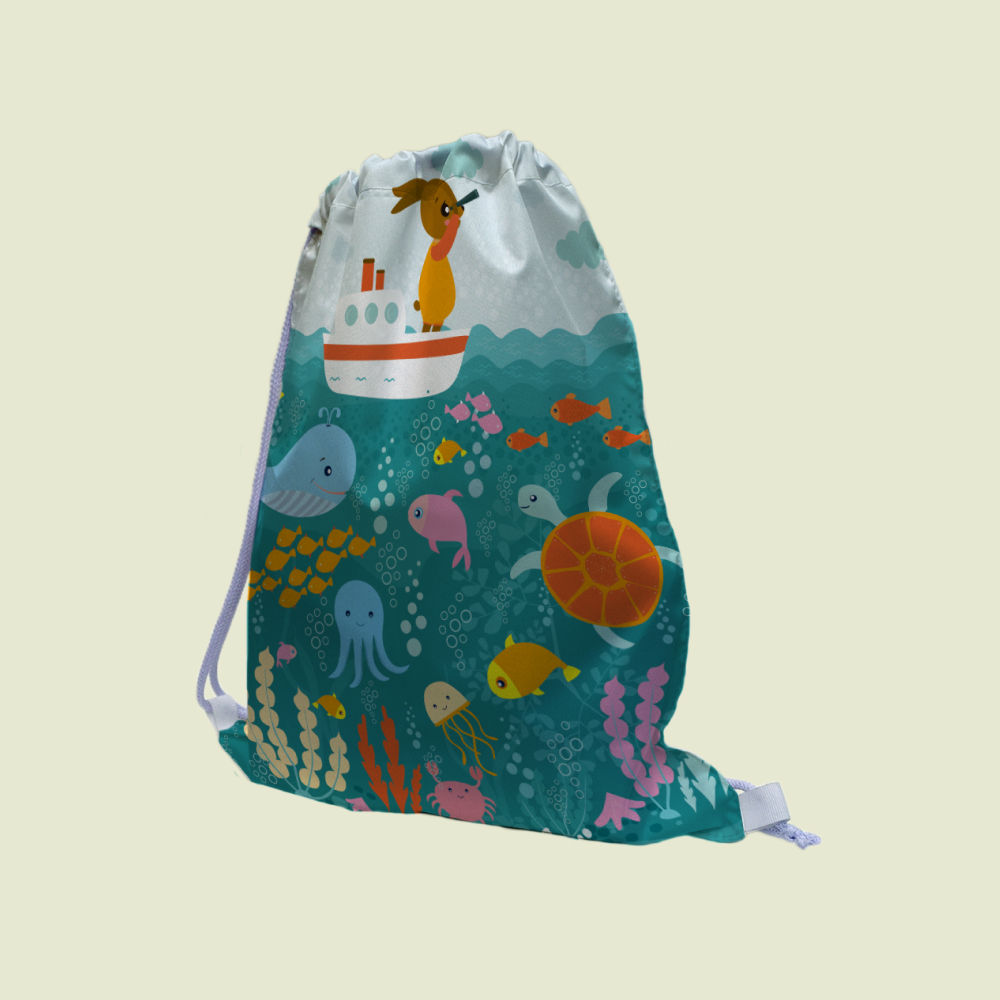
Ink is pushed through a stencilled mesh onto the item. Screen printing suits flat and cylindrical surfaces: tote bags, t-shirts, notebook covers, drinkware (on a rotary jig), umbrella panels, mouse mats. The ink film is thick, so colours are opaque and bright even on dark fabric or dark plastic. One screen per colour, so again one to three colours is usual, though process-colour screen printing exists for fabric at higher cost.
- Print area: large, limited by the item, not the process.
- Detail: moderate; keep lines above 0.3 mm and text above 6 pt on fabric, larger on textured bags.
- Colour: opaque spot colours, white on dark, metallic and fluorescent inks available.
- Durability: high on fabric after curing; good on hard goods.
On textiles, ask what the print will feel like. A large solid area of plastisol ink on a tote bag is stiff; a water-based ink is softer and sits in the fabric but is less opaque on dark cloth. Both are normal; the choice is a matter of taste.
Laser engraving
A laser removes or discolours the surface of the item: anodised aluminium (the coating is removed, showing bare metal), stainless steel (the surface is marked dark), wood, bamboo, leather, acrylic, coated glass and some plastics. There is no ink, so there is no colour; the mark is whatever the substrate shows under its surface, usually silver on anodised metal, dark grey on steel, dark brown on wood. It never wears off.
- Print area: flat or gently curved; rotary attachments handle bottles and tumblers.
- Detail: excellent; hairlines, small text and halftone photographs are possible on wood and anodised metal.
- Colour: none; single-tone mark. On steel, a different laser setting gives a light or dark mark.
- Durability: permanent.
Engraving suits premium metal and wood items and any product where the logo has to last for years: bottles, notebooks with wooden covers, awards, tools. Artwork should be vector, solid, and designed knowing that fills become areas of removed surface, which on a large logo can look coarse. Outline-style logos engrave better than heavy solid ones. Our article on printing on acrylic, metal and wood covers the same substrates in sign sizes.
UV direct print and full-colour transfer
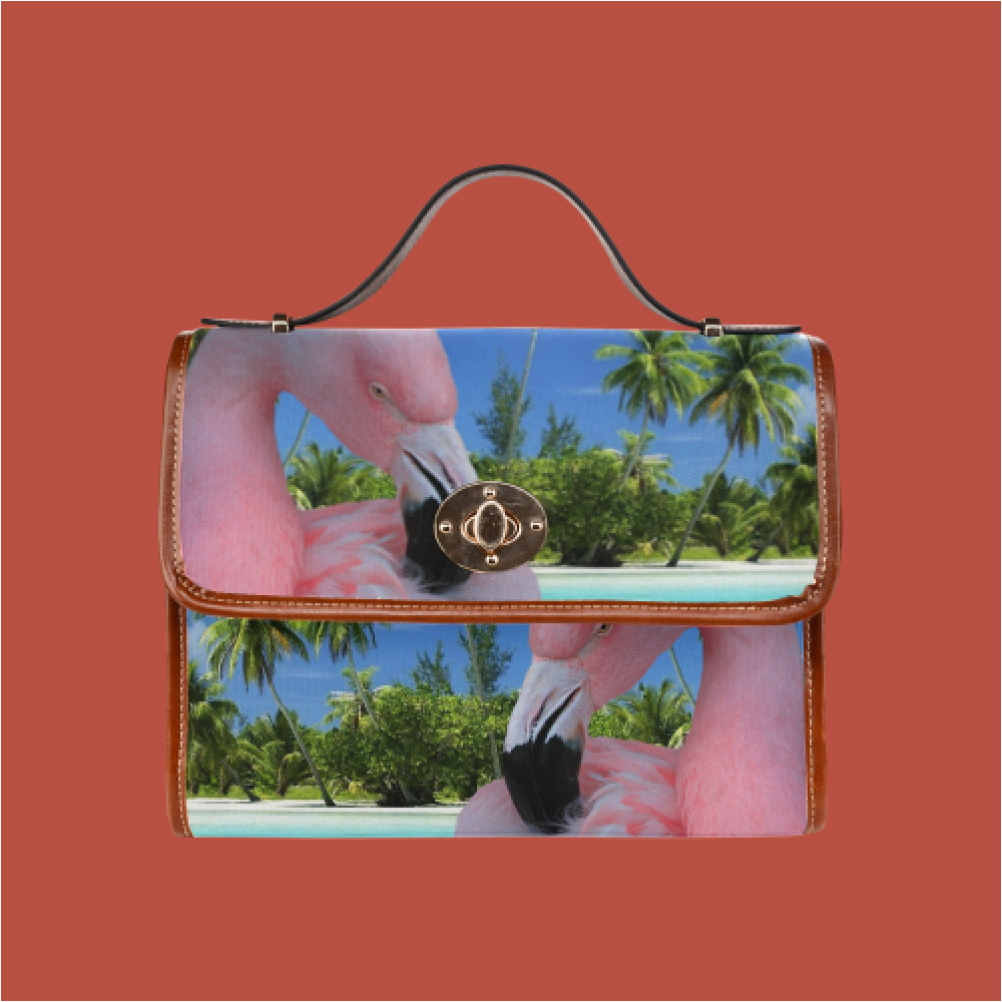
For a full-colour image, a photograph or a gradient on a hard item, a small-format UV inkjet printer prints directly onto the object and cures the ink instantly. It handles flat and mildly curved surfaces: power banks, phone stands, notebook covers, badges, coasters, flat metal keyrings, and with a rotary unit some bottles. White ink underneath gives full colour on dark and clear items.
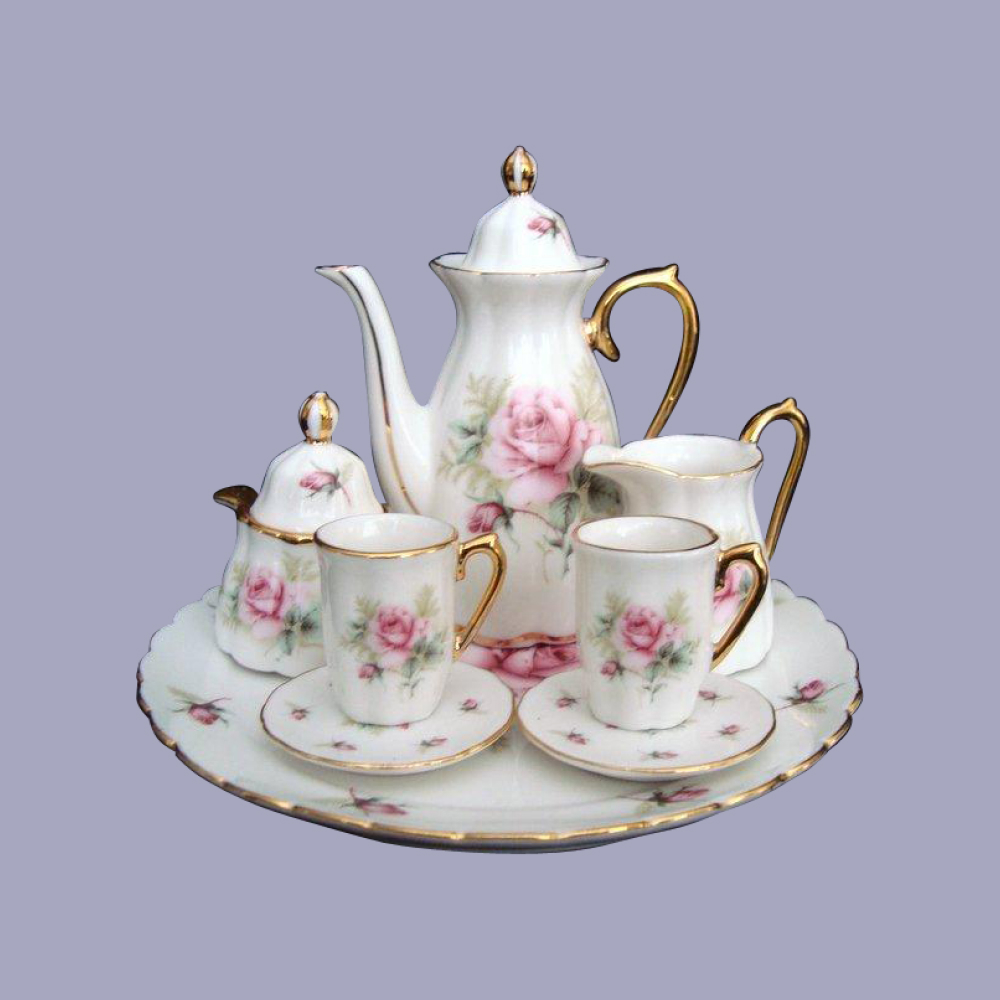
The fabric equivalents are digital transfer (the design is printed onto a film and heat-pressed onto the garment, good for full colour on small runs) and dye sublimation (dye is heat-transferred into polyester fabric or polymer-coated items such as mugs and mouse mats, giving permanent full colour that cannot be felt). Sublimation only works on white or light polyester and coated blanks; it does nothing on cotton or uncoated metal. The process is the same one described in our guide to printing on glass and ceramics.
Matching the method to the item
| Item | Usual method | Colours | Artwork to prepare |
|---|---|---|---|
| Plastic pen | Pad print | 1 to 2 spot | Vector, solid, fits 60 x 15 mm |
| Metal pen or bottle | Laser engraving | None (single tone) | Vector, outline style |
| Tote bag, t-shirt | Screen print; transfer for full colour | 1 to 3 spot; full colour on transfer | Vector or 300 ppi at size |
| Lanyard | Screen print; sublimation for full colour | 1 to 2 spot; full colour on polyester | Vector, repeat pattern along length |
| Notebook cover | Screen, foil or engraving depending on cover | 1 spot | Vector, solid |
| Power bank, USB stick | Pad print or UV print | 1 spot or full colour | Vector; photo at 300 ppi for UV |
| Ceramic mug | Sublimation or screen transfer | Full colour or spot | Wrap-around template from the supplier |
Before you approve five hundred
Ask for a pre-production sample of one item printed with your actual artwork, or at minimum a digital mock-up on a photo of the item with the print area outlined. Check the print position and size against the item in your hand rather than on screen; a 40 mm logo looks fine on a monitor and huge on a pen. Confirm the Pantone reference in writing, and on coloured items ask whether the ink is opaque or whether the substrate colour will show through. Ask about the lead time in full, including the blank items, which are often imported. And keep one approved sample from the batch as the reference for the next reorder.
Promotional printing through our shop
Our print quality and materials service covers branded merchandise alongside labels and packaging: pad and screen printing on pens, drinkware, bags and lanyards, laser engraving on metal and wood, and UV direct and sublimation printing for full-colour items. We check the artwork against the method before quoting, tell you when a logo will not survive a pad print at the size you want, and produce a printed pre-production sample on the real item before the run. Items, print areas and colour options are listed on the printing services page; send the artwork and the item you have in mind through the contact page and we will suggest the method that gives the result you are picturing.