Overview of Large Format Printing Services
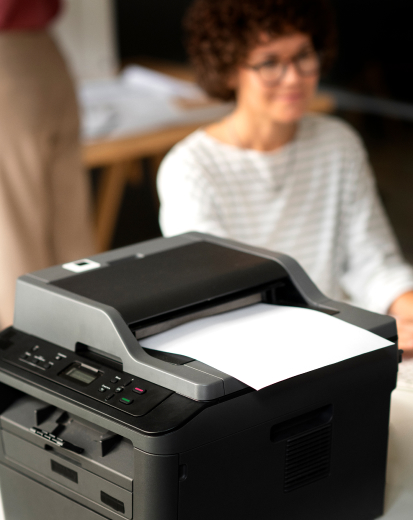
Large format printing services have become an essential component in various industries requiring high-quality, visually impactful displays and signage. These services specialize in producing prints that exceed the dimensions of standard printing formats, enabling businesses, designers, and advertisers to bring their large-scale visual concepts to life. The primary purpose of large format printing is to create banners, posters, wall murals, vehicle wraps, and other expansive graphics that demand vivid colors and exceptional detail.
One of the key distinguishing features of large format printing lies in its ability to accommodate larger sizes without compromising image resolution and clarity. Unlike conventional printing, which is limited by smaller paper sizes, large format printing employs specialized equipment capable of handling oversized media materials. This allows for seamless and crisp images that can be displayed in public spaces, exhibitions, retail outlets, or outdoor settings, making it an invaluable tool for impactful visual communication.
Common applications include promotional banners for events, storefront signage that attracts foot traffic, art reproductions for galleries, and corporate displays that convey brand messages effectively. These large-scale prints can be customized to suit specific needs, whether it’s a temporary advertising campaign or a permanent fixture that enhances the aesthetic appeal of a space. The versatility of large format printing makes it suitable for both indoor and outdoor environments, provided the appropriate materials and finishes are selected.
In contrast to traditional print methods that focus on smaller, high-volume outputs, large format printing prioritizes size, color fidelity, and durability. This allows for more creative freedom in design and presentation, ensuring that visual messages are communicated clearly and powerfully to targeted audiences. As technological advances continue to evolve, the scope and quality of large format printing services likewise expand, offering new opportunities for innovative visual marketing and custom display solutions.
Common Materials Used in Large Format Printing
Choosing the right material is a critical step in large format printing, as it directly influences the durability, appearance, and suitability of the final product for its intended environment. The core materials typically involved include vinyl, fabric, paper, canvas, and various substrates that are compatible with specific printing technologies.
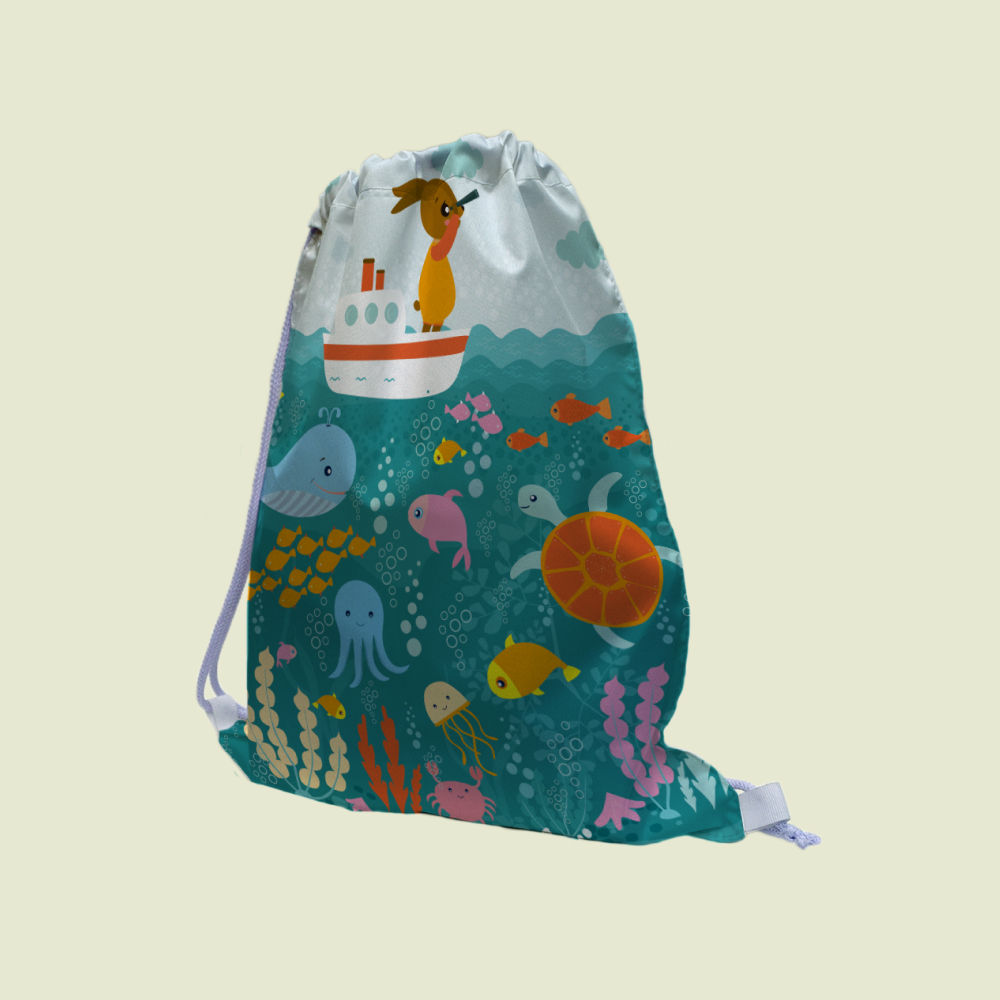
Vinyl remains one of the most popular choices owing to its affordability, flexibility, and weather-resistant properties. It is ideal for outdoor signage such as billboards, banners, and vehicle wraps, where exposure to the elements necessitates a durable medium. Vinyl can be finished with matte, gloss, or satin coatings to enhance visual appeal and longevity.
Fabric materials, including polyester and canvas, are favored for more refined displays such as exhibition backdrops, art reproductions, and premium retail signage. These materials offer a sophisticated aesthetic, with capabilities for high-resolution printing that captures fine details and rich color nuances. Fabrics can be treated with special coatings to improve water resistance and ease of cleaning.

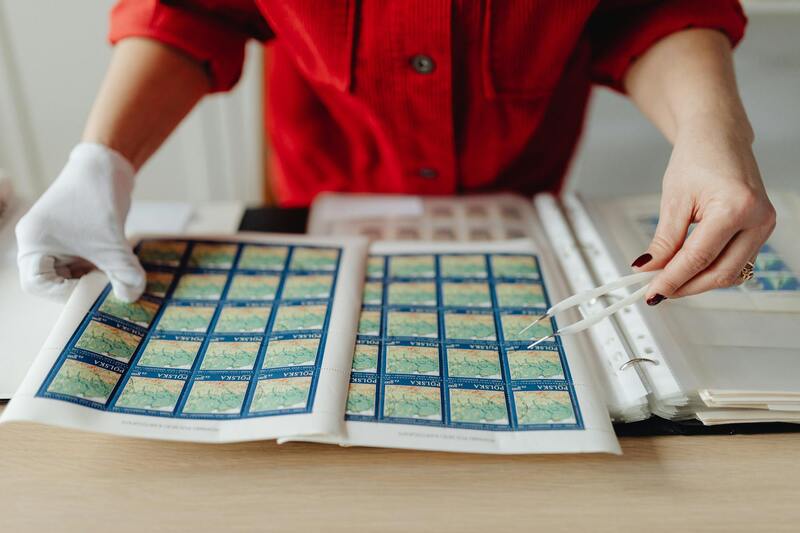
Paper-based materials are still used in applications where sharp detail and color accuracy are paramount, such as posters, displays, and interior decor. Specialty papers, including textured or metallic finishes, create unique visual effects that make printed pieces stand out.
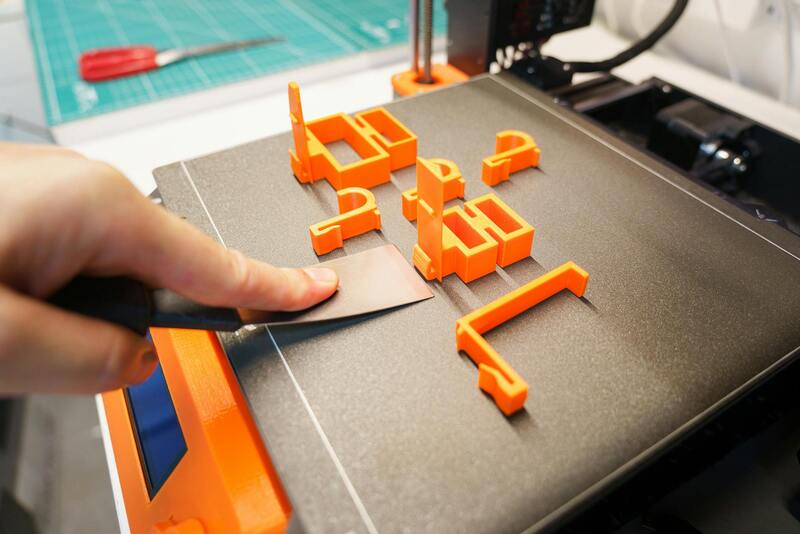
Additionally, newer substrates like rigid foam boards, acrylic panels, and dibond are increasingly utilized for impactful signage that demands structural stability and a contemporary look. These materials are compatible with UV and latex printing technologies, enabling high resolution, vibrant colors, and a durable finish suitable for both indoor and outdoor display.
Proper material selection depends on factors such as environmental exposure, durability requirements, visual impact, and budget constraints. Consulting with a professional printing service can facilitate optimal choices, ensuring the produced large format prints align with project goals and longevity expectations.
Overview of Large Format Printing Services
Large format printing services are essential for creating impactful visual displays that demand high visibility and precision. These services cater to a wide range of needs, from eye-catching outdoor advertisements to detailed interior decor. By utilizing advanced printing technologies and diverse material options, professional providers ensure that each project meets specific aesthetic and functional requirements. When choosing a large format printing service, clients benefit from expertise in material selection, color management, and finishing techniques, all of which contribute to the overall quality and longevity of the printed output.

Types of Large Format Printing Technologies
The technological landscape of large format printing encompasses several key methods, each suited to different applications and material compatibilities:
- UV Printing: Utilizes ultraviolet light to cure ink instantly on various substrates, resulting in sharp, vibrant images with excellent adhesion and durability. Ideal for rigid surfaces like acrylic, glass, and dibond.
- Latex Printing: Employs water-based latex inks that produce vibrant colors while offering flexibility and eco-friendliness. Suitable for banners, wallpapers, and outdoor signage due to its resistance to harsh weather conditions.
- Solvent and Eco-Solvent Printing: Uses chemical solvents to create highly durable and weather-resistant prints, making it popular for outdoor applications such as billboards and vehicle wraps.
- Latex and solvent printers differ primarily in environmental impact and flexibility, allowing clients to select based on sustainability preferences and specific project needs.
Common Materials Used in Large Format Printing
The choice of material significantly influences the final image quality, durability, and visual impact of the printed piece. Key substrates include:
- Vinyl: The most common material for banners, vehicle wraps, and outdoor signage, offering excellent weather resistance and flexibility.
- Fabric: Suitable for elegant displays, exhibition backdrops, and art reproductions, providing a refined aesthetic with high-resolution detail.
- Paper and Canvas: Used for posters, art reproductions, and interior decor where sharp detail and color accuracy are critical. Specialty papers add unique textural effects.
- Rigid Panels (Acrylic, Dibond, Foam Boards): Ideal for impactful signage requiring structural stability, with vibrant colors and outdoor durability when UV or latex printing is employed.
The material choice should align with the intended environment, expected longevity, and visual effect. Professional consultation ensures that selected substrates enhance both the presentation and durability of the final product.
Overview of Large Format Printing Services
Large format printing services have revolutionized visual marketing and display strategies across various industries. These services specialize in producing high-quality, visually striking prints on a grand scale, suitable for both indoor and outdoor environments. The ability to render detailed graphics, vibrant colors, and durable materials allows businesses, artists, and event organizers to communicate messages effectively with maximum visibility. Such services are essential for creating impactful signage, promotional displays, real estate banners, and large artwork installations. In essence, large format printing bridges the gap between creative vision and real-world application, providing an effective platform for branding, advertising, and artistic expression at an impressive scale.
Types of Large Format Printing Technologies
Understanding the core printing technologies is vital to selecting the right solution tailored to specific project requirements. Currently, the predominant large format printing methods include:
- Solvent and Eco-Solvent Printing: These printers utilize chemical solvents to produce highly durable and weather-resistant images. They are ideal for outdoor signage, vehicle wraps, and banners exposed to harsh environmental conditions. Eco-solvent printers are an environmentally friendlier option, emitting fewer volatile organic compounds.
- UV Printing: UV flatbed printers employ ultraviolet light to instantly cure ink upon contact with various substrates, including rigid surfaces like acrylic, glass, and metal. This method ensures vibrant color output and high precision, making it suitable for both large signage and custom display pieces.
- LX (Latex) Printing: Latex printing uses water-based inks that are flexible, environmentally safe, and suitable for a wide range of materials. Latex printers are excellent for producing outdoor banners, wall coverings, and textiles that demand elasticity and eco-conscious solutions.
- Piezoelectric Inkjet Printing: Widely used in large format setups, this technology delivers high-resolution images with precise color gradation. It supports a variety of inks and substrates, offering versatility in different applications.

Common Materials Used in Large Format Printing
The choice of material within large format printing profoundly impacts the aesthetic appeal, durability, and suitability for the intended environment. Professionals typically select substrates based on project goals, longevity expectations, and visual preferences. Major categories include:
- Vinyl: The most prevalent material for outdoor signage, banners, vehicle wraps, and promotional decals. Its weather resistance and flexibility make it ideal for dynamic applications that require durability.
- Fabric: Used for high-end displays, backdrop banners, and art reproductions, fabric substrates offer a refined look with high-resolution detail. They are lightweight and easy to transport, making them suitable for temporary displays and exhibitions.
- Paper and Canvas: Essential for indoor use, posters, fine art reproductions, and decorative wall coverings benefit from the excellent color accuracy and sharp detail these materials provide. Specialty papers can add textures that enhance visual impact.
- Rigid Panels (Acrylic, Dibond, Foam Boards): These substrates are perfect for impactful signage, window displays, and trade show panels. They deliver structural stability with vibrant colors and robust outdoor resistance when UV or latex printing techniques are employed.
Choosing the appropriate material involves considering environmental exposure, expected lifespan, and desired visual effects. Consultation with experienced professionals ensures that the selected materials will provide the best combination of aesthetics, durability, and functionality, aligning with the specific needs of each project.
Overview of Large Format Printing Services
Large format printing services offer specialized solutions for creating impactful visual displays across various industries, including advertising, retail, architecture, and events. These services employ advanced printing technologies capable of producing high-resolution images on expansive substrates, ensuring vivid color accuracy and intricate detail. They are essential for businesses and organizations seeking to communicate effectively through banners, vehicle wraps, wall murals, trade show displays, and other large-scale graphics. When selecting a provider, it is crucial to consider not only the range of available solutions but also the quality of output, turnaround times, and the ability to handle diverse projects efficiently.
Types of Large Format Printing Technologies
Several primary printing technologies underpin large format printing services, each suited to different applications and material compatibilities:
- Solvent and Eco-Solvent Printing: Utilizing solvent-based inks that are resistant to water and UV exposure, this technology is ideal for outdoor signage and vehicle wraps. Eco-solvent options offer environmentally friendlier alternatives with comparable durability.
- UV Printing: This method employs ultraviolet light to cure inks instantly on a variety of substrates, including rigid materials like acrylics and wood. UV printing provides sharp details and vibrant colors, making it suitable for both indoor and outdoor displays.
- Latex Printing: Known for its eco-friendly profile, latex printing uses water-based inks that are flexible and weather-resistant. It is commonly used for banners and wall coverings requiring high durability and excellent color vibrancy.
- Solvent Dye Sublimation: Best suited for fabric materials, this process produces vivid, long-lasting images ideal for textile banners and custom upholstery.

Common Materials Used in Large Format Printing
The choice of material significantly influences the visual impact, durability, and application of large format prints. Key substrates include:
- Vinyl: A versatile material widely used for outdoor signage, vehicle wraps, and banners due to its weather resistance and flexibility.
- Fabric: Employed in high-end displays, event backdrops, and art reproductions, fabric offers a lightweight, high-resolution surface with a refined aesthetic.
- Papers and Canvases: Ideal for indoor posters, artwork, and decorative wall coverings, these materials provide excellent color fidelity and texture options.
- Rigid Panels (Acrylic, Dibond, Foam Boards): Suitable for impactful signage, window decals, and exhibition displays, these substrates deliver structural stability and vibrant imagery, especially when UV or latex printing is used for outdoor applications.

Choosing the right material involves evaluating environmental exposure, desired lifespan, and visual effects. Consulting with experienced printing professionals can guide clients toward materials that best match the project's aesthetic and functional requirements, ensuring optimal results in durability and visual appeal.
Overview of Large Format Printing Services
Large format printing services provide a comprehensive solution for creating high-impact visual displays across various sectors. These services enable businesses, artists, and event organizers to produce expansive, detailed images that command attention and communicate messages effectively. By leveraging state-of-the-art printing technologies, providers can customize outputs in multiple formats, ensuring that each project meets specific aesthetic and functional criteria. Whether it’s for promotional banners, intricate murals, or intricate trade show displays, professional large format printing ensures precision, vibrant color reproduction, and durability. The process typically involves pre-press preparations, material selection, and advanced printing techniques, culminating in formation of visually striking, durable graphics tailored to unique applications. Such services are indispensable for organizations seeking to elevate branding efforts, enhance interior decor, or augment outdoor advertising strategies with visually compelling and resilient visuals.
Types of Large Format Printing Technologies
The efficacy and quality of large format prints depend greatly on the printing technology employed. Major printing methods include:
- UV Printing: Utilizes ultraviolet light to instantly cure inks on various substrates, offering vibrant colors and high durability suitable for rigid and flexible materials.
- Latex Printing: Employs water-based latex inks, providing environmental benefits, exceptional flexibility, and outdoor resilience—ideal for banners and vehicle wraps.
- Solvent and Eco-Solvent Printing: Delivers high-resolution images with superior weather resistance, perfect for outdoor signage that must withstand harsh conditions.
- Piezo Electric Inkjet Printing: Offers precise, high-speed printing suitable for a range of media, including fine art, posters, and wallpapers.
Each technology offers distinctive advantages in color vibrancy, substrate compatibility, and longevity, empowering clients to select the optimal solution for their specific needs. Consulting with experienced technicians ensures the most suitable technology aligns with the project’s durability, resolution, and environmental factors.
Common Materials Used in Large Format Printing
The choice of material significantly influences the visual impact, durability, and application of large format prints. Key substrates include:
- Vinyl: Widely used for outdoor signage, vehicle wraps, and banners due to its weather resistance and flexibility.
- Fabric: Employed in high-end displays, event backdrops, and art reproductions, fabric offers a lightweight, high-resolution surface with a refined aesthetic.
- Papers and Canvases: Ideal for indoor posters, artwork, and decorative wall coverings, these materials provide excellent color fidelity and texture options.
- Rigid Panels (Acrylic, Dibond, Foam Boards): Suitable for impactful signage, window decals, and exhibition displays, these substrates deliver structural stability and vibrant imagery, especially when UV or latex printing is used for outdoor applications.
The selection process hinges on environmental factors, lifespan expectations, and the desired visual effect. Proper substrate choice enhances the overall impact and ensures the longevity of the printed material. Professional guidance during selection helps achieve the best results tailored to project specifications.
Overview of Large Format Printing Services
Large format printing services encompass the production of high-impact visual displays that are designed to be seen from a distance or within expansive spaces. These services are essential in creating visually compelling signage, banners, murals, and exhibition displays, catering to diverse industries such as retail, construction, events, and corporate branding. Utilizing advanced printing technologies and premium materials, professional providers ensure that each large format print captures fine details, vibrant colors, and durability. The ability to produce custom sizes and shapes makes large format printing indispensable for both marketing campaigns and environmental branding initiatives. When selecting a specialized printing service, clients benefit from precise color matching, consistent quality, and innovative finishing options, ensuring their visual communication is both effective and memorable.

Types of Large Format Printing Technologies
Various printing technologies underpin the production of large format graphics, each suited to specific material types, durability requirements, and quality standards. Prominent among these are:
- UV Printing: Uses ultraviolet light to cure inks instantly, producing crisp images on rigid and flexible substrates with excellent scratch resistance.
- Latex Printing: Employs water-based latex inks that offer flexibility, eco-friendliness, and vibrant color reproduction—ideal for outdoor signage.
- Solvent and Eco-Solvent Printing: Inks penetrate deep into substrates, creating highly durable outputs suited for outdoor environments and vehicle wraps.
- UV LED Printing: A modern variant with lower energy consumption, enabling printing on heat-sensitive materials without warping or damage.
Each technology has unique advantages in terms of speed, color vibrancy, and substrate compatibility. Experienced professionals guide clients in choosing the optimal technology for their specific project requirements, ensuring final output aligns with longevity expectations and aesthetic appeal.
Common Materials Used in Large Format Printing
The selection of substrates significantly impacts the visual qualities, environmental resistance, and application scope of large format prints. Key materials include:
- Vinyl: Popular for outdoor signage and vehicle wraps, vinyl offers weather resistance and flexibility, permitting conforming to complex surfaces.
- Fabric: Used in high-end displays, fabric provides a smooth, high-resolution surface with a refined appearance, suitable for backdrops and theatrical backdrops.
- Papers and Canvases: Ideal for indoor posters, art reproductions, and decorative wall coverings, these materials emphasize color fidelity and texture depth.
- Rigid Panels: Acrylic, Dibond, and foam boards are chosen for impactful signage, window decals, and gallery displays due to their durability and vivid image rendering.
Choosing the right substrate involves analyzing the intended environment, expected lifespan, and visual effect. Proper material selection enhances the overall presentation and ensures the printed work withstands environmental factors, whether for indoor or outdoor applications.
Maintenance and Care of Large Format Prints
Proper maintenance and careful handling are essential for preserving the quality and longevity of large format prints. Regular cleaning using appropriate methods helps prevent dust, dirt, and environmental pollutants from accumulating on the surface, which can compromise visual clarity and color vibrancy over time. For most prints, a soft, lint-free cloth or a gentle brush can be used to remove surface debris. When cleaning, it is important to avoid harsh chemicals or abrasive materials that could scratch or damage the printed surface.
Environmental conditions play a significant role in the preservation of large format graphics. Keeping prints away from direct sunlight, extreme temperatures, and high humidity conditions minimizes the risk of fading, warping, or deterioration. For outdoor installations, UV-protective coatings or laminates are applied to provide additional shielding against UV rays and weathering factors. Indoor displays benefit from controlled environments that stabilize temperature and humidity levels, ensuring consistent appearance and avoiding issues such as bubbling or peeling.
Storage techniques are also crucial when large format prints are not on display. Rolling prints carefully around a core with protective backing or storing flat in acid-free, weather-resistant folders prevents creases, bends, and surface damage. During handling, using gloves can prevent fingerprint marks and other contaminants that might degrade the print quality.

Innovations in protective coatings, such as scratch-resistant lacquers and anti-fade laminates, further enhance durability. These options can be considered during the printing process, especially for high-traffic or outdoor applications where exposure to environmental elements is unavoidable. Routine inspections and timely repairs or reapplications of protective layers can significantly extend the visual impact and overall lifespan of large format visual assets, securing their value for extended periods.