Small, cheap and seen by every customer
A printed coaster sits on the table for the whole time a customer is there. It gets looked at between sips, picked up, flipped over and sometimes taken home. For a bar, cafe, brewery or event, few printed items get that much attention for so little cost per piece.
The challenge is that a coaster has a hard life. It sits under a cold, wet glass, collects condensation, gets spilled on and is often expected to last only one evening. Other coasters are meant to last years on a coffee table or an office desk. The right material depends on which of these jobs your coaster has.
This guide compares printed beer mats and coasters made from pulpboard, cork, neoprene and rigid materials, explains how each is printed and helps you pick a coaster that holds up under a wet glass for as long as you need it to.
Pulpboard beer mats: the classic bar coaster
The traditional beer mat is made from pulpboard, a thick, absorbent board made from wood pulp. It soaks up condensation and drips, which is exactly what you want under a cold pint.
How pulpboard coasters are printed
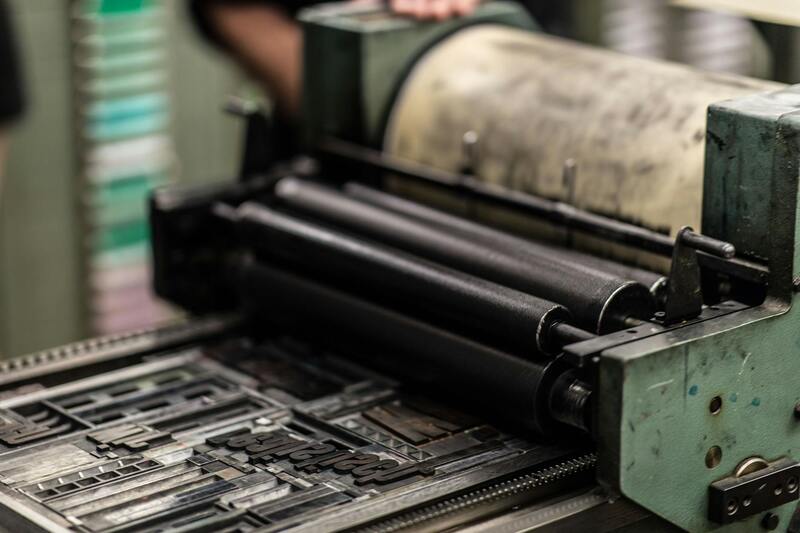
Pulpboard beer mats are usually printed in large runs by offset litho on one or both sides, then die-cut to shape. Round and square shapes are standard, and custom die shapes are possible for larger runs. Because the board is absorbent, colours print slightly softer than on coated paper. Fine detail and very small text can fill in.
Where they work best
- Pubs, bars and breweries where coasters are used and replaced often.
- Promotions and events where thousands of coasters are handed out.
- Brand campaigns where the coaster is part of a drinks promotion.
Limits to know
Pulpboard is designed to absorb liquid, so it swells and softens with heavy use. It is a short-life product. If you want a coaster that survives months of daily use, look at the other materials below.
Cork coasters: natural look, longer life
Cork coasters have a warm, natural look that suits cafes, wine bars, restaurants and home gifts. Cork is lightweight, grips the table and resists moisture better than pulpboard.
- Printing: cork is often printed by UV inkjet or screen printing. The surface is textured, so very fine lines and small text lose sharpness.
- Laser engraving is a popular alternative. It burns a darker mark into the cork and gives a subtle, premium effect without ink.
- Durability: cork handles condensation well and lasts much longer than pulpboard, though it can stain with red wine or coffee.
Some cork coasters have a printed paper or board top layer on a cork base. That gives full-colour print quality with a cork underside that grips the table.
Neoprene coasters: full colour and washable
Neoprene coasters have a fabric top bonded to a soft rubber base. They are usually printed by dye sublimation, where the design is printed onto transfer paper and then pressed into the polyester fabric surface with heat.
- Print quality: sublimation gives rich, full-colour images, including photos and gradients.
- Grip and protection: the rubber base stops the coaster sliding and protects the table.
- Washable: many neoprene coasters can be wiped or washed by hand, which makes them good for offices, events and merchandise.
Neoprene costs more per piece than pulpboard, so it suits smaller runs, gifts and branded merchandise more than disposable bar use.
Rigid coasters: acrylic, ceramic, slate and wood
Rigid coasters are the premium end of the range. They are usually sold as gifts, merchandise or table accessories in hotels and restaurants.
- Ceramic and stone: printed by sublimation on coated tiles or UV printing. Often backed with cork or felt to protect tables. Our guide to printing on glass and ceramics explains which methods last.
- Acrylic: printed on the back by UV inkjet so the print is protected under the clear surface.
- Wood and slate: usually laser engraved or UV printed. Good for rustic restaurants and premium gifts.
These materials do not absorb condensation. Water pools on top, so they suit hot drinks and occasional use better than cold beer on a busy bar. For more on rigid materials, see printing on specialty substrates.
Comparing coaster materials
| Material | Absorbs drips | Typical life | Print method | Best for |
|---|---|---|---|---|
| Pulpboard | Yes | One to a few uses | Offset litho, die-cut | Bars, breweries, promotions |
| Cork | Partly | Months | UV, screen or laser engraving | Cafes, wine bars, gifts |
| Neoprene | Partly, washable | Long | Dye sublimation | Offices, events, merchandise |
| Ceramic, acrylic, slate, wood | No | Years | Sublimation, UV, engraving | Gifts, hotels, premium tables |
Designing a coaster people actually look at
A coaster is a small round or square canvas, usually viewed from above at arm's length. A few design points make a big difference.
- Keep the message short. A logo, a short line and perhaps a QR code. The glass will cover the middle much of the time, so put key details where they stay visible.
- Use both sides on pulpboard. The front can carry the brand, the back a promotion, a quiz question or a "next round" offer.
- Allow for absorbent stock. On pulpboard, avoid very small text, thin lines and large dark solids, which can look patchy.
- Test QR codes on the real material. Textured cork and soft pulpboard can reduce scan reliability. Make codes generous in size.
- Plan for bleed and the die line. Round coasters are die-cut, so background colour must run past the cut line.
Coasters as part of a wider promotion
Coasters work best alongside other printed items in a venue. A brewery might pair beer mats with bottle labels and branded tap handles. A cafe might match coasters with takeaway stickers. For bottle and can labels that need to survive the same wet conditions, our article on bottle and jar labels covers suitable materials and laminates. For events, coasters pair well with printed event wristbands in the same design.
How many coasters to order
Quantity depends on the material and how the coasters are used.
- Pulpboard in a busy bar is used up quickly. Many venues put out a fresh mat with each round, so think in terms of covers and rounds per week and reorder before stock runs low. Pulpboard is priced for volume, and larger runs bring the cost per mat down considerably.
- Cork and neoprene are reused. A cafe usually needs enough for every table seat plus spares for losses, since customers do take the nice ones home.
- Rigid gift coasters are often sold or given in sets of four or six, so order in multiples of the set size and allow for boxes or packaging.
If you are unsure, start with a smaller trial run, see how long the coasters last in real use and adjust the next order.
Ordering printed coasters with us
We print coasters and beer mats for bars, breweries, cafes, hotels and event organisers, from short neoprene or cork runs to larger pulpboard orders. Tell us where the coasters will be used, how long they need to last and how many you need, and we will recommend the material and print method that fits. We check your artwork for bleed, die line and fine detail before printing, and we can supply a sample for larger orders.
Explore our print materials options or send us your artwork and quantity. A good starting point for a busy bar is a double-sided pulpboard mat with your logo on one side and a rotating promotion on the other.