
Comprehensive Guide to Print Out Posters with Disc-Print.com
Types of Posters for Printing
Posters serve diverse purposes across commercial, educational, and artistic domains. The variety of poster types available for printing includes large format posters, which are ideal for advertising and outdoor signage due to their impressive size and visibility. Custom posters allow for tailored designs suitable for events, promotions, or personal projects, offering flexibility in dimensions and creative features. Canvas posters, often used for artistic displays and decor, feature high-quality printing on textured fabric that adds a premium aesthetic. Specialty posters include those with unique finishes such as waterproof coatings, metallic effects, or textured surfaces, crafted for specific industries or artistic applications. Each type has distinct characteristics, making them suitable for different display environments and target audiences.
Popular Poster Sizes and Finishes
Standard poster sizes vary from compact dimensions like 11x17 inches to large-scale options such as 24x36 inches or even bigger for impactful visual displays. The selection of size depends largely on the intended use, viewing distance, and space constraints. Finishes play a crucial role in the durability and visual appeal of printed posters. Glossy finishes enhance color vibrancy and sharpness, making images pop with life. Matte finishes provide a non-reflective surface ideal for readability and professional presentation, often preferred in academic or corporate settings. Satin finishes offer a balanced sheen, combining durability and aesthetic appeal. Additionally, specialized finishes like gloss lamination or UV coating add resilience against wear and environmental factors, prolonging the poster’s lifespan and maintaining its striking appearance over time.
Materials Used for Poster Printing
Material selection significantly impacts the quality and longevity of printed posters. Common materials include heavyweight paper or card stock for indoor posters, providing a smooth surface suitable for detailed graphics and vibrant colors. Vinyl or PVC sheets are used for outdoor or waterproof posters because of their durability and resistance to weather elements. Canvas materials, often stretched over wooden frames, are favored for artistic and decorative purposes, lending a textured, gallery-like finish. Polyester fabrics are also gaining popularity for their lightweight yet robust properties. Each material offers unique advantages, allowing clients to choose based on location, durability requirements, and aesthetic preferences. High-quality materials ensure that the final product withstands environmental conditions and maintains visual appeal over time.
Designing Effective Posters
Creating an impactful poster begins with a clear understanding of its purpose and target audience. Use bold headlines and concise messaging to capture attention swiftly. Incorporate eye-catching visuals, such as high-resolution images and compelling graphics, that complement the message. A well-structured layout with a visual hierarchy guides viewers through the content seamlessly. Choosing contrasting colors increases readability, while a balanced composition maintains visual harmony. Always ensure that fonts are legible, even from a distance, and that key information such as dates, locations, or call-to-action elements are prominently displayed. Professional design ensures that the poster communicates its message effectively and leaves a lasting impression on viewers.
Printing Processes and Technologies
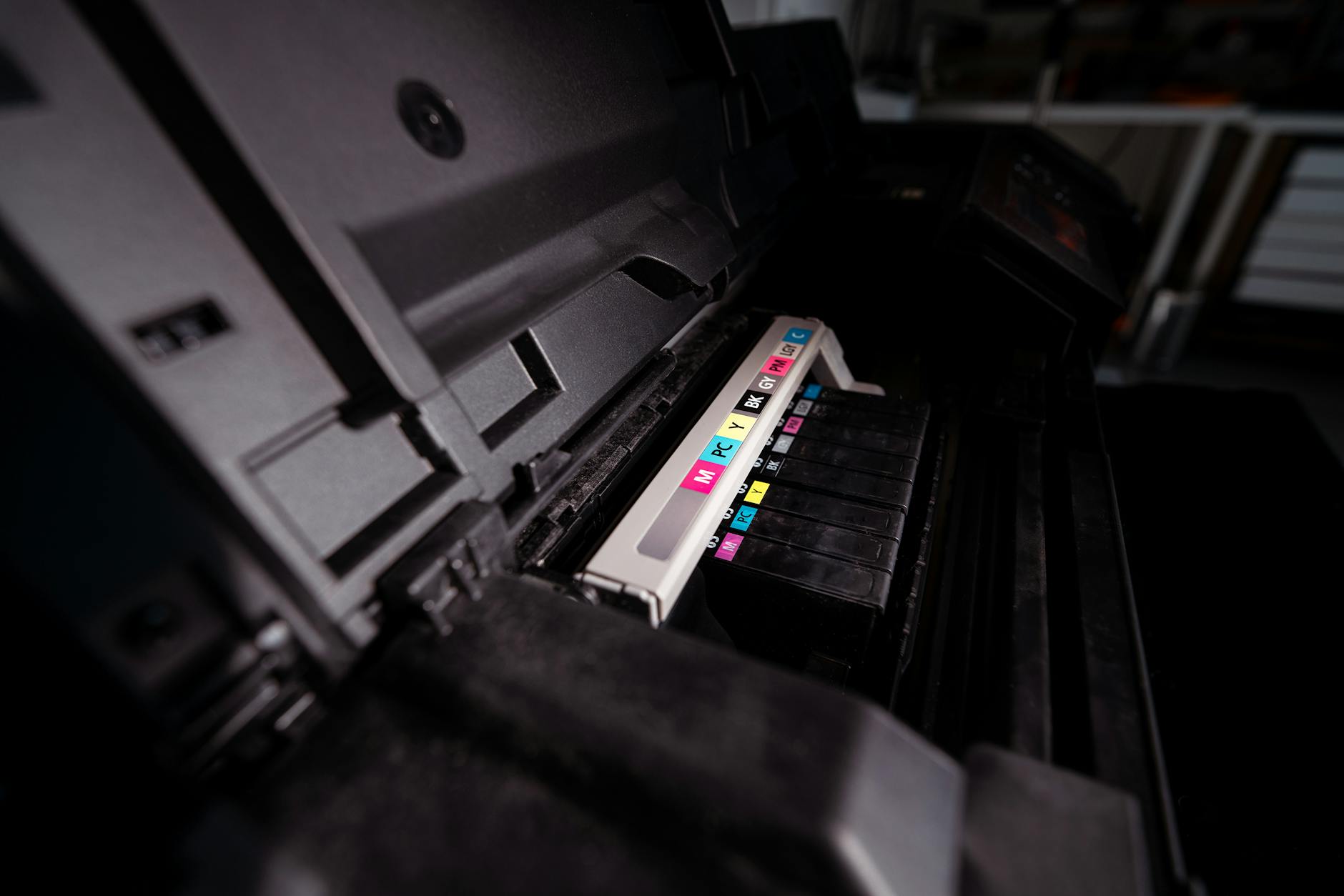
The quality of printed posters hinges on advanced printing processes and technologies. Digital printing, the most common method, offers rapid production with high resolution, ideal for short runs and custom designs. Offset printing is suitable for larger quantities, providing consistent color fidelity and sharp details. Large format inkjet printers are specifically designed for wide banners and posters, utilizing eco-solvent, latex, or UV inks to achieve vibrant colors and durability. UV printing allows for direct printing on various materials, including acrylic and metal, expanding the range of creative possibilities. The choice of printing technology directly influences the poster’s visual quality, color accuracy, and resistance to environmental factors.
Additional Services for Posters
Enhancing posters with additional services can improve their presentation and longevity. Lamination provides a protective layer, safeguarding against scratches, moisture, and UV damage. Mounting options include foam board or gatorboard, enabling standalone display without frames. Cutting and finishing services ensure precise dimensions and professional edges, while custom framing options add a sophisticated touch. For outdoor displays, weatherproof coatings and UV resistant finishes extend the poster's lifespan. Some providers also offer QR code inclusion or augmented reality integrations, bringing interactivity and modern appeal to printed posters. These supplementary services tailor the final product to specific usage scenarios and aesthetic preferences.
Choosing a Printing Service Provider
Selecting the right printing partner is crucial for achieving high-quality posters that meet both expectations and project specifications. Reliability and reputation hold significant importance; opt for providers with positive reviews and a proven track record in poster production. Access to a broad range of materials, size options, and finishing techniques enhances versatility. Turnaround times, pricing, and customer service also influence the decision-making process. Providers who prioritize quality control and have advanced printing equipment, such as those offered by disc-print.com, ensure vibrant colors, crisp details, and durable finishes. Clear communication and comprehensive consultation from the provider help in translating design concepts into final products that align perfectly with project goals.
Best Practices for Poster Display and Maintenance
Proper display techniques ensure maximum visibility and aesthetic appeal. Use appropriate mounting hardware to prevent damage and maintain flatness. Position posters at eye level for optimal engagement, and avoid direct sunlight to prevent fading. For outdoor posters, weather-resistant materials and protective coatings are essential. Regular maintenance involves cleaning with gentle, non-abrasive materials to preserve surface quality. When not in use, store posters rolled or flat in a controlled environment to prevent creases or warping. Proper handling and display extend the poster's visual impact and lifespan, preserving its effectiveness over time.
Types of Posters for Printing
Understanding the variety of poster types available for printing is essential for selecting the most suitable format for your specific needs. Posters can be categorized based on their purpose, material, and finishing options, each tailored to different display environments and audience engagement strategies.
Standard Posters
These are the most common types, typically produced in sizes such as 24x36 inches, designed for indoor advertising, promotional campaigns, or informational displays. They often feature vibrant colors and crisp graphics to attract attention in retail spaces, exhibitions, or offices.
Large-Format Posters
Ideal for high-visibility outdoor advertising or large-scale displays, large-format posters can reach sizes beyond standard dimensions, sometimes exceeding 48 inches in width. They are made with weather-resistant materials and durable finishes to withstand outdoor conditions, making them suitable for billboards or event backdrops.
Photo Posters
Focused on image quality, photo posters emphasize high-resolution printing on glossy or semi-glossy media. They are used for artistic purposes, photography exhibitions, or promotional visuals that require fine detail and rich color reproduction.
Specialty Posters
This category encompasses a variety of unique formats, including die-cut, transparent, metallic, or textured posters. These are primarily utilized for branding purposes or campaigns aiming to evoke a specific aesthetic or tactile experience.
Material and Finish Choices
The material selection plays a crucial role in the durability and presentation of posters. Options include:
- Matte Finish: Reduces glare, making it suitable for indoor environments with bright lighting.
- Gloss Finish: Enhances color vibrancy and detail, ideal for eye-catching displays.
- Metallic Finish: Adds a reflective, premium quality to promotional posters.
- Weather-Resistant Materials: Designed for outdoor use, these materials include vinyl and laminated surfaces that protect against moisture, UV exposure, and physical wear.
Choosing the appropriate poster type enhances the effectiveness of visual communication and ensures the display aligns with the intended environment and audience interaction.

Understanding the Range of Printing Materials for Posters
Selecting the right material is fundamental to achieving the desired visual impact and durability of printed posters. Each material offers unique characteristics that make it suitable for specific environments and display needs. For indoor applications, standard paper types, such as gloss or matte finish, provide vibrant color reproduction and a professional appearance. These papers are easy to handle and cost-effective, making them ideal for short-term promotions or informational displays.

For outdoor displays or high-traffic areas, weather-resistant materials like vinyl and laminated surfaces are preferred. Vinyl posters are flexible, waterproof, UV-resistant, and capable of withstanding various weather conditions without fading or warping. Laminated posters, often overlaid with protective coatings, also offer resistance to moisture and physical wear, ensuring that artwork remains vibrant and intact over time.
Foam boards and acrylic sheets serve as sturdy backing options that lend a premium feel for exhibits or point-of-sale displays. Foam boards are lightweight, easy to mount, and provide a clean, crisp display surface. Acrylic, with its glossy finish, enhances visual clarity and adds a sophisticated touch to promotional posters.
Fabric materials are becoming increasingly popular for banners and large-scale displays due to their lightweight nature and ability to produce high-resolution prints with rich textures. These are often used for event backdrops or trade shows, where portability and visual impact are essential.
Considerations for Choosing the Appropriate Printing Material
- Environmental Exposure: Determine if the poster will be displayed indoors or outdoors. For outdoor use, weather-resistant options like vinyl and laminated surfaces are necessary to ensure longevity.
- Display Duration: Short-term promotions may suffice with standard paper posters, while long-term or permanent installations require more durable materials.
- Display Method: The intended mounting or framing method influences material choice. Rigid materials like foam boards are suitable for freestanding displays, whereas flexible vinyl is ideal for surfaces and banners.
- Visual Quality: For detailed photographic images, glossy or semi-glossy materials enhance detail and vibrant color reproduction. Matte finishes are better for minimizing glare in brightly lit environments.
Ultimately, the choice of printing material profoundly impacts the poster’s visual effectiveness and durability. Collaborating with experienced printing providers, such as disc-print.com, ensures that the selected materials align with specific project requirements, environmental conditions, and budget considerations, delivering professional results tailored to each application.
Types of Posters for Printing
When considering printing posters, it is essential to understand the variety of types available to match specific needs and display environments. Different poster styles serve distinct purposes, ranging from promotional displays to artistic exhibitions. Selecting the appropriate type ensures optimal visual impact and durability for your project.
Common Types of Posters
- Event Posters: Designed to promote upcoming events, these often feature vibrant graphics and prominent text to catch attention quickly.
- Promotional Posters: Used for marketing campaigns, these posters highlight products, discounts, or sales in a visually compelling manner.
- Art Posters: Artistic representations or reproductions intended for decoration or collection, often displaying high-resolution images for emphasis.
- Informational Posters: Communicate detailed information, instructions, or safety guidelines, typically incorporating clear graphics and legible text.
- Movie and Entertainment Posters: Designed for branding entertainment media and often characterized by bold visuals and dramatic typography.
Specialized Poster Types
- Life-Size Posters: Reproduce the full-scale representation of a person or object, used for promotional displays or events requiring realism.
- Giant Banners: Large-format prints intended to be hung outdoors or in expansive indoor spaces for high visibility.
- Backlit Posters: Crafted with translucent materials for displays illuminated from behind, enhancing visibility during nighttime or dimly lit environments.
- Laminated Posters: Coated with protective layers to resist water, tearing, and fading, making them suitable for long-term outdoor or high-traffic indoor settings.
Special Materials for Poster Printing
The choice of printing material significantly influences the overall presentation and longevity of a poster. Materials are selected based on environmental conditions, display duration, and desired finish.

Conclusion
Understanding the different types of posters allows for better alignment with specific project aims and display scenarios. Whether for quick promotional effects or enduring artistic displays, choosing the right poster type and relevant materials ensures impactful and professional results. Collaborating with experienced printing service providers ensures that your posters meet quality standards and last through their intended lifespan, optimizing both visual appeal and cost efficiency.
Types of Posters for Printing
When selecting posters for your visual communication needs, understanding the range of available types helps ensure your message is effectively conveyed. Traditional posters serve as versatile tools for advertising, branding, or artistic expression, while specialized variants cater to specific display environments and goals.
Standard Posters
These are the most commonly used posters, suitable for indoor and outdoor displays. They are available in various sizes and finishes, facilitating their integration into different promotional campaigns or decorative settings. High-quality paper or cardstock ensures durability and vibrant color reproduction.
Life-Size Posters
Designed to reproduce a full-scale depiction of a person or object, these posters maximize impact in promotional events or display scenarios where realism is essential. Producing lifespan hinges on the materials used, often requiring sturdy substrates to maintain appearance over time.
Giant Banners
Large-format prints, often utilizing weather-resistant materials, are perfect for outdoor advertising. They can span wide spaces, capturing attention from afar during events, parades, or storefront promotions. The durability and material choice are critical for longevity and visibility in outdoor conditions.
Backlit Posters
This type involves translucent substrates that are illuminated from behind, making visuals pop in dimly lit environments. They are popular for retail window displays, exhibition booths, and event signage, demanding precision in the printing process and quality materials to ensure clarity.
Laminated Posters
Coated with protective layers, laminated posters resist water, tears, and fading, extending their lifespan significantly. This finish makes them particularly suitable for environments with high humidity, frequent handling, or outdoor exposure, maintaining pristine appearance over time.

Materials Used for Poster Printing
Selecting appropriate materials is pivotal for achieving a professional appearance and ensuring durability. The choice depends on the intended display environment, duration, and aesthetic preferences. Common substrates include:
- Glossy Paper: Enhances color vibrancy, suitable for indoor displays that require sharp visuals.
- Matte Paper: Reduces glare, ideal for posters with detailed graphics or text.
- Rigid Board Materials: Foam board, corrugated plastic, and PVC panels offer sturdy support, perfect for lightweight standalone displays.
- Translucent Materials: Used in backlit posters, such as acrylic or specialized films that allow light passage.
Designing Effective Posters
A well-designed poster attracts attention and communicates its message clearly. Elements to consider include layout, color schemes, typography, and imagery. The design process should focus on clarity, visual hierarchy, and audience engagement, ensuring the message resonates instantly.
- Keep Text Concise: Use minimal, impactful wording to deliver essential information.
- Use High-Quality Images: Sharp visuals reinforce the message and draw attention.
- Prioritize Readability: Select legible fonts and appropriate sizes, especially for vital information.
- Color Consistency: Use colors that align with branding and evoke desired emotions.
- Effective Call-to-Action: Encourage engagement with clear directives or contact details.
Official Methods for Printing Out Posters
Utilizing Professional Printing Services
When seeking to print out posters with guaranteed quality, reliability, and adherence to standards, engaging a reputable printing service is essential. Commercial printing companies employ advanced digital and offset printing technologies that ensure sharp visuals and consistent color reproduction across large formats. Such services typically offer a range of customization options, including various sizes, finishes, and materials, allowing for tailored solutions suited to specific needs.
Choosing an established printing provider not only guarantees access to state-of-the-art machinery but also benefits from expert guidance on design compatibility, material selection, and long-term durability. This method provides assurance that the final product aligns with professional standards and aesthetic expectations, making it ideal for commercial advertising, event promotion, or artwork display.
In-House Printing for Businesses and Organizations
Some organizations and businesses maintain in-house print facilities or work with dedicated printing departments. This approach allows for rapid turnaround times and greater control over the printing process. Using high-end large-format printers, these entities produce posters on demand, facilitating quick updates or adjustments to designs without the delays associated with external vendors.
In-house printing requires investment in quality equipment, regular maintenance, and staff training. Properly managed, it enables companies to maintain consistent branding, manage sensitive or confidential materials, and reduce costs associated with bulk printing orders.
Official Distribution Channels and Certified Printing Vendors
Official distribution channels often include authorized printing companies partnered directly by poster production platforms or branded retail outlets. These vendors adhere to industry standards ensuring the provenance and quality of printed materials. Verifying the credentials and certifications of such vendors helps in sourcing posters that meet expected quality benchmarks, especially for high-profile marketing campaigns or events.
Consumers are encouraged to select vendors with a transparent track record, positive customer feedback, and clear process explanations. Such due diligence guarantees that raw materials, inks, and printing methods conform to recognized practices, resulting in durable and vibrant posters.
Online Ordering and Digital Upload Platforms
Modern, legitimate methods include submitting poster designs via reputable online platforms that connect customers with certified printing labs. These services often feature user-friendly interfaces, upload verification options, and real-time order tracking. Ensuring the platform is operated by recognized providers offers peace of mind regarding data security and print quality.
By uploading high-resolution digital files and specifying desired parameters, clients can commission high-fidelity posters produced with industrial-grade equipment. Such channels often include detailed guidelines on file formats, resolution, and color profiles, facilitating seamless integration between digital design and physical output.
Ensuring Compliance and Quality Assurance
Selecting legitimate printing methods involves adherence to industry standards concerning materials, inks, and production techniques. Certified vendors typically employ quality control measures throughout the printing process, from initial proofing to final inspection. This thorough oversight ensures the posters delivered are consistent with specifications and free from defects.
Printed posters should also include appropriate labeling, security features if applicable, and adherence to environmental guidelines, where relevant. These measures collectively support producing high-caliber posters that effectively communicate messages and withstand display conditions.
Official Methods to Print Out Posters
When choosing to print out posters, it is essential to utilize official and reputable channels that guarantee high-quality results and long-lasting durability. One of the primary methods involves engaging with certified printing companies that specialize in large-format and digital poster printing. These service providers invest in advanced printing technology and adhere to strict quality standards to ensure that each poster meets specific criteria for resolution, color accuracy, and material consistency.

How to Access These Official Services
- Online Ordering Platforms: Many professional printing companies operate secure online portals where customers can upload digital design files, select poster specifications, and place orders with confidence. These platforms typically verify uploaded files for resolution and color profiles, ensuring that the final print aligns with design expectations.
- Direct Engagement with Reputable Print Shops: Visiting well-established local or national print shops, either in person or via their official websites, allows clients to consult with staff, review sample materials, and receive expert guidance throughout the process.
- Certified Print Distributors: Authorized distributors often collaborate with recognized printing labs and uphold strict quality control standards. Working with such channels ensures adherence to official printing procedures and standards.
The Importance of Proofing and File Preparation
Submitting high-resolution digital files prepared according to the print shop’s specifications is crucial. This involves ensuring that the artwork uses appropriate color modes (such as CMYK), minimum resolution requirements (generally 300 DPI), and correct file formats (like PDF or TIFF). Controlled proofing processes, including digital previews or physical samples, help clients validate colors, layout, and overall appearance before full production commences.
Ensuring Compliance and Maintaining Standards
Legitimate poster printing outlets follow established industry guidelines covering ink safety, environmental standards, and material quality. They employ quality management systems that monitor each stage, from digital file processing to final inspection, preventing errors and defects. Additionally, official print providers often incorporate security labeling, traceability options, and environmentally friendly practices, contributing to trustworthy and durable end products.
Quality Assurance in Official Printing
Throughout the printing process, certified vendors conduct multiple checks. These include color consistency, registration accuracy, material integrity, and finishing quality. Final inspection ensures that posters are free from printing flaws and meet the specified standards. By relying on these verified methods, clients can be confident in the longevity and visual impact of their posters for various display environments.
Choosing reputable, officially operated printing services not only guarantees high standards but also safeguards overall investment in promotional materials such as posters. This approach leverages technology, skilled expertise, and rigorous quality control measures to produce vibrant, durable, and visually compelling posters that effectively communicate messages to the target audience.
Official Methods for Printing Out Posters
Ensuring that your posters are produced through reputable and official printing channels is essential for achieving high-quality results that effectively communicate your message. Authorized printing providers adhere to industry standards, utilize proven technology, and follow best practices to deliver vibrant, durable, and professionally finished posters.
Utilizing Certified Printing Vendors
Engaging with certified printing companies guarantees that your project benefits from advanced equipment, superior materials, and rigorous quality control processes. These vendors typically participate in industry accreditation programs, which reflect their commitment to excellence and compliance with established standards. Such certifications often involve the use of certified inks, environmentally safe processes, and ethically sourced materials, adding to the overall value and trustworthiness of the final product.
Submitting Proper Digital Files
To facilitate seamless production, always prepare your poster design following the specific specifications provided by your chosen print service. This often includes high-resolution images, correct color profiles (such as CMYK), and appropriate file formats like PDF or TIFF. Submitting well-prepared, official digital files minimizes errors, ensures color accuracy, and accelerates the printing process.
Requesting Color Proofs and Samples
Prior to full-scale printing, request color proofs or physical samples from the printer. These official proofs enable you to verify color accuracy, layout, and material compatibility. By reviewing these samples, clients can approve the final design confidently, ensuring the printed posters match their expectations and branding requirements.

Adhering to Industry Standards and Guidelines
Official print providers follow industry-approved standards for ink safety, environmental practices, and material quality. These standards encompass specifications for UV resistance, colorfastness, and durability, ensuring that posters maintain their visual impact over time and under various environmental conditions. Moreover, these providers implement safety and traceability measures, such as security labeling, to uphold product integrity during production and distribution.
Employing Reliable Printing Technologies
Modern printing methods, including large-format digital printing and advanced inkjet techniques, are integral to official poster production. These technologies offer high-resolution output, consistent color density, and rapid turnaround times. By utilizing such equipment, reputable printers can produce posters that meet precise specifications for size, finish, and durability, satisfying diverse display needs ranging from indoor exhibitions to outdoor advertising.
Ensuring Quality Control Throughout Production
Official poster printing services implement comprehensive quality control strategies at each stage— from digital file processing to final inspection. The process includes checking for color consistency, registration accuracy, material integrity, and finishing quality such as lamination or mounting. This systematic approach helps identify and rectify any defects early, resulting in a polished and professional poster that fulfills the intended purpose.
Securing Legal and Ethical Compliance
Official poster printing outlets strictly adhere to legal and ethical standards governing the use of copyrighted images, trademarks, and official branding elements. They ensure all content complies with copyright laws, and proper licensing is obtained when necessary. This compliance protects clients from potential legal issues and maintains the integrity of the design and message conveyed through the posters.

By selecting legitimate and reputable printing providers, clients gain access to sophisticated technology, expert oversight, and strict adherence to industry practices. These factors collectively enable the production of posters that are not only visually impactful but also durable and aligned with best practices in print media. This careful approach underscores the importance of utilizing official methods to realize your visual communication goals effectively and responsibly.