Understanding Booklet Printing and Its Variations
Booklet printing encompasses a wide array of options designed to suit diverse publishing needs, whether for marketing materials, event programs, educational brochures, or corporate reports. Recognizing the different types available is crucial for estimating costs accurately and making informed decisions that align with your objectives and budget.
Types of Booklet Printing
Booklets can be produced using several binding methods, each offering unique advantages in terms of durability, appearance, and cost. The most common binding options include saddle stitch, perfect binding, and wire binding, among others. Each type varies in complexity and the level of finish, directly impacting the overall booklet printing cost.
- Saddle Stitch: Involves folding sheets and stapling along the spine, ideal for booklets with fewer pages. This method is cost-effective, making it suitable for short-run projects.
- Perfect Binding: Uses glue to bind the pages along the spine, common in magazines and catalogs. It offers a professional look but involves higher costs due to additional binding processes.
- Wire Binding: Adds durability and allows the booklet to lay flat, often used for manuals and presentation materials. It typically entails additional expense compared to saddle stitching.
Common uses for these variations include marketing brochures, instructional manuals, event programs, and corporate reports. Understanding these options helps determine which method aligns with your quality expectations and budget constraints.
Understanding Booklet Printing and Its Variations
Booklet printing encompasses a range of methods and specifications, each tailored to meet specific needs for presentation, durability, and budget. From small-scale promotional leaflets to professional corporate reports, choosing the right print method and finishing touches significantly influences the overall booklet printing cost.

Binding Techniques and Their Influence on Cost
The binding process is one of the primary factors affecting booklet printing costs, with multiple options available based on the intended use and desired aesthetics:
- Saddle Stitch: This traditional binding method involves folding sheets and stapling along the spine. Its simplicity and low material requirement make it ideal for short-run projects with fewer pages. The cost here is usually minimal, especially when printing in bulk, because the process is quick and efficient.
- Perfect Binding: Utilized for more professional finishes such as catalogs and magazines, this method involves applying a strong adhesive along the spine. While it elevates the perceived quality of the booklet, the additional materials and process complexities increase the cost compared to saddle stitching.
- Wire Binding: For booklets requiring durability and the ability to lay flat, wire binding offers a practical option. It involves inserting metal or plastic combs or spiral loops through holes along the spine. The expense increases with the size of the wire and the sophistication of the binding.
Paper Choice and Finish Quality
The selection of paper type significantly influences production expenses. Standard options like coated or matte papers are more cost-effective, while premium options involve higher material and printing costs. Additionally, the weight or thickness of paper (measured in GSM) impacts both the quality and the price, with heavier papers offering a more premium feel but increasing material costs.
Design and Customization Costs
Beyond printing, design services, custom features like embossed covers, foil stamping, or specialty finishes can add to the overall booklet printing cost. While these features elevate the visual appeal and brand perception, they require additional labor, materials, and sometimes specialized equipment, leading to higher expenses.
Additional Considerations in Costing
- Page Size and Layout: Larger formats or complex layouts may increase printing and finishing costs due to additional paper use and more intricate binding or folding processes.
- Color Printing: Full-color pages enhance visual impact but significantly raise costs versus black-and-white printing, especially over many pages.
- Quantity: Ordering in larger quantities usually benefits from volume discounts, reducing the per-unit price. Conversely, small orders tend to be more expensive on a per-copy basis due to setup costs.
Image Placeholder
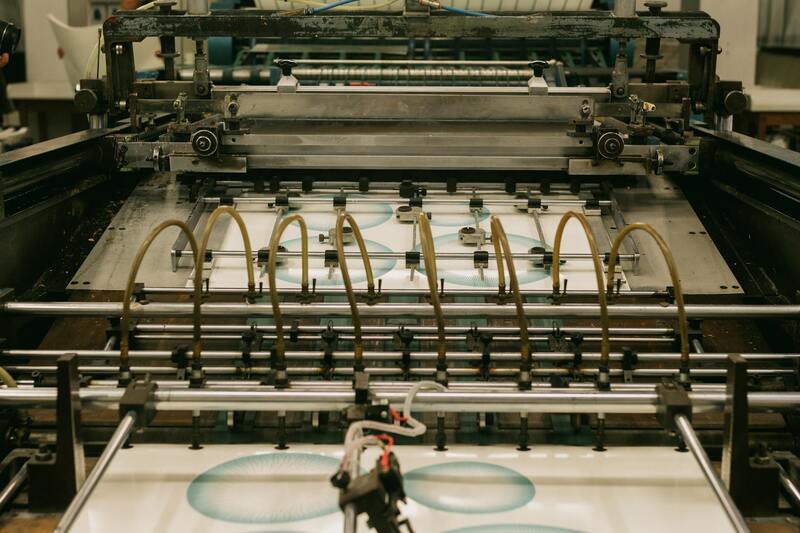
The selection of printing methods, paper types, and finishing details directly impacts the final cost of the booklet. Efficient planning and understanding these variables allow for optimal budgeting without compromising quality, ensuring the printed materials effectively meet the specific communication objectives.
Understanding Booklet Printing and Its Variations
Booklet printing encompasses a wide range of formats, sizes, and finishes, each tailored to meet specific communication and branding objectives. At its core, the process involves the assembly and binding of multiple pages into a compact, professional package that effectively conveys information. Variations in booklet printing primarily arise from choices related to paper stocks, binding methods, printing techniques, and finishing details, all of which influence the final cost.
Traditional binding styles such as saddle stitching provide a cost-effective option suitable for booklets with fewer pages, generally up to 48 pages. Conversely, thicker, more durable binders like perfect binding or wire binding are employed for larger booklets, offering enhanced durability but often at a higher cost. These different binding types not only affect the tactile feel and longevity of the booklet but also impact the overall printing expenses due to the complexity and equipment required in the finishing stages.
Popular Variations and Their Cost Implications
- Saddle Stitching: Cost-efficient for smaller booklets, typically involving stapling along the spine. Printing and finishing costs are generally lower, making it a popular choice for brochures and event programs.
- Perfect Binding: Used for larger or more polished booklets, where pages are glued along the spine and cover is attached. This method provides a more professional appearance but increases manufacturing costs due to additional materials and precise equipment requirements.
- Wire or Spiral Binding: Offers durability and a lay-flat capability, suitable for manuals or catalogs. The cost varies depending on the material (metal or plastic) and the number of holes or loops.
- Other Finishing Options: Specialty finishes such as embossed covers, foil stamping, matte or gloss lamination, and spot UV coating can dramatically elevate the aesthetic appeal while adding to the overall expenses. These features require extra processing time and materials, thus influencing the total printing cost.
Additionally, the choice of paper stock itself contributes significantly to the overall economic considerations. Thicker, textured, or glossy papers are more expensive but deliver a premium feel that aligns with high-end branding. Conversely, lighter or matte papers may offer cost savings but might not convey the same level of sophistication.

Understanding the nuances of these printing and finishing options enables businesses and individuals to make informed decisions that balance aesthetic impact with budget constraints. Choosing the right variation depends on the intended purpose, target audience, and the desired longevity of the printed materials. Careful planning and consultation with a reputable printing service can optimize costs while ensuring a professional, high-quality outcome that effectively communicates your message and reinforces your brand identity.
Understanding Booklet Printing and Its Variations
Booklet printing encompasses a broad spectrum of options that cater to different artistic, functional, and budgetary needs. Variations range from traditional saddle stitch bindings to more advanced perfect binding and spiral options. Each type impacts not just the visual appeal but also the overall cost, durability, and usability of the finished product.
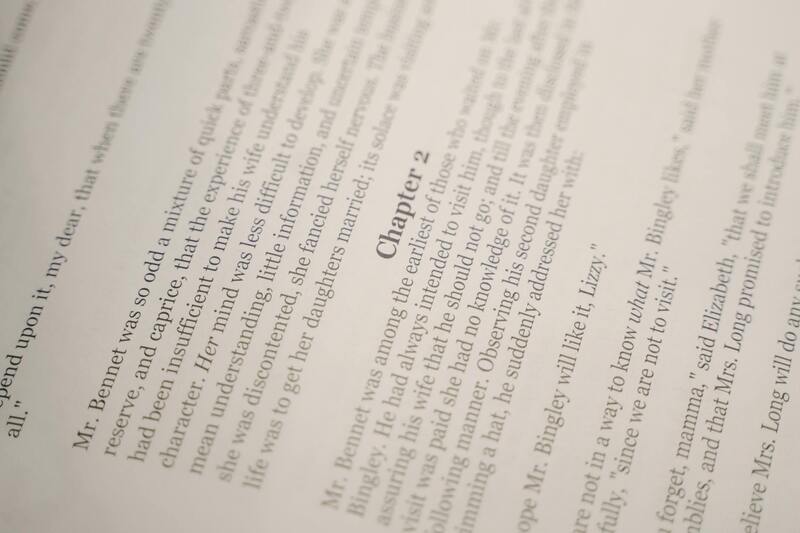
Saddle stitch binders are widely used for smaller booklets, offering a cost-effective solution with quick turnaround times. Perfect binding, often seen in larger catalogs or thicker booklets, involves gluing the spine for a clean finish, adding to production time and expense. Spiral and wire-o bindings are favored for their ability to lay flat, making them suitable for manuals, cookbooks, or presentations that benefit from ease of use and durability.
Finish types further influence the tactile and visual qualities of booklet printing. Matte and gloss coatings can enhance or mute color vibrancy, while specialty finishes such as spot UV, embossing, or foil stamping elevate the sophistication and appeal, albeit at a higher cost. These variations are essential considerations for aligning the printed material with branding and functional requirements.
Impact of Binding Style on Cost Structure
Choosing the appropriate binding method involves balancing aesthetic expectations with budget considerations. Saddle stitch binding typically offers lower unit costs and is ideal for shorter runs or promotional materials. Alternatively, perfect binding necessitates additional materials such as glue and cover stock, raising the overall expenditure for thicker, more durable publications. Spiral or wire binding involves additional components and machinery, often resulting in higher per-unit costs but delivering high functionality for certain applications.
Moreover, the selection of binding should consider production volume. For low-volume runs, saddle stitch or spiral binding might be more economically feasible, especially when combined with digital printing techniques. Larger print runs may justify investments in perfect binding, which can provide a more refined and professional appearance suitable for marketing brochures, yearbooks, or product catalogs.
Cost Implications of Finishing and Binding
Finishing options such as lamination—either matte or gloss—add to the booklet’s protective properties and aesthetic charm. Foil stamping or embossing can impart a premium feel but often involve additional costs due to setup and materials. Spot UV coatings highlight specific areas, creating visual interest but also requiring extra steps in the printing process.
Additionally, binding and finishing choices are often influenced by the intended lifespan and usage environment of the booklet. For instance, manuals that see frequent handling might benefit from more durable binding styles like perfect or wire binding, which tend to carry higher costs but better serve long-term usability.
Visual Enhancements and Their Cost Influence
- Embossing and Debossing: Adds tactile depth but involves additional processing steps.
- Foil Stamping: Conveys luxury and prestige, increasing material costs.
- Spot UV Coating: Enhances specific areas for emphasis, requiring precise application and added labor.
- Lamination: Protects against wear and enhances appearance, with costs varying based on finish choice.
In-depth discussions with printing professionals can help identify the most impactful, cost-effective finishing options that suit your project's goals, ensuring the final product aligns with both budget and expectations.
Overall, understanding the nuances of binding and finishing options empowers clients to make informed choices that achieve the desired level of quality without exceeding budget constraints. By carefully selecting the appropriate binding style and finishing features, businesses can produce professional, durable, and visually appealing booklets tailored to their specific needs.
Impact of Binding and Finishing Options and Their Cost Implications
When evaluating the booklet printing cost, the selection of binding methods and finishing touches plays a significant role in determining the final expenses. Not all binding options carry the same price point; therefore, understanding the nuances of each can help in making cost-effective decisions that do not compromise quality.
Common Binding Styles and Their Cost Dynamics
- Saddle Stitch Binding: This is one of the most economical options, especially suitable for booklets with a smaller page count, typically up to 68 pages. It involves stapling through the fold line, which simplifies the production process and reduces labor costs.
- Perfect Binding: Often used for larger booklets or catalogs, this method provides a professional look with a glued spine. While more durable and aesthetically appealing, it involves additional setup and material costs, making it pricier than saddle stitch.
- Wire Binding and Spiral Binding: These options offer a lay-flat feature, ideal for manuals, guides, or cookbooks. The cost varies depending on the wire or spiral material used, with metal options generally costing more than plastic alternatives.
- Tape Binding: Suitable for short-term use or internal documents, tape binding is affordable but less durable, providing a cost-efficient solution for quick turnaround projects.
Finishing Features and Their Cost Impact
Adding finishes such as lamination, UV coating, embossing, or foil stamping enhances visual appeal and durability but also influences production costs. Each finish offers distinct advantages and expense considerations:
- Lamination: Provides a protective layer against wear and moisture, with costs depending on gloss or matte finish and the size of the booklet.
- Spot UV Coating: Adds a glossy highlight to specific areas, emphasizing design elements, but requires precise application that can increase labor charges.
- Embossing and Debossing: Creates tactile textures, elevating perceived value but involves additional setup costs and time.
- Foil Stamping: Adds metallic accents—ideal for logos or titles—entailing higher material and labor costs.
These finishing options should be selected based on the desired aesthetic outcome and budget constraints. Consulting with a professional printer can help identify the most impactful features aligned with project goals.
Cost-Efficiency Tips When Choosing Binding and Finishing
- Opt for saddle stitch binding whenever possible for small to medium-sized booklets to maximize savings.
- Limit the use of multiple finishes; select a few high-impact options like lamination or UV coating depending on the booklet’s purpose.
- Combine cost-effective binding with strategic finishing to balance aesthetics and budget.
- Request samples or mock-ups from your printer to assess how different choices influence overall costs and appearance.
Understanding the cost implications of binding and finishing allows for strategic planning that aligns with project budgets while maintaining a professional appearance. Clear communication with your printing partner ensures that the selected options optimize both quality and expenditure, leading to a well-crafted final product.
Understanding Booklet Printing and Its Variations
Booklet printing encompasses a range of options tailored to meet diverse design objectives and budget considerations. Variations include saddle stitch, perfect binding, spiral binding, and wire-o binding, each with unique attributes and associated costs. Saddle stitch, the most economical option, uses staples along the fold and is suitable for smaller page counts. Perfect binding involves gluing pages at the spine, offering a more durable and professional appearance ideal for thicker booklets. Spiral and wire-o bindings provide a lay-flat feature, often favored for manuals and catalogs, but tend to incur higher production costs due to additional hardware and processing. Understanding these binding types allows clients to select the most appropriate method that balances quality and cost.
Images can highlight these different binding styles and finishes, providing visual cues that help in decision-making.

Key Factors Influencing Booklet Printing Costs
The cost structure for booklet printing is shaped by multiple interconnected factors. Paper quality is paramount; standard coated papers are more budget-friendly compared to premium matte or gloss options, which enhance visual appeal but also increase expenses. Print quality, including color fidelity and resolution, affects pricing—higher-quality digital or offset printing typically costs more but results in sharper images and truer colors. Finishing features like lamination, embossing, foil stamping, or spot UV add layers of complexity, elevating overall costs. Operational factors such as press setup, plate making, and actual print volume also influence the final pricing. Larger print runs benefit from economies of scale, reducing the unit cost, while smaller quantities generally require higher per-unit expenses due to setup and material usage. Additionally, offering quick turnaround times often incurs additional charges, reflecting the premium for expedited production. These variables underscore the importance of communicating project specifications clearly to your printer, ensuring a balanced approach that aligns quality expectations with budget constraints.
Improvements in printing technology and material innovations continue to influence cost structures, providing more options for customization without compromising on professionalism.
Impact of Quantity and Page Count on Pricing
Order quantity is one of the most significant determinants of booklet printing costs. When printing in bulk, fixed costs such as setup and plate creation are amortized across larger quantities, resulting in a lower cost per unit. Conversely, small runs typically carry higher unit prices due to the distribution of these initial costs.
The page count directly affects the total number of sheets required, influencing both material and production costs. A 16-page booklet, for instance, might be produced with less material than a 48-page version, but printing additional pages increases the expense proportionally. In some cases, optimizing page layout or fold design can reduce the number of sheets needed, thereby controlling costs.
Balancing desired content length with budget can be achieved by strategic planning—such as consolidating information or redesigning layouts for efficiency. When discussing volume requirements, requesting detailed quotations helps identify the most cost-effective approach to meet project objectives.
Binding and Finishing Options and Their Cost Implications
Binding and finishing choices significantly impact overall production expenses and aesthetic appeal. Saddle stitching offers a cost-efficient solution for smaller booklets, especially when combined with minimal finishing options. Perfect binding, while slightly more costly, provides a sleek, professional look suitable for presentations or marketing literature.
Additional finishing features like lamination or UV coating improve durability and visual impact but also add to the cost. Embossing and foil stamping create tactile, eye-catching effects but involve more complex processes and higher expenses. When selecting finishing options, consider their contribution to the booklet’s purpose and how they complement the design narrative.
Strategic combination of binding and finishing features can optimize the perceived quality while maintaining budget integrity. For example, pairing saddle stitch with a single finishing touch like matte lamination can deliver both visual appeal and cost savings.
Impact of Binding and Finishing Options on Booklet Printing Costs
Choosing an appropriate binding method and finishing touches is critical to balancing aesthetic appeal, durability, and overall printing expenses. Various binding techniques are suited for different types of booklets, each with distinct cost implications. Saddle stitching, for instance, involves stapling sheets along the spine and remains an affordable, efficient choice for smaller booklets with fewer pages. Its simplicity and quick turnaround make it popular for short-run projects.
Conversely, perfect binding employs adhesive to affix the pages to a sturdy spine, creating a clean, professional presentation. While slightly more expensive, this method is ideal for larger booklets or marketing materials that require a polished appearance. Its durability and high-quality finish often justify the added cost, especially when the booklet is intended for frequent handling or long-term use.
Additional finishing features significantly influence the total booklet printing cost, yet they enhance the visual impact and lifespan of the final product. Lamination and UV coatings are common options used to protect covers and add a glossy or matte finish, which enhances durability and visual appeal. Incorporating such finishes increases the per-unit cost but can reduce damage from handling or environmental exposure.
Embossing and foil stamping are more elaborate finishing techniques that produce tactile effects and metallic accents. These are reserved for premium publications or promotional materials that seek to generate a high-end impression. Due to their intricate processes, these features contribute to higher expenses, but they make a booklet stand out significantly.
In terms of cost management, strategic combinations of binding and finishing options can optimize budget while maintaining quality. For example, pairing saddle stitching with a single, cost-effective finishing touch like matte lamination strikes a balance between aesthetics and expense. Such choices are essential in projects where the perceived value is as important as staying within financial constraints.
Optimizing Cost Through Design and Material Choices
Beyond binding and finishing, other elements contribute to booklet printing costs, notably paper selection and print quality. Thinner paper stocks reduce material costs and facilitate more affordable printing, but they may compromise durability. Conversely, thicker, premium papers enhance tactile quality and visual richness, but at a higher price point.
Choosing suitable paper types involves considering the intended use of the booklet. For instance, marketing brochures often benefit from glossy or heavy-textured papers to attract attention, whereas internal manuals or informational booklets might prioritize cost efficiency with standard matte paper. Balancing quality with budget requires assessing the purpose and expected lifespan of the printed material.
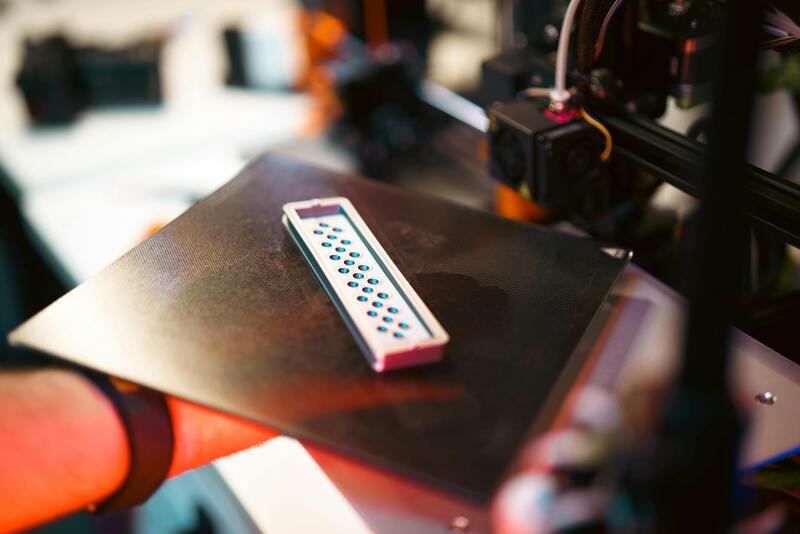
Print quality settings also influence costs. Higher-resolution outputs and color accuracy enhancements demand more sophisticated printing equipment and resources. For large quantities or projects with tight budgets, opting for standard quality settings can result in substantial savings without sacrificing overall effectiveness.
Factors to Consider for Cost Optimization
- Prioritize essential finishing features based on the booklet's purpose and expected handling.
- Select paper stocks that balance durability and cost—avoid unnecessary premium options for informational content.
- Choose binding methods aligned with production volume and desired aesthetic; saddle stitching for small runs, perfect binding for larger or professional presentations.
- Leverage standard print quality settings for bulk orders to reduce expenses, reserving higher resolutions for key projects.
Effective planning and clear communication with your printing provider are vital in identifying options that meet your project’s quality and budget goals. Understanding how binding, finishing, and material choices interrelate allows for informed decisions that optimize costs while ensuring a professional final product.
Understanding Booklet Printing and Its Variations
Booklet printing encompasses a diverse range of formats and options tailored to meet various project needs. From small-scale informational pamphlets to large, professionally bound catalogs, the choice of printing mode directly impacts the overall cost. Different formats such as saddle stitch, perfect binding, and spiral binding serve specific purposes, and understanding their distinctions is vital for budgeting effectively.
Saddle stitch binding involves folding sheets together and stapling along the spine, making it cost-effective for booklets with fewer pages. Conversely, perfect binding offers a more polished, durable finish suitable for thicker publications but at a higher expense. Other options include wire binding and plastic combs, each adding specific aesthetic and functional attributes, thereby influencing the final pricing structure.
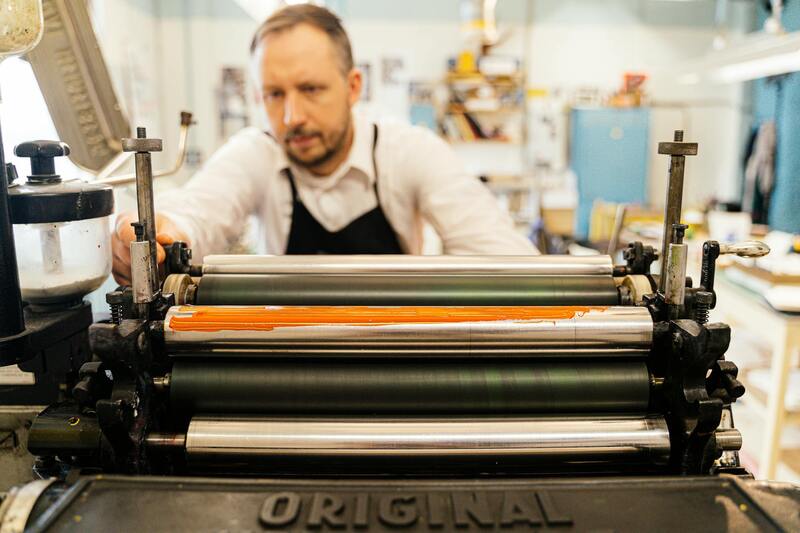
Types of Binding and Their Cost Implications
- **Saddle Stitch:** Ideal for booklets under 48 pages, this method is economical and straightforward. Material costs are low, and the process is quick, making it suitable for short-run projects.
- **Perfect Binding:** Suitable for thicker documents, providing a professional appearance akin to paperback books. It involves gluing the spine, leading to higher costs due to additional materials and processing time.
- **Wire and Plastic Combs:** These offer reusable and adjustable options, often used for presentation or educational materials. While flexible, they tend to be pricier depending on the size and number of copies.
- **Spiral Binding:** Provides a lay-flat design for ease of reading, commonly used for manuals and reference guides. The costs vary based on the wire gauge and number of holes punched.
Paper Types and Print Quality Choices
The selection of paper stock significantly impacts booklet printing costs. Standard options include:
- Matte Paper: Offers a non-reflective finish, suitable for textual content and low-cost printing projects.
- Glossy Paper: Enhances color vibrancy and image sharpness, ideal for photo-heavy material but at an increased cost.
- Uncoated Paper: Provides a natural feel, often used for informational booklets where readability is priority.
Print quality settings, such as resolution and color fidelity, also influence pricing. Higher-resolution prints with precise color matching require advanced machineries and consumables, thus escalating costs.
Additional Costs: Design, Turnaround, and Custom Features
Design fees are an essential component of booklet printing expenses, especially if custom layouts or graphics are involved. Turnaround times can tighten schedules but may incur additional charges for expedited service. Custom features, including spot UV coating, embossed logos, or special finishes, increase costs but add value and uniqueness to the final product.
Average Price Ranges and Cost-Saving Tips
While specific costs vary based on project specifications, typical pricing for small to medium runs can range from a few hundred to several thousand dollars. Bulk orders often benefit from volume discounts, reducing the per-unit expense. Opting for standard paper types and binding methods, especially for informational or promotional materials, can significantly lower overall costs.
Effective communication with printing providers enables clients to identify the most economical options that still meet quality requirements. Utilizing pre-designed templates and minimizing custom finishes can further optimize booklet printing costs. Moreover, planning ahead and requesting detailed quotes for different configurations ensures transparency and better budget adherence.