
Introduction to Custom Card Printing
In an era where personalization enhances engagement and brand recognition, custom card printing emerges as a versatile solution for various needs. Whether for personal milestones, corporate branding, or promotional campaigns, bespoke cards serve as tangible representations of identity and message. Their applications extend across myriad domains, including loyalty programs, gift cards, identification badges, membership cards, and event invitations. The process offers a unique blend of creative freedom and technical precision, empowering users to design cards that resonate with their specific objectives and aesthetic preferences.

One of the standout benefits of custom card printing is the ability to produce high-quality, durable cards that align perfectly with the intended purpose. For businesses, these cards act as effective marketing tools that foster brand loyalty and visibility. For individuals, personalized cards serve as meaningful keepsakes or thoughtful gifts. The versatility and professional finish of custom printed cards surpass generic alternatives, offering a compelling advantage across various contexts.
Benefits of Custom Card Printing
- Enhanced brand recognition through personalized design elements.
- Increased engagement with recipients via visually appealing graphics and messaging.
- Unique product differentiation in competitive markets.
- Durability and quality that withstand everyday handling.
- Flexibility in size, shape, and finish options to meet specific needs.
These benefits are realized through meticulous planning and the use of advanced printing technologies that ensure each card meets exact specifications. Extensive customization options allow for a wide range of creative expressions, making each card not just a functional entity but also an artistic showcase of style and intent. As a result, custom card printing is widely adopted by organizations and individuals seeking a professional, impactful medium to communicate their message effectively.
Materials and Finishes for Custom Cards
Choosing the right materials and finishes is pivotal in delivering custom cards that are not only visually appealing but also durable and suitable for their intended application. The selection process involves understanding the specific qualities of various paper stocks and coatings to achieve optimal results.
Common Card Materials
- Standard Card Stock: A heavyweight cardstock commonly used for business and membership cards, offering a balance of rigidity and flexibility.
- Plastic (PVC, PET, or PETG): Durable and resistant to wear, plastic cards are ideal for loyalty, gift, or prepaid cards that require longevity and tamper resistance.
- Specialty Materials: Options such as linen, canvas, or transparent substrates elevate the tactile experience and visual uniqueness of the cards.
Finishing Options to Enhance Card Durability and Appearance
Finishes are crucial for protecting printed designs and enhancing aesthetic appeal. They include:
- Glossy Finish: Adds a shiny, reflective surface that makes colors more vibrant and eye-catching.
- Matte Finish: Provides a subdued, non-reflective surface perfect for a refined and professional look, with less fingerprint showing.
- Silk or Soft Touch Coating: Offers a smooth, velvety texture that elevates the tactile experience and lends a high-end feel.
- Lamination: A protective layer that resists scratches, moisture, and general wear, extending the lifespan of the card.
- Spot UV Coating: Adds gloss to specific design areas, creating contrast and visual focus for logos or text.
Additional Treatments for Customization
Additional features can be incorporated to meet specific needs or branding goals:
- Embossing and Debossing: Creates raised or recessed text or logos, adding a tactile and visual dimension.
- Foil Stamping: Uses metallic or pigmented foils to add shimmer and sophistication to designs.
- Edge Painting: Adds a splash of color along the edges for an extra pop of visual interest.
- Laser Engraving: Achieves precise customization, especially effective on plastic or metallic surfaces for logos or unique identifiers.

Incorporating the appropriate materials and finishes requires collaboration with experienced printing professionals who understand the nuances of each option. They can advise on best practices to ensure that your custom cards align with your brand identity or personal style while maintaining functionality over time. Advanced printing facilities employ cutting-edge technologies, guaranteeing high-resolution results and precise application of finishes, ensuring each card meets the highest quality standards.
Considerations for Selecting Materials and Finishes
- Intended Use: Determine if the card will be handled frequently, exposed to environmental factors, or need special security features.
- Design Complexity: Some finishes, like foil or embossing, require specific surface properties or printing techniques.
- Budget: Higher-end materials and finishes often incur additional costs but can significantly enhance brand perception.
- Sustainability: Eco-friendly options, such as recycled stock or biodegradable coatings, are increasingly in demand for environmentally conscious projects.
Materials and Finishes for Custom Cards
In custom card printing, selecting the right materials and finishes is essential to achieve the desired visual appeal and durability. Commonly used materials include high-quality cardstock, plastic, metallic substrates, and specialty papers. These substrates provide a sturdy foundation that can be further enhanced with various finishes to elevate the overall look and feel.

Finishing options such as matte, gloss, and satin coatings are frequently chosen based on the intended application. For instance, matte finishes lend a sophisticated, non-reflective appearance suitable for professional branding, while gloss coatings add vibrancy and make colors pop, ideal for promotional or event cards. Foil stamping introduces metallic accents that imbue a sense of luxury and exclusivity, often used on logos or borders.
- Embossing and Debossing: Add tactile depth and texture to your designs, making them more engaging to touch and visually distinctive.
- Spot UV Coating: Provides selective gloss or matte effects on specific areas, highlighting logos, text, or images for visually striking contrast.
- Edge Painting: Precisely applies a splash of color along the borders, enhancing visual interest and brand recognition.
- Laser Engraving: Achieves precise customization on plastic or metallic surfaces, perfect for logos or unique identifiers.
Partnership with experienced printing specialists ensures that these materials and finishes are applied with precision and consistency, guaranteeing high-quality results. Advanced printing technology allows for high-resolution outputs that capture intricate details, ensuring each card reflects the intended design with clarity and sharpness.
Advanced Customization Techniques for Exclusive Card Designs
In the highly competitive landscape of branded and personalized cards, leveraging official customization methods harnesses the power of precision and durability. Techniques such as foil stamping, embossing, and spot UV coating are essential tools that reputable printing services employ to elevate card aesthetics and tactile experience. These methods are rooted in industry-standard practices, ensuring each card maintains a high-quality finish and consistent results.

Foil Stamping: Adding Shine and Luxury
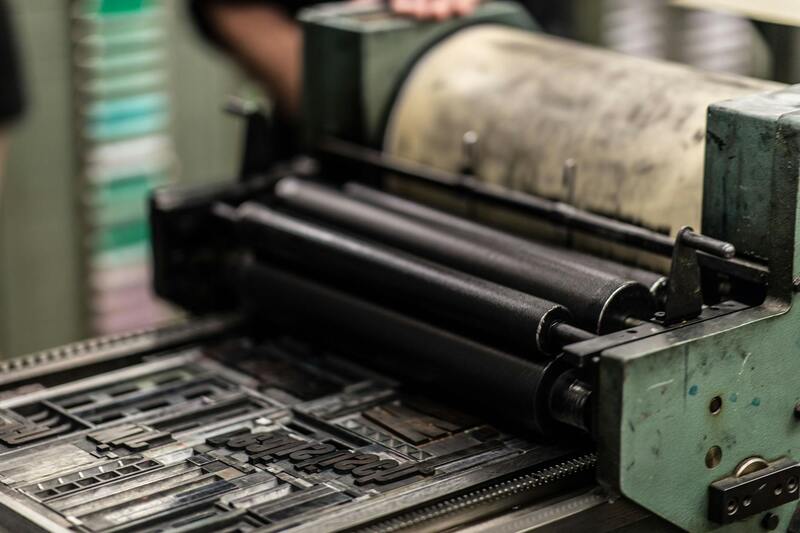
Foil stamping involves applying a metallic foil to specific areas of the card, creating a reflective, eye-catching effect. This technique is particularly effective for highlighting logos, borders, or intricate artwork. By using heat and pressure, foil stamping ensures the metallic accents are embedded securely into the surface, providing a polished and luxurious appearance that aligns with premium branding strategies.
Embossing and Debossing: Creating Textural Depth
Embossing raises elements of the design, providing a three-dimensional tactile effect that invites engagement through touch. Conversely, debossing presses areas of the card inward, creating a sunken visual impression. These methods are often used to emphasize brand names, signatures, or special features, making the cards more memorable and distinct from generic alternatives.
Spot UV Coating: Focusing Attention and Adding Contrast
Spot UV coating is a precise application of gloss or matte finish on selected sections of the card. This selective technique enhances visual contrast by drawing the eye to specific design elements such as logos, text, or imagery. The result is a striking interplay between textured areas and matte or satin backgrounds, heightening overall visual appeal and professionalism.
Edge Painting: Framing Your Design
Edge painting involves applying a splash of color along the edges of the card, further customizing its aesthetics. It can be coordinated with the overall design theme or used to add a vibrant pop of color that enhances brand recognition. This finishing touch not only boosts visual interest but also demonstrates the craftsmanship behind each card.
Laser Engraving: Precise Personalization on Metallic Surfaces
Laser engraving utilizes focused laser beams to etch exact designs or text onto metallic, plastic, or other durable surfaces. This method achieves highly detailed customization and is suitable for serial numbering, logos, or personal identifiers. Laser engraving is valued for its permanence and precision, making it ideal for high-end cards that demand a remarkable degree of accuracy.
Official methods such as these, backed by advanced printing technology, ensure that each custom card meets rigorous standards of quality. Such techniques are applied with strict adherence to process controls, resulting in consistent finishes across large orders. Whether for corporate branding, promotional giveaways, or exclusive membership cards, these methods allow businesses and individuals to create unique, visually compelling cards that reflect their identity and values.
Design Considerations and Customization Options
Creating a truly distinctive custom card requires meticulous attention to design details that can elevate the overall aesthetic and functionality. The choice of design elements should reflect the brand identity or personal style, utilizing a combination of visual and tactile features to ensure each card stands out. Departments or individuals seeking a high-impact appearance often incorporate various customization options to meet their specific needs.
One of the primary aspects of customization involves selecting the layout and graphical elements. High-resolution images, logos, and icons can be precisely positioned to optimize clarity and visual balance. Text placement is equally crucial; choosing appropriate fonts, sizes, and colors enhances readability and complements the overall design theme. It’s important to ensure that critical information, such as names, serial numbers, or branding slogans, is prominently displayed without cluttering the layout.
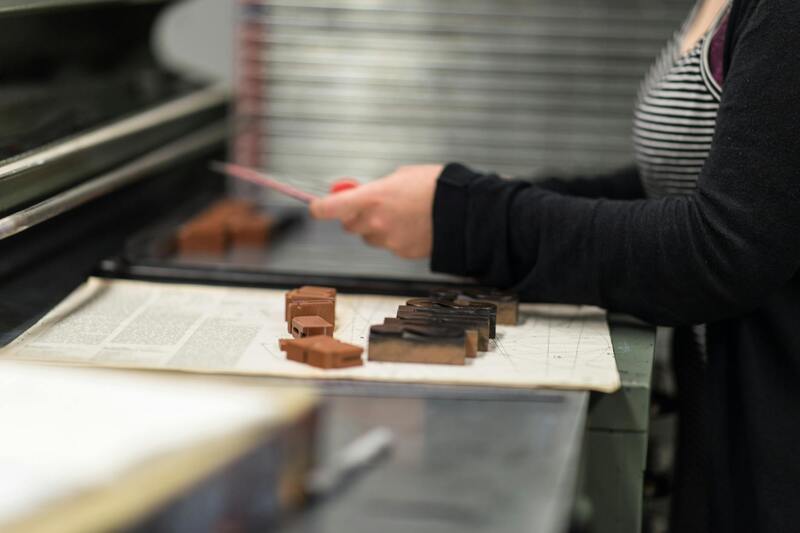
Beyond visual aesthetics, the tactile experience plays a significant role in perceived quality. Texture options, such as embossed or debossed elements, add depth and sophistication to the card. These raised or recessed areas can emphasize logos or key messages, making a memorable impression. When combined with color accents and textured finishes, embossed features create an engaging interplay of visual and tactile elements that reinforce brand identity or personal elegance.
Color choices are also adaptable, with options for monochrome, vibrant, or brand-specific palettes. For instance, edge painting techniques involve applying a splash of color along the borders of the card, which can be coordinated with the main design or used to introduce contrasting accents. This finishing touch not only accentuates the contours of the card but also enhances visual appeal and recognition.

The incorporation of special finishes further enhances the tactile and visual experience. Matte, satin, or gloss coatings each impart a different texture and sheen, influencing how light interacts with the surface. Matte finishes provide a sophisticated, non-reflective backdrop that is excellent for detailed text and images, while gloss coatings add vibrancy and depth. Satin finishes strike a balance, offering subtle sheen without overwhelming the design. Combining these finishes allows customization tailored to the intended use and appearance.
Special effects, such as foil stamping, spot UV coating, or holographic overlays, can be strategically applied for added luxury and distinction. Foil stamping introduces metallic accents that catch the light, ideal for premium branding components. Spot UV coating selectively highlights particular areas, creating contrast between matte and shiny surfaces that draw attention. Holographic finishes provide a dynamic visual effect that further elevates the card’s allure.
For high-security applications, advanced techniques like laser engraving on metallic or plastic surfaces ensure that personalization is both permanent and highly detailed. This method is especially suitable for serial numbering, logos, or personal identifiers that require durability and precision. The combination of these techniques allows manufacturers to produce custom cards that not only meet aesthetic expectations but also meet the rigorous standards required for secure and professional usage.
In sum, a broad spectrum of design considerations and customization options enable the creation of unique, impactful cards. The synergy between visual elements, tactile features, colors, finishes, and security techniques results in a product that aligns perfectly with the purpose—be it corporate branding, promotional material, or personal gifting. Leveraging versatile customization methods ensures each card is not only functional but also a compelling reflection of individual or organizational identity.
Choosing Official Methods for Custom Card Printing
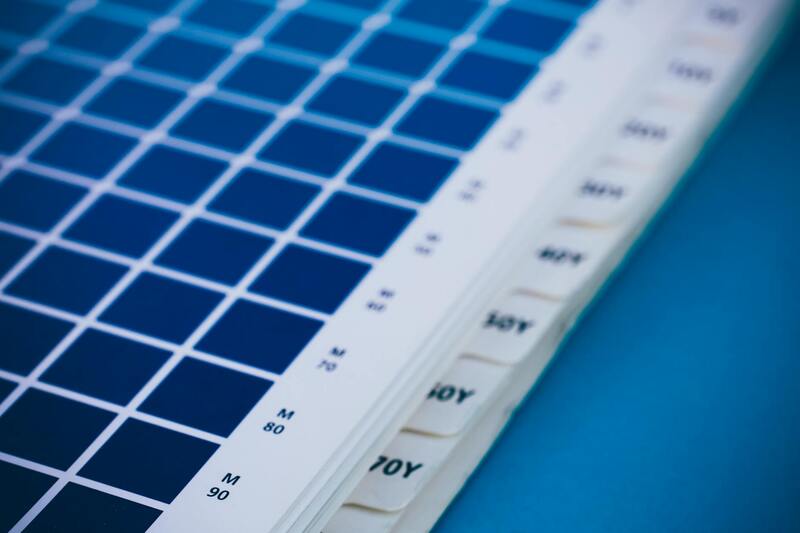
When developing personalized cards, engaging with reputable printing providers ensures the quality, security, and durability of the final product. Trusted companies operate with strict adherence to industry standards, utilizing proven techniques and high-quality materials to produce custom cards that meet specific requirements. Professional methods involve advanced printing technologies and rigorous quality control processes that guarantee consistency, clarity, and precise color reproduction across larger orders.
Key Features of Legitimate Custom Card Printing
- Authorized Production Techniques: Utilization of certified printing presses, UV coating, lamination, and foil stamping to enhance aesthetics and durability.
- Premium Materials: Selection of quality PVC, PET, or composite substrates that withstand daily use and environmental stressors.
- Enhanced Security Measures: Incorporation of holographic overlays, micro-text, serial numbering, and laser engraving to prevent counterfeiting and tampering.
- Transparent Processing: Clear communication about design specifications, approval processes, and delivery timelines to foster trust and accountability.
- Compliance with Industry Standards: Adopting recognized standards ensures adherence to best practices for print quality, security features, and environmental safety.
Advantages of Commercial and Certified Printing Services
Partnering with established providers like disc-print.com offers numerous benefits, such as consistent print quality, access to cutting-edge technology, and comprehensive security features. These providers employ meticulous quality assurance protocols—ranging from color calibration to inspection at multiple stages—to ensure each batch of cards aligns with client expectations and industry benchmarks. Moreover, they maintain transparency about their processes, providing detailed insights into print methods, materials used, and security enhancements, giving customers confidence in the legitimacy of their products.
Security Features and Authentication Methods
Official custom card printing services utilize specialized techniques to embed security features directly into the card design, elevating authenticity verification. Laser engraving creates permanent, tamper-resistant markings that are difficult to replicate. Holographic overlays add a dynamic visual layer, easily identifiable under specific lighting conditions. Micro-text, embedded in the design, acts as a covert feature readable only under magnification. Additionally, serial numbers and QR codes facilitate tracking and validation, essential for applications where authenticity is paramount. These methods are meticulously applied through validated machinery, ensuring uniformity and high security standards across every card produced.

Ensuring Consistency in Custom Card Production
Reliable providers implement stringent quality control checks at each stage of production. Initial design approval and digital mock-ups confirm accuracy before printing commences. During the print process, calibration of printers and color management systems helps maintain color fidelity and image sharpness. Post-production inspections verify that each card matches the approved design, security features are correctly embedded, and materials meet specified standards. This systematic approach minimizes errors, ensures consistent output, and sustains high customer satisfaction across batches of custom cards.
Legitimate Platforms for Custom Card Printing
Established companies like disc-print.com specialize in official custom card printing, providing clients with verified processes, secure materials, and a broad spectrum of secure customization options. These platforms operate transparently, presenting detailed product descriptions, security feature options, and quality assurance standards to support informed decision-making. Their reputation is built on delivering authentic, durable, and secure custom cards tailored to various purposes, from corporate branding to secure personal identification.
Advanced Security Features in Custom Card Printing
When selecting custom card printing services, it is crucial to consider the incorporation of advanced security features that safeguard the authenticity and integrity of each card. Reliable providers employ a combination of proven technologies to enhance the security level, including holographic overlays, laser-engraved identifiers, microtext, and embedded security chips. These features serve as formidable barriers against counterfeiting attempts, making each card more difficult to duplicate or manipulate.

Holographic overlays are widely used within high-security custom cards due to their visual complexity and difficulty to replicate. These overlays can feature dynamic images, shifting colors, or intricate patterns that are easily verified visually, providing both aesthetic appeal and security assurance. Laser engraving adds another layer of security by permanently marking the card surface with highly detailed patterns, serial numbers, or personal identifiers that are resistant to erasure or alteration. Microtext, consisting of tiny print often invisible to the naked eye, is embedded within the design to verify authenticity under magnification.
Additionally, the integration of embedded security chips, such as contact or contactless microchips, allows for encrypted data storage and secure transactions. These chips can contain encrypted personal data, transaction records, or unique identifiers, making unauthorized copying or cloning highly impractical. When combined, these features establish a multi-layered defense system that enhances the credibility and security of custom cards, especially for applications involving sensitive information or financial transactions.
Ensuring Consistency and High Standards in Production
Security features are only effective when applied with precision and consistency. Reputable custom card printing services adhere to strict quality control protocols, starting from initial design approval through to final inspection. During production, calibration of printing machinery ensures consistent color fidelity, crisp image reproduction, and precise application of security elements. Post-production audits verify that each card matches the approved specifications, with particular attention paid to the placement and functionality of security features.
This systematic approach minimizes the risk of defects, misalignments, or security breaches, fostering trust in the obtained product. Moreover, the use of validated machinery and certified security processes allows clients to confidently utilize their custom cards for branding, identification, or secure transactions, knowing each piece has been produced to the highest standards.
Transparency and Verification of Security Measures
Established providers of custom card printing openly disclose the security features they incorporate, enabling clients to perform verification procedures as needed. Detailed descriptions of security measures, along with visual inspection guides, help users recognize authentic cards from counterfeits. This transparency not only enhances customer confidence but also ensures ongoing security compliance in usage environments.
Material Selection for Durability and Security
The choice of materials plays a pivotal role in the security and longevity of custom cards. High-grade PVC or composite substrates are typically selected for their durability and compatibility with security features. Specialized laminates can be applied to reinforce the card surface, protecting embedded features from wear and tampering. Materials that withstand various environmental factors—such as exposure to water, heat, or chemicals—are preferred to ensure the card maintains its security integrity over time.
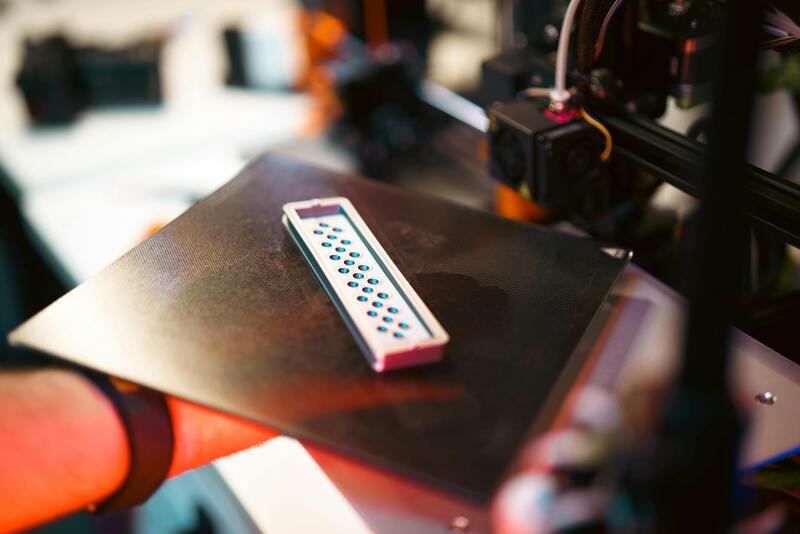
In sum, the integration of advanced security features, meticulous quality control, transparent procedures, and durable materials define high-quality custom card printing. Selecting a trusted and experienced provider ensures that each card not only meets aesthetic expectations but also provides robust protection against counterfeiting and misuse, maintaining integrity across various applications ranging from corporate branding to secure personal identification.
Advanced Security Features and Quality Assurance in Custom Card Printing
For organizations and individuals seeking to create highly secure, durable, and visually appealing custom cards, relying on advanced printing technologies coupled with strict quality control measures is essential. The integration of sophisticated security features ensures that each card produced maintains its intended function without compromise, preventing unauthorized duplication or misuse. This comprehensive approach combines state-of-the-art printing processes with meticulous quality assurance protocols to deliver cards that meet high standards of integrity and longevity.
Utilization of Cutting-Edge Printing Technologies
Modern custom card printing leverages technologies such as dye sublimation, offset printing, and digital UV printing, allowing for precise and vibrant designs. Dye sublimation, in particular, offers high-resolution images with seamless dye integration, yielding crisp details and vibrant color outputs. Offset printing provides consistency across larger volumes, ensuring each card maintains uniformity in design. Digital UV printing allows for direct printing onto various substrates, including specialty materials, enabling customization with unique textures and effects. These technologies provide not only aesthetic flexibility but also facilitate the incorporation of security features directly into the design, such as holographic overlays, microtext, and complex background patterns.
Incorporation of Advanced Security Features
Legitimate custom card providers often embed multiple security elements to enhance authenticity and reduce fraud. These include holographic images, color-shifting inks, microtext, UV-reactive markings, and embedded chips or RFID components. Holographic overlays can be customized with intricate logos or patterns that are difficult to replicate. Microtext, visible under magnification, acts as an additional safeguard. UV-reactive markings become visible only under ultraviolet light, offering quick verification methods. For cards equipped with chips or RFID tags, secure contact points and encryption protocols are implemented to protect data against illicit access. Integrating these features into the printing process ensures comprehensive security while maintaining visual appeal.
Rigorous Quality Control and Inspection Procedures
Quality assurance begins with strict inspection at every stage of production. High-resolution image checks confirm color accuracy and design integrity. Surface examinations ensure that finishes like gloss, matte, or soft touch apply evenly without defects. Thickness and dimensional measurements verify compliance with specified standards, which is crucial for compatibility with card readers and accessories. Additionally, security features are tested through specific verification procedures, such as UV light checks for hidden markings or functional tests for embedded chips. Sample audits and batch testing ensure consistency across large productions, minimizing errors and defects that could compromise card security or usability.
Environmental Durability and Tamper Resistance
The choice of materials plays a critical role in the durability and security of custom cards. High-quality PVC or composite substrates are resistant to bending, scratching, and surface wear. Specialized laminates protect the printed design and embedded security features from environmental factors like water, heat, and chemicals. Additionally, tamper-evident features such as holograms or thermo-reactive inks become visible when an attempt is made to alter the card’s surface or contents. Incorporating these materials and features guarantees that the cards retain their security functions and aesthetics throughout their lifecycle, even in demanding environments.
Continuous Improvement and Compliance
Leading custom card providers stay ahead by continuously updating their printing processes and security measures to adapt to emerging threats and technological advancements. Transparency in production practices, combined with adherence to industry standards, fosters trust and confidence among clients. Moreover, partnerships with security consultants and issuance specialists help refine security features, ensuring that each batch of cards not only looks premium but also performs reliably under scrutiny. This ongoing commitment to innovation and quality compliance underscores the importance of choosing reputable providers for all custom card printing needs.