
Understanding Poster Printing Costs
Poster printing is a vital component of marketing and branding strategies, especially for businesses aiming to capture attention in busy environments. The cost of printing a poster can vary significantly based on numerous factors, including size, material choice, printing techniques, and additional services. Knowing the typical pricing structures in Singapore helps organizations Budget effectively while ensuring high-quality output that aligns with their promotional objectives.
Standard rates for poster printing in Singapore often reflect industry pricing models that are scalable based on poster specifications. For example, small to medium-sized posters, such as A3 or A2 formats, tend to have a straightforward pricing structure, often priced per unit with discounts available for bulk orders. Larger posters or those requiring premium materials naturally command a higher price point due to increased material costs and printing complexities.
Pricing structures also differ depending on the printing service provider. Some suppliers implement tiered pricing, where the cost per poster decreases as the quantity increases, fostering economical choices for large campaigns. Others may offer flat rates for specific poster sizes, with additional charges applied for special materials or finishing options. Recognizing these variations is crucial for planning budgets and selecting the most appropriate printing solution for your project needs.
Typical Price Range for Poster Printing in Singapore
- Small posters (A3, 11.7 x 16.5 inches): SGD 10 to SGD 25 per piece
- Medium posters (A2, 16.5 x 23.4 inches): SGD 25 to SGD 50 per piece
- Large posters (A1, 23.4 x 33.1 inches): SGD 50 to SGD 120 per piece or more
Prices tend to increase with larger sizes and premium materials. It’s common to encounter additional costs for special finishes such as gloss, matte, or lamination, which enhance visual appeal and durability. Furthermore, some providers may include setup fees for custom designs or large-format printing, which should be factored into the overall budget.
Factors Contributing to Cost Variations
While size and material are primary determinants of poster printing costs, several other factors also influence overall expenditure:
- Material Type: Standard paper is affordable, but premium materials like vinyl or fabric significantly increase costs due to durability and appearance.
- Printing Technique: Digital printing offers fast turnaround and high-quality results, but screen printing or specialty finishes may add to the expense.
- Design Complexity: Intricate graphics or color-rich designs can require longer print times and additional color setups, affecting pricing.
- Quantity: Bulk orders typically benefit from reduced per-unit costs, making large campaigns more economical.
- Finishing and Mounting: Options such as framing, lamination, or adhesive mounting contribute additional costs but enhance durability and presentation quality.
Understanding these components allows clients to make informed decisions, balancing quality with budget constraints to achieve effective visual communication.
Understanding Poster Printing Costs
Estimating the expenses associated with poster printing requires a comprehensive grasp of various contributing factors. Pricing structures in the industry are influenced significantly by size, material quality, printing techniques, order quantity, and supplementary services. Recognizing how each element impacts the total cost enables clients to allocate budgets efficiently while maintaining high-quality visual communication.

While general price ranges provide a baseline, the specific choices made during the printing process can cause notable variations. For example, opting for larger formats like A1 or custom dimensions inherently increases material use and setup times, translating into higher expenses. Similarly, selecting premium materials such as vinyl or fabric enhances durability and finish, but these choices come with added costs. Additionally, finishes like gloss, matte, or lamination improve visual appeal and longevity, yet they are typically billed separately or added as premium options.
Factors Contributing to Cost Variations
- Material Type: Standard poster paper offers a cost-effective solution but may lack durability, whereas vinyl or fabric substrates provide robustness at a higher price point.
- Printing Technique: Digital printing is efficient for small to medium runs, providing excellent quality at reasonable costs. In contrast, screen printing or specialty finishes often elevate the expense due to increased setup complexity.
- Design Complexity: Posters featuring intricate graphics, gradients, or multiple colors necessitate longer production times and more extensive color management, impacting costs.
- Order Quantity: Bulk printing typically reduces per-unit costs, making larger campaigns more budget-friendly. Small orders tend to carry higher unit prices due to setup and material use.
- Finishing and Mounting: Additional services like framing, lamination, or adhesive mounting amplify overall expenditure but significantly enhance the poster’s presentation and lifespan.
Understanding these variables ensures clients can make informed decisions, optimally balancing budget considerations with desired visual outcomes. Carefully selecting materials and finishes aligned with the intended display environment and longevity requirements leads to a more effective and cost-efficient poster campaign.
Images Placeholder
Understanding Poster Printing Costs
Accurate budgeting for poster printing requires a comprehensive understanding of the various costs involved. While base prices might seem straightforward, numerous factors influence the final cost, and these variances can significantly impact overall expenses. Key considerations include material selection, printing techniques, design intricacies, order volume, and supplementary finishing services. Each element plays a critical role in determining the price, making it essential for clients to evaluate their specific project requirements thoroughly.
For example, choosing a durable vinyl or fabric substrate typically entails higher costs compared to standard paper. These materials are suitable for long-term outdoor displays or environments with frequent handling, offering enhanced longevity and resilience. Additionally, the printing method selected influences the price point; digital printing, favored for its speed and cost-effectiveness for smaller runs, generally incurs fewer expenses than traditional screen printing or specialty ink finishes, which involve more complex setup processes and higher labor costs.
Design complexity can also affect the budget. Posters incorporating detailed graphics, gradient color blends, or multiple colors require meticulous color calibration and longer production times. Consequently, such designs may result in increased expenses. Furthermore, order quantity is a crucial determinant; bulk printing typically reduces the unit cost due to economies of scale, whereas small orders might carry a premium rate because of setup and material handling overheads.
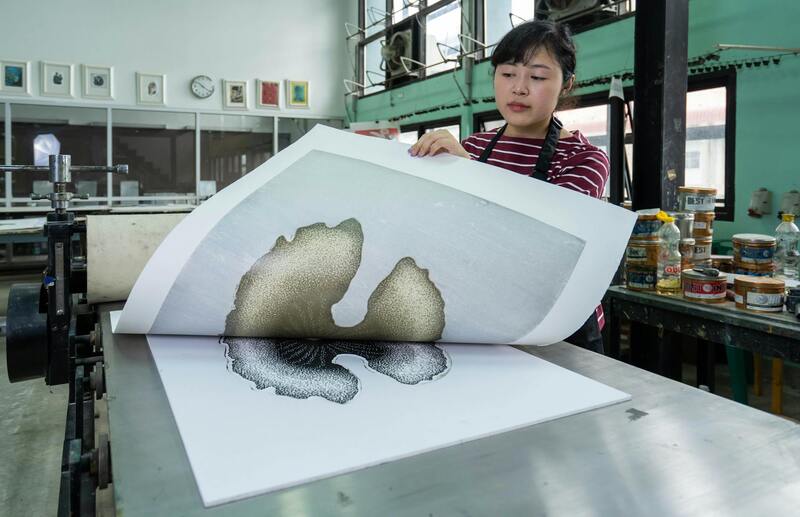
Finishing options such as lamination, mounting, or framing also add to the overall expenditure. These enhancements not only improve visual appeal but also extend the lifespan of the poster, offering additional value for the investment. For projects requiring quick turnaround times or specific presentation styles, these finishing services become necessary considerations when calculating the total poster printing costs.
Breakdown of Cost Components
- Material Cost: The choice of substrate directly influences expenses. Standard poster paper is economical, while specialty materials like vinyl or fabric are pricier but more durable.
- Printing Technique: Digital printing is efficient for most projects with moderate complexity, whereas screen printing or special finishes elevate the cost due to technical demands.
- Design Complexity: More intricate graphics, multiple colors, and gradients increase production time, thus impacting the overall cost.
- Order Quantity: Larger orders benefit from unit cost reductions, making bulk printing more feasible for extensive campaigns.
- Finishing & Mounting: Framing, lamination, and mounting methods add to the final expenses but improve the presentation and durability of the poster.
Understanding these variables empowers clients to make well-informed decisions, balancing quality requirements with budget constraints effectively. Evaluating the display environment, exposure conditions, and longevity expectations helps determine the optimal material and finish choices, ensuring the campaign's visual impact aligns with cost considerations.
Understanding Poster Printing Costs
Accurately estimating the expense involved in poster printing requires a comprehensive understanding of the various components influencing the total price. Official methods focus on transparent pricing structures that account for both fixed and variable costs, ensuring clients are aware of all factors contributing to their final invoice. Articulating these methods helps maintain trust and facilitates clear budgeting for projects.
Material Selection and Its Role in Cost Structure
The foundation of a poster's durability and visual impact is largely dependent on the chosen material. Standard poster paper tends to be the most economical option, suitable for indoor displays and short-term use. Conversely, premium materials such as vinyl, fabric, or waterproof substrates incur higher costs but provide increased longevity and resistance to environmental factors. Selecting a material aligned with intended display conditions ensures optimal value without overspending.

Printing Technique and Associated Expenses
The method employed to produce the poster impacts both the quality and the cost. Digital printing stands out as the primary official technique due to its efficiency, high-resolution output, and versatility across different sizes and materials. Techniques like screen printing or special finishing processes, such as embossing or spot UV coating, involve additional technical steps, thereby elevating the price. It is essential to choose the most suitable method based on project complexity and quality requirements.
Design Complexity and Its Impact
The intricacy of the poster's design further influences production costs. Posters featuring elaborate graphics, multiple color layers, gradients, or detailed images demand more time and ink, which increases expenses. High-resolution images and complex vector graphics may also necessitate advanced file preparations, adding to the overall costs. Clients should aim to keep designs optimized to ensure effective use of resources while maintaining visual impact.

Order Quantity and Cost Efficiency
Official pricing models typically feature scale economies, where larger orders reduce the unit cost of each poster. Bulk printing is advantageous for extensive marketing campaigns or events, enabling clients to achieve substantial savings. However, for smaller quantities, fixed expenses such as setup and prepress work are distributed across fewer units, resulting in higher per-piece costs. Strategic planning around order size can significantly influence overall expenditure.
Additional Finished and Mounting Options
Enhancement services, including framing, lamination, and mounting, add to the final commercial investment but confer benefits like increased durability, ease of display, and a polished appearance. These options are often selected to match specific usage environments or branding standards. Considering such supplementary features during the initial budgeting process ensures clarity on total costs and helps determine the most appropriate choices based on project objectives.
Understanding Poster Printing Costs
Determining the cost to print a poster involves assessing multiple components that contribute to the overall expense. These include the size of the poster, the materials used, the printing technology employed, and any additional finishing or mounting services. Clients seeking high-quality, durable, and visually impactful posters should consider these factors thoroughly to allocate an appropriate budget. Pricing structures may vary between providers, but understanding the core elements that influence poster printing costs helps in making informed decisions and achieving optimal results within budget constraints.
Factors Influencing Poster Printing Costs
Several key elements affect the final cost of poster printing, often intertwined to determine the total expenditure. These include:
- Design complexity: Intricate graphics, gradients, and multi-layered color schemes demand more ink and time, elevating costs.
- File preparation: High-resolution and vector graphics require precise setup to ensure quality, potentially increasing prepress expenses.
- Order quantity: Larger orders generally benefit from volume discounts, lowering per-unit costs through scale economies.
- Material selection: The choice of substrate (e.g., standard poster paper versus canvas or specialty films) significantly impacts the total cost.
- Printing technology: Different printing methods, such as digital, eco-solvent, or UV printing, have distinct cost profiles based on equipment and material compatibility.
- Finishing options: Features like lamination, framing, mounting, or lamination add to the expense but extend the poster's durability and presentation appeal.
Strategic planning and careful evaluation of these factors are essential for balancing quality and cost, especially for professional or commercial applications where visual impact directly influences branding or marketing success.
Pricing by Poster Size
The size of a poster is a primary determinant of printing cost, with larger formats generally incurring higher expenses due to increased material use and longer printing times. Typical size categories include:
- Small posters (e.g., A3 or 11x17 inches): These are cost-effective options suitable for indoor promotions and detailed visuals. Pricing is usually the lowest in this category.
- Medium posters (e.g., 24x36 inches): Often used for events or retail displays, these require more material and precise handling, leading to moderate cost increases.
- Large posters (e.g., 48x72 inches or larger): These impactful formats entail higher costs due to extensive material, specialized printing equipment, and extended production time.
It is important to note that some printers offer tiered pricing, where cost per square foot decreases as poster size increases, benefiting bulk orders or large-scale campaigns. Clients should specify desired dimensions early in the planning process to obtain accurate quotes and prevent unexpected expenses.
Material Options and Their Impact on Cost
The choice of printing materials profoundly influences overall costs and the poster's lifespan and appearance. Common substrates include:
- Standard poster paper: Cost-effective and suitable for temporary displays or indoor use. It offers vibrant color reproduction but limited durability.
- Vinyl: Durable and weather-resistant, ideal for outdoor advertising. Higher in cost but provides longevity and resistance to environmental elements.
- Canvas or fabric: Offers a matte finish with a textured surface, suitable for artistic displays or high-end presentations. These materials tend to be more expensive due to their quality and handling requirements.
- Specialty films: Including magnetic or reflective surfaces that serve niche purposes, often priced at premium rates due to their unique properties.
Choosing the appropriate material involves evaluating the intended use, placement environment, and budget. For instance, indoor posters for short-term exhibition might favor economical paper options, whereas outdoor campaigns benefit from robust vinyl materials. The selection process balances initial costs against potential longevity and visual impact, making it a critical step in cost management.
Understanding Poster Printing Costs
Pricing for poster printing involves several essential considerations that help ensure a project remains within budget while meeting quality expectations. Accurate estimations start with identifying the specific requirements of the poster, including dimensions, materials, and additional finishing options. When requesting quotes, it is crucial to provide the exact size and desired specifications to obtain precise pricing details. Industry-standard calculators and consultation with professional printing services can assist in estimating costs effectively, preventing unforeseen expenses later in the process.

Factors Influencing Poster Printing Costs
Several key factors impact the overall expenses associated with poster printing. The main elements include:
- Print Size: Larger posters typically require more materials and longer printing times, leading to increased costs.
- Material Selection: The choice of substrate significantly affects the price, with premium materials like canvas or specialty films costing more than basic paper.
- Printing Technique: Techniques such as high-resolution digital printing or traditional screen printing can differ in cost due to equipment, ink, and labor involved.
- Quantity: Bulk orders often benefit from discounted unit prices compared to single or small batch print runs.
- Color vs. Black & White: Full-color printing generally incurs higher costs due to ink usage and process complexity.
- Additional Services: Mounting, lamination, framing, and finishing options add layers of expense, each affecting the total price.

Pricing by Poster Size
The cost scale for poster printing is strongly size-dependent. Standard dimensions such as A2, A1, A0, and custom sizes each have different price points. For instance, an A1 size poster may be more economical per square inch than larger formats due to the economies of scale in printing. It's advisable to plan the poster dimensions early and consider how they correlate with the target display environment. Providing precise measurements to suppliers helps in obtaining accurate quotations and managing project budgets effectively.
Material Options and Their Impact on Cost
The selection of materials is central to both the aesthetic and durability of the final product. Common poster substrates include:
- Standard Poster Paper: Cost-effective, vibrant, suitable for indoor use or temporary displays. It offers a budget-friendly option but limited longevity.
- Vinyl: Weather-resistant and durable, ideal for outdoor advertising. Although more costly, vinyl provides extended lifespan and resilience against environmental factors.
- Canvas or Fabric: Creates a textured matte finish, often favored for artistic or high-end displays. These materials cost more due to handling and quality considerations.
- Specialty Films: Includes magnetic, reflective, or holographic surfaces that serve niche purposes, priced at premium rates for their unique capabilities.

Choosing the right material involves weighing the intended display environment, lifespan expectations, and visual impact against the initial investment. Using durable materials like vinyl for outdoor campaigns might increase upfront costs but can reduce reprinting expenses over time. Conversely, economical paper options are suitable for short-term indoor displays, providing flexibility in project budgeting.
Additional Services and Their Costs
Beyond printing itself, various supplementary services can influence the overall expense. These include:
- Mounting and Laminating: Ensures protection and ease of display, often adding to the cost depending on the material and method used.
- Framing: Frames contribute to the poster’s presentation and durability, with custom framing options typically costing more.
- Finishing Touches: Edge trimming, grommets, or custom mounting solutions can increase expenses but enhance the poster’s visual appeal and functionality.
Clients should consider these extras as integral parts of their overall poster investment, balancing visual quality and longevity with budget constraints.
Understanding Poster Printing Costs
When planning a poster printing project, accurately estimating the associated costs is essential for effective budget management. Poster printing expenses encompass a variety of elements, including material selection, size, printing techniques, and optional finishing services. Recognizing what influences these costs enables clients to make informed decisions that align with both their aesthetic goals and financial constraints. Detailed knowledge of these components can help optimize the value obtained from each printing investment, ensuring that the final product meets desired standards while adhering to budgetary limits.
Factors Influencing Poster Printing Costs
Several key factors determine the overall expense of poster printing projects. These include:
- Size and Dimensions: Larger posters inherently require more material and ink, which increases costs proportionally. Standard sizes like A2 or A1 are typically more economical than custom dimensions due to standardized production processes.
- Material Quality and Type: Choosing between different substrates such as gloss or matte paper, vinyl, or fabric impacts the pricing structure. Premium materials like textured art paper or weather-resistant vinyl generally command higher prices due to their durability and visual appeal.
- Printing Technique: Digital printing offers high-quality results with quick turnaround times suitable for small to medium quantities. Offset printing, on the other hand, might be more cost-effective for large volumes but involves higher initial setup costs.
- Color and Resolution: Full-color, high-resolution prints consume more ink, which can increase costs. Monochrome or limited-color prints tend to be more economical.
- Quantity of Prints: Bulk orders usually benefit from volume discounts, reducing the per-unit cost. Small batches or one-off prints come at a premium rate.
- Finish and Special Effects: Matting, glossing, lamination, or varnishing add to the overall expense but enhance durability and visual impact.
Pricing by Poster Size
The size of the poster significantly influences its cost. Typical price ranges in the industry can be summarized as follows:
- Small Formats (e.g., A3, 11x17 inches): Generally range from USD 10 to USD 25 depending on material and finish.
- Medium Formats (e.g., A2, 16x24 inches): Usually cost between USD 25 to USD 50 per piece, reflecting material and complexity.
- Large Formats (e.g., A1, 24x36 inches or larger): Priced from USD 50 onwards, with higher costs for premium materials or special finishes.
Material Options and Their Impact on Cost
The choice of material plays a crucial role in the final cost of poster printing. Standard paper options such as gloss or matte finish satin paper are generally cost-effective and suitable for indoor displays. However, for outdoor use or applications requiring longevity, rigid vinyl or fabric materials are preferable, albeit at a higher price point.
Durability, appearance, and application environment strongly influence material selection. For example, weather-resistant vinyl banners are ideal for outdoor signage but involve higher initial investment. Conversely, thinner paper posters are less expensive but may not withstand environmental elements, limiting their use to short-term indoor displays.

Printing Techniques and Cost Implications
The technique employed affects both quality and expenditure. Digital printing is prevalent for its speed, flexibility, and suitability for short runs. Its cost structure favors smaller quantities with competitive per-unit prices for high-resolution, vibrant color reproductions.
Offset printing, while offering lower costs per piece for large volumes, involves higher setup costs and longer turnaround times. It is occasionally chosen for mass production of posters with consistent design elements. Laser and inkjet printers are also commonly used in smaller projects, providing on-demand flexibility but with varying ink consumption and finishing costs.
Additional Services and Their Costs
Beyond standard printing, supplementary services can enhance poster presentation and durability, although they add to the total expense. These services include:
- Mounting and Laminating: Provides protection against wear and environmental damage. Expect additional charges based on size and method, typically ranging from USD 10 to USD 50 per poster.
- Framing: Custom framing options can elevate the visual impact but contribute significantly to the overall cost, often starting at USD 50 for basic frames and increasing with customization.
- Finishing Touches: Edge trimming, eyelets, grommets, or adhesive mounting solutions enhance functionality and aesthetic appeal, with costs scaled accordingly.
Investing in these extras ensures longevity and professionalism, making the upfront expenditure worthwhile for impactful display outcomes.
Understanding Poster Printing Costs
In Singapore, the expenses associated with poster printing are influenced by a multitude of factors, including the scale, material choice, and additional finishing services. When evaluating the total cost, it is essential to distinguish between the basic printing fees and supplementary charges that can enhance the presentation and durability of the final product. Recognizing these components enables both businesses and individuals to make informed decisions that align with their budget and quality expectations.
Factors Influencing Poster Printing Costs
Several key elements determine the overall expenditure in poster printing procedures. These include the size and complexity of the poster, the type of material used, the printing method employed, and any additional customization options selected. Each of these elements contributes to the final price and can be adjusted based on specific requirements to optimize costs without sacrificing desired quality.
1. Poster Size and Design Complexity
Larger posters naturally incur higher costs due to increased material usage and longer printing times. Additionally, intricate designs with high-resolution images or multiple color layers may demand more resources and time, translating into increased expenses. Smaller-sized posters tend to be more budget-friendly and suitable for quick dissemination of information.
2. Material Options and Their Impact on Cost
Material selection plays a crucial role in budget determination. Common options include standard paper, premium gloss or matte finishes, vinyl, and fabric materials. While standard paper offers an economical solution, premium materials provide enhanced durability and visual impact, often at a higher price point. Specialty materials like vinyl or fabric are preferred for outdoor use or long-term displays, and they typically command premium rates in the printing process.

3. Printing Techniques and Their Cost Implications
Various printing techniques contribute differently to the overall cost profile. Digital printing remains the predominant method in Singapore for its ease and flexibility, especially suited for short runs or personalized projects. Offset printing might be economical for bulk orders but involves higher setup costs. Other methods, such as large-format or solvent-based printing, are selected for specific durability or vibrancy requirements. Understanding the advantages and limitations of each technique helps determine the most cost-effective approach for a given project.
4. Additional Services and Customization
Beyond core printing, supplementary features like lamination, mounting, framing, and finishing touches can significantly impact costs. Lamination protects posters from environmental damage and can add a glossy or matte finish for aesthetic appeal, with prices ranging based on size and lamination type. Mounting and framing provide a professional edge but require additional investment. Custom edge trims, eyelets, or adhesive backing also enhance functionality but come with extra fees. These services, while adding to the initial expense, extend the longevity and professional appearance of the poster, often justified by the enhanced display quality.
Average Poster Printing Costs in Singapore
In Singapore, typical poster printing expenses range broadly depending on size, material, and service levels. For instance, standard-sized posters (24x36 inches) printed on high-quality paper may start around SGD 20 to SGD 50 per piece, with larger or more premium materials costing proportionally more. Small-format posters or flyers can be produced at even lower rates, especially with volume discounts. When adding services such as lamination or framing, an additional SGD 10 to SGD 50 per poster may be required, depending on complexity and size. Bulk orders often benefit from discounted rates, making large-volume poster printing a cost-effective strategy for organizations requiring multiple displays.