
Understanding Large-Scale Image Printing
Large-scale image printing encompasses the process of reproducing high-quality images on oversized surfaces, often exceeding standard document sizes. This service is vital across multiple industries due to its ability to translate digital visuals into impactful physical displays. From advertising billboards to architectural renderings, fine art reproductions to event banners, large-scale printing serves as a pivotal communication tool, enabling organizations to produce visually compelling content that captures attention and conveys messages effectively. The importance of precision, color fidelity, material selection, and advanced printing technology makes large-scale image printing a specialized field requiring both expertise and sophisticated equipment.

In practical applications, large-format printing is employed for a diverse array of purposes, including:
- Advertising and promotional banners in retail spaces, trade shows, and outdoor campaigns
- Interior decor elements such as wall murals and custom artwork
- Architectural and engineering visualizations displayed on-site or in presentations
- Event signage including backdrops, stage banners, and directional signage
- Commercial art reproductions used by galleries or artists to showcase their work at a significant scale
The need for such expansive prints requires specialized printing techniques that can handle large surfaces without compromising on image quality or color accuracy. Furthermore, these large-format outputs are often printed on a variety of surfaces such as vinyl, fabric, canvas, or rigid materials, tailored to the intended environment and durability requirements.
The functionality of large-scale image printing extends beyond aesthetics. It plays a strategic role in marketing, branding, and information dissemination, making it an indispensable component for success in modern business environments and creative projects. High-resolution graphics, attention to color fidelity, and durable materials are essential elements that ensure the final product not only meets visual expectations but also withstands environmental factors if placed outdoors or in high-traffic areas.
Overall, mastering large-scale image printing involves understanding technological capabilities, material compatibility, and meticulous preparation, all aimed at delivering impeccably detailed and vibrant prints that fulfill the expectations of clients and end-users alike.
Understanding Large-Scale Image Printing
Large-scale image printing encompasses a range of procedures designed to produce high-resolution prints on expansive surfaces. This process plays an indispensable role in visual communications across industries such as advertising, interior design, architecture, and the arts. The goal is to translate digital imagery into tangible, large-format outputs that maintain clarity, color fidelity, and durability, regardless of the surface or environment. These large prints often serve as prominent visual elements in settings like trade shows, retail displays, outdoor billboards, or interior murals. Achieving optimal results involves selecting appropriate printing techniques, raster resolutions, and surface materials that align with the project’s purpose and environmental conditions. The capability to handle diverse substrates—including vinyl, fabric, canvas, and rigid panels—extends the versatility of large-scale printing, ensuring adaptability across various applications.

In addition to capturing visual impact, large-format printing must also consider factors such as image sharpness, color accuracy, and environmental resilience. For instance, outdoor installations require UV-resistant inks and weatherproof materials to withstand sun, rain, and wind, while indoor applications may prioritize vibrant color reproduction and finer detail. The comprehension of material properties, along with precise calibration and proofing, ensures that the final product aligns with the original design intent. Strategic planning in large-scale image printing involves meticulous image preparation, including resolution settings, color management, and scaling techniques. Proper tiling and seaming methods are essential for assembling multiple panels seamlessly when the print size exceeds the dimensions of the printing machine. These considerations are crucial for delivering a cohesive final result that meets clients’ expectations and project specifications.
The Critical Role of Image Quality and Material Compatibility
For large-format printing, image resolution is paramount; images must be prepared with a minimum of 150-300 dpi to prevent pixelation upon enlargement. Maintaining color fidelity requires careful color management processes, including the use of standardized color profiles and calibration tools, which guarantee consistency between digital files and physical prints. Material selection impacts not only the aesthetic appeal but also the longevity of the print. Surface characteristics—such as gloss, matte, or textured finishes—must be matched to the intended use. For instance, semi-gloss vinyl provides a vibrant appearance suitable for promotional signage, while matte fabrics reduce glare for art reproductions. The compatibility of inks with selected substrates influences color vibrancy, adhesion, and resistance to environmental factors.
Refining Production Through Proper File Handling
Effective file preparation ensures optimal print quality and minimizes production errors. Files should be saved in high-resolution formats like TIFF or PDF, with all fonts embedded and images embedded at the correct resolution. It's vital to verify color profiles and ensure that bleed areas are accounted for to avoid unwanted white margins or cropping issues. Color accuracy begins with creating a soft proof that approximates the final output, allowing adjustments before printing commences. This step aligns digital colors with printed results, reducing the risk of discrepancies and ensuring client satisfaction.
Understanding Large-Scale Image Printing
Large-scale image printing is a specialized process that involves reproducing high-quality images on expansive surfaces, typically for commercial or artistic purposes. This method demands precision, advanced technology, and meticulous planning to ensure that the final output meets desired standards of clarity, color accuracy, and durability. Whether for billboards, promotional displays, or fine art reproductions, understanding the intricacies of large-format printing is crucial for achieving optimal results.
One of the fundamental considerations in large-scale image printing is maintaining high resolution. Images intended for enlargement must be prepared with a minimum of 150-300 dpi, depending on the viewing distance and substrate. This resolution prevents pixelation or blurring, ensuring that details remain crisp and vibrant when scaled up. Additionally, the preparation involves verifying that images are correctly color-managed and formatted for printing, involving embedding color profiles and ensuring all elements are optimized for large-format reproduction.

The choice of substrate plays a pivotal role in large-scale image output. Selecting the appropriate material depends on the application, environmental exposure, and aesthetic preference. Common options include vinyl, fabric, canvas, and specialty papers. Vinyl offers durability and weather resistance, making it suitable for outdoor signage, while fabric and canvas provide textures ideal for fine art reproductions or indoor exhibits. The compatibility of inks with these surfaces influences color vibrancy, longevity, and resistance to environmental factors such as UV rays and moisture.
Key Aspects of Large-Scale Image Preparation
- File Format and Resolution: Files should be saved in high-resolution formats like TIFF or PDF, with embedded fonts and images at the correct resolution to prevent quality loss during enlargement.
- Color Management: Accurate color reproduction begins with implementing standardized color profiles, ensuring consistency between digital files and printed outputs. Soft proofing allows previewing how colors will appear once printed, facilitating necessary adjustments beforehand.
- Bleed and Margin Considerations: Properly including bleed areas in digital files prevents unwanted white edges after trimming or mounting, ensuring seamless coverage of the entire print surface.
- File Size Considerations: Managing large files efficiently without compromising quality involves compressing images without losing detail, and employing suitable software optimized for handling large datasets.
Advanced Techniques to Enhance Large-Scale Printing Results
Employing advanced digital proofing methods is essential for achieving fidelity between the digital image and the physical print. Soft-proofing simulates the final output on calibrated monitors, enabling adjustments to contrast, brightness, and color balance prior to production. This process reduces costly reprints and ensures client expectations are met precisely.
Furthermore, employing tiling or segmentation techniques can facilitate printing images larger than the maximum width of a single printer. By dividing an image into manageable sections with overlapping margins, technicians can print and then carefully assemble panels to create a cohesive large-scale display. Accurate alignment during assembly is vital to maintain visual continuity, especially in images with fine details or gradients.

Proper calibration of printing equipment and regular maintenance of printers ensure consistent results across large projects. This includes verifying color consistency, checking ink flow accuracy, and calibrating print heads to prevent banding or color shifts. Utilizing professional software compatible with large-format printers streamlines job management, color control, and workflow integration, resulting in efficient production cycles and high-quality outputs.
Ensuring Optimal File Preparation and Resolution for Large-Scale Prints
Achieving high-quality results in large-scale image printing begins long before the physical printer processes the digital file. Proper file preparation is critical to produce crisp, vibrant, and accurate images suitable for expansive displays. Selecting appropriate file formats, managing color profiles judiciously, and considering optimal scaling techniques all play a pivotal role in guaranteeing the final output meets precise expectations.
Choosing the Right File Formats
For large-scale image printing, vector formats such as EPS, AI, or PDF are ideal when dealing with logos, illustrations, or graphics composed of lines and shapes, as they can be scaled infinitely without loss of quality. For photographic images and detailed visuals, high-resolution raster formats like TIFF and PNG are preferred. TIFF files maintain lossless quality, essential for detailed images, while PNG files support transparency, which can be useful for overlays or composite prints.
Implementing Effective Color Management
Color accuracy is fundamental in large-format printing. Embedding correct color profiles, such as Adobe RGB or sRGB, ensures consistency across devices and media types. Calibrated monitors should be used during the editing phase to match the intended output's look. When preparing files, soft-proofing features available in professional design software can simulate how the image will appear on the chosen substrate and printer, enabling necessary adjustments before final production.
Adjusting Resolution and Scaling
Large-format prints demand high-resolution images—typically, a minimum of 150 dpi at the final print size to preserve detail and prevent pixelation. When working with existing files that are smaller, employing intelligent upscaling algorithms within professional software can help increase resolution without significant quality loss. Segmentation or tiling techniques are beneficial for extremely large images, dividing the artwork into manageable sections with overlapping margins. This approach aids in maintaining detail fidelity and simplifies assembly during installation, especially when printing on surfaces that exceed the physical maximum width of the printer.
File Transfer and Storage Considerations
Handling large files requires efficient transfer methods to avoid corruption or data loss. Utilizing secure cloud storage or high-capacity external drives facilitates smooth workflow management. Prior to printing, all files should be double-checked for consistency in color profiles, resolution, and file integrity to prevent unexpected surprises during the production process.
Final Verification and Soft Proofing
Before initiating printing, conducting a soft proof—an electronic simulation of the final output—allows for adjustments in color, contrast, or brightness, reducing waste and reprints. As an added step, test prints of smaller sections can reveal potential issues that might not be visible on screen. This iterative process ensures the entire large-scale image will align with client expectations and specifications.
By meticulously preparing digital files with consideration for resolution, color fidelity, and compatibility, print professionals can maximize the potential of advanced large-scale printing technologies, delivering stunning visual impacts in environments ranging from retail displays to expansive outdoor billboards.
Ensuring Precise Color Reproduction and Effective Proofing Strategies
Achieving remarkable color accuracy in large-scale image printing hinges on employing meticulous calibration processes and leveraging advanced proofing techniques. Regular calibration of printers and monitors ensures that color outputs remain consistent across multiple print runs, reducing discrepancies and maintaining brand integrity. When preparing digital files for large format printing, it is vital to embed color profiles that match the specified output standards, such as Adobe RGB or CMYK, to preserve color fidelity.
Proofing methods serve as essential tools for previewing the final appearance of a large print. Soft proofs, which utilize high-resolution monitors calibrated for precise color display, enable designers to make critical adjustments prior to actual printing. These electronic simulations help identify potential color shifts or mismatches, allowing for corrections that minimize waste and rework.

In addition, physical proof prints—small-scale versions of sections of the actual large print—allow for real-world assessment of color accuracy, contrast, and overall visual impact. Comparing proofs with digital files and making iterative corrections enhances the final output’s quality. Handling different color profiles efficiently during file export and import allows for seamless color management, which is crucial when working with complex images that demand high fidelity.
Implementing robust proofing processes and maintaining strict calibration standards are fundamental practices in large-scale image printing projects. They help achieve predictable results, reduce costly reprints, and reinforce client confidence in delivering consistent, vibrant visuals that meet exact specifications. These strategies are vital for applications spanning retail displays, outdoor advertising, event backdrops, and any environment where compelling visual impact is paramount.
Understanding Large-Scale Image Printing
Large-scale image printing encompasses the process of reproducing high-resolution visuals onto expansive surfaces, often exceeding standard print sizes for impactful visual communication. Achieving impeccable quality in these projects requires a meticulous selection of printing methods, materials, and post-processing techniques. The process begins with comprehensive preparation, including optimizing digital files to match the specifications of large-format printing devices and surfaces. Recognizing the importance of detail preservation, this technique involves balancing resolution, color fidelity, and material compatibility to produce vibrant, durable, and visually striking prints that meet the demands of advertising, interior decor, or outdoor signage.
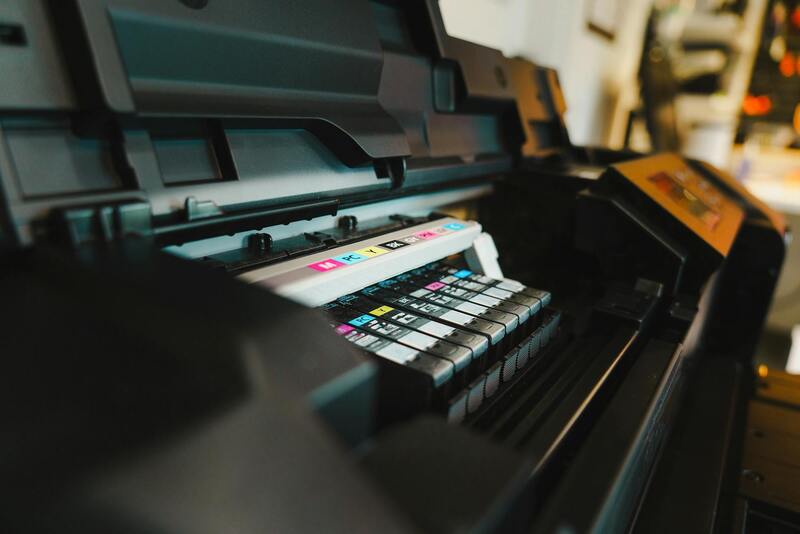
Key Considerations for Large-Scale Printing
- File Optimization: Ensuring files are at least 300 DPI at the desired print size to prevent pixelation and loss of detail.
- Color Management: Working within specific color profiles, primarily CMYK, to maintain color consistency across digital and print media.
- Material Durability: Selecting appropriate substrates that withstand environmental factors or meet aesthetic criteria, such as vinyl, canvas, or specialty papers.
- Resolution Control: Adjusting resolution settings during file preparation to complement large-format printer capabilities and avoid unnecessarily large file sizes that could hinder workflow.
- Consistent Quality Checks: Performing test prints on small sections to verify color accuracy, image sharpness, and material adhesion before committing to full-size production.
Advanced Techniques and Practices for Superior Results
Beyond fundamental preparations, mastering large-scale image printing involves sophisticated techniques aimed at enhancing quality and efficiency. Tiling methods enable seamless printing of images larger than the print bed by dividing the artwork into sections that are printed and assembled meticulously. This approach is particularly beneficial for murals, banners, or entire wall coverings.
Utilizing high-end RIP (Raster Image Processor) software ensures precise color reproduction and efficient workflow management. These tools facilitate accurate tiling, color calibration, and output consistency across multiple prints, streamlining the production process and minimizing the need for manual corrections.
Moreover, integrating automation with advanced cutters and mounting systems can considerably enhance output speed while maintaining high standards. These systems allow for precise edge trimming, aligning, and assembly, guaranteeing that each panel fits perfectly within the overall display, thereby reducing labor costs and achieving a polished final presentation.
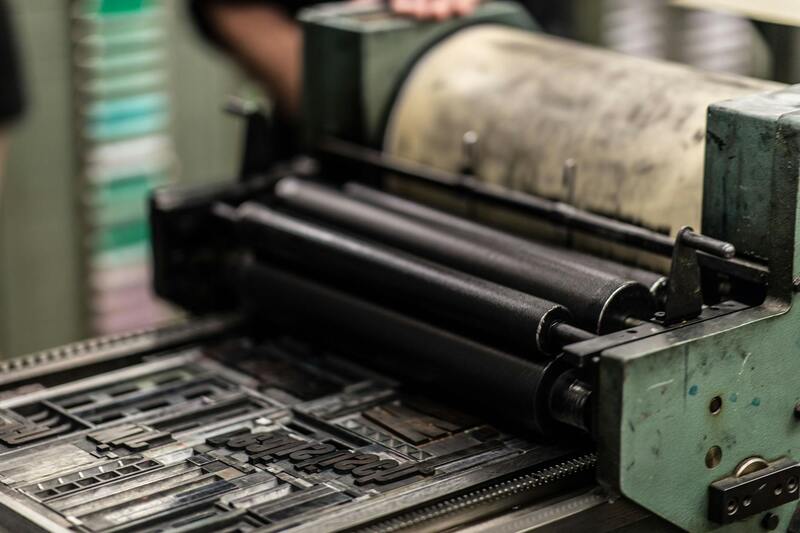
Best Practices for Large-Scale Image Printing
- Consistent Calibration: Regularly calibrate printers and monitors to ensure color fidelity and image quality.
- Material Compatibility Checks: Conduct adhesion and weatherability tests on selected substrates before proceeding with large runs.
- Final Proofing: Generate physical proofs or digital simulations to validate colors, contrast, and overall appearance, making adjustments as necessary.
- Proper Handling and Storage: Store printed materials in controlled environments to prevent deformation, fading, or adhesive issues.
- Accurate Tiling and Assembly Planning: Utilize software tools to plan artwork division, overlap, and mounting procedures for seamless final results.
Understanding Large-Scale Image Printing
Large-scale image printing encompasses a range of professional printing solutions designed to produce expansive visuals with high clarity and color fidelity. These methods are essential in environments where visual impact and large format displays are fundamental, such as advertising, interior decor, exhibitions, and corporate branding. Unlike traditional printing, large-scale methods leverage specialized equipment and optimized workflows that accommodate the dimensions, resolution, and surface considerations unique to expansive visuals.
Implementing effective large format printing begins with understanding the specific requirements of the project, including the intended display environment, viewing distance, and material compatibility. Ensuring precise file preparation and choosing the most suitable printing technology are crucial steps to achieve a high-quality final product. Properly managed, large-scale image printing offers vibrant, durable, and seamless visuals that captivate audiences and reinforce brand messaging.

In the context of professional production, understanding the nuances of large-format printing enables the creation of impactful visual displays that maintain sharpness and color accuracy regardless of size. Furthermore, leveraging official and proven methods secures consistency, longevity, and visual appeal across multiple applications and environments.
Advanced Techniques for Achieving High-Quality Large-Scale Prints
To ensure the highest quality in large-scale image printing, professionals employ a variety of advanced techniques and best practices. These methods are designed to optimize image fidelity, color accuracy, and overall visual impact, regardless of the size of the final print.
High-Resolution Image Acquisition and Optimization
Starting with a high-resolution source file is paramount. Files should typically be prepared at a minimum of 150-300 DPI at the intended print size to prevent pixelation. It's crucial to use original, uncompressed images when possible, and to perform any necessary resizing or sharpening in specialized image editing software before sending the file to the printer. Proper color management workflows, including color grading and calibration, help maintain consistency across different devices and print runs.

Color Management and Profiling
Implementing accurate color management practices involves using calibrated monitors and color profiles tailored to specific substrates and printing technologies. Applying ICC profiles ensures that the printed output closely matches the digital file. Additionally, soft proofing allows designers to preview how colors will appear in the final print, enabling adjustments before production. Regular calibration and profiling of equipment prevent drifts in color reproduction and maintain consistency across multiple prints.
Optimal Tiling and Seamless Assembly
For very large images that exceed printing bed sizes, tiling techniques are employed. Tiling involves dividing the image into manageable sections with overlapping margins, facilitating precise alignment during assembly. Digital tools assist in creating cut lines and registration marks that guide seamless assembly of the final display. Careful attention to these overlaps prevents visible seams and ensures a uniform, professional appearance when panels are joined.
Quality Control and Inspection Processes
Quality assurance is essential at every stage of large-scale printing. After printing, each panel should be inspected under proper lighting conditions for color consistency, sharpness, and any artifacts or defects. Color checks against proofs or color standards verify accuracy, while physical inspections confirm surface integrity and finishing quality. Many high-end print providers incorporate automated color verification systems and manual review protocols to maintain strict quality standards.
Post-Processing and Finishing
Final finishing techniques like lamination offer additional protection and enhance visual appeal, especially for indoor and outdoor displays. Matte, gloss, or satin finishes can be chosen based on the intended environment and aesthetic goals. Edge sealing and mounting accessories, such as framing or adhesive mounts, also contribute to a clean, professional presentation. Proper handling during post-processing minimizes the risk of damage or distortion, preserving the visual integrity of large prints over time.
Environmental Control During Printing and Display
Controlling environmental factors such as humidity, temperature, and dust is critical during large-format printing, as these variables directly impact print quality and adhesion. Maintaining a clean, climate-controlled environment prevents issues like paper warping, ink bleeding, or surface contamination. Additionally, proper storage of finished prints and timely installation help sustain color fidelity and surface quality, ensuring long-lasting visual impact.
Utilizing Professional Equipment and Skilled Operators
Advanced large-format printers equipped with high-precision heads, wide color gamuts, and stabilized printing platforms are integral to achieving excellent results. Skilled operators trained in device calibration, media handling, and troubleshooting are vital for optimizing machine performance and preventing costly errors. Ongoing maintenance and calibration schedules ensure consistent output quality, allowing for precise reproduction of complex images with rich color detail and sharpness.
Ultimately, mastering these official methods and techniques elevates large-scale image printing from simple reproduction to a high art form that captures attention and delivers impactful visual messaging. Each step, from file preparation to finishing, must be executed with technical proficiency and attention to detail, ensuring the delivered print exceeds expectations in quality, durability, and aesthetic appeal.